


Koçiu and Balluku, awareness message for the women of Bulqiza/ "Perform examinations for breast cancer"
In the framework of Pink October, the month of awareness o...


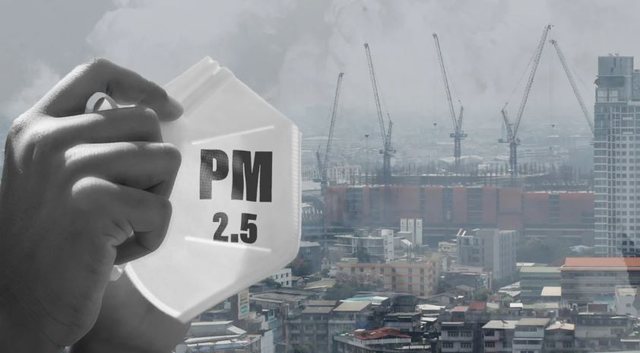
Particulate matter (PM) is not a single pollutant, but rather a mixture of many chemical species. It is a complex mixture of solids and aerosols consisting of small liquid droplets, dry solid fragments, and liquid-coated solid cores.
Particles vary greatly in size, shape and chemical composition and may contain inorganic ions, metallic compounds, elemental carbon, organic compounds and compounds from the earth's crust.
Particles are defined by their diameter for air quality regulatory purposes. Those with a diameter of 10 microns or less (PM10) can be inhaled into the lungs and can cause adverse health effects. Fine particles are defined as particles 2.5 microns or less in diameter (PM2.5). Therefore, PM2.5 includes a part of PM10.
A number of negative health impacts have been associated with exposure to PM2.5 and PM10. For PM2.5, short-term exposures (up to 24 hours) have been associated with premature mortality, increased hospitalizations for heart or lung causes, acute and chronic bronchitis, asthma attacks, emergency room visits, respiratory symptoms, and limited. activity days.
These adverse health effects have been reported mainly in infants, children and the elderly with pre-existing heart or lung disease. Furthermore, of all common air pollutants, PM2.5 is associated with the largest proportion of adverse health effects associated with air pollution, both in the United States and worldwide based on the Global Burden of Air Pollution Project. Diseases of the World Health Organization.
Short-term exposures to PM10 have been associated primarily with exacerbations of respiratory diseases, including asthma and chronic obstructive pulmonary disease (COPD), leading to hospitalization and emergency department visits.
Long-term exposure (months to years) to PM2.5 has been linked to premature death, especially in people who have chronic heart or lung disease, and decreased growth of lung function in children.
The effects of long-term exposure to PM10 are less clear, although some studies suggest a link between long-term exposure to PM10 and respiratory mortality.
The International Agency for Research on Cancer (IARC) published a review in 2015 that concluded that particles in outdoor air pollution cause lung cancer.
Research points to the elderly with chronic heart or lung disease, children and asthmatics as the groups most likely to experience adverse health effects from exposure to PM10 and PM2.5.
Also, children and infants are susceptible to harm from inhaling pollutants such as PM because they inhale more air per kilogram of body weight than adults—they breathe faster, spend more time outdoors, and are larger. small body parts.
In addition, children's immature immune systems may make them more susceptible to PM than healthy adults.
Research from the CARB-initiated Child Health Study found that children living in communities with high levels of PM2.5 had slower lung growth and had smaller lungs at age 18 compared to children living in communities with low levels of PM2.5.
CARB used the US EPA's risk assessment methodology to conduct an estimate of premature mortality associated with exposure to PM2.5 (California Air Resources Board 2010).
An update of this analysis using ambient air quality data from 2014-2016 showed that exposure to PM2.5 contributes to 5,400 (uncertainty range of 4,200 – 6,700) premature deaths from cardiopulmonary causes per year in California.
In addition, PM2.5 contributes to about 2,800 hospitalizations for cardiovascular and respiratory disease (uncertainty range 350 – 5,100), and about 6,700 emergency room visits for asthma (uncertainty range 4,200 – 9,300) each year in California.
Particulate matter has been shown in many scientific studies to reduce visibility and also negatively affect climate, ecosystems and materials. PM, mainly PM2.5, affects visibility by changing the way light is absorbed and scattered in the atmosphere.
With reference to climate change, some components of the ambient PM mix promote climate warming (e.g., black carbon), while others have a cooling effect (e.g., nitrate and sulfate), and thus Ambient PM has climate warming and cooling properties.
PM can negatively affect ecosystems, including plants, soil and water through deposition of PM and its subsequent uptake by plants or its deposition in water where it can affect water quality and clarity.
Metals and organic compounds in PM have the greatest potential to alter plant growth and yield. The deposition of PM on the surface leads to contamination of materials./ CNA


In the framework of Pink October, the month of awareness o...

Prebiotics, probiotics, and postbiotics all support your b...
According to the most recent data available from the W...
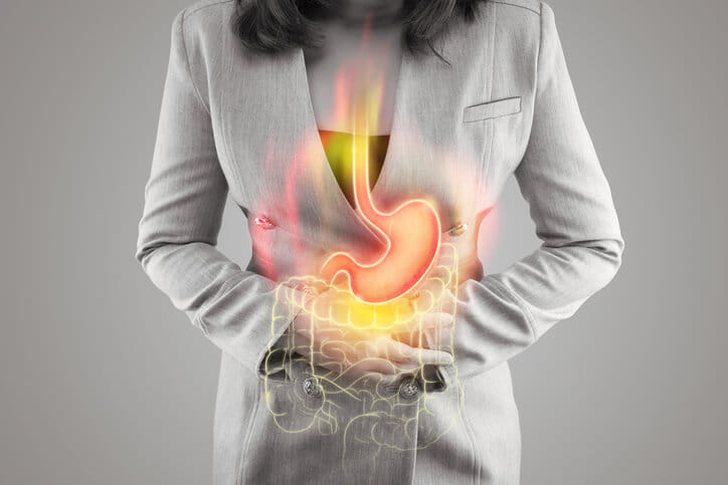
If you have symptoms such as: - Feeling of discomfort in ...
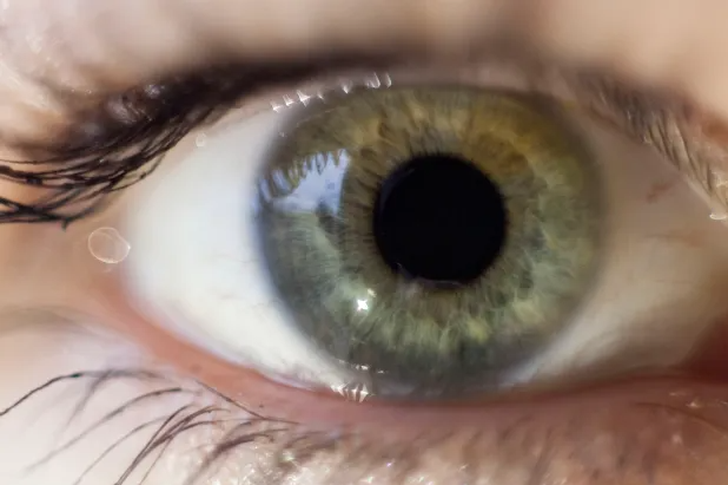
According to a study, eating grapes is good for your e...

It has happened to all of us that one morning we wake ...

The Minister of Health, Albana Koçiu, and the Mayor of...
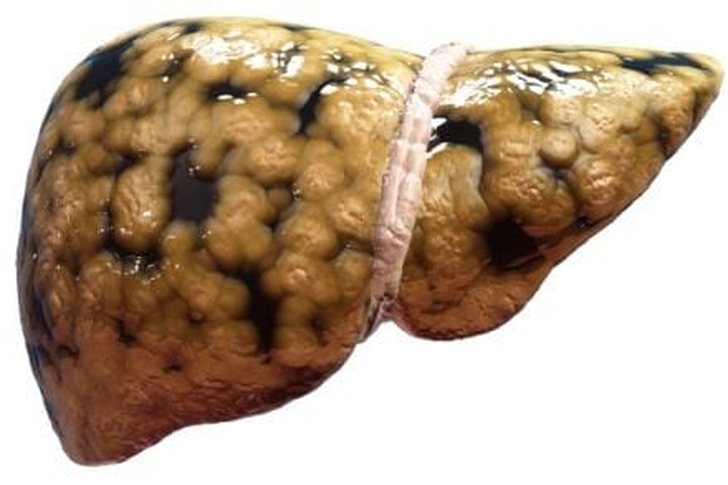
Fatty liver means that you have extra fat in your liver, w...

Pig-to-human kidney transplants are a step closer after mo...

Doctor Tritan Kalo has given some advice to the citize...

Often the day starts with the routine question "how did yo...

Good health boils down to two main things: "eating well an...

An increased number of breast cancer cases have been o...

A drink that enters our daily lives from a very young ...

Do you have low energy? Unexplained weight gain or bloati...

Cardiologists say that the foods we eat can significan...

Today, the damage of refined sugar to the human body is no...
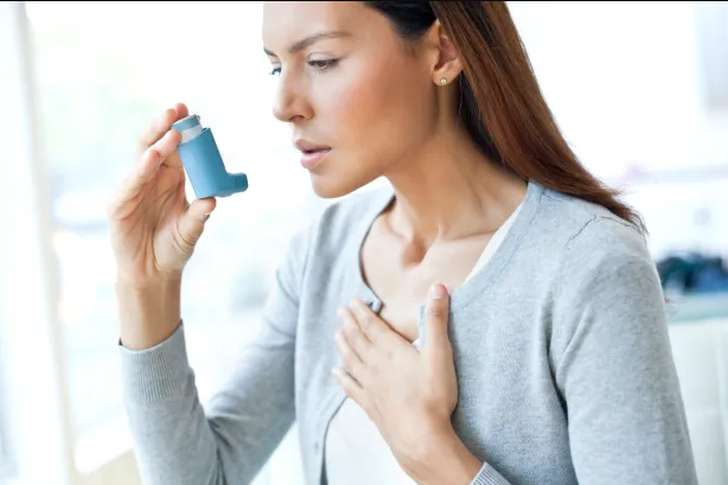
Burning candles and cooking fumes can put people with mild...

A licensed therapist has revealed some of the signs yo...
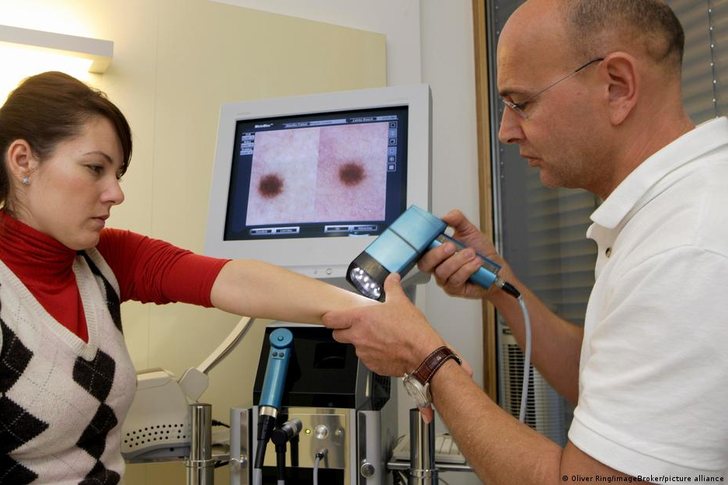
Worldwide, cancer is one of the three most common caus...

There have been 12 days of protests in the capital, which ...

Dritan Prençi is the SPAK prosecutor who is sleeping on th...

The in-depth investigations that SPAK conducted into Ajola...

SPAK's standards, the way it investigates, how it secures ...

The Special Board of Appeal (KPA) decided this Monday ...

The KPA vetting decided this Thursday to dismiss the p...

Suela Salavaçi, a prosecutor in the Prosecutor's Offic...

The Special Board of Appeal reinstated the prosecutor ...

New details have emerged regarding the serious accident th...

An Albanian businessman was arrested this afternoon in Gre...

A serious accident has occurred on the Korça-Ersekë axis, ...

Fier Police has announced the measures taken this week for...

A tragic accident occurred this Friday afternoon in Kameni...

Today our country will be affected by unstable weather con...
On Thursday, our country will be affected by relatively un...

Albania is facing a deep demographic crisis where official...

Umbrellas have been banned on a beach in Sardinia for anyo...

This June 12th marks the 27th anniversary of the liberatio...
The global economy is expected to face its biggest slowdow...

German Chancellor Friedrich Merz (CDU) defended his govern...

Several archaeological excavations conducted during this s...

At the Museum of Fine Arts in Chambéry, France, an exhibit...

Korça has transformed this weekend into the capital of cel...

Korça is ready to open the summer season with one of the c...

The Governor of the Bank of Albania, Gent Sejko, shared to...

Business lending has increased in the first half of this y...

The labor market has shown worrying trends in early 2026. ...

The number of new retirees in the social security scheme i...