


Minister Koçiu's strong appeal/ "Perform periodic checks and make as many girls and women aware as possible"
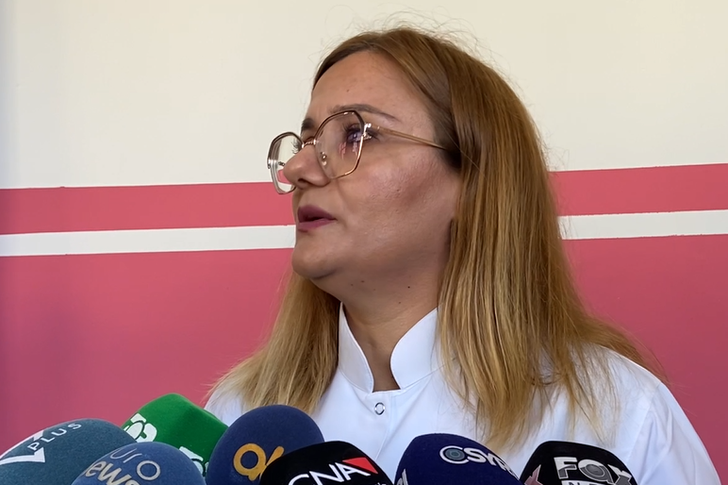
The Minister of Health, Albana Koçiu, and the Mayor of...


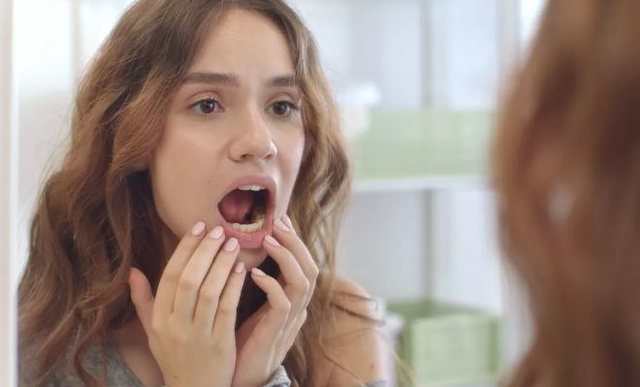
It has happened to all of us that one morning we wake up with a dry mouth. However, if it is something that happens often, then it is probably not a random phenomenon, but a condition that needs to be treated.
Dry mouth occurs when the oral cavity does not produce enough saliva. According to the Cleveland Clinic, lack of saliva is usually a symptom or side effect of another health problem.
Frank A. Scannapieco, periodontist, microbiologist and chair of oral biology at the University at Buffalo School of Dentistry reveals the root causes of dry mouth and suggests solutions:
Dehydration
Dry mouth often acts as a sign that the whole body is dehydrated. When the body lacks the necessary fluids, it is unable to produce saliva, which consists almost entirely of water, leading to dry mouth.
Mouth breathing
Do you wake up with your mouth open? If so, then this habit may be to blame for your dry mouth. "The tissues of the mouth dry out, especially those closer to the lips," explains Dr. Scannapieco.
Mouth breathing is seen more often when there is congestion. A stuffy nose makes breathing through the nose difficult, so clearing your sinuses before bed will help prevent dry mouth.
Obstructive sleep apnea
If you snore regularly and wake up every day with a dry mouth, you may be suffering from sleep apnea, a sleep disorder characterized by abnormal breathing during sleep. People with this disease experience trouble breathing, shortness of breath, and loud snoring, according to the Mayo Clinic. These symptoms often force the patient to breathe through the mouth, intensifying the dryness of the mouth.
MEDICINES
Some medicines affect the oral cavity, reducing the flow of saliva. "Many drugs act on the central nervous system or on the secretory cells of the salivary glands, reducing the secretion of saliva," explains Dr. Scannapieco.
Such drugs are antidepressants, antihistamines, decongestants, muscle relaxants, pain relievers, but also those used to treat overactive bladder.
Dry mouth is more common in older people, which may be explained by the fact that these people tend to take more medications.
Diseases
Besides sleep apnea, there are some more serious conditions that can cause dry mouth. For example, some autoimmune diseases, such as rheumatoid arthritis and Sjogren's syndrome, show effects on the salivary glands, informs Dr. Scannapieco. Diabetes, a stroke, an oral yeast infection and Alzheimer's disease can also be linked to dry mouth, adds the Mayo Clinic.
Consumption of alcohol or caffeine at the end of the day
Drinking caffeinated or alcoholic beverages in the afternoon or evening can be the culprit behind dry palate. That's because caffeine and alcohol are mild dehydrators, which can lead to dry mouth, according to the National Institute of Dental and Craniofacial Research.
5 ways to prevent dry mouth
Dr. Scannapieco suggests 5 simple tactics to help you manage or even completely treat dry mouth:
1. Consult your doctor
The first line of defense against dry mouth is to identify any underlying disease. If taking a medication is the cause of dry mouth, it may be necessary to change the dose or prescribe another medication that does not cause this side effect.
2. Drink lots of water
Eight glasses of water a day is a necessary amount to stay hydrated. Always keep a water bottle with you, whether you're in the office, in bed, or out and about, so you can drink water throughout the day, suggests Dr. Scannapieco.
3. Use a humidifier
A humidifier in the bedroom will add moisture to the atmosphere of the room, preventing dry mouth at night, especially if you are not a mouth breather.
4. Avoid alcohol and caffeinated drinks
Since these drinks tend to cause dehydration, avoiding them can reduce the effects of dry mouth.
5. Make oral hygiene a priority
People who experience dry mouth are more prone to dental conditions like tooth decay, so a proper oral hygiene routine is essential, according to the Cleveland Clinic. Brush your teeth twice a day with fluoride toothpaste and floss regularly, suggests Dr. Scannapieco. Supplement your oral hygiene routine with a fluoride mouthwash. Some mouthwashes, in fact, like those with xylitol, are made specifically for people with dry mouth, so ask your dentist for more information. Finally, it's best to avoid mouthwashes that contain alcohol or peroxide, as they can worsen dry mouth./ CNA

The Minister of Health, Albana Koçiu, and the Mayor of...
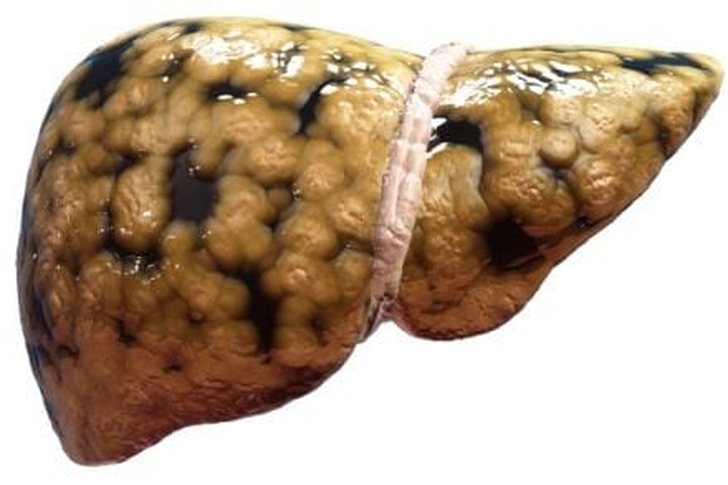
Fatty liver means that you have extra fat in your liver, w...

Pig-to-human kidney transplants are a step closer after mo...

Doctor Tritan Kalo has given some advice to the citize...
Often the day starts with the routine question "how did yo...
Good health boils down to two main things: "eating well an...
An increased number of breast cancer cases have been o...

A drink that enters our daily lives from a very young ...

Do you have low energy? Unexplained weight gain or bloati...

Cardiologists say that the foods we eat can significan...

Today, the damage of refined sugar to the human body is no...
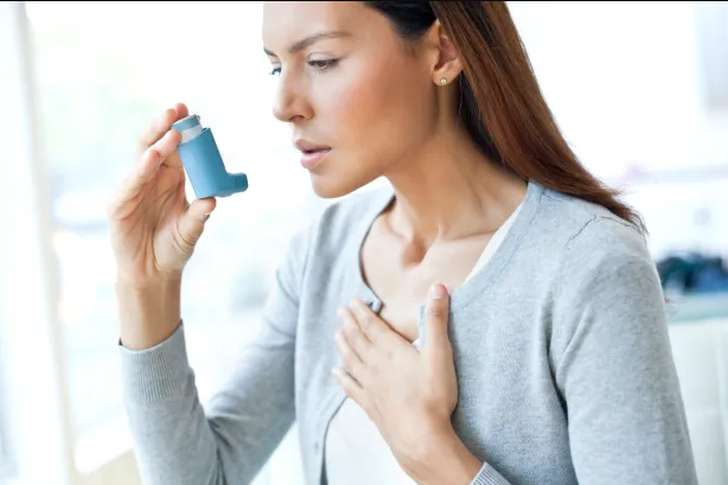
Burning candles and cooking fumes can put people with mild...

A licensed therapist has revealed some of the signs yo...
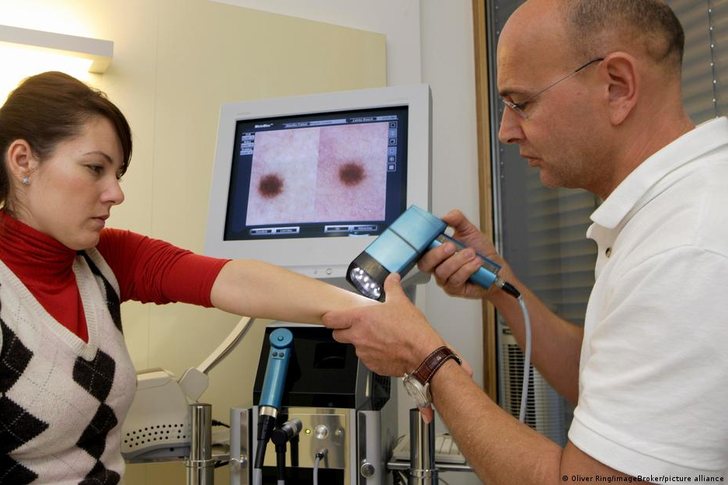
Worldwide, cancer is one of the three most common caus...

Clogged arteries, a condition also known as atherosclerosi...

Did you know that almost everyone has at least one or more...

Anxiety is a pervasive and unpleasant feeling related to f...

A parasitic worm that jumps from mice to snails to the...
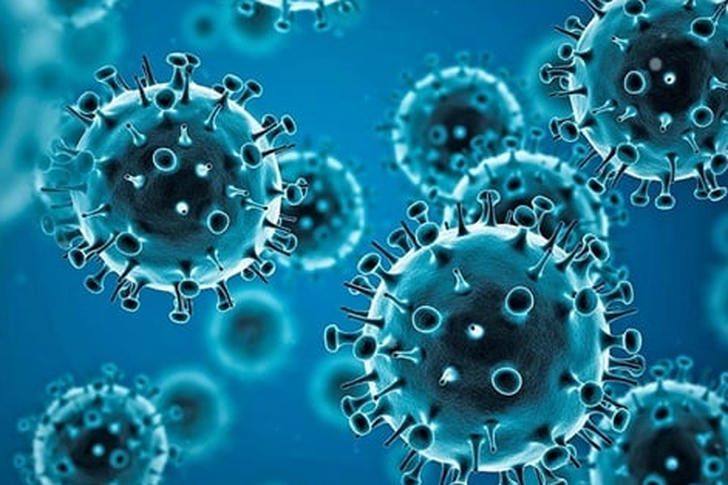
These days of September, a number of viruses have increase...
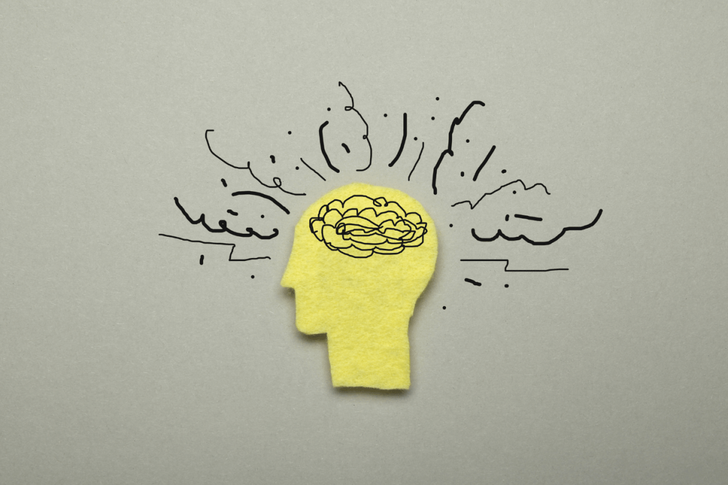
Hyperactivity is a disorder that can cause above-normal le...

There have been 12 days of protests in the capital, which ...

Dritan Prençi is the SPAK prosecutor who is sleeping on th...

The in-depth investigations that SPAK conducted into Ajola...

SPAK's standards, the way it investigates, how it secures ...

The Special Board of Appeal (KPA) decided this Monday ...

The KPA vetting decided this Thursday to dismiss the p...

Suela Salavaçi, a prosecutor in the Prosecutor's Offic...

The Special Board of Appeal reinstated the prosecutor ...

New details have emerged regarding the serious accident th...

An Albanian businessman was arrested this afternoon in Gre...

A serious accident has occurred on the Korça-Ersekë axis, ...

Fier Police has announced the measures taken this week for...

A tragic accident occurred this Friday afternoon in Kameni...

Today our country will be affected by unstable weather con...

On Thursday, our country will be affected by relatively un...

Albania is facing a deep demographic crisis where official...

Umbrellas have been banned on a beach in Sardinia for anyo...

This June 12th marks the 27th anniversary of the liberatio...

The global economy is expected to face its biggest slowdow...

German Chancellor Friedrich Merz (CDU) defended his govern...

Several archaeological excavations conducted during this s...

At the Museum of Fine Arts in Chambéry, France, an exhibit...

Korça has transformed this weekend into the capital of cel...

Korça is ready to open the summer season with one of the c...
The Governor of the Bank of Albania, Gent Sejko, shared to...

Business lending has increased in the first half of this y...

The labor market has shown worrying trends in early 2026. ...

The number of new retirees in the social security scheme i...