


The end of "Niño Guerrero"/ US executes "head" of notorious gang
US President Donald Trump announced that the US military h...

US President Donald Trump announced that the US military h...

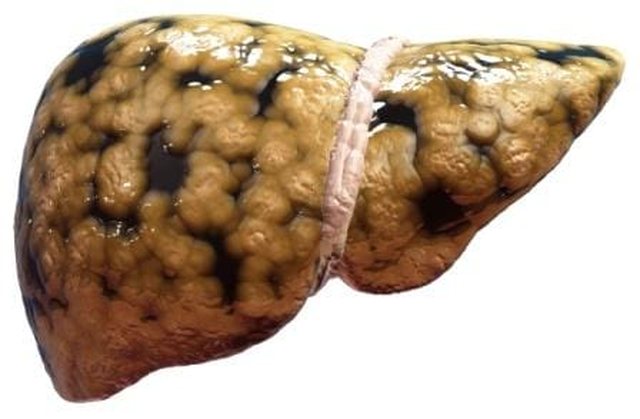
Fatty liver means that you have extra fat in your liver, which replaces its normal cells. Your doctor calls it hepatic steatosis.
This disease makes it difficult for your liver to work, since the fat cells do not perform any function, instead they cause damage. Fatty liver disease has serious health consequences, which can be fatal.
There are two different types of fatty liver:
Non-alcoholic steatohepatitis: This is a very serious liver injury that is not related to alcohol use, and means that you have inflammation in the liver. The causes can be metabolic, infectious, toxic, etc. The inflammation and damage to liver cells that occurs in nonalcoholic steatosis can cause serious problems such as fibrosis, cirrhosis, and even liver cancer. About 20% of people with nonalcoholic steatosis develop cirrhosis of the liver, which is its dramatic development.
Nonalcoholic steatosis usually has no symptoms. Some people may have symptoms such as chronic fatigue or pain in the upper right part of the abdomen where your liver is located.
If non-alcoholic steatosis has developed or you have cirrhosis, you may have symptoms such as:
- Abdominal bloating.
- Dilated blood vessels under your skin
- Breasts larger than normal in men
- Abnormal redness of the palms of the hands.
- Yellowing of the skin and eyes.
- Alcoholic steatohepatitis: Alcohol-related fatty liver disease is preventable, quite simply: stop drinking alcohol. If you continue to drink, alcoholic steatosis progresses causing serious problems.
- Enlargement of the liver. It doesn't always cause symptoms, but you may have pain or discomfort in the upper right side of your abdomen.
- Alcoholic hepatitis. This is swelling in the liver that can cause fever, nausea, vomiting, abdominal pain and jaundice (yellowing of the skin and eyes).
- Alcoholic cirrhosis. This is a buildup of fibrous tissue in your liver.
- Accumulation of fluids in large quantities in your abdomen (ascites).
- High blood pressure in the liver
- Bleeding without cause in your body
- Mental confusion and behavioral changes.
- Decreased ability to work.
- Enlarged spleen
- Destruction of the liver, which is fatal
Causes and Risk Factors
- Consumption of alcohol.
- Obesity
- Environmental pollution
- Malnutrition.
- Viral hepatitis, especially hepatitis C.
- Inheritance
- Long-term use of drugs, including antibiotics.
- Age, the more you advance, the more the chances of hepatic steatosis increase.
In my work as a doctor, patients with serious liver damage often mention to me their relatives or friends who have consumed heavy alcohol, but have no liver damage.
I am mentioning some of the reasons why exactly you develop alcoholic or non-alcoholic steatosis, and others do not:
- You are overweight or obese
- Your body does not respond to insulin properly (called insulin resistance) or you have type 2 diabetes
- You have high levels of triglycerides or "bad" cholesterol (LDL), or low levels of "good" cholesterol (HDL).
- You may be older.
- You may have polycystic ovary syndrome
- You may have sleep apnea
- You may have an underactive thyroid (hypothyroidism)
- You have an underactive pituitary gland (hypopituitarism)
- You are malnourished
- You have lost weight rapidly
- You may have been exposed to certain toxins and chemicals
- You may suffer from metabolic syndrome.

Pig-to-human kidney transplants are a step closer after mo...
Doctor Tritan Kalo has given some advice to the citize...

Often the day starts with the routine question "how did yo...
Good health boils down to two main things: "eating well an...
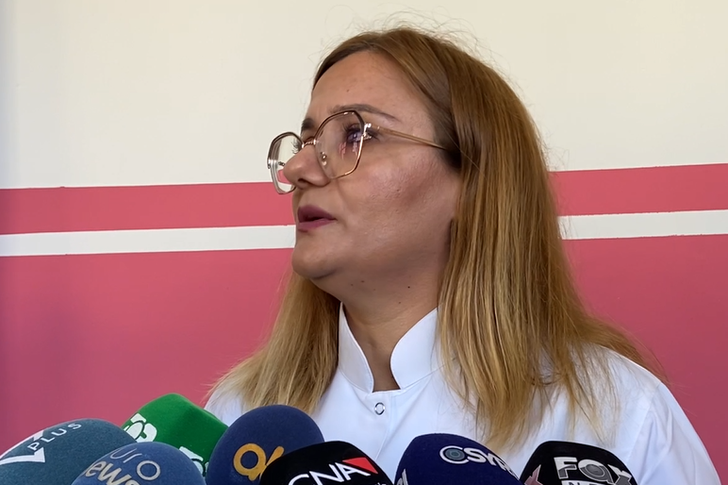
An increased number of breast cancer cases have been o...

A drink that enters our daily lives from a very young ...

Do you have low energy? Unexplained weight gain or bloati...
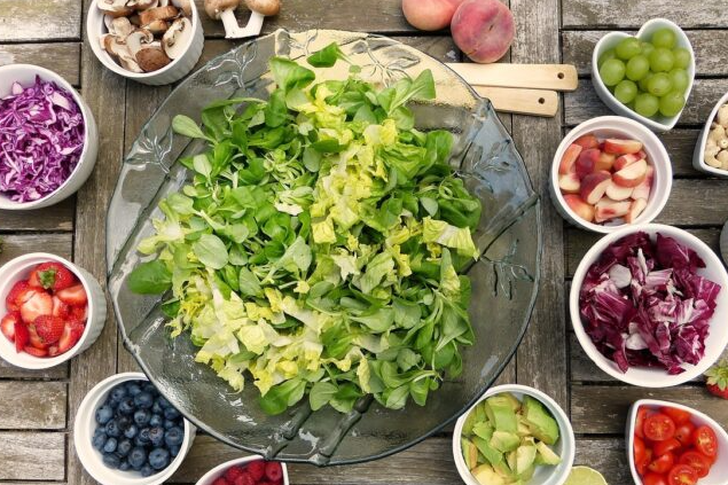
Cardiologists say that the foods we eat can significan...
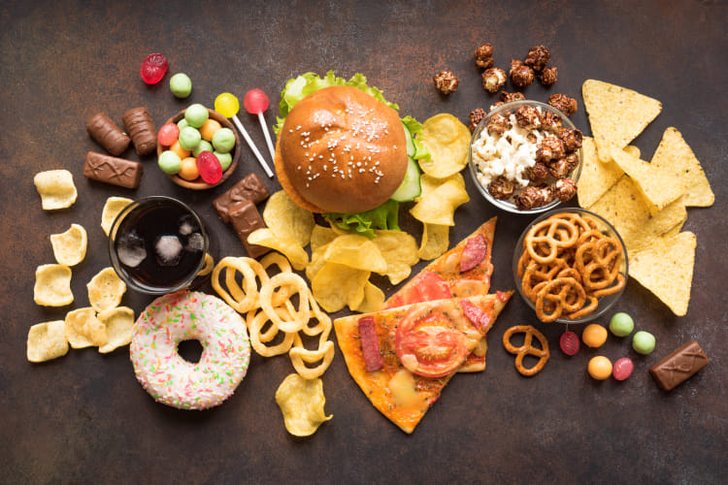
Today, the damage of refined sugar to the human body is no...
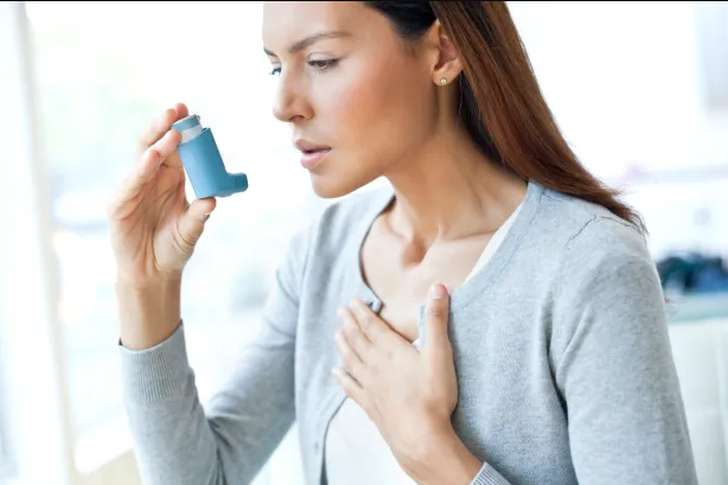
Burning candles and cooking fumes can put people with mild...

A licensed therapist has revealed some of the signs yo...
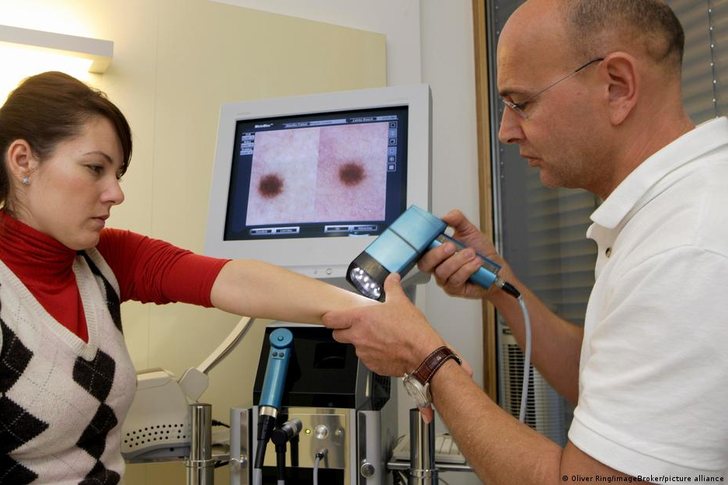
Worldwide, cancer is one of the three most common caus...
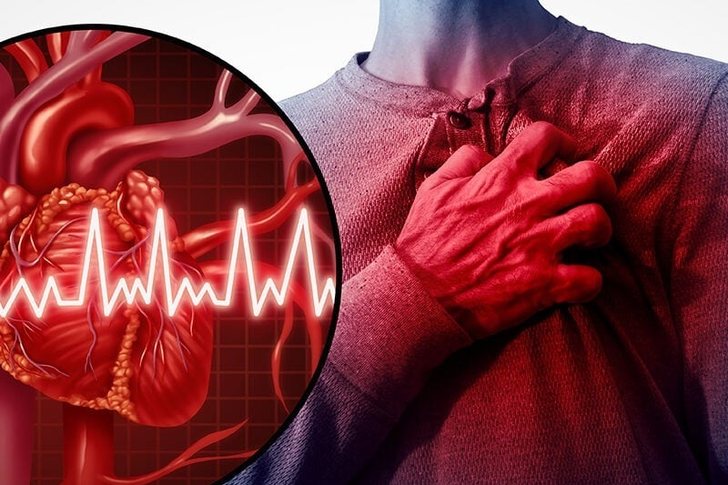
Clogged arteries, a condition also known as atherosclerosi...

Did you know that almost everyone has at least one or more...

Anxiety is a pervasive and unpleasant feeling related to f...
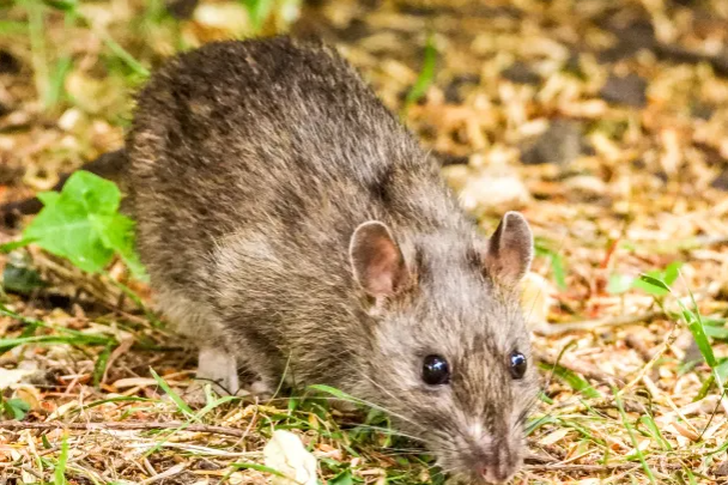
A parasitic worm that jumps from mice to snails to the...
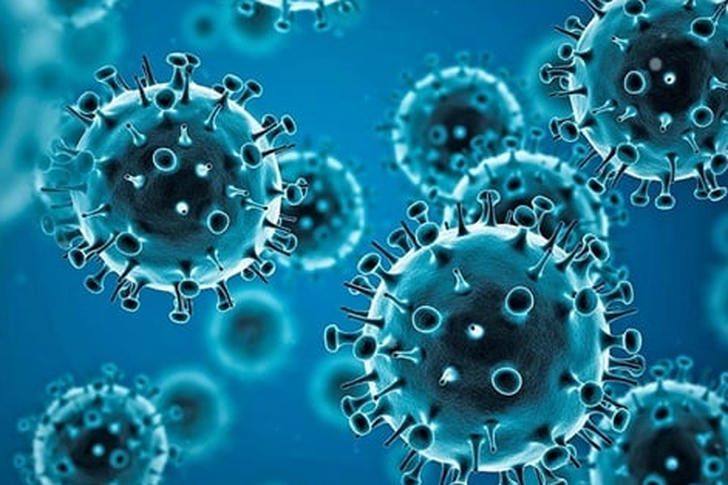
These days of September, a number of viruses have increase...

Hyperactivity is a disorder that can cause above-normal le...

Dr. Ernest von Schwarz, a scientist and specialist in card...
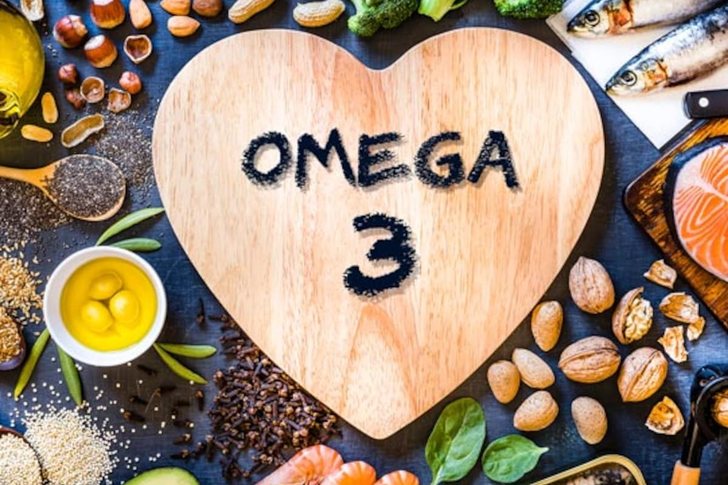
Omega-3 fatty acids are essential for life and health. Th...

There have been 12 days of protests in the capital, which ...

Dritan Prençi is the SPAK prosecutor who is sleeping on th...

The in-depth investigations that SPAK conducted into Ajola...
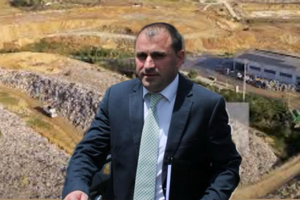
SPAK's standards, the way it investigates, how it secures ...

The Special Board of Appeal (KPA) decided this Monday ...

The KPA vetting decided this Thursday to dismiss the p...

Suela Salavaçi, a prosecutor in the Prosecutor's Offic...

The Special Board of Appeal reinstated the prosecutor ...

New details have emerged regarding the serious accident th...

An Albanian businessman was arrested this afternoon in Gre...

A serious accident has occurred on the Korça-Ersekë axis, ...

Fier Police has announced the measures taken this week for...

Today our country will be affected by stable weather condi...

A tragic accident occurred this Friday afternoon in Kameni...

Today our country will be affected by unstable weather con...

On Thursday, our country will be affected by relatively un...

US President Donald Trump announced that the US military h...
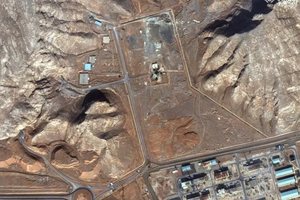
Iran has taken new measures to strengthen the protection o...

American entrepreneur Elon Musk has become the first perso...
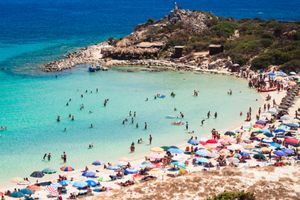
Umbrellas have been banned on a beach in Sardinia for anyo...

Several archaeological excavations conducted during this s...

At the Museum of Fine Arts in Chambéry, France, an exhibit...

Korça has transformed this weekend into the capital of cel...

Korça is ready to open the summer season with one of the c...

This Saturday, one US dollar is bought for 81.5 lek and so...

The Governor of the Bank of Albania, Gent Sejko, shared to...

Business lending has increased in the first half of this y...

The labor market has shown worrying trends in early 2026. ...