


Change can wait a little longer...
The emergence of new faces in politics is always good news...

The emergence of new faces in politics is always good news...


Middle ear infections, sepsis, meningitis – if these diseases are caused by bacteria, children are often treated with antibiotics. But only less than 50 percent of antibiotics are effective, according to an Australian study led by the University of Sydney.
The bacteria no longer respond to the antibiotic and are resistant. New and effective tools are lacking. This can be especially dangerous for babies and children because their immune systems are still immature. Your immune system cannot yet adequately defend itself against invading bacteria
Wrong dose
When administering antibiotics, it is not only the correct choice of an antibiotic that is important, but also its dose. This can often be difficult with liquid antibiotics, which are more often prescribed to infants and young children than tablet antibiotics. Because it's certainly easier to give a small child a spoonful of liquid than to force him to swallow a tablet.
"It can happen that parents inadvertently make a mistake when taking antibiotics. In 50 percent of all cases, children do not take the amount prescribed by the doctor," says Johannes Hübner from the German Association for Pediatric Infectious Diseases.
Antibiotics are not always necessary
If it is a serious bacterial infection, such as a streptococcal infection, a urinary tract infection or a respiratory tract infection, antibiotics are the treatment of choice. They inhibit the growth of bacteria, their reproduction or kill them. And antibiotics work fast - when they work.
Another infection that many babies and children go through are middle ear infections. According to estimates by the World Health Organization (WHO), they are a common and widespread health disorder among children worldwide.
In this disease, the mucous membranes in the ear swell, especially in the very fine and short connecting passage, the eardrum. The secretion can no longer flow and presses the eardrum. This causes severe pain in children. Symptoms can resolve relatively quickly with antibiotics.
Are there alternatives?
Plants that have antimicrobial properties can also be used for some infectious diseases. This includes garlic or echinacea. Oregano oil also has an antimicrobial effect. Saline solutions can help with respiratory infections. For middle ear infections, onion is the classic home remedy.
But antibiotics are often the best solution. An example is sepsis, which should be treated immediately. If this does not happen, in the worst case there is a risk of septic shock which can result in organ failure and death.
Sepsis often occurs when an external wound becomes infected. This is not unusual for children. If the infection passes into the bloodstream or lymphatic system from there, the infection can quickly spread throughout the body and the condition can worsen rapidly.
Worldwide, there are approximately three million cases of sepsis in newborns alone each year. About 570,000 of them die.
It all starts with the correct diagnosis
It is often forgotten that only a bacterial infection can be treated with antibiotics, but not a viral infection. Therefore, it is important to make the correct diagnosis. This is an important step in treatment.
The situation is particularly dramatic in Southeast Asia and the Pacific. In Indonesia and the Philippines, thousands of children die each year because antibiotics are ineffective.
"On the one hand, not all the antibiotics we have in Europe are always available there. The other is diagnostics. Now we identify pathogens very consistently and test for antibiotic sensitivity. We then use the antibiotic," explains Johannes Hübner from the German Association for Pediatric Infectious Diseases.
The numbers have increased worldwide in the last 15 years. While new antibiotics have been neglected. "Research has neglected antibiotics for a long time because antibiotic studies are not profitable for pharmaceutical companies," says Hübner./ DW

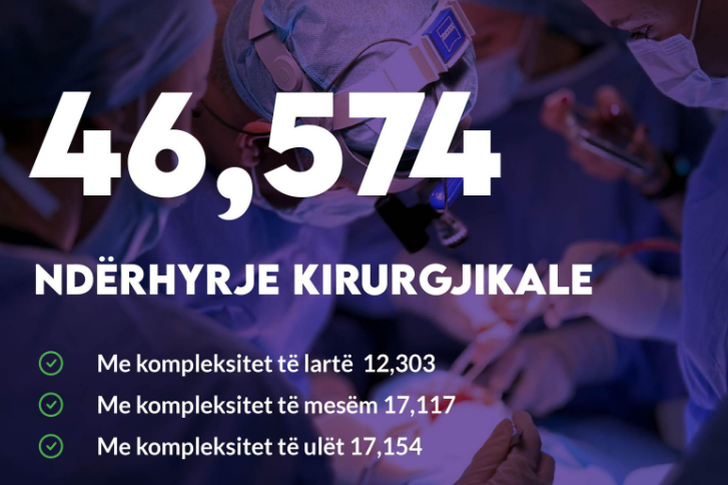
The Minister of Health and Social Protection, Albana Koçiu...

Joint health is threatened by osteoarthritis, and scientis...
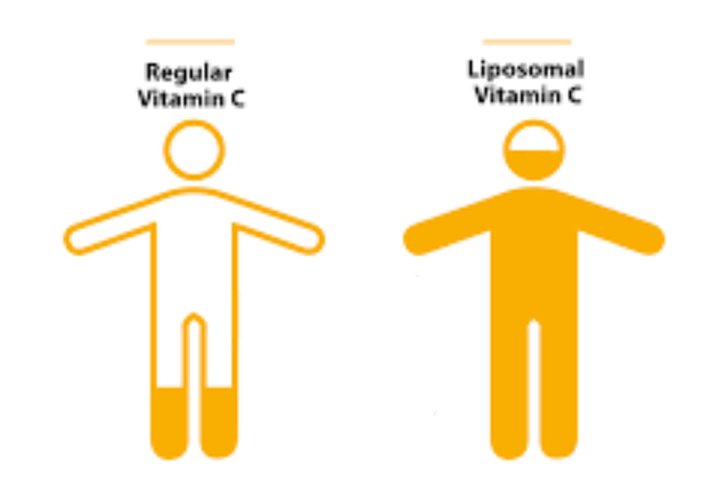
Many of the messages I receive in my inbox from patients a...

Artificial intelligence can be used to predict whether a p...

The classes of antidepressants vary and, depending on thei...

The endocrinologist, Dashamir Gjergji, has listed for ...
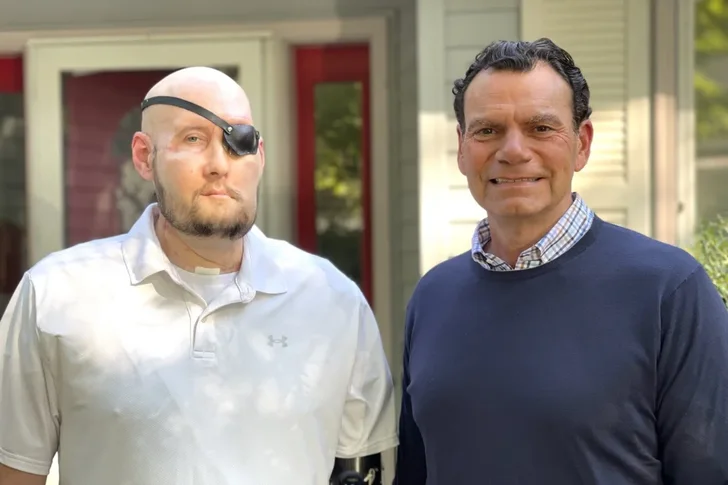
The first successful complete eye transplant in a living p...
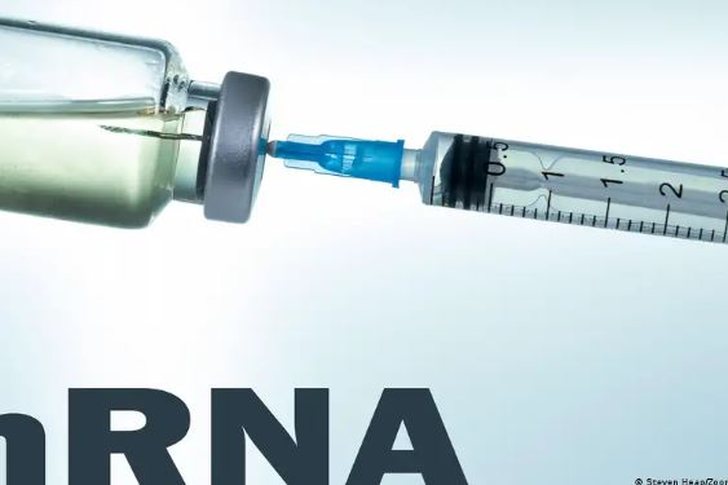
mRNA technology has revolutionized medicine within a few y...
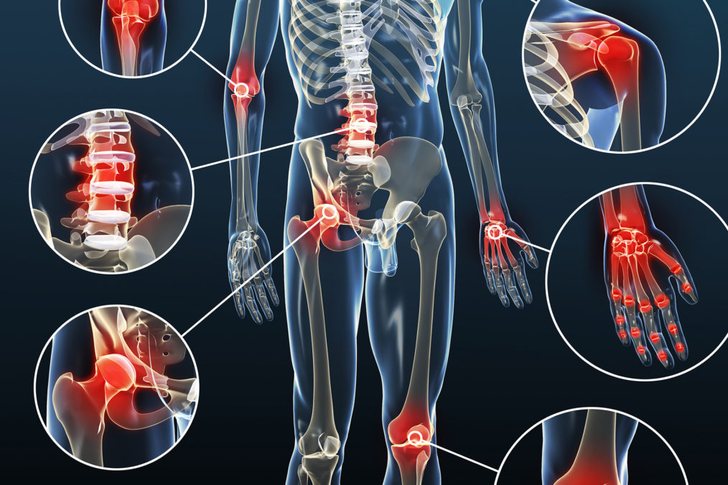
Osteoarthritis is a severe, painful rheumatic disease, the...
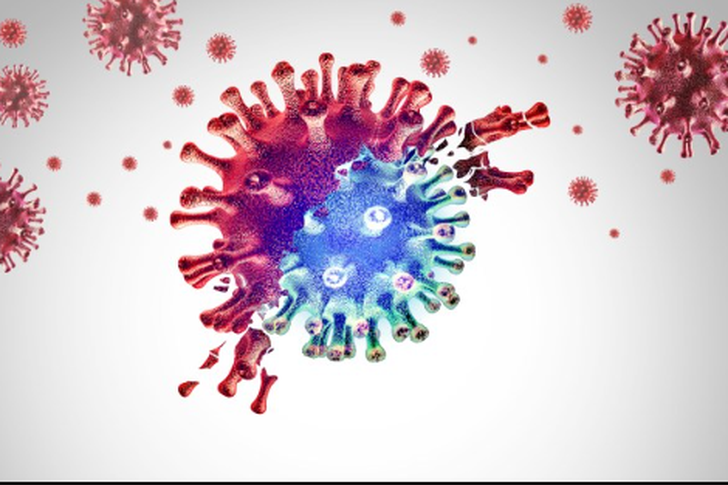
A new "more transmissible" strain of Covid has risen, expe...

The fats we consume play a vital role in maintaining skin ...
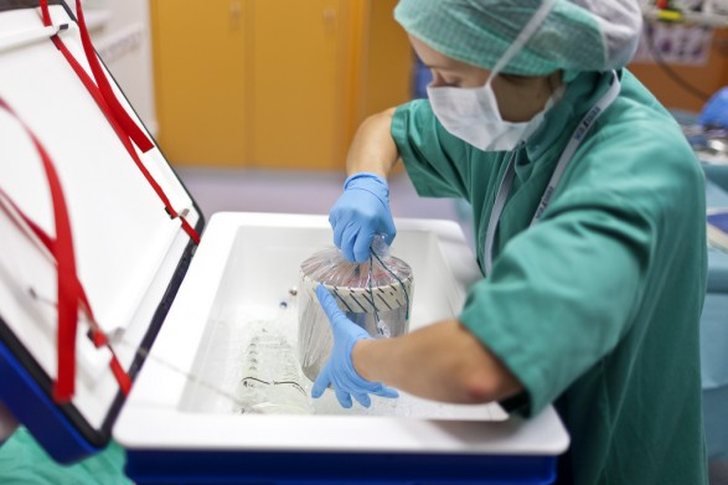
Organ donation and transplantation is a surgical process t...

It has now been scientifically proven that the brain a...

There are several possible reasons why your chest itch...
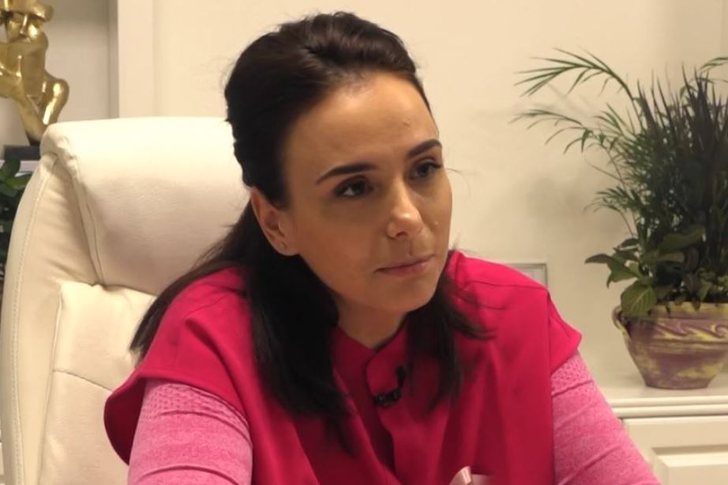
Breast cancer is one of the most widespread diseases a...

Today, as a result of lifestyle, nutrition, physical a...
Some people end up doing some pretty weird things whil...

Just one "hot" yoga session a week, that is, taking place ...

Loneliness increases the risk of heart attack, cerebral he...

If you are not losing weight even though you are doing wha...

Qytetarët që kalojnë pasditen pranë Liqenit Artificial në ...

On the morning of July 7, 2026, the Ministry of Culture ur...

After the disclosure of the portfolio of properties an...

For 6 months now, CNA has been sending several letters to ...

The Special Board of Appeal (KPA) decided this Monday ...

The KPA vetting decided this Thursday to dismiss the p...

Suela Salavaçi, a prosecutor in the Prosecutor's Offic...

The Special Board of Appeal reinstated the prosecutor ...

At around 07:10, the services of the Farka Police Station ...

On July 10 of this year, the Police Supervision Agency arr...

A scandalous and criminal case has been registered in Durr...

A 21-year-old man has been arrested by Shkodra Police afte...

Today, our country will remain under the influence of stab...
Today, our country will remain under the influence of stab...

The latest report compiled by the European Transport Safet...

The Albanian woman is on average 2 years older than the Al...

In the Chamber of Deputies (Camera dei Deputati) in Rome, ...

US Secretary of State Marco Rubio has significantly escala...

The United States has launched a new wave of attacks on Ir...

The leader of the Democratic League of Kosovo, Lumir Abdix...

Master of humor Todi Llupi has passed away at the age of 7...

The ninth edition of "MIK Festival" kicked off with one of...

A historic evening for Albanian culture was marked in the ...

When I turned 10, another building was built in front of o...

Around 97,100 people are employed in regulated professions...

Albania continues to be the main destination for vacatione...

This Thursday, one US dollar is bought for 81.1 lek an...

Beekeeping has expanded significantly in recent years, bec...