


Landslide on Currila Hill/ Palace at risk
Landslides were recorded on Currila Hill in the early hour...

Landslides were recorded on Currila Hill in the early hour...

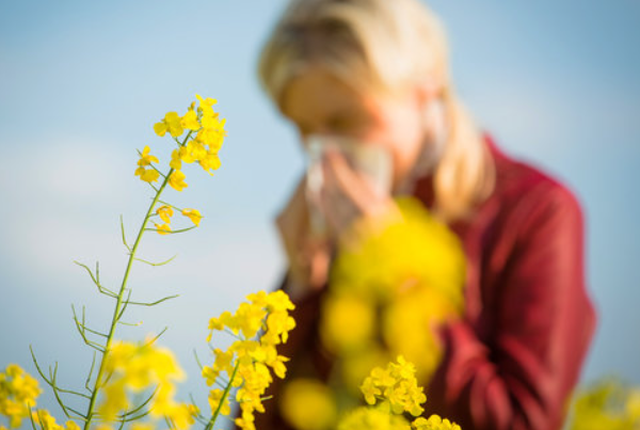
Spring allergies affect one in three people, and experts explain that they begin to affect most people around the age of 10 or 11. Spring respiratory allergies, due to their annoying symptoms, can make us fear the sun and flowering plants .
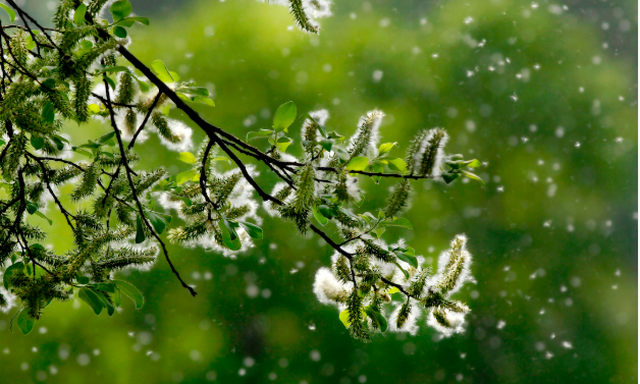
Why have they increased in recent years?
Our genetic background is largely responsible for allergies. However, due to the modern/Western lifestyle (standardized foods, use of many cleaning products, daily life in sterile environments, higher pollution levels, increased stress, etc.), they appear at younger ages and are more intense and frequent.
It is also important to understand that, since our immune system no longer needs to fight in childhood to protect us from infections, as was the case much more in the past, it inevitably overdevelops its other side, which is related to allergies.
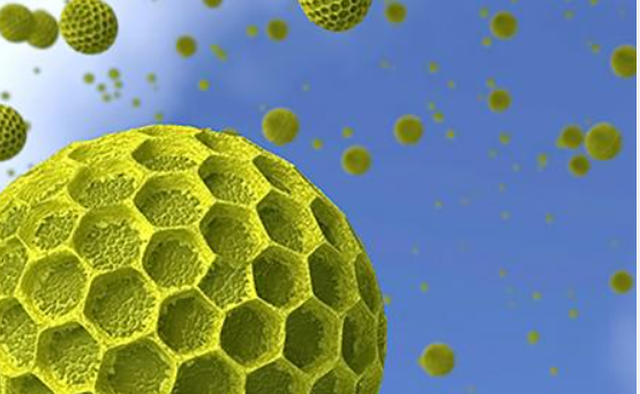
How to protect ourselves from pollen
During the spring months, especially when the weather is dry and sunny, conditions that favor the circulation of pollen and, consequently, the worsening of allergies, it is advisable to try to protect ourselves from pollen.
Therefore, since it is at its highest concentrations in the morning and at noon, it is advisable not to air the house during these hours. It is also good practice to stay indoors as much as possible during the day and, when driving, to prefer the car, but keeping the windows closed.
When we return home, it is important to shower, wash our hair, and wear clean clothes to remove allergens from ourselves.
How to treat allergies
First, there is symptomatic treatment (e.g., with antihistamine pills, eye drops, bronchodilators for asthma, etc.). However, these specific medications focus on the symptoms and, thus, once their effect wears off, it is possible for them to relapse, that is, for the disease to return when the stimulus continues to be present in the environment.
In contrast to this treatment for symptom relief, experts recommend regulatory-preventive treatment, which mainly includes corticosteroids such as intranasal and inhaled corticosteroids for asthma.
Regulatory therapy is aimed at those known to suffer from allergies with the aim of combating inflammation, which is the basis of the problem, but which does not cease to exist.
A person suffering from respiratory allergies, even if they receive systematic preventive treatment, will be protected for that season, but the following year they will have to face them again. /CNA


Vitamin A is essential for many important processes in the...

The liver is an organ that performs some of the most essen...

Autism spectrum disorder (ASD) is a developmental disabili...

According to a study, depressed people eat differently tha...

The culture of the gym is changing. Once a preserve of mus...

Ginger root comes from a flowering plant native to Southea...

The fruitarian diet is a vegan diet. It excludes all anima...

The question often arises: should we prefer green or red a...

How many times has it happened to all of us to feel full f...

We're still in the first weeks of the year and it's the ri...

Breakfast is full of options, but not all choices are heal...
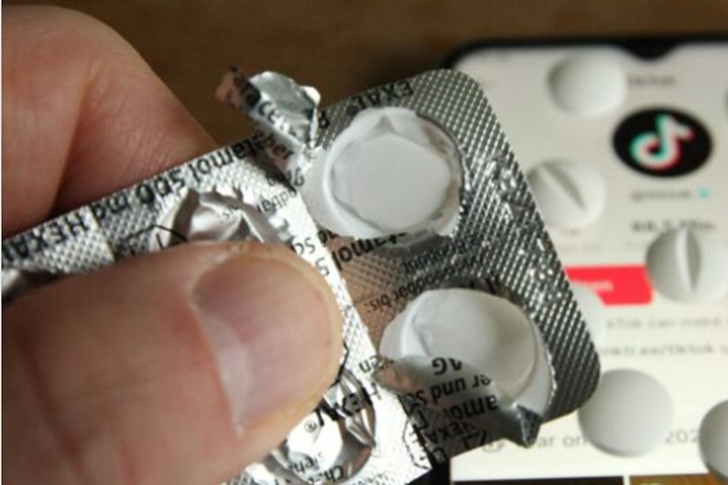
The 'paracetamol challenge' is a new trend on TikTok that ...

Who doesn't love cheese? Albanians eat a lot of it. A slic...

In 2022, more than 275,000 children and adolescents worldw...
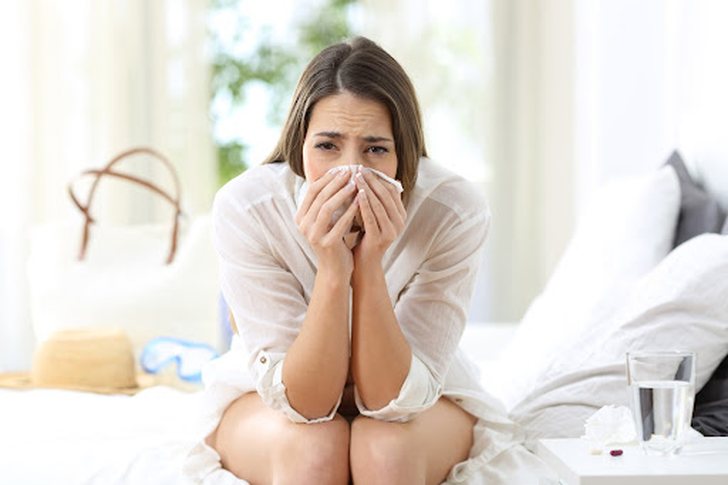
The flu is the most common illness that we experience seve...

As the new year begins, it's easy to feel overwhelmed by u...
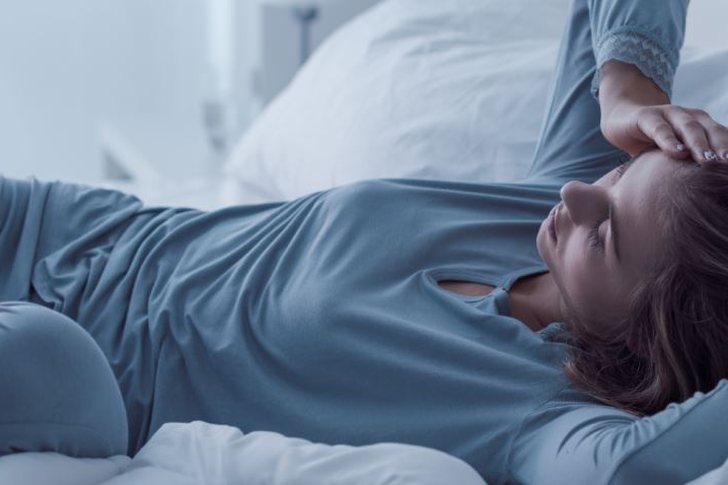
Your body uses sleep to strengthen the immune system, proc...
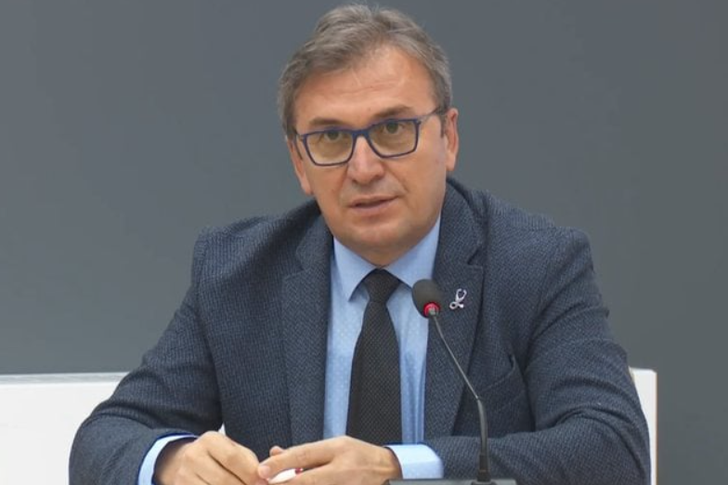
Skënder Brataj, director of the National Emergency Center,...
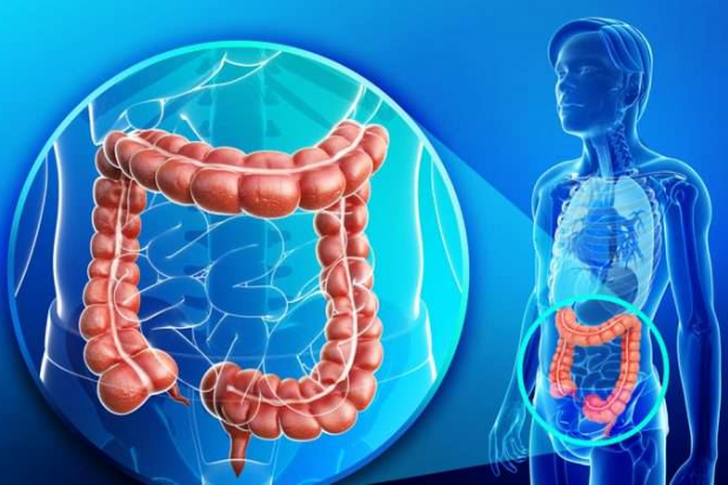
Bowel cancer, also known as colorectal cancer, affects the...
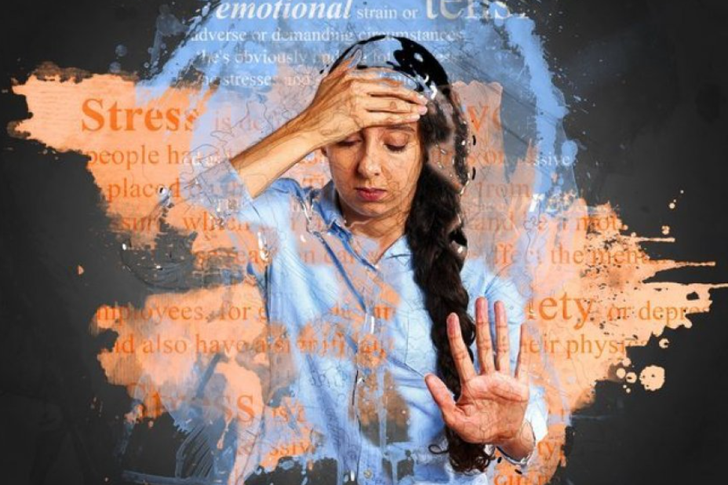
Sometimes what we feel is complicated. Feelings can be eit...

The murder of officer Enea Mekolli in the line of duty has...

The next case broadcast on the show "Stop", this Thursday,...

The case published this Thursday, June 4, on the show "Sto...

The protests of recent days related to the situation in Zv...

The Special Board of Appeal (KPA) decided this Monday ...

The KPA vetting decided this Thursday to dismiss the p...

Suela Salavaçi, a prosecutor in the Prosecutor's Offic...

The Special Board of Appeal reinstated the prosecutor ...

A money changer in Durrës lost 60 thousand euros after bei...

The 6 citizens captured in Dubai, members of criminal grou...
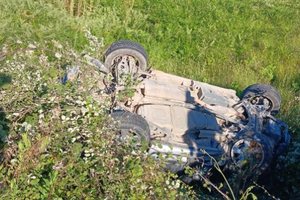
A serious accident occurred on the Kardhiq-Delvinë axis, i...

Authorities have conducted a large-scale anti-drug operati...
Today our country will be affected by stable weather condi...

For many children and teenagers, the long summer holidays ...

Albania is facing an unprecedented demographic transition,...
On Thursday, our country will be affected by unstable weat...

Russian President Vladimir Putin said the war in Ukraine c...
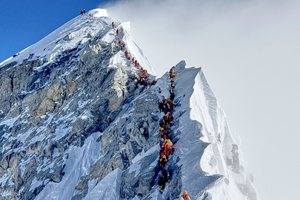
An extraordinary story of survival has been recorded in Ne...

The Peace Implementation Council in Bosnia and Herzegovina...

John Bolton, the former national security adviser to US Pr...

Korça is ready to open the summer season with one of the c...

Two years after his passing, the renowned Korçë poet Skënd...

The Ethnographic Museum of Berat has opened its doors to v...
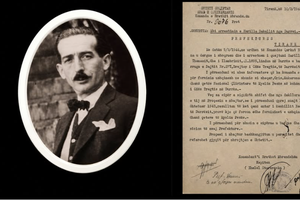
The story of Harilla Bakalli is one of the most chilling t...

Despite years of efforts at regional cooperation and free ...

Albania is the country with the highest level of severe ma...

This Friday, one US dollar is bought for 81.3 lek and sold...

The government aims to transform the country's industrial ...