


Businessman Artur Shehu breaks his silence: I am a long-time land owner in Zvërnec, I don't know the investors at all
Albanian businessman Artur Shehu spoke on the Opinion show...

Albanian businessman Artur Shehu spoke on the Opinion show...


The Institute of Political Studies has published the history of the election contests within the Democratic Party for the head of this political force.
The ISP declares that since 1991, the DP has conducted 13 election processes for the president, but the July 2023 elections are the second where the elections are held in parallel by two groups that claim the representation, heritage and official logo of the DP.
The Institute of Political Studies has listed the names of the presidents of the DP over the years, from Azem Hajdari, Sali Berisha, Eduart Selami, Tritan Shehu to the change of leadership between Berisha and Lulzim Basha.
This overview of data published by the ISP comes thanks to the state in which PD is today, which is divided into several groups.
Lulzim Basha's grouping, which legally holds the stamp of the DP, is expected to hold elections for the chairman on July 29.

ISP report:
The ISP declares that since 1991 DP has conducted 13 election processes for president, but the July 2023 elections are the second where the elections are held parallel by two groups that claim representation, heritage and the official logo of DP. In 1991, DP held the first competitive elections for president where the interim president (Berisha) and the two vice presidents (Hajdari and Ceka) were competing. In 1992 there were new elections for president because Berisha became President, number two Selami competed against the two vice presidents Imami and Hajdari and won the elections. After 1992 competitive elections lost the tradition, – the elections of 1993, 1996, 1997 and 1999 were formal elections with formal second candidates, not real rivals in the race. The elections of 2001, 2005, 2009 became even more formal, having only one formal candidate on the ballot (Berisha).
In 2013, the rivalry returned to the DP, but in 2017 the real competition was not accepted, while the subsequent elections in 2021 were a formal process due to the control of the DP by the president. After the division of DP into two parts, the faction led by Berisha reconfirmed him as chairman in 2022 in a formal process, and in 2023 it is expected that the faction led by Basha will also reconfirm him in a formal voting process. The curve of the political force that created pluralism, from the model of a democratic and competitive party to the model of a party without democratic elections and without competition and now a model of two identical factions without elections and without competition, constitutes one of the most critical indicators of the transition.
A political elite that attempted democracy without being democratic itself, formed in a totalitarian system where the rival is seen as the enemy and where power is eternal, - could not have another result. This also applies to SP, the second political party of 1991, which since 1999 has not had a real competition and since 2009 has not even had formal elections. The same applies to other smaller parties, including LSI (PL), PR, PDIU, PAA, PDK, PBK, PUK, PSD, PDBNJ, etc., parties that for years have been transformed into party-chairmen, without meritocracy systems career, internal democracy, nor democratic competition and decision-making standards.
Parliamentary parties and those in local government, including major political parties, do not have an indisputable membership register, do not have internal "courts" of procedural guarantee, do not have regular meetings of structures and programmatic political debates, do not have primary processes or votes internal competition, they have no financial transparency and no accountability system, and as a whole they do not meet the main standards defined in the legislation on political parties and Article 9 of the Constitution of Albania.
The Institute of Political Studies (ISP) is monitoring election processes within political parties as part of its commitment to monitoring integrity standards in political parties, as well as transparency and accountability of elected officials. One of the main recommendations addressed by the ISP is the need for a comprehensive reform of the legislation on political parties, their financing and their role in relation to the state/constitutional principles. The reform promised in June 2020 has not made progress and ISP has concluded that there is a silent consensus to make reformation, political vetting and our representative pyramidal system impossible./ CNA.al

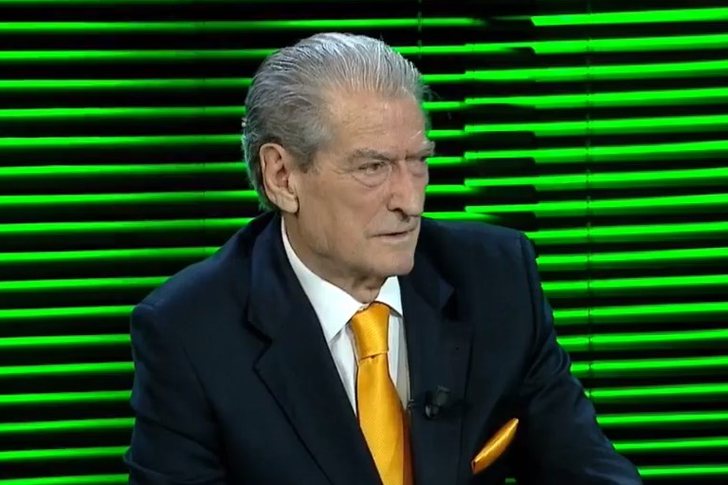
The head of the Democratic Party, Sali Berisha, expres...
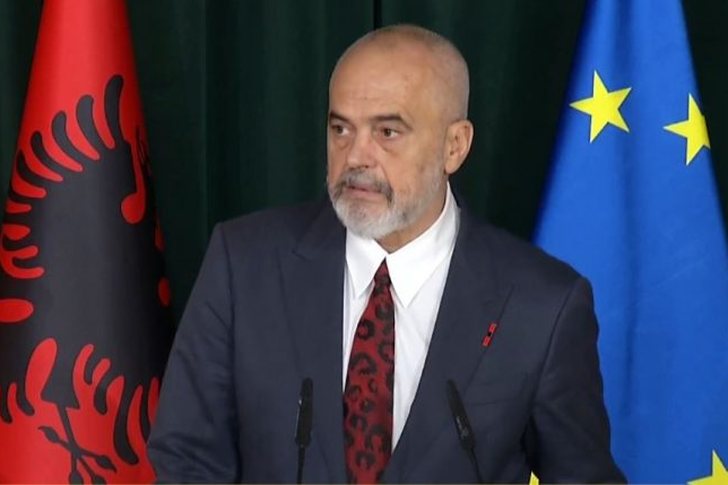
The head of the government, Edi Rama, said that the Al...
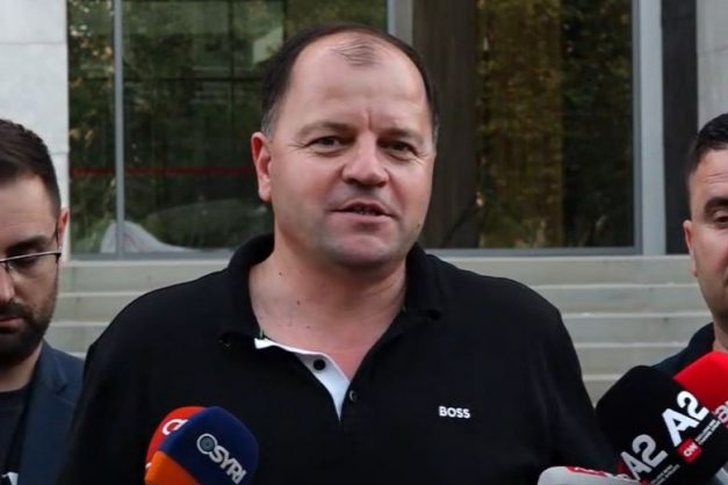
Lefter Maliqi, the candidate of the opposition coalition "...
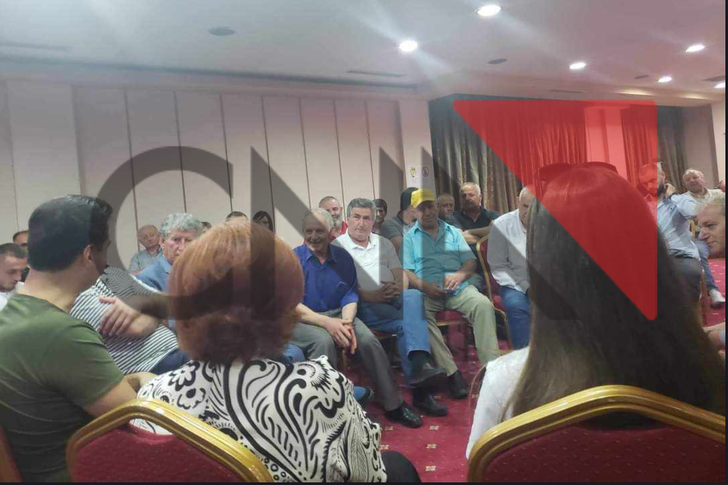
Without notifying the structures of the DP, without any de...
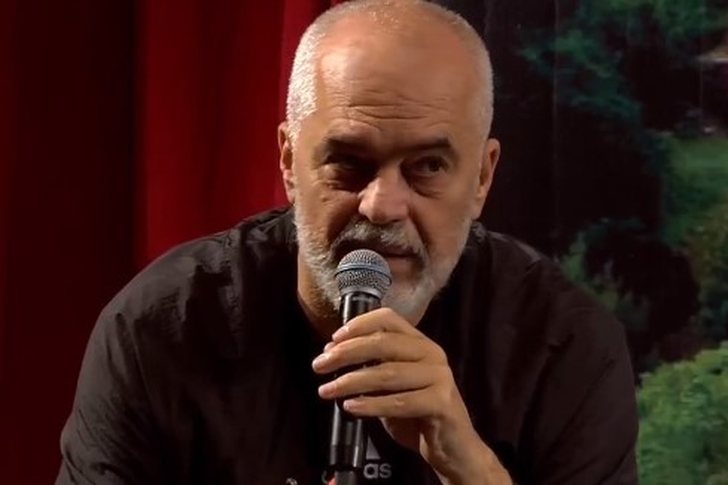
Prime Minister Edi Rama has reacted to the action of the S...
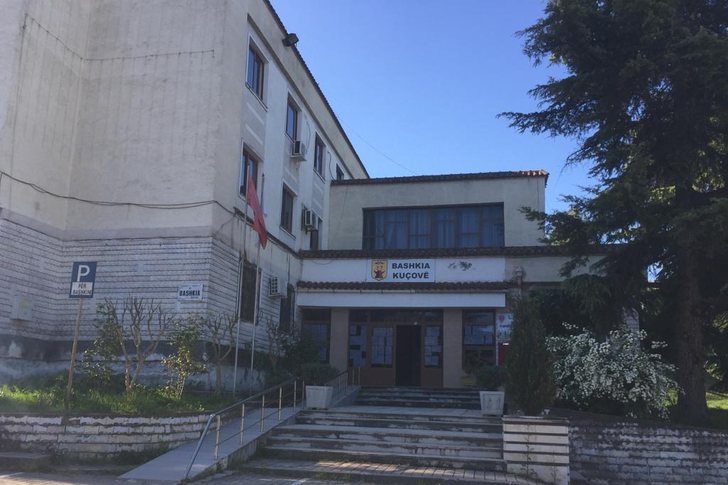
In the Electoral College, the recount of the votes for the...

Former Prime Minister Sali Berisha has announced that he l...
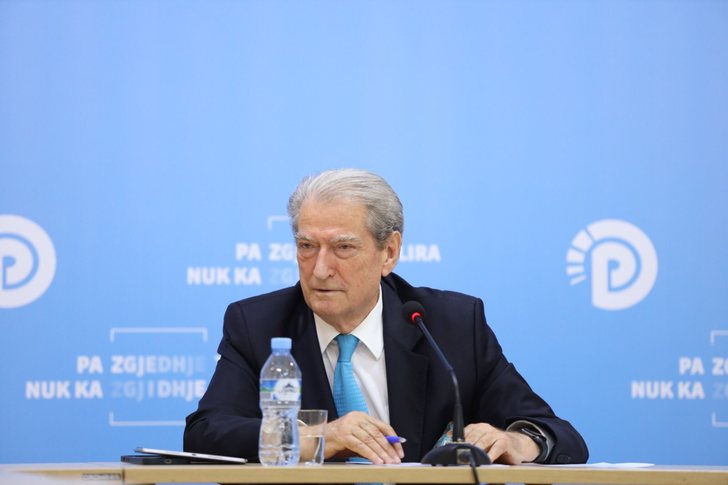
Former Prime Minister Sali Berisha has agreed to make ...

The former Special Envoy of the USA for the Western Ba...
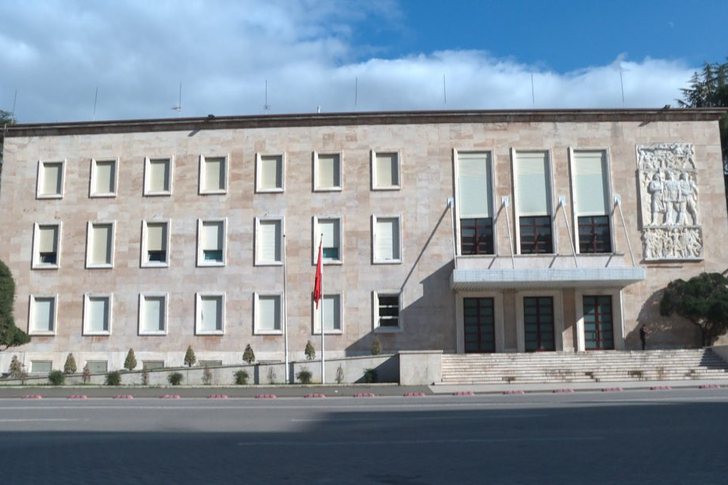
A strong warning was given by lawyer Jordan Daci, as h...
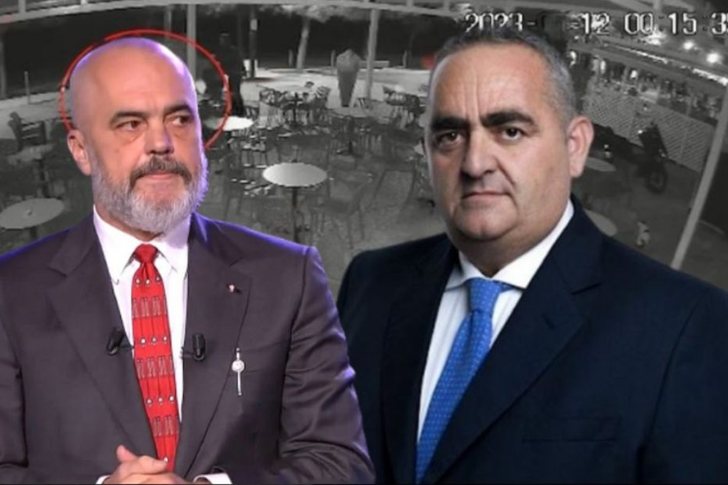
Journalist Arjan Çani has made a strong statement, reveali...
The President of the European Council, Charles Michel, sup...
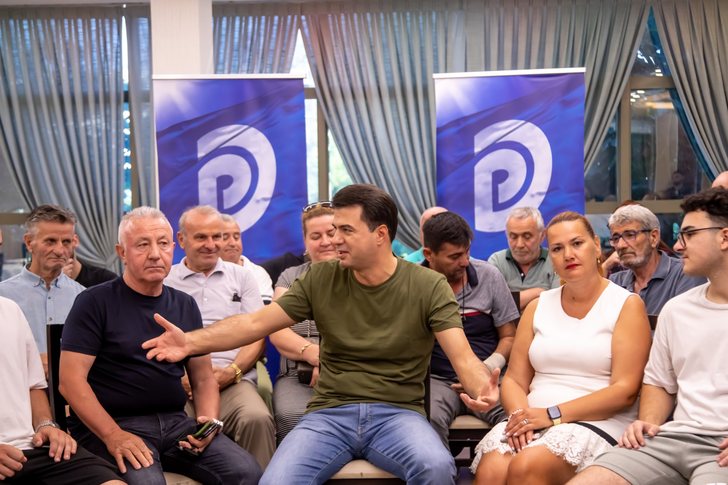
Lulzim Basha, the resigned chairman of the DP who wants to...
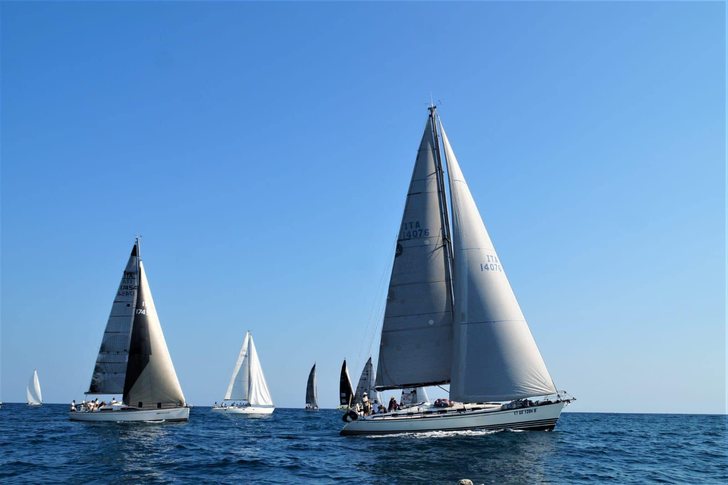
Prime Minister Edi Rama has given good news related to tou...
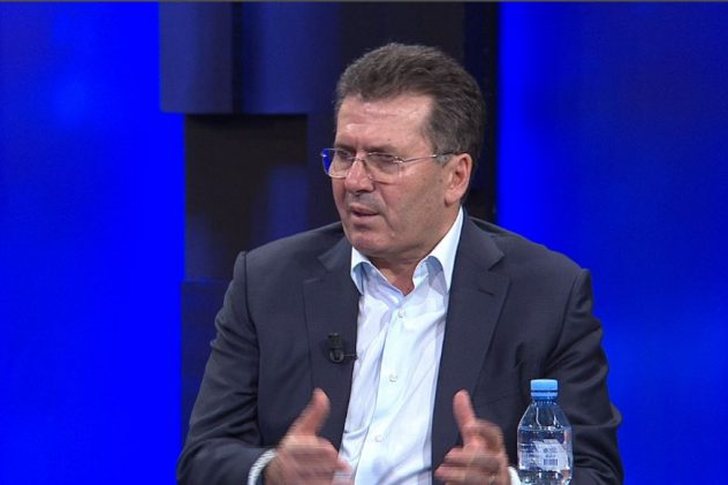
The head of the Republican Party, Fatmir Mediu, reques...
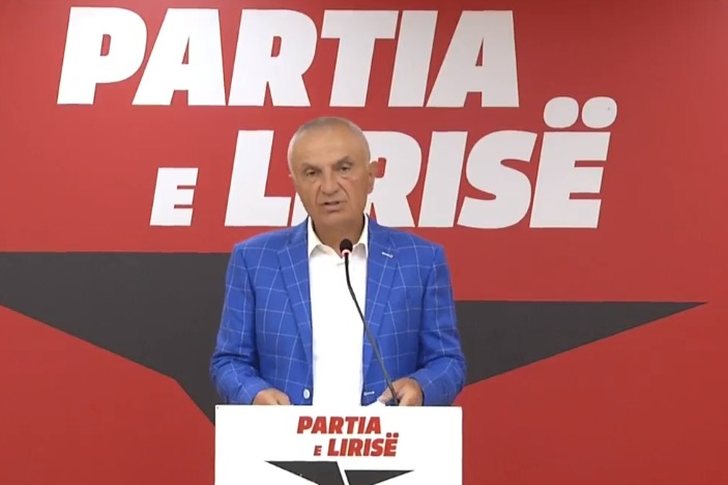
The chairman of the Freedom Party, Ilir Meta, in an appear...
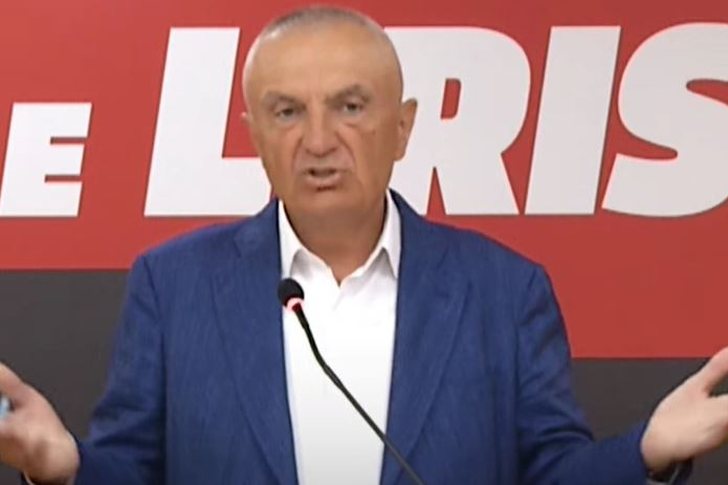
The head of the Freedom Party, Ilir Meta, in an appearance...

Today, opposition MPs and civil society have announced tha...
“Nisma Thirrje” ka nisur fushatën për ndryshimin e sistemi...
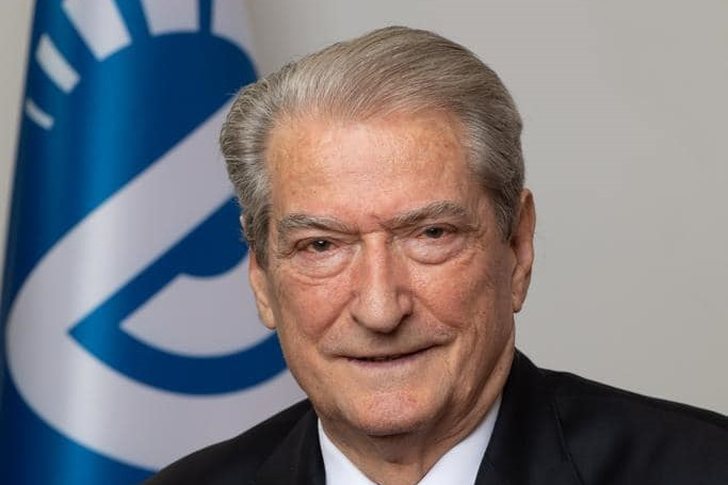
The chairman of the Democratic Party, Sali Berisha, has ma...

The next case broadcast on the show "Stop", this Thursday,...
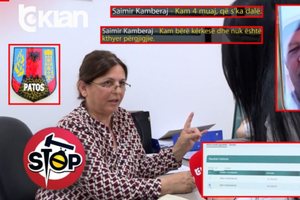
The case published this Thursday, June 4, on the show "Sto...
The protests of recent days related to the situation in Zv...
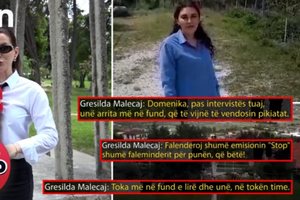
The case addressed this Wednesday, June 3, on the show "St...

The Special Board of Appeal (KPA) decided this Monday ...

The KPA vetting decided this Thursday to dismiss the p...

Suela Salavaçi, a prosecutor in the Prosecutor's Offic...

The Special Board of Appeal reinstated the prosecutor ...
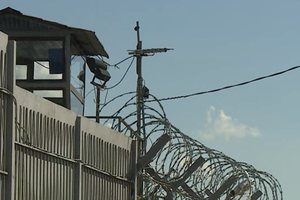
A convict was found dead today in the premises of the Pris...
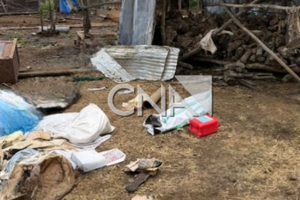
Several images provided by CNA show the area where this mo...

A quantity of explosive material exploded this morning at ...
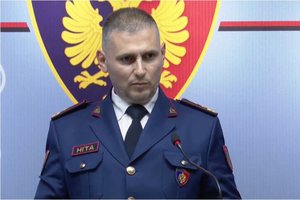
The Head of the State Police, Skënder Hita, expressed his ...

For many children and teenagers, the long summer holidays ...
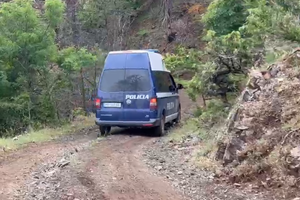
Witnesses in Lozhan, Maliqi, have shared details from the ...

Albania is facing an unprecedented demographic transition,...

On Thursday, our country will be affected by unstable weat...
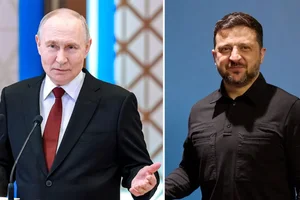
Russian President Vladimir Putin said the war in Ukraine c...
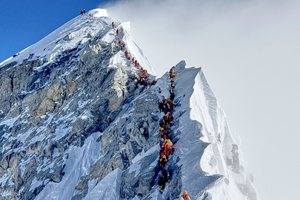
An extraordinary story of survival has been recorded in Ne...
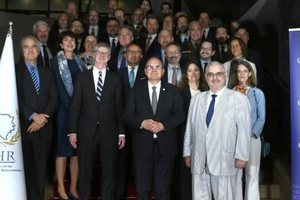
The Peace Implementation Council in Bosnia and Herzegovina...
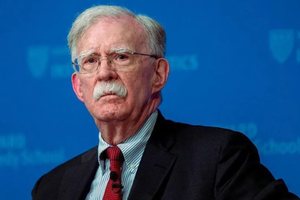
John Bolton, the former national security adviser to US Pr...
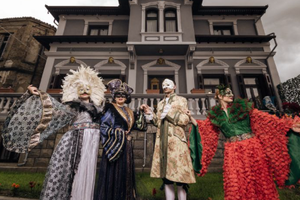
Korça is ready to open the summer season with one of the c...
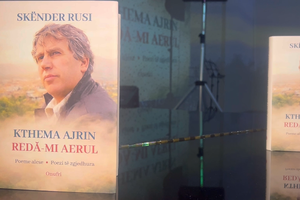
Two years after his passing, the renowned Korçë poet Skënd...
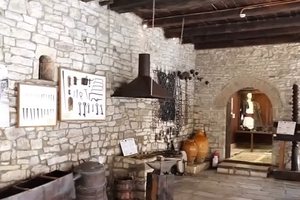
The Ethnographic Museum of Berat has opened its doors to v...
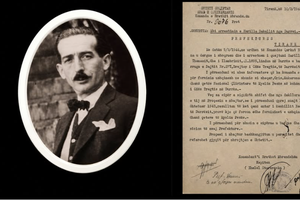
The story of Harilla Bakalli is one of the most chilling t...
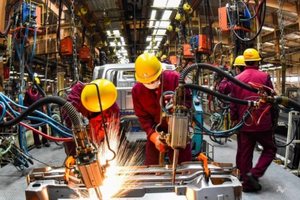
The government aims to transform the country's industrial ...

Kursi i këmbimit të euros me lekun ka rënë më tej këtë jav...

Profit margins in the construction sector have increased s...

The Transparency Board, at its meeting today, decided to i...