


Businessman Artur Shehu breaks his silence: I am a long-time land owner in Zvërnec, I don't know the investors at all
Albanian businessman Artur Shehu spoke on the Opinion show...

Albanian businessman Artur Shehu spoke on the Opinion show...

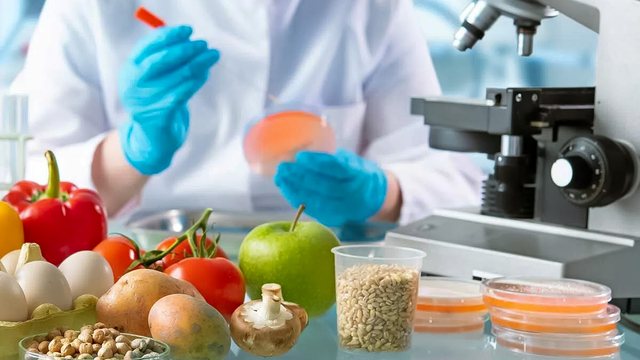
Food safety in Albania has become one of the most discussed issues in recent months. From products blocked at the borders of the European Union, to reports of high pesticide residues in fruits and vegetables, concern about what we put on the table has grown significantly. Experts warn that control over food production and trade remains fragmented, while laboratories and field inspections are still far from European standards. This situation has revived the debate on institutional accountability, market transparency and the urgent need for a stronger system of guarantees for the Albanian consumer.
In domestic milk production, it is said that only 5.5% of farmers used milk quality testing services in 2020.
International and regional media portray the situation with a mix of serious problems and reform efforts. On the one hand, there are repeated food safety violations, contaminated products, insufficient monitoring, and banned shipments, which create a worrying image for the consumer. On the other hand, there are few positive signals: for example, increased attention from the government and support from the EU for improvement.
The globalization of the food market, the increase in the consumption of processed foods and changes in eating habits have made the need for high safety standards more urgent than ever.
But beyond technology, inspections, and laws, there is one factor that decisively determines the quality of the food we consume: the culture of nutrition.
This culture, which encompasses the way a society conceives, selects, produces, and consumes food, is the core upon which any sustainable food system is built.
A country that has respect for food, tradition, and origin is more likely to have a safe and responsible market.
In this context, I will analyze the Italian market, which seems to represent a model example of the combination of culture and food security, while Albania, although with great potential, is still in the process of consolidating this relationship.
Food as part of national identity, a guarantee of security
Italy is one of the clearest examples of how food culture can become a defense mechanism for food security. In this country, food is not simply a biological necessity or a commercial commodity, it is part of identity, heritage, and daily life.
This philosophy is embodied in the concept of “la dieta mediterranea”, which has been declared by UNESCO as a World Intangible Cultural Heritage of Humanity. This food model, based on fresh vegetables, olive oil, fish, whole grains and moderate meat consumption, is not only healthy but also safe. It includes a sustainable approach to production and consumption, where respect for the season, the land and the product are fundamental principles.
This cultural sensitivity is reflected in the way the Italian food safety system works. The relevant authorities — the Ministero della Salute, the ICQRF (Ispettorato Centrale della Qualità e Repressione Frodi) and the Carabinieri NAS — carry out regular checks at every link in the food chain, from farmers to supermarkets.
Thanks to an advanced traceability system, every product in Italy can be identified from origin to the final consumer. This system is so detailed that in the event of contamination or fraud, the product can be immediately withdrawn from the market, avoiding serious consequences for public health.
Italy is one of the countries with the largest number of certified food products in Europe, thanks to its system of protection of origin and quality. Local Italian products often carry the DOP (Denominazione di Origine Protetta) or IGP (Indicazione Geografica Protetta) labels, which guarantee the strong link between the product, the territory and the tradition.
In the north, Parmigiano Reggiano, rightly called the “king of cheeses,” is still produced using centuries-old techniques in Emilia-Romagna. Equally famous is Gorgonzola, a blue-veined cheese from Lombardy and Piedmont, known for its mild, aromatic flavor. From the Parma region comes Prosciutto di Parma, a naturally dried ham that is considered a symbol of Italian craftsmanship in meat processing.
Further south, in Puglia, there is Pane di Altamura, a bread with a thick crust and a characteristic aroma, while in Campania, Mozzarella di Bufala is produced, a fresh cheese used in many traditional Italian recipes. From Sicily come Pomodoro di Pachino, small, sweet tomatoes that grow near the sea, and Arancia Rossa di Sicilia, red oranges famous for their deep color and distinctive flavor.
In Tuscany, Chianti Classico remains one of the most popular Italian wines, while in Campania, the town of Gragnano has become synonymous with artisanal pasta, known for its texture that holds sauce perfectly. From Veneto comes Prosecco – the sparkling wine that has become a part of every Italian celebration.
All of these products are certified with the DOP or IGP marks, which guarantee not only origin, but also commitment to quality and authenticity.
But safety in Italy does not come only from the state, it stems from social awareness. Italian consumers have a high level of food education: they read labels, look for the origin of the product, choose local producers and prefer DOP or IGP (protected origin) products.
This awareness is the result of a cultural process that has been developing for decades, including the “Slow Food” movement, born in Piedmont in 1986, which promotes “good, clean and fair” food (buono, pulito e giusto). This movement has influenced the change of the European mentality about food and has served as a global model of sustainability and food ethics.
So, in Italy, food safety is the consequence of a consolidated food culture, a harmonious coexistence between tradition, law enforcement policy, innovation and social responsibility.
Albania: between traditional heritage and food security
Albania is part of the same Mediterranean region and enjoys an extraordinary food wealth: fertile soil, a mild climate and a gastronomic heritage that includes natural and healthy products. But while the traditional food culture is strong in essence, the modern food security system has not yet managed to fully benefit from it.
In Albania, the issue of food safety remains one of the most sensitive and important topics for public health and economic development. Despite the country's agricultural potential, reality shows that the domestic market suffers from a lack of effective control, poor laboratory infrastructure and insufficient supervision of the products that reach the consumer's table.
Often, products without clear identification of origin and production method circulate in Albanian markets. The few analyses conducted have shown high levels of chemical residues, pesticides and microbes in agricultural products, as well as problems with processed milk or imported meat. This situation makes it necessary to strengthen domestic production as a strategy to guarantee safe and traceable food.
Strengthening domestic production is essential to build a safe, sustainable and reliable food system in Albania. In a market where imports account for the majority of consumption, the risk of a lack of control over the origin and quality of food is high. Products entering the country often do not undergo regular laboratory analysis, while surveillance mechanisms remain limited. This creates a major gap in food safety and exposes consumers to avoidable risks.
The Ministry of Agriculture and other sources report that around 15 Albanian agricultural products have received international certification (in particular GLOBALG.AP) in recent years, mainly in the fruit and vegetable sector. Legally, Albania has adopted the framework for “Designations of Origin” and “Geographical Indications” as part of the system for the protection of products of specific origin.
By strengthening local production, Albania will be able to guarantee more complete control over the process, from the land and the farm, to the market and supermarket shelves. Such a system allows for more accurate traceability and transparency on the production method, the use of pesticides or the maintenance of hygiene and sanitary standards. In addition to the safety aspect, local production stimulates local economic development, creates jobs and gives value to traditional Albanian products, which often have quality and authenticity that can be certified, similar to DOP and IGP products in Italy.
In rural areas, many families maintain healthy habits such as baking bread at home, using seasonal vegetables, and preserving produce using traditional methods (such as drying, canning, or fermenting). However, in large cities, these practices have been replaced by the consumption of processed foods, often of unclear origin and with questionable hygiene standards.
Currently, only a small portion of Albanian products are certified and ready for export. The fruit and vegetable sector has made more progress, while animal and processed products still pose a challenge due to insufficient control of the production chain and the lack of certified laboratories.
Despite these obstacles, there are initiatives that demonstrate Albania’s great potential to develop domestic products that are recognized abroad. With institutional support, standardization of production, and improved laboratory capacities, many of Albania’s traditional products – from fruits and vegetables to cheeses and honey – could become credible competitors in European markets and beyond.
According to reports from the National Food Agency (AKU), the main challenges remain the lack of sufficient inspections, incorrect labeling and excessive use of pesticides in some agricultural crops. This shows that, in addition to the legal framework that has already been approximated to the EU, a sustainable cultural change is needed — starting with consumer education and producer responsibility.
Essentially, Albania is at a key point: it has a rich heritage that can be transformed into economic and cultural value, but it requires awareness and a stable institutional structure to turn this potential into reality.
Nutrition culture as the foundation of food security
In both countries, it is clear that food safety is not just a result of technology or regulations, but a product of food culture. A people who respect food will not easily tolerate fraud or contamination.
In Italy, this culture has been cultivated through education, tradition and media that promote local food as part of national identity. In Albania, this culture exists in the collective memory, but needs to be revived and reinforced with modern food education, which should be part of public policies, schools and media.
Food culture is not limited to cooking or preferences, but includes: production ethics, i.e. the way the land, animal or product is treated; Without these elements, food security remains fragile and dependent solely on state control, a mechanism that cannot function alone.
Europe: food security as cultural policy
At a continental level, the European Union is now the area with the highest food safety standards in the world. According to data from the European Food Safety Authority (EFSA) for 2024, over 700,000 inspections were carried out in the member states, and only 1.8% of food samples had pesticide residues above the permitted limits.
In many countries, including Italy and France, food education is part of school curricula. Students learn from a young age about the origin of food, the season of production and the importance of healthy eating. This creates a generation of consumers who understand that safety starts at the table, not in the laboratory.
From individual conscience to national policy
The culture of nutrition is more than a habit; it is a reflection of a society. In Italy, it has formed a sustainable system that guarantees safety, quality and trust. In Albania, it still retains the potential to become the foundation of a similar transformation, if combined with education, innovation and sustainable policies.
Food safety is not born in state laboratories, but in the citizen's conscience in the way they buy, store, and respect food.
From individual conscience to national policy, food security in Albania must be treated as a joint effort that begins with consumer choices and ends with the responsibility of institutions.
* This article has been funded by the European Union within the framework of the project 'Support to Food Safety Education in Albania', which is being implemented by the Destiny Center of Excellence and the TEAM Center. Its contents are the sole responsibility of the author and do not necessarily reflect the views of the European Union.

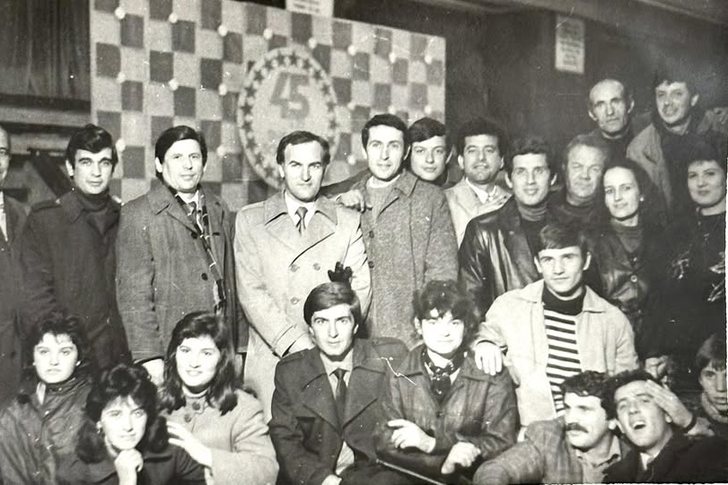
Through photography, not simply as an art form that has it...
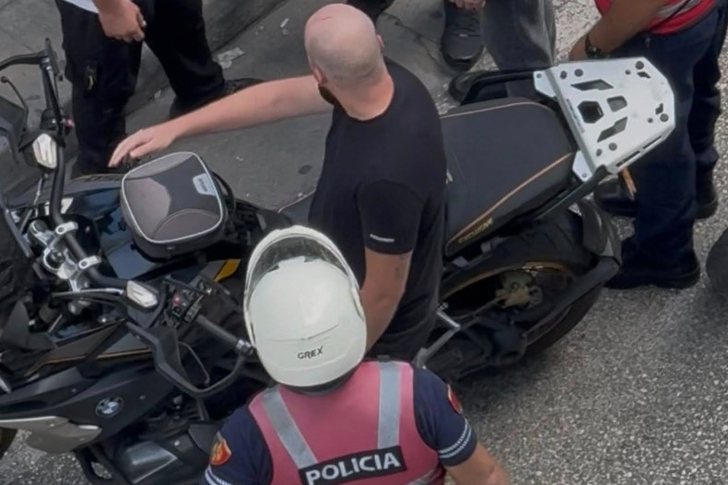
I live in the "Paris Commune". Because of my little girls,...
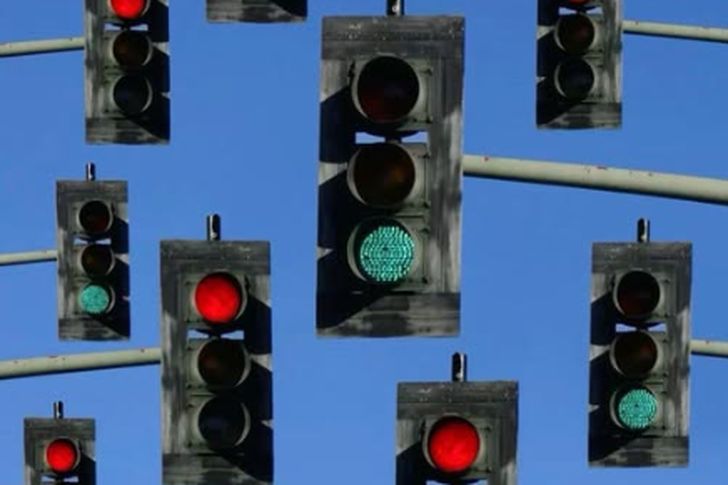
As I was reading the European Commission’s annual reports on...
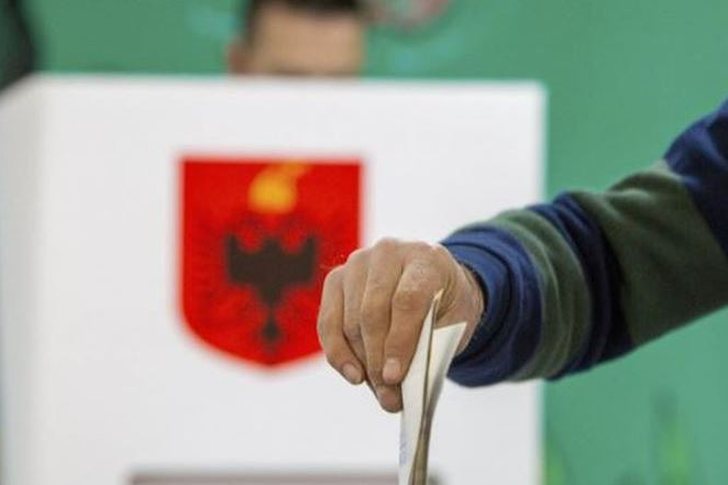
Do you know the democrats of the city of Vlora and its sur...

The elections were held. The ballot boxes were counted, th...
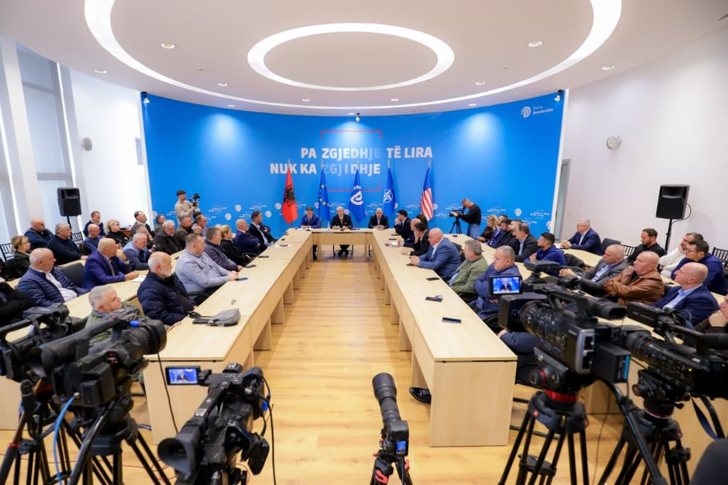
I followed Mr. Berisha's speech today at the meeting with th...
November for Albanians has two dates close to each oth...
Yesterday evening, like everyone who lives in this country...

Albania and Kosovo held partial local elections yesterday....
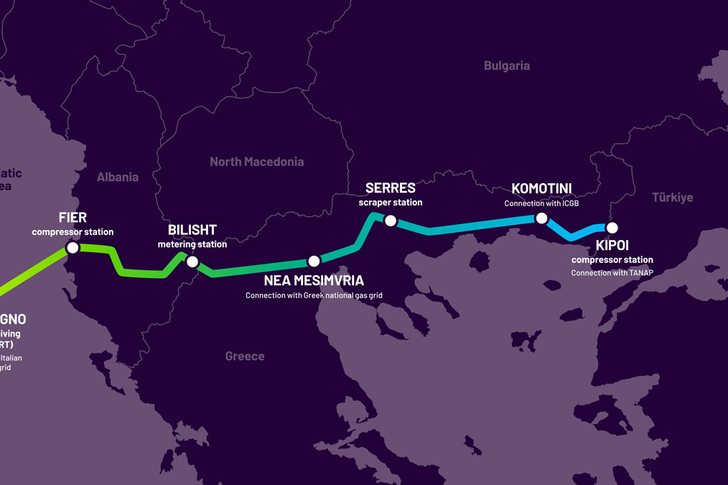
A green transition that requires a sustainable foundation ...
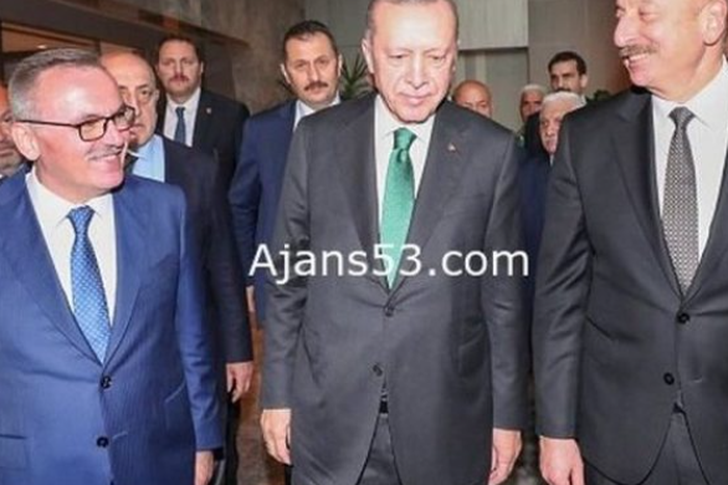
In Albania, a file that is opened is enough to trigger a p...

At the next table, two middle-aged men were drinking coffe...

Your prime minister knows nothing, and neither have the ot...
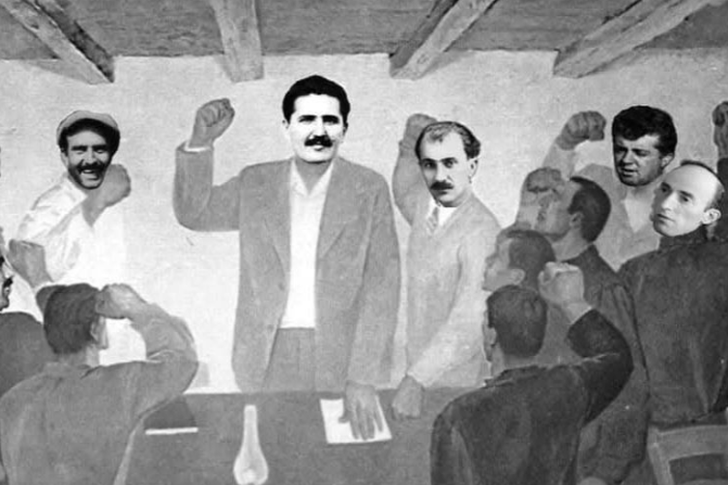
(The illustration is a montage of the famous painting from...
In Vlora, a very low turnout is expected in tomorrow's by-...
I write this text from a clear conservative conviction...
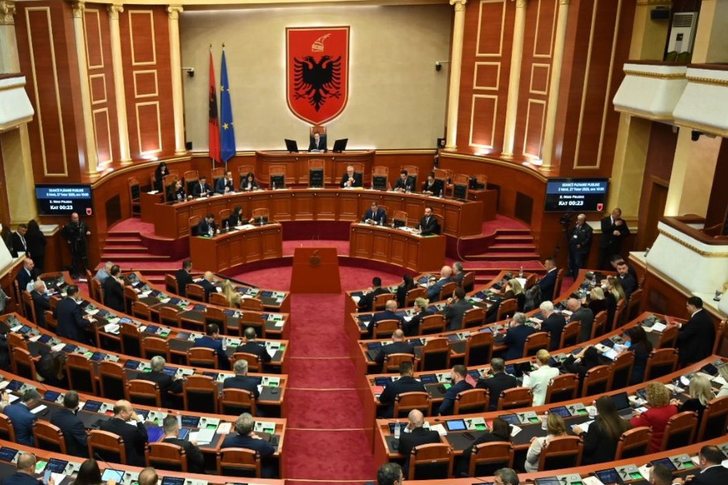
Today I come with two sources that guide me: the Constitut...

Today, only Berisha talks about protests. In meetings, gat...

I have followed and presented the achievements, efforts an...
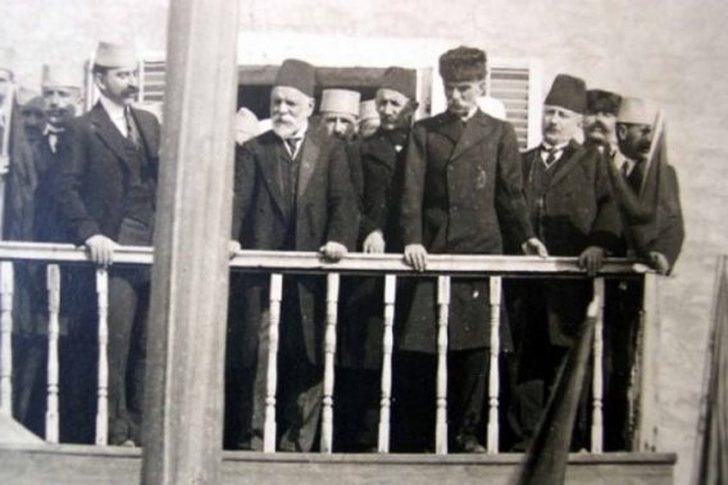
Supposedly to oppose "communist history", this is how illu...
The next case broadcast on the show "Stop", this Thursday,...
The case published this Thursday, June 4, on the show "Sto...

The protests of recent days related to the situation in Zv...
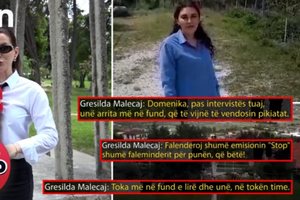
The case addressed this Wednesday, June 3, on the show "St...

The Special Board of Appeal (KPA) decided this Monday ...

The KPA vetting decided this Thursday to dismiss the p...

Suela Salavaçi, a prosecutor in the Prosecutor's Offic...

The Special Board of Appeal reinstated the prosecutor ...
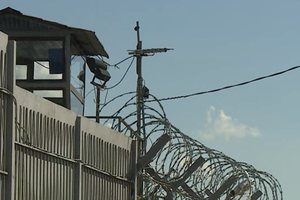
A convict was found dead today in the premises of the Pris...
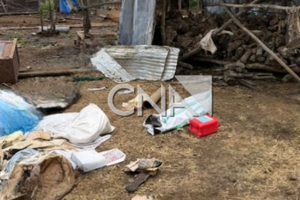
Several images provided by CNA show the area where this mo...

A quantity of explosive material exploded this morning at ...

The Head of the State Police, Skënder Hita, expressed his ...

For many children and teenagers, the long summer holidays ...
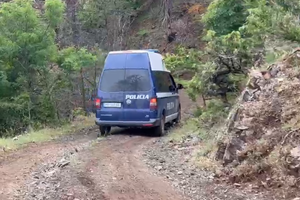
Witnesses in Lozhan, Maliqi, have shared details from the ...
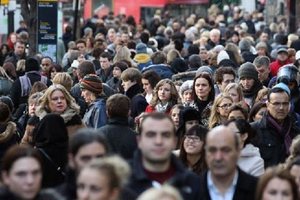
Albania is facing an unprecedented demographic transition,...

On Thursday, our country will be affected by unstable weat...

Russian President Vladimir Putin said the war in Ukraine c...
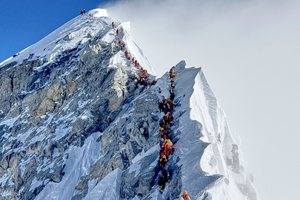
An extraordinary story of survival has been recorded in Ne...
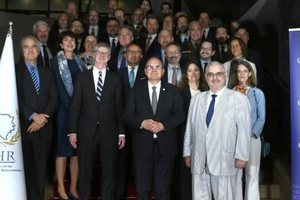
The Peace Implementation Council in Bosnia and Herzegovina...

John Bolton, the former national security adviser to US Pr...
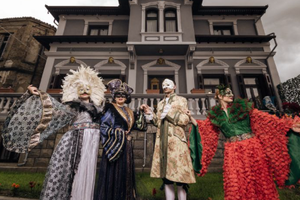
Korça is ready to open the summer season with one of the c...
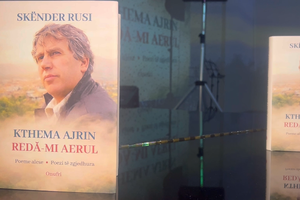
Two years after his passing, the renowned Korçë poet Skënd...
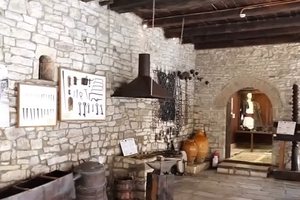
The Ethnographic Museum of Berat has opened its doors to v...
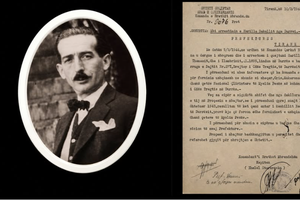
The story of Harilla Bakalli is one of the most chilling t...
The government aims to transform the country's industrial ...

Kursi i këmbimit të euros me lekun ka rënë më tej këtë jav...

Profit margins in the construction sector have increased s...
The Transparency Board, at its meeting today, decided to i...