


Deadly clashes in southern Syria: At least 18 people killed
Clashes between Bedouins and local fighters in the town of...


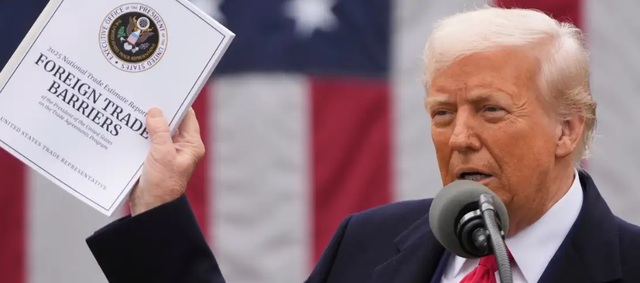
President Trump announced that he will impose 30 percent tariffs on goods from the European Union starting August 1. Brussels responded that the EU is still open to negotiations, but also to countermeasures.
President Donald Trump announced that the United States will impose tariffs of "only 30 percent" on EU products on August 1.
In a letter to European Commission President Ursula von der Leyen, which he posted on "Social Truth", Trump said that the US trade deficit with the EU was a threat to national security.
"We have discussed our trade relationship with the EU for years and have concluded that we need to move away from these long-term, large and persistent trade deficits, which have arisen from tariffs and non-tariff measures and trade barriers. Unfortunately, our relationship has not been based on reciprocity."
Trump also wrote: "The European Union will offer the United States unlimited tariff-free market access, without imposing tariffs on us to try to reduce our large trade deficit." What exactly Trump meant by this is not yet clear.
Trump threatened to increase tariffs in case of countermeasures
But, if the EU opens previously closed markets to the US and removes trade barriers, Trump - in a figurative sense - stated that a change in previous decisions could be considered.
Fees may increase or decrease, depending on the development of the relationship.
In a letter to Ursula von der Leyen, he stated that the tariffs would not apply to the EU or companies within the EU if they decided to transfer production to the US. He promised to issue all permits quickly - within a few weeks.
Which industries are exempt from the new tariffs?
According to the US government, the announced 30 percent tariffs will not apply to certain sectors - including cars and steel. When asked whether the additional tariffs would also apply to certain product groups such as cars, steel and aluminum, the White House told dpa: "That is true, sectoral tariffs are treated separately and are not added together."
The US has already imposed a 25 percent tariff on cars and auto parts imported from the EU, while tariffs on steel and aluminum are 50 percent.
Brussels remains open to negotiations
According to a spokesperson, the EU had been informed in advance of the US plans. European Commission President Ursula von der Leyen reacted immediately. She warned the US administration that 30 percent tariffs on EU exports would seriously disrupt transatlantic supply chains. The EU, she said, has always sought a negotiated solution with the US. It is ready to continue negotiations until August 1.
If no agreement is reached, the EU will take all necessary steps to protect its interests, including countermeasures.
How far have the negotiations progressed?
A draft EU-US joint statement was on the table. Most EU member states were willing in principle to accept the new US basic tariff level, but on condition that it was 10 percent or lower.
The EU was also prepared to commit to reducing the trade deficit, for example by increasing imports of liquefied natural gas (LNG) from the US. But the EU has made it clear that it will not change the rules of the digital economy, which Trump has criticized. German economists expect the decision to be withdrawn
Economists Jens Zidekum and Moritz Schulerik believe that Trump's threat of 30 percent tariffs on EU goods is probably not his last word. "Trump is known for his strong statements that are often made and then retracted," Zidekum told the Frankfurter Allgemeine Zeitung (FAZ). "I have no reason to believe that this time will be different," added an adviser to German Finance Minister Lars Klingbeil (SPD).
Moritz Schulerik, president of the Kiel Institute for the World Economy, told FAZ that he believes Trump will back down. If that doesn't happen, the German economy could suffer seriously. "Next year, gross domestic product would reduce growth by 0.5 to 0.6 percentage points," Schulerik estimates. However, thanks to the spending programs implemented by the German government, this would not push the country into recession. What is the trade volume between the EU and the US?
According to the European Union: The EU and the United States have the largest bilateral trade and investment relationship in the world, as well as the most closely linked economies.
Together, they account for almost 30% of world trade in goods and services and 43% of global economic output. The EU and the US were the most important trading partners in 2024: trade in goods and services amounted to around €1.7 trillion.
The EU's main exports to the US include pharmaceuticals, cars, aircraft, chemicals, medical instruments, as well as wine and spirits.
Does the US really have a deficit with the EU?
The EU had a sizeable surplus of around €198 billion in trade in goods with the US in 2024. Goods worth around €533 billion were exported to the US, while goods worth around €335 billion were imported from the US - according to the latest Eurostat data.
However, in the services sector, the EU has a trade deficit with the US, so the EU's overall trade surplus in goods and services was only €50 billion. "This represented less than three percent of total EU-US trade," Brussels' argument goes. Why so many tariffs?
Trump has also threatened tariffs on many other countries. With his tariff policy, Trump wants to correct alleged trade imbalances and encourage greater production within the United States. The tariffs already bring in billions of dollars in revenue for the US government. According to the US Treasury Department, as of June of the current fiscal year, tariff revenue has exceeded $100 billion.
In June, tariff revenue reached a record $27.2 billion, the U.S. Treasury Department announced Friday.
Thanks to tariffs, total budget revenues in June rose by 13 percent, reaching a record $526 billion for that month. However, the budget deficit for the current fiscal year increased by five percent and amounts to $1.337 trillion. The ministry cites as the reason the increase in spending on health care, social security, defense and interest on the national debt.
Treasury Secretary Scott Besant announced earlier this week that tariff revenue could rise even further. By the end of 2025, that amount could reach $300 billion, he said. But that would require a significant expansion and increase in tariffs. Trump then announced that August 1 is the deadline for imposing higher tariffs on goods from almost all of the United States' trading partners. "There will be a lot of money," the president said./ DW

Clashes between Bedouins and local fighters in the town of...
German Chancellor Friedrich Merz said today that US Presid...

Two people are reported missing in Catalonia after torrent...
Pope Leo XIV celebrated Sunday Mass today at the Parish of...

Një aeroplan i vogël u rrëzua në Aeroportin e Londrës Sout...
NATO chief Mark Rutte will visit Washington on Monday, Jul...
Ukrainian President Volodymyr Zelensky sharply criticized ...
Deputetja e Lëvizjes Vetëvendosje, Arjeta Fejza tha se par...
Economist and member of the German Economic Expert Council...

Ukraine's Security Service said on Sunday it had killed Ru...

Iranian President Masoud Pezeshkian was wounded in the leg...
Kosovo's MPs who emerged from the February 9 elections hav...
The Chairman of DUI, Ali Ahmeti, received the President of...
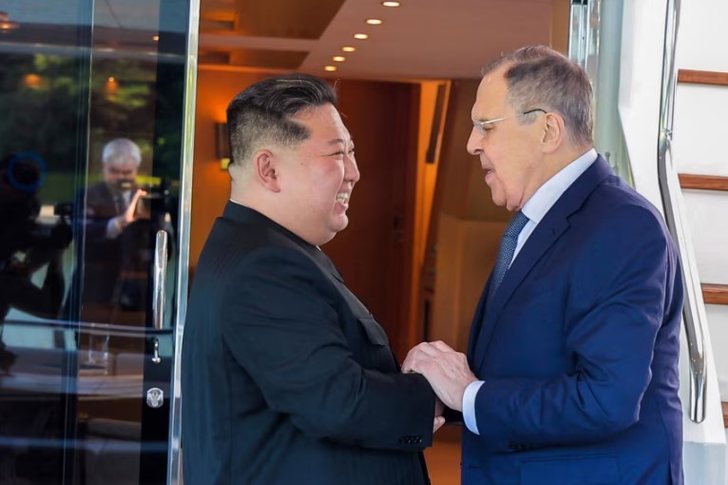
North Korean leader Kim Jong Un has offered Moscow "unwave...
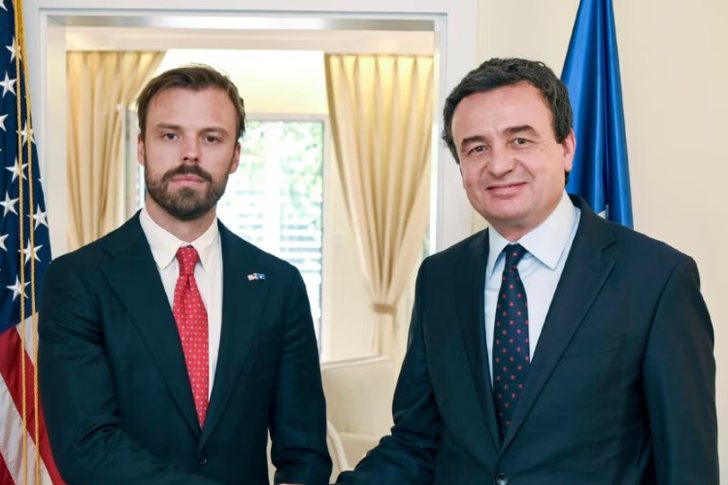
Kosovo's acting Prime Minister, Albin Kurti, met on Saturd...
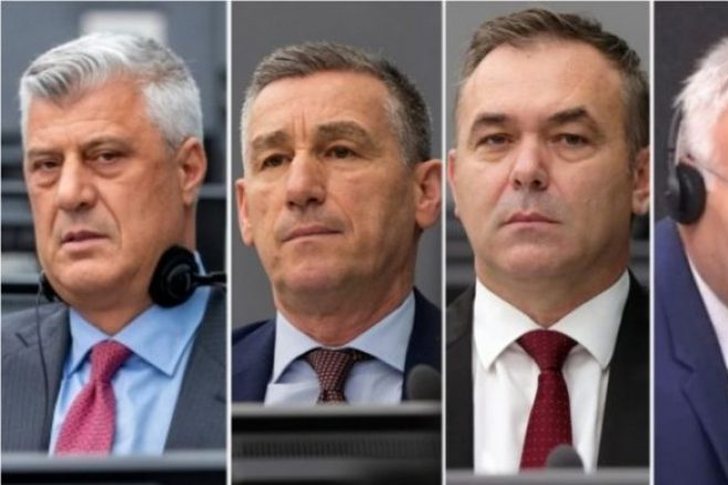
The trial panel in the case against the leaders of the Kos...

The UK is experiencing its third heatwave of the year, wit...
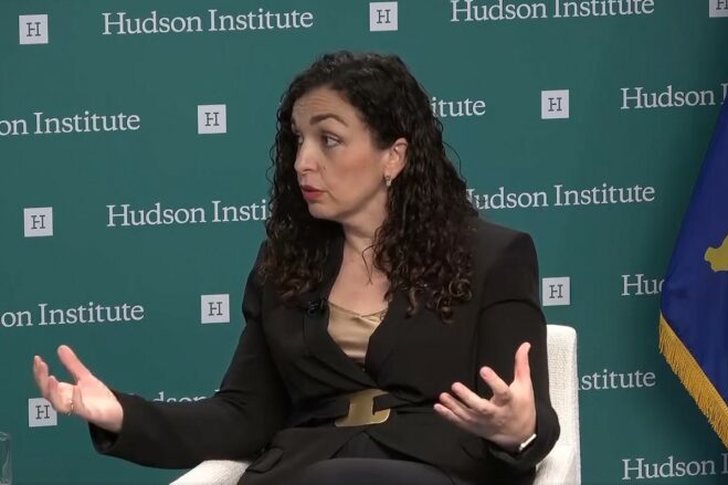
The President of the Republic, Vjosa Osmani, is currently ...

The news of the death on July 12, 2025 of the German diplo...
The senior official of the US Department of State for Euro...

CNA has launched another investigation that could lead to ...

Irfan Hysenbelliu is a businessman that we call "Irfan the...

In March 2026, CNA launched another investigation centered...
The arrested mayor of Tirana, Erion Veliaj, with 13 charge...

The Special Board of Appeal (KPA) decided this Monday ...

The KPA vetting decided this Thursday to dismiss the p...

Suela Salavaçi, a prosecutor in the Prosecutor's Offic...

The Special Board of Appeal reinstated the prosecutor ...

This Wednesday, around 4:00 PM, a serious accident occurre...

Tirana Police have shared details regarding the accident t...

New details have emerged regarding the accident that occur...

New details have emerged from the serious accident that oc...

A serious accident that occurred this Wednesday with the c...

The Institute of Geosciences has shared a forecast for wea...

Rising energy and fertilizer prices are expected to contin...
Over 18,000 foreign citizens from 140 countries have appli...
US President Donald Trump has issued another warning to Ir...

Prime Minister Andy Burnham has announced that most bus fa...

France's parliament has passed a law to ban social media f...

US Secretary of State Marco Rubio arrived in Manila on Jul...

At a time when industrial products are increasingly taking...

Trust among people is not just a three-syllable word. It c...

Master of humor Todi Llupi has passed away at the age of 7...

The ninth edition of "MIK Festival" kicked off with one of...

Businesses will no longer be required to simply register t...

Despite economic growth and income in recent years, Albani...

This Wednesday, one US dollar is bought for 81.4 lek and s...

Construction company licenses will have a validity period ...