


Shkodra traffic police officer hit with hard objects
A Shkodra traffic police officer was hit with hard objects...

A Shkodra traffic police officer was hit with hard objects...

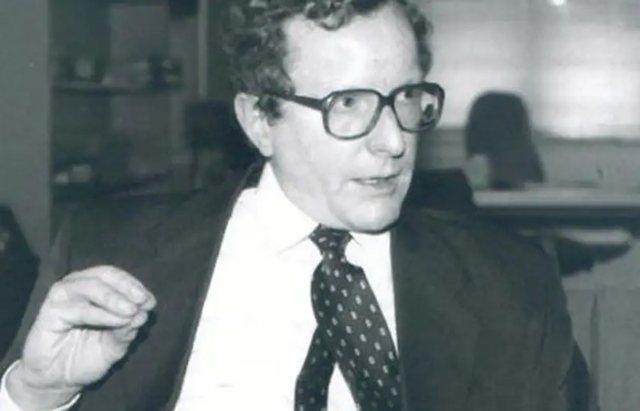
The news of the death on July 12, 2025 of the German diplomat Werner Daum was communicated in the Albanian media, as he was in Albania these days, the country where 35 years ago he was the first West German diplomat to open the Embassy of the FRG in communist Albania in 1987. During his three-year stay in Albania, he had an intensive activity beyond the borders of diplomacy, committed to the opening and rapprochement of Albania with the Western world. He himself stated in a historic interview for DW (2010) that "I was more of an ambassador of the Albanians to my government, than vice versa". Daum, within a short time, thanks to his knowledge of the Albanian language, managed to get to know the Albanians and enter into direct communication with the people, as he himself expressed: "I have loved Albania from the beginning, I have loved the Albanians very much, that wonderful nature with mountains and sea, the forests. I felt very good there."
Ironically, Daum passed away precisely in Albania, the place where he worked passionately for the opening and rapprochement between the two countries, the man who opened the gates of the FRG Embassy in late June and early July 1990 to receive thousands of Albanians, who in protest against the system flocked to Western diplomatic headquarters to deal the final blow to the communist regime in Albania, an event that has gone down in history as July 2.
"Very pleased to open the doors of the embassy to Albanians"
Regarding this event, Daum explained to DW in 2010 what happened in those days. The German embassy received about 3,200 Albanians who wanted to leave Albania: "I want to say that there were not 3,200 but 3,199, but it was not that the Albanians came to the German embassy. The first Albanians went to the Greek embassy, I was very friendly with the Greek ambassador, his name was Kakabasis, he spoke perfect German, he had attended a German school, he was my best friend among the diplomats. He was not only a friend who spoke German like me, but we were also neighbors, since the Greek embassy was located directly next to the German embassy. Of course, the Albanians came first to the Greek embassy, because they were Albanians who came from the south of Albania and who spoke Greek, and they thought that maybe the Greek embassy could help them. The first were about 15 to 25 people, others went to the Egyptian, Italian embassies, some went to the French embassy. And I was disappointed that up to that moment no one had come at the German embassy. I was ashamed and thought that it is not possible for people to seek refuge with Egyptians, Greeks or Italians, but not with us. And with full conscience I told the federal border security officer that from today onwards the embassy would be illuminated in the evening, that all the lights would be turned on, and that the large gate facing the street would be left open to be seen, the door leaf would not be open at all, but unlocked and this had to be visible. I could not stand it that people would not seek refuge at the German embassy. This took hold and first people came, then others came, then a truck that broke down the perimeter wall of the building. I welcomed these actions, but now I want to say that this was not welcomed by my government and this was told to me on the phone. I communicated with the government in Bonn only via satellite phone line, since we could not send faxes or write letters. It must be said that governments talk about democracy at Sunday dinner tables, but in their activities they have the duty to maintain stability and not to make an active intervention. No government wants its country's embassy to be filled with asylum seekers. And so it happened, but today I am very pleased that I did this, even though it was against the orders of my government.
How did Daum experience Albania after the July events?
"My government decided that we should not repeat something like this, and that was right. For me personally it was clear that this was the end of the regime, that it could last maybe another six months or a year, but I was sure that the situation could not be stabilized anymore. I was convinced that the process had been set in motion and that everything else would happen naturally. The government in Bonn said that the situation had calmed down, that people had been sent to their homes, that I would remove the German flag from the embassy and the door would be open, and I would officially play the role of the caretaker of the house. So I continued to receive my salary, but if someone came there, it was no longer an embassy but a house. I stayed like that for about a month until I received a phone call from Bonn, from which I was informed that I had to leave Albania immediately, this was also the wish of the Albanian side, even though I was now only the caretaker of the house. I left in my car, with photos of my parents "...and with my mother's jewelry and some of my private things. While I was traveling, an old woman approached the car and broke its window with a stone. So I traveled without a window all the way to Belgrade after a 16-hour journey and arrived at the German embassy there. Two days later they told me that my face had turned green and that they had never seen such a face. My wife, who was in Belgrade at first, did not recognize me. I want to emphasize that I was proud of my active role in a turning point in European history, not only against that criminal regime in Albania, but also against the opposing stance of my government, which was actually understandable."
Professional career
Werner Daum was born on July 14, 1943 in Nuremberg, studied in Pisa, Beirut and at the American University in Cairo, graduating in jurisprudence in Frankfurt am Main. As a member of the diplomatic service of the Federal Foreign Office of the Federal Republic of Germany, his diplomatic posts were Yemen, Sudan, Albania, director of the German representation in the Human Rights section in Geneva. In addition to his diplomatic activity, Daum has left behind several publications on the cultural history of Albania "Albania between the Cross and the Crescent" as well as publications on Yemen and Sudan./ DW

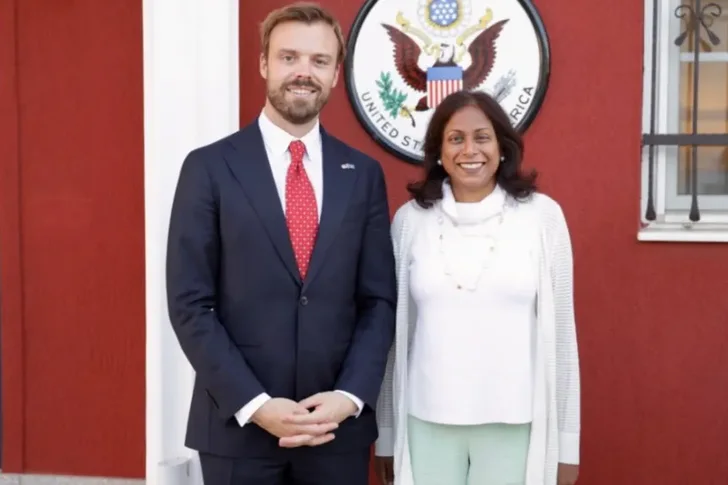
The senior official of the US Department of State for Euro...
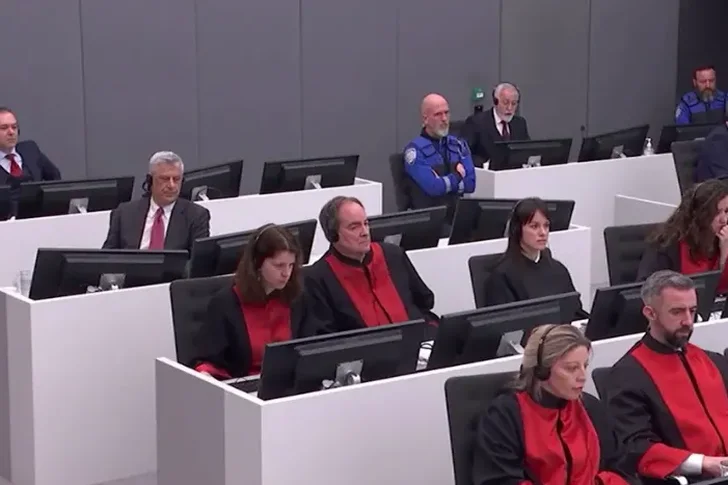
The KLA War Veterans Organization has reacted to the news ...
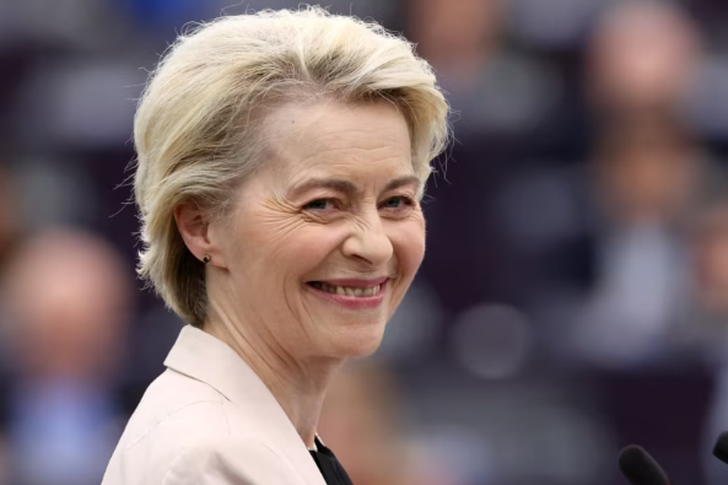
European Commission President Ursula von der Leyen has rea...
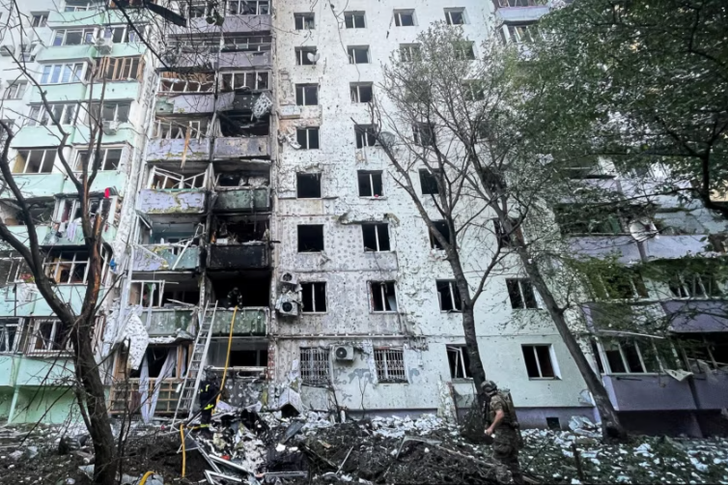
Russia again targeted Ukrainian cities on Saturday with a ...
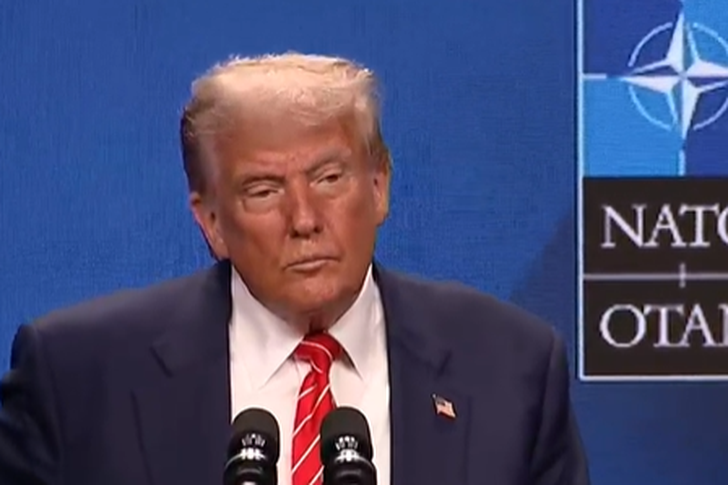
President Donald Trump has announced that the European Uni...
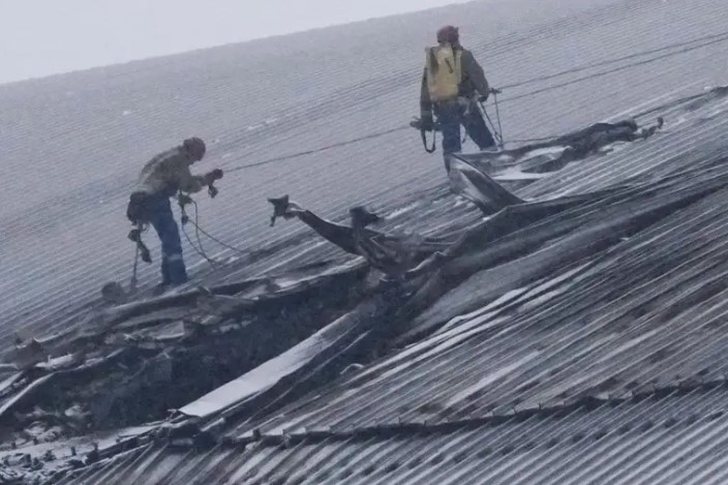
Russia has massively increased its attacks on Ukraine, but...
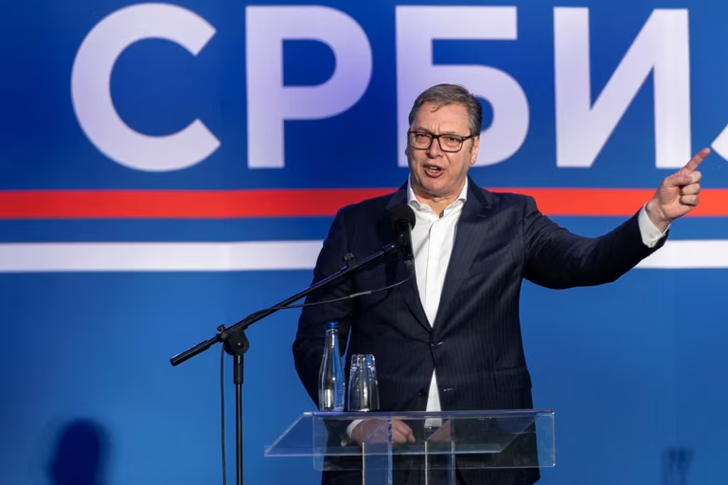
Serbian President Aleksandar Vučić has rejected statements...
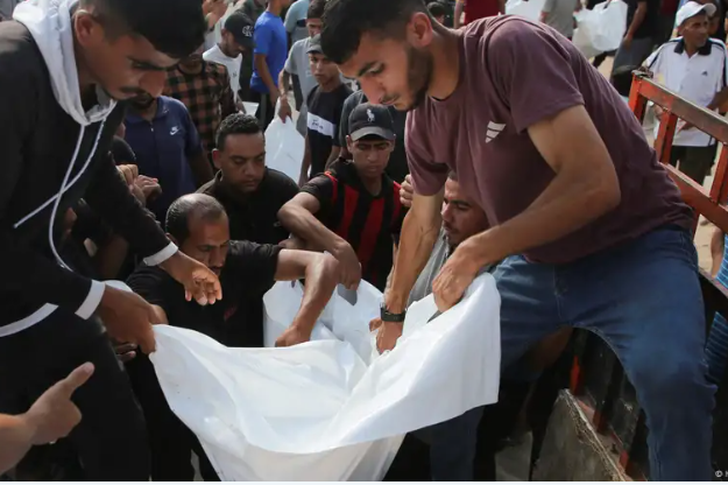
According to OHCHR data, 798 people have been killed in th...
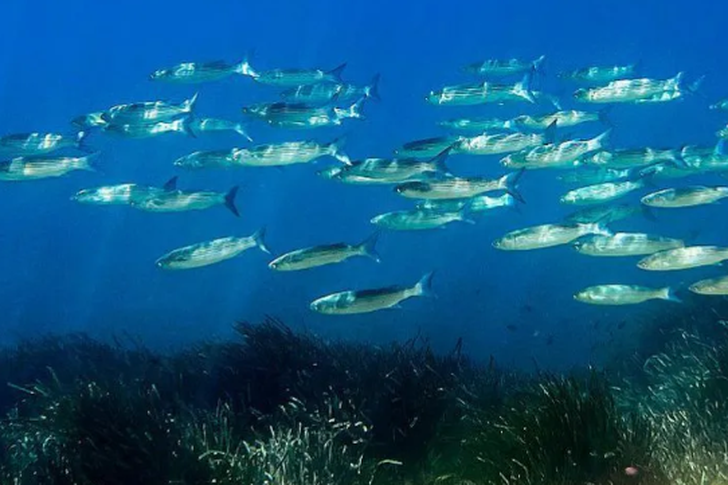
Warmer water on the coast may seem pleasant to you on vaca...
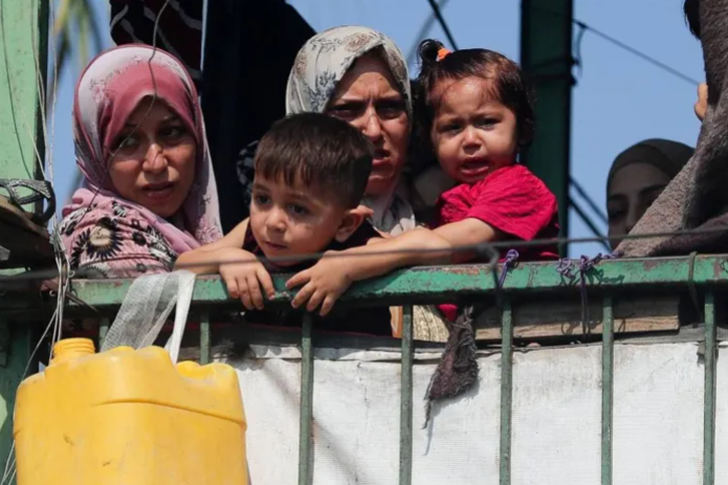
Negotiations between Israel and Hamas in Qatar over a new ...
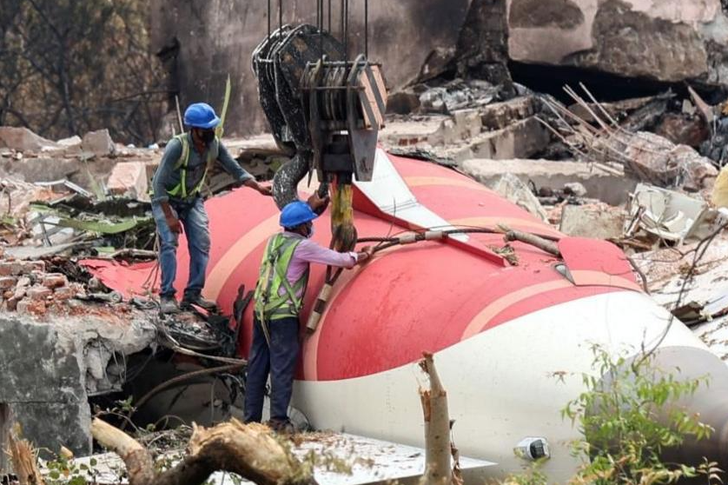
A preliminary report into the Air India crash in June has ...
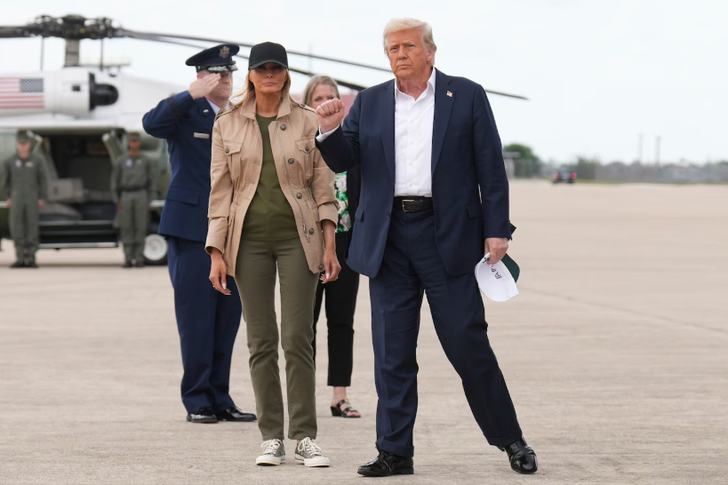
US President Donald Trump visited the site of the devastat...
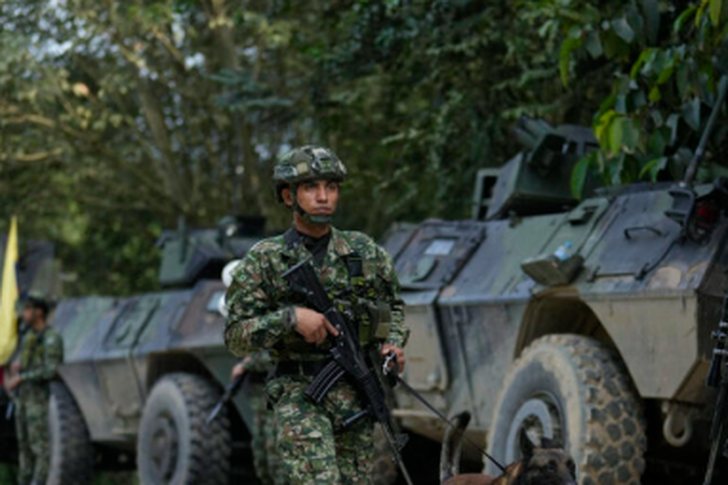
At least three people have been killed in airstrikes carri...
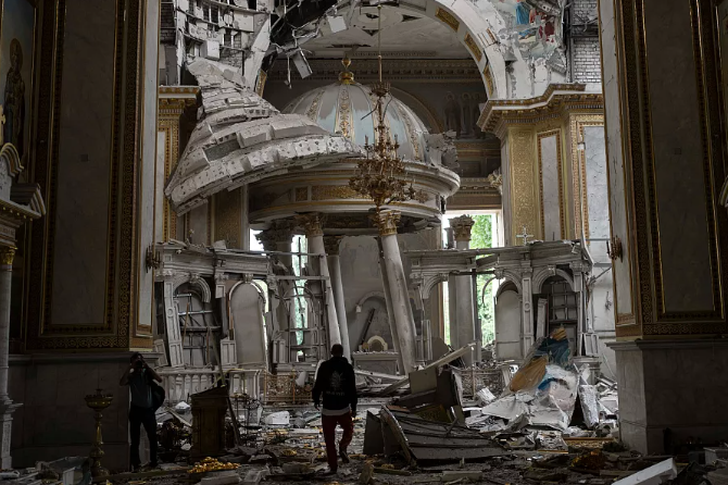
Moscow has destroyed or damaged more than 500 cultural sit...
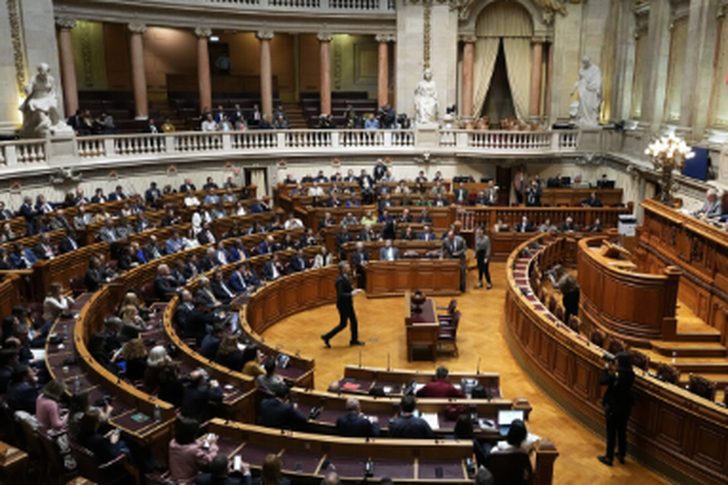
The Portuguese parliament today reclassified rape as a pub...
US President Donald Trump said today that Washington will ...
Presidenti amerikan Donald Trump dhe Zonja e Parë Melania ...
Parlamenti i Greqisë miratoi të premten një pezullim tremu...
According to Kiev's estimates, Ukraine will need billions ...
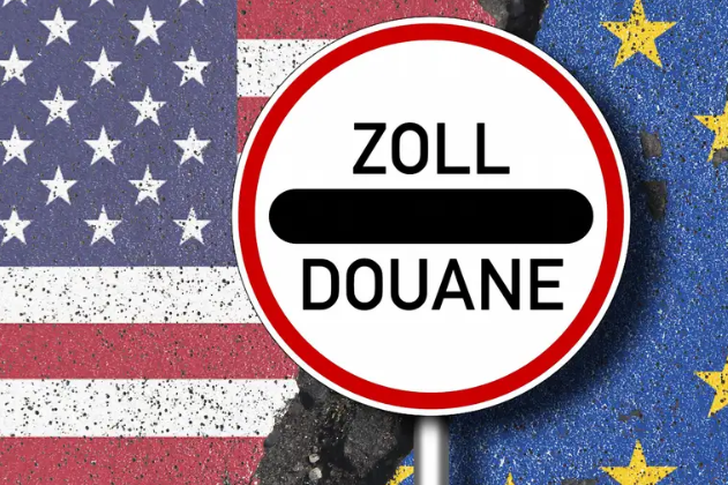
Is the trade deal with the US close? The European Parliame...

CNA has launched another investigation that could lead to ...

Irfan Hysenbelliu is a businessman that we call "Irfan the...

In March 2026, CNA launched another investigation centered...
The arrested mayor of Tirana, Erion Veliaj, with 13 charge...

The Special Board of Appeal (KPA) decided this Monday ...

The KPA vetting decided this Thursday to dismiss the p...

Suela Salavaçi, a prosecutor in the Prosecutor's Offic...

The Special Board of Appeal reinstated the prosecutor ...
A Shkodra traffic police officer was hit with hard objects...
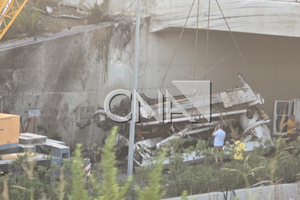
This Wednesday, around 4:00 PM, a serious accident occurre...
Tirana Police have shared details regarding the accident t...
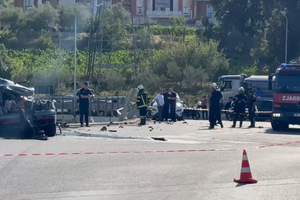
New details have emerged regarding the accident that occur...
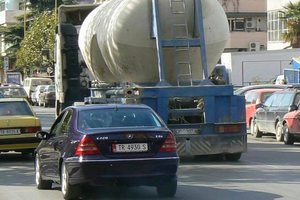
A serious accident that occurred this Wednesday with the c...

The Institute of Geosciences has shared a forecast for wea...
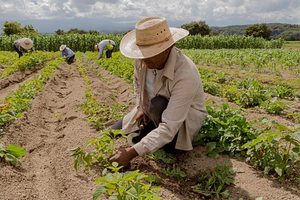
Rising energy and fertilizer prices are expected to contin...
Over 18,000 foreign citizens from 140 countries have appli...
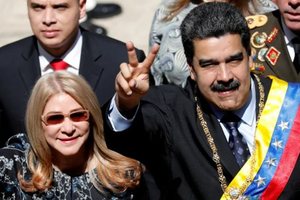
The trial of ousted Venezuelan President Nicolas Maduro on...
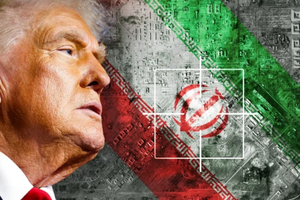
US President Donald Trump has issued another warning to Ir...
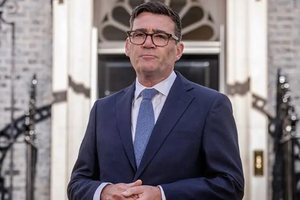
Prime Minister Andy Burnham has announced that most bus fa...
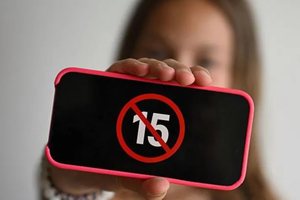
France's parliament has passed a law to ban social media f...

At a time when industrial products are increasingly taking...

Trust among people is not just a three-syllable word. It c...

Master of humor Todi Llupi has passed away at the age of 7...

The ninth edition of "MIK Festival" kicked off with one of...

The price of diesel reached 206 lek per liter from 198 lek...

Businesses will no longer be required to simply register t...

Despite economic growth and income in recent years, Albani...

This Wednesday, one US dollar is bought for 81.4 lek and s...