

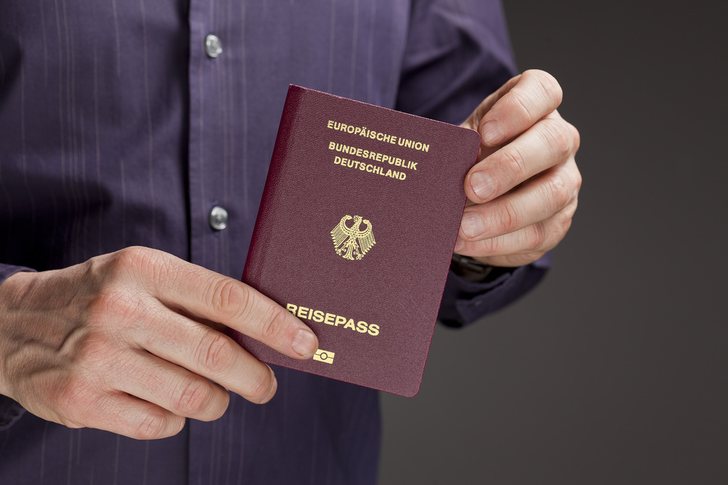
The number of people receiving German citizenship is increasing
In Germany, more foreigners have acquired German citizensh...


Marlene di Nocco lives alone in a stylishly furnished apartment in Rome's Testaccio district - and has already achieved more than many of her generation. Young people in Italy are among Europeans who live longer with their parents. But her parents kicked her out when she was 19, says Di Nocco, and forced her to study abroad - in Karlsruhe. Engineering studies should provide her with better opportunities in the job market. She finished her studies in Germany and could easily have worked for Bosch or Daimler, but then homesickness forced Marle to return to her friends and family. Although he knew that at home he did not expect such favorable conditions in the labor market.
Now the 34-year-old sits at the table in the living room of her small apartment with her laptop. He works for an NGO based in Rome - eleven months a year. Then she must take annual leave so that she is not legally entitled to permanent employment.
This happens to many well-trained professionals her age. 40 percent of employees up to the age of 34 have fixed-term or seasonal contracts. For the rest of the working-age population, this percentage is significantly lower at 13 percent. "Many of my friends work in unsafe working conditions. There is also a lot of illegal work," she says. "The tax burden is so big that at the end of the month you don't have enough money at home just from a regular job. So you start cheating a little bit - just to survive."
In Italy, the average annual gross salary is around 27,000 euros, which is twelve percent less than the EU average and 23 percent less than the German average. Employees under the age of 34 earn on average around 16,000 euros. A permanent and well-paid contract is a rarity for young people in Italy. "To get a higher position, what matters most are years of service. Maybe in Germany it's more common to have a 30-year-old boss. I've never experienced that in Italy. New employees have to they always start over," says Marlen. Experts note a dangerous development for the Italian economy: more and more students emigrate abroad, up to 20,000 per year. The numbers have tripled in the last ten years.
Christina Freguja heads the labor market department at the Ista Statistics Agency. She points to growing difficulties when it comes to finding and retaining skilled workers, especially in the south of the country, who are urgently needed for the modernization of the economy and economic upliftment. While northern Italy still benefits from immigrants from the south, these traditionally less developed parts of the country lose tens of thousands of hard workers each year. "If those who bring innovation leave, this weakens us further within Europe", Freguja fears.
The gap is further exacerbated by traditional economic structures in many parts of Italy. The situation of small family businesses has also become difficult. "These companies often employ family members and invest little in innovation and digitization," says Freguja, which, he adds, makes it difficult for them to compete internationally. As these companies are small, they focus mainly on the market local and do not find it necessary to hire new workers outside the family.The result: young people cannot find work and companies become obsolete.
The situation in the Italian labor market is even more difficult for young women. They are offered fixed-term contracts much more often than their male colleagues. This is partly due to the choice of studies, but also due to the cultural heritage in the south of Europe, which to this day places most of the responsibility for family and children on women. The poor infrastructure with nurseries and kindergartens, especially in the south, forces young women to decide between family and career.
But one of the reasons why many decide to stay in Italy, despite the difficult conditions, is the social life. Marlene di Nocco closes her laptop for the day in her apartment in Rome and walks out into the square in front of her apartment. Another reason why he came back from Germany: "In Germany you have to make an appointment with someone two or three weeks in advance. Here I just go out and always find someone to talk to or have a beer with." She missed company. And some warmth. But in Germany she would have more security./ DW

In Germany, more foreigners have acquired German citizensh...
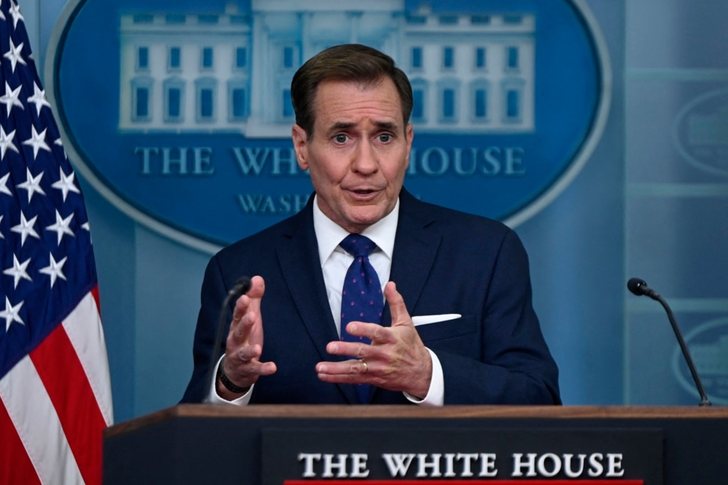
The White House condemned the loss of dozens of civilian l...
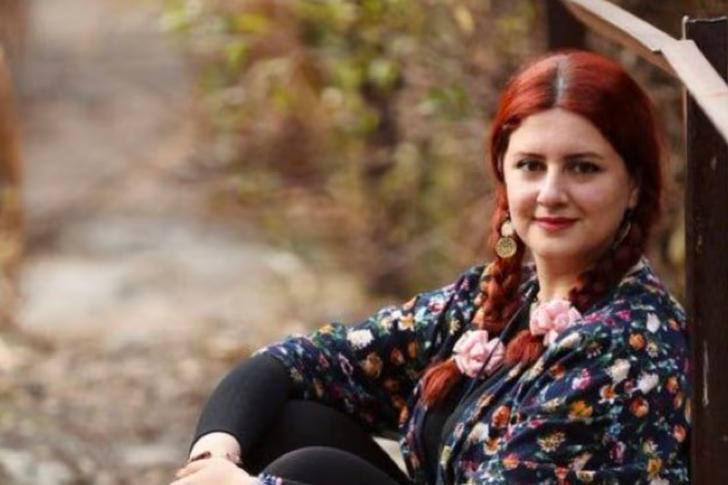
The Islamic Revolutionary Court in the west of Iran has se...

The main Greek opposition party SYRIZA has announced that ...
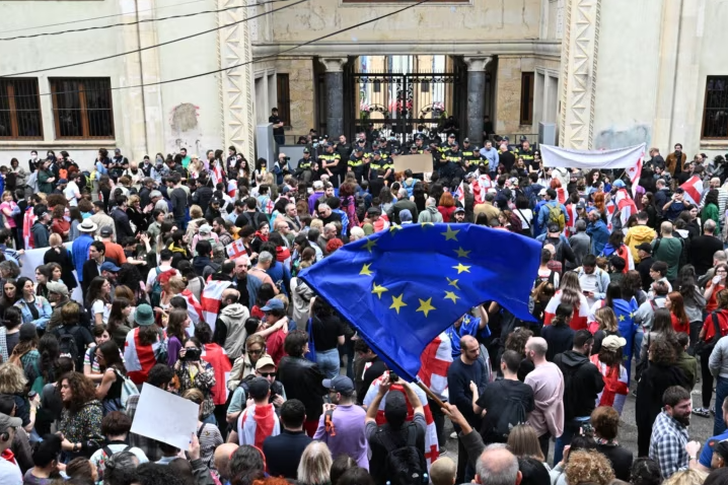
The Parliament of Georgia on Tuesday overturned the veto o...
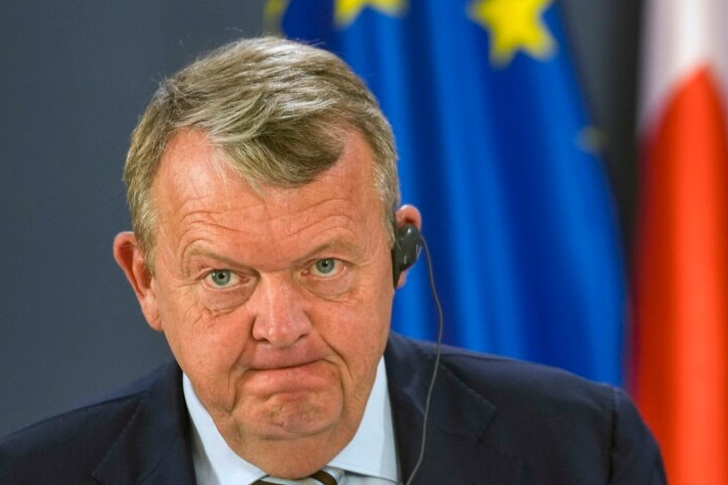
Denmark's parliament rejected on Tuesday a draft law on th...
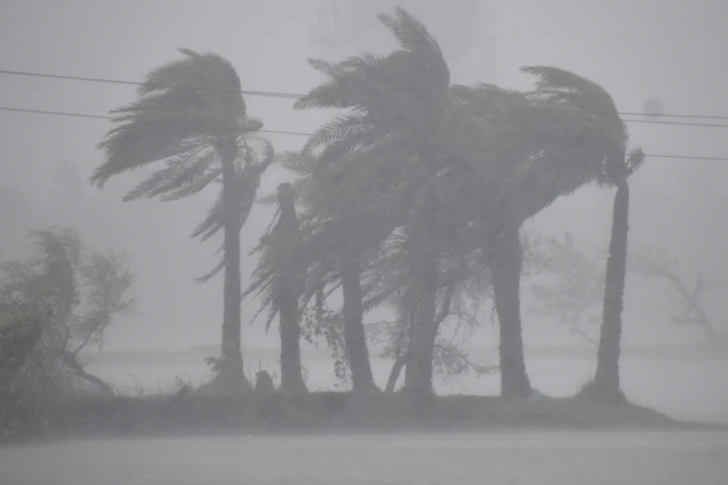
A tragic event took place on Tuesday in northeastern India...
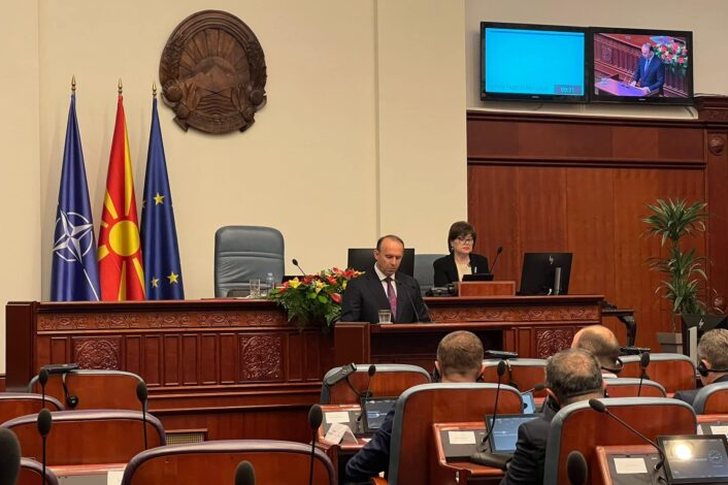
With 76 votes in favor, 6 against, no abstentions, Afr...
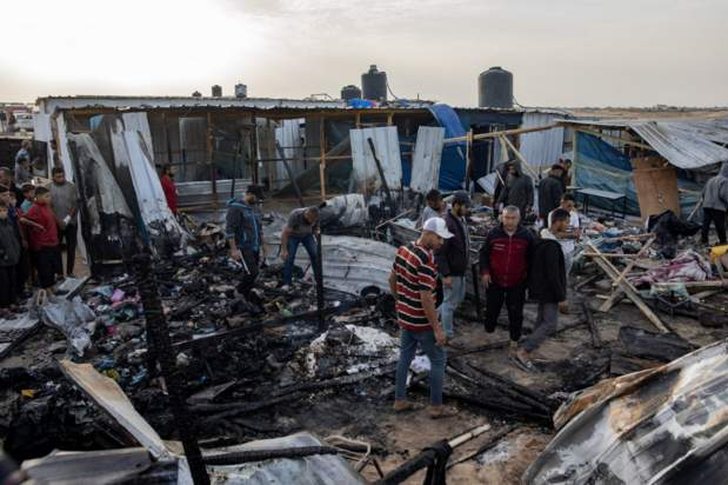
International media reports that Israeli tanks have taken ...

Spain told Radio Free Europe on Tuesday that Kosovo's situ...

The European Commission has said on Tuesday that the compa...
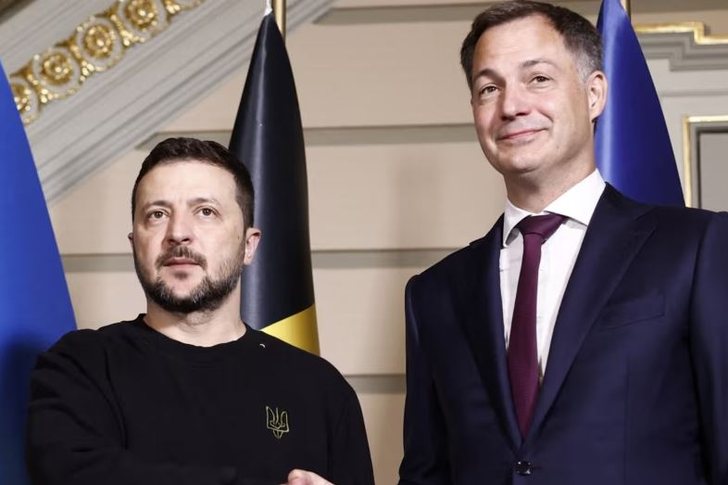
Ukrainian President Volodymyr Zelensky signed a security a...
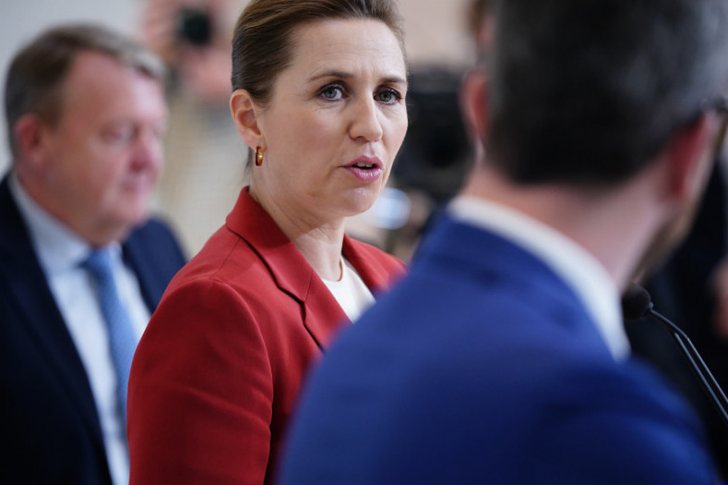
Danish Prime Minister Mete Frederiksen wants the Europ...
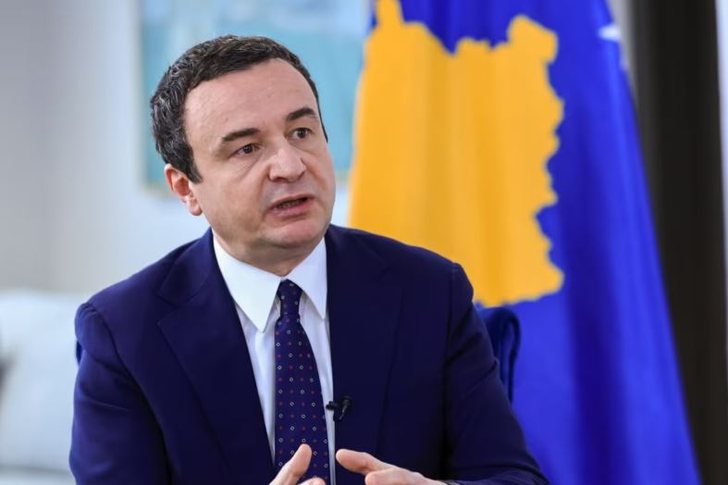
The Prime Minister of Kosovo, Albin Kurti, has stated ...

To achieve peace in the Middle East, the EU remains commit...
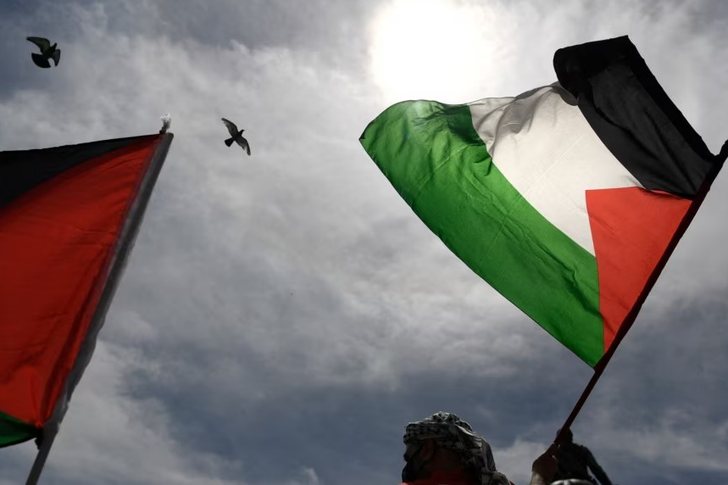
Spain, Ireland and Norway will officially recognize the Pa...
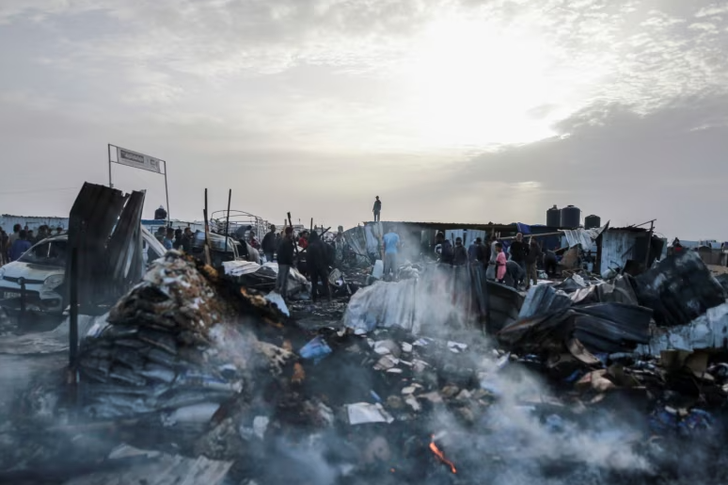
A deadly Israeli airstrike on the town of Rafah in the Gaz...

At least 20 people have died as tornadoes and storms hit f...
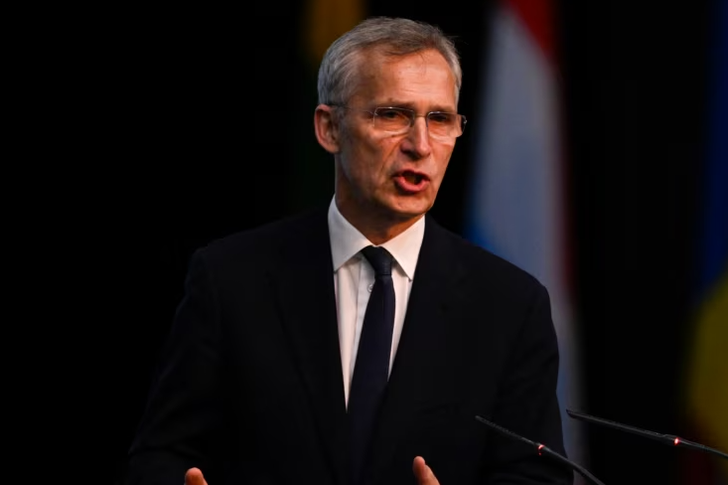
NATO Secretary General Jens Stoltenberg declared that Russ...

The United States and Europe have begun producing or p...

CNA has launched another investigation that could lead to ...

Irfan Hysenbelliu is a businessman that we call "Irfan the...

In March 2026, CNA launched another investigation centered...
The arrested mayor of Tirana, Erion Veliaj, with 13 charge...

The Special Board of Appeal (KPA) decided this Monday ...

The KPA vetting decided this Thursday to dismiss the p...

Suela Salavaçi, a prosecutor in the Prosecutor's Offic...

The Special Board of Appeal reinstated the prosecutor ...
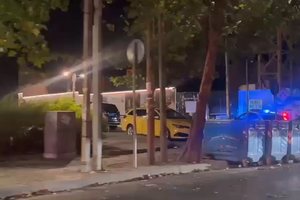
A road accident occurred this evening on Nikolla Zoraqi St...
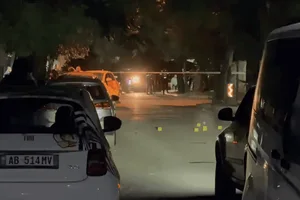
Three people were shot and wounded in Elbasan last night b...
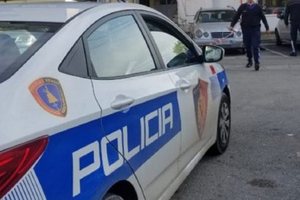
A serious incident occurred this Tuesday in the Yrshek are...
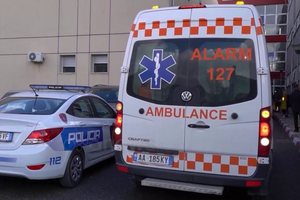
An accident occurred this Tuesday on "Dituria" street in K...
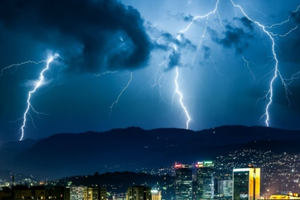
All of Southern Europe will face changing weather conditio...

Albania was hit by temperatures significantly higher than ...

For the first time, Pogradec welcomed the Inter-Lake Chess...
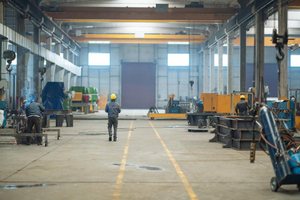
Albania has achieved a record for the employment of foreig...

US Secretary of State Marco Rubio arrived in Manila on Jul...

In the space of a few days, Ukrainian President Volodymyr ...
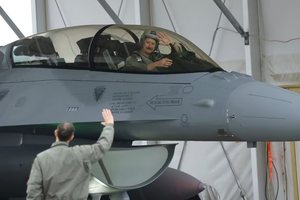
The spokesman for the Iranian Foreign Ministry warned Bulg...

Autoritetet italiane sekuestruan pako me afër 800 kilogram...

At a time when industrial products are increasingly taking...

Trust among people is not just a three-syllable word. It c...

Master of humor Todi Llupi has passed away at the age of 7...

The ninth edition of "MIK Festival" kicked off with one of...

Construction company licenses will have a validity period ...
The Centralized Purchasing Operator recently opened a tend...
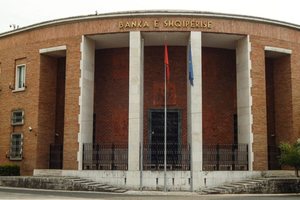
The new draft law "On the Bank of Albania" provides that t...
This Tuesday, one US dollar is bought for 81.2 lek and sol...