

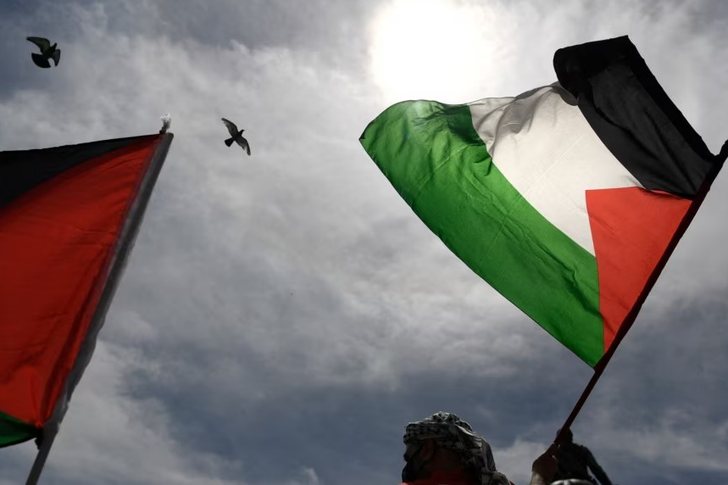
Spain, Ireland and Norway recognize the Palestinian state
Spain, Ireland and Norway will officially recognize the Pa...


To achieve peace in the Middle East, the EU remains committed to the "two-state" solution in the long term, despite the current war between Hamas and Israel. With this solution, the EU has in mind the state of Israel on one side and the Palestinian state on the other side on the borders, which were defined in thick lines more than 30 years ago in the so-called Oslo negotiations.
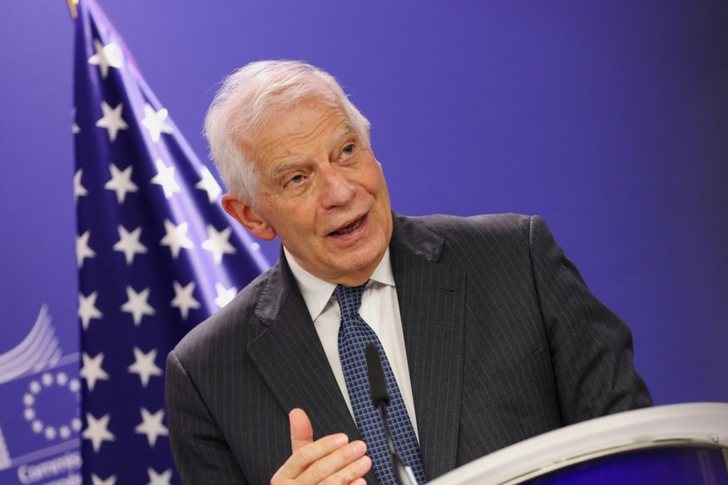
Josep Borrell, the EU's foreign policy chief at the meeting of the EU's foreign ministers on Monday (27.05. 2024) reminded once again that the EU really officially stands by the "two-state solution", but this solution is day by day it's getting harder and harder and we need to talk about it. The humanitarian crisis in the Gaza Strip is now a priority, the EU's top diplomat said, but "if we want a long-term political solution, we need to engage more."
All EU member states recognize the state of Israel. Only 9 countries recognize the Palestinian territories. From Tuesday (28.05.) Spain and Ireland also recognize a Palestinian state, consisting of West Jordan, East Jerusalem and the Gaza Strip. However, there is no unified government in these regions. Hamas, which is categorized by the EU, USA, Germany and many countries as a terrorist organization, has ruled the Gaza Strip until now.
Malta and Slovenia have announced that they want to recognize Palestine as a state, as soon as the moment is right. Belgium decided that it will not recognize the Palestinian territories as a state at a later date, announced the Foreign Minister, Lahbib. Most other EU member states, as well as Great Britain and the US, do not recognize the Palestinian state. Eastern EU member countries, from Poland to Bulgaria, have recognized Palestine as a state since the late 80s, when they were part of the Eastern bloc, which was on the pro-Palestinian side. Even the GDR had recognized Palestine as a state with full rights. With the end of the German Democratic Republic on October 3, 1990 and the merger with the Federal Republic, this recognition was extinguished.
Most of the EU countries, including Germany, want to recognize a Palestinian state, when peace reigns and when Israel takes this step. A step that seems increasingly impossible. Prime Minister Benjamin Netanyahu's government has been rejecting a two-state solution since before the current war against Hamas. The terrorist group Hamas, for its part, completely rejects the state of Israel and has declared its goal to destroy the Jewish state.
"Ne e mbështesim krijimin e një shteti palestinez, por shteti palestinez duhet të njohë Izraelin dhe të njihet nga Izraeli. Me siguri nuk mund të ketë shtet palestinez që drejtohet nga Hamasi, që është një organizatë terroriste", tha ministri i Jashtëm italian, Antonio Tajani, që drejton aktualisht edhe grupin e shtatë vendeve më të industrializuara, G7.
Ministrat e Jashtëm të BE ishin të një mendimi në takimin e Brukselit, se para së të fillojë angazhimi serioz për zgjidhjen me dy shtete, duhet të marrë fund konflikti i përgjakshëm mes Hamasit dhe Izraelit. Ministrja e Jashtme gjermane, Annalena Baerbock kërkoi sërish një ndërprerje humanitare të luftimeve në Gaza, "për t'i dhënë fund vuajtjes së pengjeve të marra, për t'i dhënë fund vuajtjes së njerëzve në Gaza." Pas sulmit terrorist të Hamasit kundër Izraelit, gjatë të cilit Hamasi vrau 1200 vetë, dhe mori 250 pengje, ushtria izraelite filloi një aksion shumë të zgjeruar ushtarak, për të shkatërruar pozicionet e Hamasit në Rripin e Gazës.
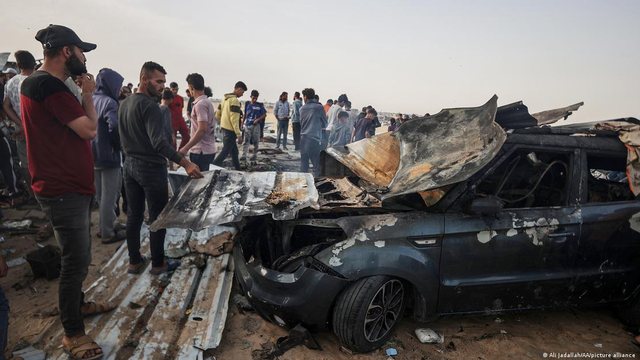
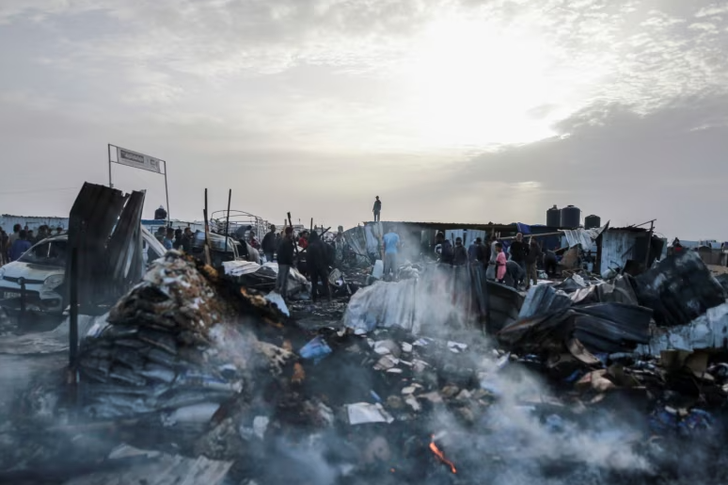
Por një ndërprerje e luftimeve është ende larg. Hamasi ka qëlluar sërish me raketa nga Rripi i Gazës në Tel Aviv. Ushtria izraelite bombardoi në Rafah ku u godit edhe një kamp refugjatësh, me pasojë vdekjen e 35 vetëve sipas të dhënave palestineze.
"Të dyja palët nuk i respektojnë udhëzimet e Gjykatës Ndërkombëtare", tha i ngarkuari i BE për politikën e Jashtme, Borrell. "Kjo është një dilemë e vërtetë. Çfarë mund të bëjë bashkësia ndërkombëtare që vendimet e Gjykatës Ndërkombëtare të zbatohen?"
Me këtë pyetje Borrell iu drejtua ministrave të Jashtëm të BE. Gjykata Ndërkombëtare e Hagës të premten me kërkesë të Afrikës së Jugut, kërkoi nga Izraeli të ndalojë menjëherë oparacionin ushtarak në Rafah dhe të lejojë më shumë ndihma humanitare.
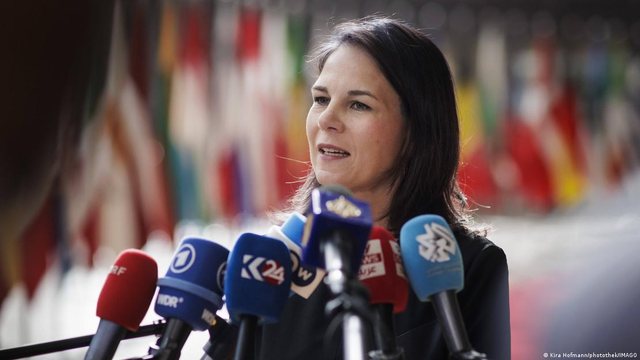
Ministrja e Jashtme e BE, Baerbock flet për shumë vende anëtare kur thotë.
"Masat e përkohshme të Gjykatës Ndërkombëtare janë të detyrueshme, dhe duhet natyrisht që të vihen në zbatim. Ne po shohim të kundërtën. Ka pasur goditje të tjera me raketa nga Hamasi. Në të njëjtën kohë shohim, se nuk sjell asnjë lloj përfitimi për sigurinë e Izraelit, kur asnjë nga pengjet nuk lirohet dhe kur njerëzit digjen në çadra."
Baerbock iu referua me këtë sulmit të Izraelit në Rafah të dielën, ku u godit edhe një kamp refugjatësh. Rastin po e shqyrton tani edhe Prokuroria e Izraelit.
"E drejta ndërkombëtare vlen për të gjithë. Kjo vlen edhe për luftimet izraelite", tha Baerbock.
Ministri i Jashtëm italian, Tajani kujtoi se edhe Hamasi e shkel të drejtën ndërkombëtare, duke i fshehur pozicionet e veta në mesin e popullsisë civile. Hamasi i instrumentalizon njerëzit në Rafah.
"Izraeli duhet të tërhiqet në një grackë mediale."
The EU's foreign policy chief, Josep Borrell, criticized the Israeli government. The announcement that the instructions of the International Court will not be respected at all is not accepted, he said. Borrell demanded that not only the International Court of Justice of the United Nations, which is responsible for states, but also the International Court of Justice, which is responsible for particular persons, be treated with respect.
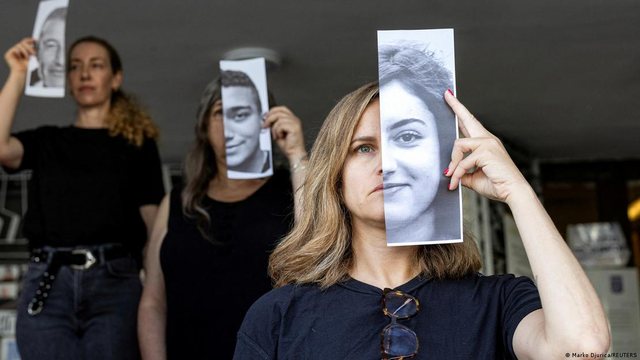
The Chief Prosecutor of the International Court of Justice in The Hague, among other things, has applied for an arrest warrant against the Israeli Prime Minister, Benjamin Netanyahu, on suspicion of war crimes.
"We should let the court decide, without insult, what it thinks about the chief prosecutor's request. Unfortunately, this is not the case. The chief prosecutor is accused of anti-Semitism, which always happens, when there is something that the government of Nentanjah does not like. The accusation of anti-Semitism against the prosecutor here cannot be accepted at all," Borrell said./ DW

Spain, Ireland and Norway will officially recognize the Pa...
A deadly Israeli airstrike on the town of Rafah in the Gaz...

At least 20 people have died as tornadoes and storms hit f...
NATO Secretary General Jens Stoltenberg declared that Russ...

The United States and Europe have begun producing or p...

The Statistics Agency of Kosovo announced on Monday that a...
The Parliamentary Assembly of NATO approved on Monday ...

A serious event happened yesterday evening in Skopje, ...
The number of Israelis of German origin applying for natur...
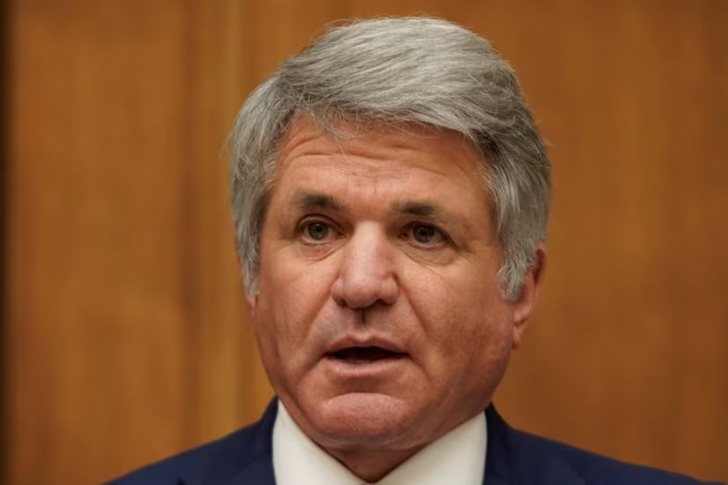
The top US official, Michael McCaul, said on Monday th...
The Parliamentary Assembly of NATO, which is conductin...

The numbers break records once again: in June, almost twel...
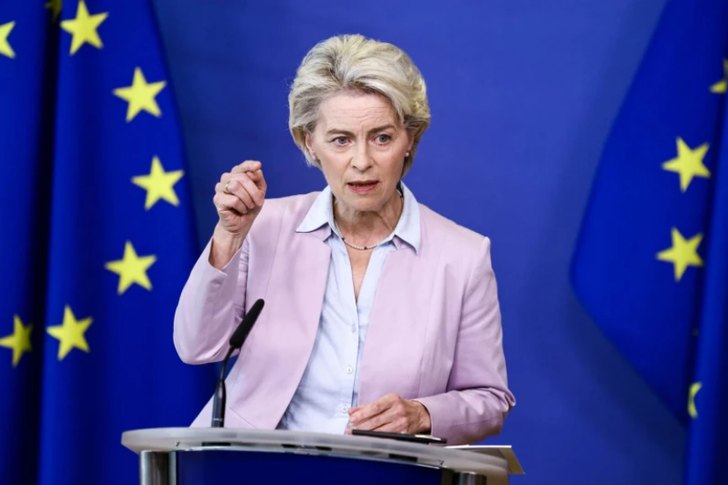
A small group of protesters wait for Ursula von der Leyen ...
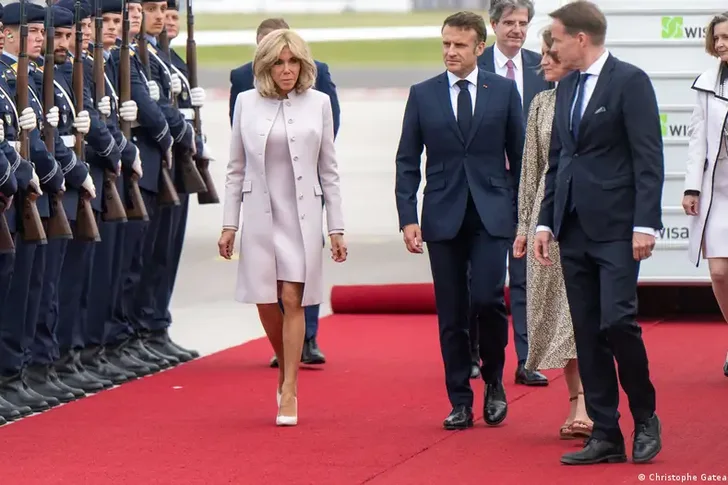
French President Emmanuel Macron has arrived in Berlin wit...

Private land in the Norwegian archipelago of Svalbard is b...
A "strong" Palestinian Authority is needed to bring peace ...
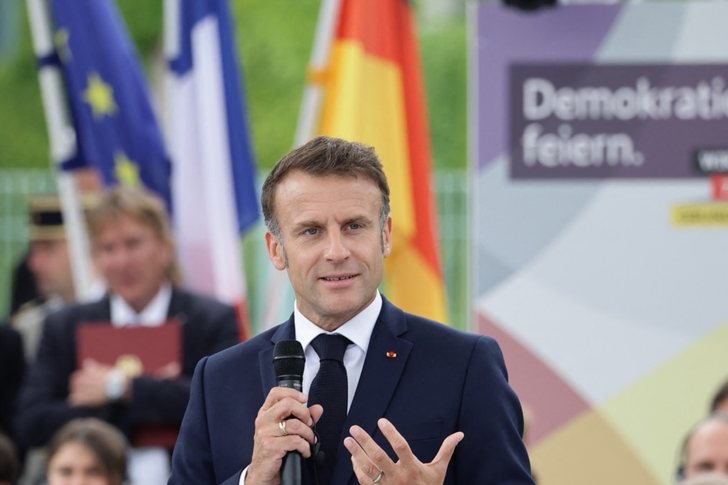
Presidenti i Francës, Emanuel Macron ndodhet në Gjermani n...

14 people were killed and dozens more were injured as a re...
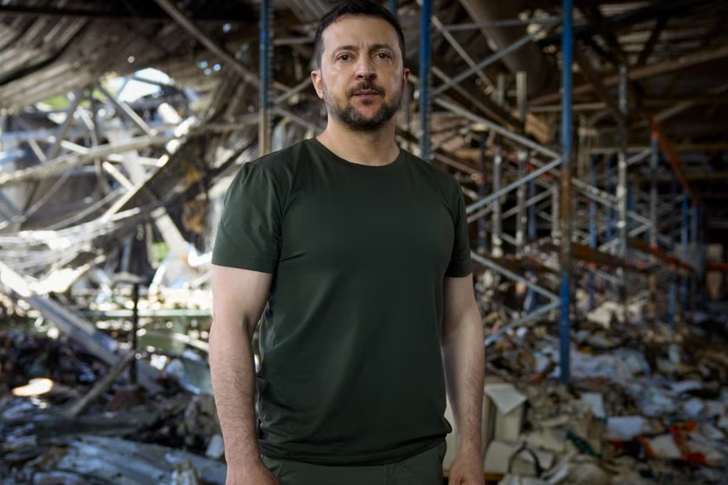
May 20 marked five years since Ukrainian President Volodym...
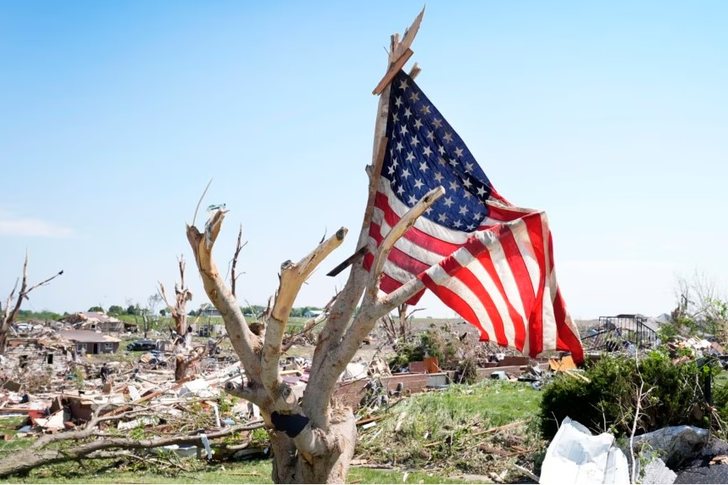
Powerful storms that swept across Texas have left at least...

CNA has launched another investigation that could lead to ...

Irfan Hysenbelliu is a businessman that we call "Irfan the...

In March 2026, CNA launched another investigation centered...
The arrested mayor of Tirana, Erion Veliaj, with 13 charge...

The Special Board of Appeal (KPA) decided this Monday ...

The KPA vetting decided this Thursday to dismiss the p...

Suela Salavaçi, a prosecutor in the Prosecutor's Offic...

The Special Board of Appeal reinstated the prosecutor ...

A road accident occurred this evening on Nikolla Zoraqi St...
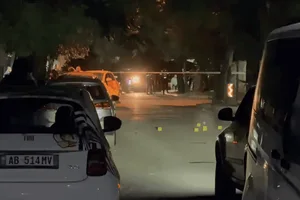
Three people were shot and wounded in Elbasan last night b...

A serious incident occurred this Tuesday in the Yrshek are...

An accident occurred this Tuesday on "Dituria" street in K...

All of Southern Europe will face changing weather conditio...
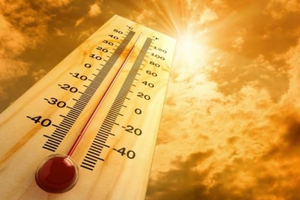
Albania was hit by temperatures significantly higher than ...

For the first time, Pogradec welcomed the Inter-Lake Chess...

Albania has achieved a record for the employment of foreig...

US Secretary of State Marco Rubio arrived in Manila on Jul...
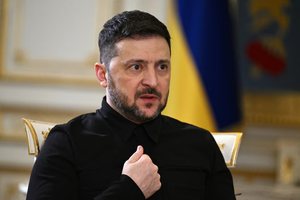
In the space of a few days, Ukrainian President Volodymyr ...
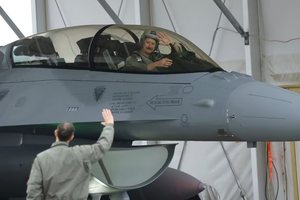
The spokesman for the Iranian Foreign Ministry warned Bulg...

Autoritetet italiane sekuestruan pako me afër 800 kilogram...

At a time when industrial products are increasingly taking...

Trust among people is not just a three-syllable word. It c...

Master of humor Todi Llupi has passed away at the age of 7...

The ninth edition of "MIK Festival" kicked off with one of...

Construction company licenses will have a validity period ...
The Centralized Purchasing Operator recently opened a tend...
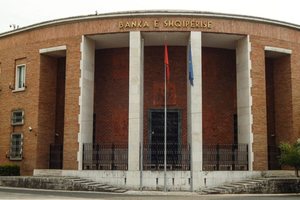
The new draft law "On the Bank of Albania" provides that t...

This Tuesday, one US dollar is bought for 81.2 lek and sol...