

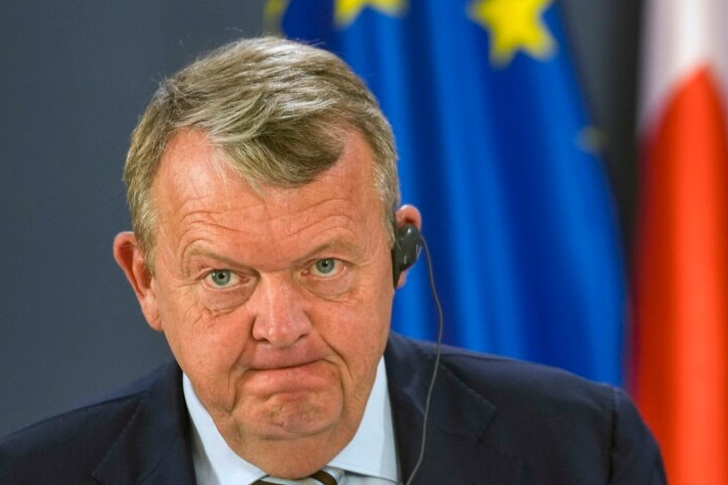
The Danish parliament rejects the proposal for the recognition of the Palestinian state
Denmark's parliament rejected on Tuesday a draft law on th...


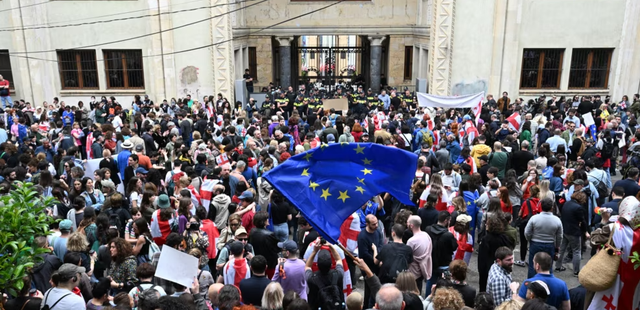
The Parliament of Georgia on Tuesday overturned the veto of the country's president, Salome Zurabishvili, on the so-called "foreign agents" law.
This decision has angered the protesters gathered near the Parliament building and will endanger the country's path to the European Union.
The ruling party, Georgian Dream, as expected, accelerated the vote to overturn the veto on May 28. It, together with the allied party, the Democratic Party of Georgia, have 84 deputies out of 150 in the Georgian Parliament.
A simple majority of 76 votes was needed to invalidate Zurabishvili's veto.
Georgian MPs made the decision despite the European Union and several member states asking them not to override their veto of a law often referred to as the "Russian law" because of its similarity to legislation the Kremlin has in place to silenced opposition and freedom of expression.
The law now goes back to President Zurabishvili to sign it. If she does not agree, then the speaker of the Parliament, Shalva Papuashvili from the ruling party, can sign the law and publish it.
Hundreds of protesters, mostly young people, gathered peacefully near the back entrance of Parliament, where there was a heavy police presence. They chanted "No to Russian law" and waved Georgian and EU flags.
More protests are expected later in the day.
The "foreign agents" law has been condemned by the United States, as well as the European Union, which has said it is "incompatible" with Georgia's recent efforts to join the bloc.
Under the law, which sparked weeks of protests that were violently suppressed by authorities, media and non-governmental organizations will be forced to register as "followers of the interests of a foreign power" if more than 20 percent of their income is funding. from outside.
Critics have said that this legislation was brought by the ruling party, Georgian Dream, in order to preserve power from this party, before this year's elections, which are seen as decisive for Georgia's Euro-Atlantic path.
The Georgian Dream has insisted that it remains committed to joining Western institutions and has said that the law is only intended to increase transparency for the financing of NGOs.
Georgia's civil society has for years tried to distance the country from the influence of Russia, which still maintains thousands of troops in South Ossetia and Abkhazia, the two breakaway Georgian regions that Moscow recognized as independent states after a five-day war with Tbilisi in 2008. .But the United States and the European Union have warned Georgian Dream that ignoring the criticism and violently fighting the protesters will have negative consequences for it.
Georgia received EU candidate status on December 14, but has yet to begin talks with the bloc, which could take years.
The parliamentarians of the seven EU member states – the Czech Republic, Estonia, Latvia, Lithuania, France, the Netherlands and Poland – called on May 27 through a joint communique to Georgian MPs to repeal this law.
Meanwhile, the European Union's foreign policy and security chief, Josep Borrell, said on May 27 that the EU has begun to consider options if Georgia enacts the law.
He added that a decision will be made next month./ Rel

Denmark's parliament rejected on Tuesday a draft law on th...
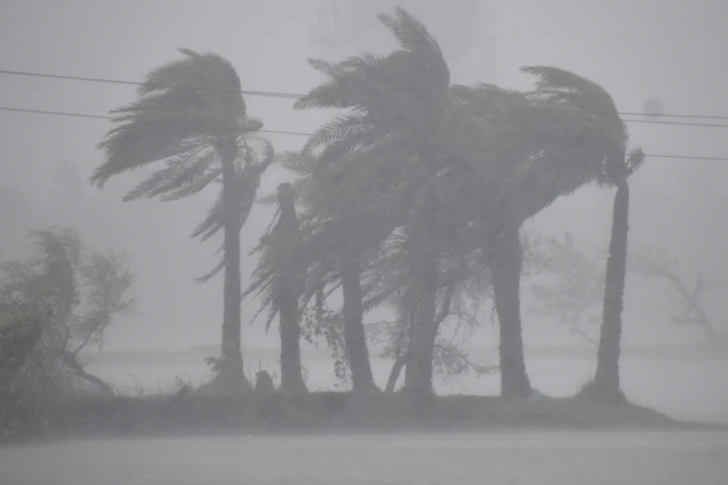
A tragic event took place on Tuesday in northeastern India...
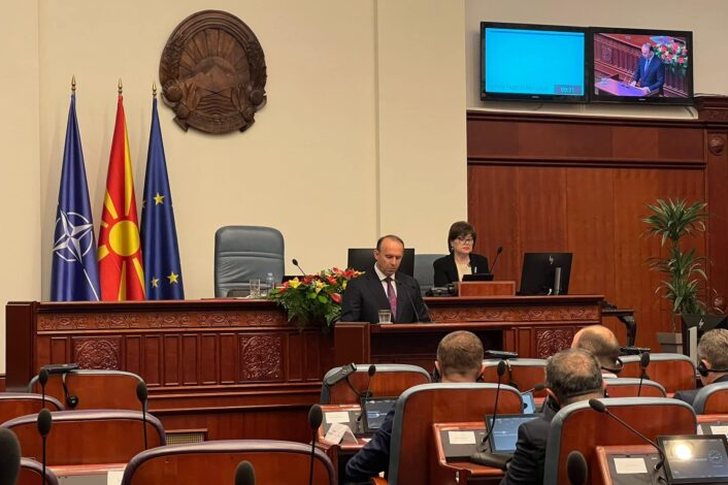
With 76 votes in favor, 6 against, no abstentions, Afr...
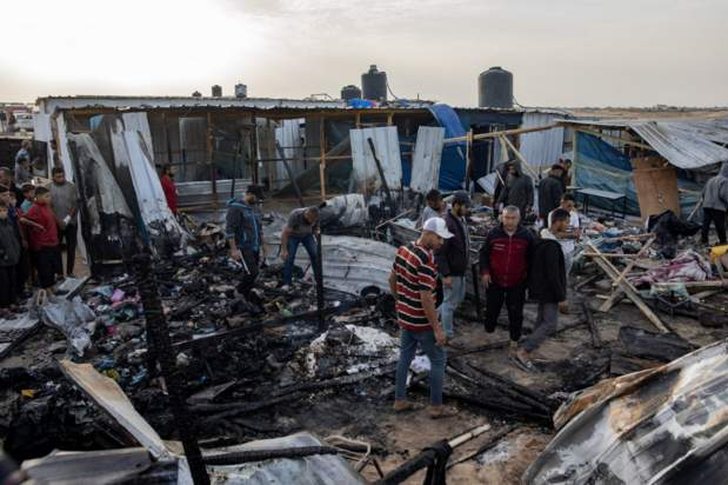
International media reports that Israeli tanks have taken ...
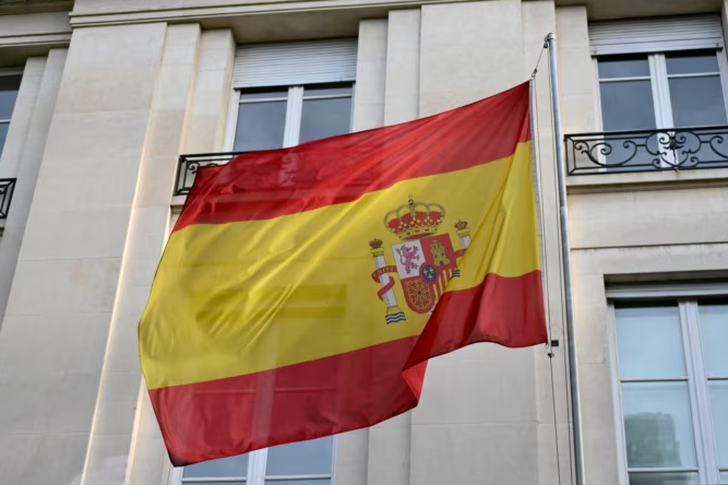
Spain told Radio Free Europe on Tuesday that Kosovo's situ...

The European Commission has said on Tuesday that the compa...
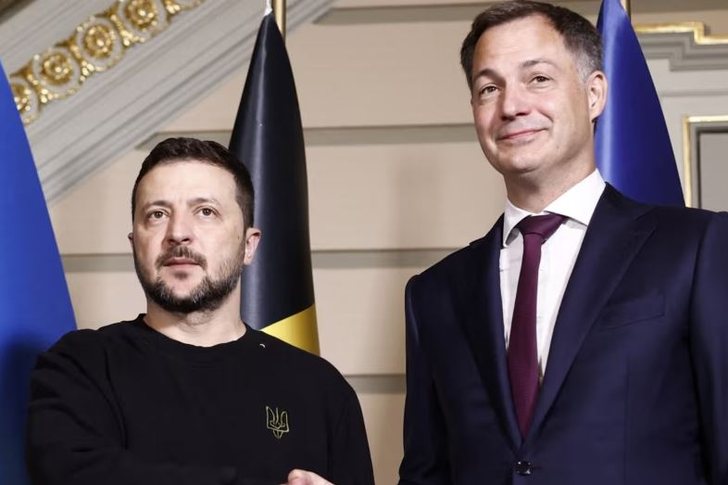
Ukrainian President Volodymyr Zelensky signed a security a...
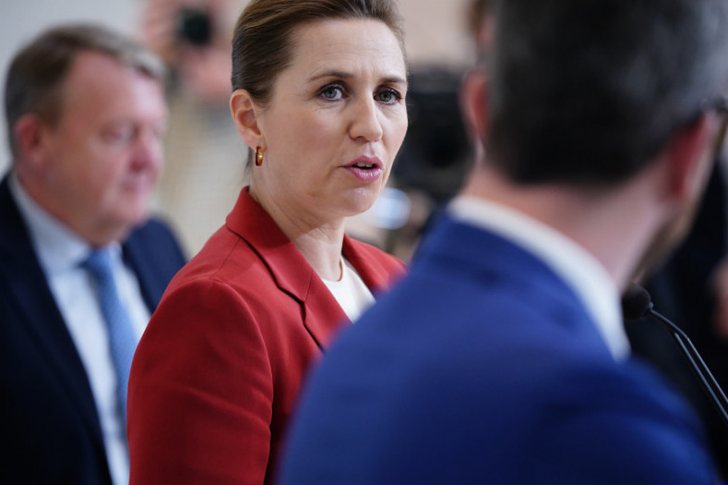
Danish Prime Minister Mete Frederiksen wants the Europ...
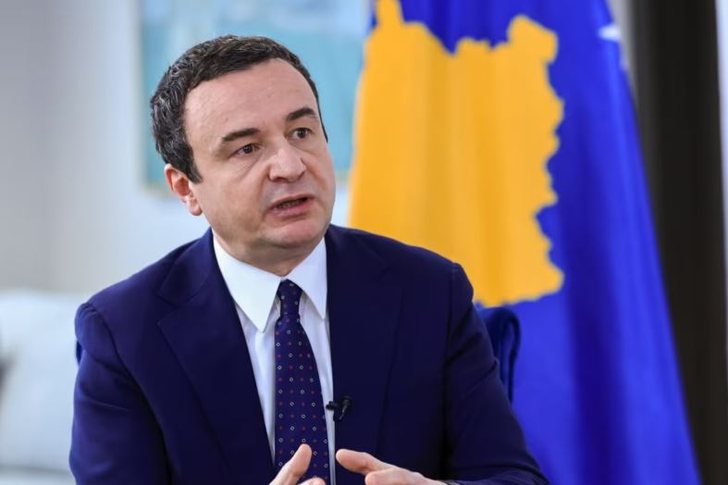
The Prime Minister of Kosovo, Albin Kurti, has stated ...
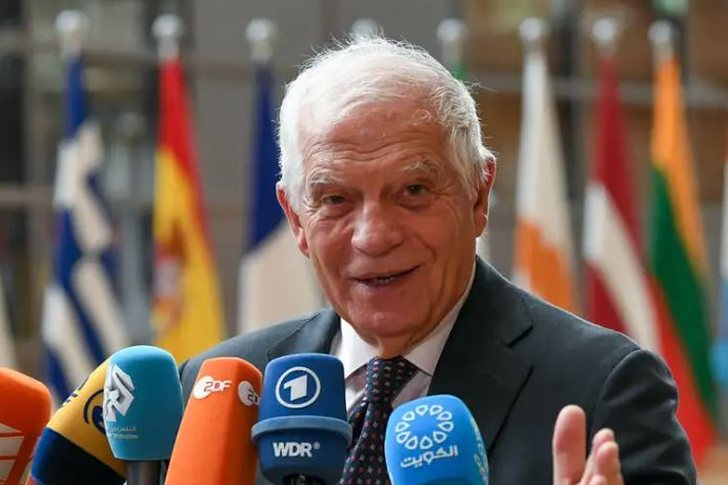
To achieve peace in the Middle East, the EU remains commit...
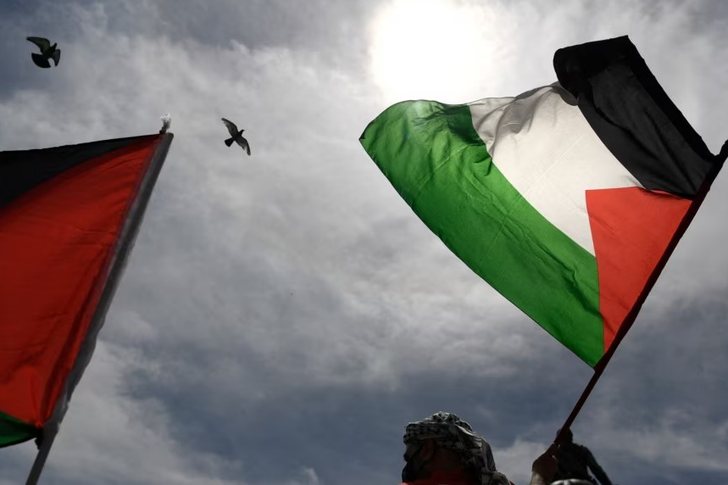
Spain, Ireland and Norway will officially recognize the Pa...
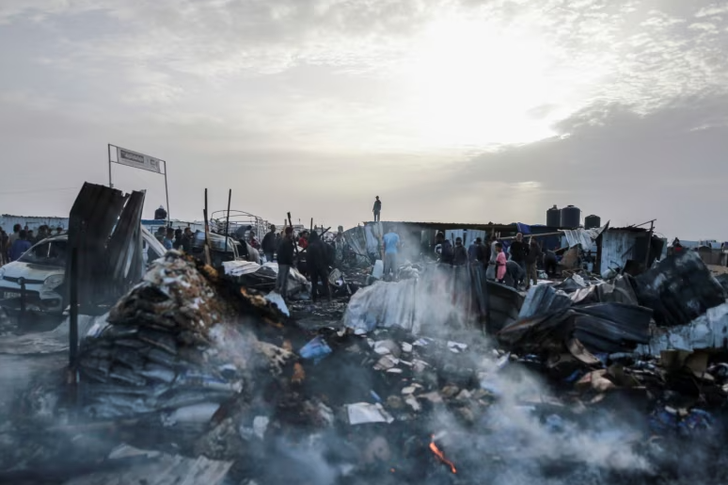
A deadly Israeli airstrike on the town of Rafah in the Gaz...

At least 20 people have died as tornadoes and storms hit f...
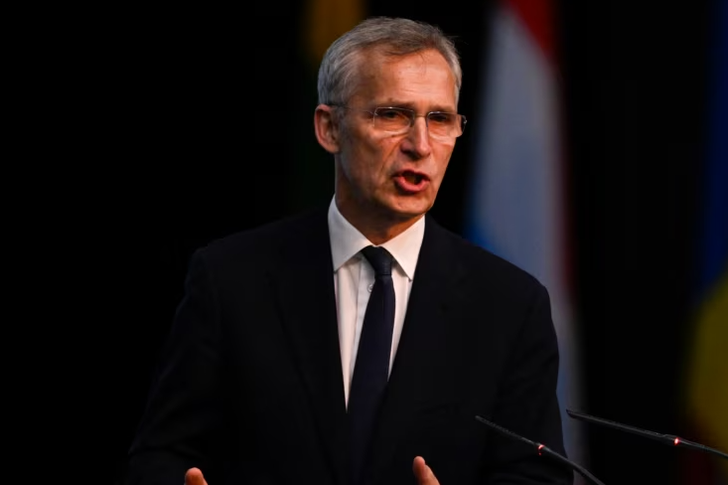
NATO Secretary General Jens Stoltenberg declared that Russ...

The United States and Europe have begun producing or p...

The Statistics Agency of Kosovo announced on Monday that a...
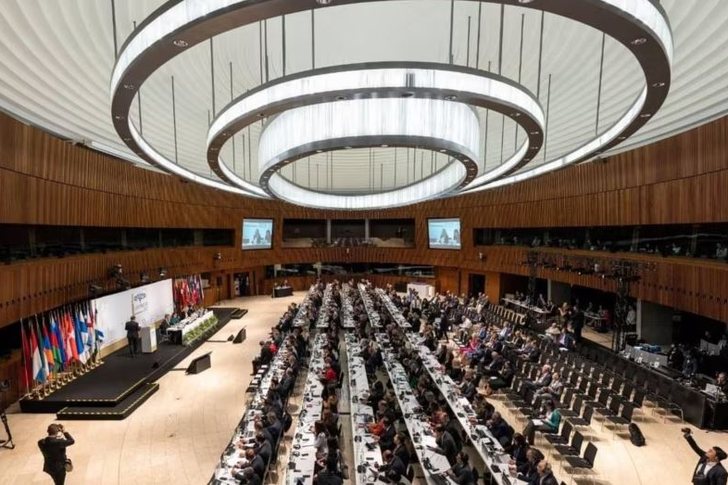
The Parliamentary Assembly of NATO approved on Monday ...

A serious event happened yesterday evening in Skopje, ...
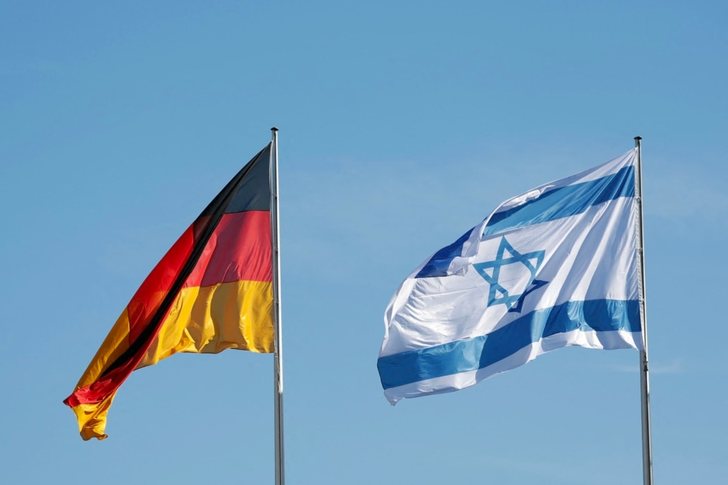
The number of Israelis of German origin applying for natur...
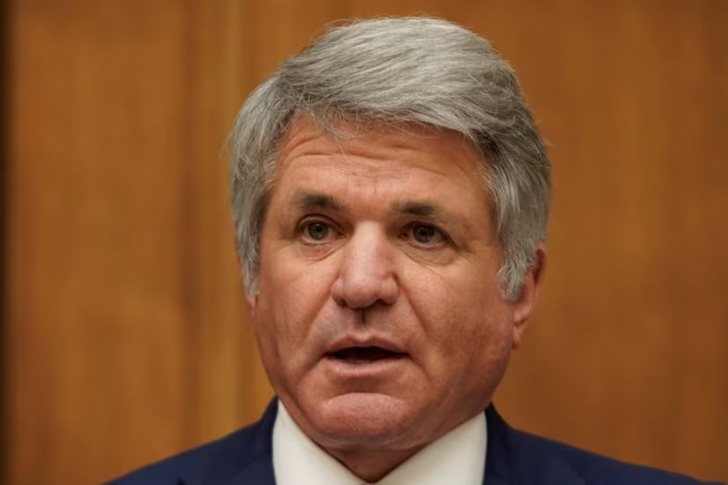
The top US official, Michael McCaul, said on Monday th...

CNA has launched another investigation that could lead to ...

Irfan Hysenbelliu is a businessman that we call "Irfan the...

In March 2026, CNA launched another investigation centered...
The arrested mayor of Tirana, Erion Veliaj, with 13 charge...

The Special Board of Appeal (KPA) decided this Monday ...

The KPA vetting decided this Thursday to dismiss the p...

Suela Salavaçi, a prosecutor in the Prosecutor's Offic...

The Special Board of Appeal reinstated the prosecutor ...
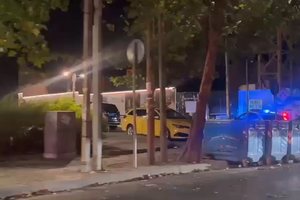
A road accident occurred this evening on Nikolla Zoraqi St...
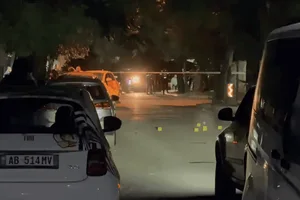
Three people were shot and wounded in Elbasan last night b...
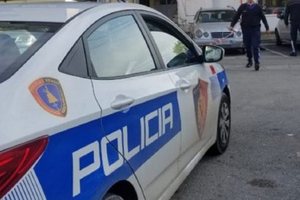
A serious incident occurred this Tuesday in the Yrshek are...

An accident occurred this Tuesday on "Dituria" street in K...
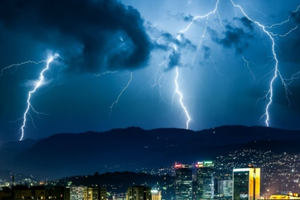
All of Southern Europe will face changing weather conditio...

Albania was hit by temperatures significantly higher than ...

For the first time, Pogradec welcomed the Inter-Lake Chess...

Albania has achieved a record for the employment of foreig...

US Secretary of State Marco Rubio arrived in Manila on Jul...
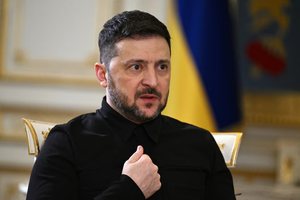
In the space of a few days, Ukrainian President Volodymyr ...

The spokesman for the Iranian Foreign Ministry warned Bulg...

Autoritetet italiane sekuestruan pako me afër 800 kilogram...

At a time when industrial products are increasingly taking...

Trust among people is not just a three-syllable word. It c...

Master of humor Todi Llupi has passed away at the age of 7...

The ninth edition of "MIK Festival" kicked off with one of...

Construction company licenses will have a validity period ...
The Centralized Purchasing Operator recently opened a tend...
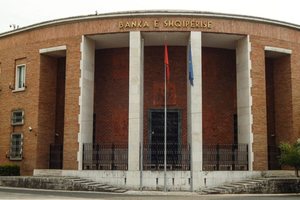
The new draft law "On the Bank of Albania" provides that t...
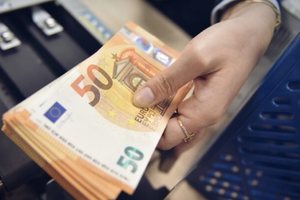
This Tuesday, one US dollar is bought for 81.2 lek and sol...