

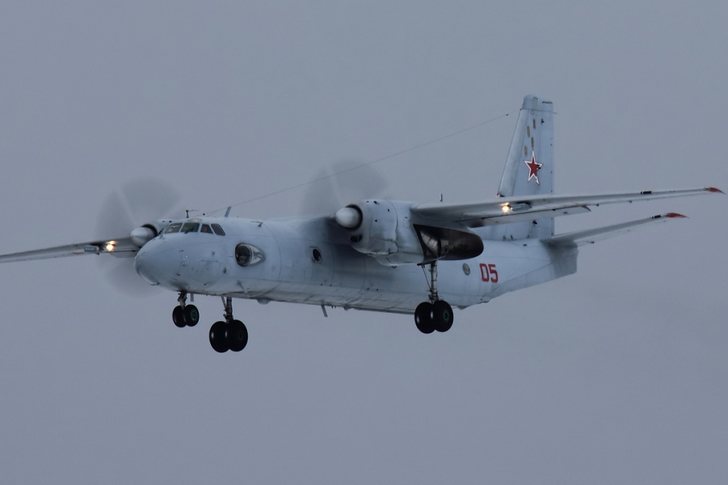
Russian military plane crashes in Crimea, killing 29 people
A tragic event has reportedly occurred in Crimea where a R...



With 20 percent of the world's oil unable to pass through the Strait of Hormuz, crude oil prices have surpassed $100 a barrel and 400 million barrels of oil reserves have already been released onto the market. Countries around the world are scrambling to find ways to reduce energy demand.
The International Energy Agency (IEA) has called this "the largest supply disruption in the history of the global oil market" and has outlined several ways countries can reduce consumption.
But because each country has its own infrastructure and energy and transportation challenges, those that have already responded are doing so in very different ways. Others have yet to act.
The IEA says road transport accounts for about 45 percent of global oil demand, so it's no surprise that many countries have moved to reduce consumption there.
Fuel rationalization
In Sri Lanka, private drivers can only get 15 liters of gasoline per week through a QR code-based system.
A third of gas stations have closed in Cambodia. Myanmar has introduced an "odd-even" system based on vehicle registration numbers. This means vehicles with odd numbers can buy fuel one day and even numbers the next.
In New Zealand, the government is considering bringing back “car-free days.” Drivers would choose the day of the week when they would not be allowed to drive.
China is taking a slightly different approach, abandoning a planned fuel price hike after prices at the pump rose by 20 percent since the start of the war.
Slovenia earlier this week became the first EU member state to introduce fuel rationing, with private drivers limited to 50 liters per week, while businesses and farmers are limited to 200 liters. While Slovakia has introduced measures against fuel hoarding, Slovenia remains an outlier in Europe.
The EU and Germany are slow to react
The International Road Transport Union (IRU) has called on the European Union to act quickly. "If oil supplies are disrupted, the consequences will be felt immediately across the EU's logistics networks, slowing down supply chains and affecting the delivery of goods to businesses, shops and households," said IRU Secretary General Umberto de Preto.
"Coordinated EU action is essential to stabilise the fuel market, as well as to avoid individual national responses and ensure that logistical chains continue to function."
With the EU reluctant to find a common position, each country must make its own decisions. With petrol and diesel prices at over 2 euros per litre, an 18% increase in two weeks, Germany is under pressure.
A law has been proposed that would allow gas stations to raise prices only once a day. German Economy Minister Katerina Reiche said calls for fuel price caps, rebates or a tax on excess profits were being considered.
Despite the crisis, Berlin has completely ruled out a return to Russian gas, which the country relied on before the invasion of Ukraine.
Working from home as a fuel saver
In addition to saving fuel, encouraging people to work from home more often is a common strategy. Pakistan has introduced a four-day work week for civil servants. The Dominican Republic is also encouraging companies to reduce the time employees spend in the workplace.
In Africa, Egypt is trying to reduce energy consumption by ordering shopping malls and restaurants to close no later than 9 p.m., and all government institutions by 6 p.m. Similarly, Bangladesh and Thailand have set maximum temperatures in government buildings at 25 and 26 degrees Celsius, respectively, to save on air-conditioning costs.
Kenya has responded with an export ban, as well as strict fuel economy. Zambia has threatened fines for anyone hoarding gasoline, with Africa, like Asia, heavily dependent on Middle Eastern oil.
Stop flying, start using public transportation
The IEA has also urged people to avoid air travel, with US carrier United Airlines already warning that it could increase ticket prices by 20 percent.
Another recommendation is to use public transport as much as possible. This is of course easier in some countries than others, and incentives such as Germany's 2025 policy of a widely available €9 transport ticket could be introduced in different countries.
The use of liquefied petroleum gas (LPG) is also in the spotlight. The IEA has advised that LPG (a mixture of propane and butane) be redirected from transportation to essential household functions, especially cooking.
This is important for India, the world's second-largest importer and third-largest user of LPG. Imports to India halved in March, and restaurants, hotels and cafes are struggling to adapt. Some businesses have reduced both hours and service levels, while government officials say supplies will be prioritized for the 300 million households that use LPG for cooking. /DW

A tragic event has reportedly occurred in Crimea where a R...

Senati francez ka votuar këtë mbrëmje për të ndaluar media...
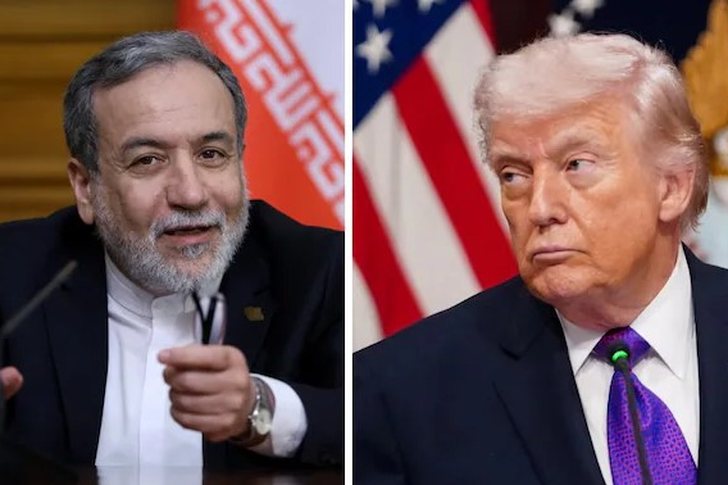
Iran is prepared for at least six months of war, the count...
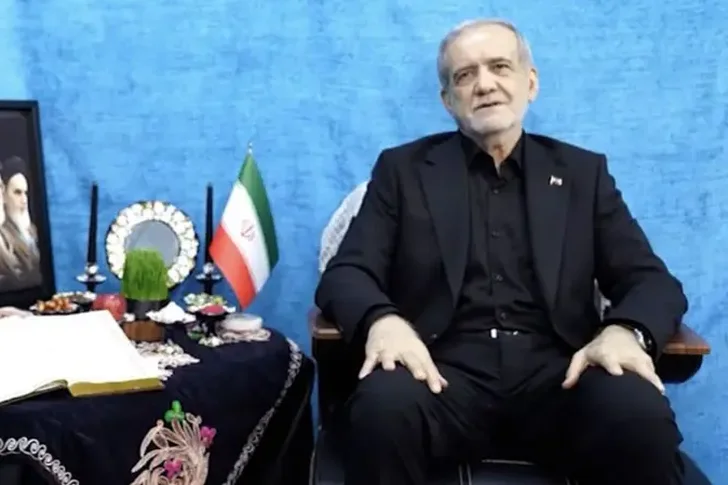
Iranian President Masoud Pezeshkian says Iran has the will...
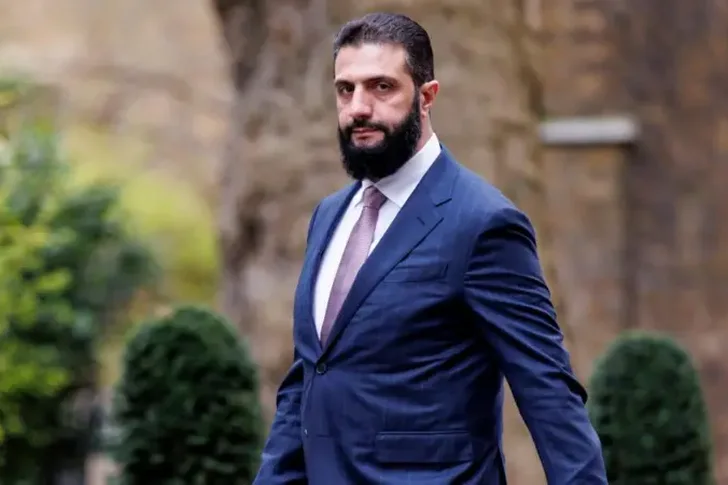
Syrian President Ahmed al-Sharaa says Syria is determined ...
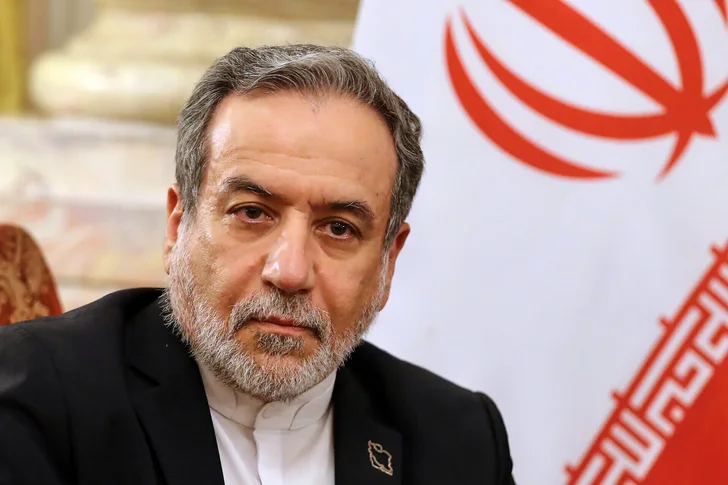
Iranian Foreign Minister Abbas Araghchi told Qatar's Al Ja...
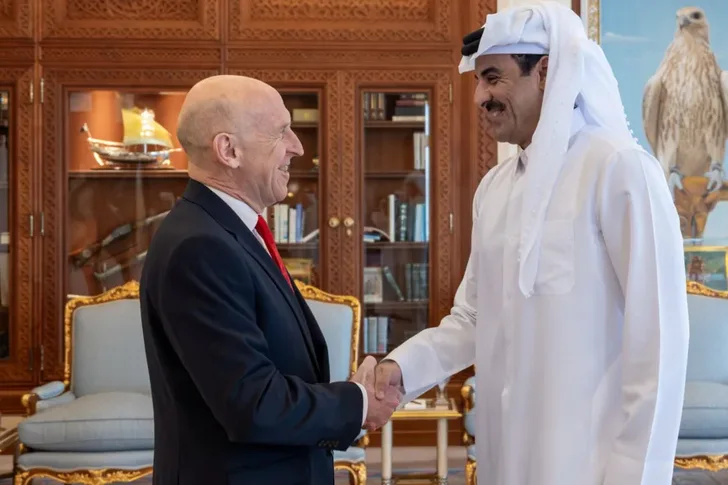
Additional British troops and more UK air defence systems ...
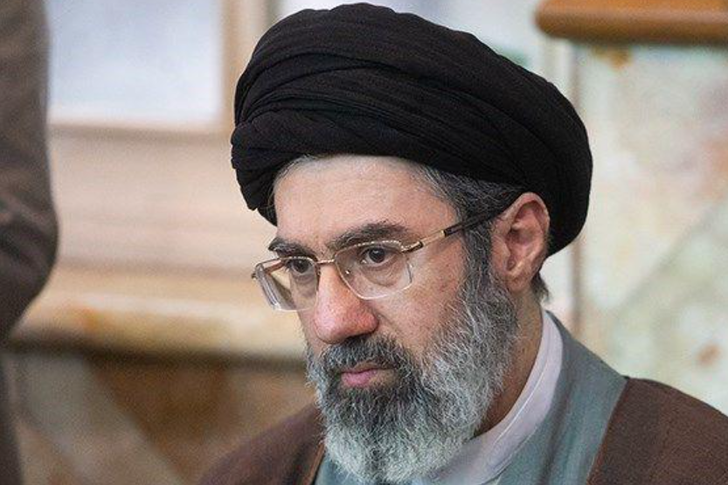
The location of Iran's new supreme leader, Mojtaba Khamene...
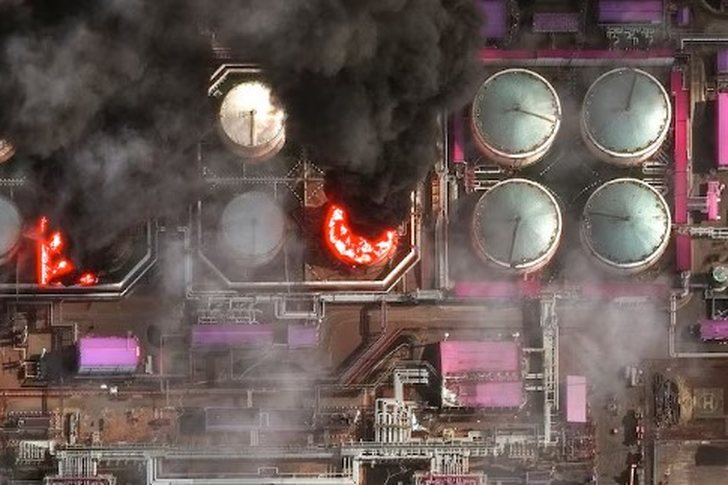
Ukrainian drones struck the Russian port of Ust-Luga on th...
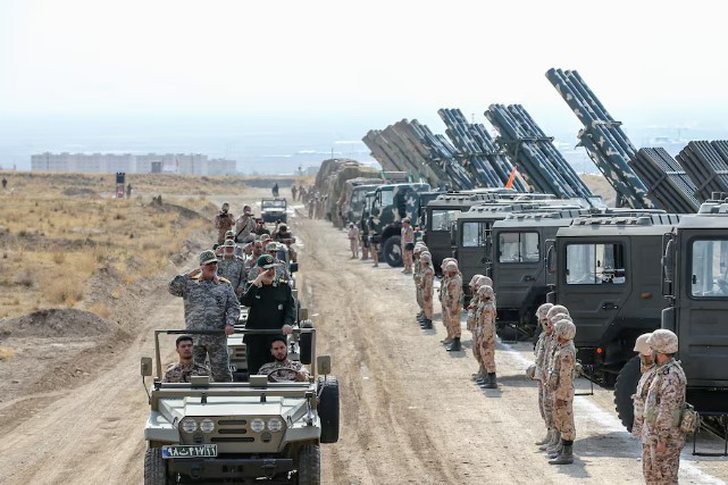
Iran's Revolutionary Guard Corps (IRGC) has warned that it...
The European Union (EU) expressed regret on Tuesday over t...
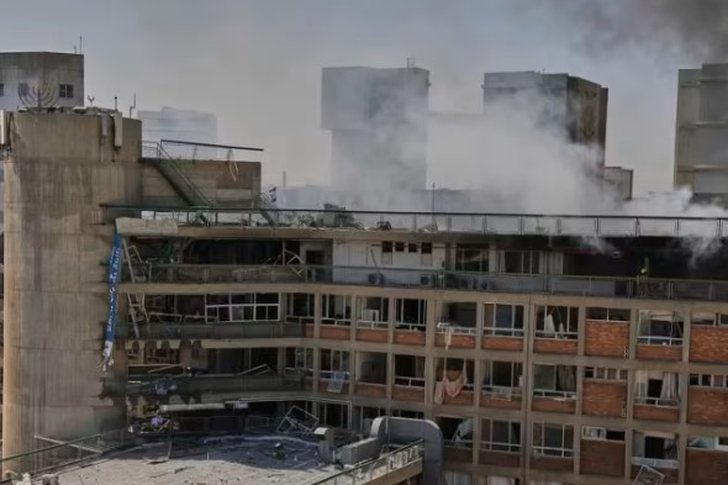
US-Israeli bombings of Iran have hit a factory producing c...

King Charles and Queen Camilla will meet US President Dona...
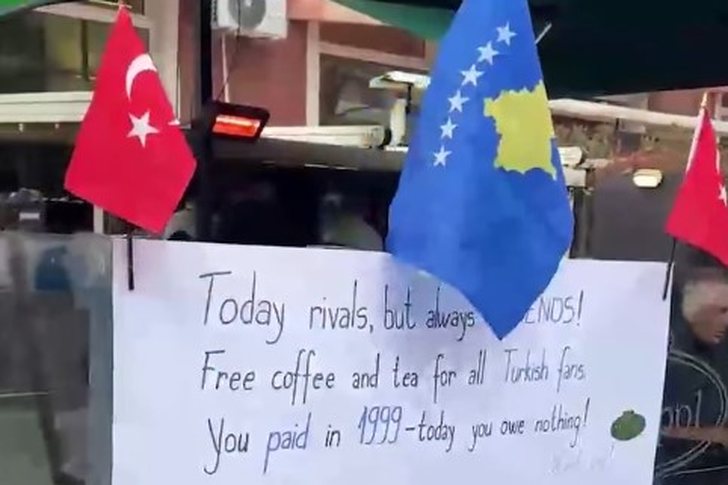
A restaurant in Pristina has decided to welcome Turkish fa...
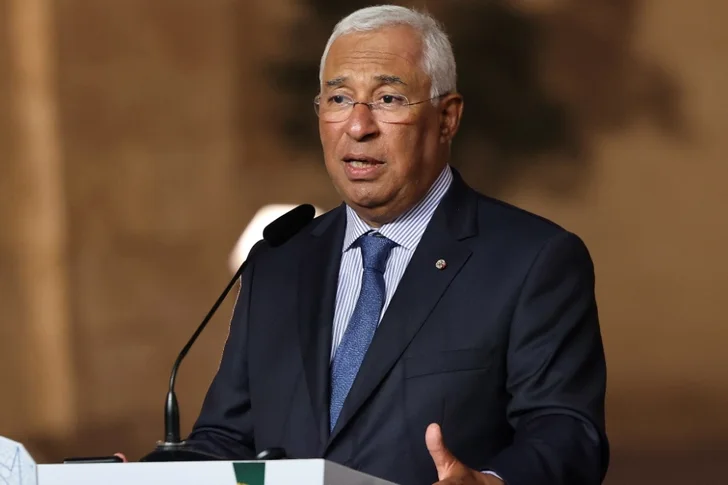
The President of the European Council, Antonio Costa, had ...

US President Donald Trump has reacted harshly to the Unite...
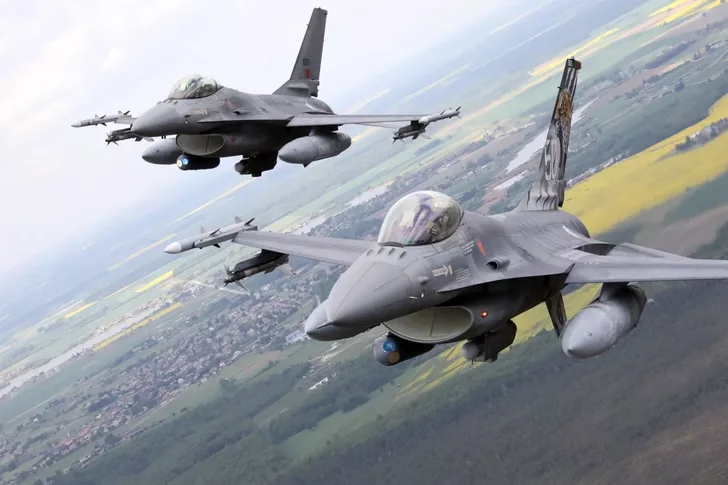
Authorities in Italy prevented a US plane traveling to the...
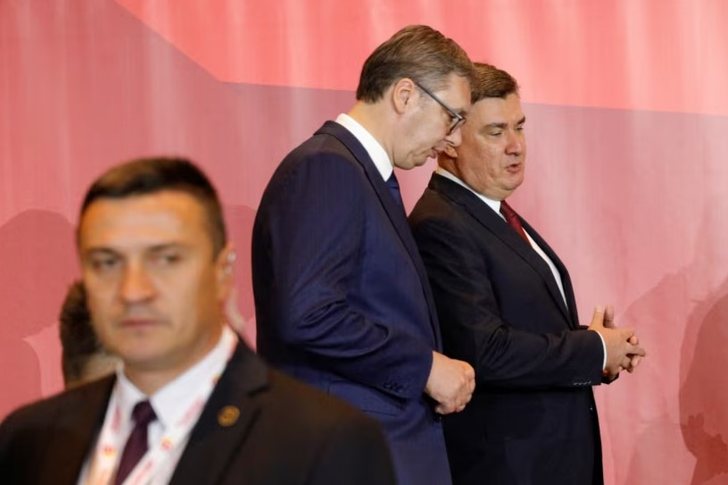
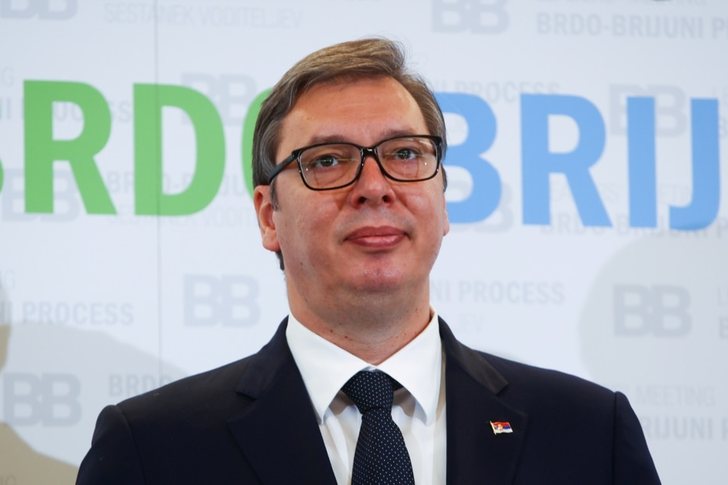
Croatian President Zoran Milanovic has canceled the Brdo-B...
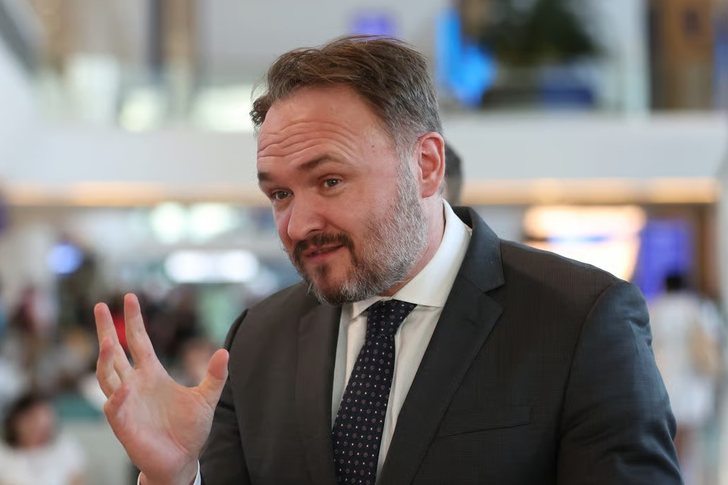
European Energy Commissioner Dan Jorgensen has urged EU co...
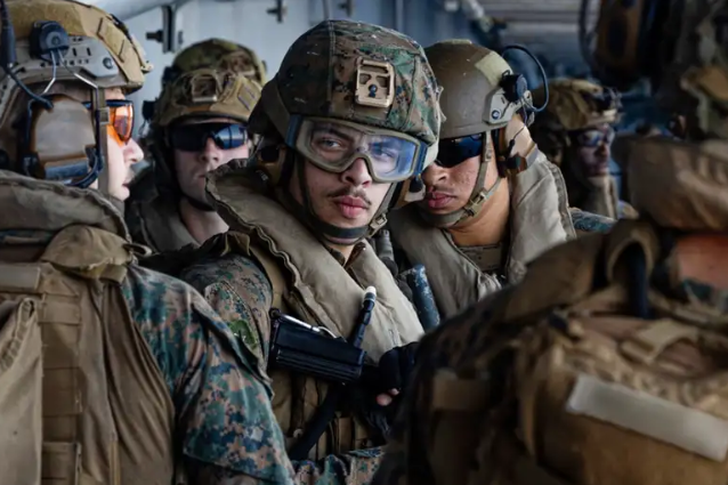
According to a media report, US President Trump is conside...

CNA has launched another investigation that could lead to ...

Irfan Hysenbelliu is a businessman that we call "Irfan the...

In March 2026, CNA launched another investigation centered...
The arrested mayor of Tirana, Erion Veliaj, with 13 charge...

The Special Board of Appeal (KPA) decided this Monday ...

The KPA vetting decided this Thursday to dismiss the p...

Suela Salavaçi, a prosecutor in the Prosecutor's Offic...

The Special Board of Appeal reinstated the prosecutor ...
A road accident occurred this evening on Nikolla Zoraqi St...

Three people were shot and wounded in Elbasan last night b...
A serious incident occurred this Tuesday in the Yrshek are...

An accident occurred this Tuesday on "Dituria" street in K...
All of Southern Europe will face changing weather conditio...
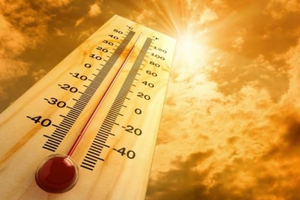
Albania was hit by temperatures significantly higher than ...

For the first time, Pogradec welcomed the Inter-Lake Chess...
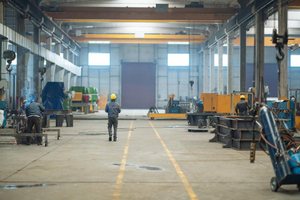
Albania has achieved a record for the employment of foreig...

US Secretary of State Marco Rubio arrived in Manila on Jul...
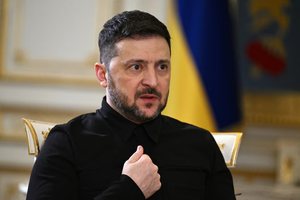
In the space of a few days, Ukrainian President Volodymyr ...
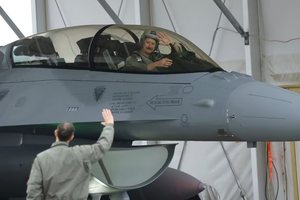
The spokesman for the Iranian Foreign Ministry warned Bulg...
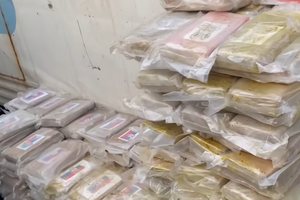
Autoritetet italiane sekuestruan pako me afër 800 kilogram...

At a time when industrial products are increasingly taking...

Trust among people is not just a three-syllable word. It c...

Master of humor Todi Llupi has passed away at the age of 7...

The ninth edition of "MIK Festival" kicked off with one of...
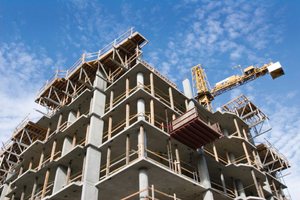
Construction company licenses will have a validity period ...
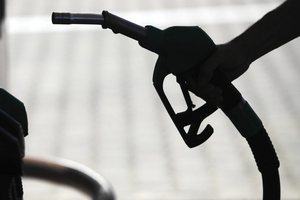
The Centralized Purchasing Operator recently opened a tend...
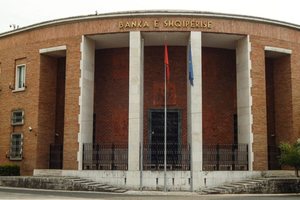
The new draft law "On the Bank of Albania" provides that t...
This Tuesday, one US dollar is bought for 81.2 lek and sol...