


With the jewels with them, descending from the crane / Footage of the Louvre robbers emerges
A video showing the looters of the Louvre museum is circul...


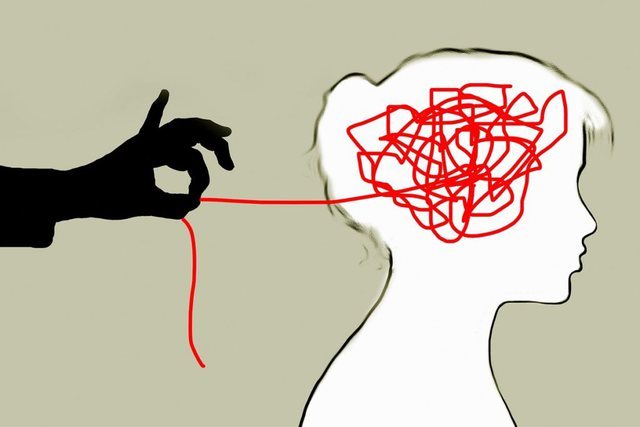
Depression and anxiety are the most prevalent conditions in OECD countries and have a significant impact on the health and well-being of a population, as well as on the economy in general.
But is there a solution to address this issue?
One in five adults in OECD and EU countries experience mild to moderate depressive symptoms, according to the OECD's report on Mental Health Promotion and Prevention.
Symptoms often go unrecognized and untreated, increasing the risk of progression to more severe conditions and increasing overall societal costs.
The Czech Republic, Hungary, Ireland, Italy, Luxembourg and Portugal report a higher prevalence of moderate or severe depressive symptoms among native-born individuals.
Women are more susceptible to mental illness during important events, such as pregnancy and postpartum.
According to the study, the prevalence of postpartum depression was estimated at 16.6% for Central-Eastern Europe, 16.3% for Southern Europe, and 13.8% for Northern Europe.
The total cost of mental health problems was estimated at 4% of GDP in the 27 EU countries and the United Kingdom in 2015.
The medical cost of treating mental illness can be up to 20 times higher, depending on the level of severity.
A German study found that in 2019, the six-month cost of treating mental disorders was estimated at 511 euros for mild symptoms, 2,417 euros for moderate symptoms, and 10,485 euros for severe symptoms.
The cost of treatment, long-distance travel, and wait times to see a medical professional are major barriers for people seeking help for mental health problems.
On average, two-thirds of individuals in need of mental health care are estimated to have no access to treatment in OECD countries and the 27 EU member states.
Mental health initiatives across the EU
However, some EU countries have initiatives for access to mental health support that can reduce the severity and duration of symptoms by up to 87%.
By the end of 2023, 14 out of 27 member states had mental health services that could be accessed directly without referral at national or regional level.
For example, the Netherlands has established youth centers with regular meetings, such as the @Ease program, which trains students and frontline professionals to help young people with mental health concerns.
Meanwhile, in Belgium, there has been a reduction in access barriers by partially or fully reimbursing the cost of psychological therapy, as well as by creating networks for mental health professionals in schools, workplaces and social services.
These interventions have resulted in an increase in school attendance and a decrease in absenteeism, with reported increases ranging from 50% to 61%.
Some other examples are postpartum depression screenings in Poland and online tools in Germany./ CNA

A video showing the looters of the Louvre museum is circul...
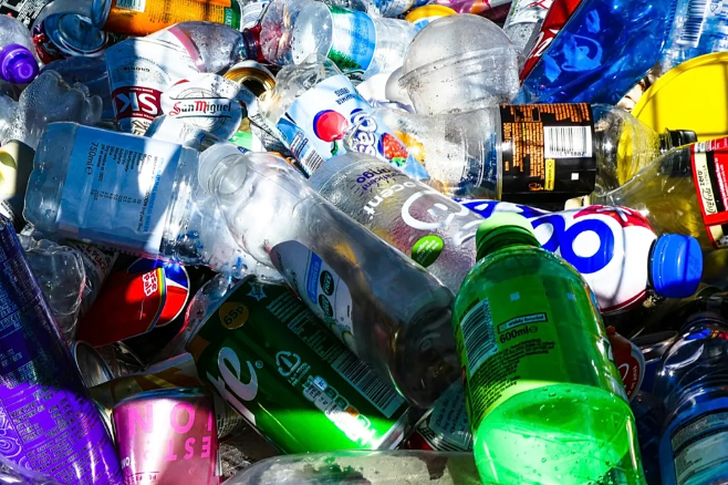
In 2023, the EU generated 79.7 million tonnes of packaging...
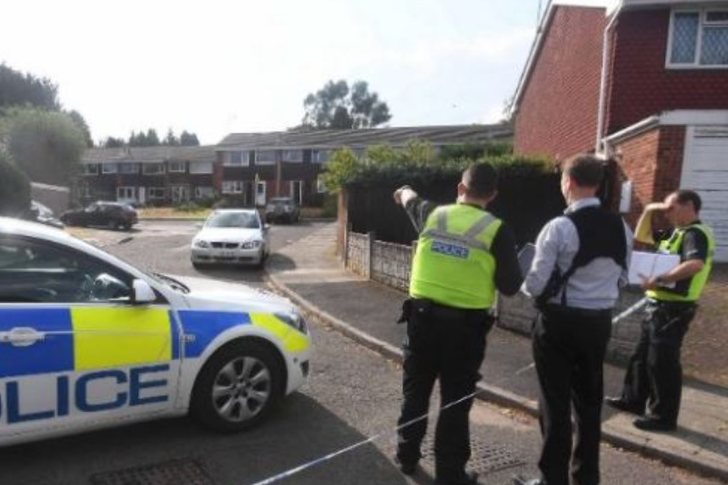
Authorities in the United Kingdom have arrested three peop...
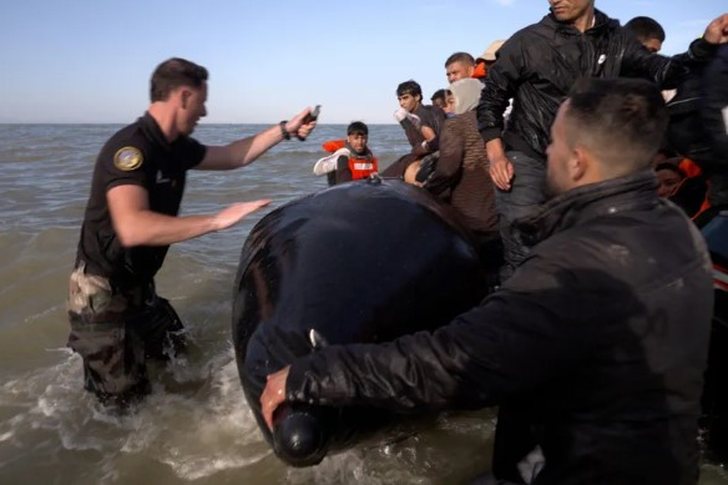
France is backing away from a commitment to stop dinghies ...
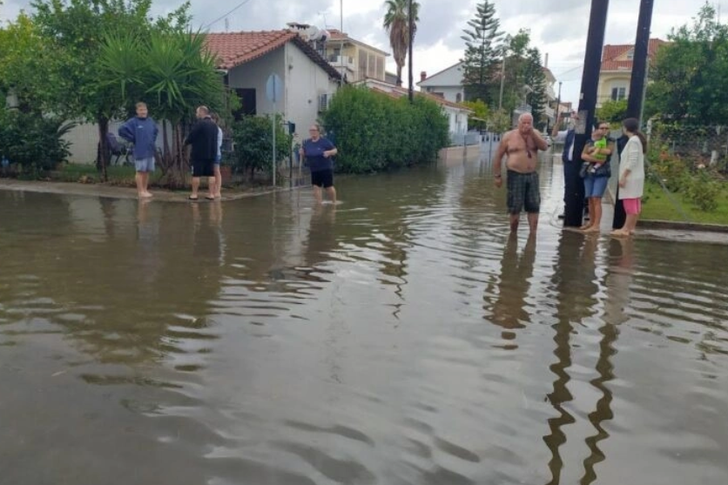
A new wave of bad weather has hit several areas in the nei...
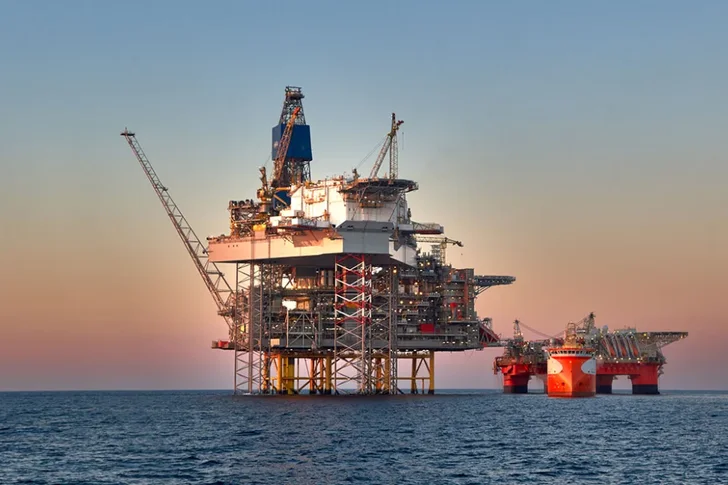
China's major state-owned oil companies are suspending pur...
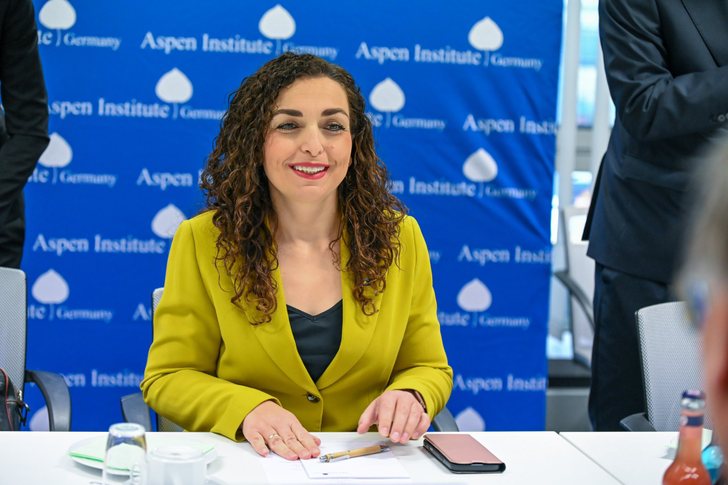
Kosovo President Vjosa Osmani has delivered her speech at ...
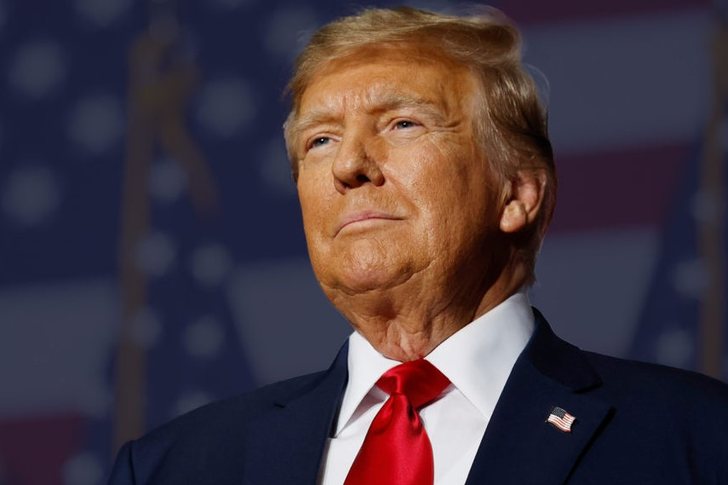
US President Donald Trump has warned Israel that it would ...
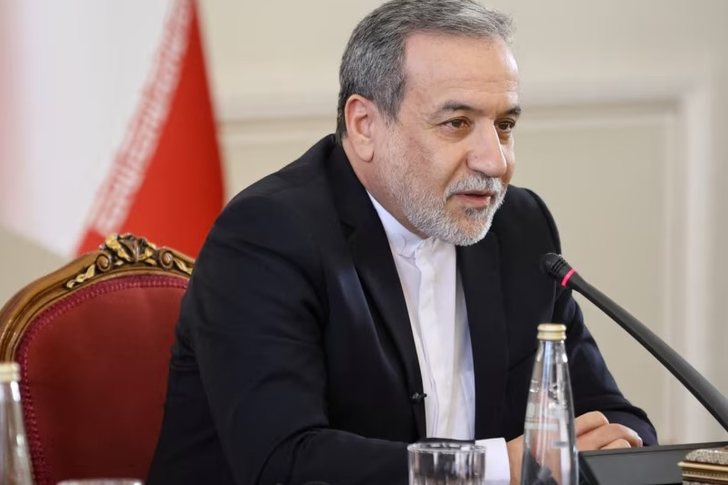
Iran warned against any new attacks on it after the he...

Britain's King Charles III and Queen Camilla arrived at th...
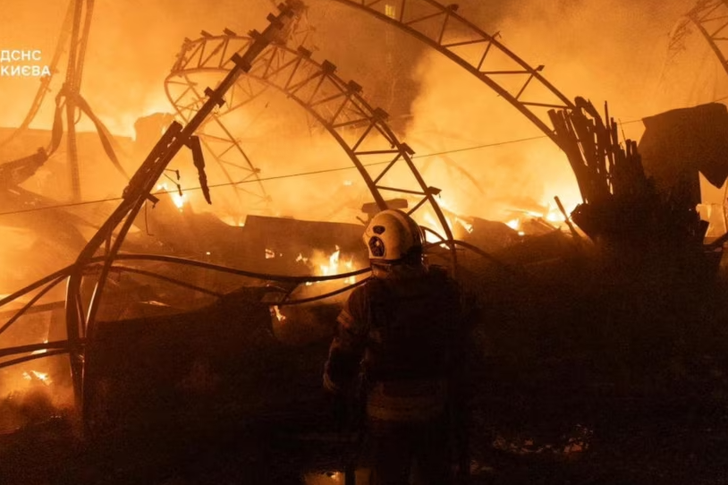
An overnight Russian drone attack in Kiev has injured nine...
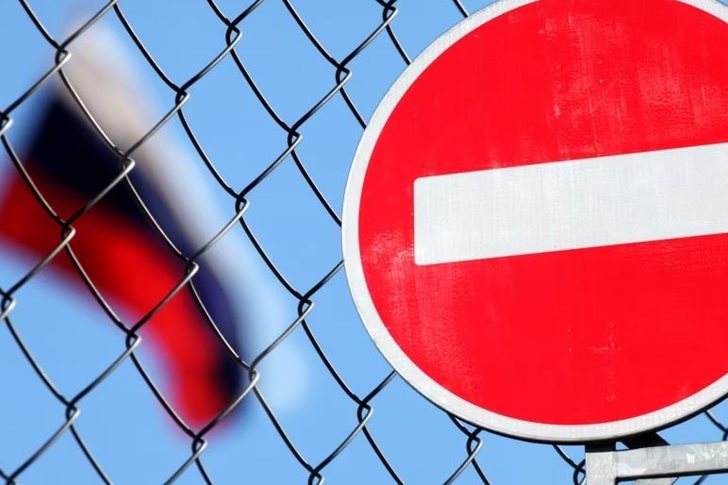
Bashkimi Europian nisi sot një raund të ri sanksionesh kun...
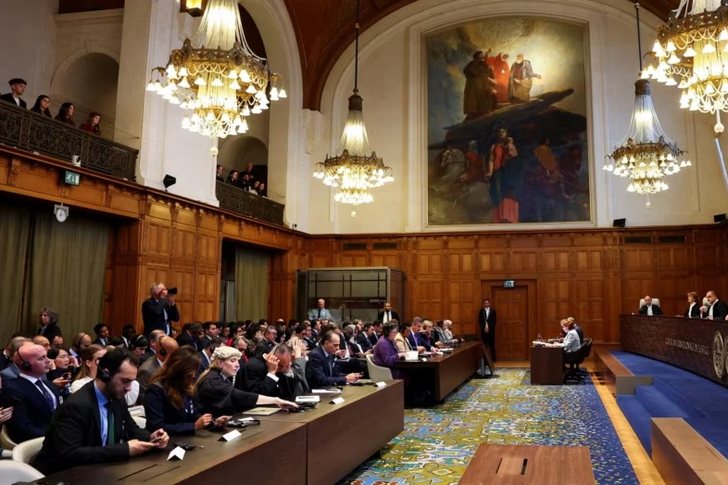
The International Court of Justice (ICJ) said that Israel ...
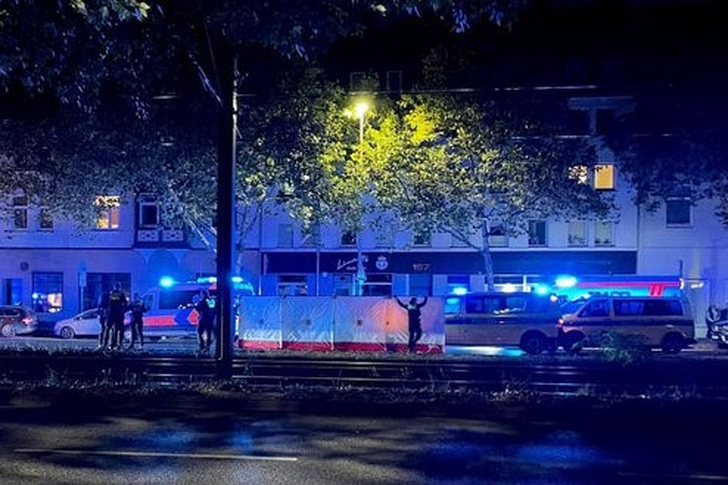
Gunshots were reported this evening in Hannover, Germany, ...
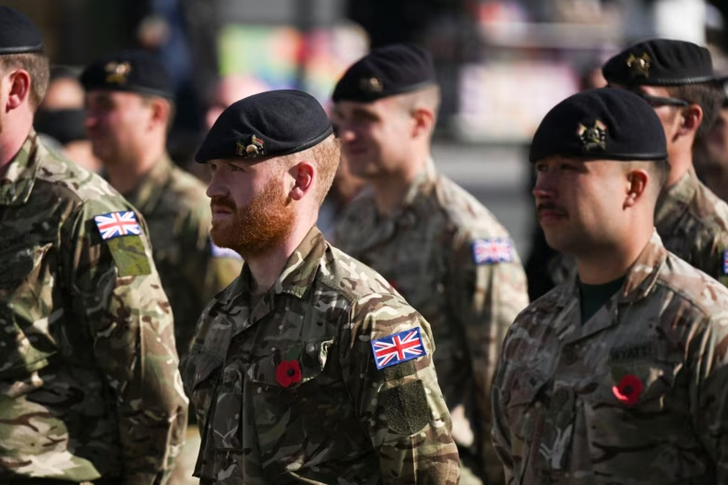
The United Kingdom Armed Forces reaffirmed their support f...
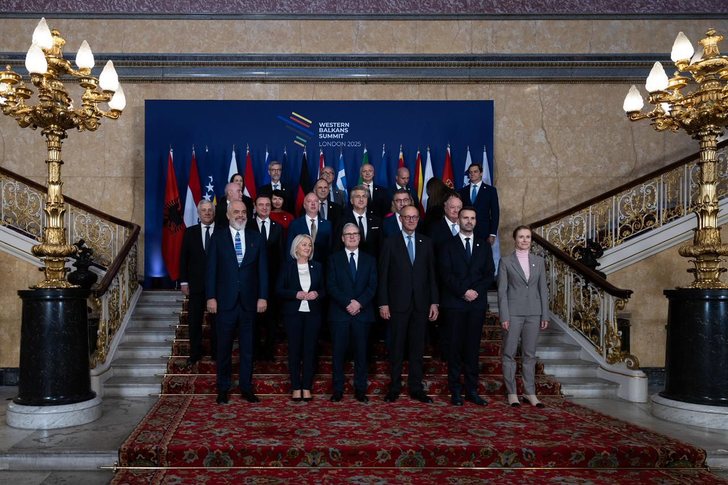
German Chancellor Friedrich Merz stated at the Western Bal...

A serious incident occurred in Brampton, Canada, where a 2...
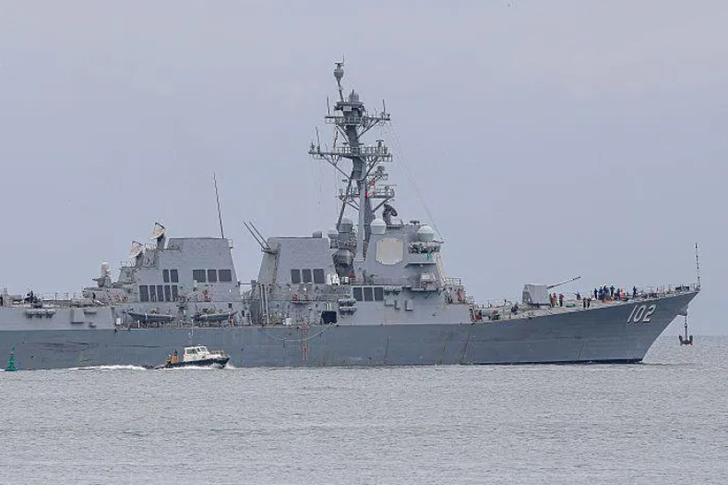
US forces have struck another ship suspected of transporti...

The Louvre's security system had flaws and problems, the m...
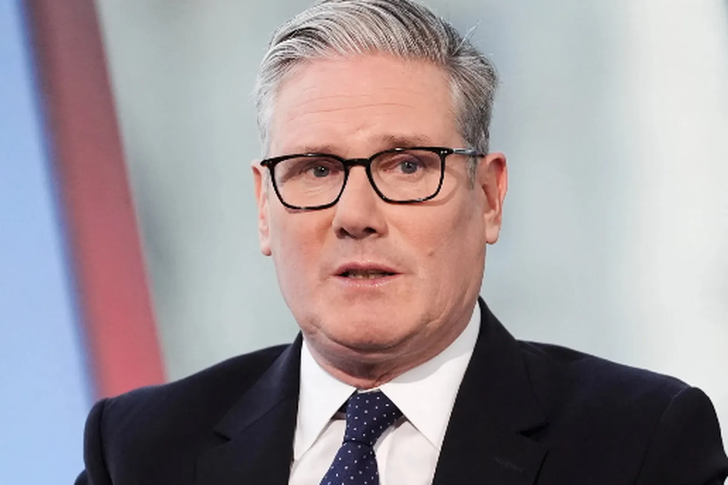
UK Prime Minister Keir Starmer has pledged to close the cr...

CNA has launched another investigation that could lead to ...

Irfan Hysenbelliu is a businessman that we call "Irfan the...

In March 2026, CNA launched another investigation centered...
The arrested mayor of Tirana, Erion Veliaj, with 13 charge...

The Special Board of Appeal (KPA) decided this Monday ...

The KPA vetting decided this Thursday to dismiss the p...

Suela Salavaçi, a prosecutor in the Prosecutor's Offic...

The Special Board of Appeal reinstated the prosecutor ...

A road accident occurred this evening on Nikolla Zoraqi St...

Three people were shot and wounded in Elbasan last night b...
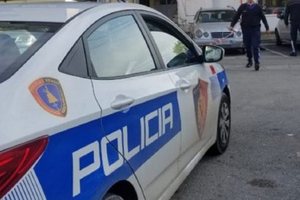
A serious incident occurred this Tuesday in the Yrshek are...
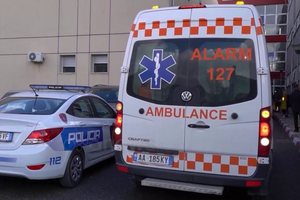
An accident occurred this Tuesday on "Dituria" street in K...
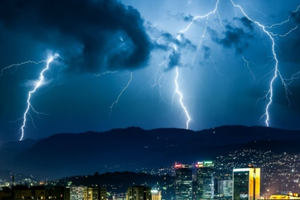
All of Southern Europe will face changing weather conditio...
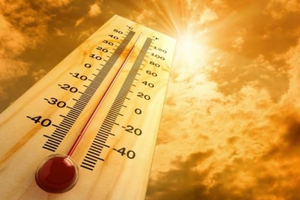
Albania was hit by temperatures significantly higher than ...

For the first time, Pogradec welcomed the Inter-Lake Chess...
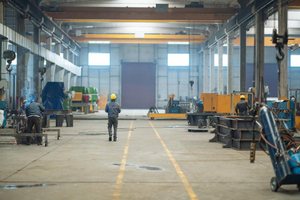
Albania has achieved a record for the employment of foreig...

US Secretary of State Marco Rubio arrived in Manila on Jul...
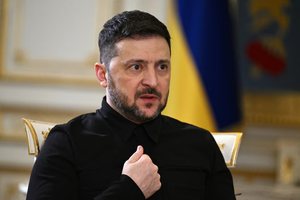
In the space of a few days, Ukrainian President Volodymyr ...

The spokesman for the Iranian Foreign Ministry warned Bulg...

Autoritetet italiane sekuestruan pako me afër 800 kilogram...

At a time when industrial products are increasingly taking...

Trust among people is not just a three-syllable word. It c...

Master of humor Todi Llupi has passed away at the age of 7...

The ninth edition of "MIK Festival" kicked off with one of...

Construction company licenses will have a validity period ...
The Centralized Purchasing Operator recently opened a tend...
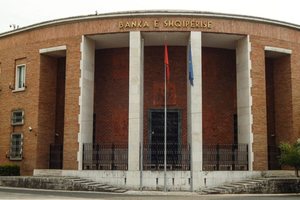
The new draft law "On the Bank of Albania" provides that t...
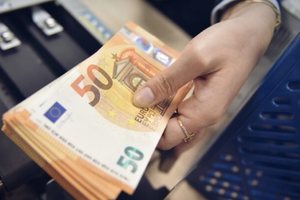
This Tuesday, one US dollar is bought for 81.2 lek and sol...