


Suspicions of spying for Russia/ 3 people arrested in Great Britain
Authorities in the United Kingdom have arrested three peop...


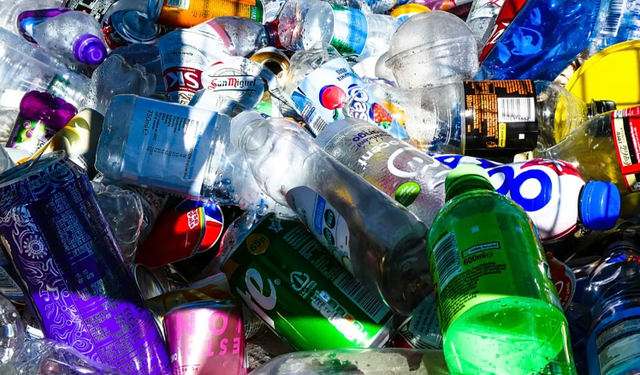
In 2023, the EU generated 79.7 million tonnes of packaging waste in Europe, equivalent to 177.8 kg per inhabitant.
The European Union's best recyclers have been revealed, with several countries breaking waste targets ahead of their 2030 target.
New data from Eurostat shows that the EU generated almost 80 million tonnes of packaging waste in 2023, amounting to 177.8 kg per inhabitant. While this marks a decrease of 8.7 kg compared to 2022, it is an increase of 21.2 kg since 2013.
The report categorizes “packaging waste” as any material used to hold, handle, distribute or present goods. This includes items such as glass bottles, plastic containers, aluminum cans, food wrappers, pallets and wooden barrels.
Of all packaging waste, 40.4 percent came from paper and cardboard. This was followed by plastic (19.8 percent), glass (18.8 percent), wood (15.8 percent), metal (4.9 percent) and “other packaging” (0.2 percent).
The EU's largest recycler
In 2023, seven EU countries met the 2030 target to recycle at least 70 percent of all packaging waste.
Belgium led the way with an impressive rate of 79.7 percent, likely driven by its “pay as you throw” waste collection system, designed to encourage residents to recycle.
The scheme, which has been in place since 1995, bills households based on the amount of mixed or residual waste they produce.
The fee varies by area, with residents in the Flanders region paying around 23 cents per kilogram of household waste.
According to the European Environment Agency (EEA), there is a voluntary deposit-return system even for specific reusable packaging, such as glass beverage bottles and industrial containers.
The Netherlands ranked second with a waste recycling rate of 75.8%, followed by Italy (75.6%), the Czech Republic (74.8%), Slovenia (73.6%), Slovakia (71.9%) and Spain (70.5%).
However, Romania lags significantly behind the 2030 targets, recycling only 37.3 percent of packaging waste in 2023.
The European Parliament argues that countries with low GDP have historically produced low recycling rates, as developing efficient waste management and treatment capacities that are “economically and environmentally sustainable” remains “challenging”.
Plastic bags in the EU
The EU Plastic Bag Directive aims to reduce the consumption of lightweight plastic bags (also known as LPCBs) to less than 40 per capita by 2025. This has led many supermarkets and retailers to offer reusable bags with thicker "walls".
Again, Belgium came out on top with just four plastic bags per capita in 2023. This was followed by Poland (seven bags per capita) and Portugal (14 bags per capita).
However, some countries still significantly exceed the 2025 targets, with Latvia recording a staggering 209 plastic bags per capita in 2023.
Why is waste reduction important?
According to the EEA, waste can have significant negative effects on human health and the environment.
Burning waste, instead of reusing it, has been linked to increased air pollution, while the growth of landfill sites risks polluting water and soil.
"Overall, the EU is showing slow improvement towards more recycling and less landfilling," the EEA states.
"However, achieving the EU's waste targets requires considerable effort. Non-recyclable products must be phased out and waste must be collected separately so that it can be recycled."
While around 90 percent of the EU's waste is treated domestically, large amounts are still exported - mainly for recycling. This has raised concerns about worsening pollution in poorer countries./ CNA

Authorities in the United Kingdom have arrested three peop...

France is backing away from a commitment to stop dinghies ...
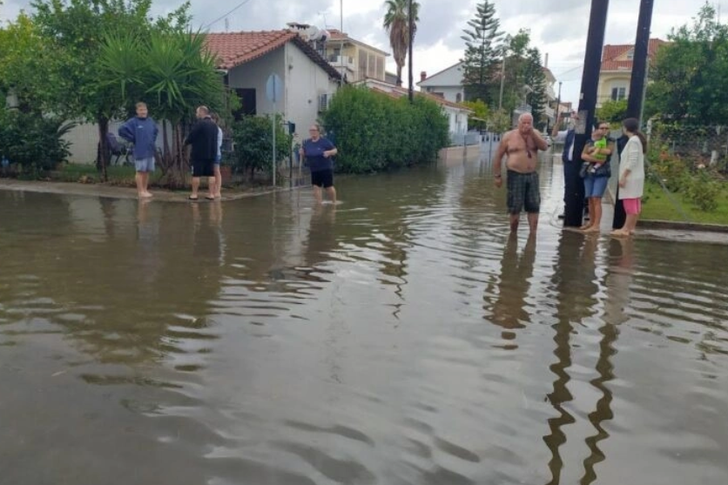
A new wave of bad weather has hit several areas in the nei...

China's major state-owned oil companies are suspending pur...
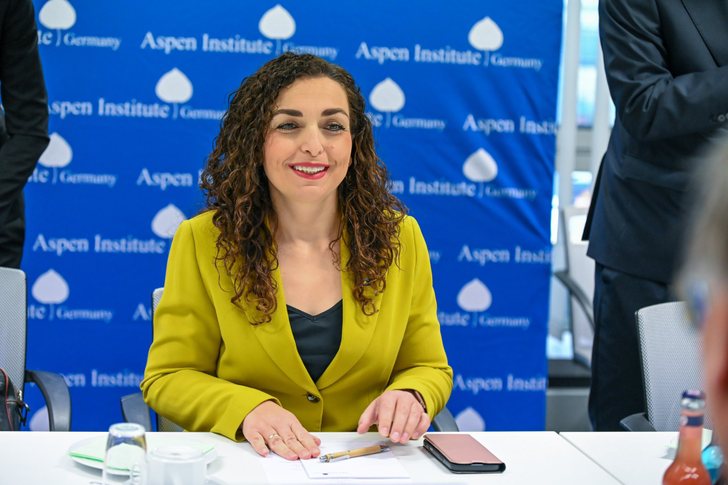
Kosovo President Vjosa Osmani has delivered her speech at ...

US President Donald Trump has warned Israel that it would ...

Iran warned against any new attacks on it after the he...

Britain's King Charles III and Queen Camilla arrived at th...
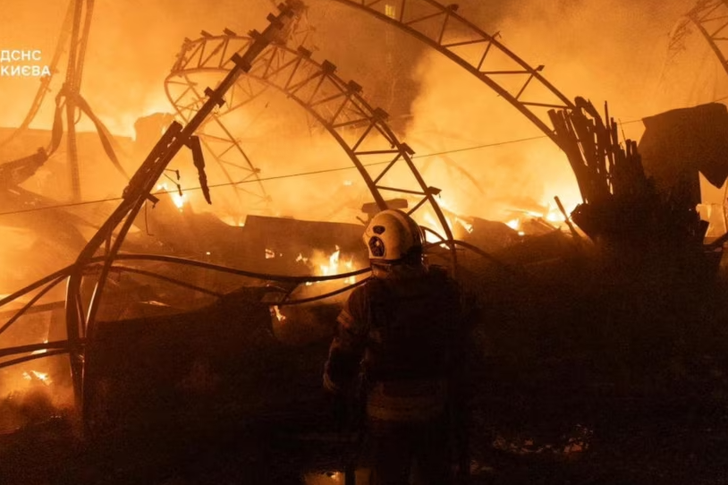
An overnight Russian drone attack in Kiev has injured nine...
Bashkimi Europian nisi sot një raund të ri sanksionesh kun...
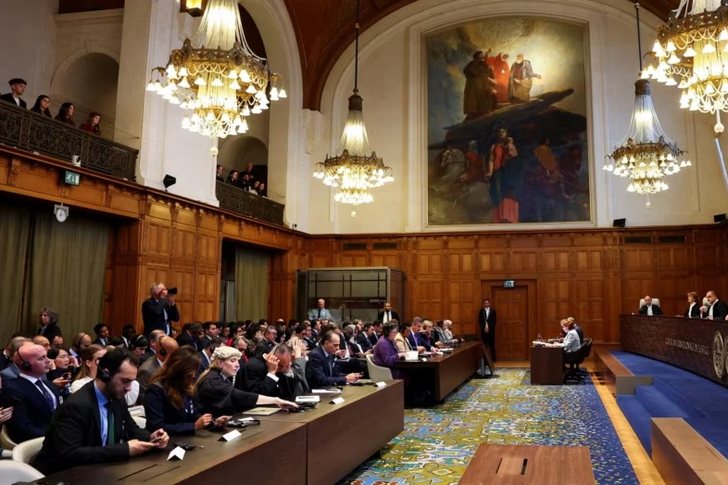
The International Court of Justice (ICJ) said that Israel ...

Gunshots were reported this evening in Hannover, Germany, ...

The United Kingdom Armed Forces reaffirmed their support f...
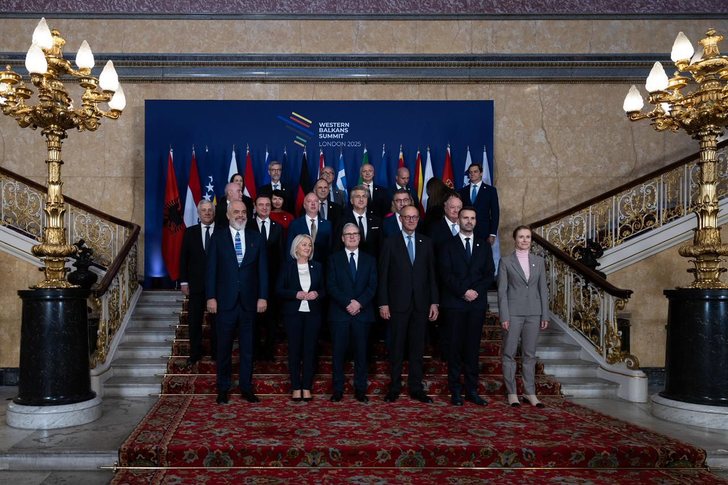
German Chancellor Friedrich Merz stated at the Western Bal...

A serious incident occurred in Brampton, Canada, where a 2...

US forces have struck another ship suspected of transporti...

The Louvre's security system had flaws and problems, the m...
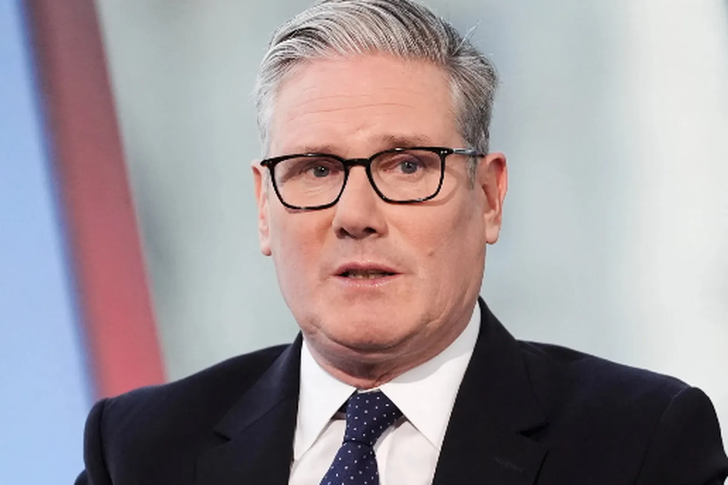
UK Prime Minister Keir Starmer has pledged to close the cr...
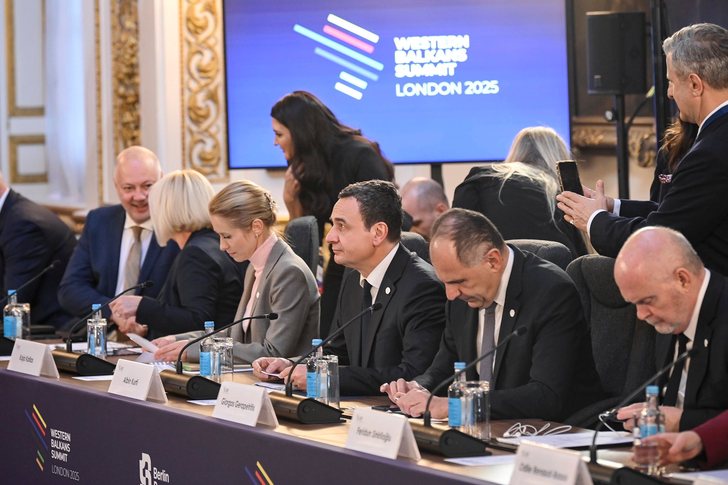
Acting Prime Minister of Kosovo, Albin Kurti, has delivere...
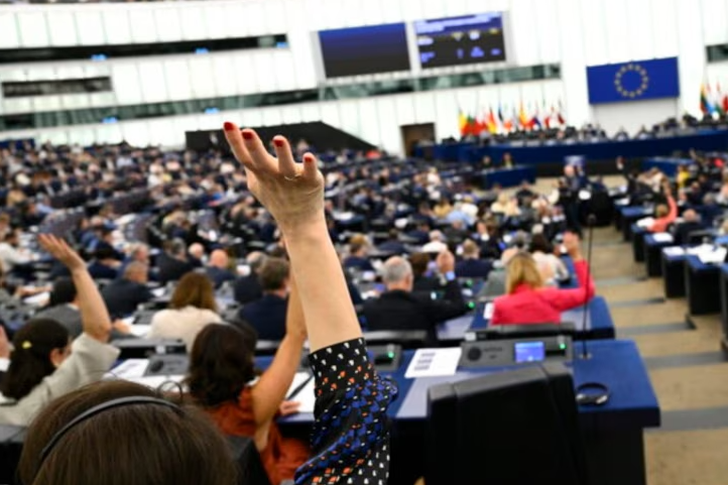
The European Parliament adopted a resolution on Wednesday ...

CNA has launched another investigation that could lead to ...

Irfan Hysenbelliu is a businessman that we call "Irfan the...

In March 2026, CNA launched another investigation centered...
The arrested mayor of Tirana, Erion Veliaj, with 13 charge...

The Special Board of Appeal (KPA) decided this Monday ...

The KPA vetting decided this Thursday to dismiss the p...

Suela Salavaçi, a prosecutor in the Prosecutor's Offic...

The Special Board of Appeal reinstated the prosecutor ...

A road accident occurred this evening on Nikolla Zoraqi St...

Three people were shot and wounded in Elbasan last night b...

A serious incident occurred this Tuesday in the Yrshek are...

An accident occurred this Tuesday on "Dituria" street in K...

All of Southern Europe will face changing weather conditio...
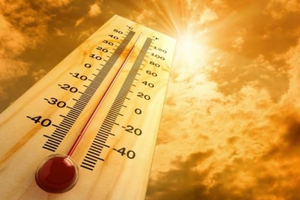
Albania was hit by temperatures significantly higher than ...

For the first time, Pogradec welcomed the Inter-Lake Chess...

Albania has achieved a record for the employment of foreig...

US Secretary of State Marco Rubio arrived in Manila on Jul...
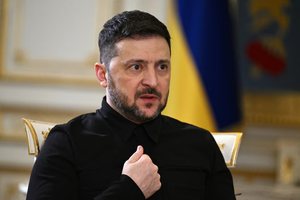
In the space of a few days, Ukrainian President Volodymyr ...

The spokesman for the Iranian Foreign Ministry warned Bulg...

Autoritetet italiane sekuestruan pako me afër 800 kilogram...

At a time when industrial products are increasingly taking...

Trust among people is not just a three-syllable word. It c...

Master of humor Todi Llupi has passed away at the age of 7...

The ninth edition of "MIK Festival" kicked off with one of...

Construction company licenses will have a validity period ...
The Centralized Purchasing Operator recently opened a tend...
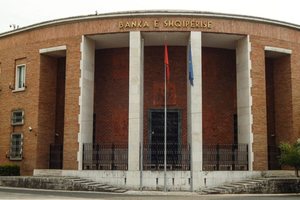
The new draft law "On the Bank of Albania" provides that t...
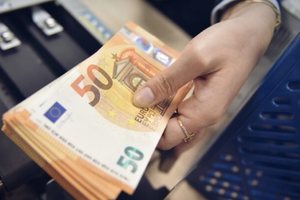
This Tuesday, one US dollar is bought for 81.2 lek and sol...