


Concrete mixer accident/ Road safety expert analyzes the dynamics of the event
Road safety expert, Gëzim Hoxha, commented on the dynamics...

Road safety expert, Gëzim Hoxha, commented on the dynamics...

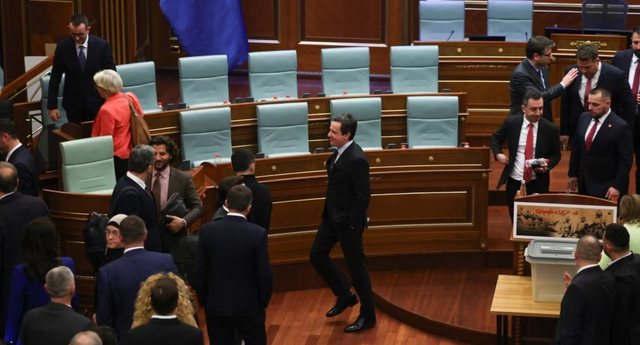
The Kosovo Assembly has until March 31 to ratify the loan agreement between Kosovo and the European Investment Bank for the "Solar Photovoltaic Energy" project at the Kosovo Energy Corporation (KEK), worth 33 million euros.
However, all the work of the Assembly has been frozen until this date by the Constitutional Court, through the interim measure imposed after the contestation of President Vjosa Osmani's decree on the dissolution of the tenth legislature.
The agreement for the project affecting KEK is one of eight that the current legislature has in its files.
Among them are:
-Agreement on Kosovo's membership in the Peace Board
-Agreement on access to higher education and admission for studies in the Western Balkans
-Two amendments to the financial agreement between Kosovo and the European Union for the IPA Program
-Two loan agreements with the European Bank for Reconstruction and Development (EBRD): one for the energy efficiency project in public buildings and for wastewater treatment plants in Podujeva and
-A loan agreement with the Saudi Fund for Development for the Pristina-Mitrovicë road project.
-The value of four of these agreements, including the one with the European Investment Bank, amounts to 121 million euros.
Kosovo Government Spokesperson Arlind Manjhuka told Radio Free Europe that the deadlines for approving these agreements are tight and "require swift action by the Assembly."
The European Investment Bank said that ratification of the agreement "is necessary for the provision of the proposed financing."
“Ratification of the agreement would enable Kosovo to move forward with the construction of one of its largest solar photovoltaic power plants, with a capacity of up to 100 megawatts. The project is expected to strengthen the country’s energy security by increasing the share of renewable energy produced domestically and reducing dependence on coal-based generation. It would also support Kosovo’s broader green transition goals, as the plant is expected to generate around 169 gigawatts of electricity per year and significantly reduce carbon dioxide emissions once operational.”
Value of agreements
Experts in the work of the Assembly consider that the agreements have a direct impact on improving the quality of life of citizens and strengthening Kosovo's international position.
“Në thelb, ratifikimi i këtyre marrëveshjeve nënkupton përshpejtim të investimeve publike, rritje të stabilitetit institucional dhe përfitime konkrete afatmesme dhe afatgjata për qytetarët”, tha për Radion Evropa e Lirë, Melos Kolshi, hulumtues në Institutin e Kosovës për Drejtësi (IKD).
Por, sipas hulumtueses së Institutit Demokratik të Kosovës (KDI), Violeta Haxholli, situata aktuale “krijon një pasiguri institucionale”.
“Meqenëse marrëveshjet ndërkombëtare duhet të ratifikohen nga Kuvendi me shumicë të kualifikuar prej dy të tretave, çdo bllokim në funksionimin e tij e shtyn automatikisht edhe procesin e ratifikimit. Kjo do të thotë se, derisa të ketë një qartësi për funksionimin e plotë të legjislativit, është e vështirë të parashikohet se kur mund të procedohen këto marrëveshje për miratim”, tha ajo.
Nga Lëvizja Vetëvendosje, parti në pushtet, thanë se këto marrëveshje kanë planifikuar t’i miratojnë të premten e 6 marsit, një ditë pas dështimit për ta zgjedhur presidentin e ri. Seanca nuk u mbajt pasi Osmani nxori në mëngjesin e asaj dite dekretin për shpërndarje të Kuvendit.
Shefja e Grupit Parlamentar të Lëvizjes Vetëvendosje, Arbërie Nagavci, i tha Radios Evropa e Lirë se këto katër marrëveshje “kanë rëndësi të veçantë për zhvillimin ekonomik, përmirësimin e infrastrukturës, mbrojtjen e mjedisit dhe rritjen e efiçiencës energjetike në vend”.
“Prandaj, miratimi i tyre sa më i shpejtë është në interes të drejtpërdrejtë të qytetarëve dhe të zhvillimit të qëndrueshëm të Kosovës. Në rrethana të tilla, është e rëndësishme që këto projekte strategjike të mos mbeten peng i zhvillimeve politike, por të avancohen sa më parë për të sjellë përfitime konkrete për vendin dhe qytetarët”.
Pasojat e mosratifikimit të marrëveshjeve
Violeta Haxholli thotë se mosratifikimi i marrëveshjeve ndërkombëtare ndikon në vonesat për zbatimin e projekteve dhe në imazhin e shtetit në arenën ndërkombëtare.
“Edhe pse partnerët ndërkombëtarë zakonisht i kuptojnë situatat e brendshme politike, vazhdimi i bllokadave institucionale mund të ndikojë në ritmin e bashkëpunimit dhe në besimin për zbatimin e projekteve të përbashkëta”, tha ajo.
Kolshi sheh pasoja të shumëfishta, edhe brenda edhe jashtë Kosovës.
“Në një kontekst global të ndryshimeve gjeopolitike dhe rikonfigurimit të prioriteteve të politikës së jashtme të aktorëve të mëdhenj ndërkombëtarë, përfshirë edhe administratën amerikane, është jetike që Kosova të dëshmojë seriozitet institucional dhe kapacitet vendimmarrës për t’i ruajtur dhe forcuar partneritetet strategjike”.
Radio Evropa e Lirë i ka pyetur edhe institucionet tjera që i sponsorojnë këto marrëveshje - BE-në, BERZH-in dhe Fondin Saudit për Zhvillim - se me çfarë pasojash eventuale mund të përballet Kosova nga pamundësia për t’i ratifikuar dokumentet, por nuk ka marrë ndonjë përgjigje.
Domosdoshmëria e konsensusit politik
Considering the fact that two-thirds of the votes of all members of the Assembly of Kosovo are needed to approve international agreements, political consensus is key.
KDI researcher Haxholli mentions that it is very important that agreements are treated "beyond the interests of political momentum."
"In most cases, these agreements are related to the development of the country, international cooperation and the improvement of services for citizens. Therefore, it is important that the political debate focuses on their content and benefits, ensuring that the ratification process is carried out in a transparent and timely manner," she stressed.
And, Kolshi from the IKL says that the Assembly has already faced "considerable" delays.
"A special responsibility also falls on the current Government, which, in addition to its negotiating role in international agreements, must demonstrate political leadership and capacity to build institutional consensus and stability with the Parliament and other political actors."
This is not the first time that Kosovo risks losing funds from international agreements due to internal problems.
The current legislature barely met the deadlines necessary to benefit from the agreements with the World Bank and the EU within the framework of the Growth Plan. The total amount of the three agreements is worth about 1 billion euros. /REL

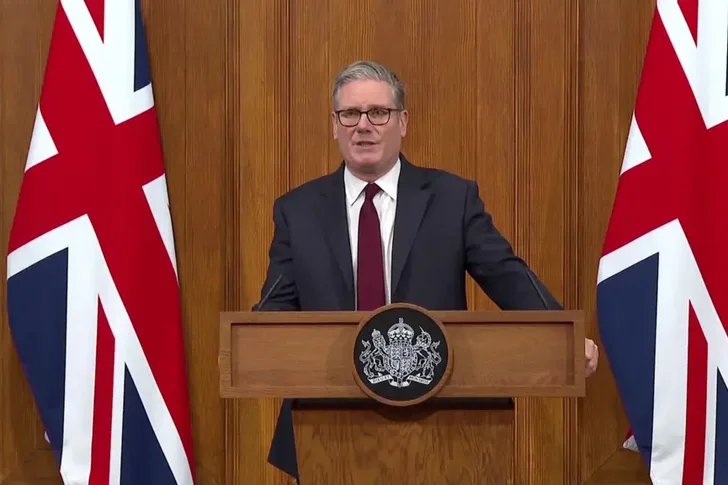
British Prime Minister Keir Starmer has appeared at a pres...
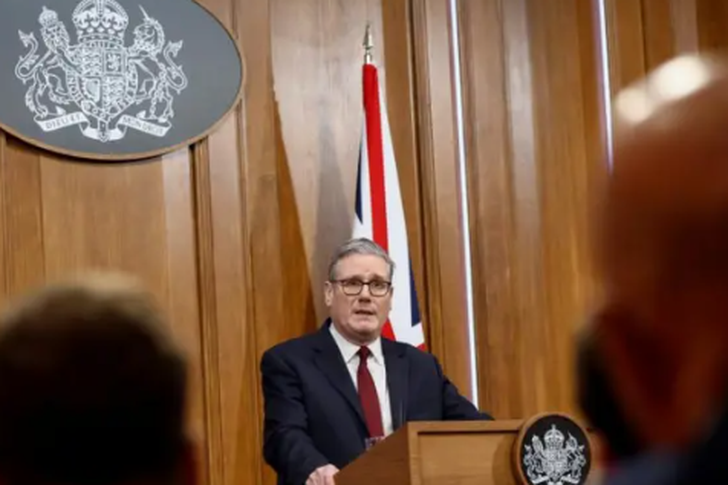
UK Prime Minister Keir Starmer has stated that the escalat...
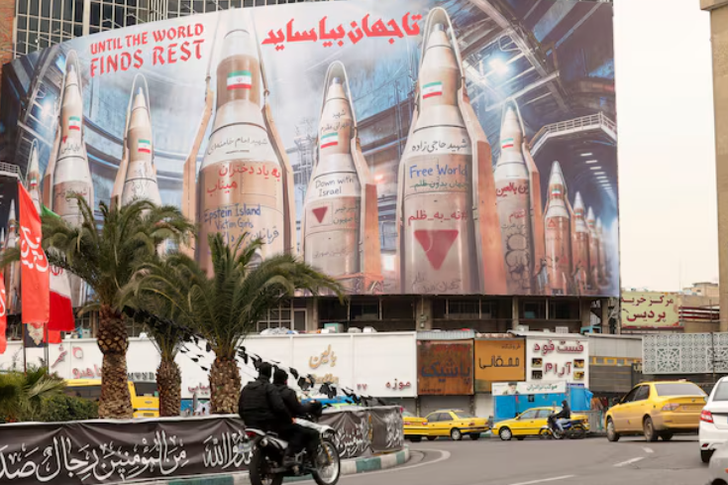
Iran has arrested 500 people accused of providing informat...
A shooting incident occurred this morning in Gjakova. Acco...
Një person është vrarë pasi një raketë ra mbi një automjet...
European Union member states will discuss possible options...
US President Donald Trump is seeking support from other co...
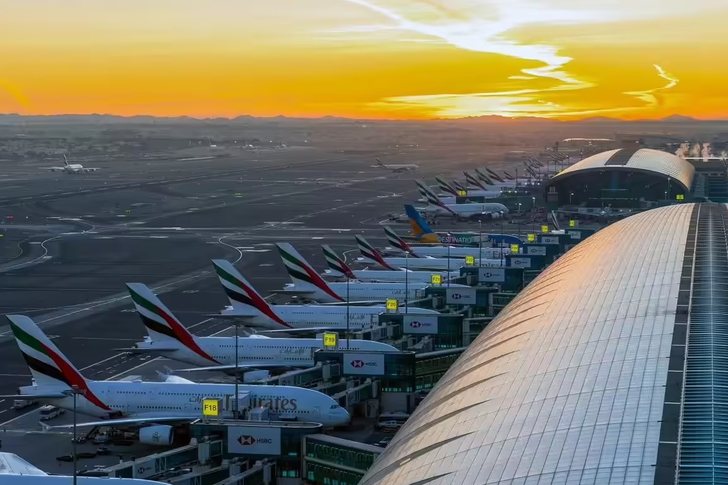
Dubai's main airport temporarily halted flights after a d...
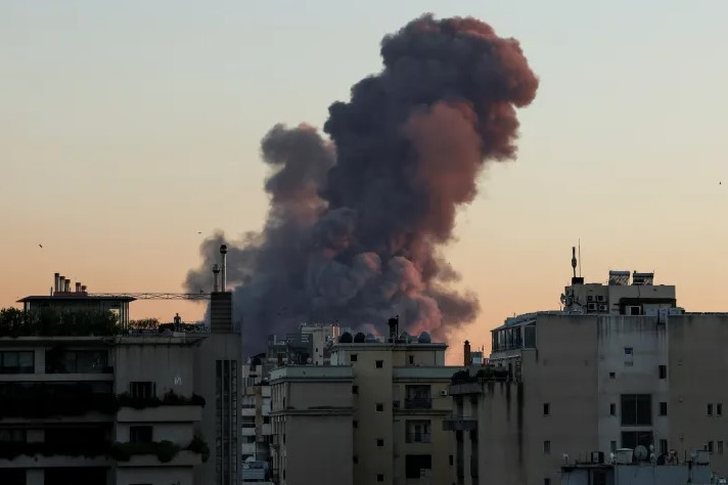
Several airstrikes rocked Beirut's southern suburbs overni...
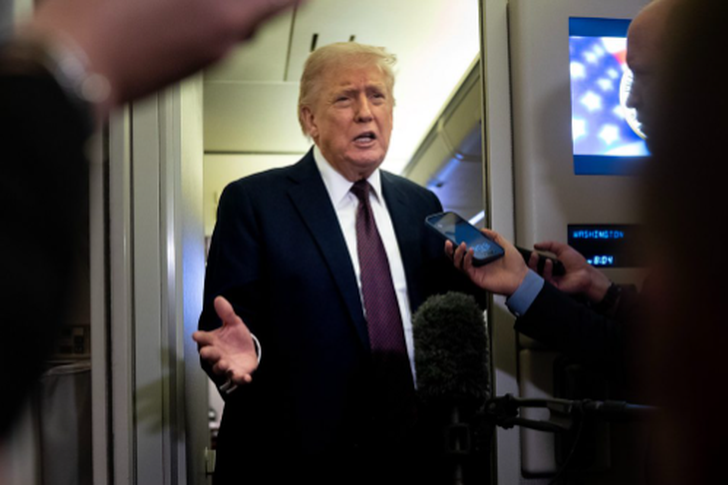
US President Donald Trump has warned that the future of NA...
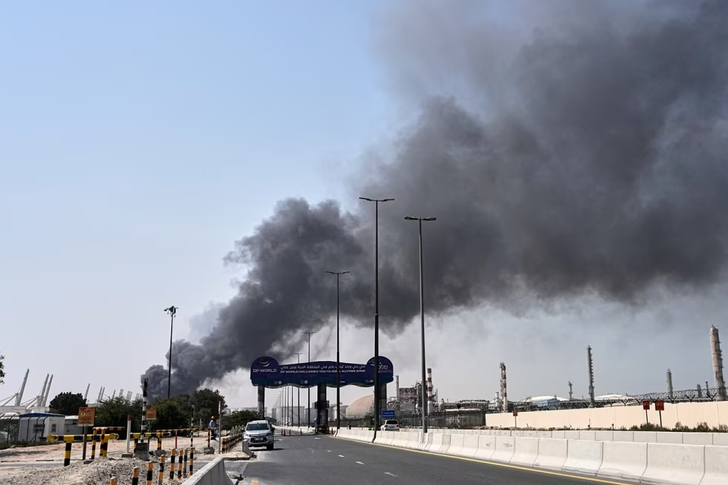
Iran's Media Operations Center has warned residents in spe...
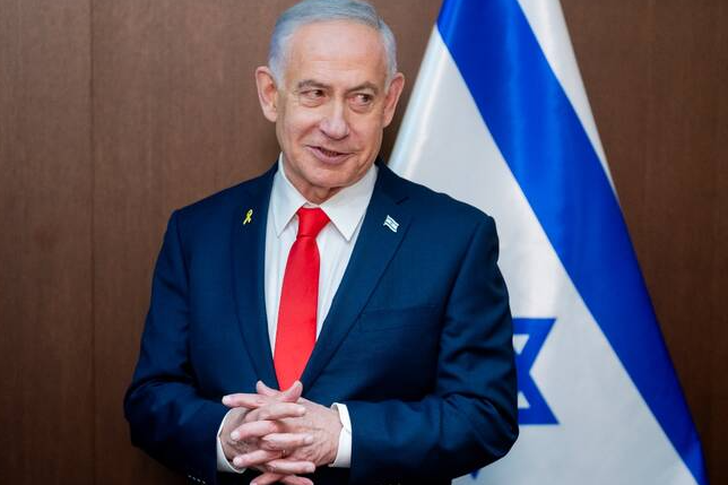
Israeli Prime Minister Benjamin Netanyahu posted a video o...
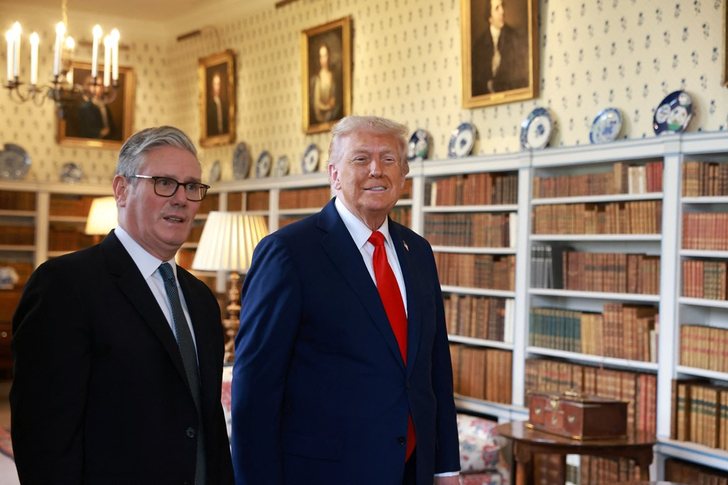
British Prime Minister Sir Keir Starmer held a phone call ...
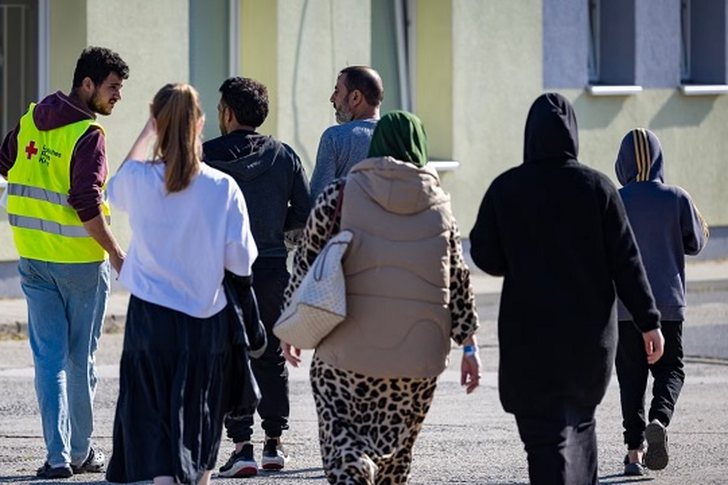
The number of people seeking protection in Germany has fal...
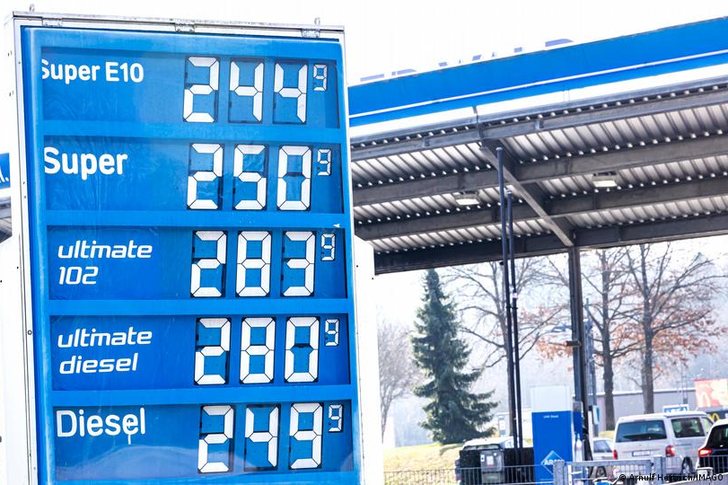
Politicians from Germany's ruling coalition have called fo...
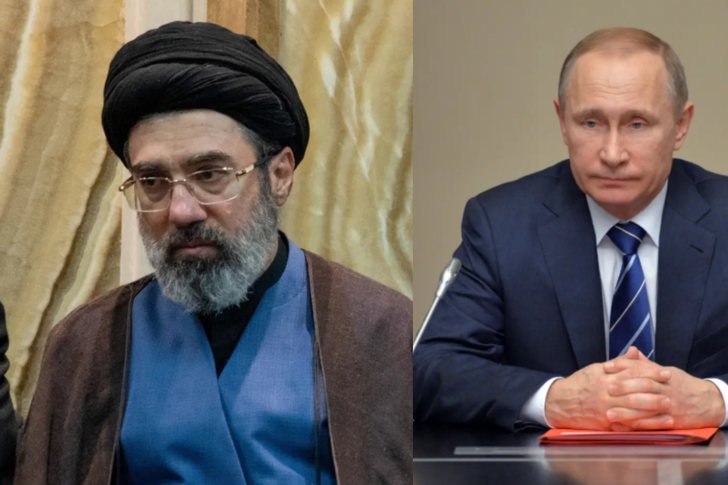
Mediat e huaja kanë raportuar se lideri i ri suprem i Iran...
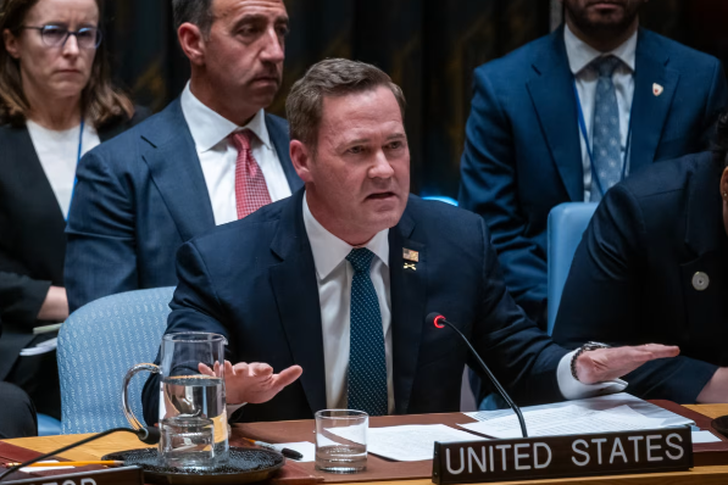
Trump administration officials said today they expect the ...
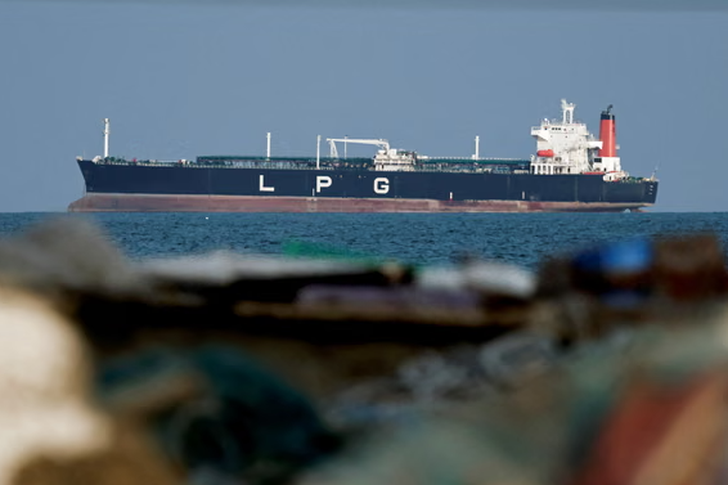
US President Donald Trump has called on countries affected...
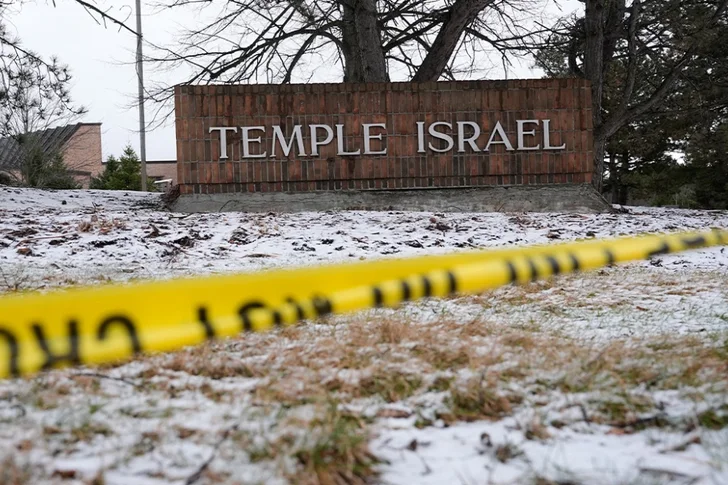
The Israeli military said today that the brother of the ma...
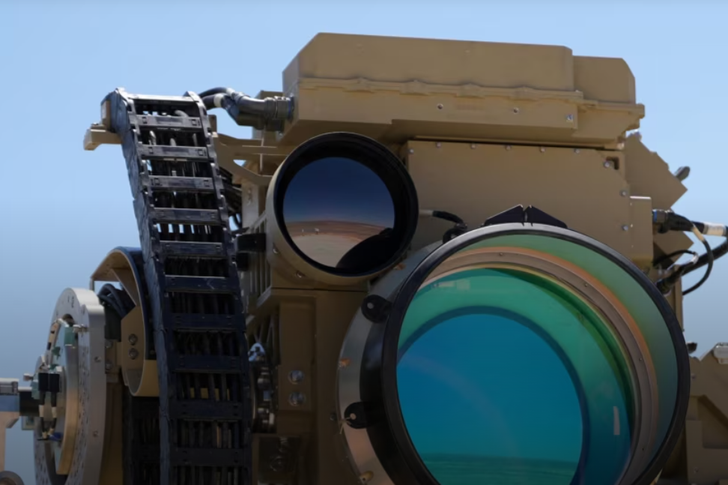
Disturbing amateur footage showing missiles seemingly disa...

CNA has launched another investigation that could lead to ...

Irfan Hysenbelliu is a businessman that we call "Irfan the...

In March 2026, CNA launched another investigation centered...
The arrested mayor of Tirana, Erion Veliaj, with 13 charge...

The Special Board of Appeal (KPA) decided this Monday ...

The KPA vetting decided this Thursday to dismiss the p...

Suela Salavaçi, a prosecutor in the Prosecutor's Offic...

The Special Board of Appeal reinstated the prosecutor ...
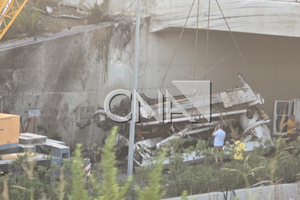
This Wednesday, around 4:00 PM, a serious accident occurre...

Tirana Police have shared details regarding the accident t...
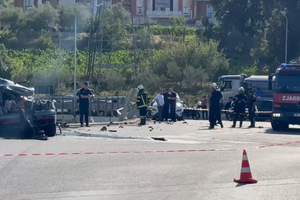
New details have emerged regarding the accident that occur...

New details have emerged from the serious accident that oc...
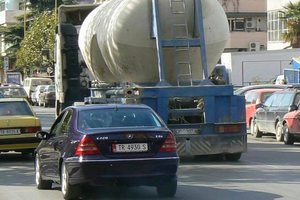
A serious accident that occurred this Wednesday with the c...

The Institute of Geosciences has shared a forecast for wea...
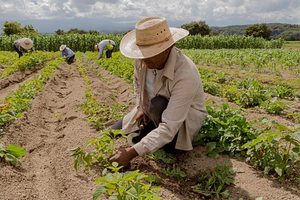
Rising energy and fertilizer prices are expected to contin...
Over 18,000 foreign citizens from 140 countries have appli...
US President Donald Trump has issued another warning to Ir...
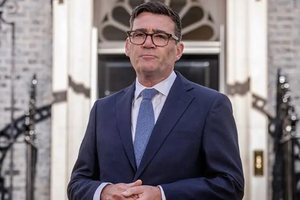
Prime Minister Andy Burnham has announced that most bus fa...

France's parliament has passed a law to ban social media f...

US Secretary of State Marco Rubio arrived in Manila on Jul...

At a time when industrial products are increasingly taking...

Trust among people is not just a three-syllable word. It c...

Master of humor Todi Llupi has passed away at the age of 7...

The ninth edition of "MIK Festival" kicked off with one of...

Businesses will no longer be required to simply register t...

Despite economic growth and income in recent years, Albani...

This Wednesday, one US dollar is bought for 81.4 lek and s...

Construction company licenses will have a validity period ...