


War with Russia/ Zelensky: Crimea to return to Ukrainian sovereignty through diplomacy
The President of Ukraine, Volodymyr Zelensky, has asse...


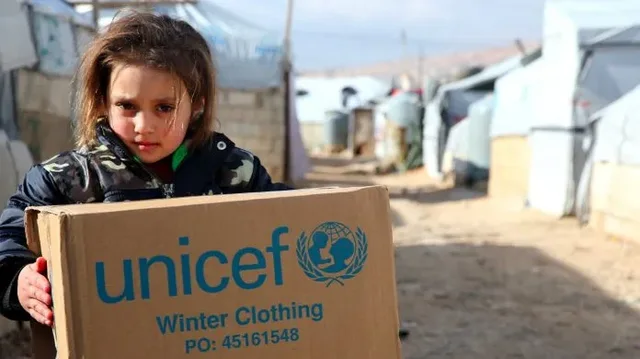
The State of Children 2024 and the Future of Childhood in a Changing World explores three trends facing young people, including climate disasters, demographic change and technological disparities that will dramatically reshape childhood by 2050 .
"It is shocking that in the 21st century, every child still remains hungry, uneducated or without the most basic health care," said UN Secretary-General António Guterres in his message for World Children's Day.
"It is a blot on the conscience of humanity when children's lives are caught in the grinding wheels of poverty or overturned by disaster."
The climate emergency threatens lives
In a stark warning, the report finds that children will face eight times more exposure to extreme heat waves and triple the risk of extreme river flooding compared to 2000.
After record temperatures in 2023, projected climate risks will disproportionately affect children based on their socioeconomic backgrounds and access to resources.
"Children are experiencing a host of crises from climate shocks to online risks, and these are set to intensify in the coming years," warned UNICEF Executive Director Catherine Russell.
"Creating a better future in 2050 requires more than just imagination, it requires action. Decades of progress, especially for girls, are under threat."
Shifting demographics
The report also predicts significant population changes, with sub-Saharan Africa and South Asia expecting the largest child populations by the 2050s.
While still high, Africa's child population will fall below 40 percent - down from 50 percent in the 2000s. East Asia and Western Europe data show a 17 percent decline compared to 29 percent and 20 percent for those regions during the 2000s.
These demographic changes create challenges, with some countries under pressure to expand services to large child populations, while others balance the needs of a growing elderly population.
The digital divide
While artificial intelligence and frontier technologies offer new opportunities, the report finds that the digital divide remains stark: in 2024 over 95 percent of people in high-income countries have access to the Internet compared to just 26 percent in low-income countries. low.
The report notes that young people in developing countries particularly struggle to access digital skills, affecting their educational and workplace prospects.
Signs of hope
Despite these concerns, some positive trends have emerged. Life expectancy at birth continues to rise, and nearly 96 percent of children worldwide are expected to receive primary education by the 2050s.
Increased investment in education and public health and stricter environmental protection could narrow the gender gap and reduce exposure to environmental hazards, the report finds.
UNICEF recommends urgent investment in education, services and sustainable and resilient cities for children.
The agency aims to increase climate resilience in infrastructure, technology, essential services and social support systems, as well as providing safe technology connectivity and design for all children.
"The decisions world leaders make today — or fail to make — determine the world children will inherit," Russell said.

The President of Ukraine, Volodymyr Zelensky, has asse...

A volcano on the Reykjanes peninsula in southwest Iceland ...
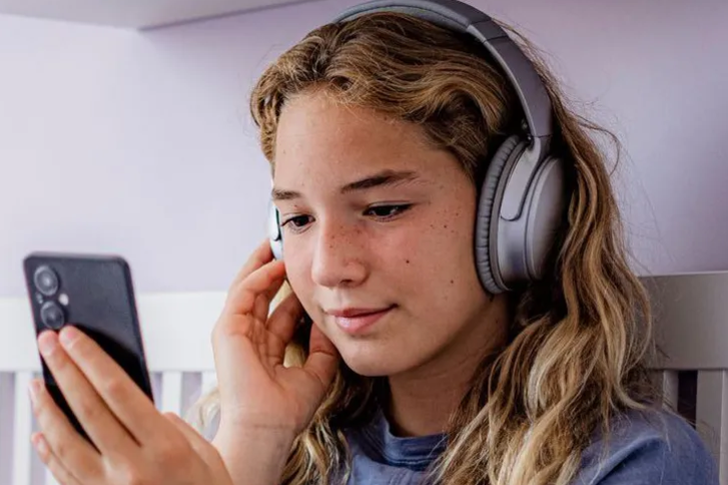
Australia has proposed banning social networks for childre...
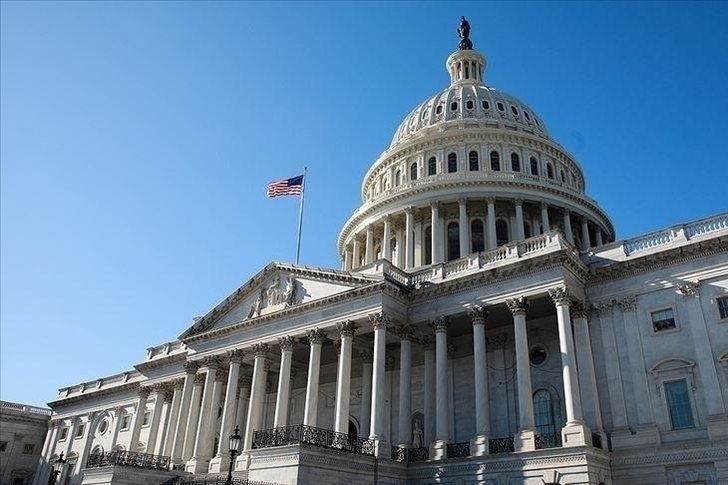
Democratic-dominated states are expected to lose 12 se...

In just a few days, the administration of US President Joe...

Former Labor Deputy Prime Minister John Prescott has died ...

The House Ethics Committee is meeting Wednesday to decide ...

Kosovo police said they found weapons, uniforms and other ...
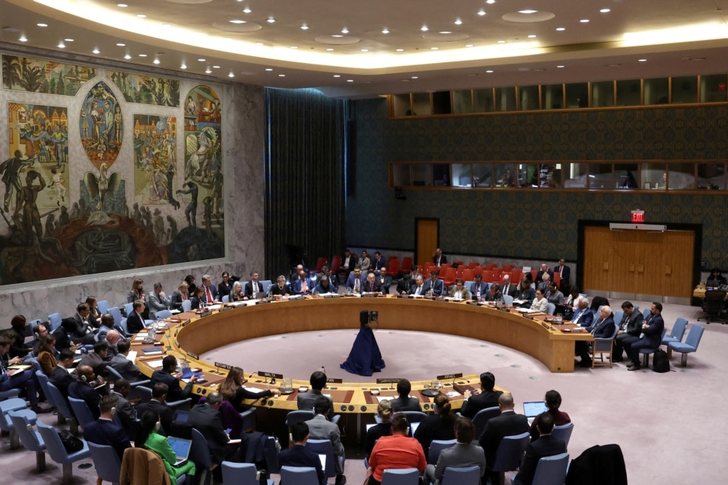
The United States on November 20 vetoed a United Nations r...
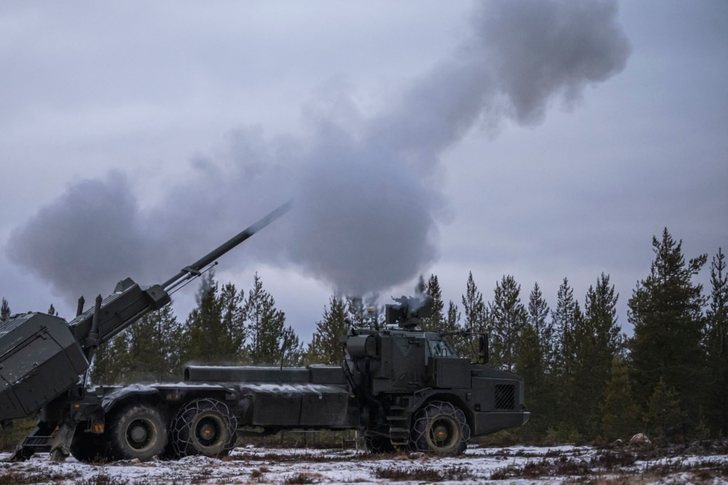
Thousands of NATO soldiers are taking part in artillery ex...
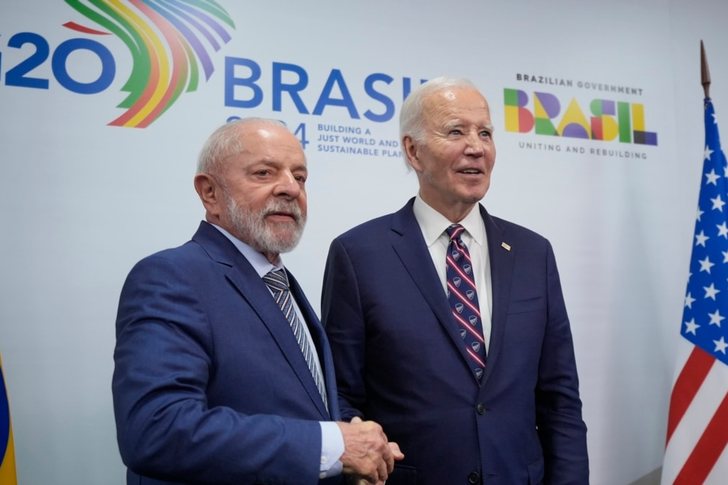
The leaders of the world's 20 largest economies, the G20, ...

The US Embassy in Kiev has been temporarily closed after r...
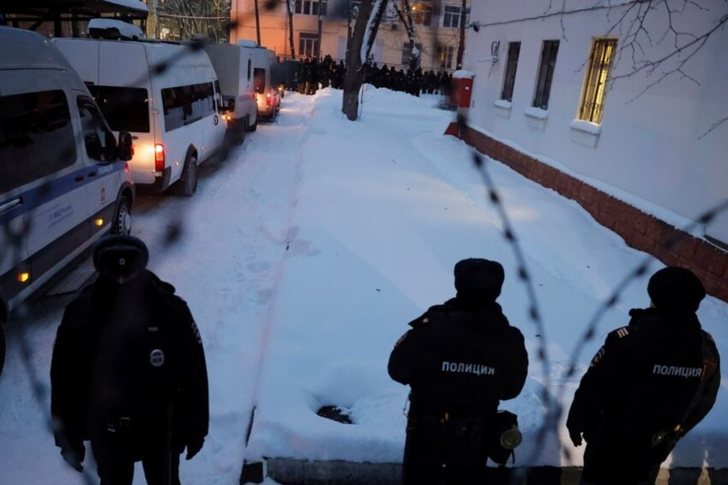
Russia's Federal Security Service (FSB) said on Wednesday ...
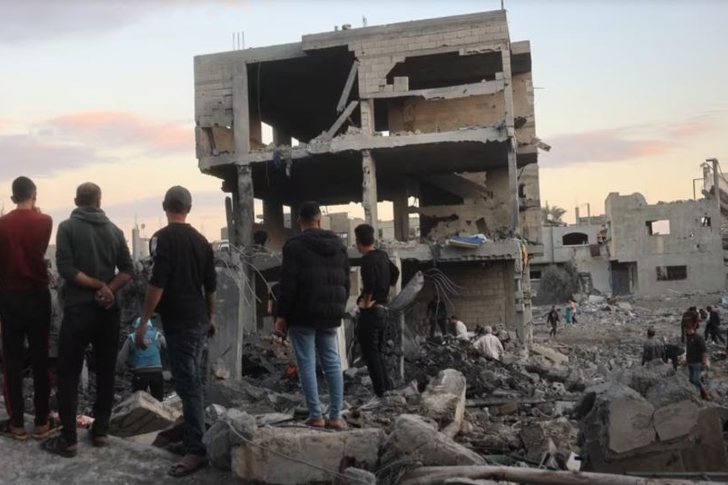
Israeli forces killed at least 15 Palestinians in the Gaza...
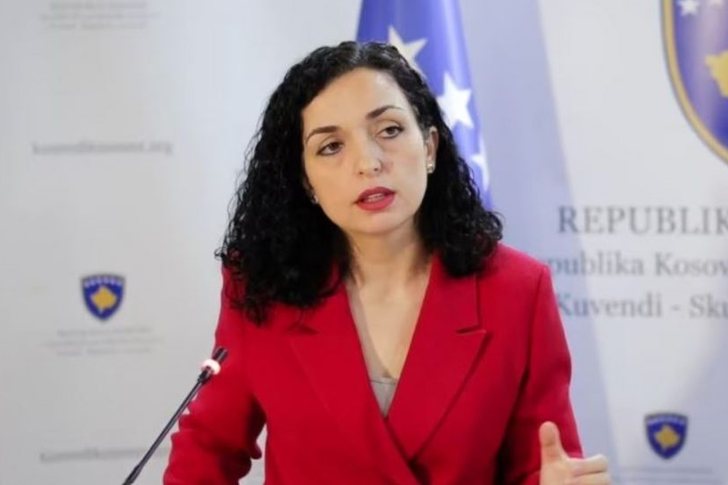
US President Joe Biden has approved the supply of anti...

The United States Embassy in Kiev has received informa...

US President-elect Donald Trump joined Elon Musk in Browns...

North Korea has recently supplied Russia with additional a...

Tens of thousands of people have marched on New Zealand's ...
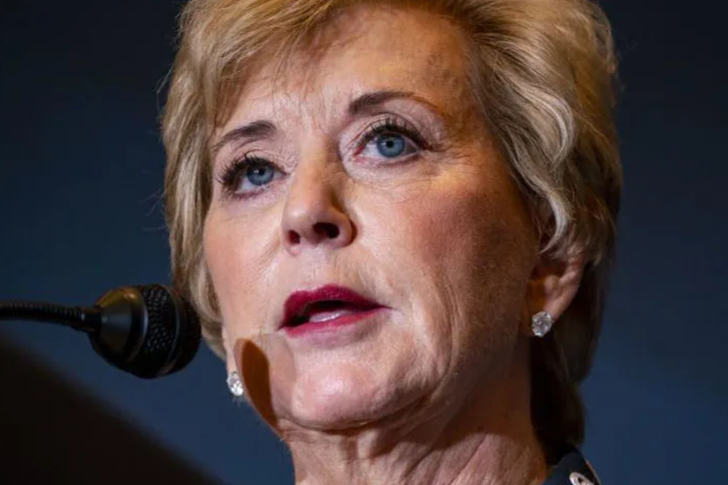
Donald Trump has selected World Wrestling Entertainment (W...

CNA has launched another investigation that could lead to ...

Irfan Hysenbelliu is a businessman that we call "Irfan the...

In March 2026, CNA launched another investigation centered...
The arrested mayor of Tirana, Erion Veliaj, with 13 charge...

The Special Board of Appeal (KPA) decided this Monday ...

The KPA vetting decided this Thursday to dismiss the p...

Suela Salavaçi, a prosecutor in the Prosecutor's Offic...

The Special Board of Appeal reinstated the prosecutor ...

A road accident occurred this evening on Nikolla Zoraqi St...

Three people were shot and wounded in Elbasan last night b...

A serious incident occurred this Tuesday in the Yrshek are...

An accident occurred this Tuesday on "Dituria" street in K...

All of Southern Europe will face changing weather conditio...
Albania was hit by temperatures significantly higher than ...

For the first time, Pogradec welcomed the Inter-Lake Chess...

Albania has achieved a record for the employment of foreig...

US Secretary of State Marco Rubio arrived in Manila on Jul...

In the space of a few days, Ukrainian President Volodymyr ...

The spokesman for the Iranian Foreign Ministry warned Bulg...

Autoritetet italiane sekuestruan pako me afër 800 kilogram...

At a time when industrial products are increasingly taking...

Trust among people is not just a three-syllable word. It c...

Master of humor Todi Llupi has passed away at the age of 7...

The ninth edition of "MIK Festival" kicked off with one of...

Construction company licenses will have a validity period ...
The Centralized Purchasing Operator recently opened a tend...

The new draft law "On the Bank of Albania" provides that t...
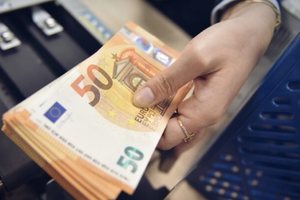
This Tuesday, one US dollar is bought for 81.2 lek and sol...