

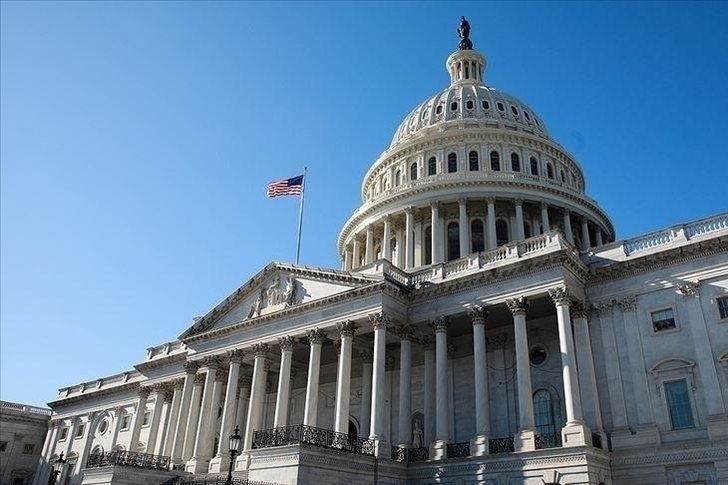
Demographic changes/ Democrats will lose 12 seats in the US Congress
Democratic-dominated states are expected to lose 12 se...


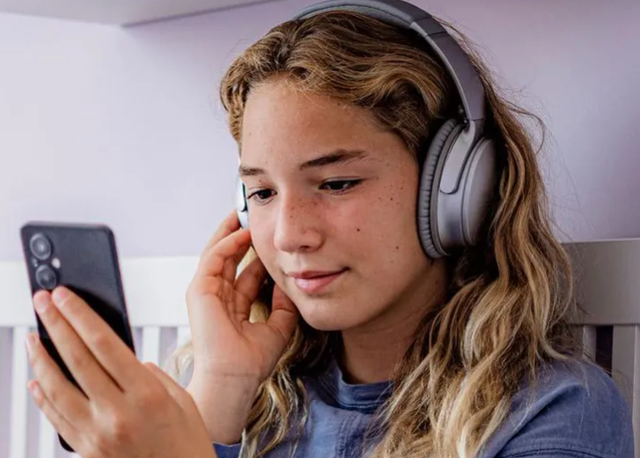
Australia has proposed banning social networks for children under the age of 16.
The laws, which were tabled in the lower house of parliament on Thursday, have been billed by Prime Minister Anthony Albanese as a world leader.
But while many parents have applauded the move, some experts have questioned whether children should or even can be banned from accessing social media and what the negative effects of doing so could be.
What is Australia proposing?
Albanese says the ban - which will cover platforms such as X, TikTok, Facebook and Instagram - is about protecting children from the harms of social media.
"This is a global problem and we want young Australians to have a childhood. We want parents to have peace of mind," he said on Thursday.
The new legislation provides a framework for the ban. But the 17-page document, which is expected to go to the Senate next week, is short on details.
Instead, it will be up to the national internet regulator, the eSafety Commissioner, to determine how to implement and enforce the rules, which will not come into force for at least 12 months after the legislation is passed.
According to the bill, the ban would apply to all children under 16 and that there would be no exceptions for existing users or those with parental consent.
Tech companies will face fines of up to A$50m ($32.5m; £25.7m) if they don't comply, but there will be exemptions for platforms that are able to create "low-risk services" that are considered suitable for children. The criteria for this threshold has not yet been established.
Messaging services and gaming sites, however, will not be restricted, as will some sites that can be accessed without an account like YouTube, which has raised questions about how regulators will determine what is and isn't a social media platform in no time. moving landscape.
A group representing the interests of tech companies such as Meta, Snapchat and X in Australia has dismissed the ban as "a 20th-century response to 21st-century challenges".
Such legislation could push children into "dangerous and unregulated parts of the Internet," says Digital Industry Group Inc. - a fear also expressed by some experts.
eSafety Commissioner Julie Inman Grant has acknowledged the mammoth task her office will face in implementing the ban, noting that "technological change will always outpace politics".
"It's always going to be fluid, and that's why regulators like eSafety have to be nimble," she told BBC Radio 5 Live.
But Ms Inman Grant has also raised concerns about the central idea behind the government's policy, which is that there is a causal link between social media and declining mental health.
“I would say the evidence base is not at all strong,” she said, pointing to research from her office that found some of the most vulnerable groups, such as LGBTQ+ or First Nations teens, “feel more online than they do in the real world."
That's a sentiment echoed by Lucas Lane, 15, who runs an online business selling nail polish to boys. "This [ban] destroys my friendships and my ability to make people feel wanted," the Perth teenager told the BBC.
Ms Inman Grant would prefer to see tech companies clean up their platforms, as well as more investment in education tools to help young people stay safe online. She uses the analogy of teaching children to swim, rather than banning them from the water.
"We don't fence the ocean... but we create protected swimming environments that provide safeguards and teach important lessons from a young age," she told parliament earlier this year./ CNA

Democratic-dominated states are expected to lose 12 se...

In just a few days, the administration of US President Joe...

Former Labor Deputy Prime Minister John Prescott has died ...
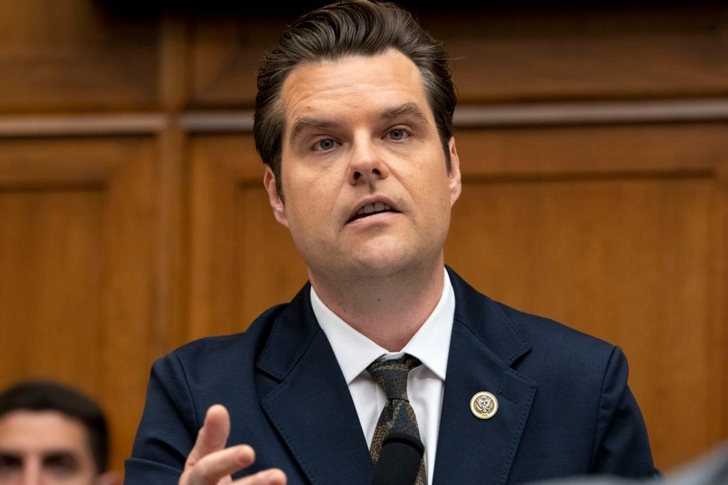
The House Ethics Committee is meeting Wednesday to decide ...
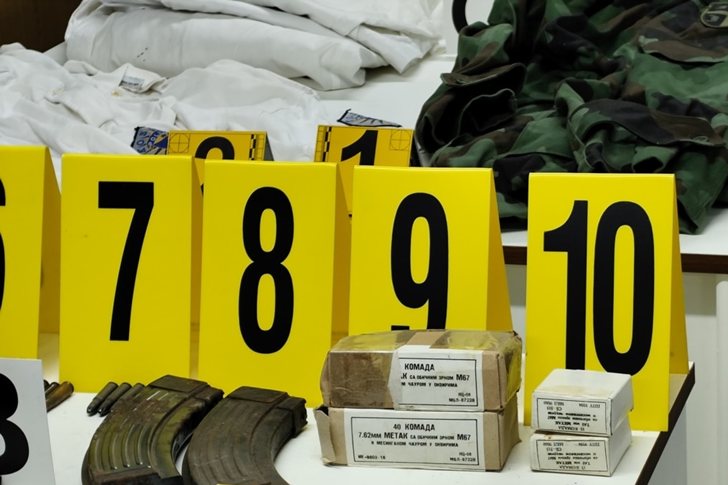
Kosovo police said they found weapons, uniforms and other ...
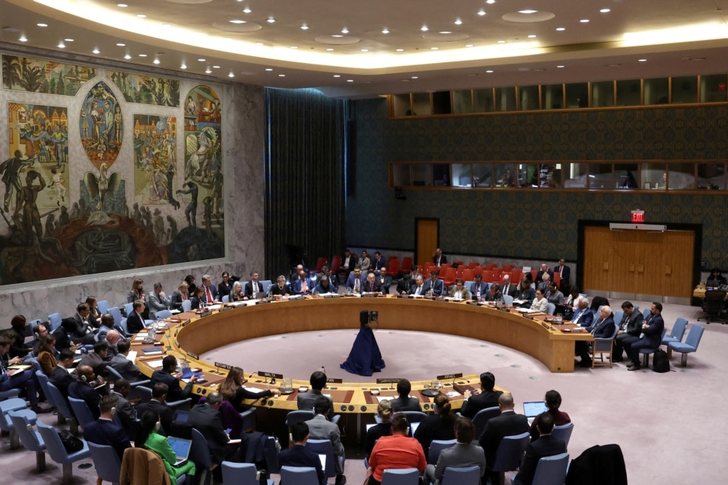
The United States on November 20 vetoed a United Nations r...
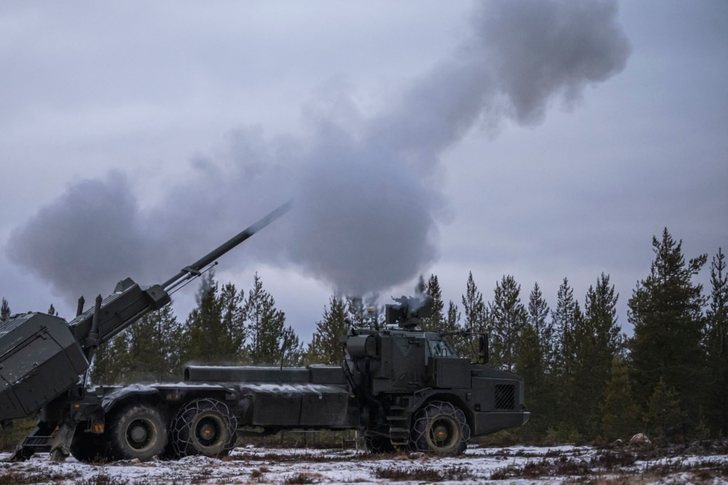
Thousands of NATO soldiers are taking part in artillery ex...
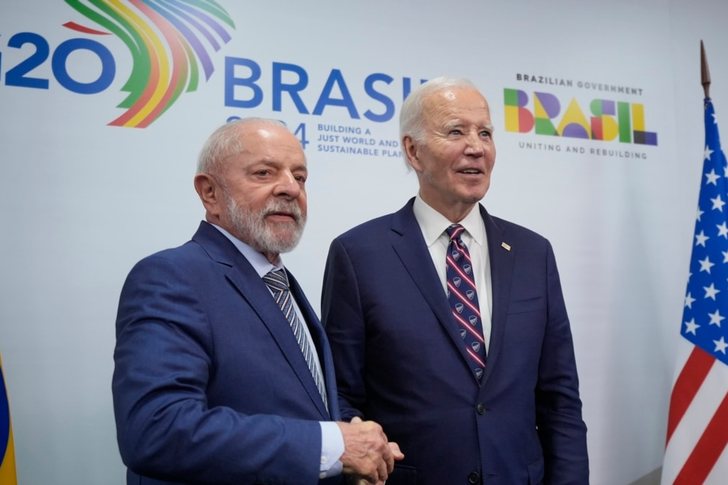
The leaders of the world's 20 largest economies, the G20, ...
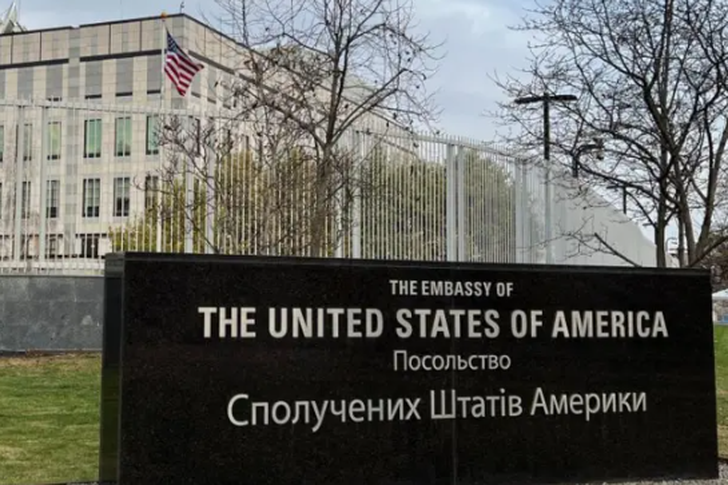
The US Embassy in Kiev has been temporarily closed after r...
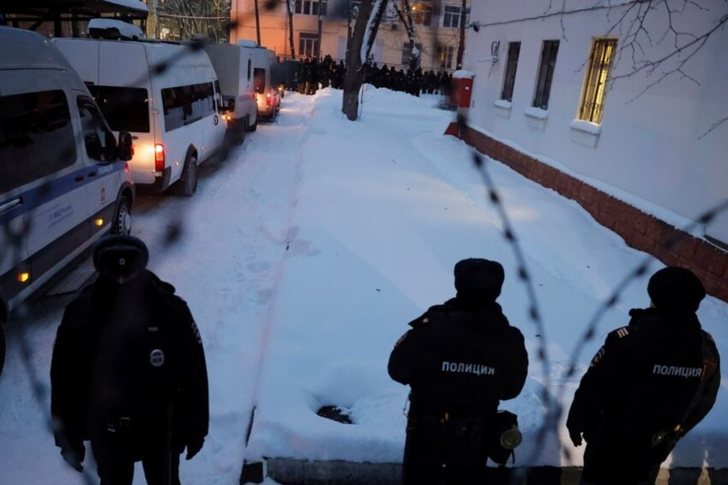
Russia's Federal Security Service (FSB) said on Wednesday ...
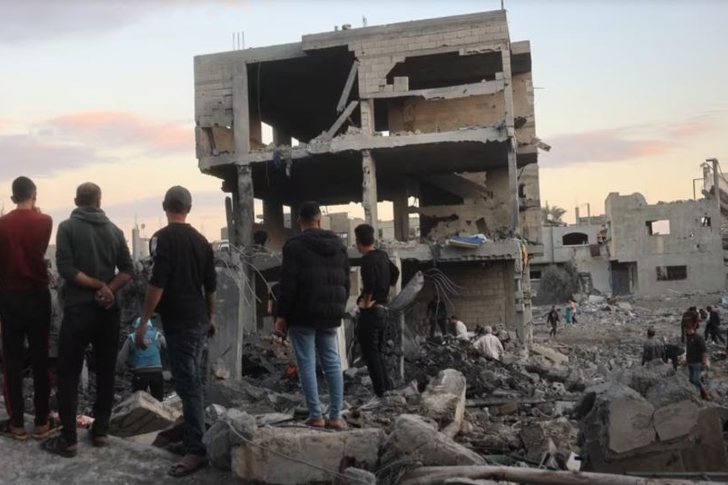
Israeli forces killed at least 15 Palestinians in the Gaza...
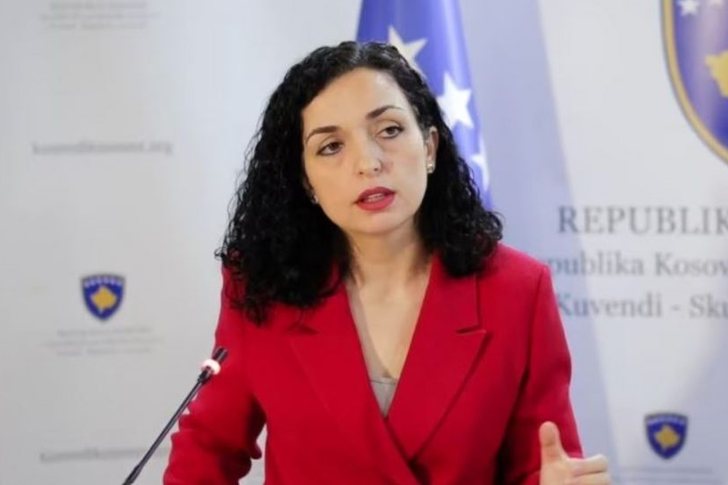
US President Joe Biden has approved the supply of anti...
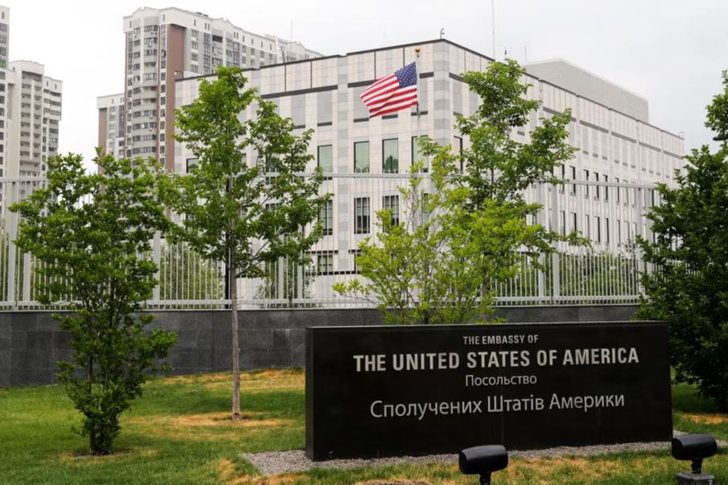
The United States Embassy in Kiev has received informa...
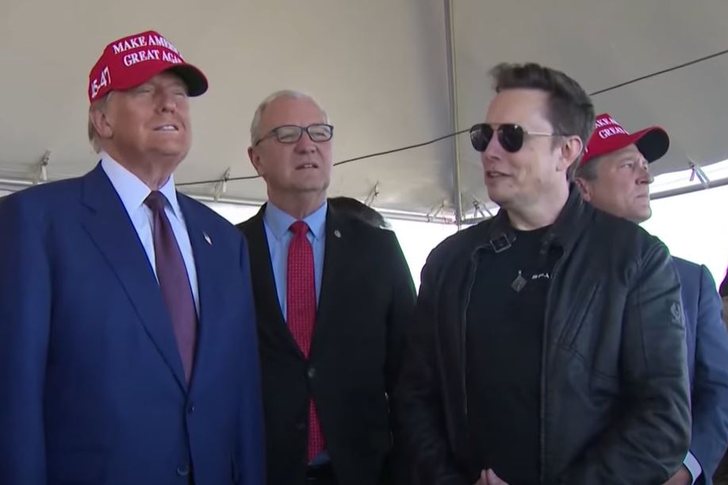
US President-elect Donald Trump joined Elon Musk in Browns...

North Korea has recently supplied Russia with additional a...
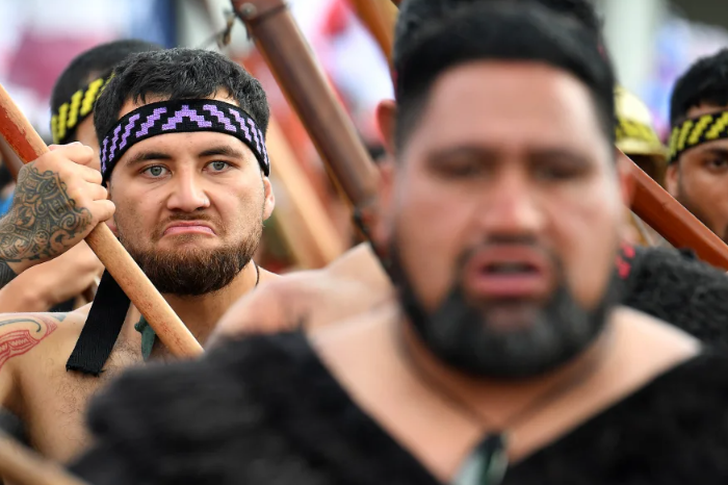
Tens of thousands of people have marched on New Zealand's ...
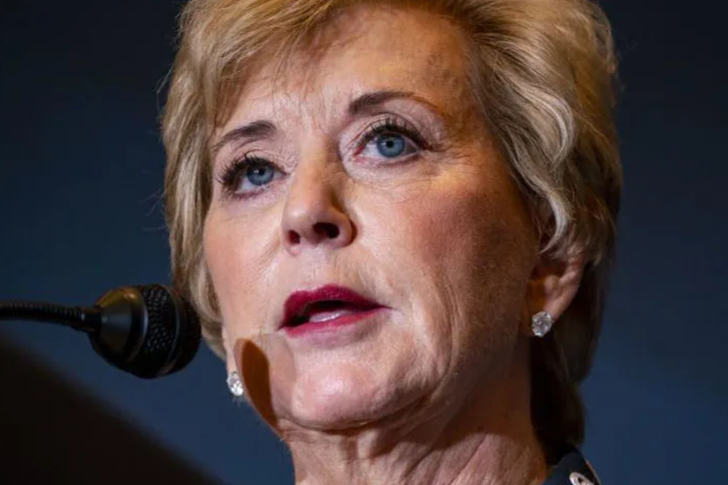
Donald Trump has selected World Wrestling Entertainment (W...
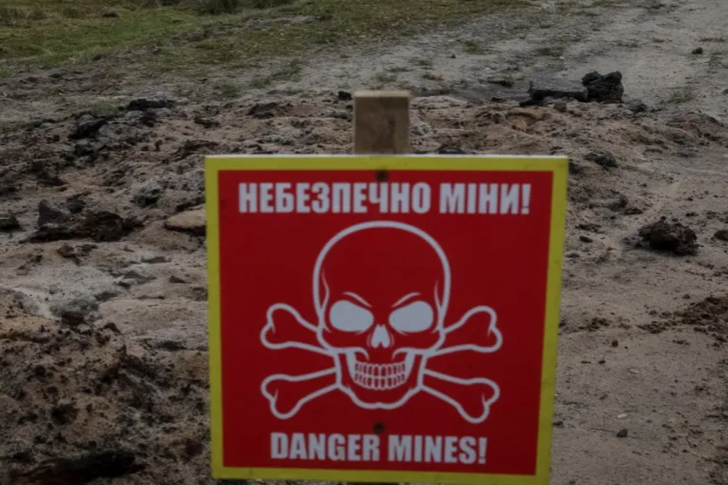
US President Joe Biden has agreed to give Ukraine landmine...
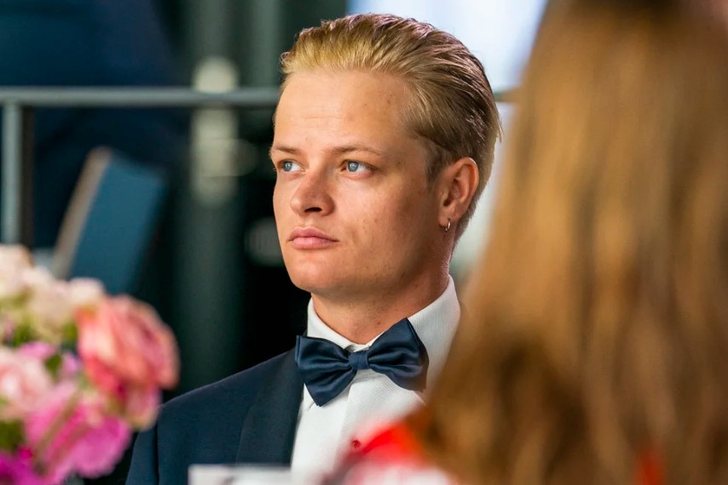
The 27-year-old son of the Crown Princess of Norway wa...
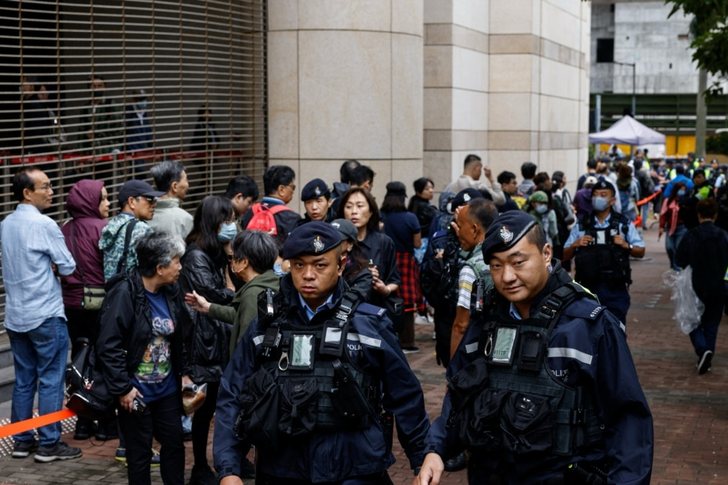
Hong Kong's High Court on Tuesday sentenced 45 activists t...

CNA has launched another investigation that could lead to ...

Irfan Hysenbelliu is a businessman that we call "Irfan the...

In March 2026, CNA launched another investigation centered...
The arrested mayor of Tirana, Erion Veliaj, with 13 charge...

The Special Board of Appeal (KPA) decided this Monday ...

The KPA vetting decided this Thursday to dismiss the p...

Suela Salavaçi, a prosecutor in the Prosecutor's Offic...

The Special Board of Appeal reinstated the prosecutor ...

A road accident occurred this evening on Nikolla Zoraqi St...
Three people were shot and wounded in Elbasan last night b...

A serious incident occurred this Tuesday in the Yrshek are...

An accident occurred this Tuesday on "Dituria" street in K...

All of Southern Europe will face changing weather conditio...

Albania was hit by temperatures significantly higher than ...

For the first time, Pogradec welcomed the Inter-Lake Chess...

Albania has achieved a record for the employment of foreig...

US Secretary of State Marco Rubio arrived in Manila on Jul...
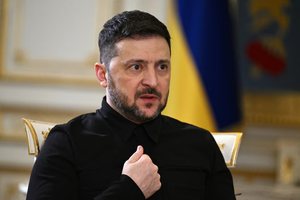
In the space of a few days, Ukrainian President Volodymyr ...

The spokesman for the Iranian Foreign Ministry warned Bulg...

Autoritetet italiane sekuestruan pako me afër 800 kilogram...

At a time when industrial products are increasingly taking...

Trust among people is not just a three-syllable word. It c...

Master of humor Todi Llupi has passed away at the age of 7...

The ninth edition of "MIK Festival" kicked off with one of...

Construction company licenses will have a validity period ...
The Centralized Purchasing Operator recently opened a tend...
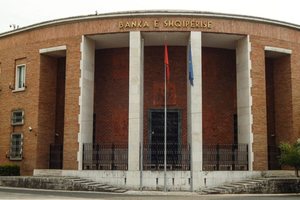
The new draft law "On the Bank of Albania" provides that t...

This Tuesday, one US dollar is bought for 81.2 lek and sol...