


Louisiana requires public schools to display the Bible's 'Ten Commandments' in classrooms
Louisiana has become the first US state to require the...



Kosovo, Albania and North Macedonia have made institutional efforts to fight corruption, but Turkey, Bosnia and Herzegovina, Montenegro and Serbia are showing stagnation or decline in this area, Transparency International said in a new report.
The report, "Between Anti-Corruption Reform and Decline" examines the main actors, strengths and weaknesses in the Western Balkans and Turkey's national integrity systems. The research was conducted between September 2022 and December 2023.
The report points out that despite a series of political and public sector integrity reforms, partly aimed at making progress towards EU integration, people still see corruption as one of the biggest problems in the Western Balkans and Turkey.
"The separation of powers between the executive and the legislature, the justice sector, political integrity, the integrity of the public sector, supervisory institutions and civil society and the media, in their role as anti-corruption watchdogs, have been identified as six critical areas that warrant further efforts against corruption", says the report.
In Turkey, according to Transparency International, anti-corruption efforts have retreated amid the consolidation of the country's autocratic regime. Meanwhile, in Serbia, anti-corruption efforts have been overshadowed by the continued weakening of democratic institutions and the strengthening of the influence of President Aleksandar Vucic.
Both countries have been marked as having problematic electoral processes. "Flawed electoral processes are eroding public confidence in the democratic system, with Serbia and Turkey showing signs of democratic decline and alleged manipulation of the voting process through vote buying and fraud," the report warned.
Bosnia and Herzegovina has shown some progress, but this remains marred by the complexity of its governance system and internal disputes. These "block reforms and lead to misrule between the state and the entity level - the Federation of Bosnia and Herzegovina and the Republika Srpska," the report added.
"Montenegro, IT said, has faced political instability, with three governments in three years, after breaking three decades of rule by the Democratic Party of Socialists in 2020. "While the former ruling party may have lost institutional power, the networks "It still exerts considerable informal influence over much of the public sector. This is instrumental in maintaining the elements of state capture and accompanying impunity that have destabilized subsequent governments," the report said.
Results of the Corruption Perceptions Index in the Western Balkans and Turkey 2016-2023; Source: Transparency International.
Results of the Corruption Perceptions Index in the Western Balkans and Turkey 2016-2023; Source: Transparency International.
Kosovo and North Macedonia, TI noted, emerged as promising examples in the fight against corruption, achieving an upward trajectory in their scores on Transparency International's Corruption Perceptions Index, CPI, since 2016.
But Albania's CPI results show stagnation, despite significant reforms. The rigorous vetting process within the judiciary and prosecution shows that the reforms still need time to show impact and additional efforts are needed.
"The integrity vetting of judges and prosecutors in Albania resulted in a high number of dismissals - some arbitrary - and created a shortage of human resources, contributing significantly to a large backlog of cases. This shows that solutions to these prevailing problems must be carefully balanced and lessons must be learned from vetting and other mechanisms aimed at making the justice sector more independent and accountable," the IT report said.
In all seven countries, he added, the efforts made to fight corruption and the resulting results range from the initiation of significant reforms, to the active erosion of anti-corruption frameworks as a means of strengthening the power of ruling elites and as an aspect of democratic decline.
Montenegro also finds itself at risk of stagnation, due to the lack of substantive reforms.
"The failure of some government coalitions since 2020 has contributed to this, but overall, these governments have shown little political will to implement key reforms that would increase the country's ability to tackle corruption," the report added.
However, Montenegro's CPI score remains the highest in the region and is significantly higher than Serbia, Bosnia and Herzegovina and Turkey. According to TI, they face specific governmental challenges that block and divert attention from addressing corruption issues.
Executive interference in the judiciary and public appointments, and networks of executive clientelism that thrive amid domestic democracy, are among the key weaknesses the IT report found across the Western Balkans and Turkey. For a decade or more, many of these countries have had "strong" power.
The report stated that in Serbia, Aleksandar Vucic was prime minister from 2014 to 2017 and has been president since 2017, while in Albania, Edi Rama has been prime minister since 2013. In Turkey, Recep Tayyip Erdogan has been president. since 2014, after being prime minister from 2003 to 2014.
"Bosnia and Herzegovina is characterized by influential figures such as the leader of the Croatian Democratic Union, Dragan Covic, who has positioned himself as the leader of the country's Croats for more than 20 years. At the state and entity level, Milorad Dodik is the current president of Republika Srpska and has held state presidential and prime ministerial posts since 2006, despite serious corruption allegations against him and sanctions imposed against him by the United States," the report states.
Unlike Bosnia, Montenegro has undergone political transformation since the prolonged rule of Milo Djukanovic, who held the post of president and prime minister for more than three decades.
However, the report notes that the change was followed by a period of political turbulence, characterized by the emergence of three different governments in as many years, culminating in the last election showdown in October 2023.
"In North Macedonia, there has not been a strong leader in the last eight years, along with the lack of substantial reforms. Kosovo has experienced frequent changes in its executive leadership, characterized by governments led by different parties, contributing to a healthier democracy. "Although the frequent changes meant that governments often did not fulfill their full mandates, those changes were necessary to resolve the political crises of the period," the report added.
The IT assessment shows that the main point of strength and weakness in these national integrity systems lies with the executive.
On the one hand, the IT report said, the executive has significant power, making it a key actor capable of directing and implementing crucial national reforms.
"This is the case, for example, in Kosovo and North Macedonia, where a greater separation of powers has enabled the greatest progress in anti-corruption reforms in the region," the report states.
"However, this position becomes a vulnerability when the executive is compromised by the interests of powerful political party leaders and their friends, in their quest for illegal profits and the preservation of political power. This is especially true for countries with weaker separation of powers, such as Turkey and Serbia," he warned.
As an urgent measure, IT recommended that national governments and legislatures provide more financial and human resources to anti-corruption agencies in Albania, Bosnia and Herzegovina, Kosovo, North Macedonia, Serbia and Turkey, as well as to the Supreme Audit Institutions in Albania. Bosnia and Herzegovina, Kosovo, North Macedonia and Serbia and for the election management bodies in Albania, Bosnia and Herzegovina, Montenegro, North Macedonia and Turkey./CNA

Louisiana has become the first US state to require the...

European Union (EU) officials believe politicians shou...

The Supreme Court last week overturned a ban on the us...
Special envoy and coordinator of the State Department'...
Germany's efforts to assess whether it is possible to ...
Russian President Vladimir Putin signed at least a dozen d...

Tregu bullgar i punës po përballet me një mungesë punë...
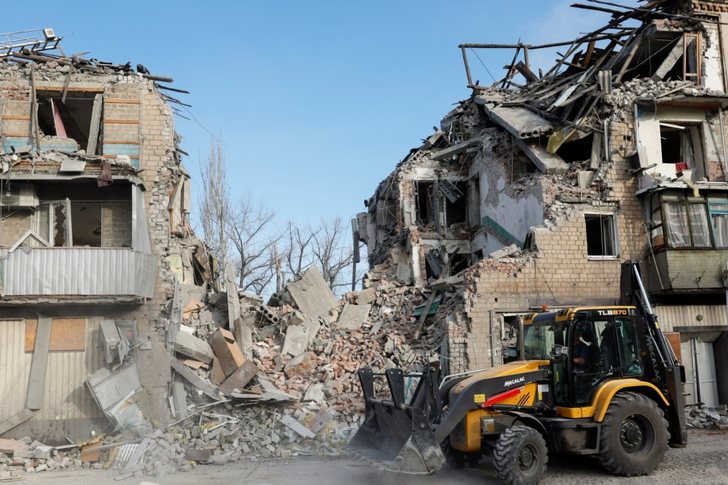
Russia attacked a village in Ukraine's eastern Donetsk reg...

Ndryshimet klimatike të shkaktuara nga njeriu tashmë i...
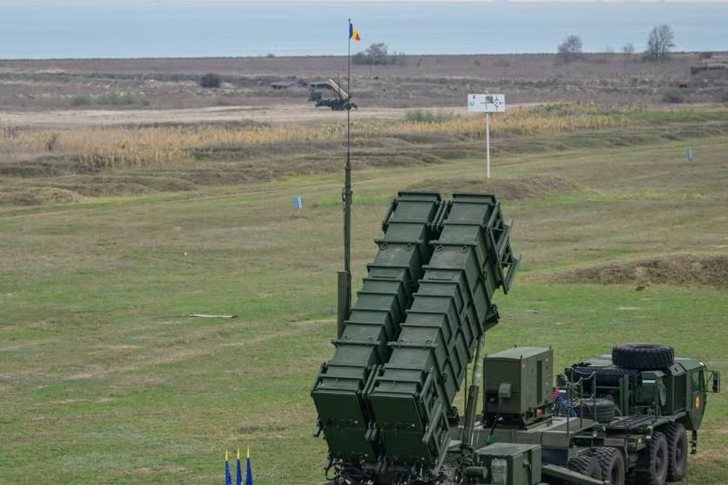
NATO member Romania announced Thursday that it will se...
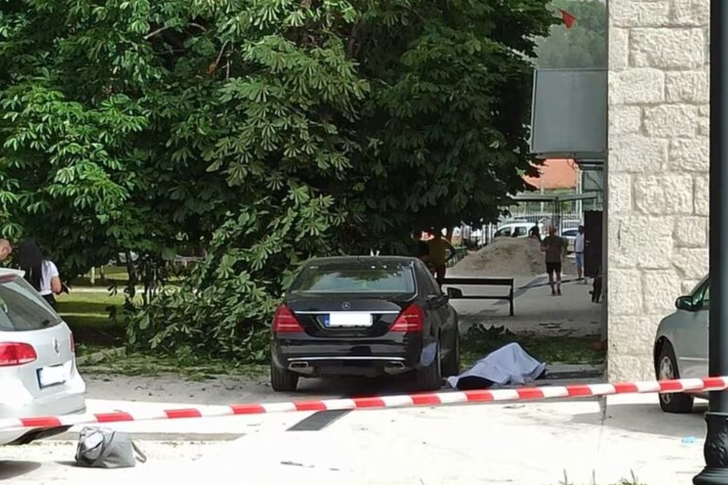
Two people lost their lives and three others were inju...
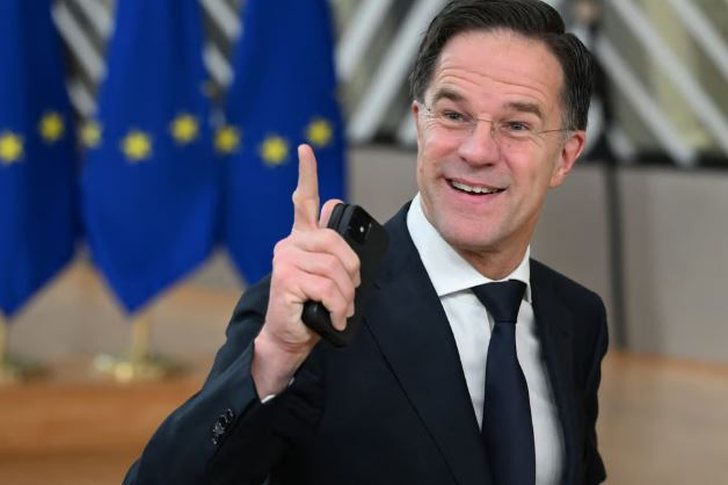
Mark Rutte will be the next Secretary General of NATO ...
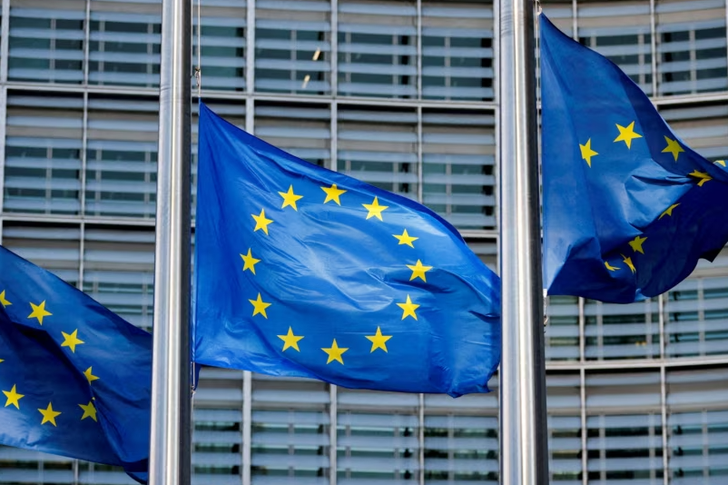
The European Union has not agreed on the complete removal ...
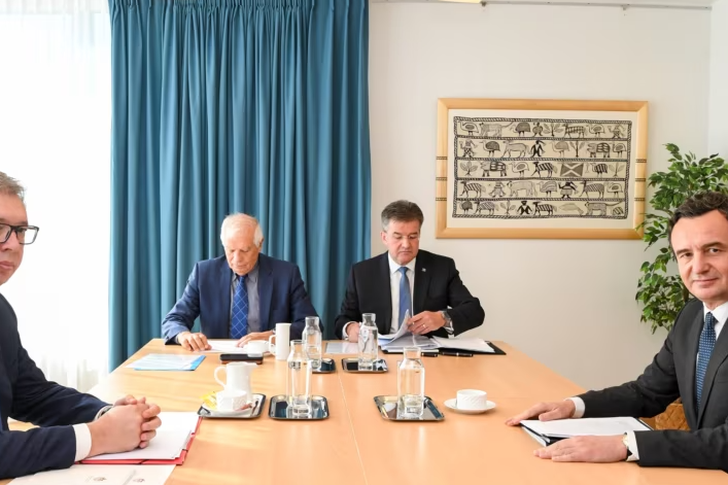
Kryeministri i Kosovës, Albin Kurti, dhe presidenti i ...

Human-caused climate change has fueled extreme heat wa...
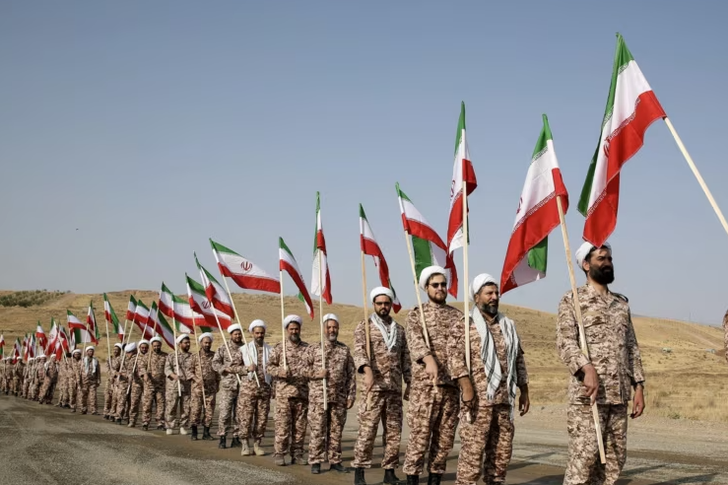
Iran has condemned Canada's decision to list the Revol...
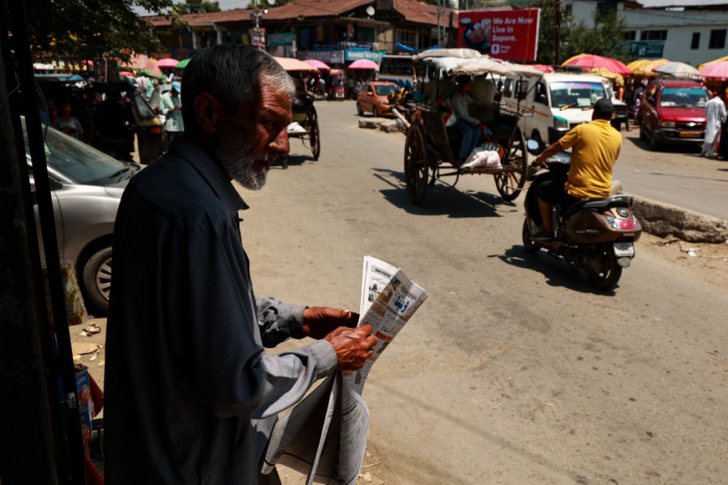
At least 52 people have died in New Delhi, India, due ...
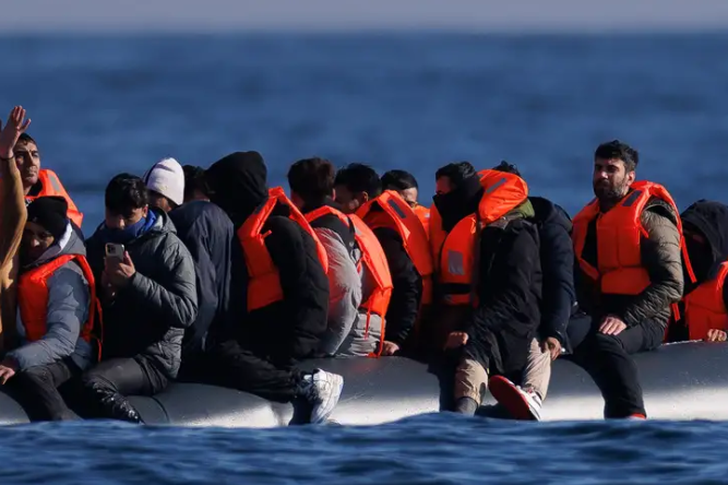
More than 880 people have crossed the English Channel ...
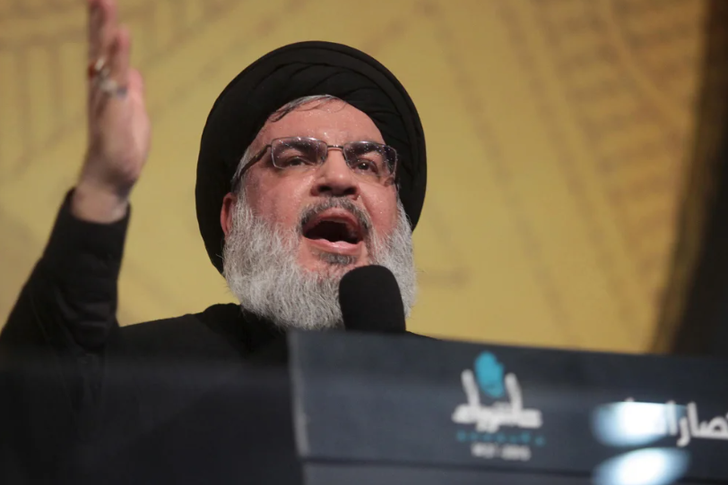
The leader of the Lebanese militant group Hezbollah, H...
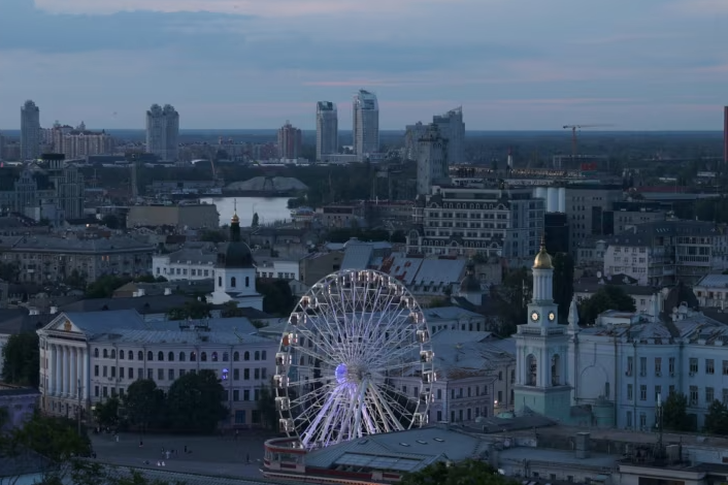
Russia has attacked Ukraine with missiles and drones o...

CNA has launched another investigation that could lead to ...

Irfan Hysenbelliu is a businessman that we call "Irfan the...

In March 2026, CNA launched another investigation centered...
The arrested mayor of Tirana, Erion Veliaj, with 13 charge...

The Special Board of Appeal (KPA) decided this Monday ...

The KPA vetting decided this Thursday to dismiss the p...

Suela Salavaçi, a prosecutor in the Prosecutor's Offic...

The Special Board of Appeal reinstated the prosecutor ...

A road accident occurred this evening on Nikolla Zoraqi St...

Three people were shot and wounded in Elbasan last night b...
A serious incident occurred this Tuesday in the Yrshek are...

An accident occurred this Tuesday on "Dituria" street in K...
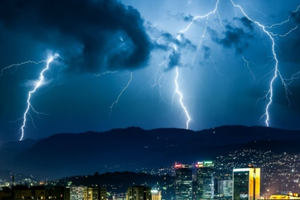
All of Southern Europe will face changing weather conditio...

Albania was hit by temperatures significantly higher than ...

For the first time, Pogradec welcomed the Inter-Lake Chess...

Albania has achieved a record for the employment of foreig...

US Secretary of State Marco Rubio arrived in Manila on Jul...
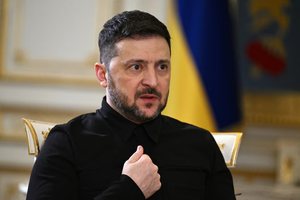
In the space of a few days, Ukrainian President Volodymyr ...

The spokesman for the Iranian Foreign Ministry warned Bulg...

Autoritetet italiane sekuestruan pako me afër 800 kilogram...

At a time when industrial products are increasingly taking...

Trust among people is not just a three-syllable word. It c...

Master of humor Todi Llupi has passed away at the age of 7...

The ninth edition of "MIK Festival" kicked off with one of...

Construction company licenses will have a validity period ...
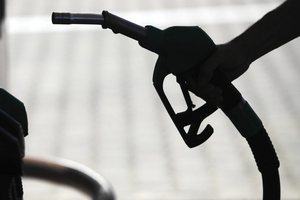
The Centralized Purchasing Operator recently opened a tend...
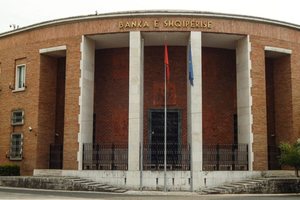
The new draft law "On the Bank of Albania" provides that t...
This Tuesday, one US dollar is bought for 81.2 lek and sol...