


Accusations about the "Milot-Balldren" road/ Karakaçi refutes the opposition: The contract does not only include the construction cost
The Minister of Infrastructure and Energy, Enea Karakaçi, ...

The Minister of Infrastructure and Energy, Enea Karakaçi, ...

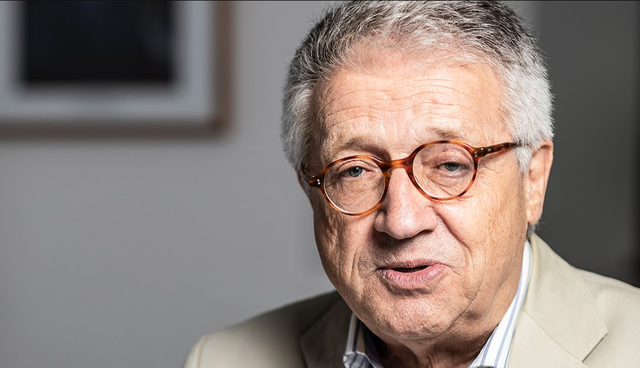
Former European Union envoy for Kosovo and Austrian diplomat Wolfgang Petritsch says that in a geopolitical situation changed by the war in Ukraine and the Middle East, Kosovo and Serbia and the international community that has been engaged in the Western Balkans for more than two decades, must reassess reality to move forward. In an interview with Voice of America, Mr. Petritsch says he does not expect rapid progress in the near future in the negotiation process, but says the association of Serbian municipalities in Kosovo would give Pristina more control over its entire territory. and expects that after the elections in Serbia, Mr. Vucic will have to clarify the orientation of his country.
Voice of America: Mr. Petritsch, for many years and in various roles, you have mediated efforts to end the conflict between Kosovo and Serbia. What is your assessment of the situation today?
Wolfgang Petritsch: I have to say that after so many years, it is a moment when we have to reflect. At this point where we find ourselves, at the end of 2023, after many years of negotiations with the active engagement of the international community, we still cannot see what will be the real end of this international engagement. And this, I think, is the most important issue. We need now to finally find a successful way to finalize and resolve the last important issues that remain open in the Balkans – the issue of Serbia and Kosovo and the issue of Bosnia and Herzegovina, which in various aspects continues to be a very dysfunctional state.
We must understand that all these developments are taking place in a drastically changed environment for Europe in terms of geopolitics. In Europe's neighbors, in Ukraine and in the Middle East, two wars are now taking place while we have not yet successfully resolved the issues in the region near us, in the states that should already have been part of the European Union but are still quite far away. And so we need to reflect and come up with a new and revitalized strategy to solve those issues that are much easier to solve than the big issues of Russia and Ukraine, or the Middle East.
Voice of America: During this year there has been an increase in tensions, including an attack by a Serbian armed group in the northern part of Kosovo and the gathering of the Serbian army along the border with Kosovo, which has prompted NATO to increase the number of peacekeeping forces. What do you think about these developments?
Wolfgang Petritsch: These two examples you gave are very important and should concern us a lot. As for the security side, in the case of NATO with KFOR (in Kosovo), also in Bosnia in the case of EURFOR, which has also been reinforced, we are reacting much faster and we are not waiting too long (for reacted) like 20-25 years ago. On the security side, we really have a quick response. However, politically, as far as the negotiations are concerned, I am afraid that we will not see any progress during the next year, because we have elections in Serbia on December 17, then next year the elections of the European Union and the European Parliament, and in November the presidential elections in USA. And it is clear that the two major wars now have the full attention of policymakers in Brussels and Washington. I say with concern that we will not see any progress in terms of the diplomatic solution for the normalization of relations between Belgrade and Pristina. That's why I think it was well thought out that NATO, KFOR, should be strengthened since events like those of a few weeks ago should not be allowed to repeat.
Recently, I met with Prime Minister Kurti in Vienna, we also talked with (American envoy for the Balkans, Gabriel) Escobar for an hour, and soon I will meet with (American Ambassador in Belgrade, Chris) Hill. We are talking about this situation and my impression is that both sides, in Belgrade as well as in Pristina, feel that maybe this escalation was excessive and we need to reduce tensions, which is necessary. The international community alone cannot take care of security in the region. Partners must be found for responsible cooperation in the security plan between Belgrade and Pristina, in particular. We must make it clear to the main actors – President Vu?i? and Prime Minister Kurti – that they must contribute to the overall security of Europe and the European Union, which is now greatly endangered by the two wars.
Voice of America: What is your impression of the attack that took place on September 24 in the northern part of Kosovo?
Wolfgang Petritsch: Përshtypja ime është se doli nga kontrolli. Më lejoni ta sqaroj. Mendoj se nuk ishte planifikuar domosdoshmërish dhe me vetëdije në Beograd. Megjithatë, njerëzit e përfshirë në këtë grup mercenarësh, po shfrytëzonin një situatë të pazgjidhur dhe po vepronin mbi idetë e tyre për kaos dhe ndërprerje të procesit negociator të ndërmjetësuar nga BE-ja. Ka njerëz nga dyja anët që nuk janë të interesuar në një zgjidhje. Qartazi, është më e vështirë për palën serbe t’i afrohet një zgjidhjeje sepse atyre u duhet të heqin dorë nga ajo që tashmë e kanë humbur, nga Kosova. Por në të njëjtën kohë, po qëndrojnë prapa idesë fiktive se Kosova është Serbi. E kanë Rezolutën e OKB-së dhe gjithë këto formalitete, por është edhe deklarata e pavarësisë së Kosovës. Prandaj mendoj se dy palët duhet ta shohin të vërtetën në sy dhe mendoj se incidentet e shtatorit ishin një rivlerësim negativ i situatës. Kjo nuk është absolutisht rruga përpara. Nuk është në të mirë të Serbisë, nuk është në të mirë të Kosovës, e në veçanti për qytetarët e Kosovës, për pakicën serbe. Një çështje së cilës shpesh nuk i kushtohet vëmendje është fakti që të rinjtë po ikin nga Kosova, në veçanti nga pjesa me shumicë serbe, sepse nuk po shohin të ardhme aty. Faktori demografik është ndoshta më i dëmshmi për një të ardhme më të mirë të Kosovës dhe tërë rajonit.
Zëri i Amerikës: E përmendet çështjen e mosbesimit. Ekziston shqetësim në Kosovë se asociacioni mund të jetë autonomi territoriale për serbët në Kosovë dhe se duke marrë parasysh qëndrimin e Serbisë që mohon pavarësinë e Kosovës, asociacioni do të minojë integritetin territorial të Kosovës. A janë, sipas jush, të bazuara këto shqetësime?
Wolfgang Petritsch: Shqetësimet gjithmonë, në një formë, janë të bazuara, por në të njëjtën kohë, si duhet të tejkalohen ato shqetësime? Kjo është çështja kryesore dhe mendoj se shqetësimet tejkalohen në formën ligjore dhe në aspektin praktik, duke u siguruar njëzëri me bashkësinë ndërkombëtare se asociacioni nuk do të jetë një Republikë Serbe. Bashkësia ndërkombëtare ka mësuar se një zgjidhje e tillë nuk i shkon për shtat një shteti, sikur në rastin e Bosnjës. Prandaj, të jeni të sigurtë se nuk do të ketë një Republikë Serbe në Kosovë. Por besoj se pakicat serbe në Kosovë duhet dhënë të drejta kulturore, disa aspekte ekonomike dhe të drejta të tjera në arsimim, shëndetësi. Duhet ta keni parasysh që aktualisht në Kosovë hynë shumë para, pa transparencë, nga Beogradi. Përmes një asociacioni të këtillë, këto para duhet të regjistrohen dhe të kalojnë nëpër (institucionet) e Prishtinës. Me krijimin e asociacionit, Prishtina do të fitojë më shumë të drejta të kontrollojë këtë pjesë të Kosovës, që natyrisht i takon shtetit. Por ekziston një pakicë dhe kjo pakicë duhet të ketë të drejta të caktuara.
VOA: How to respond in the region to leaders like Mr. Dodik in Bosnia and other Serbian leaders who feel empowered, under these circumstances? How can peace and stability be ensured in the Balkans?
Wolfgang Petritsch: It will not be easy at present. As I said, this period is currently more complex and not very favorable for a real solution. But I believe that in the end, and this is a fact, that if Serbia, which continues to be the largest country in the region and the most powerful economy, does not fully orient itself towards the European Union and become a European country, it will not be able to joins the EU. It is in the great interest of Mr. Vu?i? that Bosnia is not disintegrated because Mr. Dodik wants such a thing. If you consider the whole region and you see the dynamics between Bosnia and Serbia and you see the dynamics between Serbia and Kosovo - the way the whole region looks should be taken into account. You cannot judge the situation in Bosnia in particular without taking into account the political intentions in Belgrade and the political intentions in Belgrade are such that they want to sit on two or three chairs and eventually this situation will not end well.
I believe that after these elections, Mr. Vucic will have to make a difficult decision for himself, for the Republic of Serbia and for the case of Kosovo. I hope that the end of 2024 and the beginning of 2025 we will see a new phase in relations and a movement leading to a normalization in the Western Balkans./ VOA

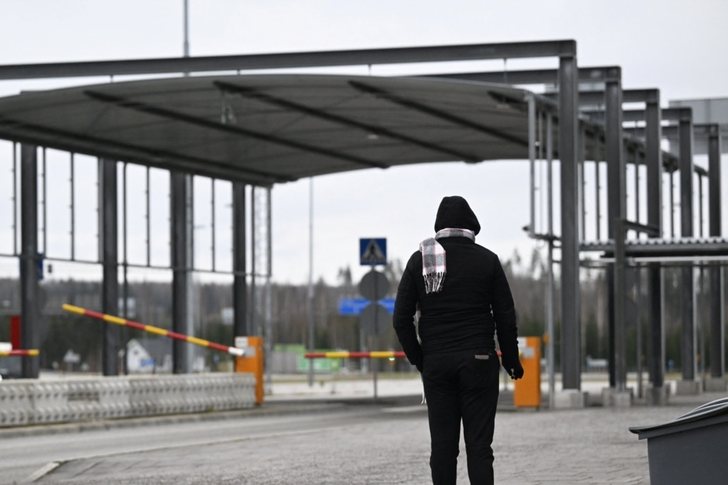
The European Union's border protection agency, Frontex...
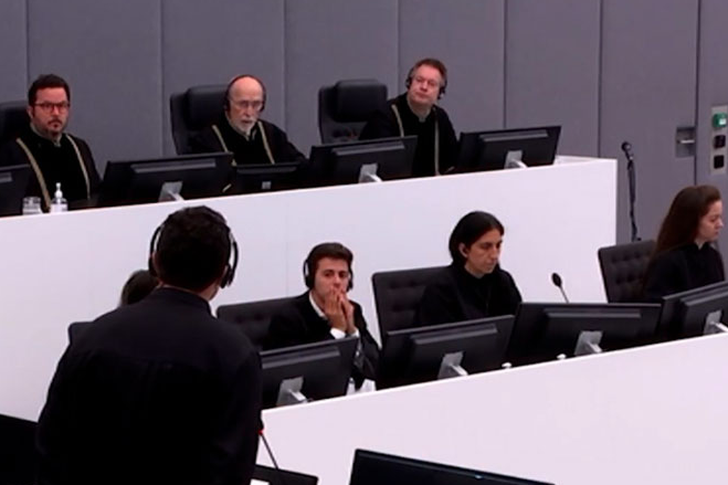
The Special Court of Kosovo has published the request ...
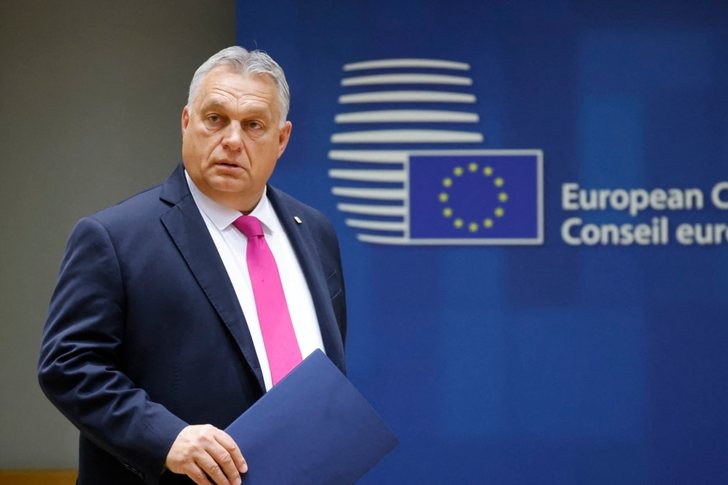
The European Commission has approved funds for Hungary...
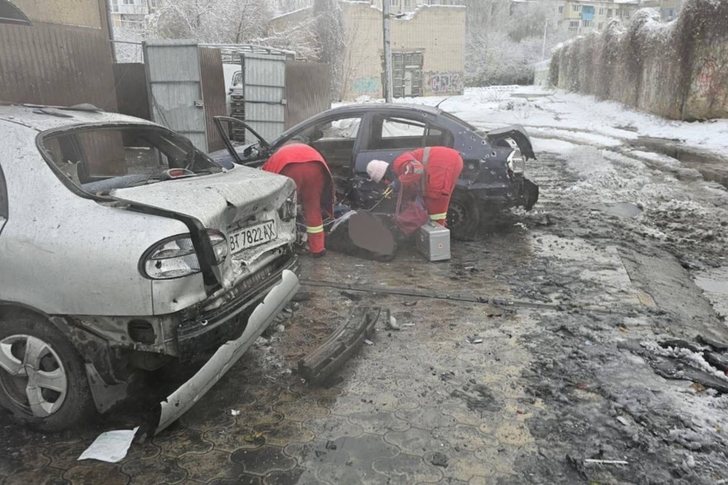
Russian troops have targeted infrastructure facilities in ...
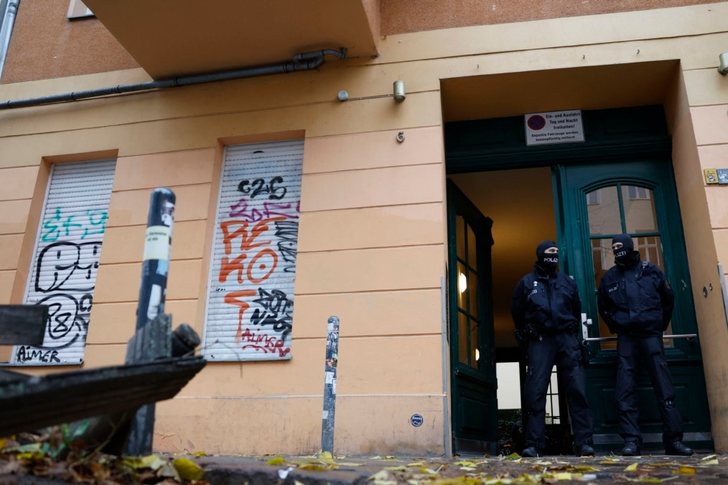
Hundreds of police officers searched the properties of Ham...

Të enjten u zhvillua në Tiranë, dita e dytë e "Samitit...
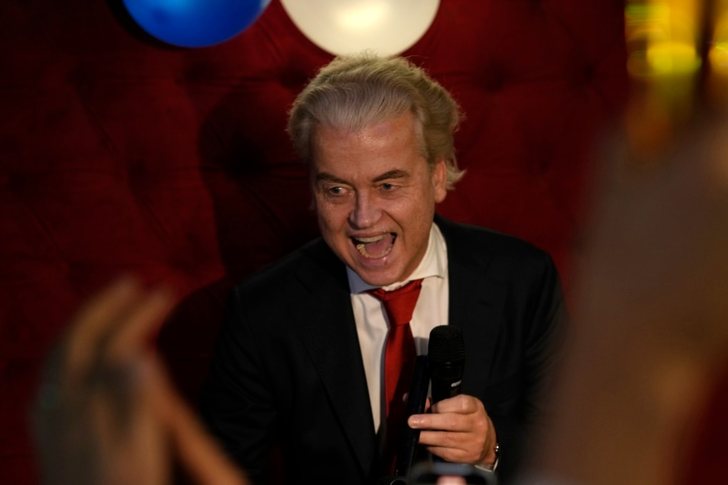
Far-right, anti-Islamic populist Geert Wilders is heading ...
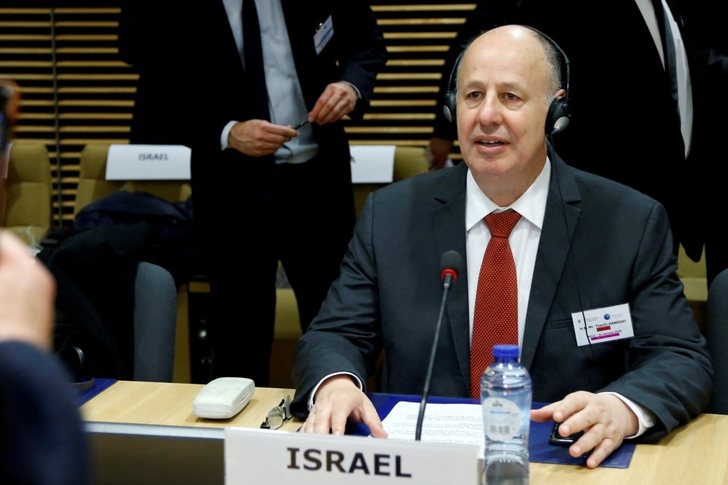
The release of hostages under a temporary ceasefire be...

International relations professor and Middle East expe...
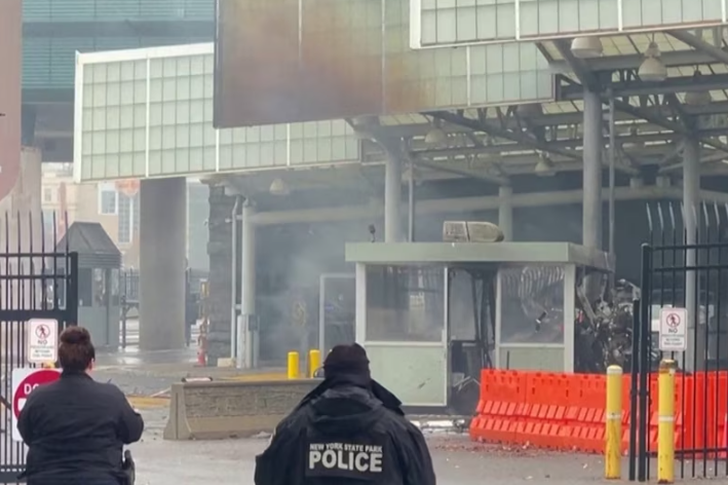
A car has exploded at a border crossing on the America...
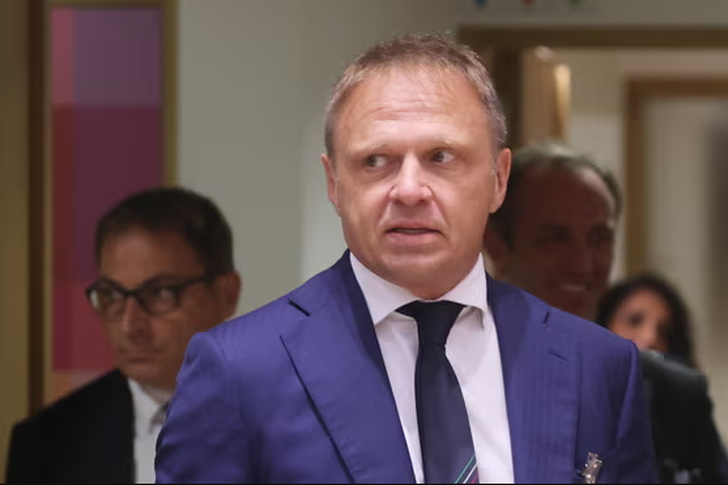
Italy's agriculture minister has been accused of treat...
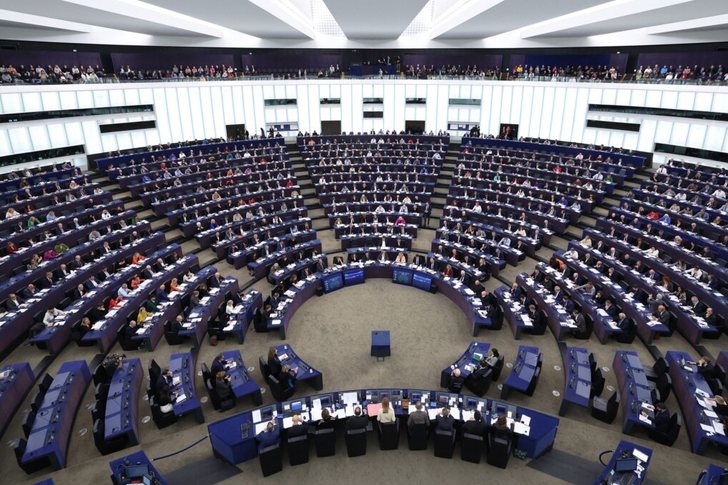
The European Parliament has approved on Wednesday a re...
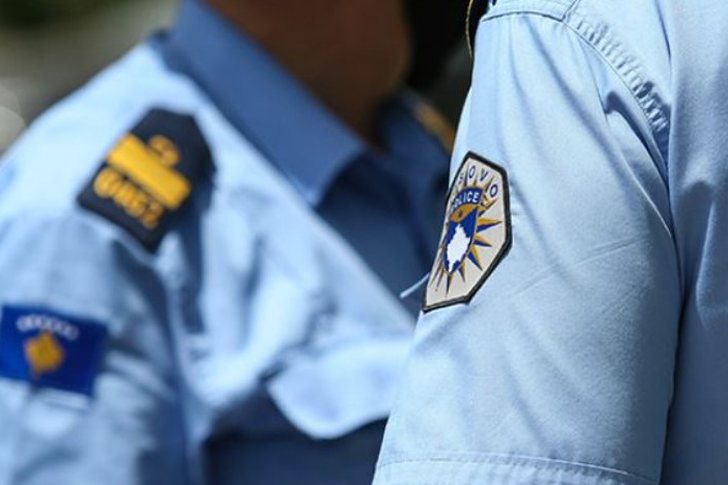
Pasditen e sotme rreth orës 15:45, në Suharekë ka ndod...
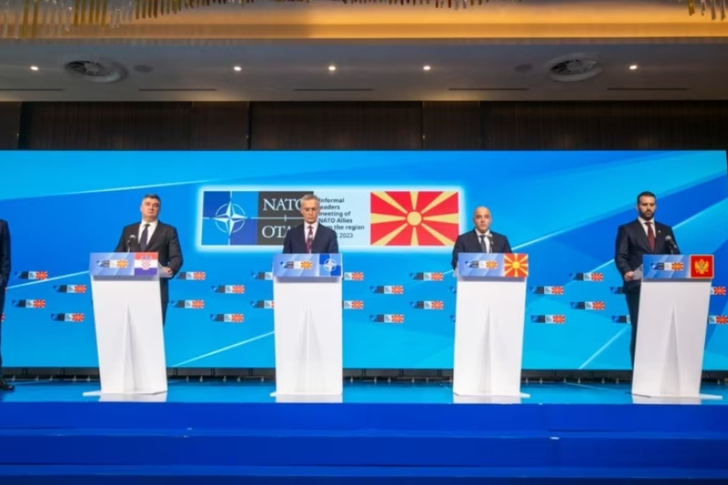
Sekretari i Përgjithshëm i NATO-s, Jens Stoltenberg u ...
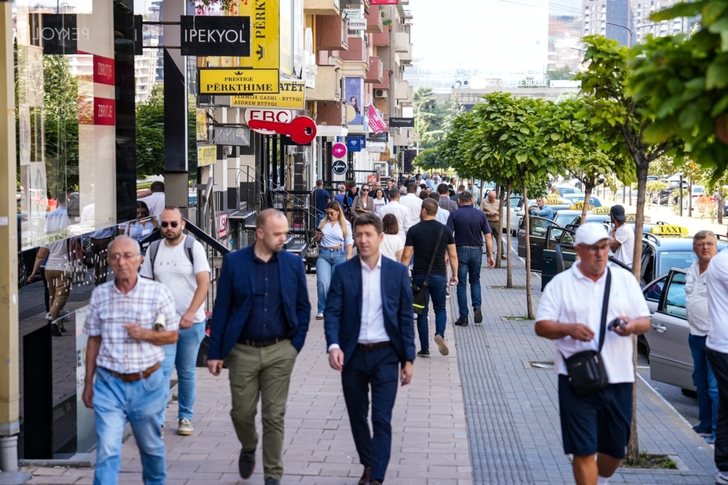
The Government of Kosovo has again postponed for several m...
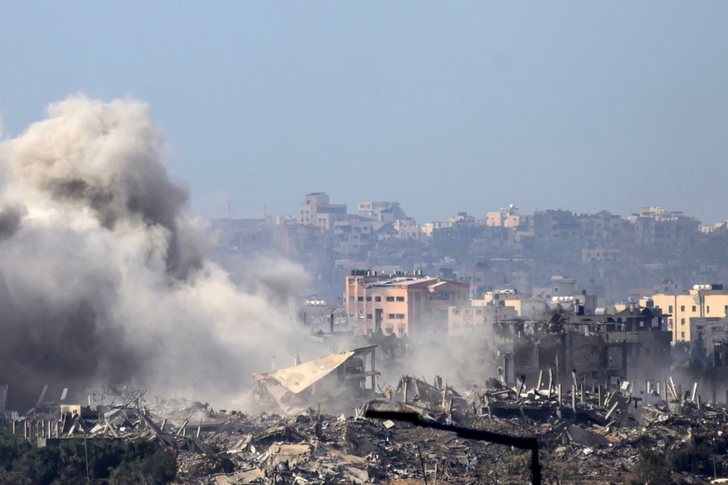
Pope Francis said on Wednesday that the conflict between I...
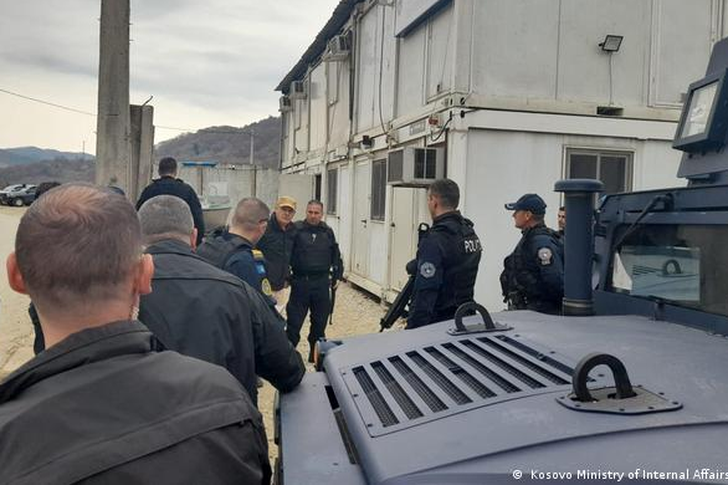
On Wednesday morning, an explosion occurred in the ani...
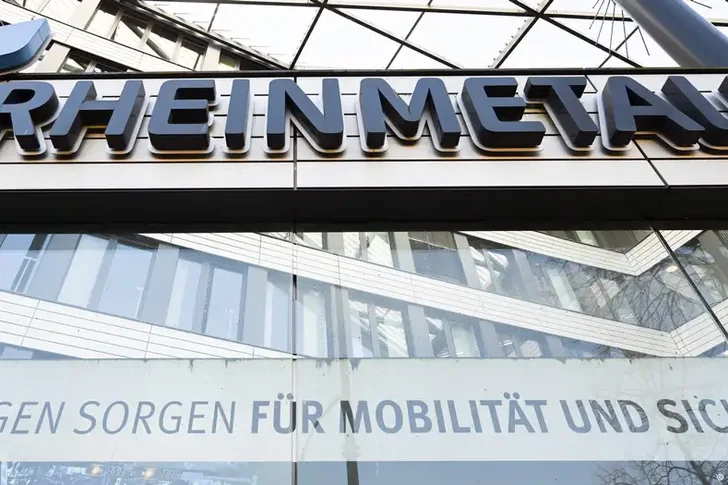
Arms concern Rheinmetall expects sales and profits to rise...
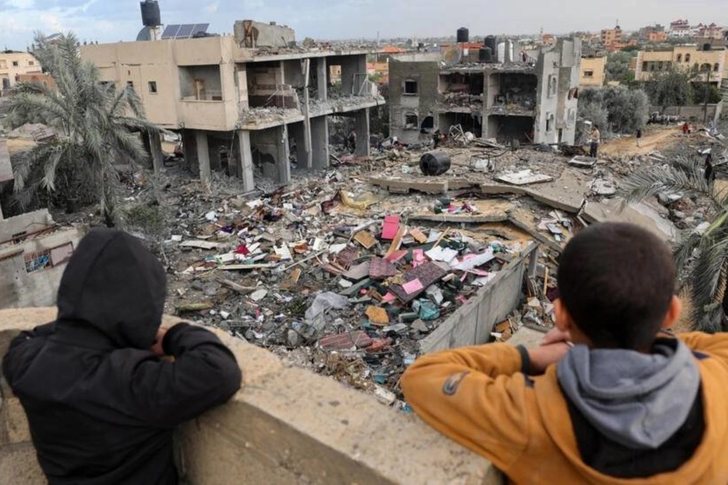
After several hours of closed-door discussions, the Govern...
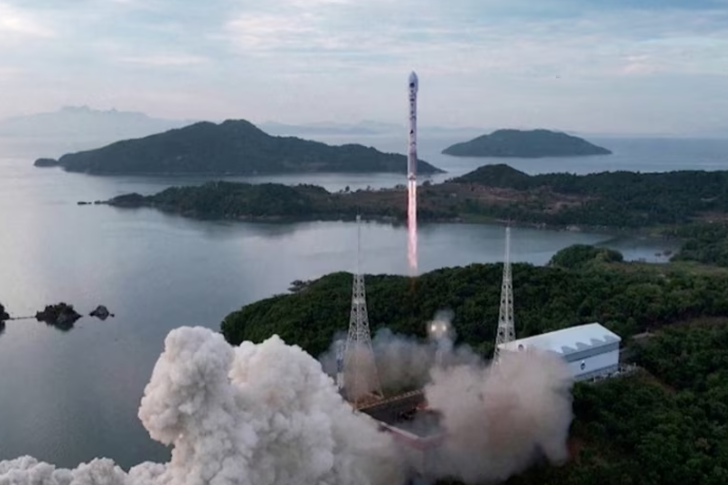
The White House strongly condemned North Korea for lau...
A 39-year-old citizen has been arrested in Lezha, after se...

CNA has launched another investigation that could lead to ...

Irfan Hysenbelliu is a businessman that we call "Irfan the...

In March 2026, CNA launched another investigation centered...

The Special Board of Appeal (KPA) decided this Monday ...

The KPA vetting decided this Thursday to dismiss the p...

Suela Salavaçi, a prosecutor in the Prosecutor's Offic...

The Special Board of Appeal reinstated the prosecutor ...

Following the successive operations carried out by the ope...
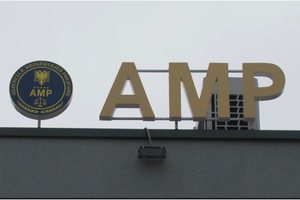
The Police Supervision Agency has seized the service weapo...
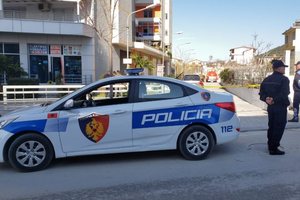
A serious incident occurred in Lushnje, where citizen IY, ...
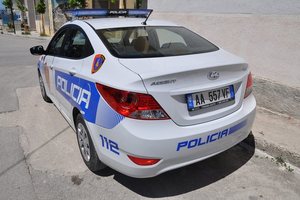
As a result of the investigative and procedural actions ca...

Today, our country will be under the influence of stable a...

By noon, cloudiness is expected to prevail in almost all o...

Children without parental care, for whom alternative famil...
On Thursday, our country will be under the influence of st...
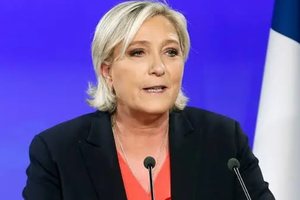
Marine Le Pen is entering the decisive phase of the presid...
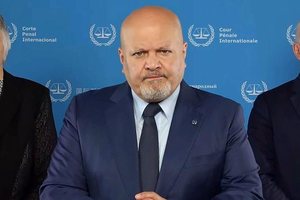
Member states of the International Criminal Court voted to...

From the declining role of exports to new public investmen...

South Korea is becoming one of the most sought-after desti...
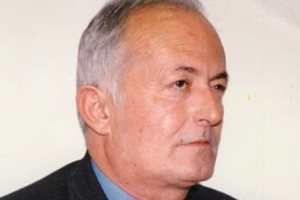
Two windows, a century of history and the metaphysics of p...
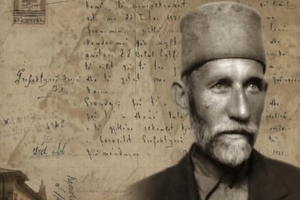
In my research at the Central State Archives, specifically...

At a time when industrial products are increasingly taking...

Trust among people is not just a three-syllable word. It c...

This Saturday, one US dollar is bought for 81.7 lek and so...

War, weather and supply disruptions could send gas prices ...
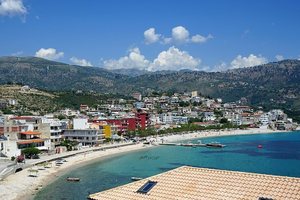
The number of active enterprises in Albania continued to g...
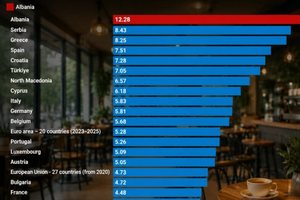
In Albania, the bar-cafe has long become an almost unique ...