

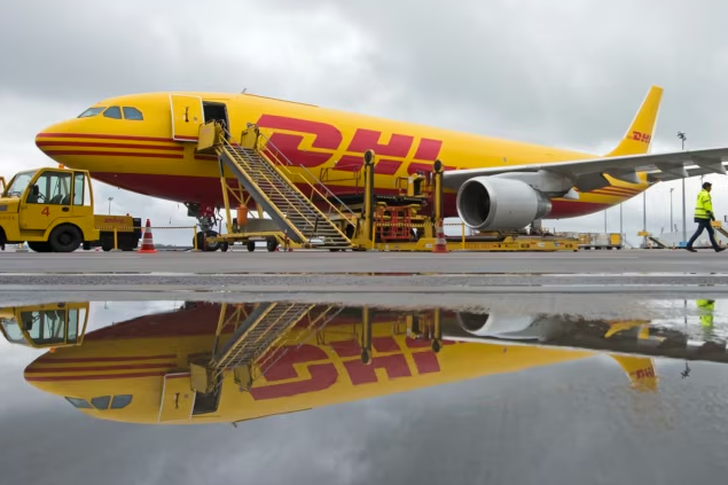
Cargo plane crashes in Romania/ One victim and two injured are reported
One person was killed and two others were injured after a ...


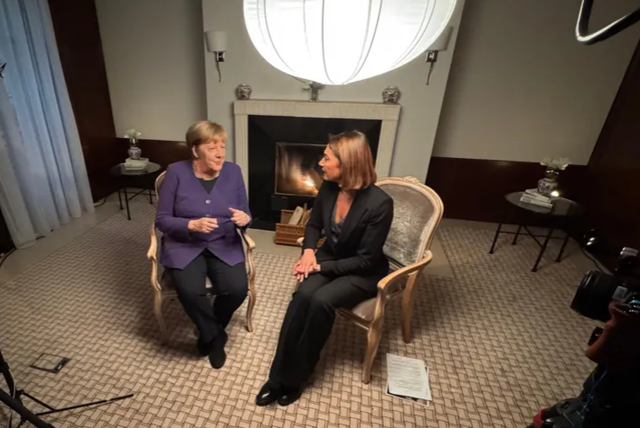
The former German chancellor, Angela Merkel, was once considered the most powerful woman in the world. During an interview for the BBC, the former chancellor spoke about Ukraine, Vladimir Putin's nuclear threat and how she treated Donald Trump.
Angela Merkel led Germany for 16 years. It was there during the financial crisis, the 2015 migrant crisis and, significantly, Russia's 2014 invasion of Ukraine.
On Monday, defense ministers from Great Britain, France, Germany, Poland and Italy will meet to discuss the worsening situation on the front lines of Ukraine.
But speaking to the BBC in Berlin, Mrs Merkel is staunch in her defense of her time in office.
The war in Ukraine and the threat of nuclear weapons
She says she believes the war in Ukraine would have started sooner, and likely been worse, if Kiev had embarked on the path to NATO membership in 2008.
"We would have seen a military conflict even earlier. It was quite clear to me that President Putin was not going to stand idly by and see Ukraine join NATO. And at that time, Ukraine as a country certainly did not it would be as prepared as it was in February 2022.
In a rare interview, Mrs. Merkel expressed concern about Vladimir Putin's renewed threats to use nuclear weapons.
The two leaders got to know each other well over two decades.
"We must do everything possible to prevent the use of nuclear weapons," says the former German chancellor.
"Thankfully, China also spoke about this a while ago. We should not be paralyzed by fear, but we should also recognize that Russia is the largest, or together with the US, one of the two largest nuclear powers in the world.
"The potential is terrifying."
Merkel has stated that she did everything in her power to ensure peaceful means of cooperation with Russia.
In fact, Putin began his full-scale invasion of Ukraine just months after she left office.
A new era in Europe's relations with Russia began "regrettably" after the full-scale invasion of Ukraine, Ms Merkel says.
The 70-year-old now finds herself having to defend her legacy in other areas as well.
The 2015 migration crisis, when she opened Germany's doors to over a million asylum seekers, was perhaps the defining moment of her time in office.
He was hated by some, welcomed by others. US President Barack Obama praised her as a courageous and moral leader. But critics blamed him for giving life to the then almost redundant far-right Alternative for Germany (AfD) party.
She is now second in German opinion polls ahead of a snap general election early next year. The main rallying cry of the AfD: a strong anti-immigrant message.
Angela Merkel admits that the AfD has made big gains, but she makes no apologies for her political decisions.
As for suggestions that her 2015 policies helped fuel anti-immigration and far-right parties elsewhere, including in the Netherlands, Poland and France, after she tried to impose migrant quotas across EU countries, Mrs Merkel says that it cannot be held responsible for all of Europe.
The only way to fight the far right is to stop illegal migration, she says. She calls on Europe's leaders to invest more in African countries to improve living standards there, so fewer people will be tempted to leave their homes.
But with Europe's economies sluggish and voters worried about the cost of living, governments say there is little money to spare.
Angela Merkel appeared to put her country and her economic interests first when it came to buying Russian energy or during the eurozone crisis, when southern EU countries blamed her for their austerity measures save German banks and businesses.
Under Angela Merkel, Germany not only became dependent on Russia for energy, but also on China and the US for trade. These decisions have not stood the test of time.
Merkel also spoke about the mandate won by Trump.
Donald Trump threatens to impose tariffs on imports when he returns to the White House in January. Mrs Merkel has some thoughts for Europe's jittery leaders facing Trump 2.0.
His first term in office was marked by anger at Europe, particularly Germany, for low defense spending and trade deficits. These quarrels with Europe have not changed.
What are Merkel's tips for his treatment?
"It's really important to know what your priorities are, to present them clearly and not be afraid, because Donald Trump can be very open," she says.
"He makes it very clear. And if you do that, there's some mutual respect. That's been my experience, anyway."
But Europe's leaders, facing the US, China and Russia, are perhaps more fearful than they were under Angela Merkel.
Economies are sluggish, voters disaffected, traditional politics under pressure from the far right and far left. China and Russia are more positive, the West weaker on the world stage./ CNA

One person was killed and two others were injured after a ...
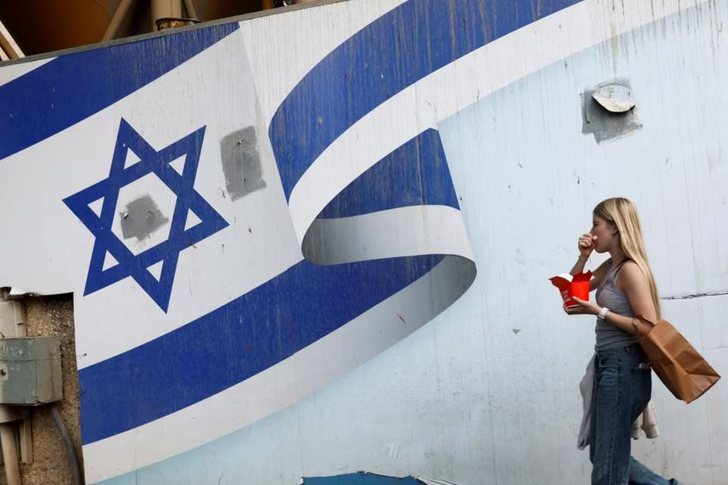
The militant group Hezbollah fired about 250 rockets and o...
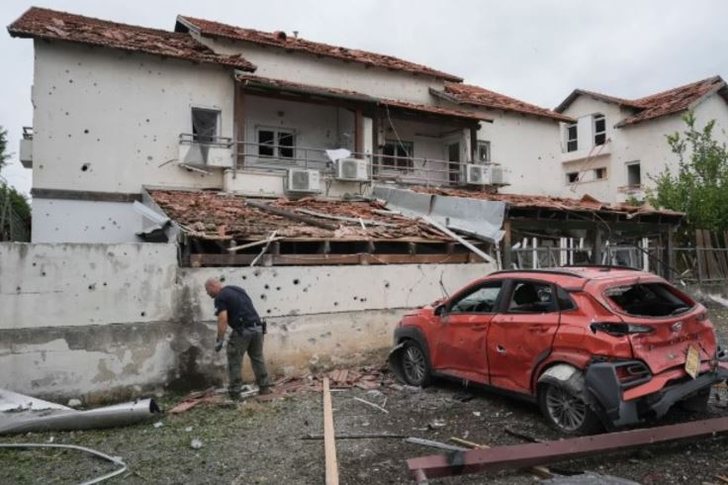
Israel faced a barrage of rockets fired by the Lebanese mi...
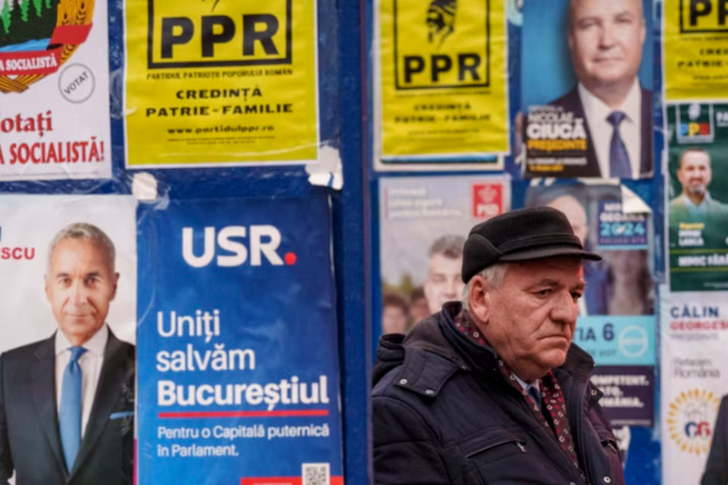
Romania is holding its first round of presidential electio...
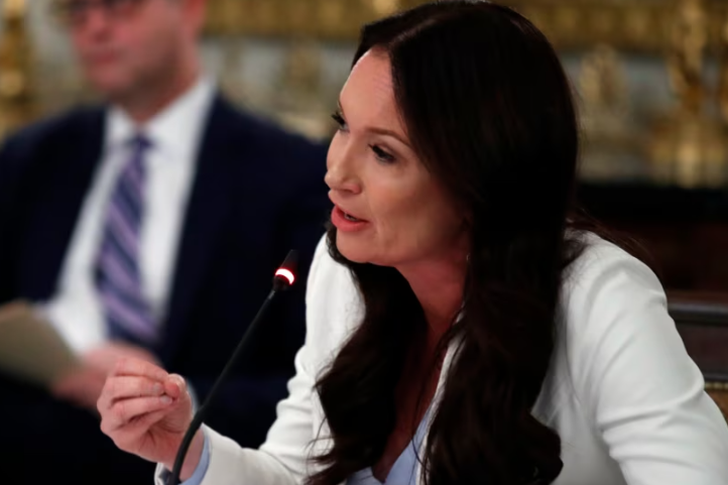
President-elect Donald Trump plans to nominate Brooke Roll...
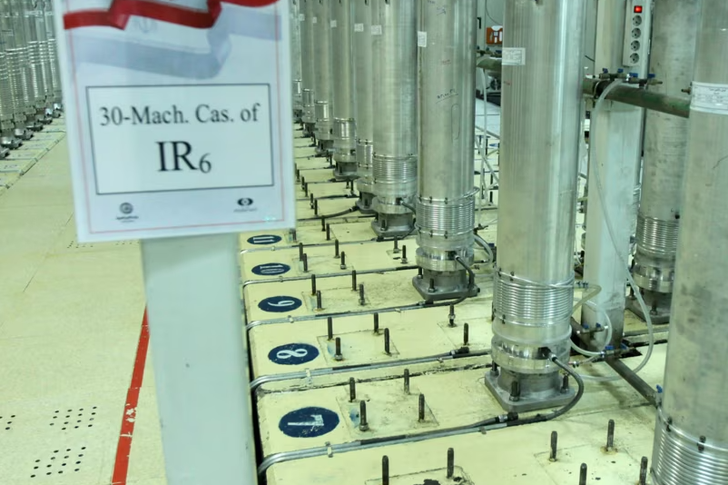
Iran will hold talks with France, Germany and Britain on N...
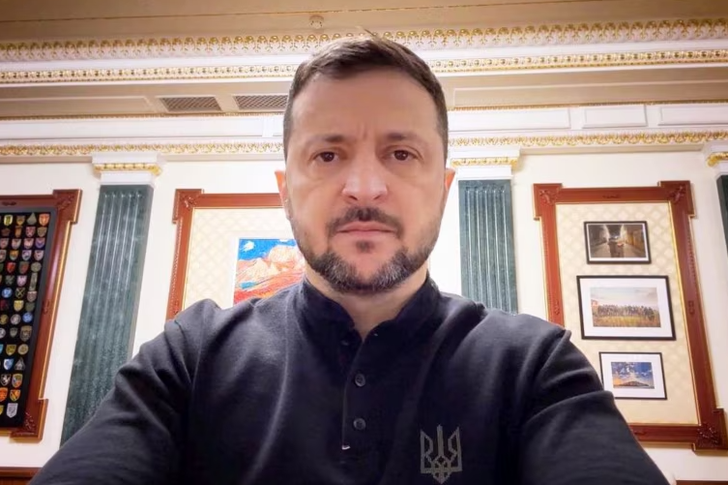
Ukrainian President Volodymyr Zelensky said on November 24...
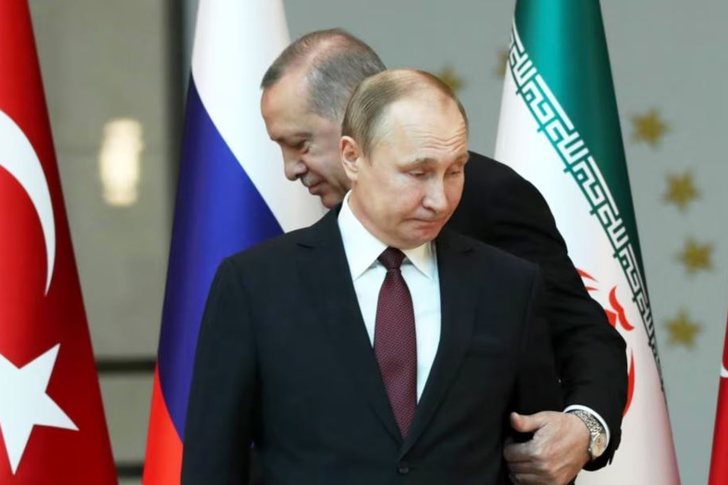
Turkish President Recep Tayyip Erdogan said on Sunday in a...
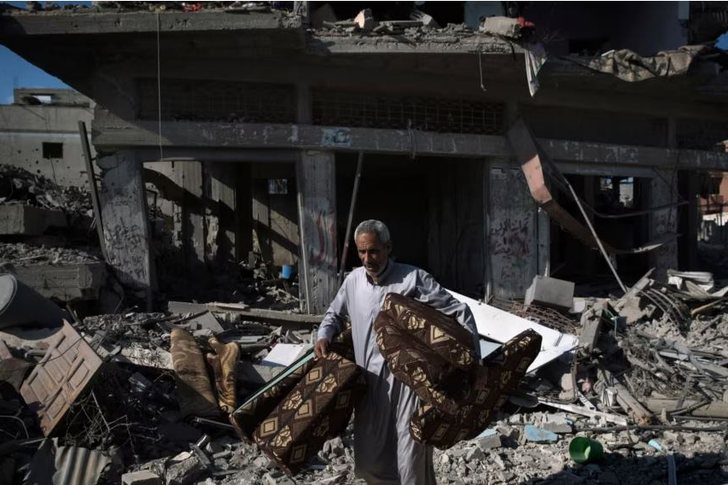
The Israeli army has ordered the evacuation of residents o...

The people of Basel voted on Sunday to approve the public ...
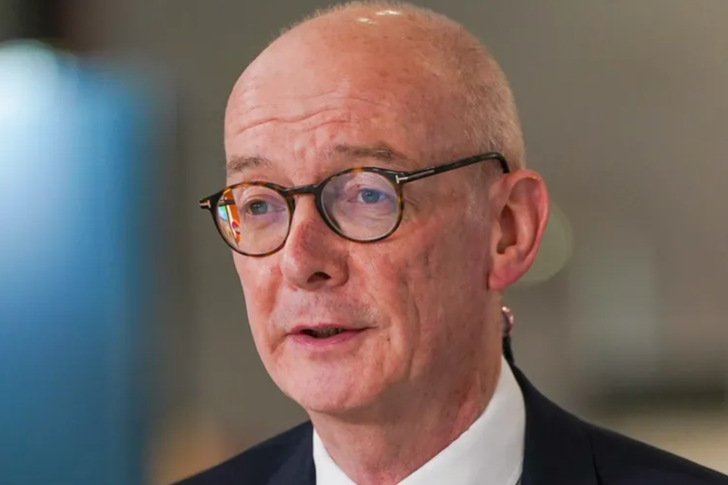
Russia is poised to launch cyber attacks on the UK and oth...
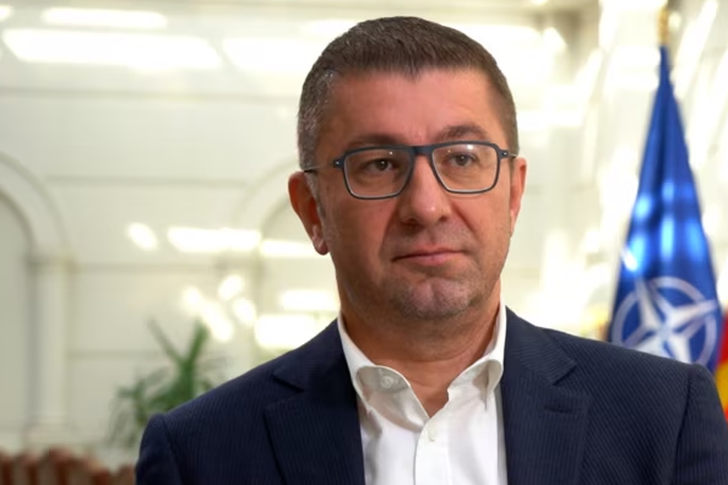
The participation of the Prime Minister of North Macedonia...
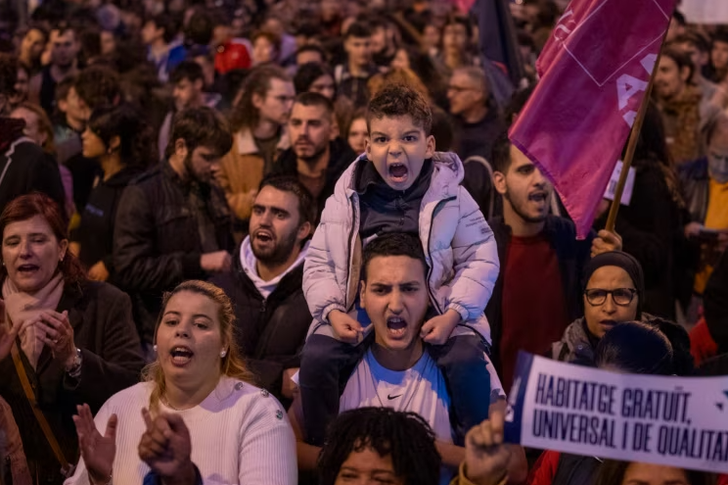
Tens of thousands of people took to the streets of Barcelo...
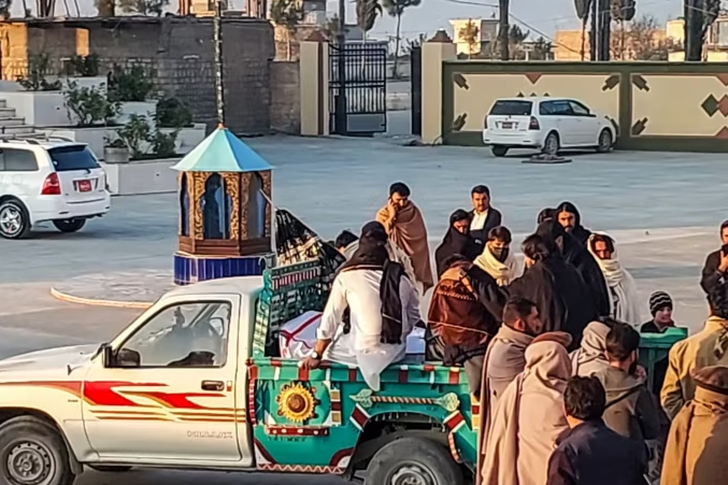
At least 82 people have been killed and 156 wounded in thr...
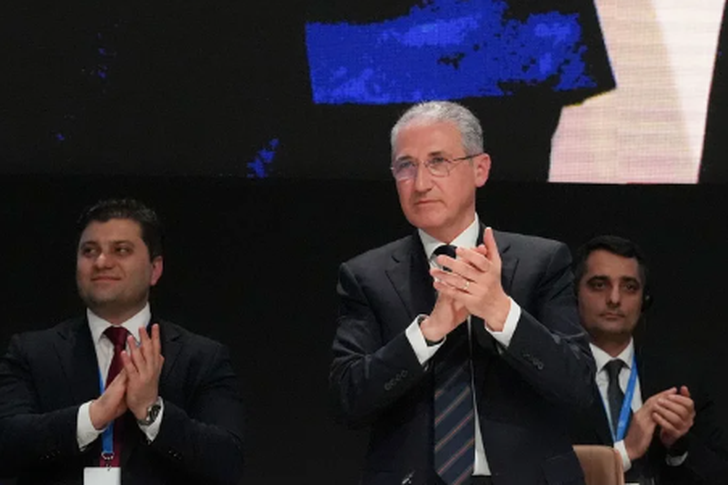
The world agreed on a new climate deal at COP29 in Baku, A...
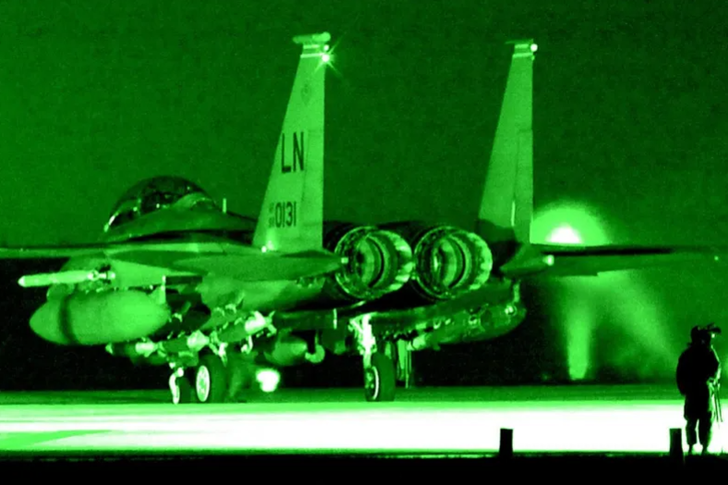
A number of unidentified drones have been spotted over thr...
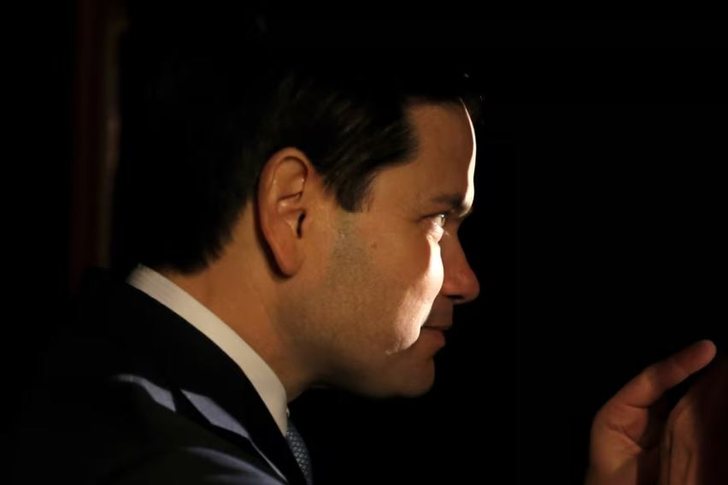
President-elect Donald Trump has nominated Republican Sena...
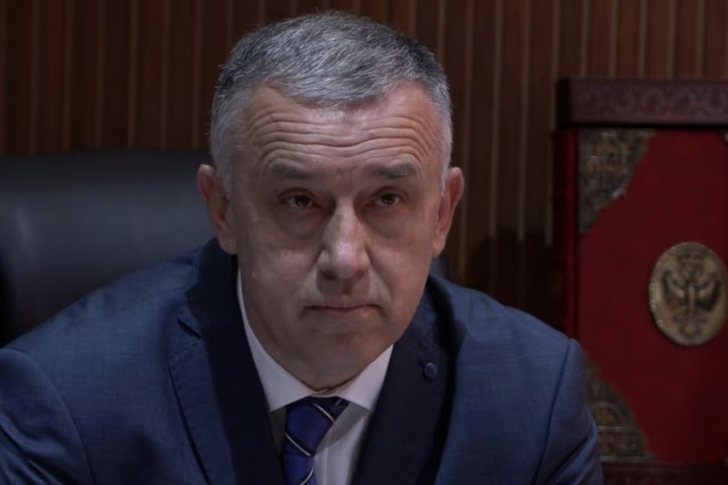
The chairman of Lista Serbe - the largest party of Ser...
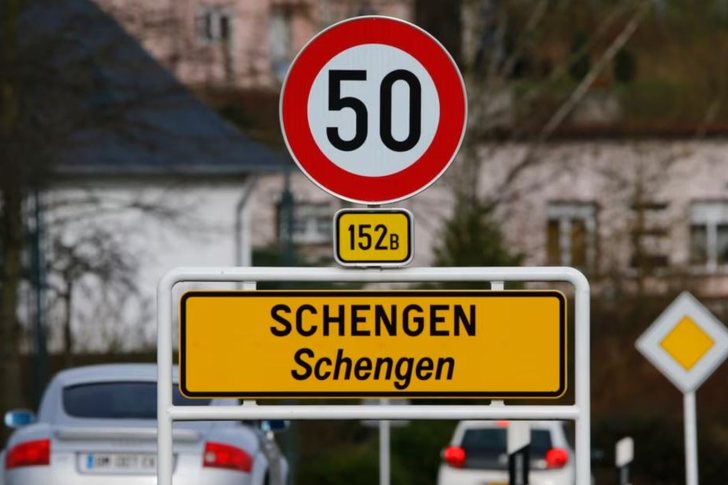
Thousands of people, including those who have had their as...
A report by the UN Secretary General to the Security Counc...

CNA has launched another investigation that could lead to ...

Irfan Hysenbelliu is a businessman that we call "Irfan the...

In March 2026, CNA launched another investigation centered...
The arrested mayor of Tirana, Erion Veliaj, with 13 charge...

The Special Board of Appeal (KPA) decided this Monday ...

The KPA vetting decided this Thursday to dismiss the p...

Suela Salavaçi, a prosecutor in the Prosecutor's Offic...

The Special Board of Appeal reinstated the prosecutor ...

A conflict occurred this Thursday evening in the toy area ...
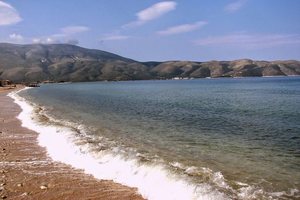
A person has died today on Orikum beach. According to repo...
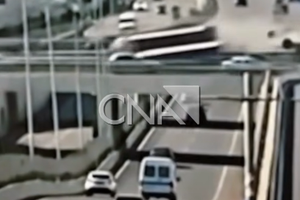
Footage emerges from the serious accident that occurred th...

A Shkodra traffic police officer was hit with hard objects...

Children without parental care, for whom alternative famil...

On Thursday, our country will be under the influence of st...
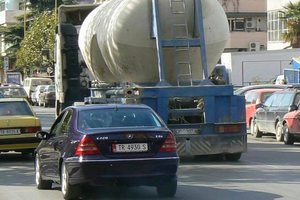
A serious accident that occurred this Wednesday with the c...

The Institute of Geosciences has shared a forecast for wea...
The European Union Office in Kosovo has called on all poli...
Serbian President Aleksandar Vučić, at a press conference ...
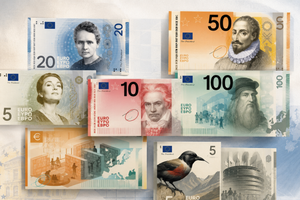
For the first time since the launch of the euro, European ...

Artificial intelligence (AI) models from the American comp...

At a time when industrial products are increasingly taking...

Trust among people is not just a three-syllable word. It c...

Master of humor Todi Llupi has passed away at the age of 7...

The ninth edition of "MIK Festival" kicked off with one of...
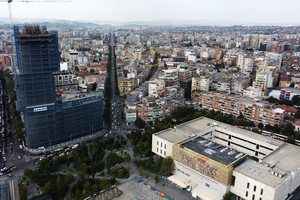
The average sale price of apartments in Tirana reaches rec...
This Thursday, one US dollar is bought for 81.5 lek and so...
The price of diesel reached 206 lek per liter from 198 lek...
Businesses will no longer be required to simply register t...