

The impact of young American citizens on elections
About 3.5 million adults have become U.S. citizens since t...


In August, a US federal court ruled that Google has a monopoly on internet search and protects it against competitors by unfair means.
"This is truly a historic decision," says Ulrich Müller, who founded the German nonprofit Rebalance Now, a Cologne-based organization that advocates limiting the power of large corporations.
The decision, he told DW, will show that "the broad antitrust tools in the US are now being used more forcefully, even against domestic technology companies."
According to a court filing on October 7, the US Department of Justice (DoJ) is considering asking a federal judge to take down the Big Tech company. But it is only one of many possible options under consideration, as the case now enters the so-called remedy stage, meaning there are several options to curb the company's market dominance.
Government lawyers outlined a number of possible solutions they could pursue. These include restrictions on how Google's artificial intelligence mines other websites to deliver search results and blocking Google from paying companies like Apple billions of dollars a year to ensure that Google is the default search engine displayed for consumers on devices such as the iPhone.
Another possibility is forcing Google to open up its search engine data to competitors. However, "structural changes" have also been proposed, which would include breaking up Google's parent company, Alphabet.
The published document is only a preliminary version of the recommendations, which the Department of Justice is expected to present in November.
Florian Bien from the University of Würzburg tells DW that the envisaged structural changes could mean "very strict bans, such as banning the integration of the Android operating system with Google Search and the Chrome browser", which "would almost feel like a breakup of the company."
After all, a break-up is a very serious violation of a company's rights, so the courts would provide strong legal protection. "As a result, such proceedings can drag on for a long time, sometimes as long as technological developments overtake the courts," says Bein.
It may also be that the market will resolve the issues differently, which is why Bien believes there is little enthusiasm within the ranks of the US government to engage in such a battle. "It just uses up a tremendous amount of resources at the Department of Justice and elsewhere."
In a keynote speech in January 2022, Assistant US Attorney General Jonathan Kanter of the DoJ's Antitrust Division said that in the past two decades, "we have seen an evolution in the industry on par with, and perhaps greater than, the industrial revolution." .
This has brought "serious challenges to competition", he added, because concentration has increased in "more than 75% of US industries". And as more markets are dominated by large companies, he said, it's become harder for entrepreneurs and small businesses to get off the ground. "That's why we and our law enforcement partners are committed to using every tool at our disposal to promote competition," he added.
The United States has a 100-year tradition of antitrust law, dating back to 1911 when the Standard Oil monopoly was broken up. According to Ulrich Müller, in the 1960s and early 1970s, there was considerable scrutiny of potential monopolists, which began to weaken in the 1980s through the advent of the so-called neoliberal economic theory promoted by the Chicago School of Economics.
The theory argued that high market concentration was acceptable if companies were efficient, resulting in fewer structural measures being taken.
However, in 1982, telecommunications giant AT&T was dissolved. Two decades later, Microsoft faced a similar threat after a 2001 court ruling ordered the software giant to break up as a monopoly whose Windows operating system was closely tied to its Internet Explorer browser, pushing competitors like Netscape. Microsoft appealed and avoided the split, but was forced to open up parts of its system to competitors.
In the European Union, the market dominance of Google and that of other Internet giants is also the focus of antitrust authorities.
In 2017, the European Commission already fined Google billions for favoring its price comparison service, while in 2018 the company was hit with a fine of over 4 billion euros ($4.35 billion) for illegal practices related to its mobile operating system, Android. However, the European Court of Justice has yet to finally rule on the matter.
In 2019, the European Commission imposed another billion-euro fine on Google for abusing its dominant position in online advertising.
The EU's so-called Digital Markets Act, which came into force in March this year, also aims to limit the market power of so-called internet "hostage holders". For Google, this means that services like Google Maps can no longer be given preferential treatment in search results.
Müller, however, believes the EU's antitrust cases against Google have had little impact. "Although billions in fines were imposed, Google's monopoly profits are so large that they can easily afford to pay them.
In the latest case of Google v. United States, the internet giant is accused of paying smartphone makers like Apple and Samsung billions to pre-install the Google search engine as default on their devices. Google also offers the popular Android operating system for mobile devices.
Google also has a monopoly on search-related advertising, holding between 80% and 90% of the search engine market share in both the US and Europe. YouTube and Google Maps, both part of the Google empire, are also central to online advertising.
"In 2023, we generated over 75% of our revenue from online advertising," according to the annual report from Google parent company Alphabet.
Total revenue last year was nearly $306 billion (€281 billion).
Google's business has also grown from its control of the so-called Adtech sector, which handles the infrastructure for online advertising. The company sells ad space on its websites and apps and acts as an intermediary between advertisers who want to place ads online and publishers (ie, third-party websites and apps) who can provide space. advertising.
The European Commission has expressed concern, stating that "the only way to address competition concerns is through the compulsory sale of some of Google's services".
Google has already announced plans to appeal the decision and argues that it has won over users through quality and faces significant competition from Amazon and other websites.
Müller says there are now more than 100 competition cases worldwide against Google, or its parent company Alphabet, and they will likely fight these cases to the end. The US case against Google's dominance of the online advertising market, however, could create momentum for Google to reach a settlement and accept certain measures, Müller suggested.
Under the framework presented in October, the Justice Department will submit a more detailed proposal to the court by November 20. Google, a subsidiary of Alphabet, has until December 20 to file its legal remedies. A final decision is not expected until the end of 2025./ DW

About 3.5 million adults have become U.S. citizens since t...
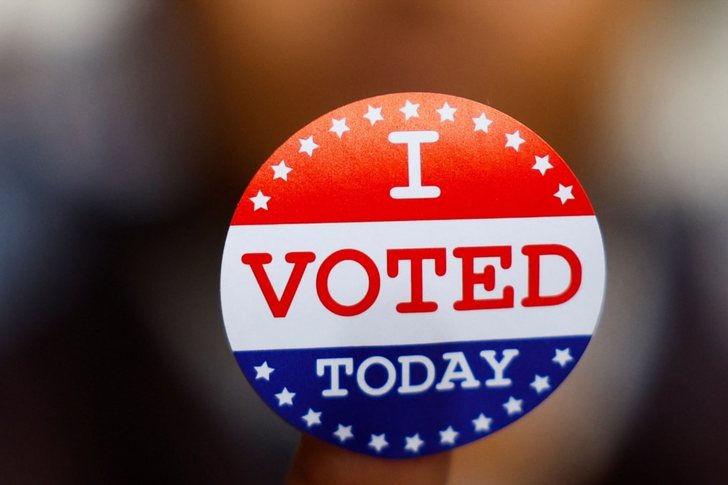
In any election campaign, the measurement of public opinio...

Israel has launched what it described as "precise and targ...
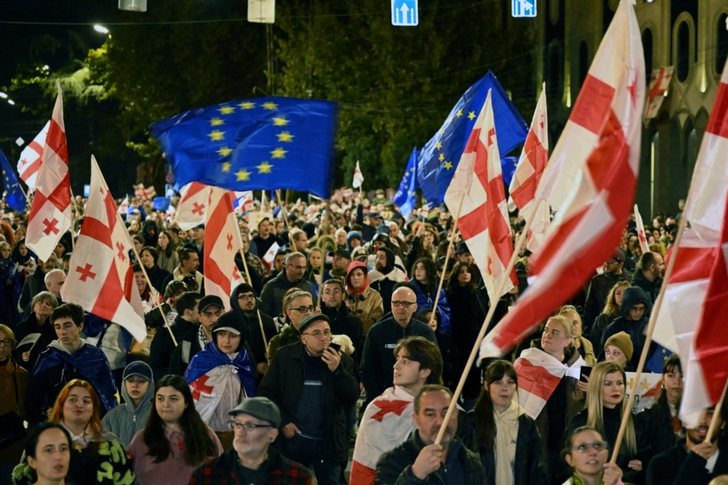
Elections in Georgia will be held as the government faces ...
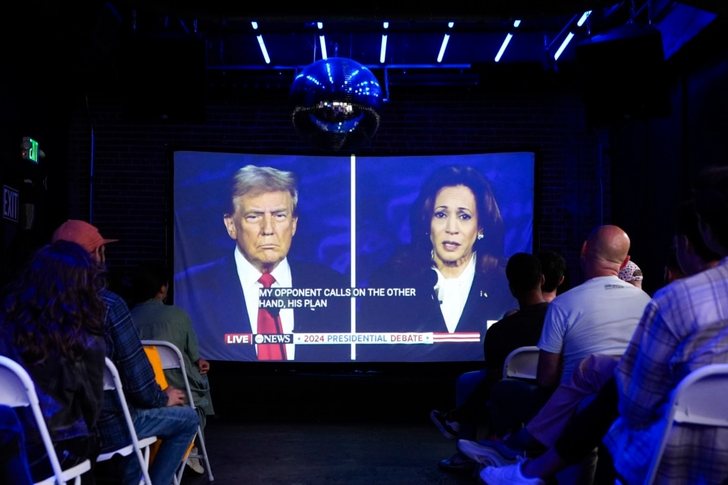
Autoritetet amerikane thanë se aktorët rusë qëndrojnë prap...
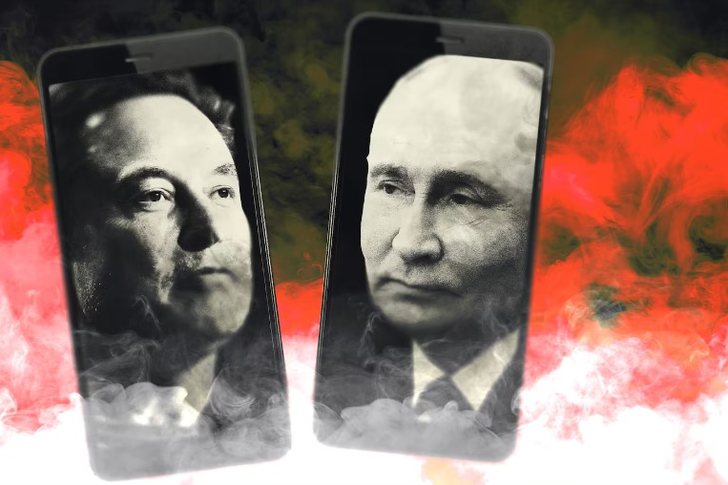
Elon Musk, the billionaire owner of SpaceX, which has won ...
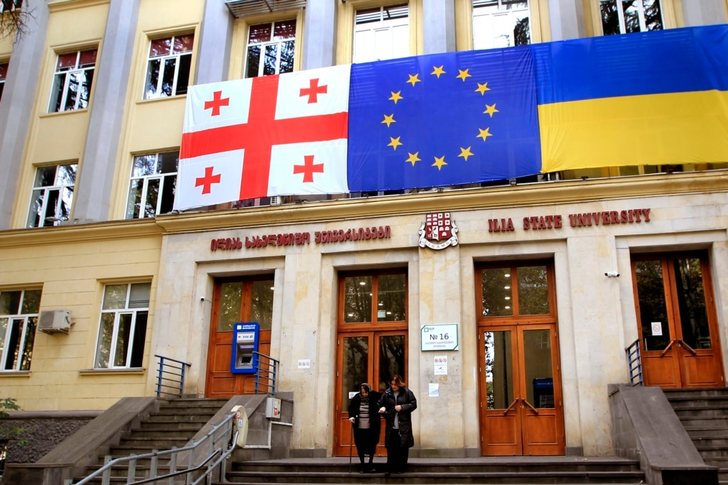
Georgians are voting today in what many of the country's r...
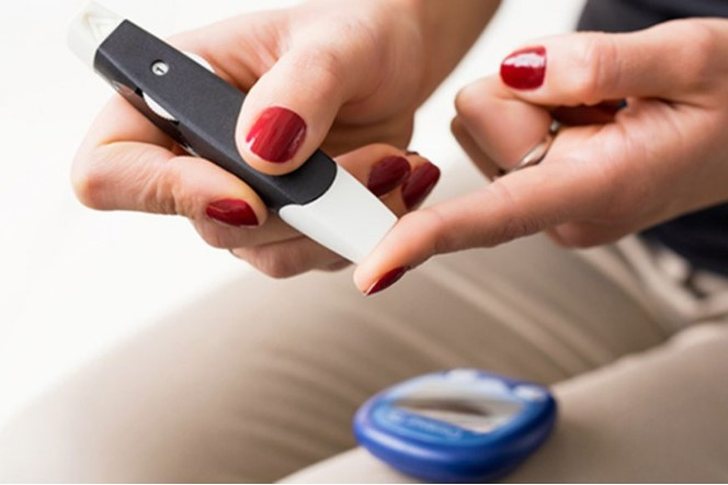
Type 2 diabetes is a disease that spares no one. World st...
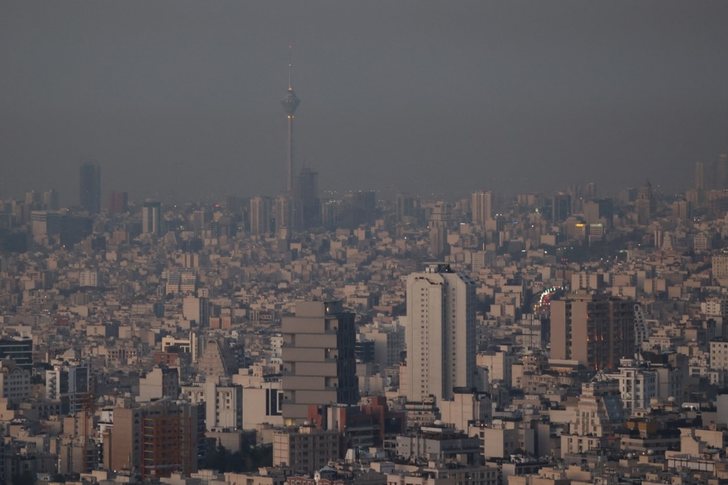
Saudi Arabia and other Gulf states warned of an "escalatio...

The Mayor of Peja Municipality, Gazmend Muhaxheri, was phy...
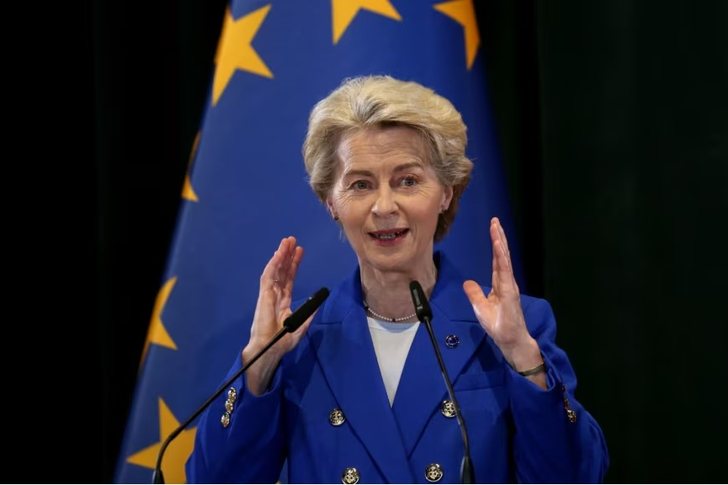
The President of Kosovo, Vjosa Osmani, received the Pr...

That Russia and North Korea cooperate in principle is ...
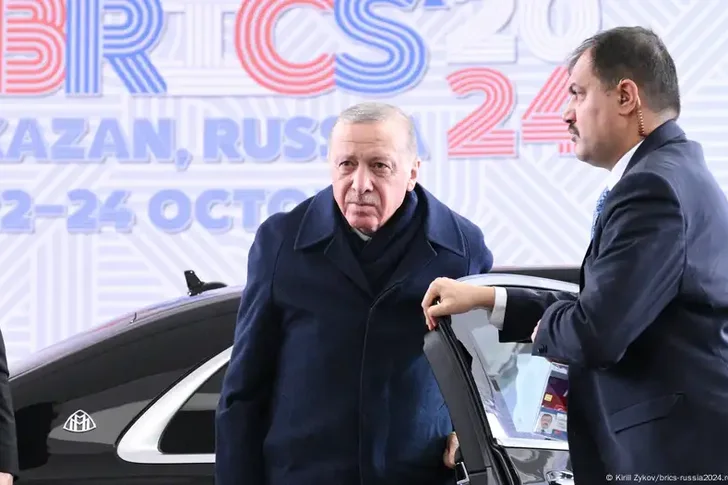
Turkish President Recep Tayyip Erdogan was a special guest...
Russia has helped amplify and spread false claims online a...
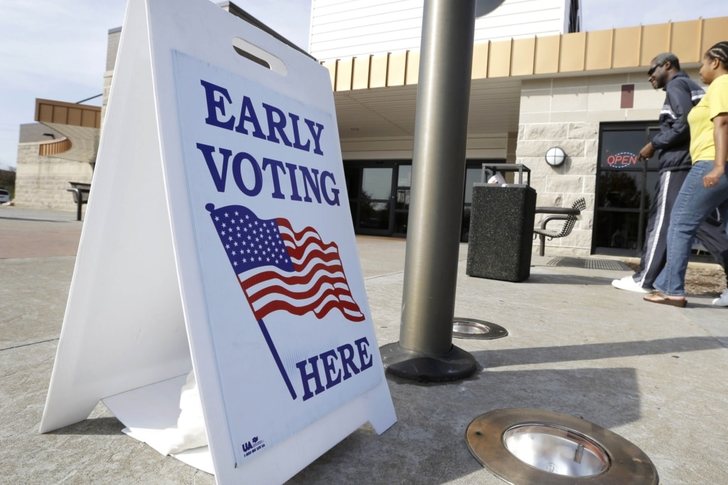
The United States presidential election will be held on No...
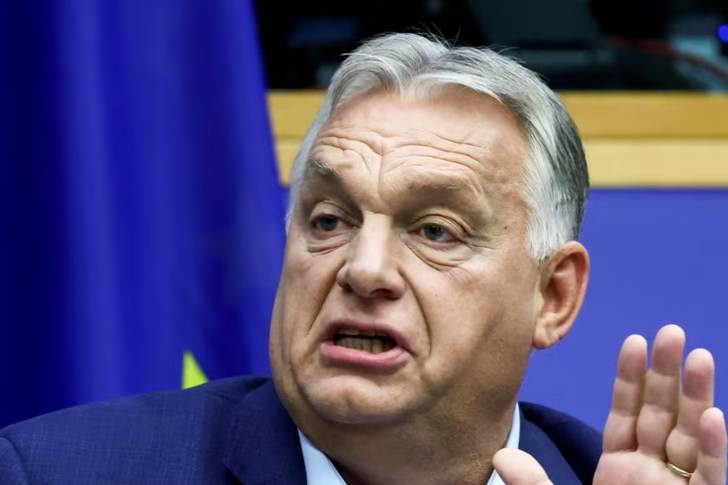
Hungary's prime minister, Viktor Orban, has suggested that...
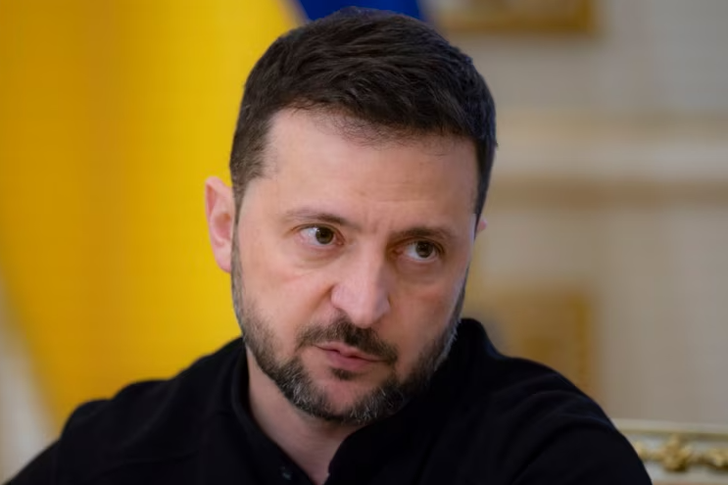
Ukrainian President Volodymyr Zelensky warned on Friday th...
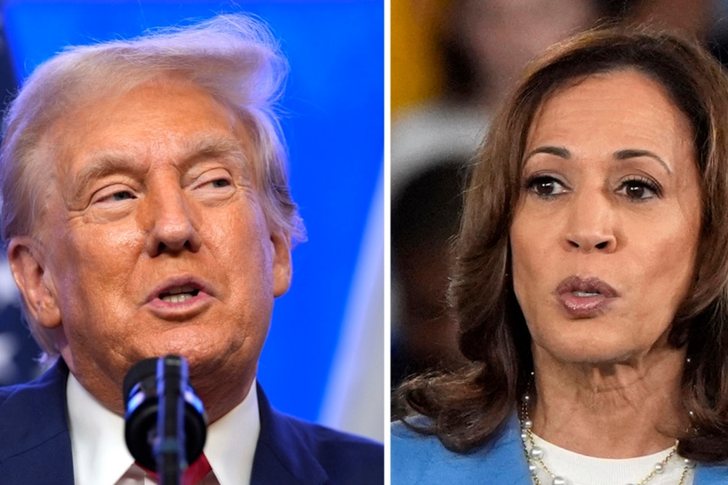
Democratic candidate Kamala Harris and her Republican riva...
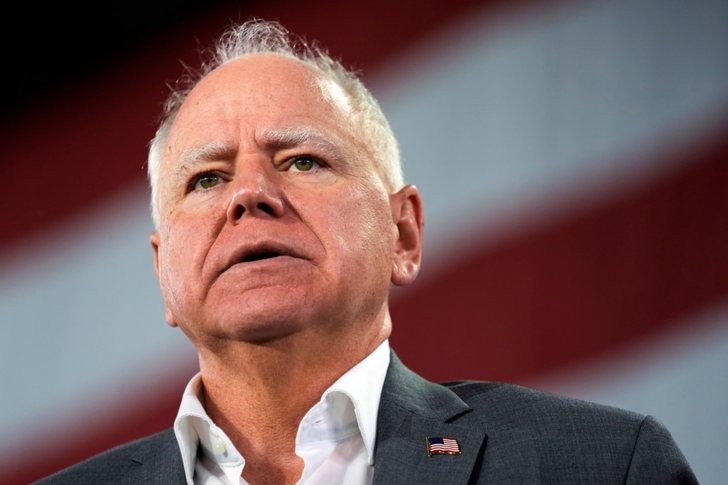
Tim Walz served two terms as governor of Minnesota bef...
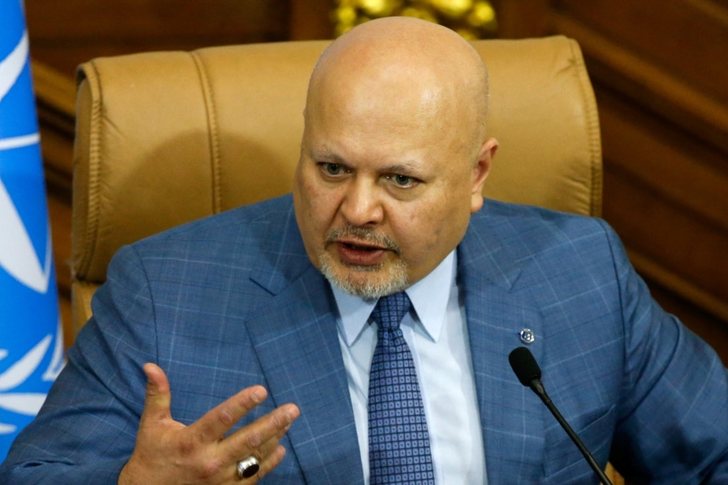
As the chief prosecutor of the International Criminal Cour...

CNA has launched another investigation that could lead to ...

Irfan Hysenbelliu is a businessman that we call "Irfan the...

In March 2026, CNA launched another investigation centered...
The arrested mayor of Tirana, Erion Veliaj, with 13 charge...

The Special Board of Appeal (KPA) decided this Monday ...

The KPA vetting decided this Thursday to dismiss the p...

Suela Salavaçi, a prosecutor in the Prosecutor's Offic...

The Special Board of Appeal reinstated the prosecutor ...

Footage emerges from the serious accident that occurred th...

A Shkodra traffic police officer was hit with hard objects...

This Wednesday, around 4:00 PM, a serious accident occurre...

Tirana Police have shared details regarding the accident t...

A serious accident that occurred this Wednesday with the c...

The Institute of Geosciences has shared a forecast for wea...

Rising energy and fertilizer prices are expected to contin...
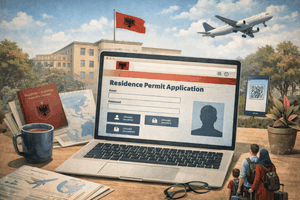
Over 18,000 foreign citizens from 140 countries have appli...

The trial of ousted Venezuelan President Nicolas Maduro on...
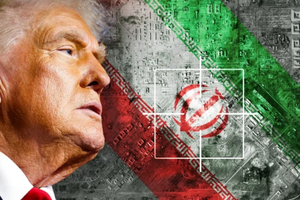
US President Donald Trump has issued another warning to Ir...

Prime Minister Andy Burnham has announced that most bus fa...

France's parliament has passed a law to ban social media f...

At a time when industrial products are increasingly taking...

Trust among people is not just a three-syllable word. It c...

Master of humor Todi Llupi has passed away at the age of 7...

The ninth edition of "MIK Festival" kicked off with one of...
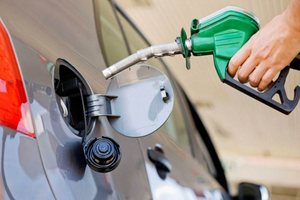
The price of diesel reached 206 lek per liter from 198 lek...

Businesses will no longer be required to simply register t...

Despite economic growth and income in recent years, Albani...

This Wednesday, one US dollar is bought for 81.4 lek and s...