


Study: Russia increased disinformation on post-urgan measures to foment division among Americans
Russia has helped amplify and spread false claims online a...


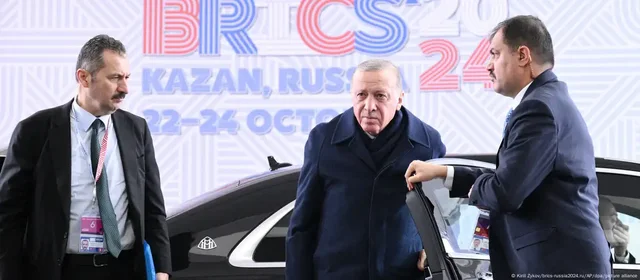
Turkish President Recep Tayyip Erdogan was a special guest at the 16th BRICS summit in Kazan, Russia. This was not the first time that Erdogan participated in a BRICS summit as an observer, but this time his presence gained a special weight due to Turkey's interest in BRICS membership. Although the Kremlin declared a few weeks ago that Ankara has submitted an official request for membership, the Turkish government initially denied this.
Meanwhile, Foreign Minister Hakan Fidan made it clear: "We have communicated to BRICS that we are interested in membership."
If Turkey actually joins this formation, then this would be the first NATO country in a non-Western alliance.
Within the framework of the summit in Kazan, the Turkish president met for bilateral talks with his Russian counterpart Vladimir Putin. But this meeting took place under the influence of an attack on the Turkish aviation and spaceflight enterprise TUSAS in Ankara. Turkey blames the Kurdish Workers' Party, the PKK, classified by the US and the EU as a terrorist organization.
President Erdogan and President Putin immediately demonstrated their solidarity and condemned the attack, with Erdogan repeatedly calling Putin "my esteemed friend". Putin, for his part, praised Turkey's role in solving global problems.
Within NATO, Turkey mainly keeps communication with Putin open. Turkey is not only an important NATO partner, but it defends the alliance's strategically important southeastern flank and has the second largest military in NATO. For years, President Erdo?an has increasingly followed a separate policy, which aims to strengthen Turkey's role on the global stage.
"Deepening relations with Russia is only one part of Turkey's BRICS strategy. The summit in Kazan creates opportunities to meet with the heads of state of China, India, as well as the republics of Uzbekistan and Azerbaijan, with which Turkey has close ties , to talk about regional projects", explains Zaur Gasimov, expert on Turkish-Russian relations and DAAD coordinator at the Turkish-German University in Istanbul.
In a speech before his parliamentary group recently, Erdogan made it clear which foreign policy Turkey follows. He emphasized that against the backdrop of regional tensions, it is necessary to maintain balance in international relations. Turkey will not turn its back to either the east or the west, because this is a necessity for the country.
In the West, there is criticism of this initiative. Many NATO countries see Turkey's membership in BRICS as a potential conflict with NATO principles, because BRICS, especially by leading members Russia and China, are considered a counter-pole to the West. This raises the issue of compatibility between NATO membership and a possible BRICS membership at the same time.
"I would not consider a possible membership of Turkey in BRICS as a reorientation of the country, so to speak, as a 'departure from Europe'," says Zaur Gasimov. BRICS is not a military alliance and its infrastructure so far consists mainly of the banking sector. There is also no military or military training within this organization. Therefore, it is understandable that Ankara will diversify its foreign policy - and primarily its economic relations abroad, argues the expert.
One of the central arguments of the Turkish government in search of alternatives on international platforms is that Turkey has been left out of the EU for decades. At the same time, the importance of BRICS is growing, whose founding members – among them Russia, China and India – are increasingly questioning the Western world order. This development is also reflected in the atmosphere in Turkey, where suspicions towards the West are increasing.
"Today the Turkish government constantly criticizes the EU and even the opposition in Turkey no longer defends the EU," explains Berk Esen, a political scientist at Sabanci University in Istanbul.
He draws attention to the fact that Turkey's belonging to the West is increasingly being questioned. Between the late 1990s and the mid-2000s, a positive perception of the EU prevailed in Turkey. Today, according to Esen, "the support for the EU has dropped significantly. According to the expert Esen, the USA is now perceived even more negatively even in Turkey.
According to Esen, Turkey is in a kind of "gray zone": That Turkey will join the BRICS alliance, "should not automatically be interpreted as support for countries like Russia or China", he notes. Unlike some other Eastern European countries, which are consciously avoiding the West by orienting themselves towards Russia, Turkey follows a different strategy. It is developing more and more the position that in the first place it must trust itself - a position that consists of a nationalist expression: 'Turkey's only friend is the Turk'."
While the government pursues its own foreign policy agenda, Russia is not so attractive among Turks. According to a 2022 study by the Turkish polling institute IstanPol, many Turks see Russia as Turkey's "enemy" in the international context – alongside the US, Israel and Greece.
According to a survey by the think tank EDAM in Istanbul in 2018, only 27.4 percent of Turks were in favor of staying in NATO, while in 2021 the quota increased to 41.1 percent. Support for a cooperation in security policies with Russia in the first period decreased by 22.1 percent to two percent.
Although Turkey is looking for new paths in foreign policy, the interest of many Turks remains greater towards Berlin and London than towards Moscow and Beijing. According to expert Berk Esen, this has to do with the fact that many Turks prefer Europe and North America as destinations for education, work or emigration, even though they see the politics of these countries with a critical eye towards Turkey./ DW

Russia has helped amplify and spread false claims online a...
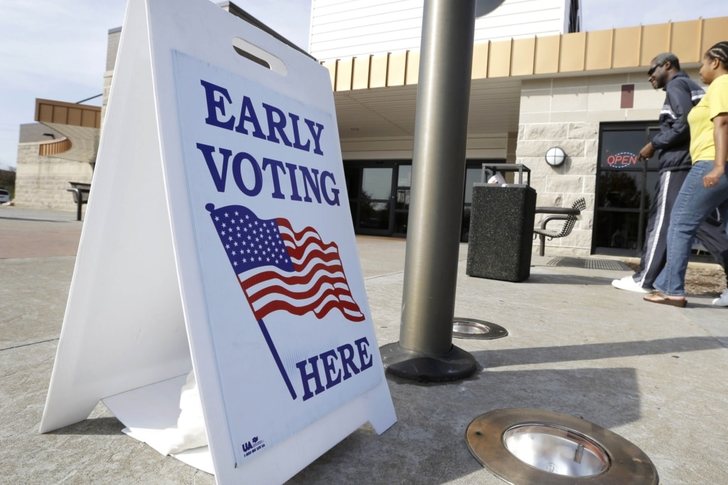
The United States presidential election will be held on No...
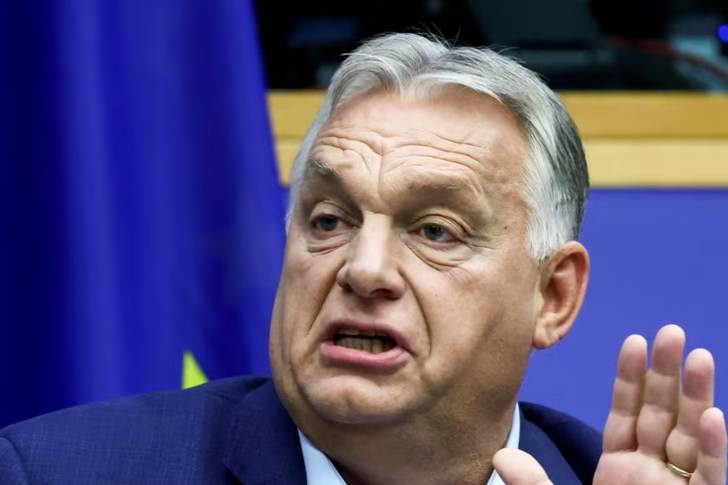
Hungary's prime minister, Viktor Orban, has suggested that...
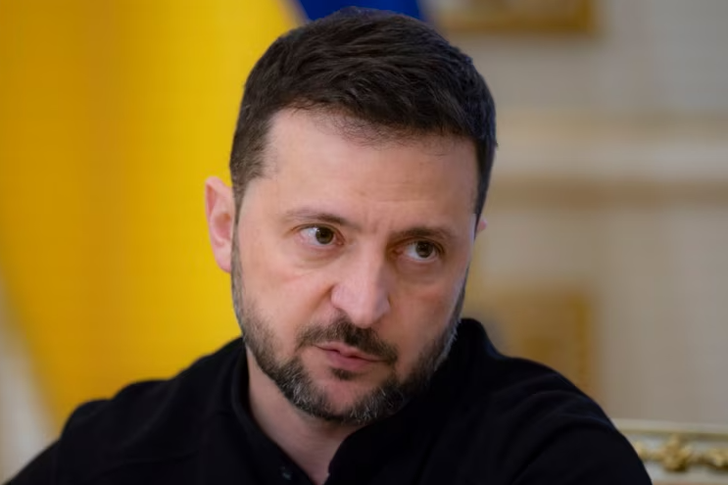
Ukrainian President Volodymyr Zelensky warned on Friday th...
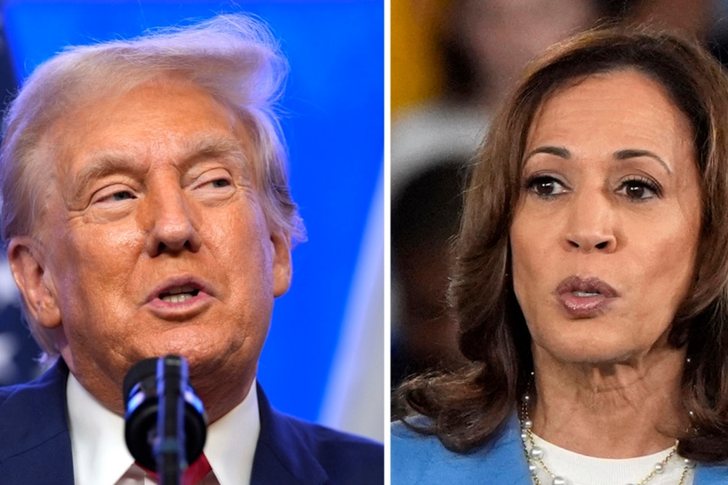
Democratic candidate Kamala Harris and her Republican riva...
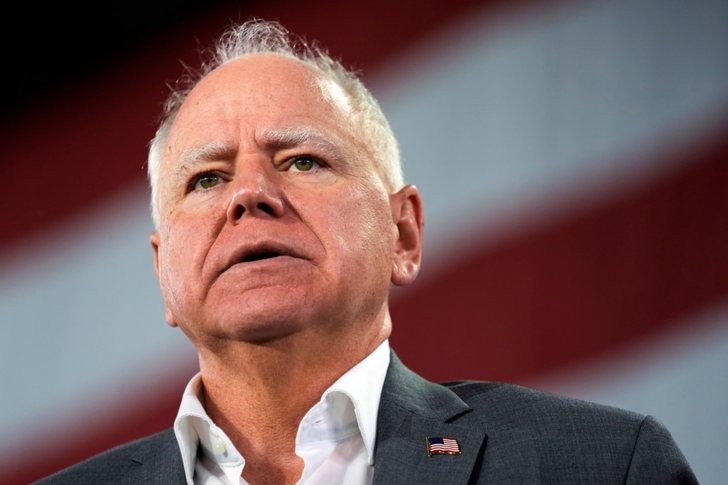
Tim Walz served two terms as governor of Minnesota bef...
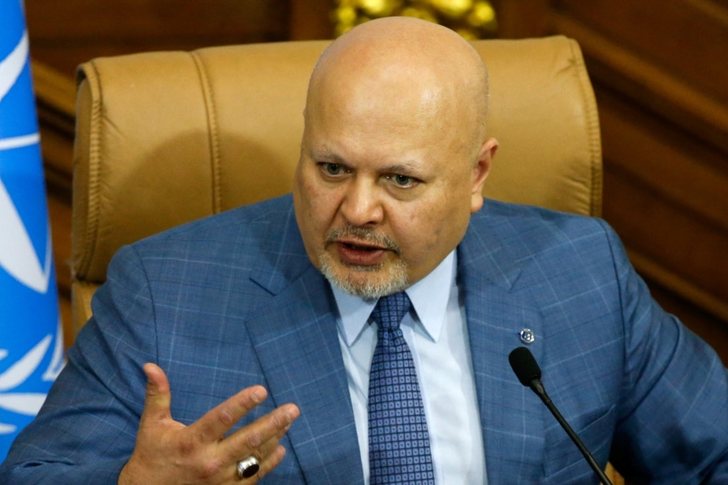
As the chief prosecutor of the International Criminal Cour...
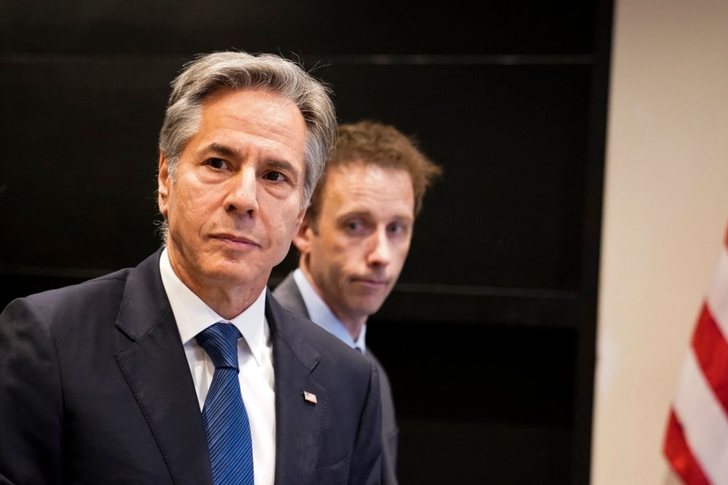
US Secretary of State Antony Blinken said today that there...
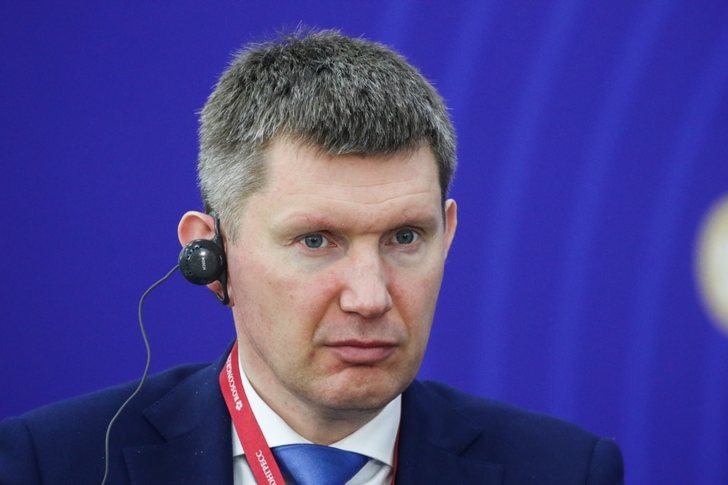
The Minister of Economic Development of Russia, Maksim Res...
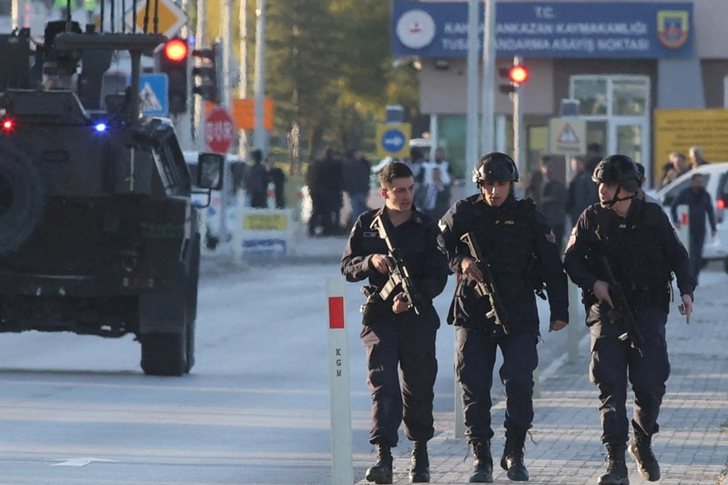
A Kurdish militant group claimed responsibility on Friday ...
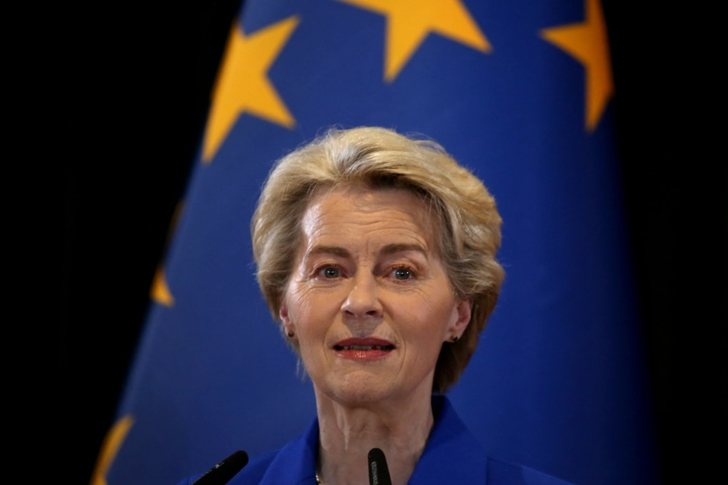
The President of the European Commission (EC), Ursula von ...
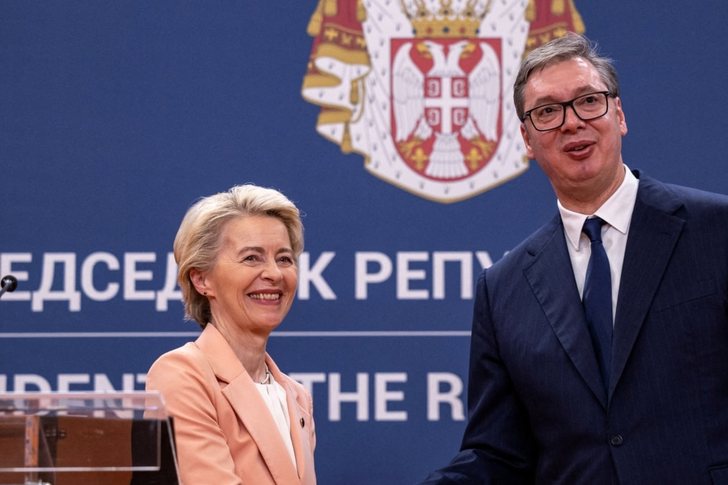
The European path and the advocacy for a European Serbia a...
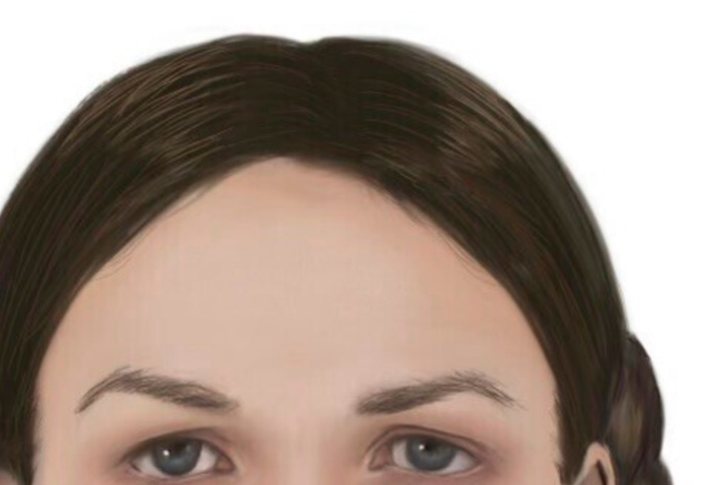
Investigators have determined that a skull discovered in 1...
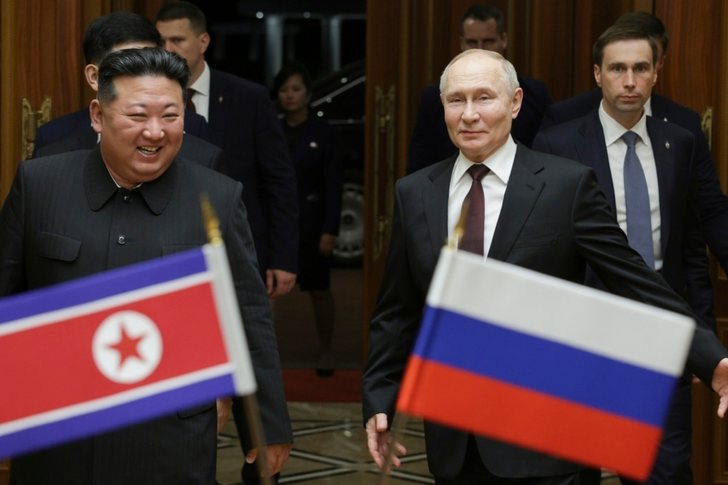
A day after Washington said 3,000 North Korean troops had ...
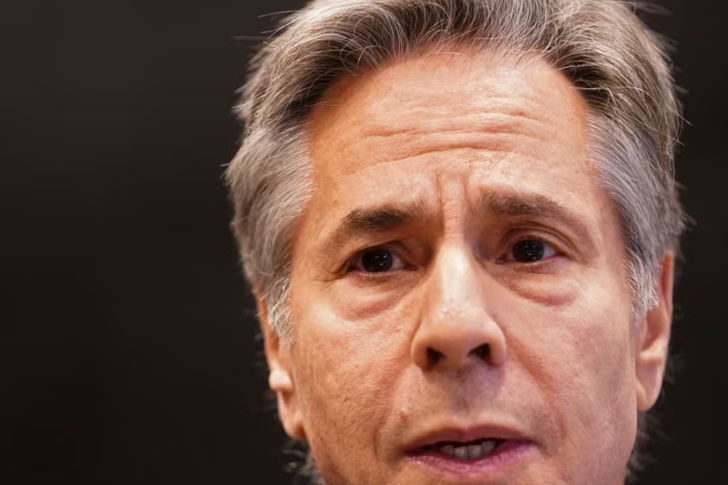
US Secretary of State Antony Blinken vowed to work "urgent...
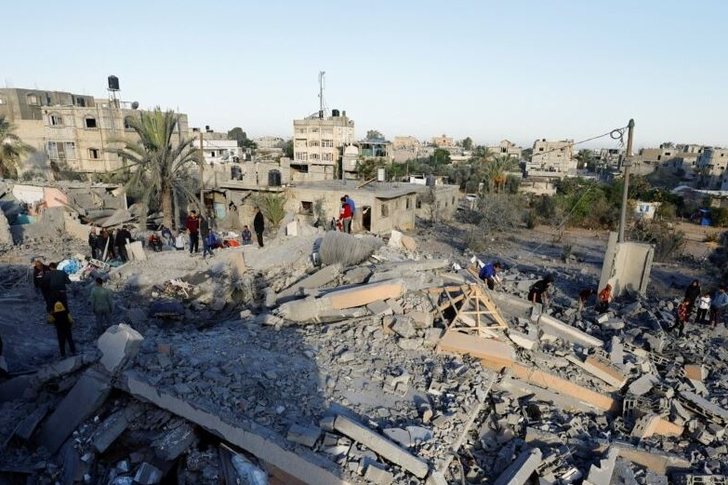
An Israeli airstrike has killed at least 38 people in Han ...
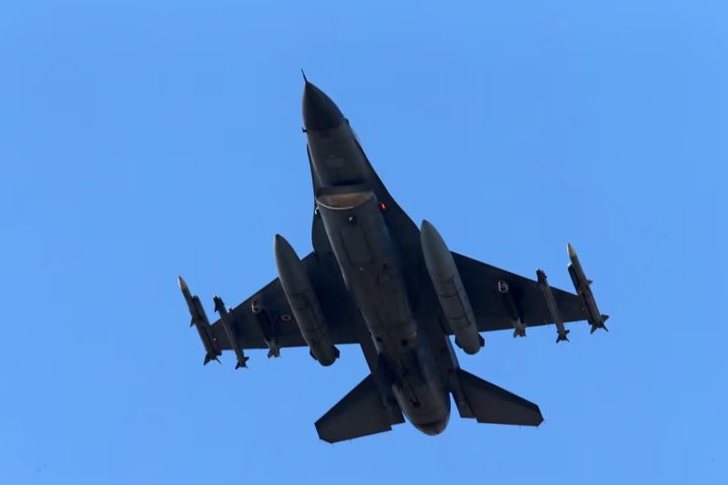
A Syrian war monitoring group said on October 25 that Turk...
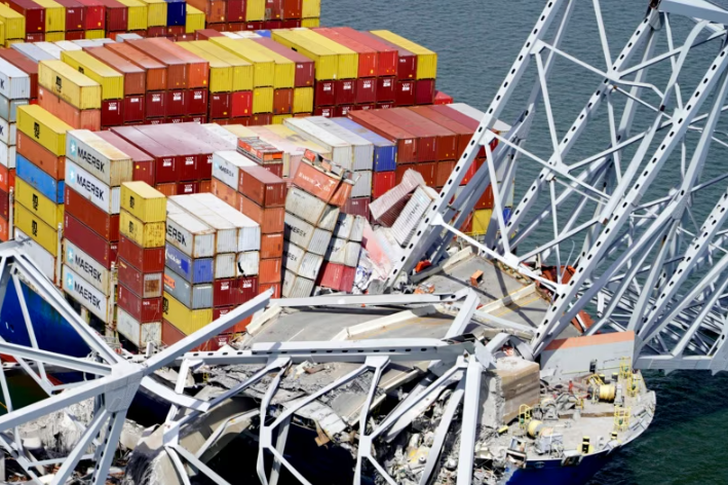
The two companies that own and operate the cargo ship that...

President Joe Biden on Thursday signed a directive urging ...
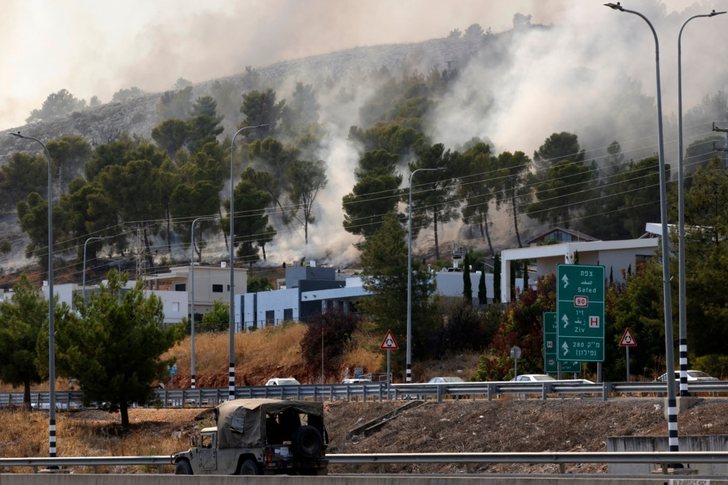
Israel's military announced late Thursday that five of its...

CNA has launched another investigation that could lead to ...

Irfan Hysenbelliu is a businessman that we call "Irfan the...

In March 2026, CNA launched another investigation centered...
The arrested mayor of Tirana, Erion Veliaj, with 13 charge...

The Special Board of Appeal (KPA) decided this Monday ...

The KPA vetting decided this Thursday to dismiss the p...

Suela Salavaçi, a prosecutor in the Prosecutor's Offic...

The Special Board of Appeal reinstated the prosecutor ...

An accident occurred this Tuesday on "Dituria" street in K...
A tourist has lost her life on Orikum beach, where she was...

Two people were arrested and two others were prosecuted af...
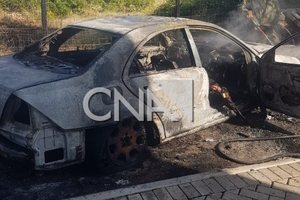
At around 08:40, in neighborhood no. 10, Korça, a "Benz" t...
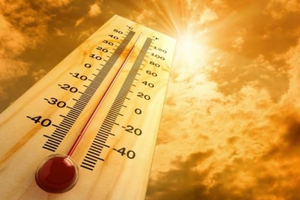
Albania was hit by temperatures significantly higher than ...
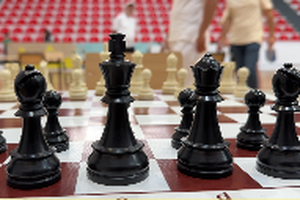
For the first time, Pogradec welcomed the Inter-Lake Chess...
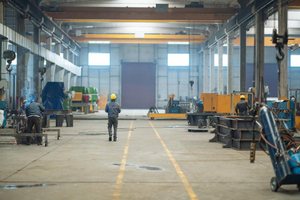
Albania has achieved a record for the employment of foreig...
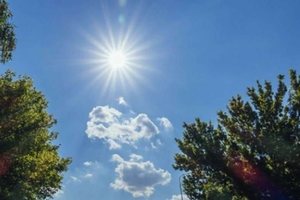
Today our country will be under the influence of relativel...
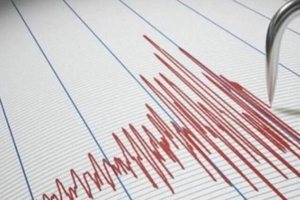
An earthquake measuring 5.0 on the Richter scale struck so...
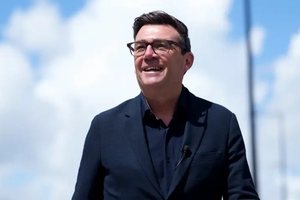
The United Kingdom's new Prime Minister, Andy Burnham, has...
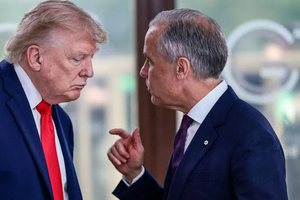
United States President Donald Trump has imposed 50% tarif...
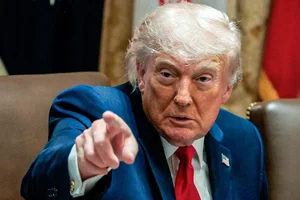
US President Donald Trump responded with harsh rhetoric to...

At a time when industrial products are increasingly taking...

Trust among people is not just a three-syllable word. It c...

Master of humor Todi Llupi has passed away at the age of 7...

The ninth edition of "MIK Festival" kicked off with one of...
The Centralized Purchasing Operator recently opened a tend...
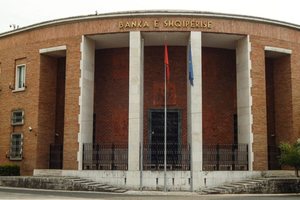
The new draft law "On the Bank of Albania" provides that t...
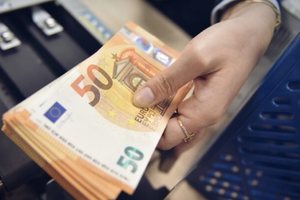
This Tuesday, one US dollar is bought for 81.2 lek and sol...
Deputy Minister of Economy and Innovation, Enkelejd Musabe...