

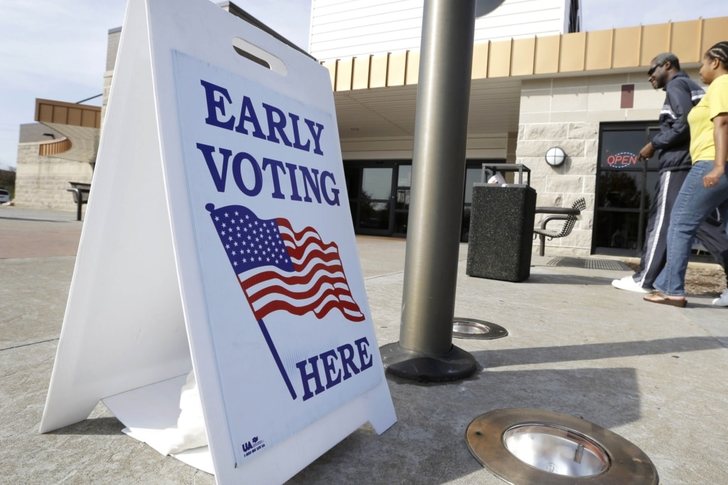
USA, why it may take days to learn the winner of the presidential election
The United States presidential election will be held on No...



Russia has helped amplify and spread false claims online about recent hurricanes in the United States and the federal government's response as part of a broader effort by the Kremlin to manipulate the political debate in America ahead of the presidential election, a new study.
The content, spread by Russian state media, Russian websites and social media, criticizes the government's response to hurricanes Helene and Milton, exploiting concerns about recovery measures to try to portray US leaders as incompetent and corrupt. shows the study carried out by the Institute for Strategic Dialogue. This London-based organization researches disinformation and extremism online.
In some cases, the storm claims include fake images created by artificial intelligence, such as a photo showing scenes of devastating flooding at Disney World, something that didn't actually happen, researchers say.
This latest case is consistent with the Kremlin's long-standing practice of identifying legitimate debates and controversial issues in the United States and then exploiting them to spread fake news.
Previous disinformation campaigns have exploited debates about immigration, racism, crime and the economy in an effort to portray the United States as corrupt, violent and unjust.
US intelligence officials and private technology companies say Russian activity has increased sharply ahead of the Nov. 5 election, as Moscow tries to seize every opportunity to undermine its main opponent.
By exploiting real concerns about disaster recovery, Russian disinformation agencies may attempt to interfere in debates in the United States, with the goal of undermining Americans' trust in their government and in each other.
"These are not situations created by foreign actors," said Melanie Smith, director of research at the Institute for Strategic Dialogue. "They are just adding fuel to the fire, that is, to issues that are already a concern."
The research shows that the content shared included English-language posts apparently aimed at Americans, but also Russian-language propaganda aimed at local audiences. Much of the disinformation targeted the Federal Emergency Management Agency and the Democratic administration of President Joe Biden and Vice President Kamala Harris. The latter is the Democratic candidate in the race for the White House against former President Donald Trump.
Russia's large-scale aggression against Ukraine remains the Kremlin's main motivation for spreading lies. If Russia can convince enough Americans to oppose US support for Ukraine, it could ease Moscow's path to a possible victory, officials and analysts have said.
US intelligence officials have said the disinformation from Russia appears to be designed to support Donald Trump, who has praised Russian President Vladimir Putin and downplayed the NATO alliance and Ukraine's leaders. Russia-related posts repeatedly denigrate Kamala Harris, saying she has ignored storm victims' calls for help. On the other hand, a recent post by Russian state news agency RT called Donald Trump "a mystical figure of historic proportions."
Intelligence officials confirmed Tuesday that Russia created a doctored video to smear Democratic Vice Presidential nominee Tim Walz.
Russia has denied claims that it is trying to interfere in the US election. The Russian embassy did not respond to requests this week for comment about the latest allegations from researchers and intelligence officials.
Researchers at the Institute for Strategic Dialogue found that Russian disinformation agents exploited lax content controls on US-owned social media platforms such as the X network to spread their content widely. Before it was bought by Elon Musk, the platform formerly known as Twitter made provision for signaling that content was created by authoritarian state media. Mr. Musk overturned that rule and undermined the platform's efforts to curb content, leading to an increase in foreign propaganda and hate speech.
Often fake news comes from fake accounts or websites impersonating legitimate media, making it difficult to determine its true origin. Unsuspecting Americans share the content.
In July, US intelligence officials warned that "Americans were inadvertently" helping Russia spread disinformation.
Researchers at the Israeli technology company Cyabra analyzed posts circulating on the X network that contained criticism of the Federal Emergency Management Agency, FEMA, for its response to the hurricanes.
A significant number of accounts could not be verified as belonging to a real person, a quarter of all reactions to the posts were fake. The posts were viewed by users over half a billion times.
In a response, a Platform X spokesperson pointed out the system allows users to add notes to posts that contain false information. The company did not respond to policy questions about the source of the information.
"Fake news, ranging from FEMA's diversion of funds to help immigrants to conspiracy theories about weather manipulation, undermines public trust in government as we approach Election Day, which could seriously affect voter confidence." , Cyabra company researchers said in a report.
Politicians have also helped Russia in some way in this endeavour.
Legislator Paul Gosar, R-Ariz. gave an interview to Russian state media outlet Sputnik News in which he said the federal response to the hurricanes was "nonexistent," a claim easily disproved by photos and videos showing FEMA workers and local leaders delivering aid to regions of hit hard.
Mr. Gosar repeated another fake news story that "billions in FEMA disaster funds" had actually gone to illegal immigrants. Indeed, the money that funds border control and immigration programs comes from a different source than disaster funds.
Mr. Gosar's office did not respond to requests for comment on Wednesday./ VOA

The United States presidential election will be held on No...
Hungary's prime minister, Viktor Orban, has suggested that...
Ukrainian President Volodymyr Zelensky warned on Friday th...
Democratic candidate Kamala Harris and her Republican riva...
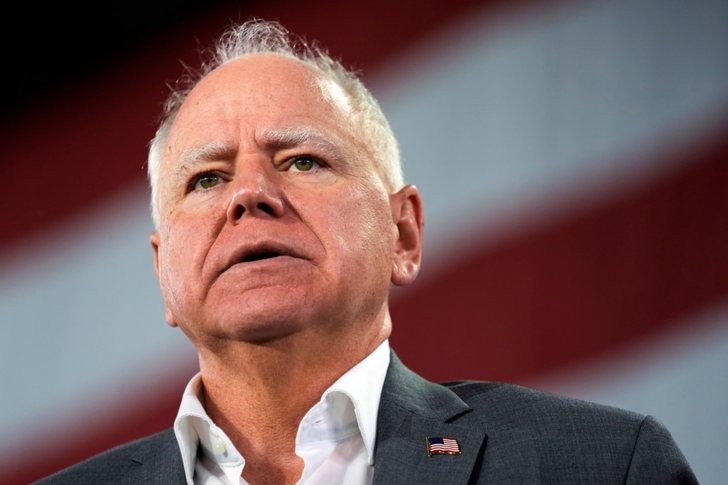
Tim Walz served two terms as governor of Minnesota bef...
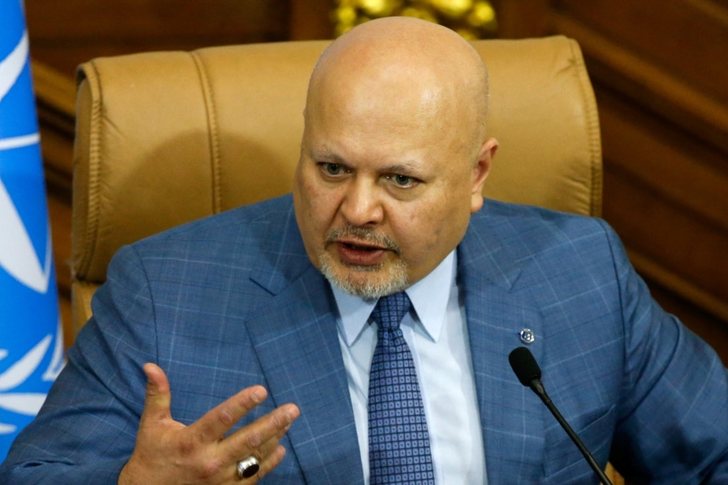
As the chief prosecutor of the International Criminal Cour...
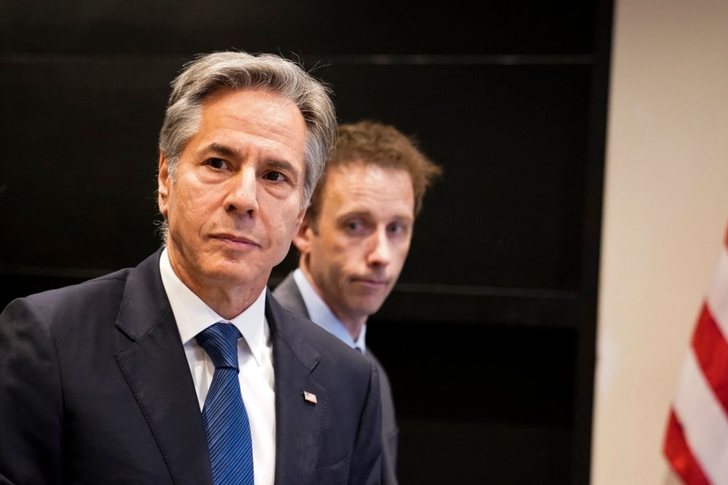
US Secretary of State Antony Blinken said today that there...
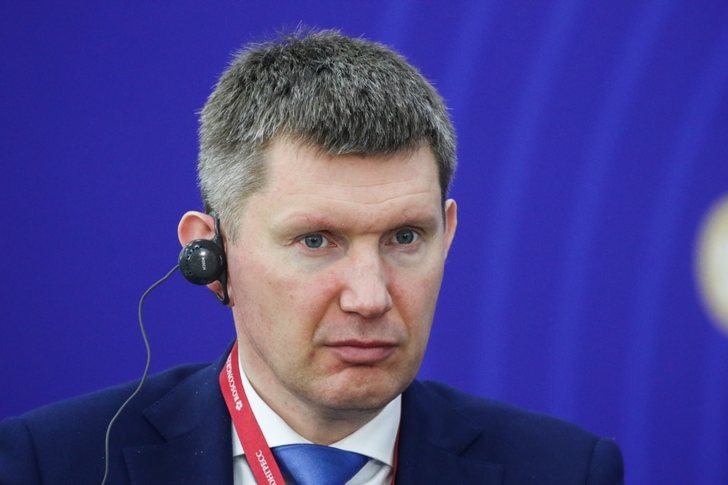
The Minister of Economic Development of Russia, Maksim Res...
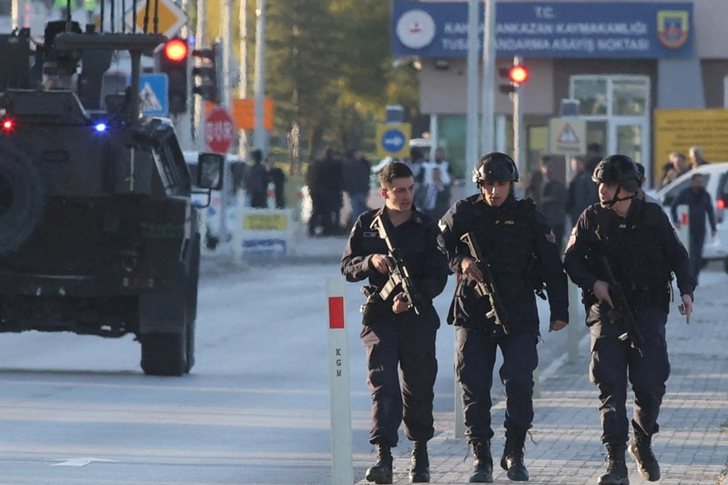
A Kurdish militant group claimed responsibility on Friday ...
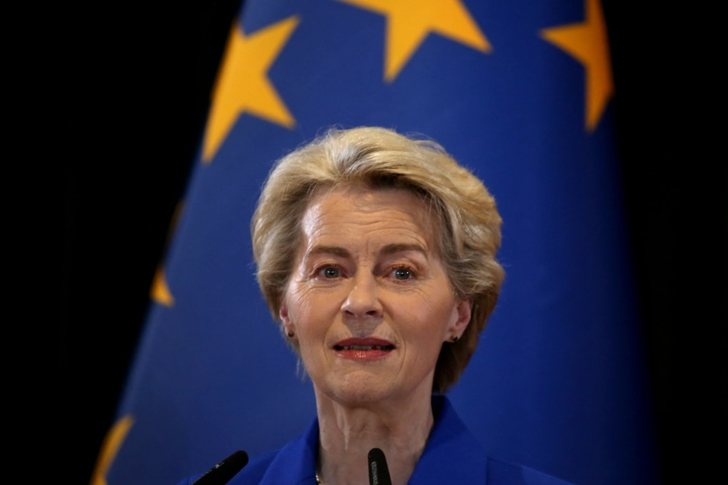
The President of the European Commission (EC), Ursula von ...
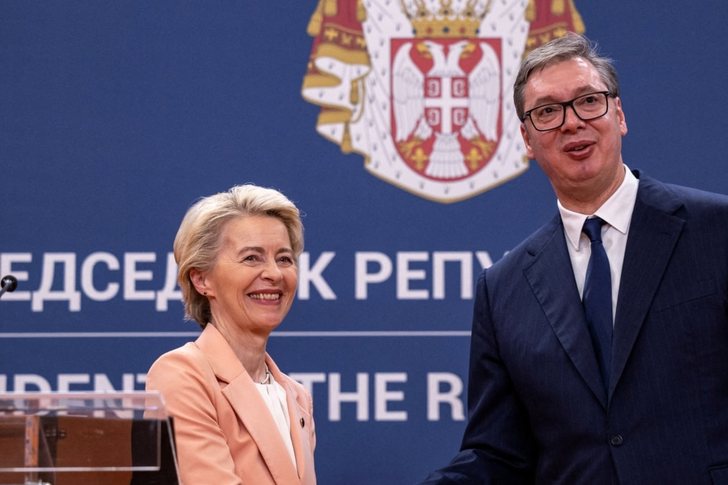
The European path and the advocacy for a European Serbia a...

Investigators have determined that a skull discovered in 1...
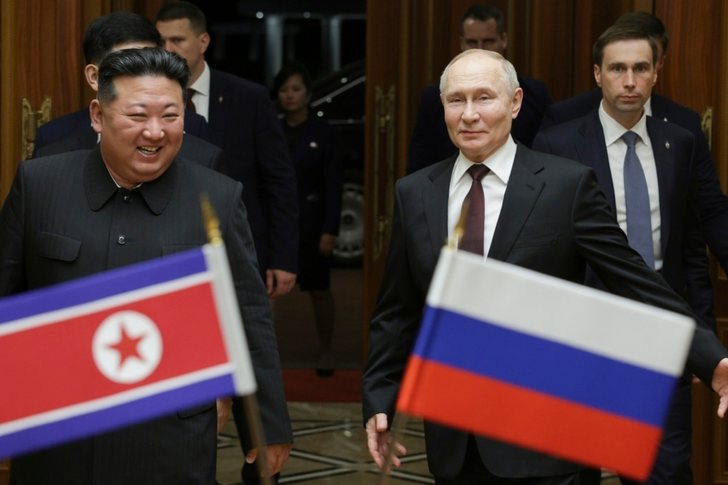
A day after Washington said 3,000 North Korean troops had ...
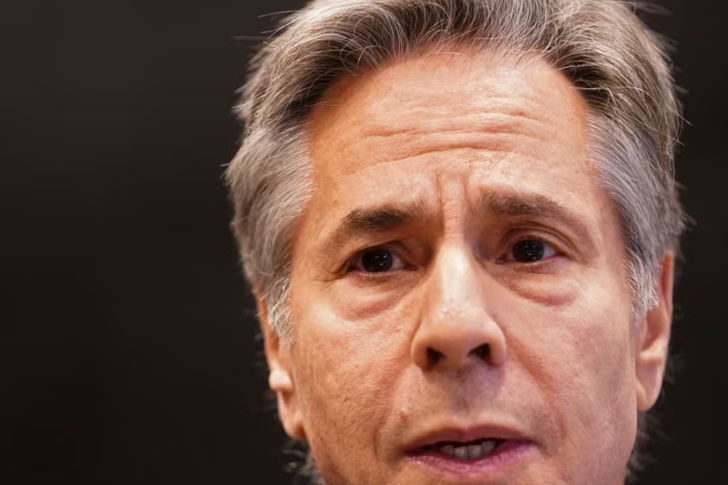
US Secretary of State Antony Blinken vowed to work "urgent...

An Israeli airstrike has killed at least 38 people in Han ...

A Syrian war monitoring group said on October 25 that Turk...

The two companies that own and operate the cargo ship that...

President Joe Biden on Thursday signed a directive urging ...
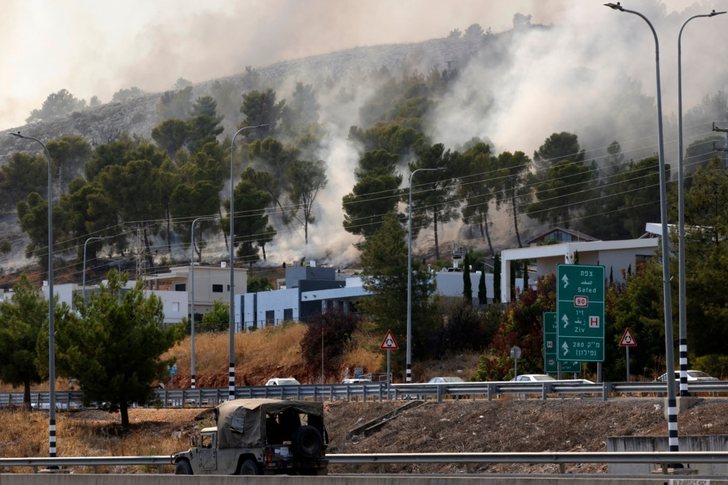
Israel's military announced late Thursday that five of its...

The Lebanese militant group Hezbollah is trying to increas...

CNA has launched another investigation that could lead to ...

Irfan Hysenbelliu is a businessman that we call "Irfan the...

In March 2026, CNA launched another investigation centered...
The arrested mayor of Tirana, Erion Veliaj, with 13 charge...

The Special Board of Appeal (KPA) decided this Monday ...

The KPA vetting decided this Thursday to dismiss the p...

Suela Salavaçi, a prosecutor in the Prosecutor's Offic...

The Special Board of Appeal reinstated the prosecutor ...

A serious incident occurred this Tuesday in the Yrshek are...

An accident occurred this Tuesday on "Dituria" street in K...
A tourist has lost her life on Orikum beach, where she was...

Two people were arrested and two others were prosecuted af...
Albania was hit by temperatures significantly higher than ...

For the first time, Pogradec welcomed the Inter-Lake Chess...

Albania has achieved a record for the employment of foreig...

Today our country will be under the influence of relativel...
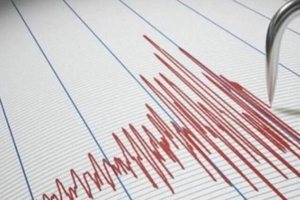
An earthquake measuring 5.0 on the Richter scale struck so...

The United Kingdom's new Prime Minister, Andy Burnham, has...
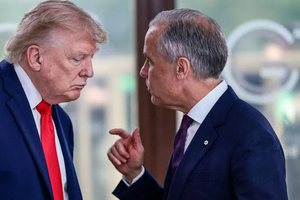
United States President Donald Trump has imposed 50% tarif...
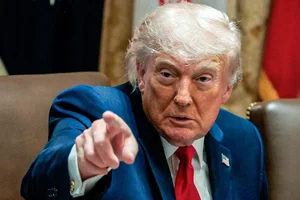
US President Donald Trump responded with harsh rhetoric to...

At a time when industrial products are increasingly taking...

Trust among people is not just a three-syllable word. It c...

Master of humor Todi Llupi has passed away at the age of 7...

The ninth edition of "MIK Festival" kicked off with one of...

The Centralized Purchasing Operator recently opened a tend...
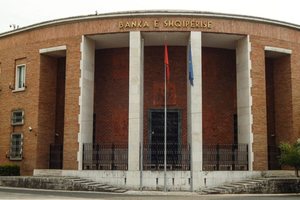
The new draft law "On the Bank of Albania" provides that t...

This Tuesday, one US dollar is bought for 81.2 lek and sol...

Deputy Minister of Economy and Innovation, Enkelejd Musabe...