


Businessman Artur Shehu breaks his silence: I am a long-time land owner in Zvërnec, I don't know the investors at all
Albanian businessman Artur Shehu spoke on the Opinion show...

Albanian businessman Artur Shehu spoke on the Opinion show...

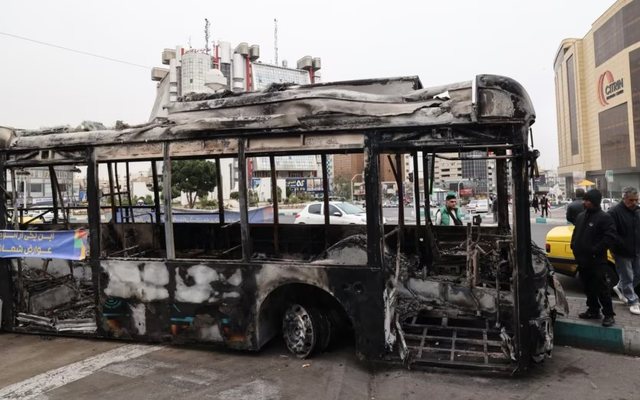
Iranian authorities have plunged the country into what witnesses describe as a near-total digital blockade in response to deadly nationwide protests against the Islamic Republic, severely restricting the flow of information from within the country.
With limited internet access, only fragmented accounts have reached the outside world through short one-way phone calls, individuals with satellite internet access, and Iranians who have recently left the country.
The protests erupted in late December 2025, amid growing public anger over economic hardship, high inflation, and the sharp devaluation of the Iranian rial.
Initial demonstrations over the cost of living and economic mismanagement quickly spread to several cities and turned into broader protests against the establishment, prompting a deadly response from security forces.
Human rights organizations say several thousand people have been killed or injured during the unrest, although independent verification remains impossible due to the blockade.
Eyewitnesses and medical professionals who spoke to Radio Free Europe describe hospitals overwhelmed with patients suffering from serious gunshot wounds, especially to the head, eyes, chest and abdomen.
A protester from the northeastern city of Mashhad, who recently fled Iran, said he had seen security forces violently confronting teenagers during demonstrations.
The protester described a teenager who suffered serious injuries to his face after being beaten with sticks, while another was shot in the leg and later had to have his leg amputated.
Overburdened hospitals
Several witnesses also described visible signs of violence in public spaces after the demonstrations ended.
"The next morning in Haft-e Tir, all the streets were being washed away," another Mashhad resident who recently left Iran told REL. "My husband had seen it; everything was covered in blood."
Health workers inside Iran report extreme pressure on medical institutions.
In recorded testimony, a member of the medical staff described an acute shortage of specialists, including neurosurgeons, orthopedic surgeons and ophthalmologists, as patients arrived with gunshot wounds, particularly to the head and face.
REL cannot independently verify casualty figures or individual claims. However, doctors inside and outside Iran say the size and pattern of injuries suggest widespread use of live ammunition and small arms.
Shahram Kordasti, director of research at the Faculty of Oncology and Pharmaceutical Sciences at King's College London, said his colleagues in Iran have reported an unusually high number of eye and head injuries.
"The volume was so great that specialized eye hospitals could no longer cope," he said, adding that shortages of medical supplies and difficulties in reaching hospitals have worsened the crisis.
Hospitals are also facing severe blood shortages. Roozbeh Esfandiari, a former emergency room doctor in Tehran who now lives in the United States, called on Iranians with O-positive and O-negative blood types to donate blood urgently.
Iranian newspapers have published limited but disturbing reports. The Tehran-based daily Ham-Mihan reported that the brother of a 30-year-old protester said the man was alive and talking in hospital before suddenly collapsing and dying from a gunshot wound to the lower abdomen.
Another witness told REL that a man was killed by several bullets while trying to save a wounded friend and that the family was forced to pay a large sum to retrieve the body.
The Iranian daily Shargh reported that eye injuries account for a significant portion of the casualties from the protests. The Farabi Eye Hospital in Tehran, the country's main ophthalmology center, is reportedly operating at full capacity.
Amir-Mobarez Parasta, head of the Munich Eye Center, told REL that the injury figures are unprecedented.
“I am in contact with ophthalmologists inside Iran,” he said. “In a private eye clinic in Tehran alone, 6,000 eye injuries have been recorded so far. University hospitals in major cities such as Tehran, Mashhad, Shiraz and Tabriz have together documented at least 600 cases involving eye removal.”
Eyewitnesses and medical staff also reported a heavy security presence at hospitals, with armed forces restricting access and, in some cases, detaining patients before treatment is completed.
Iranian Foreign Minister Abbas Araqchi admitted on January 11 that some wounded people had been "eliminated" by what he called "terrorists," and not by security forces.
Doctors warn that many injured protesters remain in hiding, avoiding hospitals for fear of arrest.
Untreated gunshot wounds and infections, they say, put these individuals at serious risk of death, while Iran remains largely cut off from the outside world. /REL

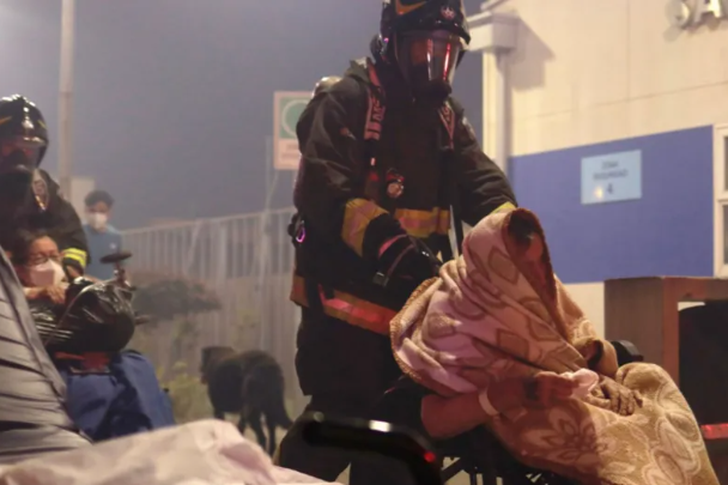
Chilean President Gabriel Boric has declared a state of di...

There's something unique about cryptocurrency theft. All t...
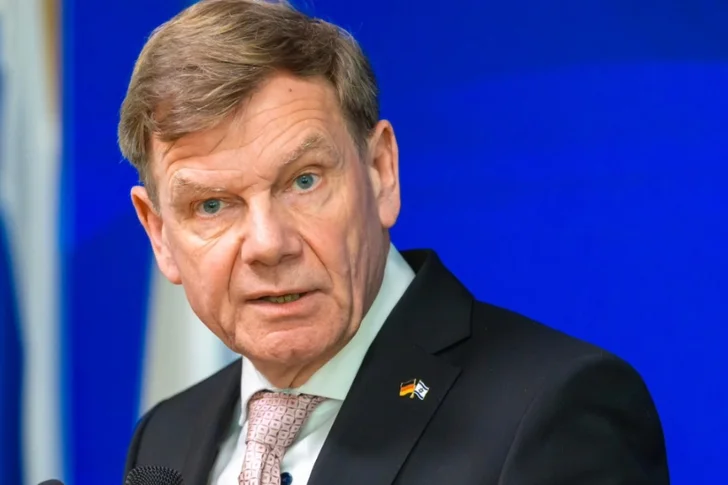
German Foreign Minister Johann Wadephul has underlined the...
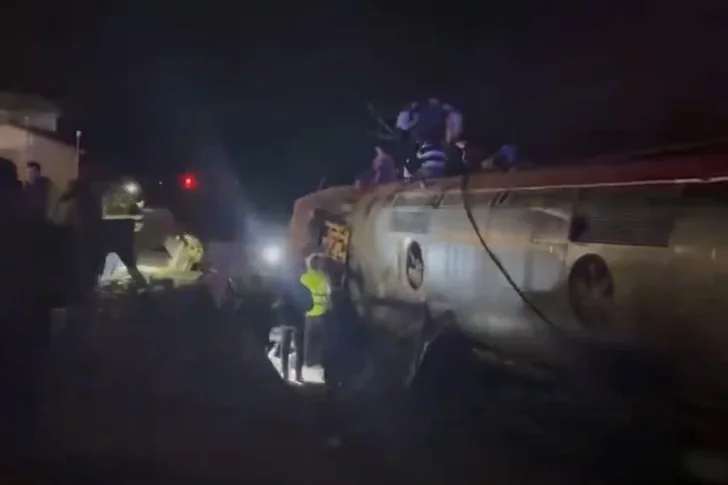
The death toll from the collision of two trains in Cordoba...
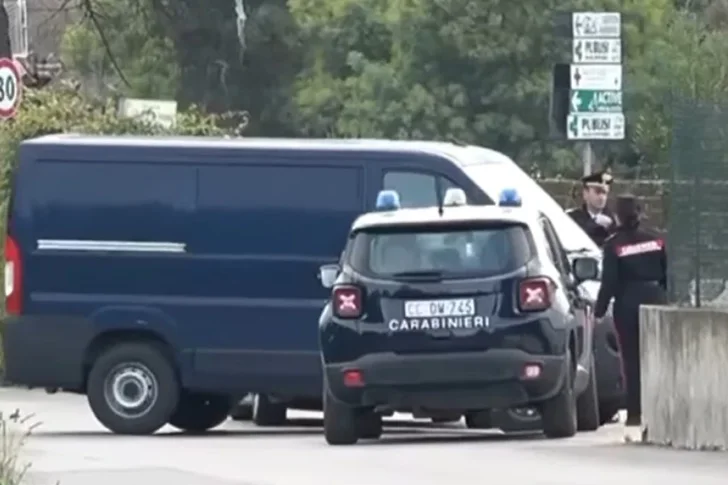
A brutal crime has been discovered in Italy, in the Ang...
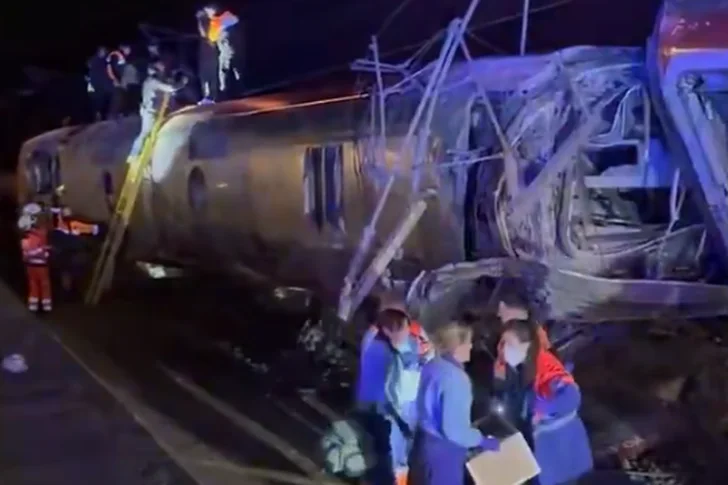
A serious rail accident has occurred in Spain, where two h...
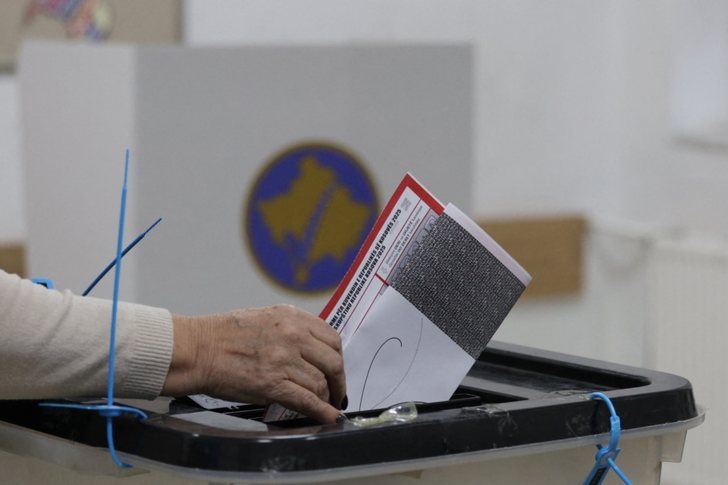
In almost half of the polling stations that are supposed t...
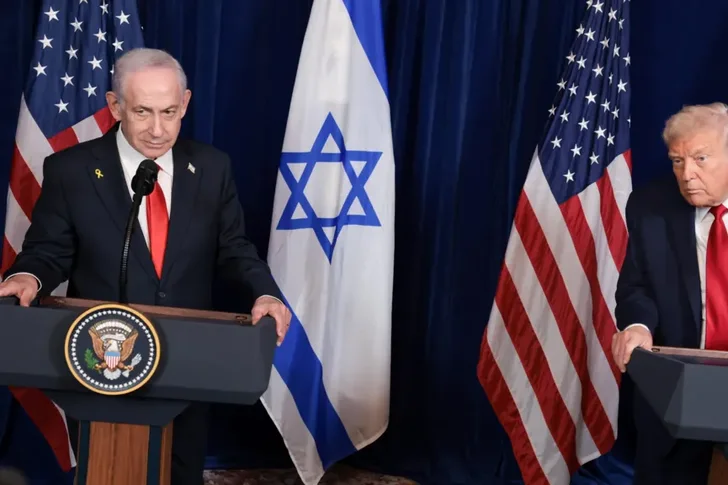
Israeli Prime Minister Benjamin Netanyahu has called a mee...
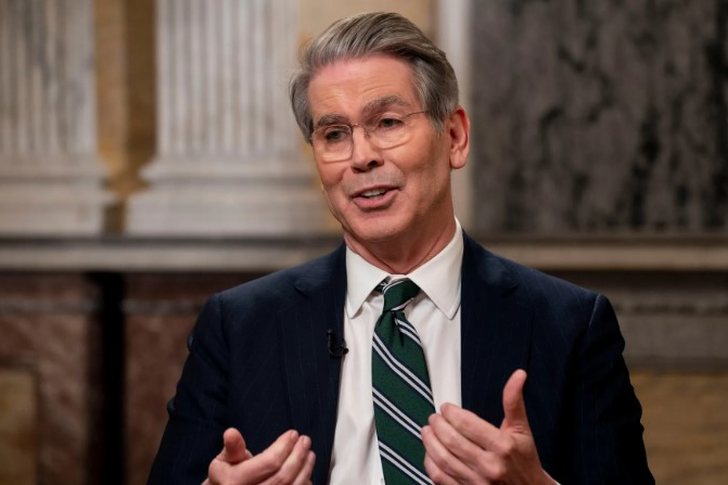
US Treasury Secretary Scott Bessent said in a television i...
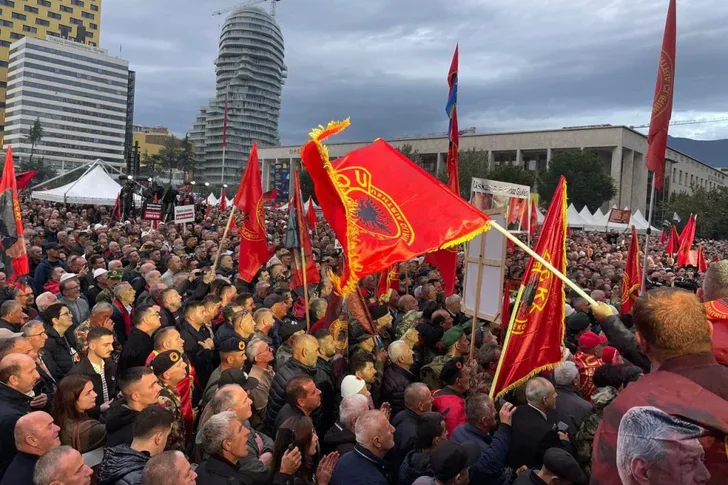
The Chairman of the KLA War Veterans Organization, Hysni G...
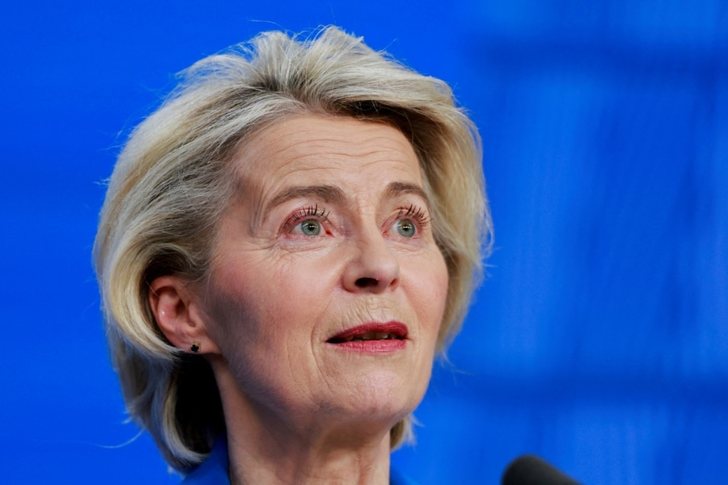
Countries targeted by US President Donald Trump's threat t...
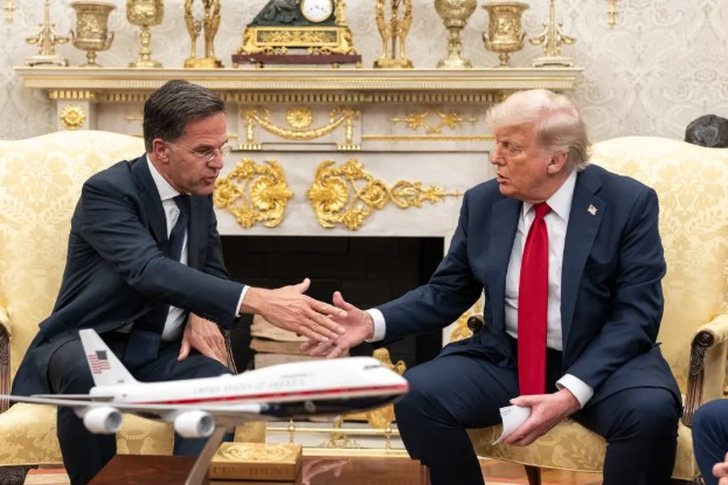
NATO chief Mark Rutte announced today that he had a phone ...
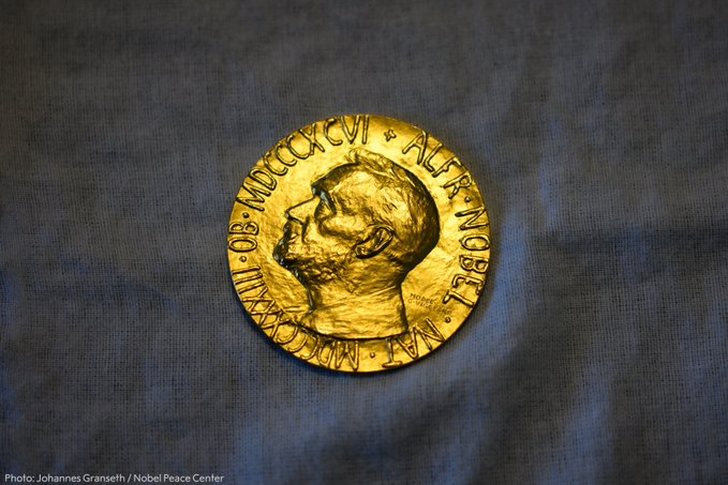
The Norwegian Nobel Institute has issued another statement...
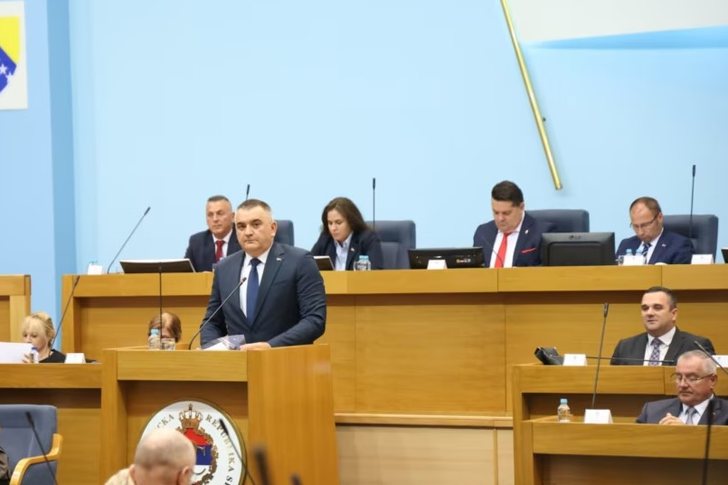
Deputies of the People's Assembly of Republika Srpska appr...
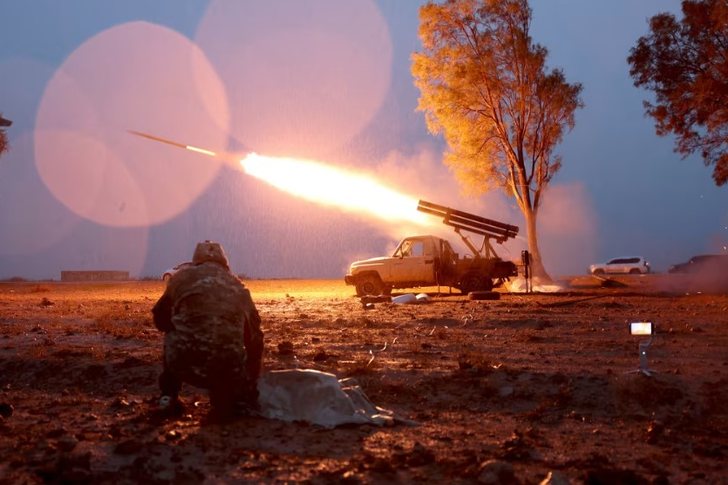
The Syrian army, within two days, aided by tribal militia,...
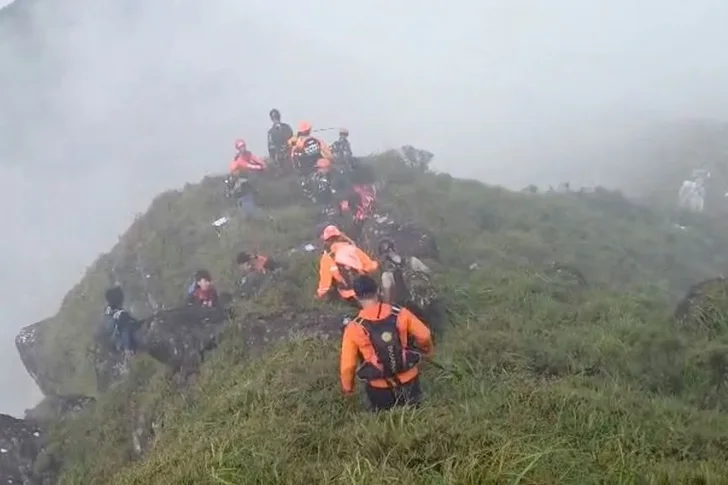
The body of a passenger who was on board the plane that di...
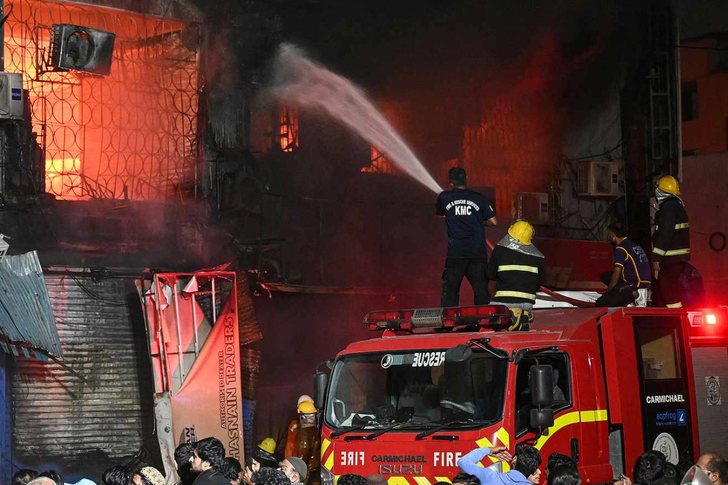
A fire has engulfed a shopping mall in the Pakistani city ...
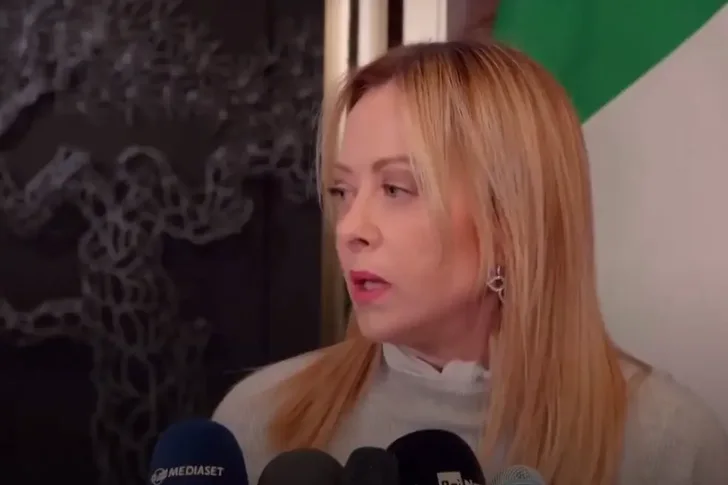
Italian Prime Minister Giorgia Meloni has had a telephone ...
In almost half of the polling stations that are supposed t...

NASA has moved its tallest and most powerful rocket from t...
The next case broadcast on the show "Stop", this Thursday,...
The case published this Thursday, June 4, on the show "Sto...

The protests of recent days related to the situation in Zv...

The case addressed this Wednesday, June 3, on the show "St...

The Special Board of Appeal (KPA) decided this Monday ...

The KPA vetting decided this Thursday to dismiss the p...

Suela Salavaçi, a prosecutor in the Prosecutor's Offic...

The Special Board of Appeal reinstated the prosecutor ...
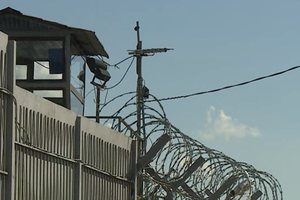
A convict was found dead today in the premises of the Pris...
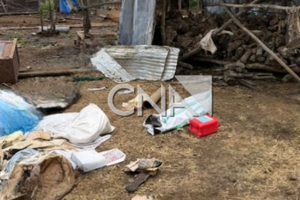
Several images provided by CNA show the area where this mo...
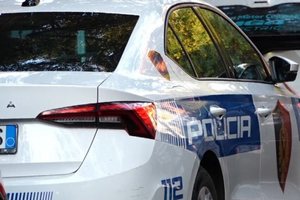
A quantity of explosive material exploded this morning at ...
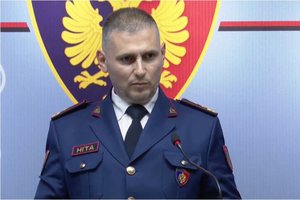
The Head of the State Police, Skënder Hita, expressed his ...

For many children and teenagers, the long summer holidays ...
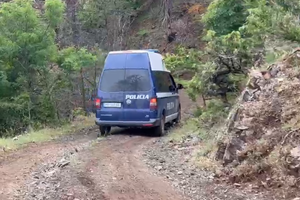
Witnesses in Lozhan, Maliqi, have shared details from the ...
Albania is facing an unprecedented demographic transition,...
On Thursday, our country will be affected by unstable weat...
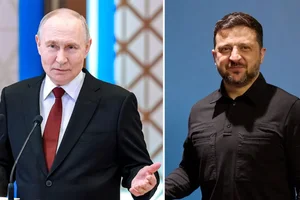
Russian President Vladimir Putin said the war in Ukraine c...
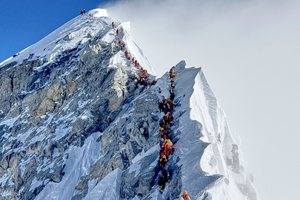
An extraordinary story of survival has been recorded in Ne...
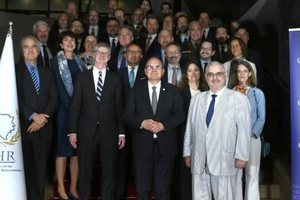
The Peace Implementation Council in Bosnia and Herzegovina...
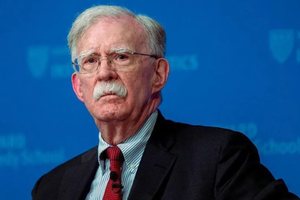
John Bolton, the former national security adviser to US Pr...
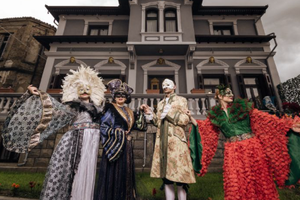
Korça is ready to open the summer season with one of the c...
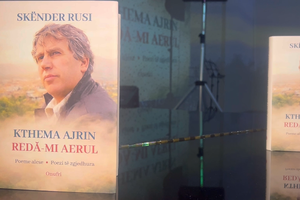
Two years after his passing, the renowned Korçë poet Skënd...

The Ethnographic Museum of Berat has opened its doors to v...
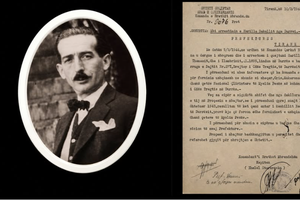
The story of Harilla Bakalli is one of the most chilling t...
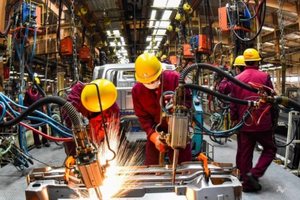
The government aims to transform the country's industrial ...
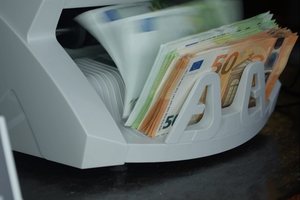
Kursi i këmbimit të euros me lekun ka rënë më tej këtë jav...

Profit margins in the construction sector have increased s...
The Transparency Board, at its meeting today, decided to i...