

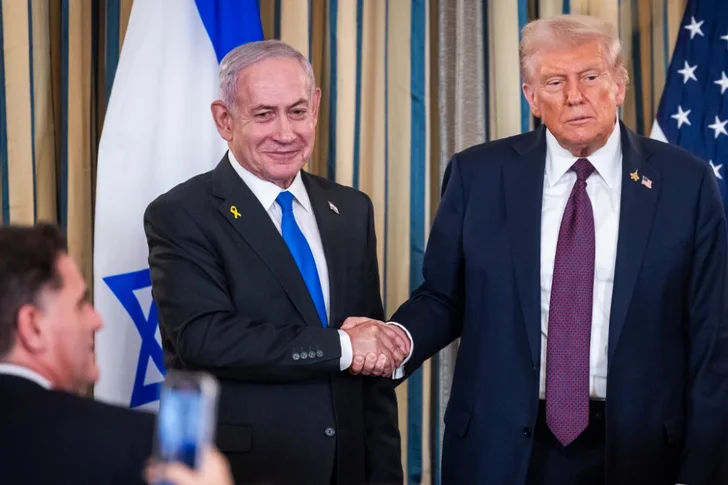
Netanyahu: I will meet with President Trump within this month
Israeli Prime Minister Benjamin Netanyahu held a joint pre...


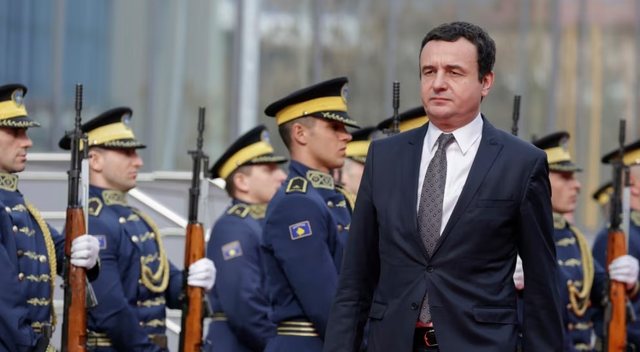
In the Balkans, where security balances remain fragile and state actions are often interpreted beyond their real weight, even small steps take on added importance. In this context, the planned production of ammunition by Kosovo is a limited step, but with the potential to influence how the country is perceived in the field of defense.
The acting Prime Minister of Kosovo, Albin Kurti, confirmed that the first ammunition factory in Kosovo will be built in Jahoc, Gjakova, with the first production expected to be released at the end of 2026. And, the activity will not stop there.
"This industrial zone will also serve other investors, with whom we are in contact, and we will produce various types of military products - military and civilian drones 'Made in Kosovo'," Kurti said on November 27.
The agreement for the factory was signed on December 16, 2024, between the Kosovo government and the Turkish state-owned manufacturer, MKE. Radio Free Europe/Radio Liberty was unable to reach the company directly, but according to a statement from the company in October, Kosovo will be provided with machinery for the production of cartridges and bullets, a production and assembly line, laboratory and testing equipment. MKE personnel will also provide production, maintenance, repair and technical assistance services to Kosovo staff.
Contacted by Radio Free Europe, a NATO official in Brussels did not provide a direct assessment of Kosovo's announcement that it will start ammunition production in 2026, nor of the specific standards the country must follow, but only stated that "the NATO-led KFOR mission remains focused on implementing the UN mandate, maintaining a safe environment for all residents of Kosovo, at all times, in an impartial manner and in close coordination with the Kosovo Police and the EU mission, EULEX."
NATO has not supported the transformation of the KSF into an army - a process that is expected to be completed in 2028. Kosovo authorities, including Kurti, say that it is being developed according to NATO standards and that the weapons purchased over the last four years - worth over 430 million euros according to him - come from alliance member countries: the US, Turkey, Germany and others.
"By increasing the army, we secure the Republic. By establishing the Kosovo Security Force, we strengthen the partnership with allies," Kurti said.
Koloneli amerikan në pension, Ray Wojcik, e sheh vendimin e Kosovës për të prodhuar municione si një “iniciativë fantastike” - në linjë me pritjet e NATO-s që vendet aspiruese të zhvillojnë kapacitete industriale mbrojtëse. Në vlerësimin e tij, Kosova po e nis këtë prodhim në kohën e duhur: për të forcuar aftësitë e saj ende të kufizuara, për t’iu përgjigjur kërkesave më të larta të sigurisë pas luftës në Ukrainë dhe për të rritur bashkëpunimin rajonal me aleatët.
“Një nga gjërat pozitive për Kosovën, falë pranisë shumëvjeçare të misionit të NATO-s, KFOR, është marrëdhënia e ngushtë dhe bashkëpunimi i vazhdueshëm me aleatët. Kosova e ka diskutuar këtë nismë veçanërisht me SHBA-në dhe Mbretërinë e Bashkuar - dy nga aleatët e saj më të afërt, të cilët janë shumë mbështetës për të”, thotë Wojcik për programin Expose të Radios Evropa e Lirë.
Wojcik, i cili ka shërbyer si udhëheqës i Zyrës së Bashkëpunimit të Mbrojtjes në Ambasadën amerikane në Prishtinë, përmend edhe marrëveshjen rajonale të mbrojtjes mes Kosovës, Shqipërisë dhe Kroacisë, e cila, sipas tij, mbështet iniciativën për prodhimin e municioneve në Kosovë.
Argyro Kartsonaki, nga Instituti për Kërkime të Paqes dhe Politika të Sigurisë në Hamburg, pajtohet se është logjike që një shtet i vogël të përpiqet të forcojë sigurinë e vet, por paralajmëron, po ashtu, se këto veprime mund të perceptohen si kërcënim nga fqinjët, duke i rritur tensionet, në vend se t’i ulin ato.
“Kjo nuk do t’i ndryshojë dinamikat e sigurisë në Ballkan. Ajo që mund të bëjë, megjithatë, është t’i ushqejë narrativët. T’i japë edhe një element propagandës dhe diskurseve populiste të presidentit të Serbisë, Aleksandar Vuçiç. Nëse kjo pastaj ekzagjerohet, mund të krijojë frikë dhe pasiguri të perceptuar. Dhe, frika e perceptuar është po aq reale sa edhe kërcënimi i vërtetë. Pikërisht këtu qëndron edhe delikatesa e këtij vendimi”, thotë Kartsonaki për Exposenë.
Presidenti i Serbisë, Aleksandar Vuçiç, e ka interpretuar marrëveshjen e mbrojtjes mes Kosovës, Shqipërisë dhe Kroacisë si shenjë të një gare armatimi, duke theksuar se Serbia “do të mbrohet me sukses nga çdo agresor i mundshëm”.
Në të njëjtën linjë, kryetari i Komisionit parlamentar për Mbrojtje në Serbi, Millovan Drecun, ka pretenduar se fabrika turke e municioneve në Kosovë cenon sigurinë dhe pozitën e serbëve në vend, por pa sjellë prova konkrete për këtë.
Serbia, përndryshe, mbetet fuqia dominuese ushtarake në rajon, me një buxhet mbrojtjeje dukshëm më të lartë se ai i Kosovës dhe i vendeve të tjera të Ballkanit Perëndimor.
Sipas Institutit Ndërkombëtar të Kërkimeve për Paqen në Stokholm - SIPRI, Kosova në vitin 2024 ka ndarë rreth 162 milionë dollarë për mbrojtjen, ndërsa Serbia rreth 2.2 miliardë.
Serbia, po ashtu, mbetet eksportuesja kryesore e armëve dhe municioneve në rajon, duke përbërë mbi 65% të totalit të eksporteve, sipas Institutit për Kontrollin e Armëve të Vogla dhe të Lehta në Evropën Juglindore dhe Lindore (SEESAC). Pas saj renditen Bosnje dhe Hercegovina dhe vendet e tjera të rajonit, si Maqedonia e Veriut, Shqipëria dhe Mali i Zi, të cilat eksportojnë gjithçka - nga municionet e lehta deri te minat dhe raketat.
Koloneli Wojcik thotë se Kosova duhet t’i adresojë perceptimet e Serbisë duke komunikuar qartë se iniciativat e saj të mbrojtjes, përfshirë prodhimin e municioneve, synojnë t’i përmbushin standardet e NATO-s dhe të shërbejnë si mjet mbrojtës, jo si kërcënim.
“Është një përpjekje për stabilitet rajonal, pasi mund të veprojë si mjet parandalues ndaj Serbisë agresive, e cila ka kapacitete të mëdha prodhimi armësh dhe municionesh. Prandaj, për një sasi shumë të vogël armësh ose municionesh që do të prodhojë Kosova, nuk ka arsye shqetësimi për serbët”, thotë Wojcik.
Se çfarë lloji dhe çfarë sasie municionesh synon të prodhojë Kosova, nuk dihet saktësisht, pasi një pjesë e madhe e informacionit në fushën e mbrojtjes është e klasifikuar. Në një deklaratë të mëhershme për Radion Evropa e Lirë, ministri i Mbrojtjes, Ejup Maqedonci - tani në detyrë - ka thënë se Kosova nuk mund të bëhet plotësisht e vetëqëndrueshme, por mund ta zvogëlojë varësinë nga vendet e tjera, duke prodhuar municione dhe armatime që përdoren më shumë dhe sigurohen më vështirë.
Kartsonaki, nga Instituti për Kërkime të Paqes dhe Politika të Sigurisë, thotë se Kosova, si një vend i vogël, nuk mund të zhvillojë një industri të madhe të mbrojtjes, pa kufizuar ndjeshëm buxhetin e saj për fusha të tjera të rëndësishme.
“Çështja është se ju keni një shtet të vogël, me nivele të larta të varfërisë dhe papunësisë. A është ky vërtet investimi më i mirë që mund të bëni? Këtu nuk bëhet fjalë për Gjermaninë, e cila mund të prodhojë armë në një shkallë më të madhe, por, njëkohësisht, ka mjaft fonde për të mbuluar edhe aspektet sociale të shtetit”, thotë Kartsonaki.
Koloneli Wojcik thekson se buxheti i kufizuar i mbrojtjes e detyron Kosovën të veprojë me kujdes maksimal, duke investuar burimet në mënyrë të zgjuar. Ai nënvizon nevojën që përpjekjet në industrinë e mbrojtjes të koordinohen ngushtë me aleatët kryesorë dhe të shmangen partneritetet që mund të dëmtojnë stabilitetin rajonal ose përafrimin me Perëndimin.
Për të qenë efektiv, ai thotë se sektori i mbrojtjes duhet të funksionojë sipas standardeve ndërkombëtare, duke përfshirë transparencën, sundimin e ligjit dhe luftën kundër korrupsionit.
“I think Kosovo has shown consistent results. The United States would not have provided so many years of security assistance to Kosovo if there were concerns about corruption in the Ministry of Defense. This is a good sign, and the ammunition production effort should follow the same model - being overseen by NATO and key partners, such as the US and the UK. So the risk of mismanagement is very low,” says Wojcik.
The United States has Camp Bondsteel in Kosovo, which serves as the largest American military base in the Balkans. NATO still has over 4,000 peacekeepers - mostly in the north of the country, where the past two years have seen the worst ethnic tensions since independence in 2008.
The Kosovo Security Force is lightly armed, but since Kurti came to power in 2021, the defense budget has been increasing.
Globally, arms industry revenues are also set to rise sharply in 2024 - driven by high military spending due to the wars in Ukraine and Gaza, as well as regional and global geopolitical tensions. According to the SIPRI Institute, sales of arms and military services rose by 5.9 percent last year, reaching a record $679 billion.
In the words of Colonel Wojcik, ammunition production in Kosovo could also benefit NATO allies, including Ukraine. /REL

Israeli Prime Minister Benjamin Netanyahu held a joint pre...
EU foreign policy chief Kaja Kallas sought to downplay ten...
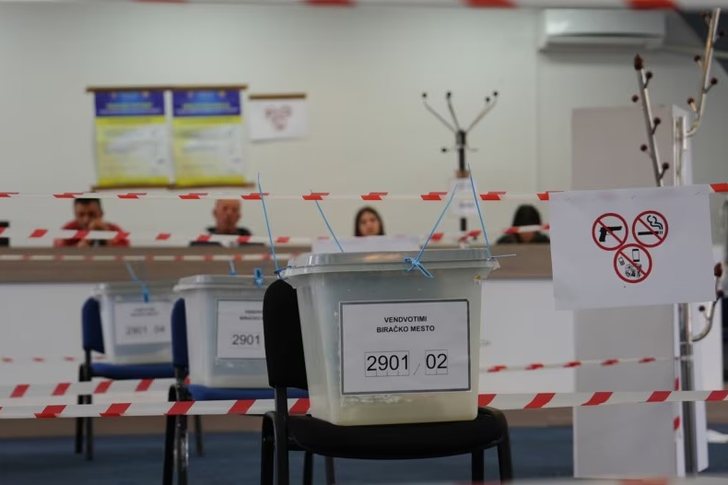
The Central Election Commission (CEC) in Kosovo has approv...
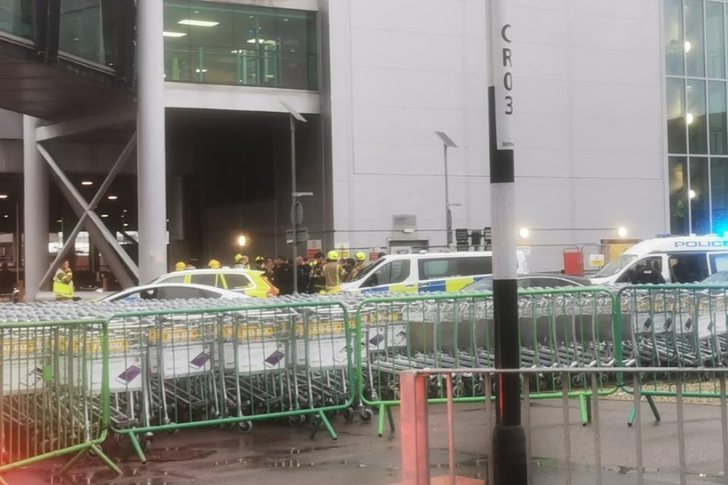
An incident occurred this morning in the multi-storey car ...
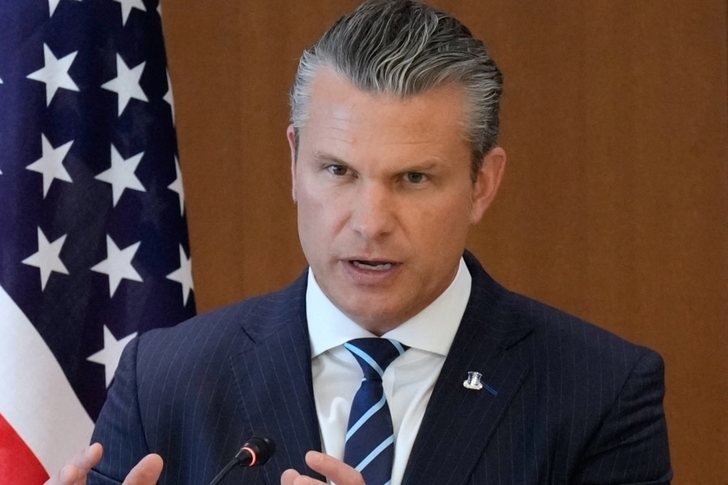
US Defense Secretary Pete Hegseth said on Saturday that he...
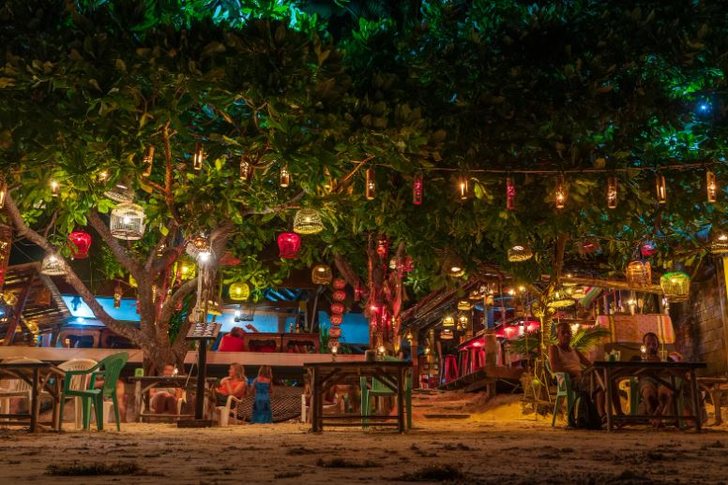
A study by entertainment platform JB has ranked the best g...
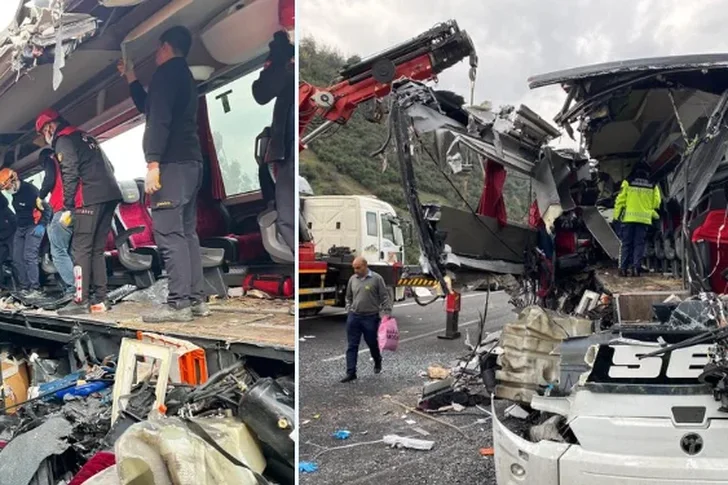
Një aksident i rëndë ka ndodhur në në një autostradë në Tu...
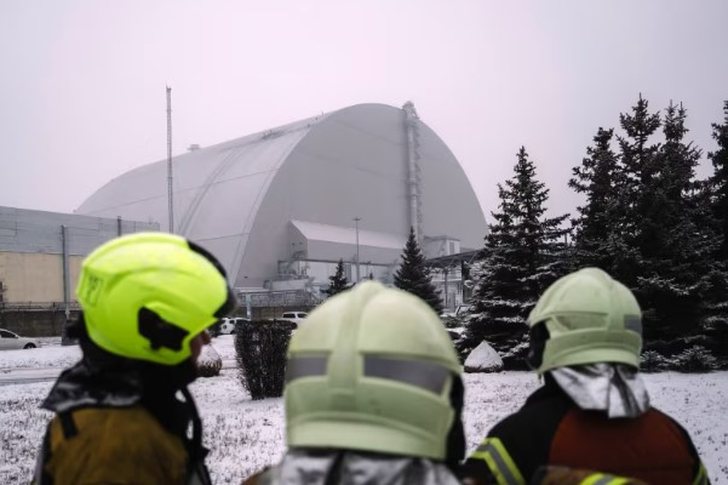
The protective shield built around the site of the Chernob...
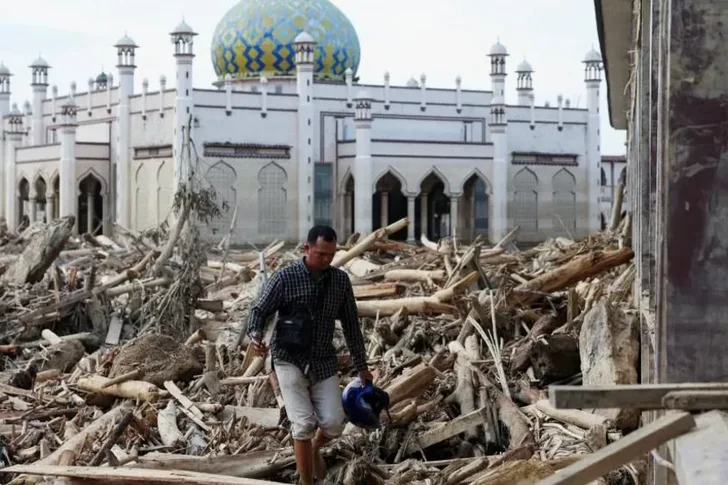
The death toll in Indonesia from recent floods has passed ...
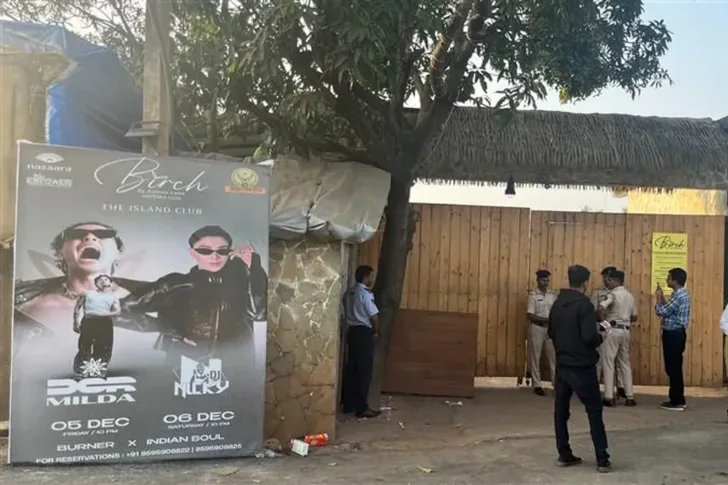
A massive fire has engulfed a nightclub in Goa, India, kil...
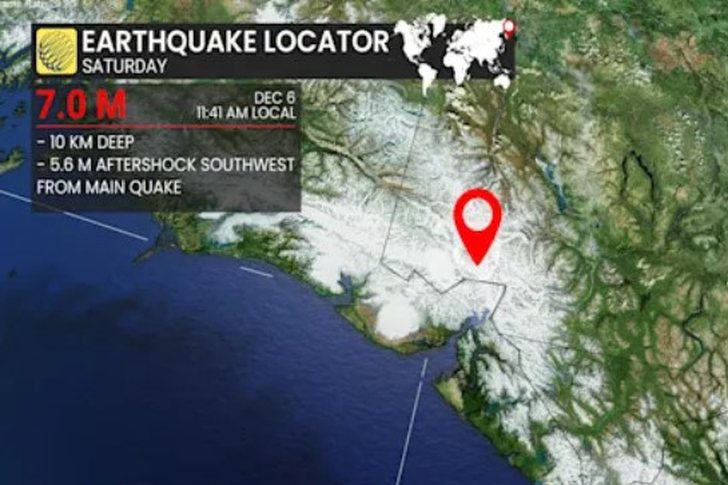
A powerful earthquake struck northwestern Canada this even...
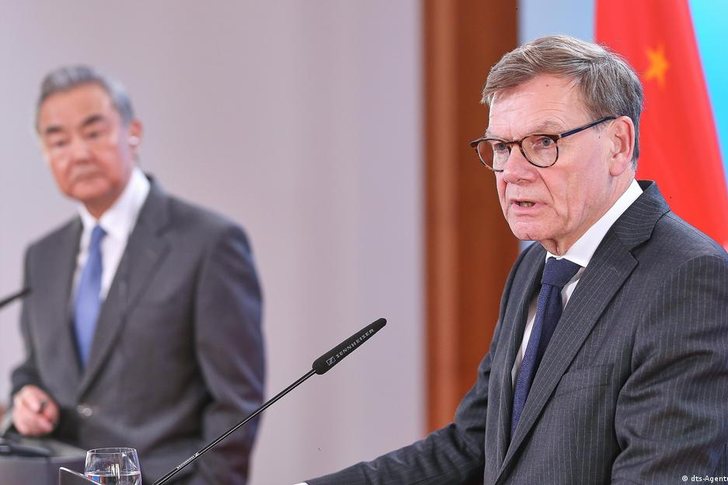
Finally: From Sunday to Wednesday next week (07.12 -10.12....
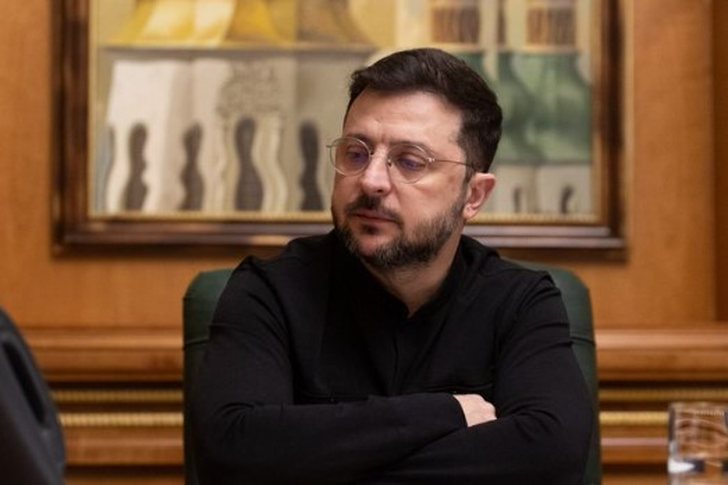
Ukrainian President Volodymyr Zelensky said he had a "very...
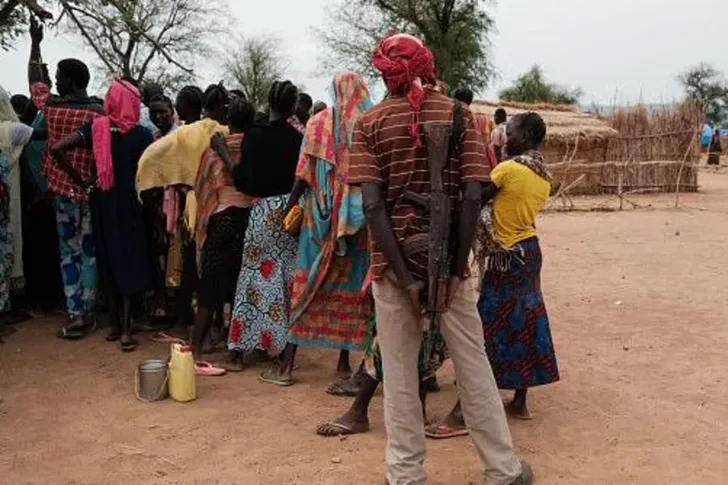
A drone and missile attack in Sudan's South Kordofan regio...

Famous footballer Cristiano Ronaldo called US President Do...
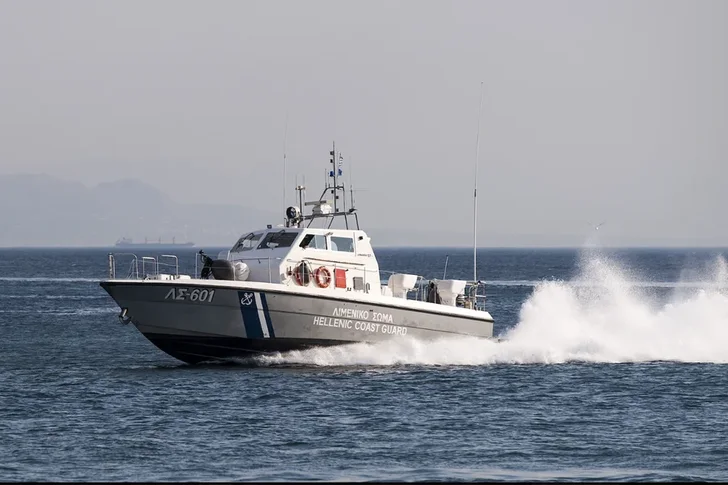
A boat carrying at least 20 migrants has sunk off the sout...
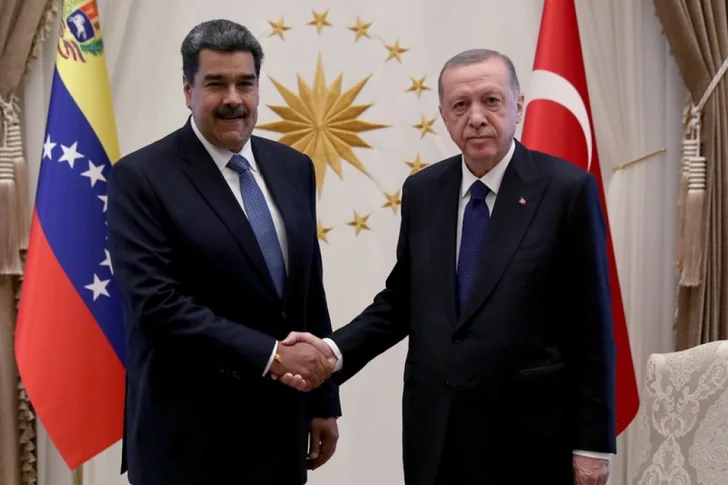
Turkish President Recep Tayyip Erdogan held a phone conver...

Sunday, November 17, 2019. This date is engraved in the me...
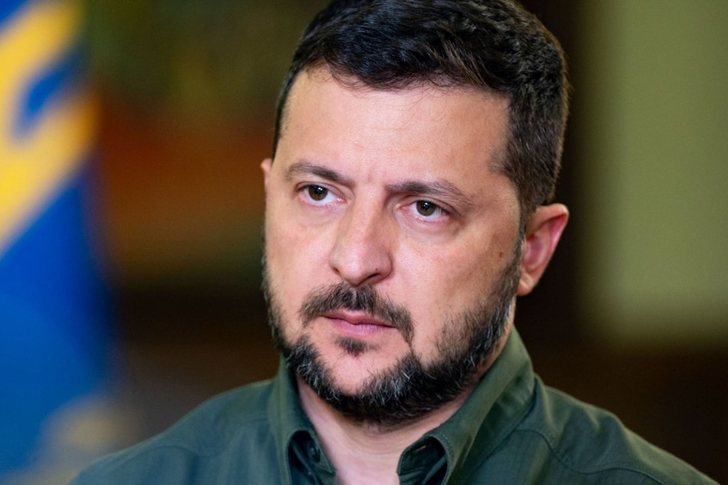
Ukrainian President Volodymyr Zelensky again accused Mosco...
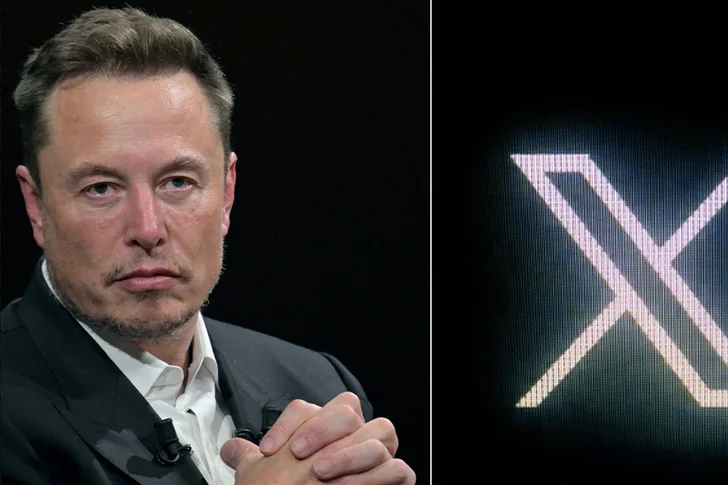
Billionaire Elon Musk has reacted sharply to the EU after ...

CNA has launched another investigation that could lead to ...

Irfan Hysenbelliu is a businessman that we call "Irfan the...

In March 2026, CNA launched another investigation centered...
The arrested mayor of Tirana, Erion Veliaj, with 13 charge...

The Special Board of Appeal (KPA) decided this Monday ...

The KPA vetting decided this Thursday to dismiss the p...

Suela Salavaçi, a prosecutor in the Prosecutor's Offic...

The Special Board of Appeal reinstated the prosecutor ...
A serious incident has occurred in Morina, Kukes. Citizen...
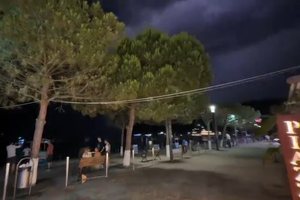
The bad weather that swept the country on Tuesday evening ...

A road accident occurred this evening on Nikolla Zoraqi St...
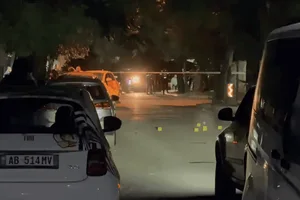
Three people were shot and wounded in Elbasan last night b...
This Wednesday, our country will be under the influence of...
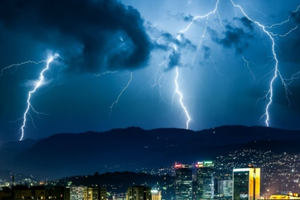
All of Southern Europe will face changing weather conditio...
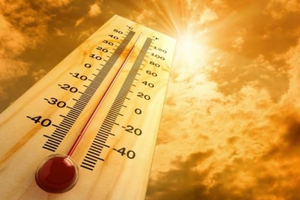
Albania was hit by temperatures significantly higher than ...
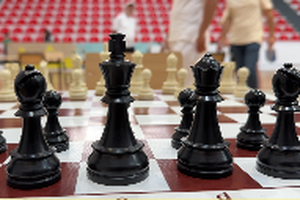
For the first time, Pogradec welcomed the Inter-Lake Chess...
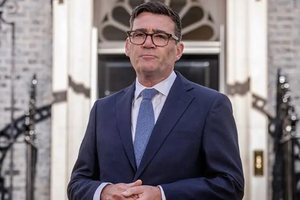
Prime Minister Andy Burnham has announced that most bus fa...

France's parliament has passed a law to ban social media f...
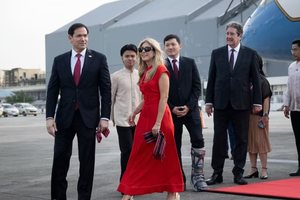
US Secretary of State Marco Rubio arrived in Manila on Jul...
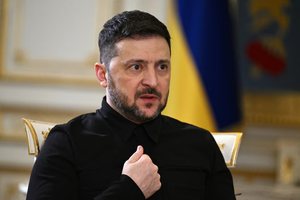
In the space of a few days, Ukrainian President Volodymyr ...

At a time when industrial products are increasingly taking...

Trust among people is not just a three-syllable word. It c...

Master of humor Todi Llupi has passed away at the age of 7...

The ninth edition of "MIK Festival" kicked off with one of...

Businesses will no longer be required to simply register t...

Despite economic growth and income in recent years, Albani...

This Wednesday, one US dollar is bought for 81.4 lek and s...

Construction company licenses will have a validity period ...