

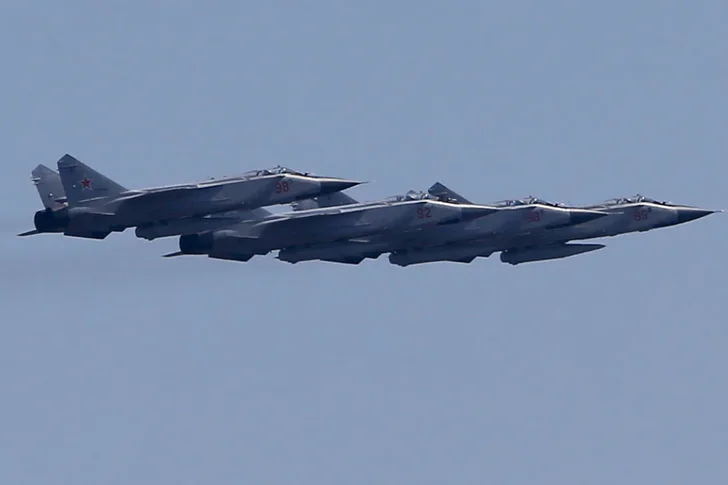
Two Russian military planes violate Lithuanian airspace / NATO immediately activates defenses
Two Russian military aircraft violated Lithuanian airspace...


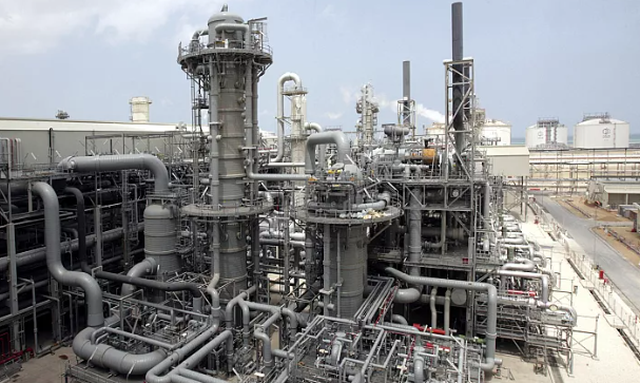
Both countries called on the EU to either repeal the law entirely or remove its most economically harmful provisions, specifically mentioning articles on extraterritorial application and transition plans.
Energy security and regulatory risk were in the spotlight during the 27th Ministerial Meeting of the Gas Exporting Countries Forum (GECF) that convened this week in Doha, bringing together ministers, officials and experts from the world's major gas-producing countries.
Headquartered in Qatar, the GECF, often described as the OPEC of natural gas, plays a central role in shaping global gas policy. This year’s meeting focused on the energy transition, emerging technologies and strengthening cooperation amid geopolitical uncertainty.
The opening session featured speeches by Qatar's Minister of State for Energy Affairs, Saad Sherida Al-Kaabi, and GECF Secretary General, Mohamed Hamel, who underscored the forum's mission to ensure that natural gas remains a key component of the global energy mix.
Stressing the central role of natural gas in global energy security, Hamel highlighted its multiple benefits: "Natural gas stands as a beacon of stability, a clean, reliable, affordable and flexible energy source that fosters sustainable development, enhances energy security, provides clean cooking solutions and directly contributes to food security through fertilizer production."
The three-day meeting brought together official delegations, senior officials, researchers and energy experts, reflecting the forum's growing importance as a platform for dialogue on the future of natural gas and global energy security.
Qatar and the US express concerns
On the sidelines of the GECF meeting, Qatar and the United States issued a joint open letter to the Heads of State of the European Union member states, expressing "deep concern" about the Corporate Sustainability Due Diligence Directive (CSDDD), a new EU law designed to enforce environmental and human rights standards across global supply chains.
The letter, co-signed by Minister Al-Kaabi and US Secretary of Energy Chris Wright, warned that the directive, "as formulated today", poses "a significant risk to the affordability and reliability of critical energy supplies for households and businesses across Europe, and an existential threat to the future growth, competitiveness and sustainability of the EU's industrial economy".
Both leaders argue that the directive's extraterritorial scope and liability provisions could discourage international energy companies from investing in or supplying the European market.
"It is our sincere belief, as allies and friends of the EU, that the CSDDD will cause significant damage to the EU and its citizens, as it will lead to higher prices for energy and other goods and will have a chilling effect on investment and trade," the letter said.
They called on the EU to either repeal the CSDDD entirely or remove its most economically harmful provisions, specifically mentioning articles on extraterritorial application, transition plans, penalties and civil liability.
Energy security and the future of Europe
The timing of the letter is significant. Qatar, one of the world’s largest exporters of liquefied natural gas (LNG), has become a cornerstone of Europe’s supply diversification as the continent has taken steps to reduce its dependence on Russian gas. The United States — now the world’s leading LNG producer — has also significantly expanded exports to Europe since 2022.
Both countries warn that unless the EU reconsiders its approach, the directive could jeopardize reliable energy flows, threaten investment and undermine affordability. The letter also noted that some European companies and industry associations share the same concerns, with dozens of CEOs recently calling for the repeal of the CSDDD.
The last day of the GECF ministerial meeting coincided with the EU's adoption of the 19th package of sanctions against Russia, which includes a gradual ban on imports of Russian liquefied natural gas (LNG).
The short-term contracts will end in six months, while the long-term agreements will expire on January 1, 2027 - a year earlier than previously planned. The move underscores Europe's determination to reduce its dependence on Russian energy, adding another layer of complexity to global LNG markets at a time when Qatar and the United States are working to secure stable and affordable energy supplies for Europe./ CNA

Two Russian military aircraft violated Lithuanian airspace...
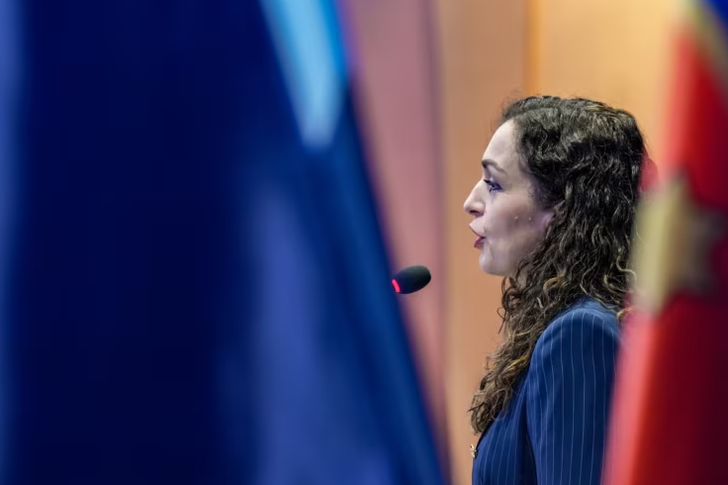
The President of Kosovo, Vjosa Osmani, said that it is tim...
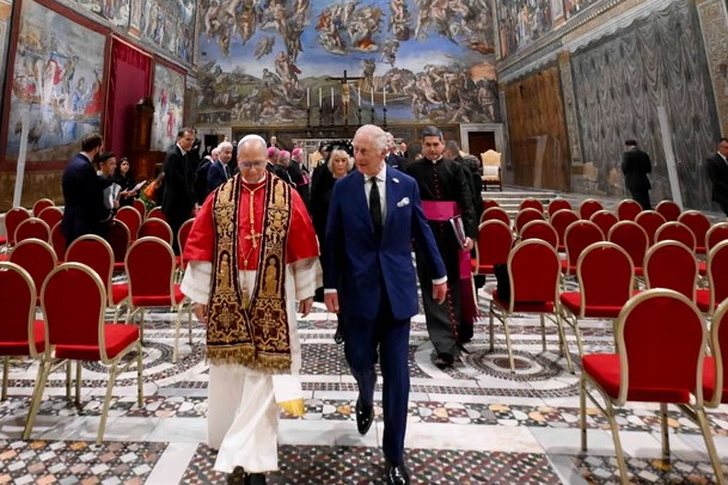
King Charles III has made history by becoming the first re...
Spanish authorities have said the body of a 56-year-old ma...

Two Ukrainian journalists were killed and a colleague was ...
Ukraine's president has asked the European Union to suppor...
Depression and anxiety are the most prevalent conditions i...
A video showing the looters of the Louvre museum is circul...
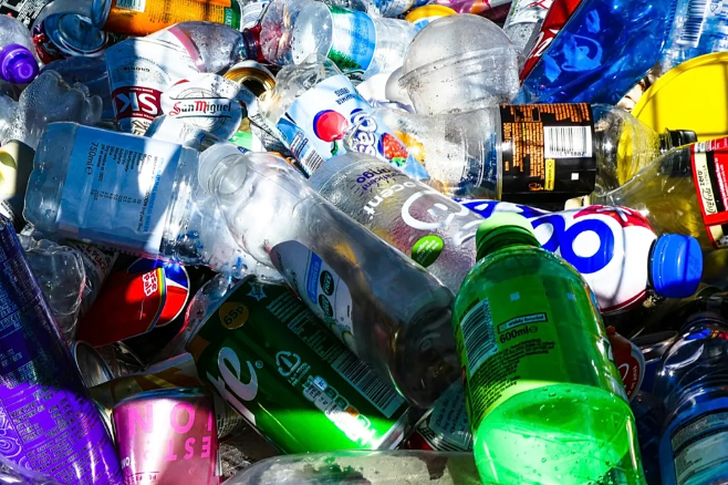
In 2023, the EU generated 79.7 million tonnes of packaging...
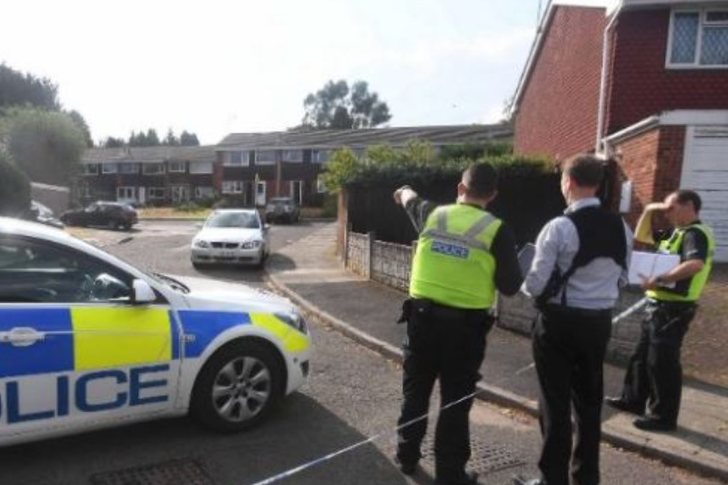
Authorities in the United Kingdom have arrested three peop...
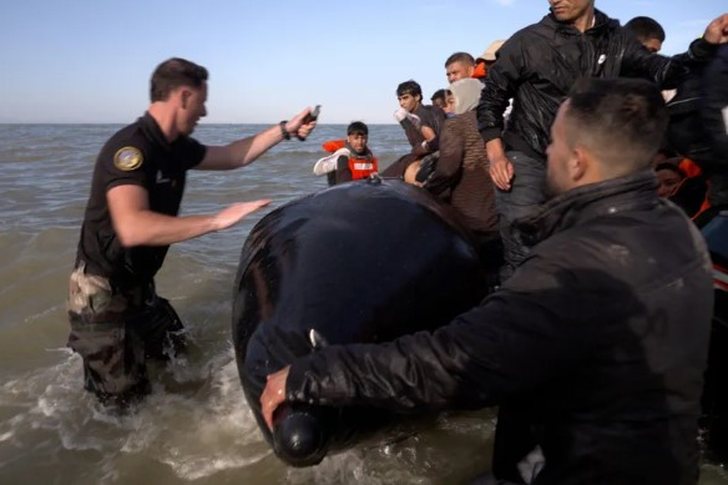
France is backing away from a commitment to stop dinghies ...
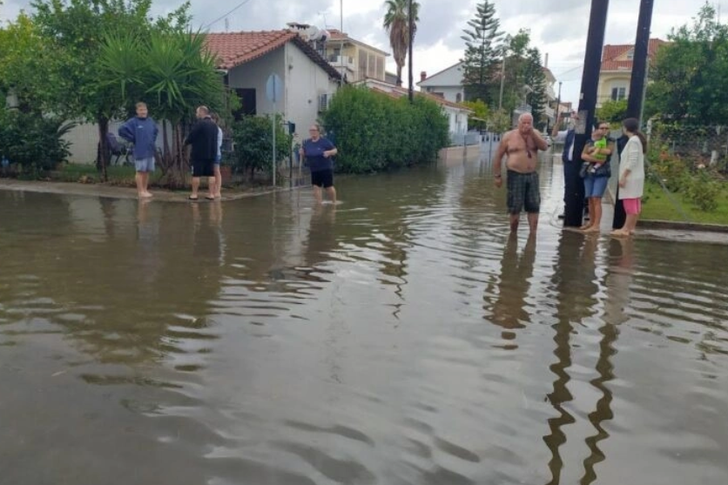
A new wave of bad weather has hit several areas in the nei...
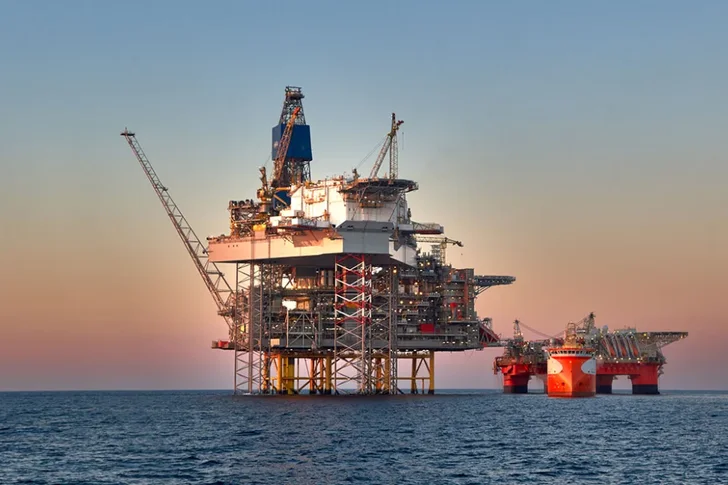
China's major state-owned oil companies are suspending pur...
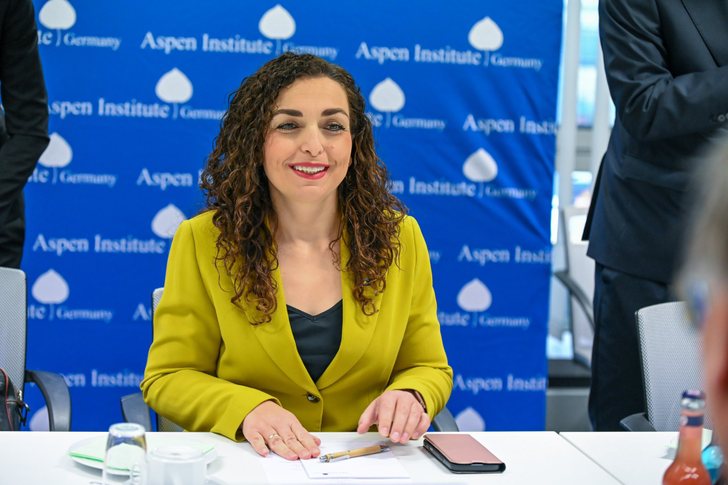
Kosovo President Vjosa Osmani has delivered her speech at ...
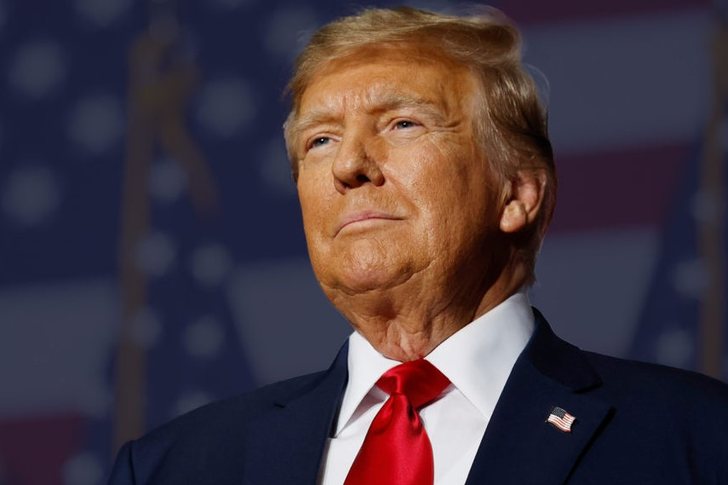
US President Donald Trump has warned Israel that it would ...
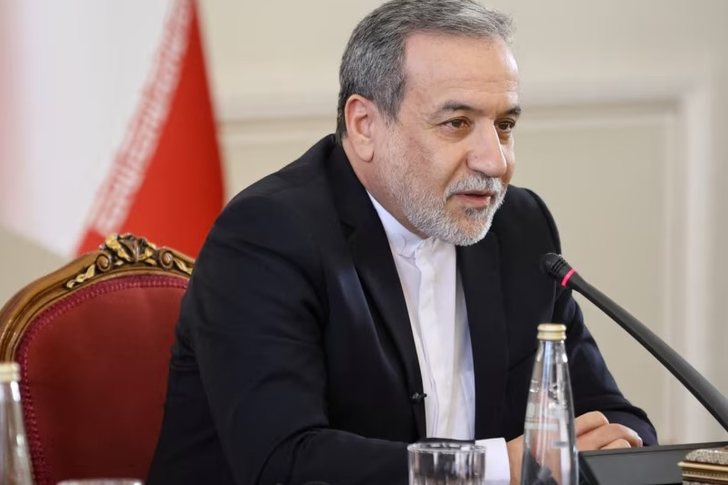
Iran warned against any new attacks on it after the he...
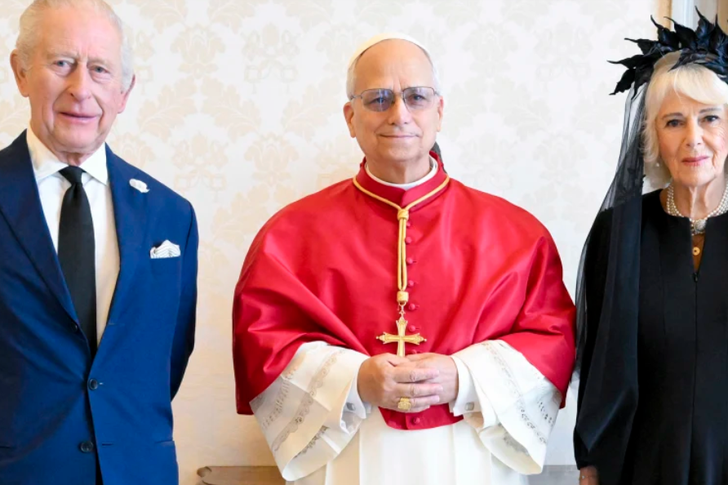
Britain's King Charles III and Queen Camilla arrived at th...
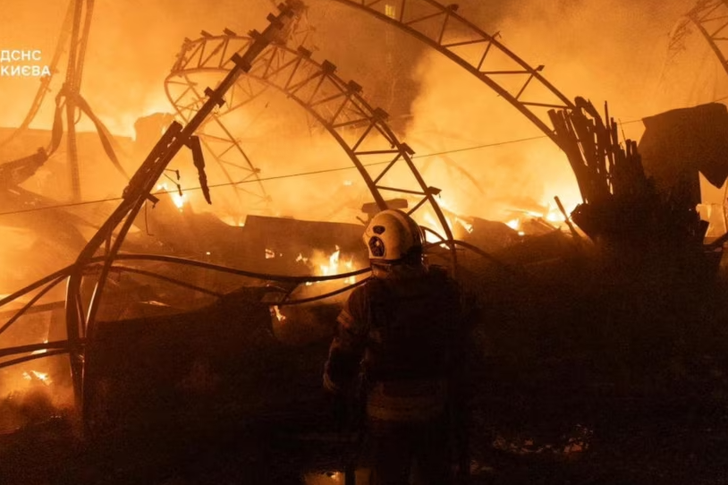
An overnight Russian drone attack in Kiev has injured nine...
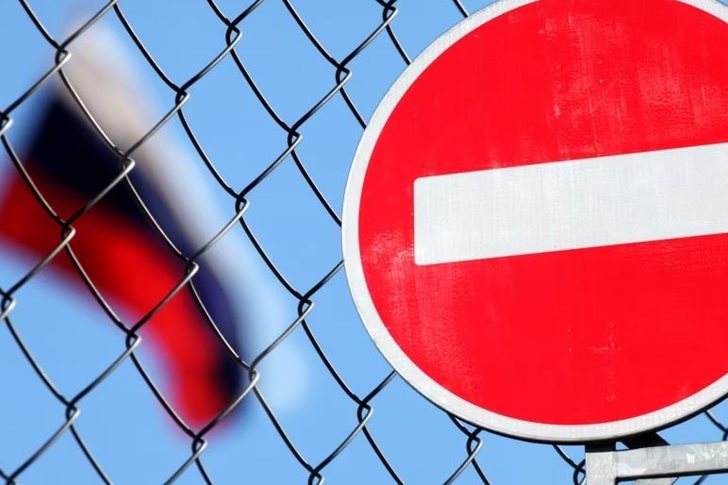
Bashkimi Europian nisi sot një raund të ri sanksionesh kun...
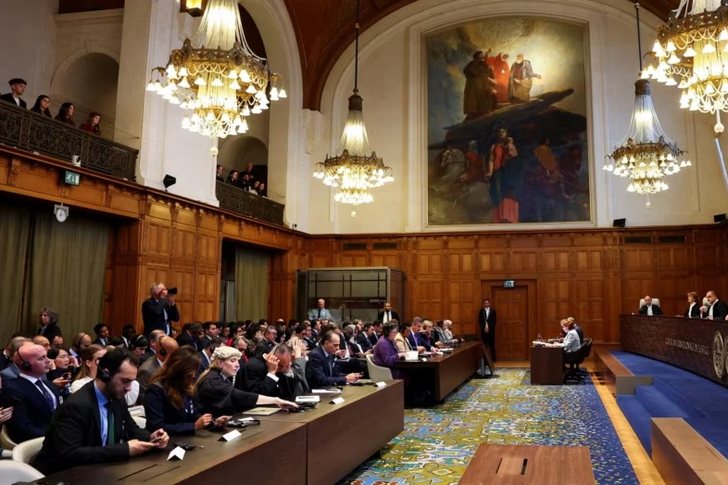
The International Court of Justice (ICJ) said that Israel ...

CNA has launched another investigation that could lead to ...

Irfan Hysenbelliu is a businessman that we call "Irfan the...

In March 2026, CNA launched another investigation centered...
The arrested mayor of Tirana, Erion Veliaj, with 13 charge...

The Special Board of Appeal (KPA) decided this Monday ...

The KPA vetting decided this Thursday to dismiss the p...

Suela Salavaçi, a prosecutor in the Prosecutor's Offic...

The Special Board of Appeal reinstated the prosecutor ...

A road accident occurred this evening on Nikolla Zoraqi St...
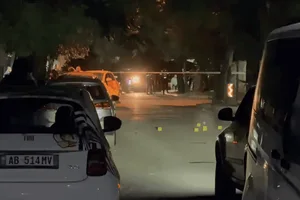
Three people were shot and wounded in Elbasan last night b...

A serious incident occurred this Tuesday in the Yrshek are...

An accident occurred this Tuesday on "Dituria" street in K...
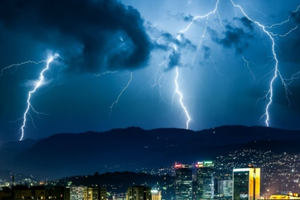
All of Southern Europe will face changing weather conditio...
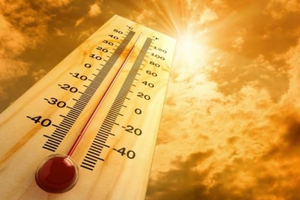
Albania was hit by temperatures significantly higher than ...

For the first time, Pogradec welcomed the Inter-Lake Chess...
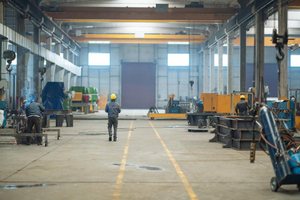
Albania has achieved a record for the employment of foreig...

US Secretary of State Marco Rubio arrived in Manila on Jul...
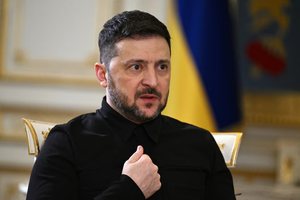
In the space of a few days, Ukrainian President Volodymyr ...
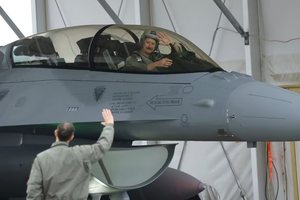
The spokesman for the Iranian Foreign Ministry warned Bulg...
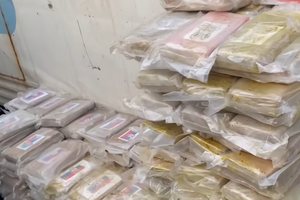
Autoritetet italiane sekuestruan pako me afër 800 kilogram...

At a time when industrial products are increasingly taking...

Trust among people is not just a three-syllable word. It c...

Master of humor Todi Llupi has passed away at the age of 7...
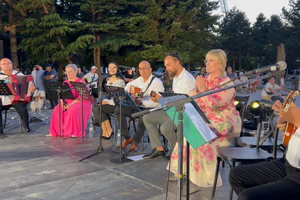
The ninth edition of "MIK Festival" kicked off with one of...

Construction company licenses will have a validity period ...
The Centralized Purchasing Operator recently opened a tend...
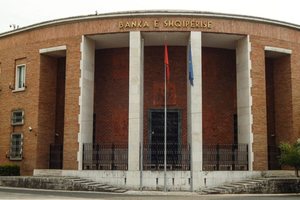
The new draft law "On the Bank of Albania" provides that t...
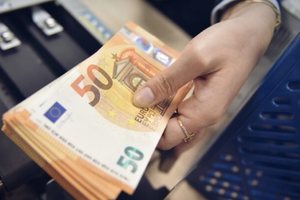
This Tuesday, one US dollar is bought for 81.2 lek and sol...