

Nga 25 Prilli tarifë për udhëtarët ditorë në Venecia, rregullat e reja
Udhëtarët ditorë që dëshirojnë të vizitojnë zonën hist...


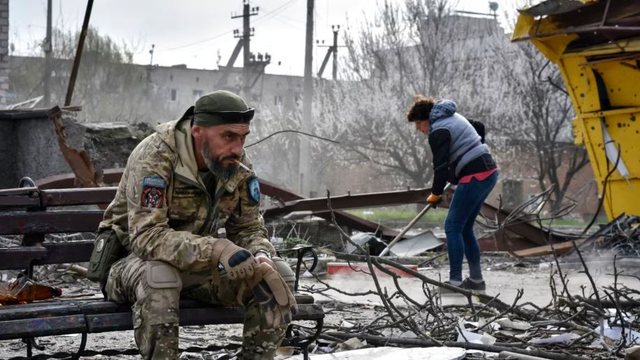
The European Union is approaching a historic decision to use frozen Russian assets to help Ukraine.
The assets of the Central Bank of Russia were frozen shortly after the start of Russia's war in Ukraine in February 2022 and remain so.
Securities and cash that have been frozen in the seven most industrialized countries in the world (G7) and in the European Union and Australia are believed to be worth 260 billion euros.
Assets worth 210 billion euros are in the EU, mainly in Belgium, the home of Euroclear, the financial services company specializing in securities transactions.
In February, Brussels took the first step in this direction, leaving aside the profits accumulated from frozen assets. On March 20, the European Commission has proposed the initiation of a second and final step to send cash to Ukraine.
Something like this has been put forward recently by some foreign ministers of the EU countries, who have asked the chief European diplomat, Josep Borell, to come up with a proposal for the implementation of this aid.
None of the 27 member states have opposed Borrell's proposal, although the work is not yet done.
Leaders and officials of EU member states will still have to study the European Commission's proposal and unanimously give it the green light.
The genesis of it all
In the proposal - which Radio Free Europe has seen - the first step of the process, the setting aside of profits, started on March 15 of this year.
"Central depositories of securities are prohibited from accessing these profits, or distributing the profit to shareholders, until the European Council decides on the financial contribution to be collected to help Ukraine."
Central securities depositories are institutions, such as Euroclear, that hold and administer securities and facilitate transactions with them. This step is believed to have increased the fund to between 2.5 and 3 billion euros.
The European Commission hopes that this money will be able to be sent to Ukraine by July, in the event that all member states agree.
There are hopes in Brussels that similar sums could be sent annually to Kiev, depending on annual interest rates.
Borrell's proposal includes a number of "safeguards" for member states, which worry that the move could be seen as a confiscation of private property - as private property is a fundamental right within the European bloc - or could damage the bloc's common currency. , the euro.
Në dokument përmendet se “gjenerimi i të hyrave të papritura dhe të jashtëzakonshme, nuk janë pronë e Bankës Qendrore të Rusisë, pasi nuk ekziston asnjë dispozitë ligjore që interesi t’iu paguhet pronarëve. Meqë të hyrat ekzistojnë vetëm si rezultat i masave kufizuese, nuk duhet të ekzistojë asnjë pritshmëri që ato të mbeten të depozituesit qendrorë të letrave me vlerë dhe aksionarët e tyre”.
Në propozim, po ashtu, është thënë se nuk mund të pranohet asnjë pretendim retroaktiv nga ana e Moskës.
“Të hyrat e papritura dhe të jashtëzakonshme nuk duhet të jenë të qasshme për Bankën Qendrore të Rusisë, edhe nëse pezullohet ndalesa në transaksione. Prandaj, rregullat që mbrojnë asetet sovrane nuk janë të zbatueshme për këto të ardhura”.
Çfarë do të thotë krejt kjo?
Ekzistojnë disa “të mira” mbrapa propozimit, nëse vendet e miratojnë atë: pritet që 3 për qind e fitimeve nga asetet e ngrira të mbeten te depozituesit qendrorë të letrave “për të garantuar efikasitetin e punës së tyre”.
Në të ardhmen, kompanitë për shërbime financiare do të mund të sigurojnë 10 për qind të fitimeve për t’i mbuluar tarifat e mundshme ligjore, pasi ka shumë mundësi që Rusia do ta çojë rastin në gjyq.
Disa zyrtarë të BE-së, me të cilët ka biseduar Radio Evropa e Lirë, e kanë hedhur poshtë mundësinë e dëmtimit të pozitës së euros.
Fakti që Brukseli është marrë me këtë gjë për shumë muaj, pa pasur ndonjë ndikim në valutën e përbashkët, po përmendet si argument për të ecur përpara me planet.
Një tjetër argument në mbështetje të propozimit është shtetet e G7-s janë duke hartuar plane të ngjashme, andaj ka mundësi që të mos jetë euroja valuta e vetme që ekspozohet.
Lidhur me këtë ekziston edhe një propozim i Komisionit Evropian për mënyrën e shpenzimit të parave, çka u ofron vendeve anëtare edhe më shumë potencial për vëzhgim, por edhe mundësi për veto.
Fillimisht ishte menduar që paratë e gjeneruara prej fitimeve do të ndaheshin për rindërtim të Ukrainës.
Mirëpo me vazhdimin e luftës, askush nuk pret ndonjë shkallë të madhe rindërtimi të këtij vendi, andaj BE-ja ka propozuar që 90 për qind e parave të shkojnë për furnizim të Kievit me pajisje ushtarake dhe pjesa tjetër, 10 për qind, në ndihmë të rregullt financiare.
Shuma prej 10 për qind do të ndahej përmes buxhetit të rregullt të BE-së, andaj nuk do të ketë nevojë për ndonjë unanimitet prej vendeve anëtare.
Mirëpo pjesa tjetër, 90 për qind, duhet të kalojë përmes një mekanizmi të BE-së për buxhet – i vetmi që i mundëson Brukselit të dërgojë para në Ukrainë për blerje armësh.
Në dy vjetët e fundit, BE-ja ia ka dërguar Kievit 5.6 miliardë euro për blerje të armëve dhe artilerisë, pikërisht përmes mekanizimit të bllokut për buxhet, mirëpo në 10 muajt e fundit ka dështuar të nënshkruar një marrëveshje prej 500 milionë eurove për ndihmë për Kievin, si pasojë e vetos së Hungarisë.
Budapest's veto is the result of a disagreement between Hungary and Ukraine over a list compiled by Ukraine's National Agency for Prevention of Corruption.
The Hungarian bank, OTP, has been blacklisted and declared an "international sponsor of war" because it helps Russia in doing business.
Although the bank was removed from the list as early as autumn last year, Budapest has sought assurances that something like this will not happen in the past.
This means that the Hungarian veto, or any other country's, will be able to extend the time of sending EU aid to Ukraine at least until the summer./ REL

Udhëtarët ditorë që dëshirojnë të vizitojnë zonën hist...
The European Union's Fundamental Rights Agency, FRA, s...

Xhamia Yeni, në Selanik të Greqisë është rihapur pas 102 v...
Studiuesit nga "King's College" në Londër kanë publiku...
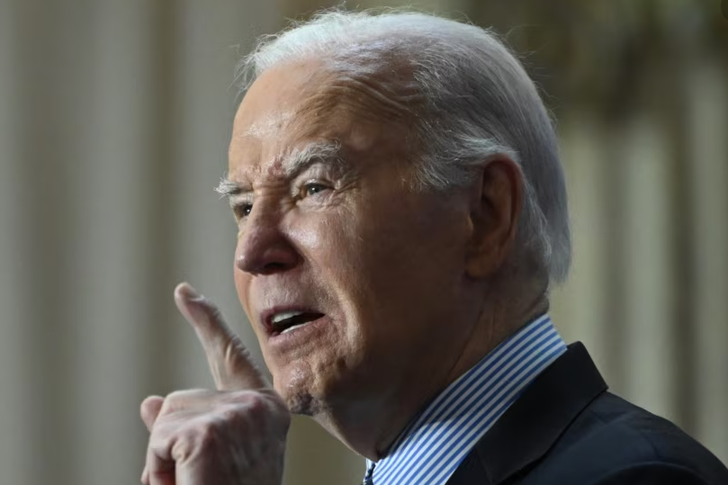
The President of the United States, Joe Biden, said that h...
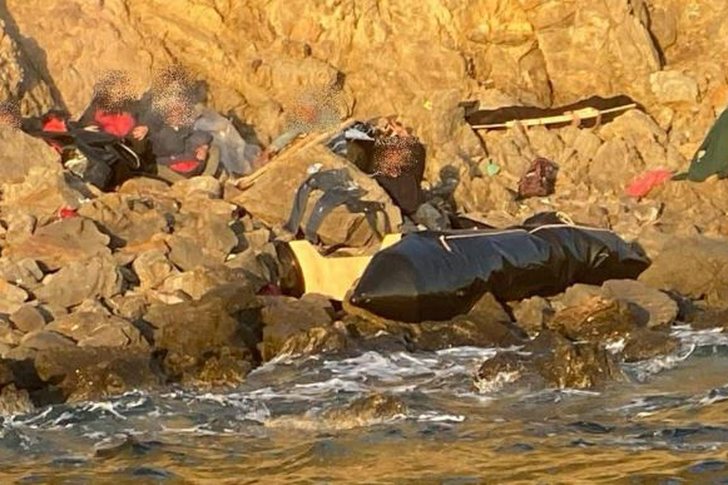
The bodies of three minor girls were recovered by the ...
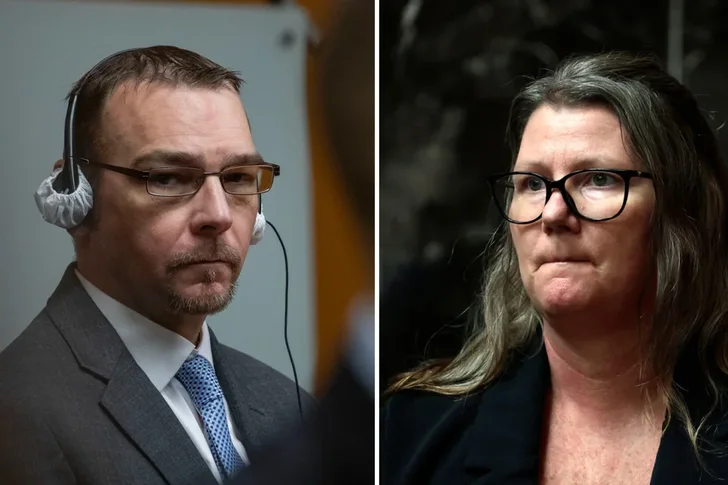
The parents of a Michigan teenager who killed four stu...
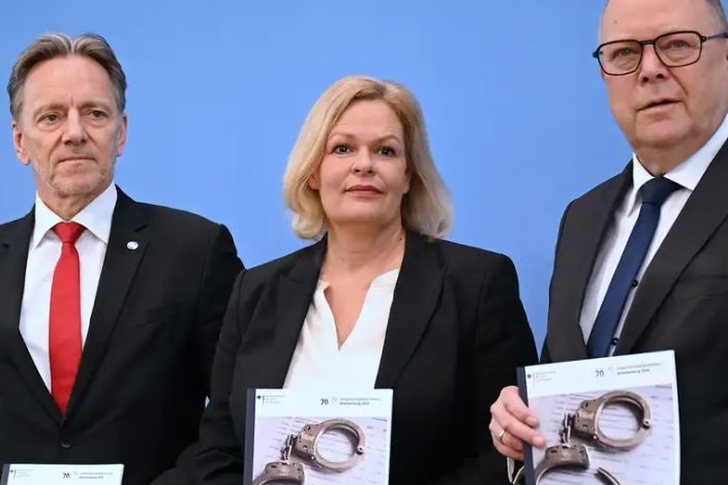
In Germany last year there was an increase in violent crim...

A recent study shows that by 2040, Germany's populatio...

Several countries are working on a draft resolution to dec...
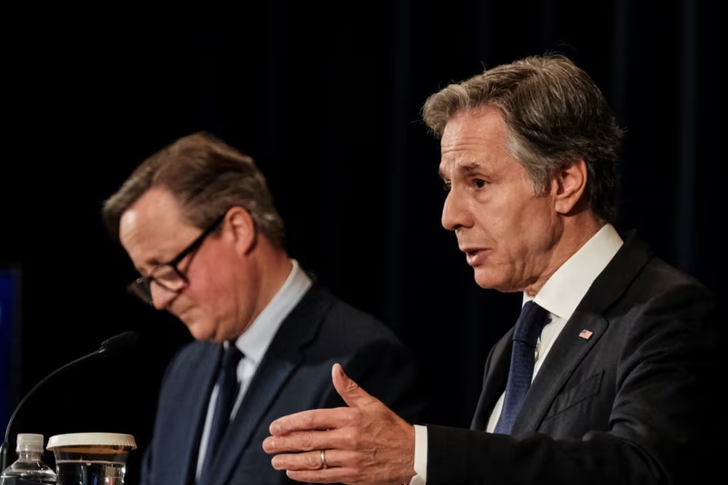
US Secretary of State Antony Blinken and British Foreign S...
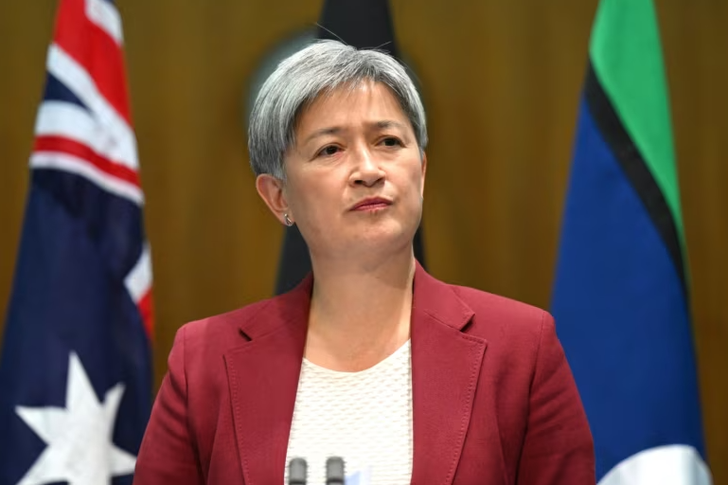
Australian Foreign Minister Penny Wong said her country co...
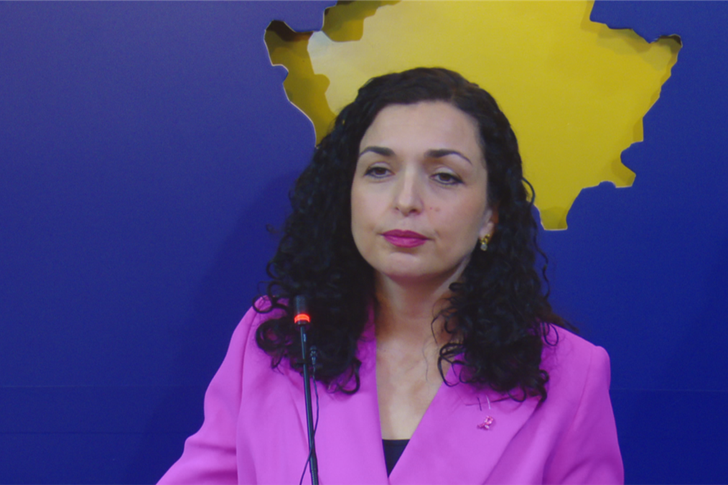
The President of Kosovo, Vjosa Osmani, on Tuesday accu...
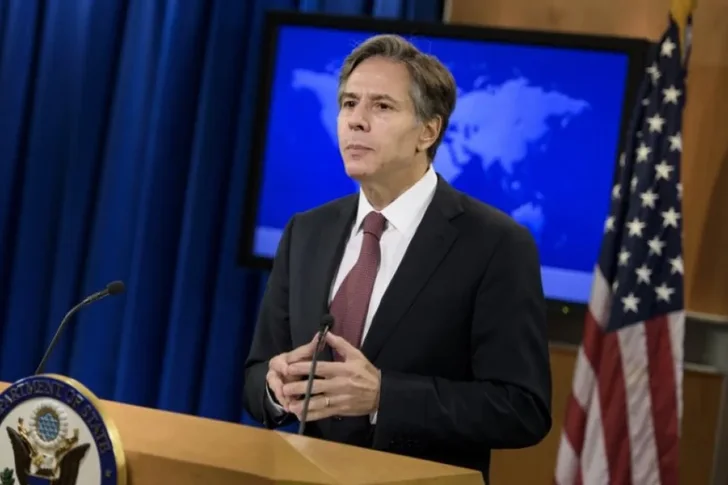
The American Secretary of State, Anthony Blinken, stat...

Today, the forces of the "Guardia Di Finanza" in Flore...
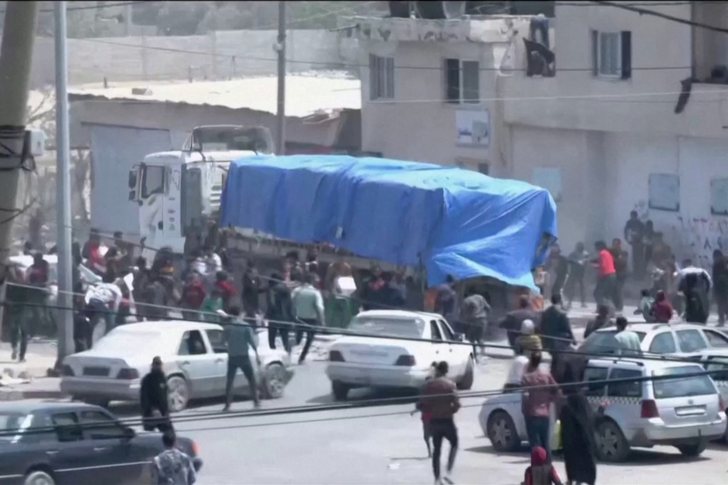
Turkey said on Tuesday it is imposing trade restrictions o...
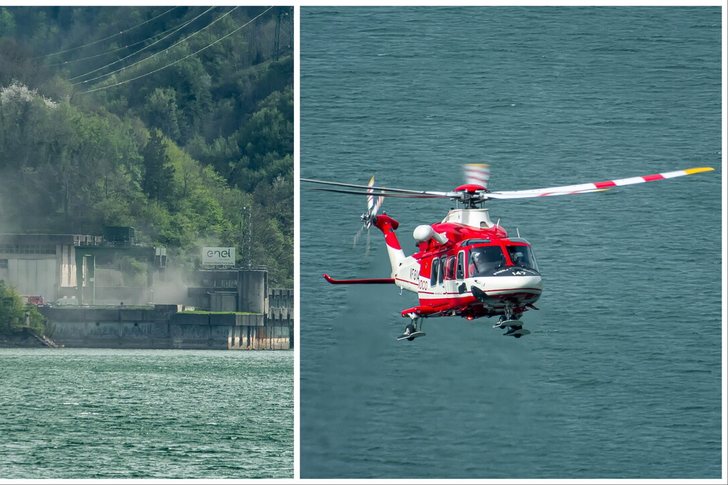
An explosion occurred around 15:00 today at a hydroele...
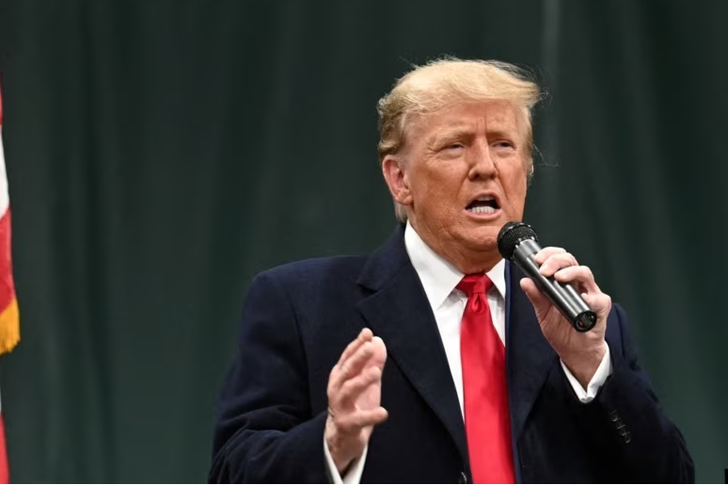
Donald Trump, next week, will become the first former pres...
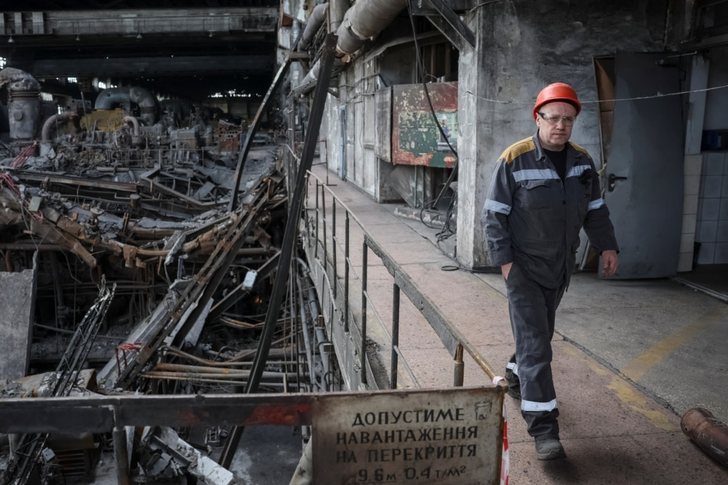
Last month, Russia launched a massive attack against Ukrai...
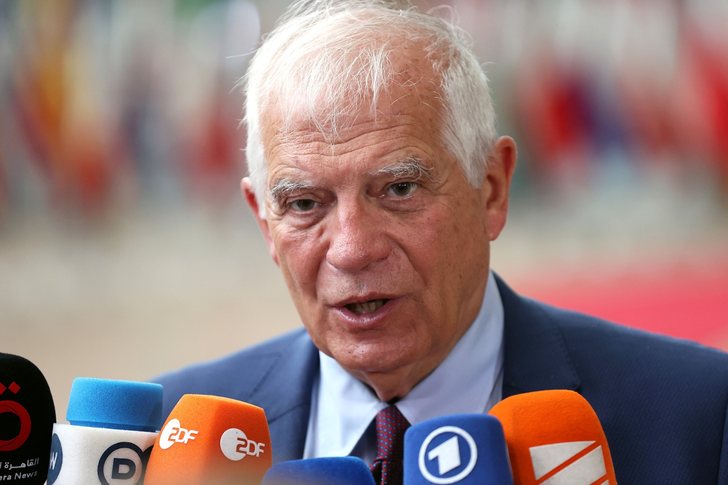
The High Representative of the European Union for Fore...

CNA has launched another investigation that could lead to ...

Irfan Hysenbelliu is a businessman that we call "Irfan the...

In March 2026, CNA launched another investigation centered...
The arrested mayor of Tirana, Erion Veliaj, with 13 charge...

The Special Board of Appeal (KPA) decided this Monday ...

The KPA vetting decided this Thursday to dismiss the p...

Suela Salavaçi, a prosecutor in the Prosecutor's Offic...

The Special Board of Appeal reinstated the prosecutor ...
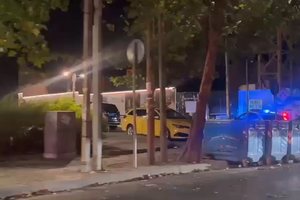
A road accident occurred this evening on Nikolla Zoraqi St...
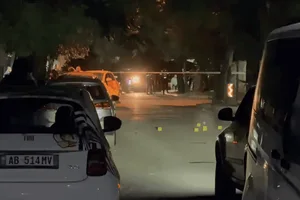
Three people were shot and wounded in Elbasan last night b...

A serious incident occurred this Tuesday in the Yrshek are...

An accident occurred this Tuesday on "Dituria" street in K...

All of Southern Europe will face changing weather conditio...

Albania was hit by temperatures significantly higher than ...

For the first time, Pogradec welcomed the Inter-Lake Chess...

Albania has achieved a record for the employment of foreig...

US Secretary of State Marco Rubio arrived in Manila on Jul...
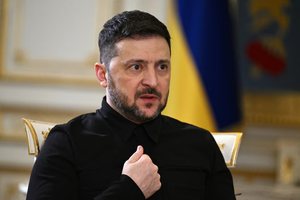
In the space of a few days, Ukrainian President Volodymyr ...

The spokesman for the Iranian Foreign Ministry warned Bulg...

Autoritetet italiane sekuestruan pako me afër 800 kilogram...

At a time when industrial products are increasingly taking...

Trust among people is not just a three-syllable word. It c...

Master of humor Todi Llupi has passed away at the age of 7...

The ninth edition of "MIK Festival" kicked off with one of...

Construction company licenses will have a validity period ...
The Centralized Purchasing Operator recently opened a tend...
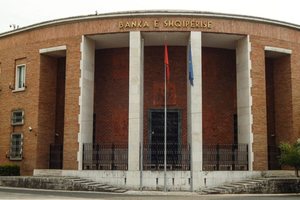
The new draft law "On the Bank of Albania" provides that t...
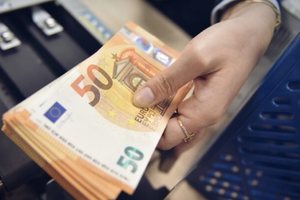
This Tuesday, one US dollar is bought for 81.2 lek and sol...