


European leaders welcome US-EU trade deal
A trade agreement has been reached between the European Un...


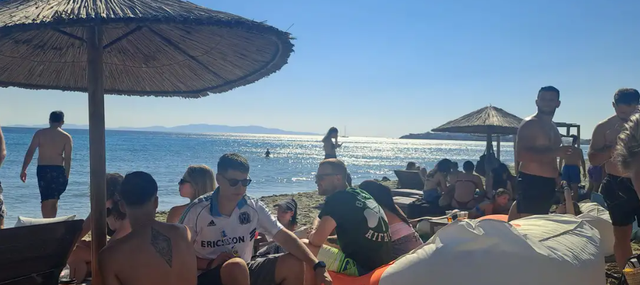
Greece's tourism industry is suffering from an acute staff shortage. It relies on foreign workers. But Athens is cracking down on migrants with tough measures and restrictions on immigration.
"I would go on my knees today to the church of Megalokar to find a staff member in time for next year," says Matina, owner of the stylish boutique "Armonia" on Tinos. She is referring to the most famous pilgrimage of Greeks, which takes place every year on August 15 on the Cycladic island. Pilgrims make the long journey to the church on their knees, praying that the Virgin Mary will grant their wishes for health, help and support.
Matina is also hoping for help: She is desperately looking for staff, but with little success, even though wages in Tinos are slightly higher than in Athens and she can also offer accommodation. But it is becoming increasingly difficult to find workers for the summer tourism season. Almost everywhere on the popular holiday island, you can see signs that say: "Staff wanted."
In the jewelry store next to the boutique, a polite saleswoman, Tamar, barely understands Greek. She can only say the usual greetings and then immediately switches to English. To understand what the older Greek customers want, she has to call her boss. However, the jeweler is pleased to have found an employee for the entire summer. Tamar is from Georgia, came to Greece legally as a seasonal worker and has been working on Tinos for a month.
Greek hoteliers urgently seek workers
More people like Tamar could come to work in Greece with regular documents. Last spring, Greece signed relevant agreements with Armenia, Georgia, the Republic of Moldova, as well as India, the Philippines and Vietnam, pledging to recruit 40,000 foreign workers. In reality, however, these agreements are being implemented very slowly or with little or no success.
The bureaucracy is complicated, Greek consulates abroad are understaffed, and the offers are not particularly attractive. As a result, hoteliers across the country are still desperately looking for receptionists, cleaners, pool attendants, porters, waiters, and cooks. According to the Greek Hotel Association, there is a shortage of at least 60,000 workers in their industry.
Large-scale labor shortage
This is partly a legacy of the 2020-2023 coronavirus pandemic, which is still being felt across Europe, says Giorgos Hosoglu, President of the Panhellenic Federation of Food and Tourism Workers. The problem is particularly acute in Greece: "We are experiencing an unprecedented shortage of qualified and experienced workers, especially in the hotel and restaurant sector, as workers left during the lockdown. Many of them have never returned to this industry."
According to Hosoglu, one factor is the seasonality of tourism. When the tourists leave and the hotels and beach bars close, workers are only eligible for unemployment benefits for three months. "How are they supposed to survive the rest of the year, especially now, when the cost of living has been rising for a long time?"
In addition, an increasing number of young Greeks are seeking seasonal work in Northern Europe, even Iceland. Many Albanians who have worked as freelance workers in Greece for decades are also either approaching retirement or leaving Greece.
Forgotten Albanians
The fact is that the Greek economy has relied on migrant labor since the 1990s, both in the tourism sector and in agriculture and construction. Until the economic crisis, Greece was heavily dependent on labor from Albania. During the "financial recovery" programs (2010-2018), demand fell sharply. However, after the pandemic, when the economy recovered and tourism grew, this demand multiplied.
But the same development was also seen in other countries that offer more competitive wages and simpler legalization procedures for immigrants. As a result, many migrant agricultural workers never returned to Greece. Therefore, it seems clear that Greece needs an attractive immigration policy. In addition to the 60,000 additional workers needed in tourism, another 50-60,000 are needed in the construction sector and 60,000 in the agricultural sector.
Athens pursues far-right politics instead of wise immigration policy
But the conservative government of Prime Minister Kyriakos Mitsotakis has decided to pursue an anti-immigration policy. According to it, the best way to overcome crises, scandals and low poll ratings is to take tough measures against immigrants. The aim is to win over right-wing voters. Former Immigration Minister Makis Voridis, who resigned at the end of June over a scandal involving illegal EU agricultural subsidies, has already made life difficult for many legal immigrants. His first step was to "freeze" the possibility of extending residence permits. This poses a major problem for immigrants who have lived and worked in Greece - some of them for years.
The sunbed mafia in Greece
The new minister, Thanos Plevris, of the far right, has not addressed the urgent need for legal immigration since taking office. Instead, he immediately tightened asylum law even further. The repatriation of illegal immigrants is his top priority, he says. Migrants who enter Europe illegally or whose asylum applications are rejected have no right to stay in Europe and should be returned to their countries immediately, he says.
"Prison or return"
At the informal meeting of EU interior and immigration ministers in Copenhagen (July 22, 2025), Plevris made it clear that Greece could no longer cope with the growing influx of migrants from Libya. According to the Greek Foreign Ministry, 9,000 people have arrived since the beginning of the year, mainly via the island of Crete. Plevris proudly presented his new law. It provides for a prison sentence of two to five years for rejected asylum seekers who do not return to their homeland. "Anyone who stays illegally in our country has two options: prison or return," the minister said, and arranged for a poster with this statement to be produced and distributed on social media./ DW

A trade agreement has been reached between the European Un...
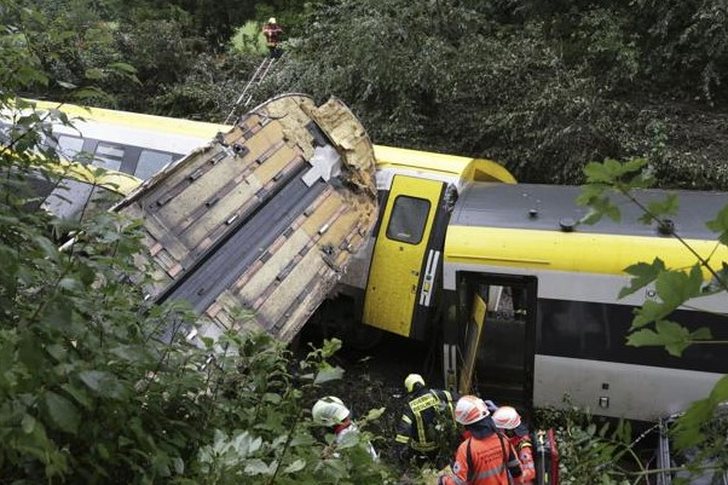
Several people have died after a train derailed in Germany...

A folklore festival of Macedonian groups from the region i...
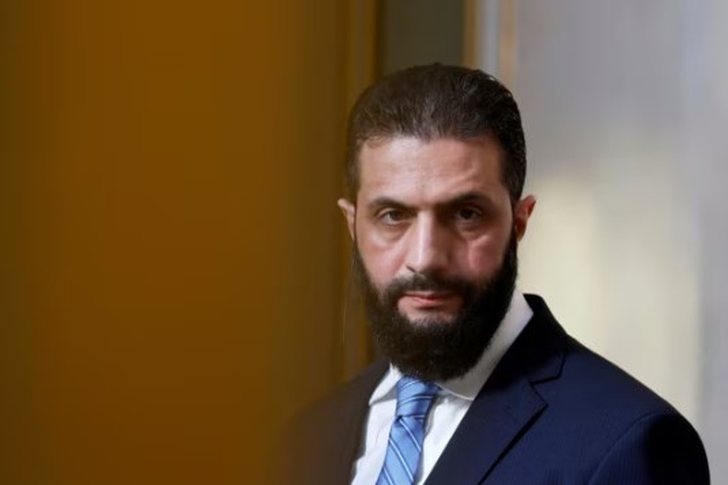
Syria will hold its first parliamentary elections under ne...

The US has reached a trade deal with the European Union, f...
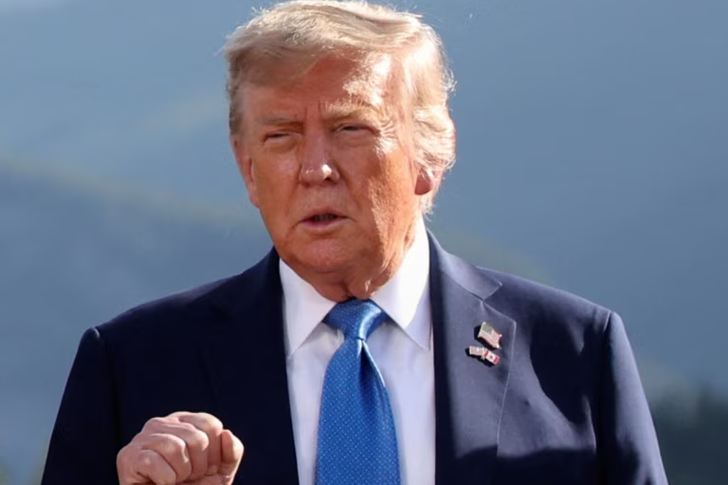
President Trump has called for former Vice President Kamal...
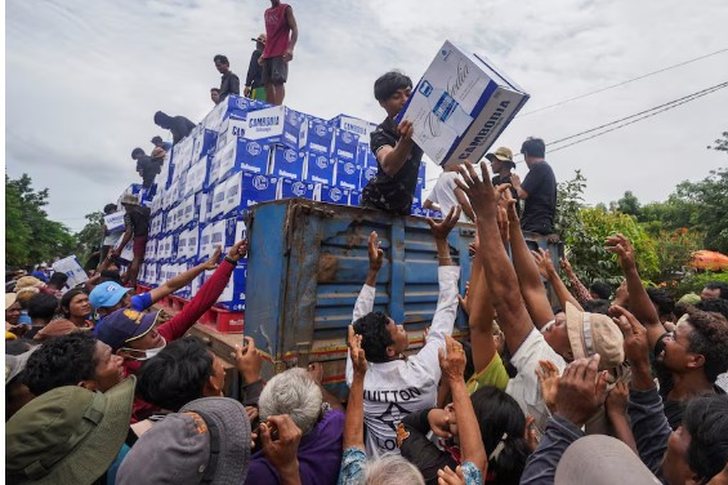
The leaders of Thailand and Cambodia will attend mediation...
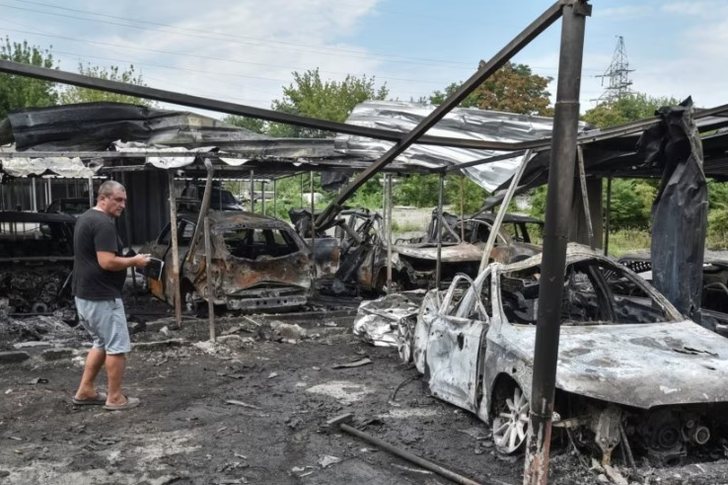
Russia held subdued ceremonies in honor of the navy on Jul...

Jordanian state television reported that the Royal Jordani...
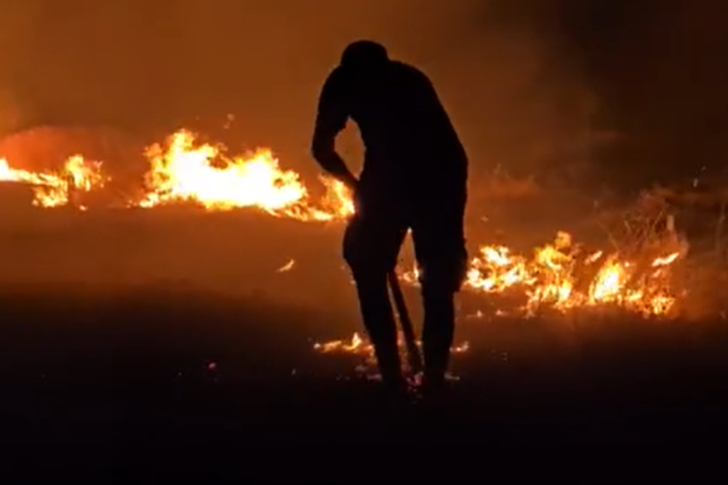
The Emergency Management Agency has announced that due to ...
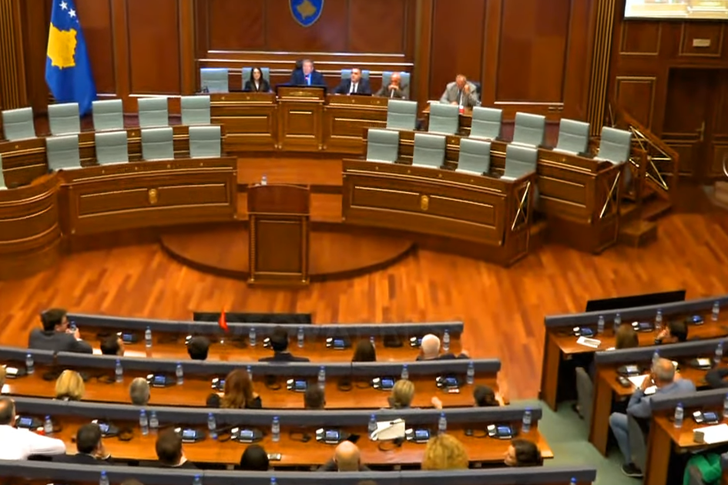
The Kosovo Assembly has not been constituted tonight, eith...
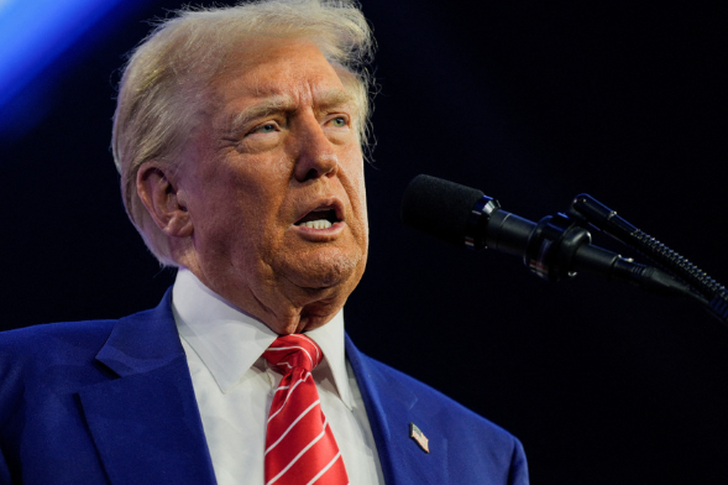
US President Donald Trump spoke today with the leaders of ...
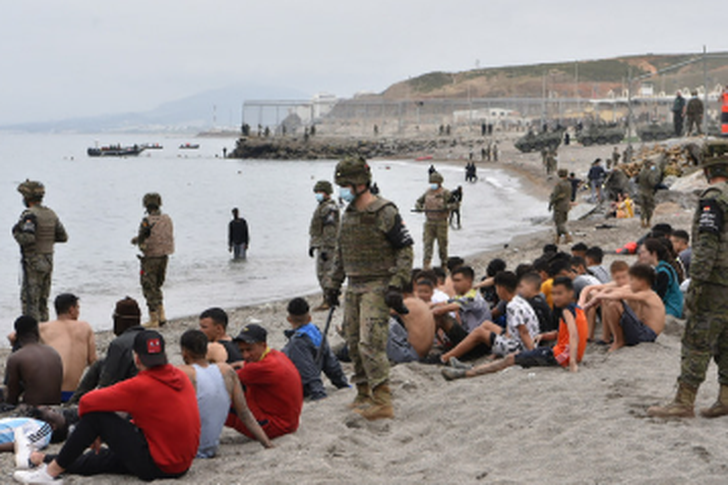
At least 54 children and about 30 adults swam from Morocco...
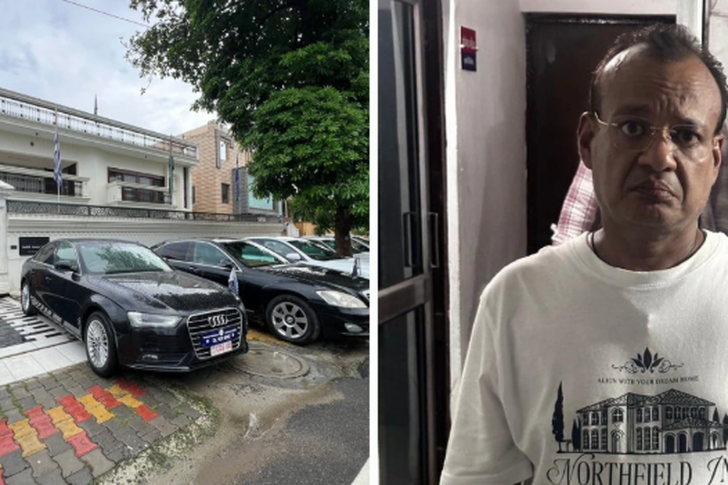
Indian police this week arrested a man near New Delhi who ...
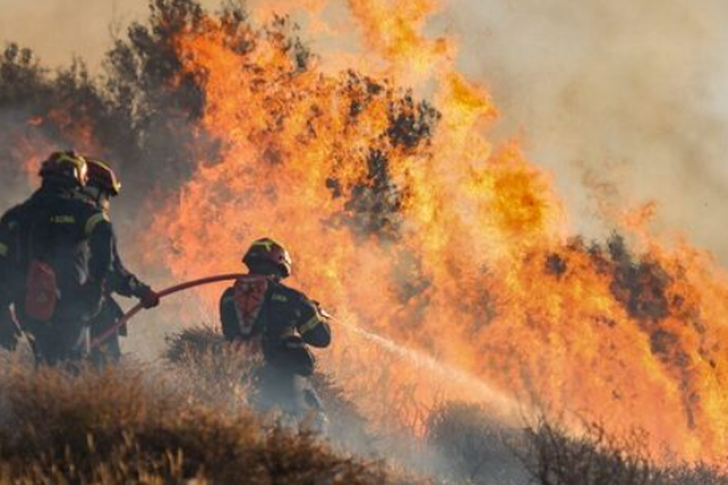
Fires are spreading across Greece this Saturday, threateni...
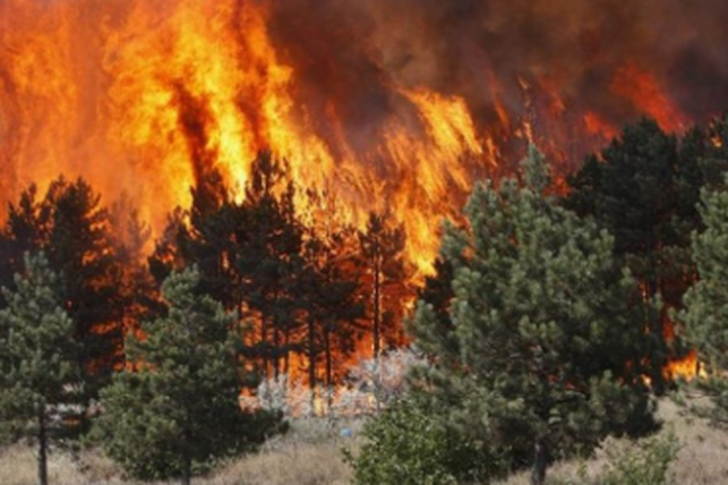
A difficult situation with fires is also reported in Kosov...
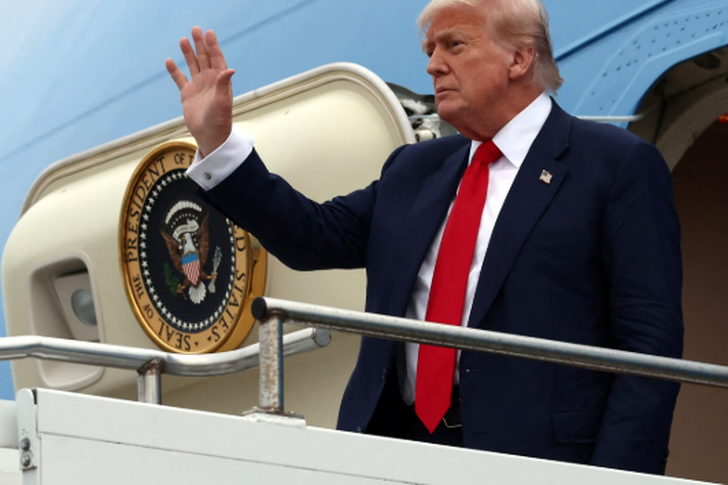
US President Donald Trump was seen at his Scottish golf co...
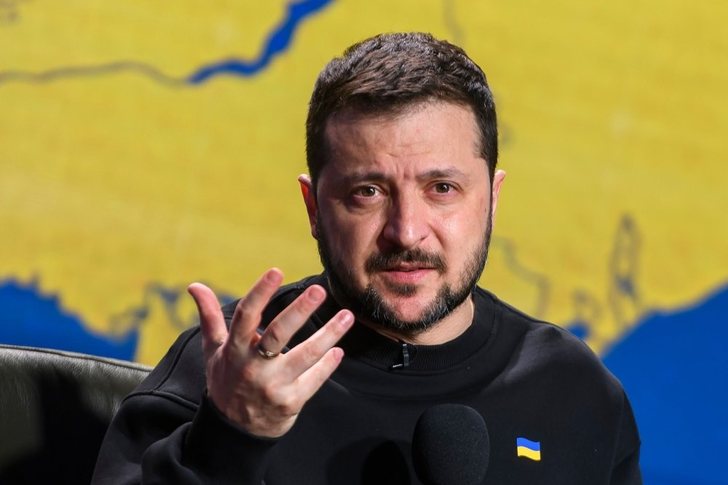
According to Ukrainian President Volodymyr Zelensky, Ukrai...
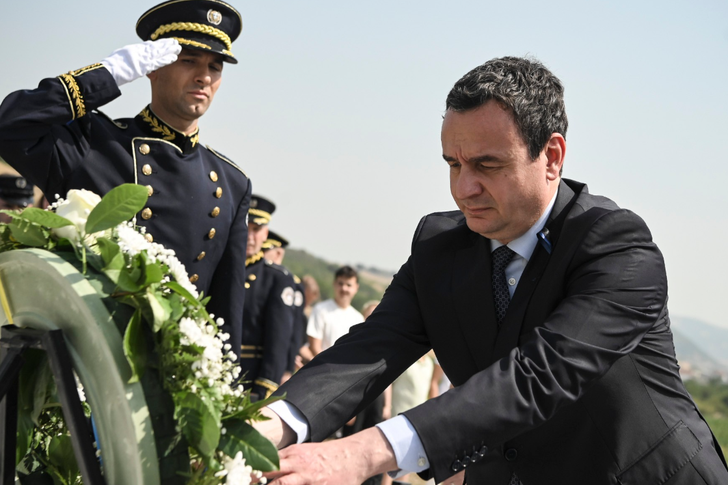
The Prime Minister of Kosovo, Albin Kurti, was present tod...
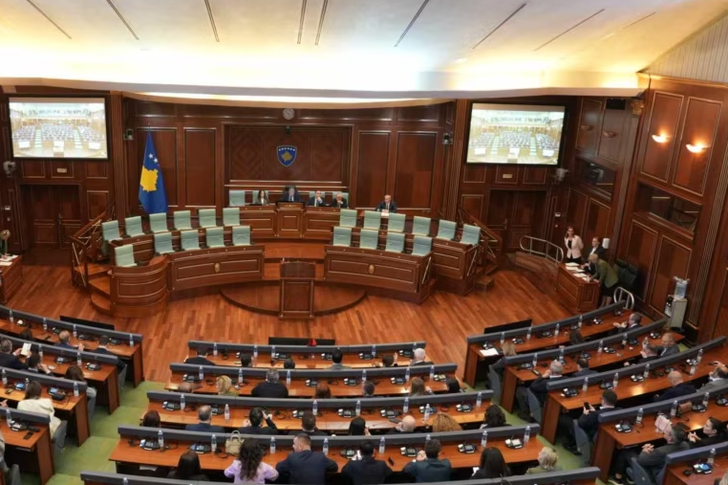
Today is the deadline set by the Constitutional Court to c...

CNA has launched another investigation that could lead to ...

Irfan Hysenbelliu is a businessman that we call "Irfan the...

In March 2026, CNA launched another investigation centered...
The arrested mayor of Tirana, Erion Veliaj, with 13 charge...

The Special Board of Appeal (KPA) decided this Monday ...

The KPA vetting decided this Thursday to dismiss the p...

Suela Salavaçi, a prosecutor in the Prosecutor's Offic...

The Special Board of Appeal reinstated the prosecutor ...

Footage emerges from the serious accident that occurred th...

A Shkodra traffic police officer was hit with hard objects...
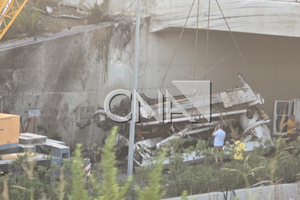
This Wednesday, around 4:00 PM, a serious accident occurre...

Tirana Police have shared details regarding the accident t...
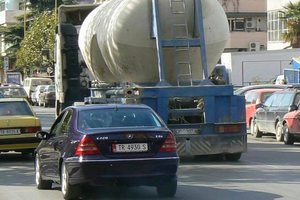
A serious accident that occurred this Wednesday with the c...

The Institute of Geosciences has shared a forecast for wea...
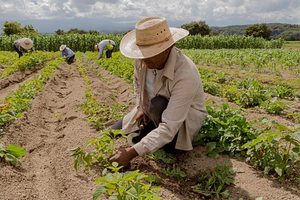
Rising energy and fertilizer prices are expected to contin...

Over 18,000 foreign citizens from 140 countries have appli...

The trial of ousted Venezuelan President Nicolas Maduro on...

US President Donald Trump has issued another warning to Ir...

Prime Minister Andy Burnham has announced that most bus fa...

France's parliament has passed a law to ban social media f...

At a time when industrial products are increasingly taking...

Trust among people is not just a three-syllable word. It c...

Master of humor Todi Llupi has passed away at the age of 7...

The ninth edition of "MIK Festival" kicked off with one of...
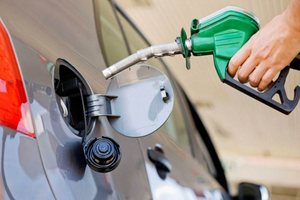
The price of diesel reached 206 lek per liter from 198 lek...

Businesses will no longer be required to simply register t...

Despite economic growth and income in recent years, Albani...

This Wednesday, one US dollar is bought for 81.4 lek and s...