

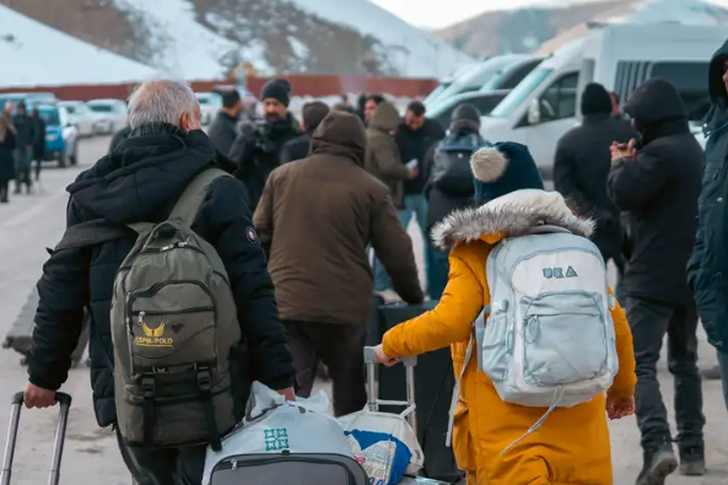
Turkey and the war in Iran, fear of the spread of the conflict
As a direct neighbor of Iran, Turkey is following the esca...



The Christian Democrats and the Greens are almost evenly matched ahead of the election in the wealthy state of Baden-Württemberg. Who could win and what are the differences?
The state of Baden-Württemberg has been jointly governed by the Greens and the CDU since 2016. It is highly likely that the coalition will continue after this week's elections (March 8).
But who will be the biggest partner? The last two polls give the CDU a slight advantage (27-28 percent) over the Greens (25-27). The right-wing Alternative for Germany (AfD) can count on almost twenty percent, while the other parties are in the single digits.
The Greens have made a big change: Their alpha and omega in this state, Prime Minister Winfried Kretschmann, turns 78 in May and has decided not to run again. Kretschmann has been Prime Minister since 2011, when the Greens were founded and because, just a few days before the vote, the nuclear accident in Fukushima, Japan, left a big impression. The Greens have always been against nuclear energy.
Since then, Kretschmann has governed with the support of the Social Democrats and then the CDU. He is well-received by all. Kretschmann belongs to the so-called "realist" wing of the Greens, closer to industry, as opposed to the "fundamentalists" who are more to the left.
Competition between young and old
Now he could be succeeded by the young Manuel Hagel (CDU), and it is very likely that he will first turn to the Greens for a coalition.
Hagel (37) presents himself as a man who understands economics, and this is very important in the land of car companies Mercedes, Porsche and other large companies. Speaking to DW, Hagel mentions two inventors:
"If we think about Karl Benz, he didn't invent the car because someone banned carriages for the first time. Baron von Drais didn't invent the bicycle because someone banned him from walking. They invented these things because they were hungry for something new," says the CDU candidate.
His main opponent is the experienced Green politician Cem Özdemir (60). Unlike Hagel, he is known throughout the state because he was party chairman and federal minister of agriculture. In the final stages of the campaign, Özdemir narrowed the gap. As an individual, he is more popular than Hagel.
"This is a land where the Greens are deeply rooted in society," Özdemir tells DW. "From business associations to NGOs, from environmental movements to the more conservative people who celebrate Carnival. Everyone is united in our party."
Roberto Heinrich, a pollster whose infratest-dimap conducted one of the recent polls, says Özdemir's personal support extends beyond his party. "As a personality, he is very popular with both the older generation and Christian Democratic voters."
AfD candidate prefers Berlin
The AfD, some of whose committees are considered extremist, has fielded a familiar face from the state, Markus Frohnmeier, as its candidate. He is currently the deputy chairman of the parliamentary group in the Bundestag. He has already said that if he does not become state premier, he will not come from Berlin to represent the state at all.
His chances of becoming Prime Minister are zero. Because conservative candidate Hagel has already ruled out the possibility of cooperation with right-wing populists. Ozdemir says the same.
As researcher Heinrich says, the AfD is gaining strength and gaining support from different sections of society. "But support is strongest among middle-aged men, workers and people dissatisfied with their personal economic situation."
In general, this is not enough to think about the government in the western states. It is different in the east, for example in Mecklenburg or Saxony-Anhalt, where the vote will be held in September. There, the AfD is very close to 40 percent support.
In September, Berlin will also vote. And on March 22, in Rhineland-Palatinate. So, this year is full of elections in Germany.
The Social Democrats' Abyss
If the CDU wins, it would be a return to factory conditions for Baden-Württemberg, a state of around eleven million people. From the 1950s until Kretschmann's arrival, there had always been a Christian Democrat as Prime Minister.
The population is considered conservative, but it also supports the Greens, and not only in the large university centers of Stuttgart and Tübingen. The overall decline of the Social Democrats, who are facing their worst result in history, is likely to continue. If they remain in single digits, this could be a shock to the party headquarters in Berlin, where the Social Democrats are weakened in coalition with Chancellor Friedrich Merz's CDU.
It's not just the CDU and the Greens that have pushed the Social Democrats out of the race in southwest Germany, says Roberto Heinrich, but the AfD is also having an impact. "A competitor from the right that is dealing with economic issues and other social democratic topics."
New electoral system
Baden-Württemberg is one of the strongest economic regions in Europe, with low unemployment and strong companies, especially family-owned ones. Of the 1,000 largest family-owned companies in Germany, almost a fifth are from this state.
On Sunday, voting will take place for the first time under the new electoral system. As in federal elections, each citizen will have two votes - one vote for the candidate in their electoral district by first and last name, the second for the party list.
The first vote decides on personnel, but the second is more important, because the total number of seats is distributed to this or that party based on percentages.
Also, for the first time in this state, young people from the age of 16 will be able to vote./ DW

As a direct neighbor of Iran, Turkey is following the esca...

US President Donald Trump has made a statement on his soci...
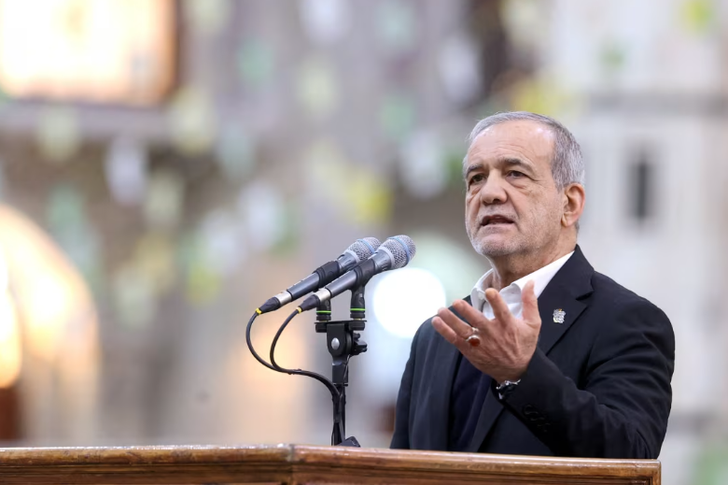
Iran's President Masoud Pezeshkian declared on Saturday th...
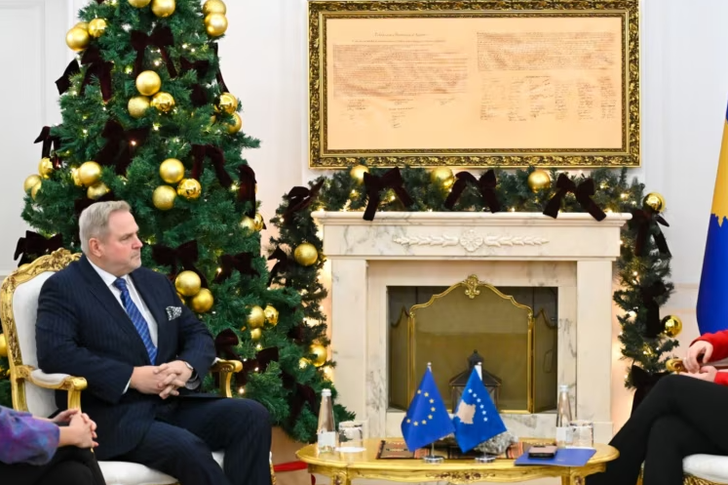
The rapporteur for Kosovo in the European Parliament, Riho...

The BBC has verified footage showing a drone striking near...
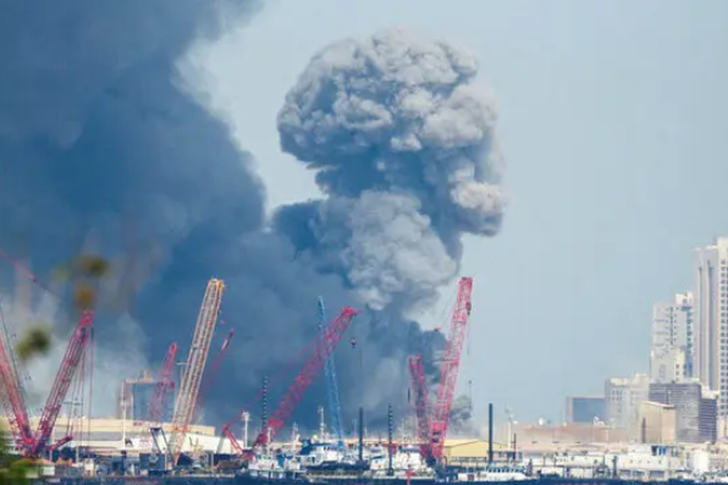
Iran has claimed to have launched a drone attack on the al...
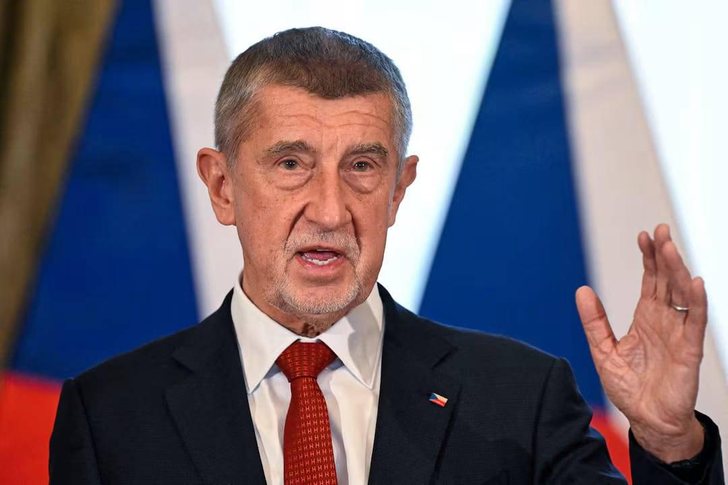
PRAGUE, March 5 (Reuters) - The lower house of the Czech p...

Iran's Islamic Revolutionary Guard Corps (IRGC) has claime...
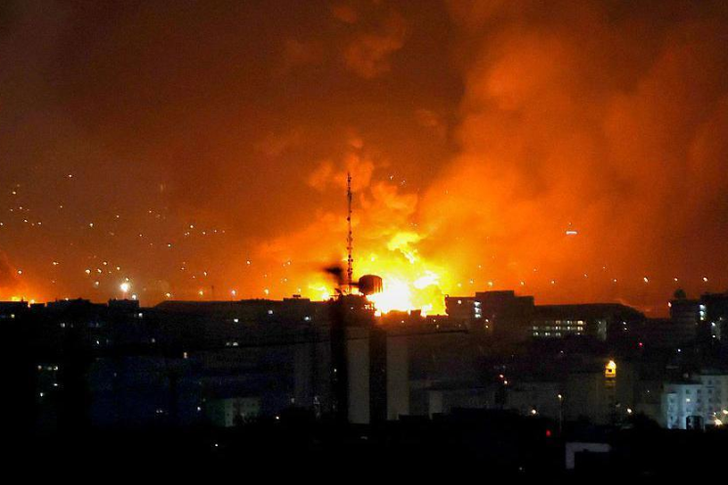
The attacks in Dubai continue. Foreign media are reporting...

President Donald Trump has declared that the US military i...

Today we are on the 8th day of the war in the Middle East ...
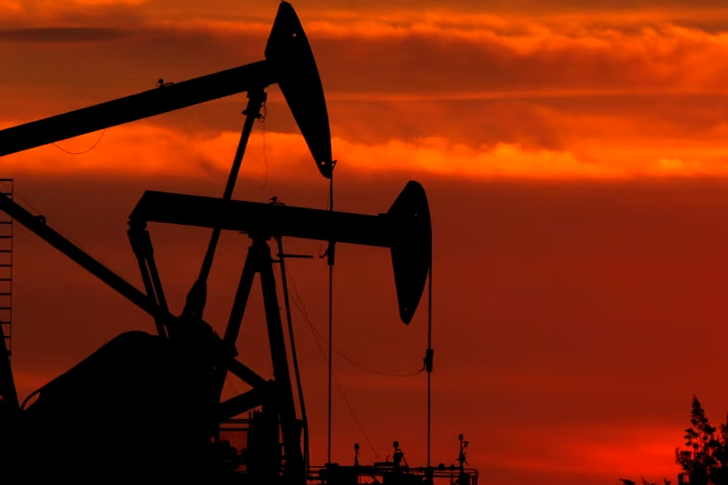
Qatar warned today that if the conflict in the Middle East...
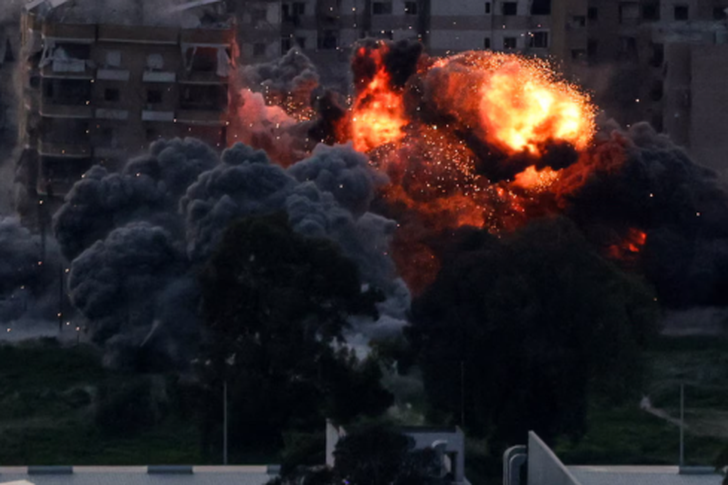
The Israeli Armed Forces have bombed and destroyed a large...
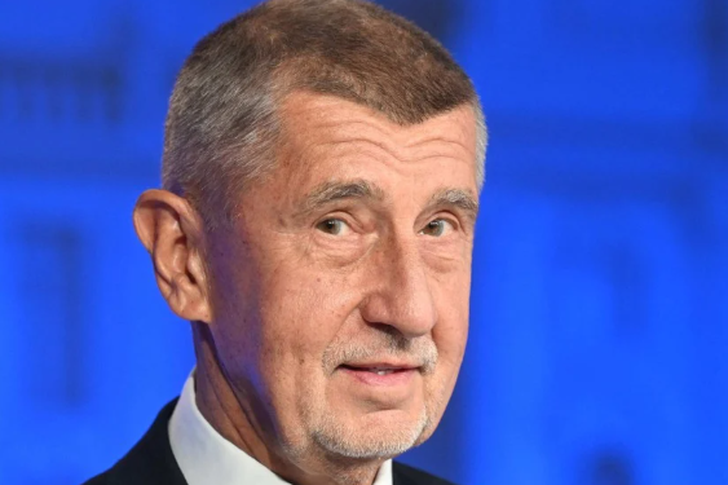
The Czech parliament refused to lift the immunity of the p...
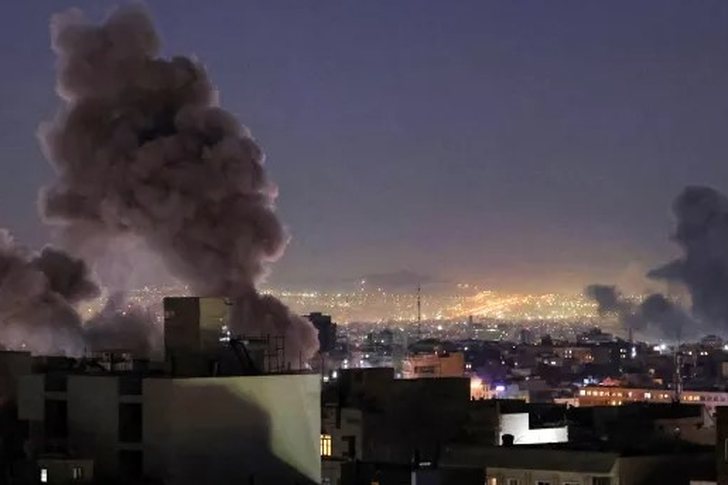
Iran's Deputy Foreign Minister, Majid Takht-Ravanchi, said...

The French aircraft carrier Charles de Gaulle (R91) has be...

US President Donald Trump stated that the form of the poli...

Russia is providing Iran with targeting information that i...
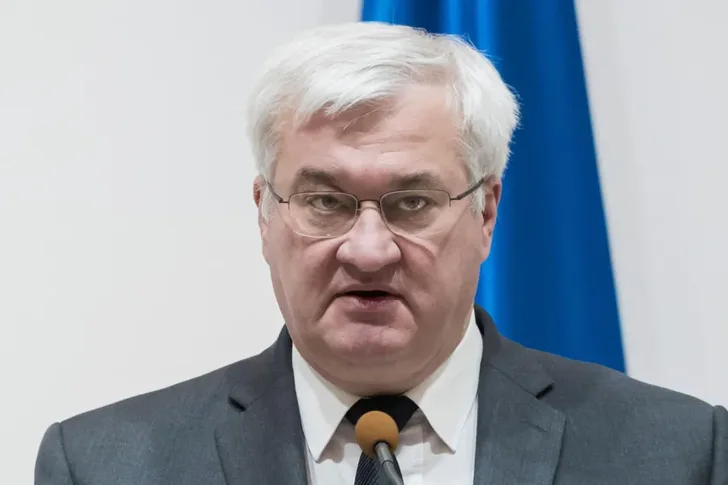
Hungary says it is deporting seven Ukrainian bank employee...
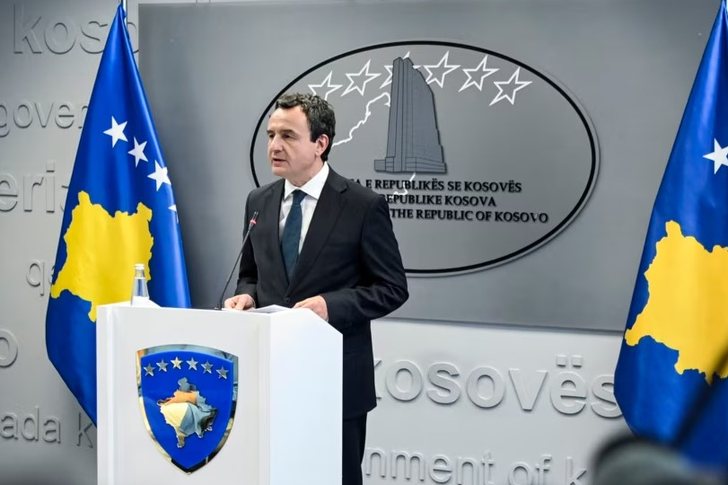
Kosovo Prime Minister Albin Kurti spoke for the first time...

CNA has launched another investigation that could lead to ...

Irfan Hysenbelliu is a businessman that we call "Irfan the...

In March 2026, CNA launched another investigation centered...
The arrested mayor of Tirana, Erion Veliaj, with 13 charge...

The Special Board of Appeal (KPA) decided this Monday ...

The KPA vetting decided this Thursday to dismiss the p...

Suela Salavaçi, a prosecutor in the Prosecutor's Offic...

The Special Board of Appeal reinstated the prosecutor ...

Footage emerges from the serious accident that occurred th...

A Shkodra traffic police officer was hit with hard objects...
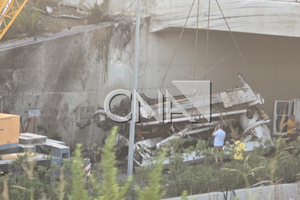
This Wednesday, around 4:00 PM, a serious accident occurre...
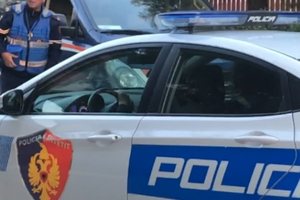
Tirana Police have shared details regarding the accident t...

On Thursday, our country will be under the influence of st...
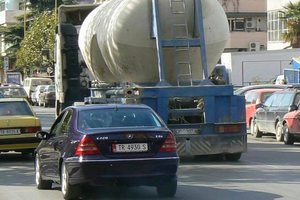
A serious accident that occurred this Wednesday with the c...

The Institute of Geosciences has shared a forecast for wea...
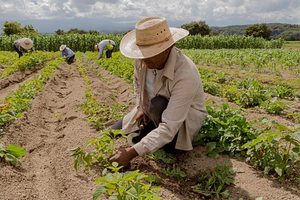
Rising energy and fertilizer prices are expected to contin...
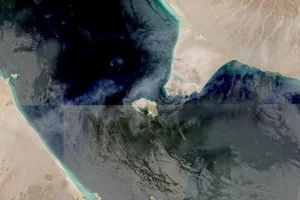
Yemen's Houthis have claimed to have attacked two Saudi oi...
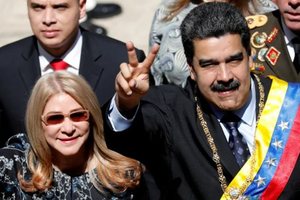
The trial of ousted Venezuelan President Nicolas Maduro on...

US President Donald Trump has issued another warning to Ir...

Prime Minister Andy Burnham has announced that most bus fa...

At a time when industrial products are increasingly taking...

Trust among people is not just a three-syllable word. It c...

Master of humor Todi Llupi has passed away at the age of 7...

The ninth edition of "MIK Festival" kicked off with one of...

The average sale price of apartments in Tirana reaches rec...

This Thursday, one US dollar is bought for 81.5 lek and so...
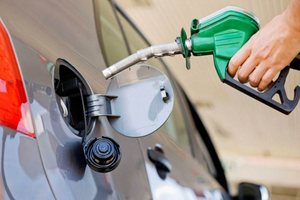
The price of diesel reached 206 lek per liter from 198 lek...

Businesses will no longer be required to simply register t...