


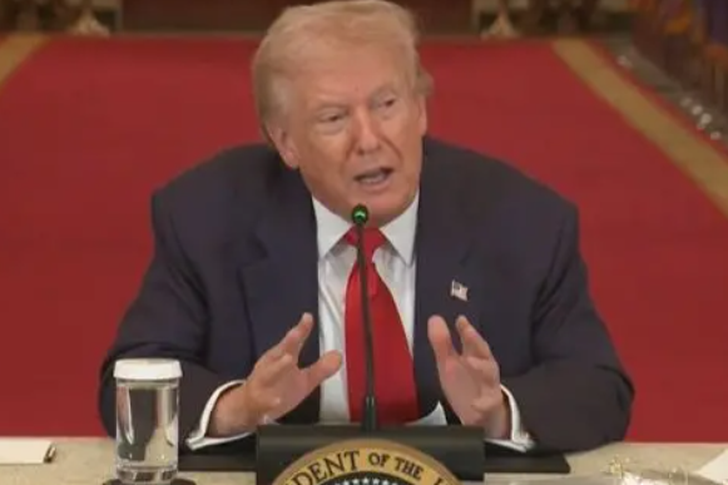
Trump: Iran will be hit very hard, military is considering new targets
US President Donald Trump has made a statement on his soci...


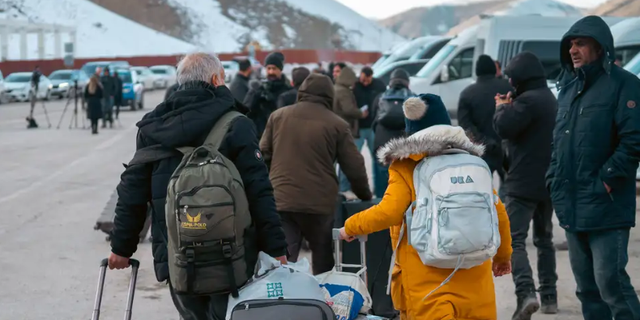
As a direct neighbor of Iran, Turkey is following the escalation in the Middle East with concern. Ankara fears the conflict will spread to the region.
Turkey has always been happy to position itself as a mediator between East and West and maintains diplomatic relations with both the European Union and the Middle East. Ankara has tried to mediate in the dispute between the United States and Iran on several occasions - without success.
Turkish Foreign Minister Hakan Fidan's recent statements also convey some frustration after the diplomatic efforts of recent years: the war may only have been postponed. He mentioned a phone conversation he had with Washington in late January. "They called me in the middle of the night," Fidan said.
He immediately understood how serious the situation was even then and urgently informed President Recep Tayyip Erdogan. "Those were very dark times. We expected war or the first attack at any moment," Fidan added.
A complex conflict with multiple risks
Ankara fears that a war with Iran could quickly escalate into a wider regional conflict that would engulf the entire region. Turkey shares a border with Iran that is about 530 kilometers long, and is concerned about the humanitarian, economic and political consequences.
Turkey sees the current war as a complex conflict with multiple risks. Economically, it fears an increase in already high inflation, potential problems with energy supplies, and losses in tourism.
Politically, it is concerned about uncertain shifts in the balance of power in the Middle East, as well as a possible resurgence of conflict with Kurdish armed groups in the region. Due to missile attacks on Iran and southern Lebanon, Ankara also has to deal with a possible new surge in the number of refugees from both countries.
Content from NATO member Turkey
So far, Iran has not attacked either the Incirlik military base, which is heavily used by US forces, or the NATO radar center at Kurecik in Anatolia.
A ballistic missile was intercepted by NATO air defense systems on Wednesday. However, Iran has stressed that Turkey was not the target of the attack. Turkish government sources also assume that it was a missile that went off course.
Turkey remains neutral for the time being and has intensified diplomatic activities with the US, the EU and Gulf states since the start of the war, urging all sides to return to the negotiating table before the war spreads further.
However, these mediation efforts are currently not receiving a response, says Sinan Ulgen of the Istanbul-based Center for Economic and Foreign Policy Studies (EDAM). At this stage of the war, negotiations are not yet being considered, so he interprets Turkish diplomacy as an attempt to position Ankara for a later moment.
According to government sources, Ankara is already working on a formula that could bring the warring parties to the negotiating table as equal partners at some point. Turkey is in a dilemma: the collapse of the regime in Tehran could lead to uncontrolled chaos in its immediate neighborhood. But even if the regime emerges from the crisis strengthened, it could bring uncertainty and new political conflicts.
Ethnic tensions and the Kurdish conflict
Some media outlets are already speculating that the US could use Kurdish forces as ground troops in Iran - a major concern for Ankara. Although the Kurdistan Workers' Party (PKK) in Turkey and its sister organization, the People's Protection Units (YPG) in Syria, have been weakened, arming Iranian Kurdish militant groups could trigger a new dynamic in the region.
According to Ankara, this could also jeopardize the rapprochement process between the Turkish state and the Kurds that began under the slogan "Turkey without terrorism." Ethnic conflicts in and around Iran are considered the worst-case scenario.
A new wave of refugees?
During the war in Syria, Ankara has already taken in millions of refugees from its neighboring country - despite its own huge economic problems. Turkey is now trying to prevent a repeat of such a scenario with people who might flee from Iran. According to media reports, there are plans for reception camps on the Iranian side of the border, and the construction of a border wall with Iran has accelerated significantly in recent years.
However, neither the government nor experts currently expect a significant increase in the number of refugees. Security expert Sinan Ulgen recalls the experiences of Iraq and Syria in the 1990s and 2010s: only when those countries were embroiled in civil wars with multiple warring factions did large waves of refugees occur.
So far, border authorities have not recorded any major population movements. If a mass exodus occurs, it is not just Iranian citizens who are expected; it is estimated that more than two million Afghan refugees currently living in Iran could head west.
The role of Ursula von der Leyen
A message from European Commission President Ursula von der Leyen on social media has further fueled discussions about possible new migration flows to Turkey. In it, she clearly praised Erdogan's preparations to deal with migration.
Many Turks interpreted this as a signal that the EU wants to turn Turkey back into a "buffer" or "guardian" state that must stop a potential wave of refugees from Iran at all costs, so that Europe is spared./ DW

US President Donald Trump has made a statement on his soci...
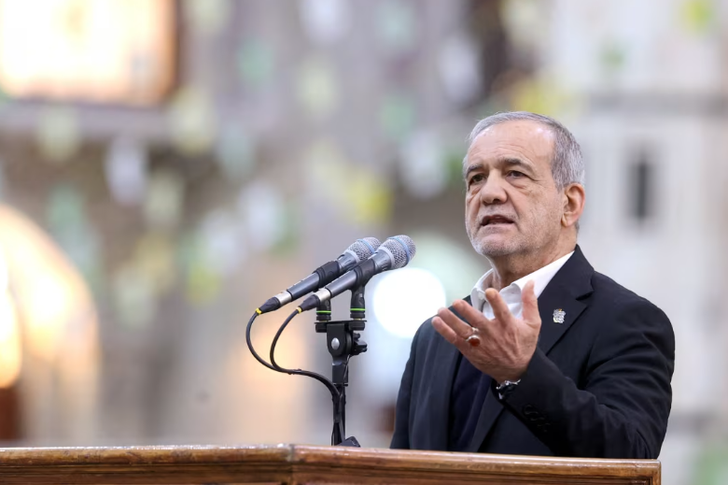
Iran's President Masoud Pezeshkian declared on Saturday th...
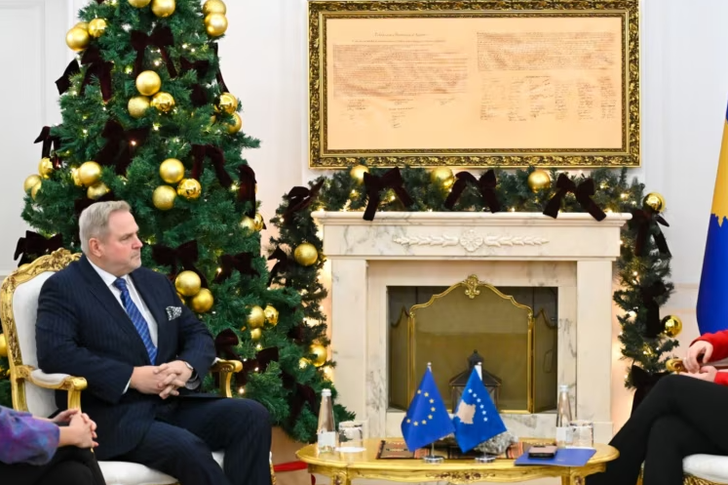
The rapporteur for Kosovo in the European Parliament, Riho...
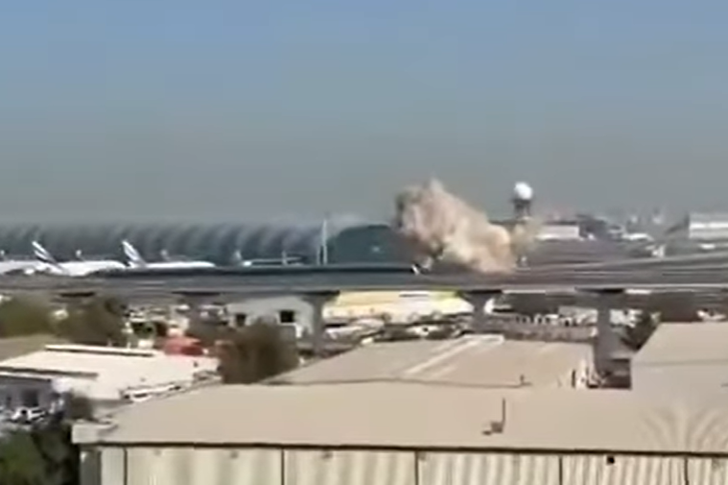
The BBC has verified footage showing a drone striking near...
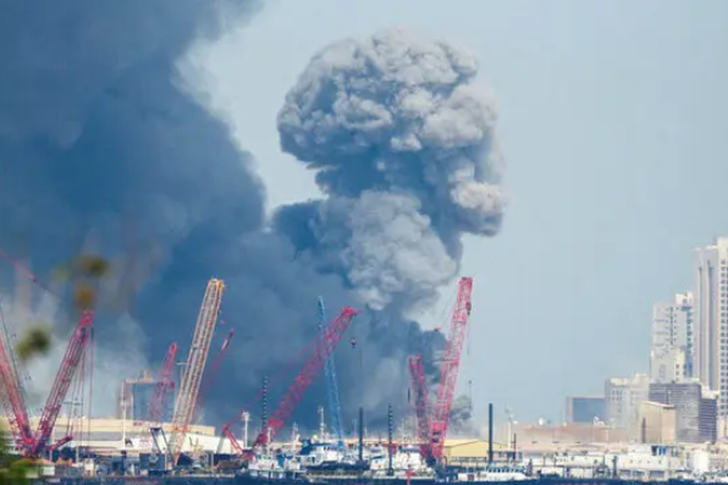
Iran has claimed to have launched a drone attack on the al...
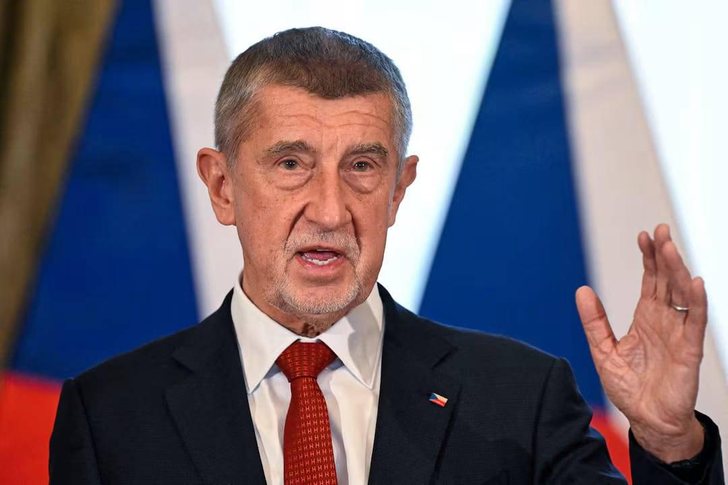
PRAGUE, March 5 (Reuters) - The lower house of the Czech p...
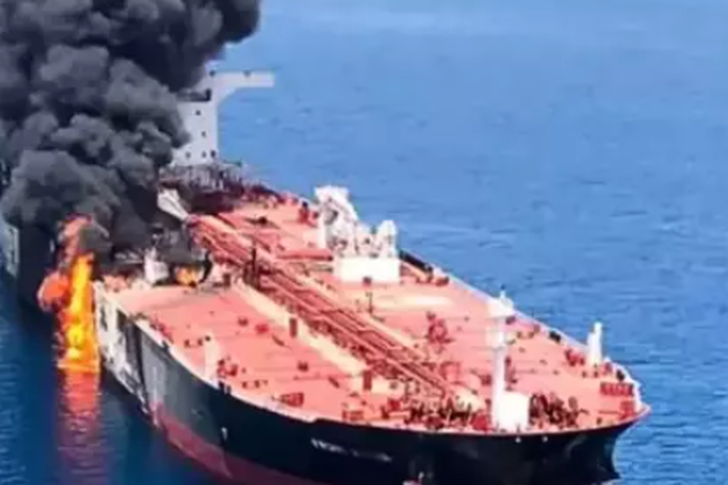
Iran's Islamic Revolutionary Guard Corps (IRGC) has claime...
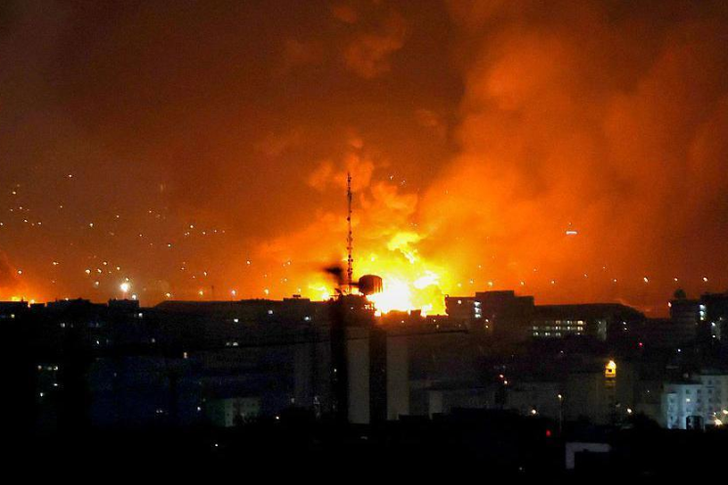
The attacks in Dubai continue. Foreign media are reporting...
President Donald Trump has declared that the US military i...
Today we are on the 8th day of the war in the Middle East ...
Qatar warned today that if the conflict in the Middle East...
The Israeli Armed Forces have bombed and destroyed a large...
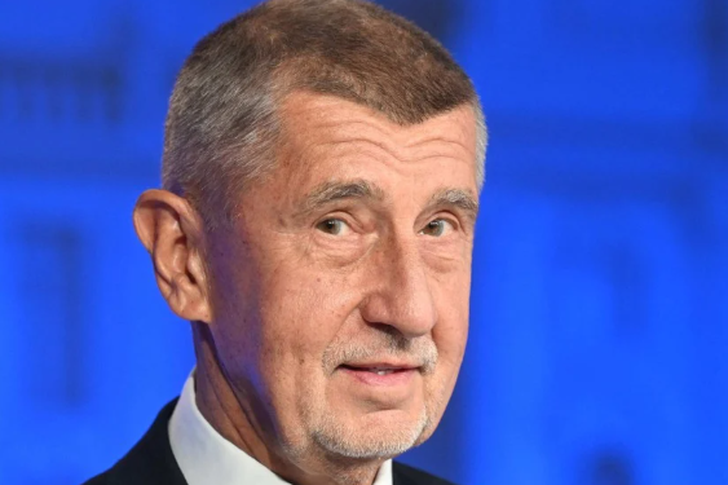
The Czech parliament refused to lift the immunity of the p...
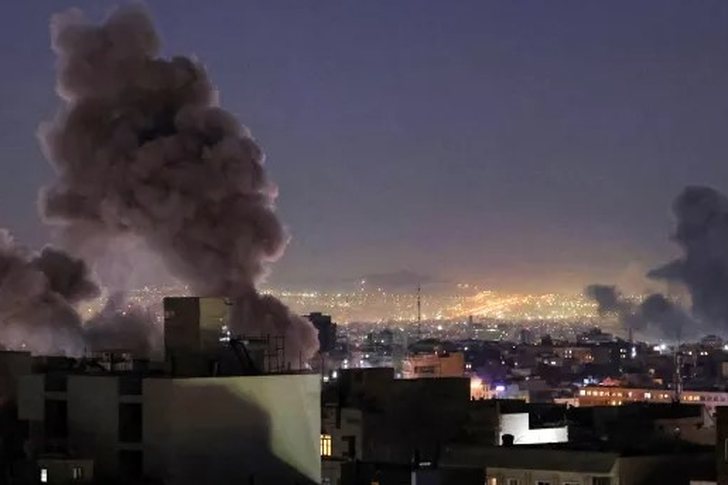
Iran's Deputy Foreign Minister, Majid Takht-Ravanchi, said...
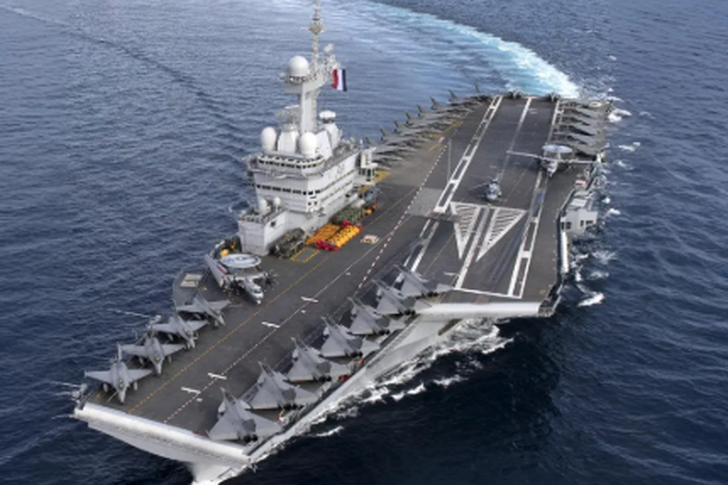
The French aircraft carrier Charles de Gaulle (R91) has be...
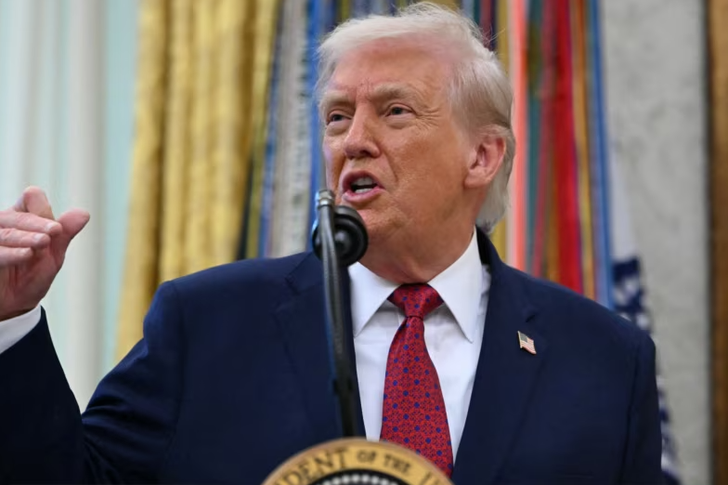
US President Donald Trump stated that the form of the poli...
Russia is providing Iran with targeting information that i...
Hungary says it is deporting seven Ukrainian bank employee...
Kosovo Prime Minister Albin Kurti spoke for the first time...
US President Donald Trump said today in a telephone interv...

CNA has launched another investigation that could lead to ...

Irfan Hysenbelliu is a businessman that we call "Irfan the...

In March 2026, CNA launched another investigation centered...
The arrested mayor of Tirana, Erion Veliaj, with 13 charge...

The Special Board of Appeal (KPA) decided this Monday ...

The KPA vetting decided this Thursday to dismiss the p...

Suela Salavaçi, a prosecutor in the Prosecutor's Offic...

The Special Board of Appeal reinstated the prosecutor ...
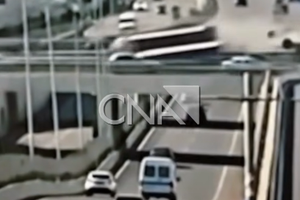
Footage emerges from the serious accident that occurred th...

A Shkodra traffic police officer was hit with hard objects...
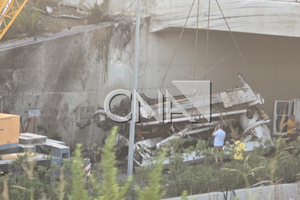
This Wednesday, around 4:00 PM, a serious accident occurre...

Tirana Police have shared details regarding the accident t...

On Thursday, our country will be under the influence of st...
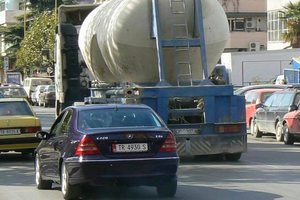
A serious accident that occurred this Wednesday with the c...

The Institute of Geosciences has shared a forecast for wea...
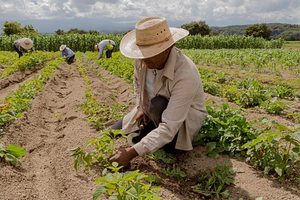
Rising energy and fertilizer prices are expected to contin...
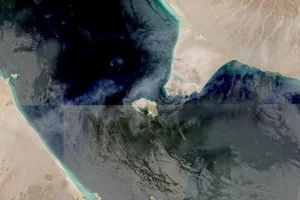
Yemen's Houthis have claimed to have attacked two Saudi oi...
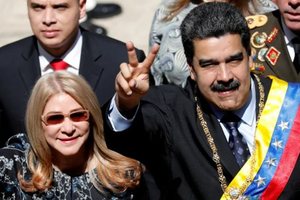
The trial of ousted Venezuelan President Nicolas Maduro on...
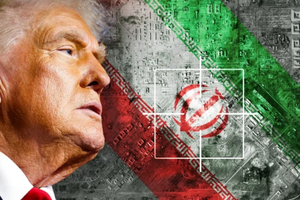
US President Donald Trump has issued another warning to Ir...

Prime Minister Andy Burnham has announced that most bus fa...

At a time when industrial products are increasingly taking...

Trust among people is not just a three-syllable word. It c...

Master of humor Todi Llupi has passed away at the age of 7...

The ninth edition of "MIK Festival" kicked off with one of...
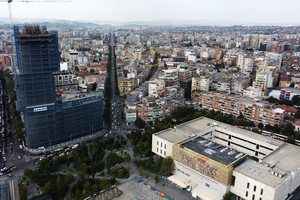
The average sale price of apartments in Tirana reaches rec...
This Thursday, one US dollar is bought for 81.5 lek and so...
The price of diesel reached 206 lek per liter from 198 lek...

Businesses will no longer be required to simply register t...