


Fires in Spain/ 11 people die
At least 11 people have died and six others have been inju...

At least 11 people have died and six others have been inju...

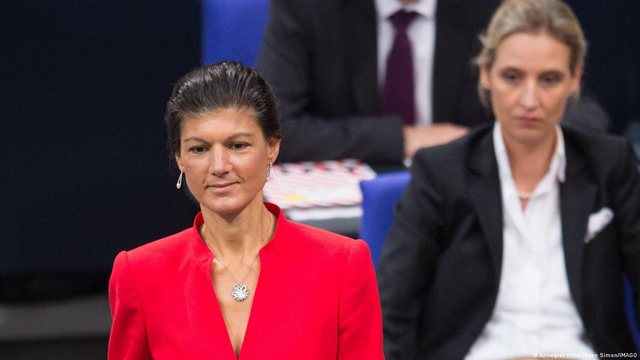
How could Sahra Wagenknecht damage the AfD party? Sahra Wagenknecht from the Left party, thinks of creating a new party. This would cause more concern for the far-right AfD party.
Like no other German politician, Sahra Wagenknecht is considered someone who stirs up blood, not only by her political opponents but also by her own camp. The former chairwoman of the parliamentary group of the 'Left' party in the German parliament, always causes trouble for fellow deputies due to her disrespect for party discipline and the great attention that Wagenknecht constantly receives from the media.
At a time when the Left party has fallen in the polls below the 5 percent representation threshold, and if elections were held today, would fail to enter parliament, Wagenknecht's popularity has continued to rise. The leadership of the party has repeatedly asked Wagenknecht to clarify his position towards his own party, there has also been talk of giving an ultimatum for exclusion from the party.
There has been speculation for months that Wagenknecht will create her own party, not least because according to a poll by the Civey Institute, published at the end of July, 20 percent of Germans "imagine in principle" voting for a party , which would be led by the left-wing politician, Wagenknecht.
Wagenknecht, who regularly appears on German political talk shows, returned last year to spearhead a "peace campaign" urging the West to stop arming Ukraine to defend against Russian attack. In addition, Wagenknecht has criticized the leadership of the Left party, which bows to the leftists, the so-called "Left with a left lifestyle", whose policy for the integration of minorities, puts out of play, according to her, the basic electorate of the Left party.
(ed. Sarah Wagenknecht, calls Lifestyle-Left - the Left in the way of living-, those who do not put social and political-economic problems at the center of politics, but the issue of lifestyle, consumption and moral attitude.)
Wagenknecht enjoys great popularity, especially in the east of Germany. A poll by Thuringia's Insa institute in July found that a new party led by Wagenknecht would win if elections were held in the state where she was born, with 25 percent of the vote, three percent more than the partially extreme right-wing party, Alternative for Germany (AfD), which would thus move into second place. Perhaps it is no coincidence that the chairman of the AfD, the Thuringian Björn Höcke, also known for provocation issues, invited Wagenknecht after a "peaceful demonstration" held in February, to switch to the AfD.
For fellow Left party and former Wagenknecht associate Christian Leye, this shows that the AfD fears her more than anyone else on the spectrum of German politics. "Sahra Wagenknecht is a credible critic of the situation, she dares to criticize the government in clear words," he tells Deutsche Wellen. "She can turn into a peaceful social and political alternative for all those who have the right to be unhappy. And this is very necessary, precisely because it is not allowed to give way to a party like AfD."
Political science researcher Sarah Wagner from the University of Mannheim has dealt with the Wagenknecht phenomenon. She has seen that Wagenknecht is as popular among AfD supporters as the AfD leadership is. "We see that precisely the topic of migration is seen as very connected to Wagenknecht," says Wagner in conversation with DW. migration, but there are also those who generally have a conservative attitude. That means they're critical of climate protection or against rights for the LGBTQ community."
Wagner says that a large part of current AfD members are not very committed to the party, so they could be won over by another party. "These are voters who are dissatisfied with democracy, who have a conservative attitude. Many of them do not feel well with the AfD, but they do not see any other party to vote for."
Some observers think Wagenknecht offers Germany an unusual combination: conservative social values ??tied to socialist economic plans. "We can't say exactly how many people are oriented by left-wing conservative values," says Wagner. But what can be said is that this group is not small.
Such a Wagenknecht party would be similar on the international stage, perhaps to the Socialist Party of the Netherlands, which represents a hard line on migration issues, or to the Greek Communist Party, which has voted against the law to institutionalize marriage between two people of the same gender.
Wagner's study has concluded that the potential for a Wagenknecht party lies mainly in eastern Germany.
Otherwise, says Wagner, there is no specific population group to which she is addressing: Wagenknecht's followers are neither young nor old, neither predominantly male or female, nor part of a particular stratum. . So Wagenknecht can potentially reach a lot of people.
Wagenknecht has announced that he will not make a decision until the end of the year about the next step he will take. If he creates a new party, then this could cost the political existence of the Left party, thanks to which Wagenknecht made his political career. Because surely Wagenknecht would be joined by some deputies, members and followers of the Left party.
Even for Wagenknecht the step itself would be difficult. Born in 1969 in Jena, Thuringia, with a German mother and an Iranian father, politician Wagenknecht has spent practically her entire life in the party, which today is called the Left party. Since before the breakup of East Germany, she has been a member of the predecessor party of the Left party, the Socialist Unity Party of Germany SED, which has been in power in communist East Germany.
If he decides to break away, then Wagenknecht's campaign would have this plan: Running for European elections next spring to test the ground, followed by general elections for state parliaments in the three East German states of Brandenburg, Saxony and Thuringia. , in the fall of 2024.
Whether the AfD will continue to grow will depend on the decision that Wagenknecht will make, and with it the political future of Germany will also depend./ DW

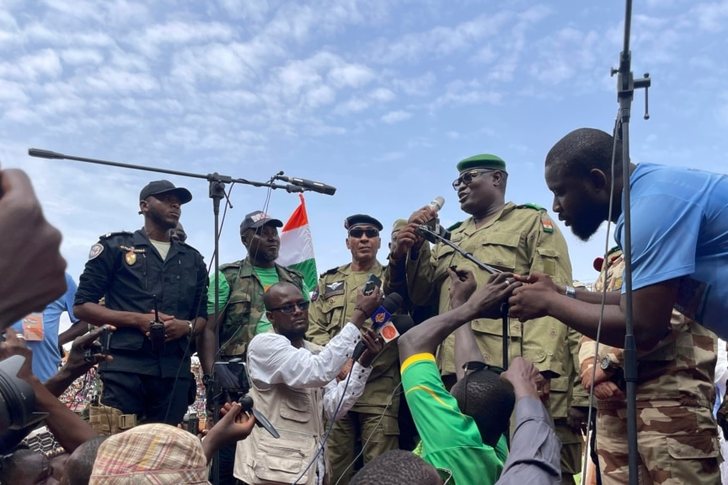
The leaders of the coup d'état in Niger have appointed oth...
The International Monetary Fund has stated that the measur...
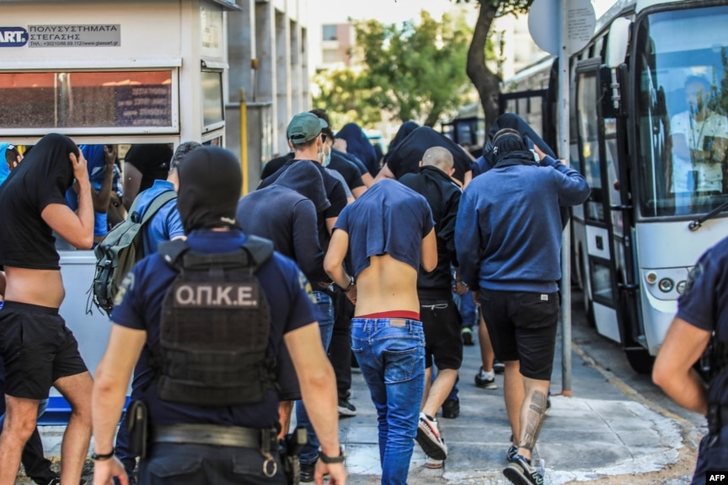
Nearly 100 Croatian soccer fans appeared before a court in...
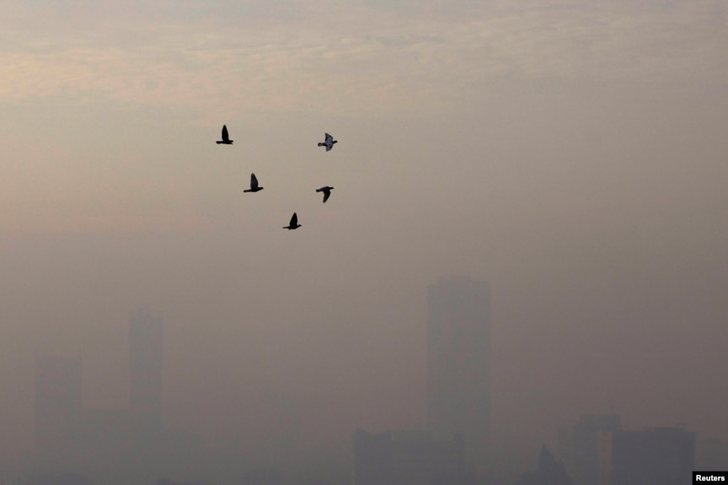
Indonesia's capital Jakarta tops the list as the world's m...
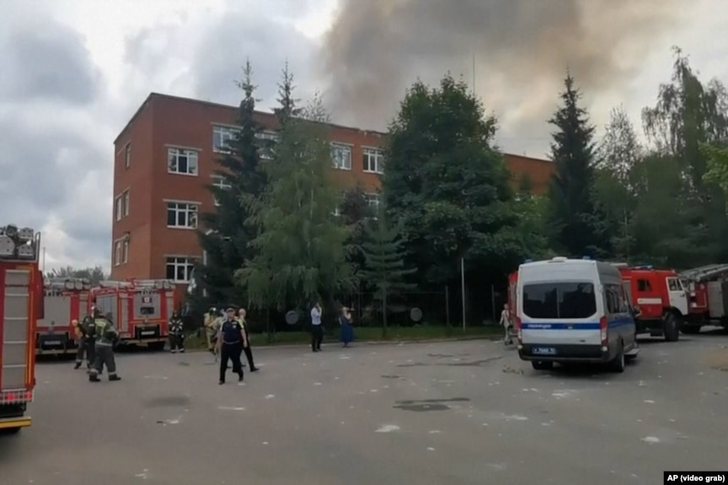
Local officials in Russia said at least 43 people were inj...
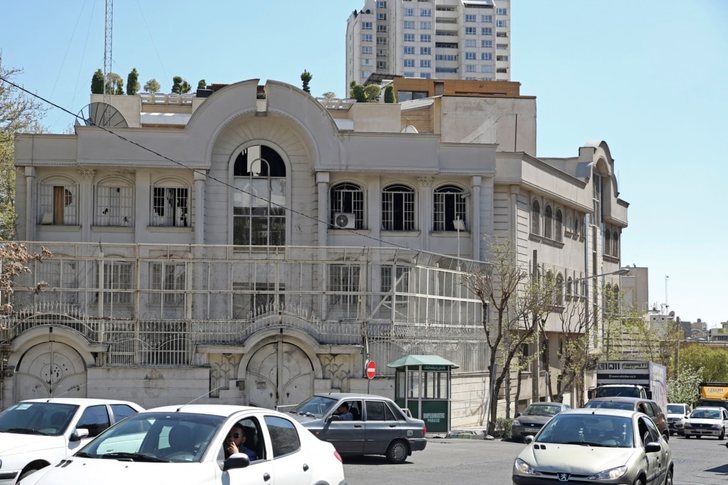
The embassy of Saudi Arabia in Tehran has resumed work on ...
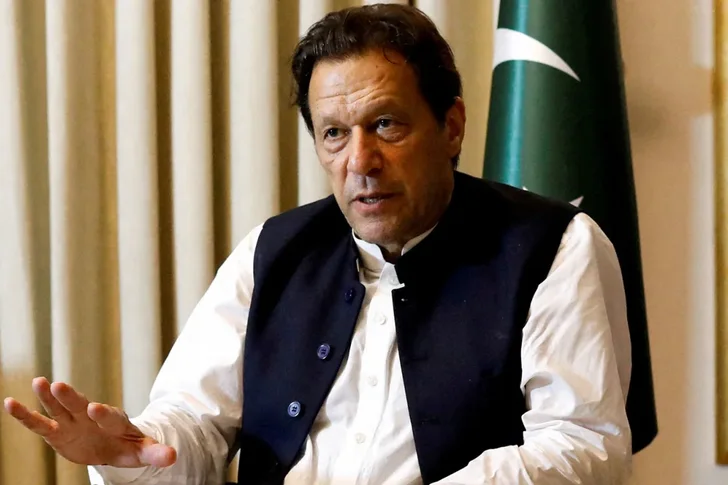
Pakistan's former prime minister Imran Khan can no longer ...

A person in the US has won $1.58 billion, thanks to his se...
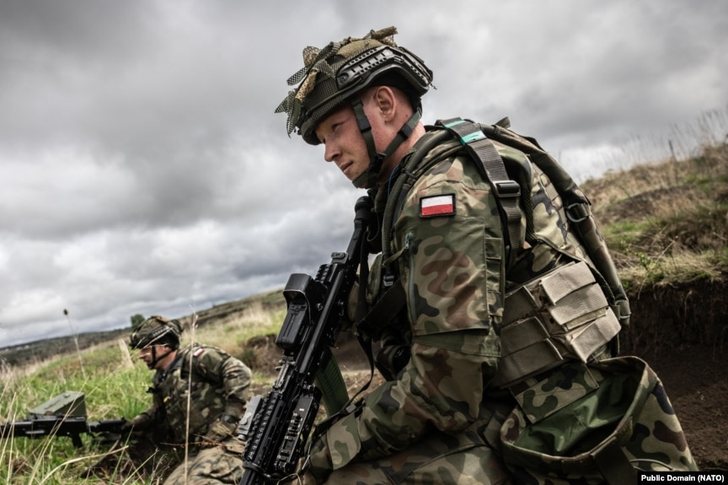
Moscow on Wednesday accused Poland and Finland of threaten...
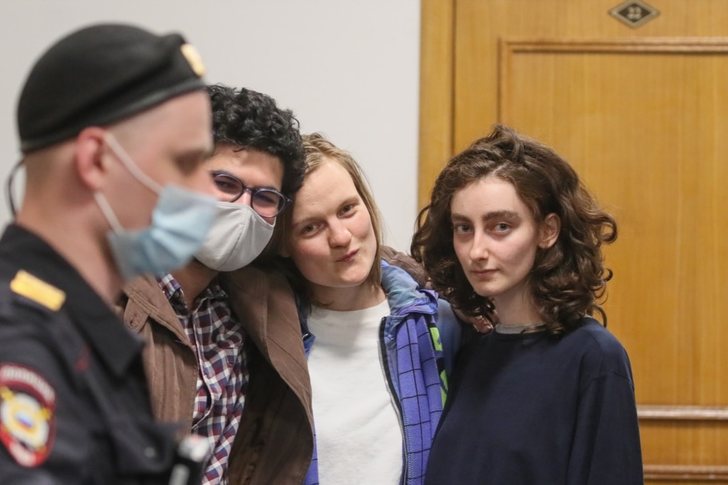
The former Russian journalist of the student magazine "Dox...
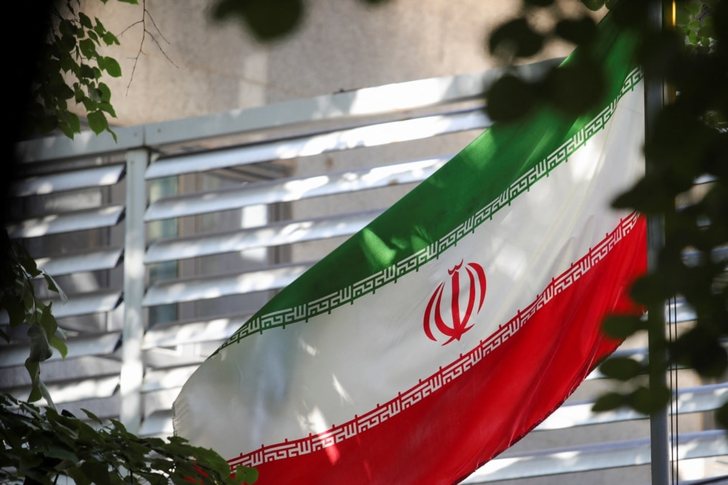
Iran has secured the technology needed to produce superson...
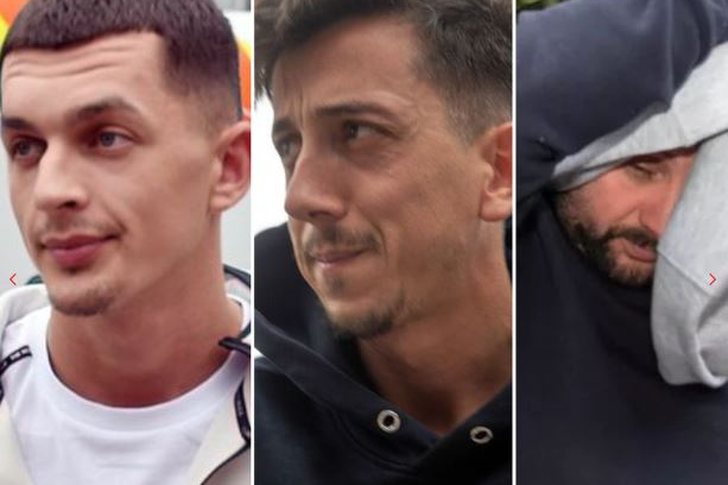
Three young Albanians have held the first special hear...
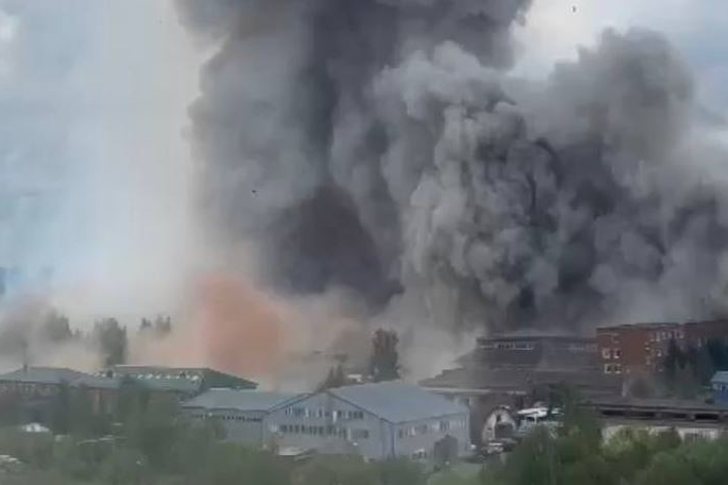
An explosion occurred at the Zagorsk optical-mechanical fa...

"What scares our societies the most? And why do we thi...
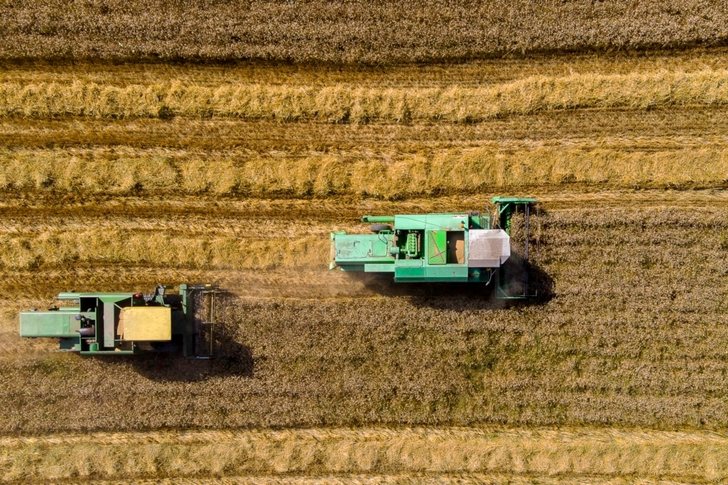
The opposition party, the Democratic League of Kosovo (LDK...
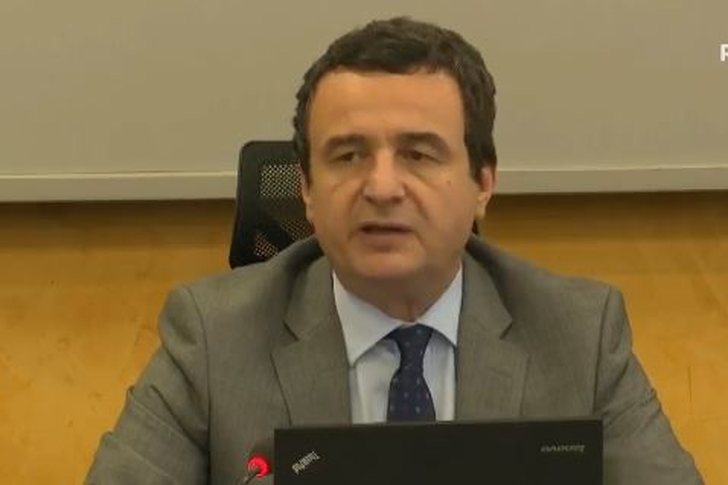
The Prime Minister of Kosovo, Albin Kurti, has criticized ...
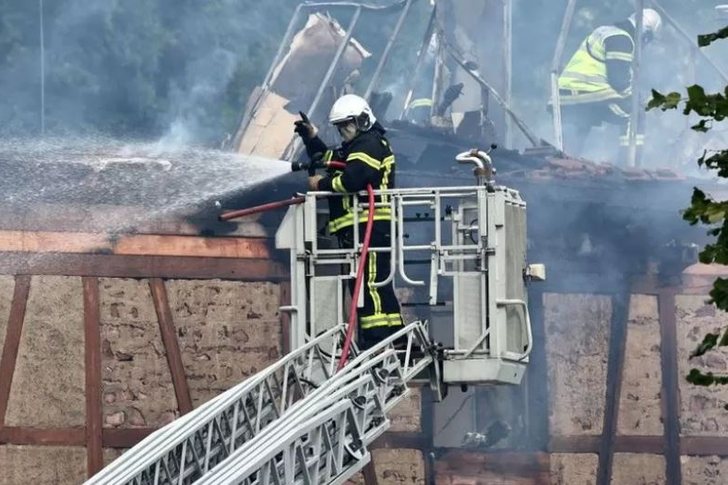
Eleven people are missing after a fire at a holiday ho...
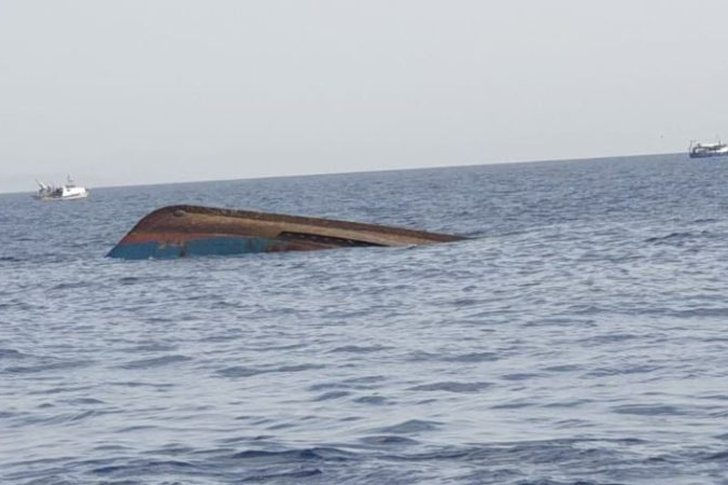
Forty-one migrants have lost their lives during the sh...
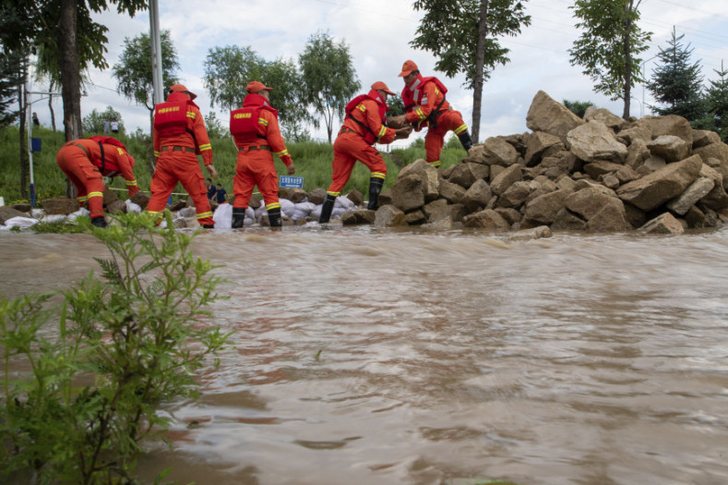
The death toll from recent floods in the Chinese capit...
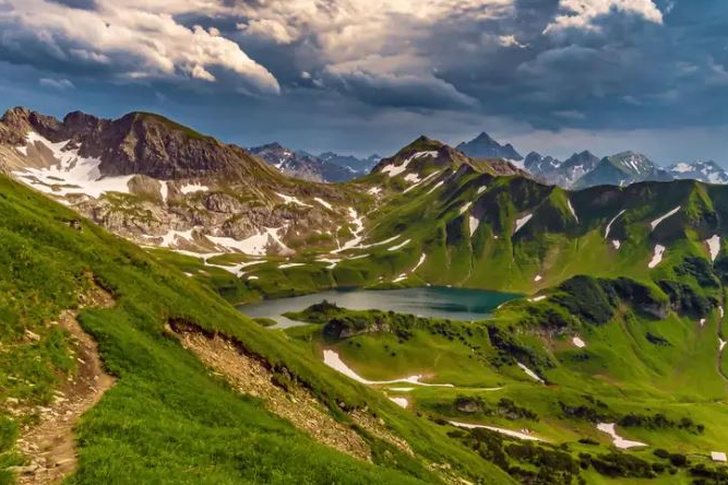
It is a July morning just before nine o'clock when the adv...

For 6 months now, CNA has been sending several letters to ...
The word "fatherland" with properties is not enough. The m...

The justice reform claimed that it would bring faster, fai...
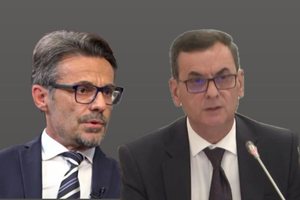
The Justice Reform and the vetting process were trumpeted ...

The Special Board of Appeal (KPA) decided this Monday ...

The KPA vetting decided this Thursday to dismiss the p...

Suela Salavaçi, a prosecutor in the Prosecutor's Offic...

The Special Board of Appeal reinstated the prosecutor ...

The murder of 40-year-old I.Gj in Laç is suspected to have...

It is reported that a few minutes ago, gunshots were recor...
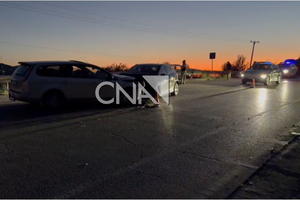
This evening, an accident occurred on the Levan-Tepelena h...

Police have provided details regarding the injury that occ...
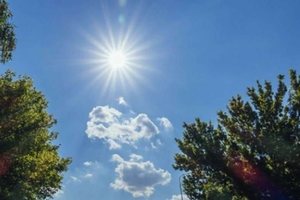
Today our country will be affected by stable weather condi...

Emigration, an aging population, and low participation in ...
Today, our country will be affected by relatively stable w...
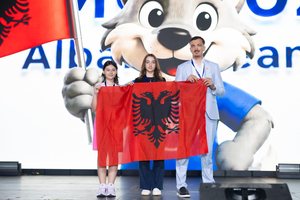
Albania has been awarded two medals of honor at the awards...
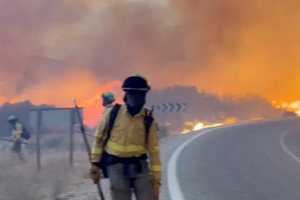
At least 11 people have died and six others have been inju...

Patriot, Tomahawk, Starlink, F-35: Europe's security still...
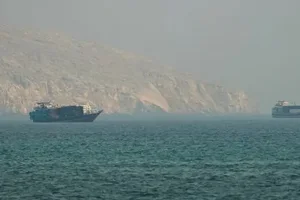
The threat level to maritime security in the Strait of Hor...
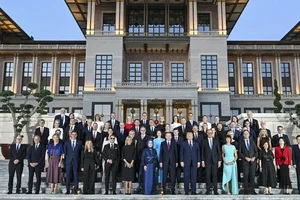
After the end of the NATO summit, Turkish President Recep ...

The German Embassy in Tirana has invited the Albanian publ...
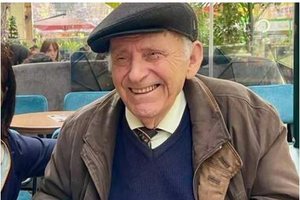
Professor and literature scholar Ali Xhiku has passed away...

During my research into the life and artistic photographic...

This year's edition of the Gjon Mili International Video A...

In addition to food, household appliances, oil, and more, ...
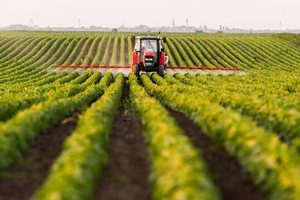
The government has reduced the funds foreseen for rural de...

This Friday, one US dollar is bought for 81.4 lek and sold...
The Tax Directorate has announced that the process of auto...