


Shocking VIDEO/ The convict attacks the judge in the courtroom, jumps on her and hits her
Judge Mary Kay Holthus was attacked in the courtroom while...


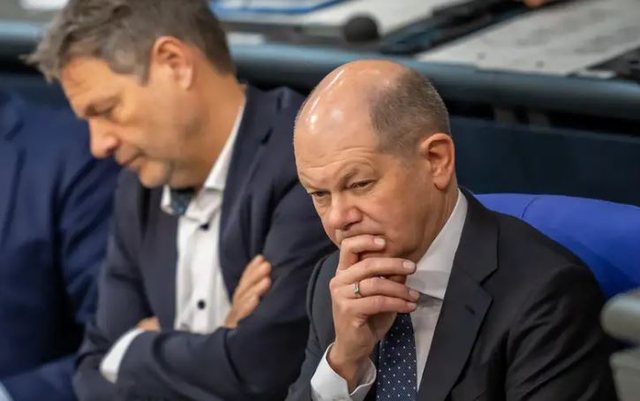
He has been in the ranks of the German Liberal Party (FDP) for months. The smaller coalition partner in the German government suffered a series of setbacks in regional and state elections in 2022 and 2023. And local politicians blame federal politics for this. According to surveys, three quarters of Germans are dissatisfied with the work of the government coalition of the Social Democrats (SPD), the Greens and the FDP.
The liberal party FDP even organized a survey among its members, during which about 48 percent expressed their support for the swift departure of this party from the government coalition, which does not enjoy sympathy among the population.
Big disappointment
2024 could be the most difficult year for the German tripartite government. On June 9, the elections for the European Parliament take place, while in September, the elections for the state parliaments in Saxony, Thuringia and Brandenburg take place. Local elections are also held in nine of the 16 federal states.
In Saxony, Thuringia and Brandenburg, the strongest force is considered the Alternative for Germany (AfD) party, which the Office for Constitutional Protection classifies in part as far-right. It seems that only the Christian-Democratic party CDU has a chance there. Whereas the SPD, the Greens and the FDP have dramatically lost the confidence of the voters. In Saxony, a poll was published at the beginning of the year according to which the SPD and the FDP would not be able to get the necessary votes to enter the state parliament, while the Greens could barely win the necessary minimum.
According to polls, the government coalition currently enjoys the support of only 33 percent of voters, from 52 percent in the 2021 parliamentary elections.
Olaf Scholz, the chancellor devoid of emotion and charisma
Many people are unhappy, Chancellor Olaf Scholz (SPD) declared in his New Year's speech. "I take this seriously." But the world is changing "at breakneck speed" and so Germany must too, he said.
But is it really the changes they are facing that make people unhappy, or is it the way the government is reacting to the many crises? The war of Russian aggression against Ukraine, which was followed by an energy crisis, skyrocketing prices, the collapse of the German economy. Many citizens no longer believe that the government is able to cope with the problems.
Also, the chancellor should not have passed without noticing that he is also doing worse and worse in the polls. This is also due to his communication and management style. The 65-year-old lawyer, Scholz, fails to explain his politics and win people over.
Fear unites us
The disagreements between the parties of the government coalition do not seem to end during 2024. Although the chancellor will talk once again with the Minister of Finance, Christian Lindner (FDP), to give up this year the inhibition to take on debts new, if it turns out that the military and financial support for Ukraine is not enough, this does not mean that the FDP will agree.
However, the leaders of all three parties avoid ending the coalition more than anything else. If there are new elections, there is a risk that the Social Democrats (SPD), the Greens and the Liberals (FDP) will lose government power and many parliamentarians will have to give up their mandates in the Bundestag. Therefore, at the level of officials, almost everyone wants to continue the coalition, which is de facto shattered. The fear of political collapse is almost the only thing that still holds together the SPD, the Greens and the FDP./ DW

Judge Mary Kay Holthus was attacked in the courtroom while...

A serious family crime has occurred in Massachusetts, Unit...

SpaceX has been accused of illegally firing eight work...
The United States has not seen acts in the Gaza Strip ...
Britain is facing an alarming shortage of the most com...

The Foreign Minister of the United Kingdom, David Came...
The year 2023 was characterized by an extreme escalati...
The European Union has condemned today's attack in the...
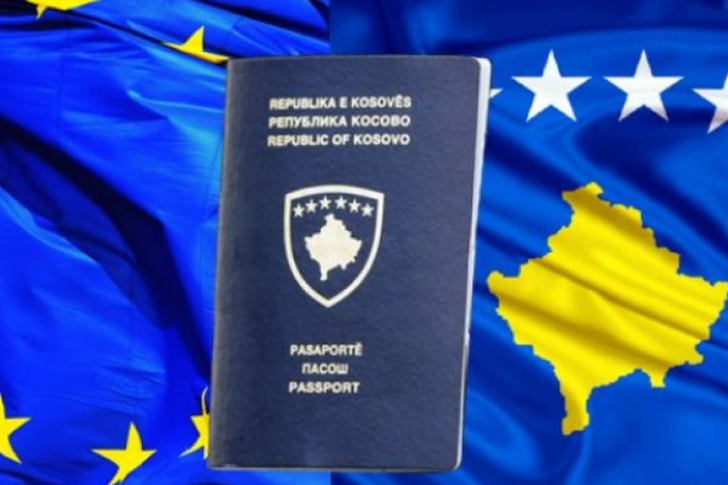
The passport of Kosovo has increased by 90 place...

As geopolitical tensions between Beijing and Washington ra...
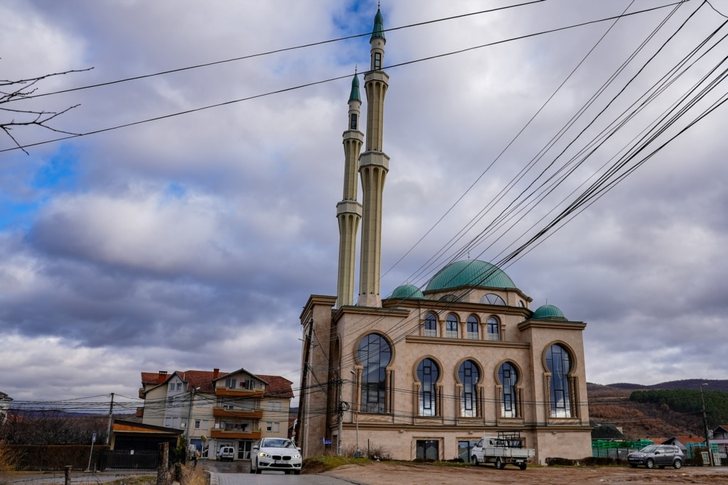
The Islamic Community of Kosovo (BIK) has distanced it...
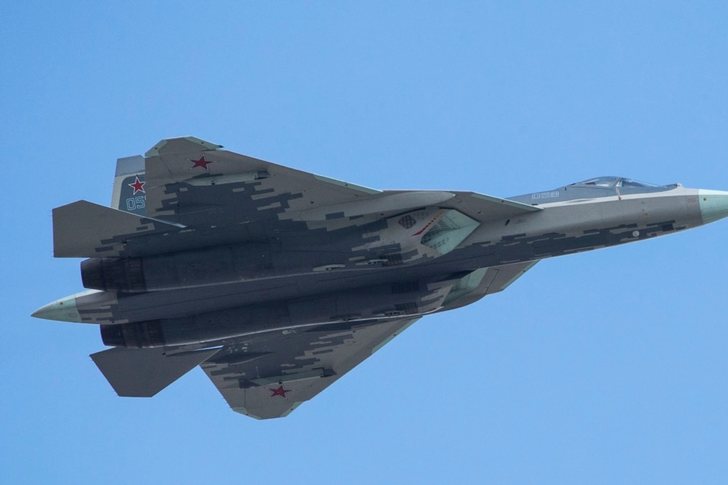
A Russian governor said Wednesday that he has ordered ...
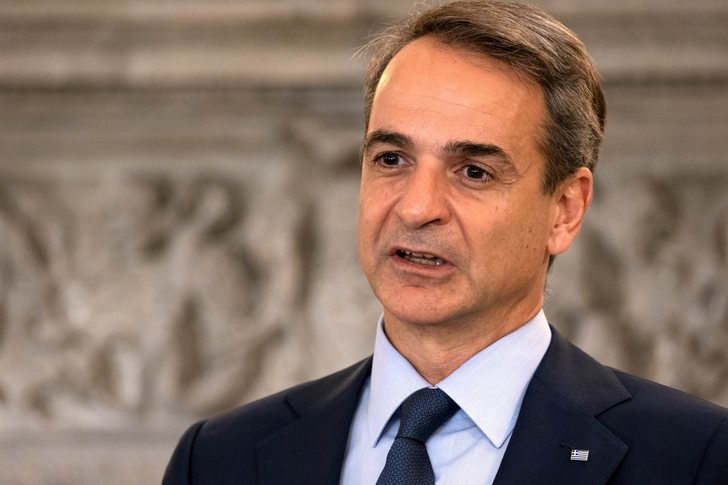
The Prime Minister of Greece, Kyriakos Mitsotakis, has...
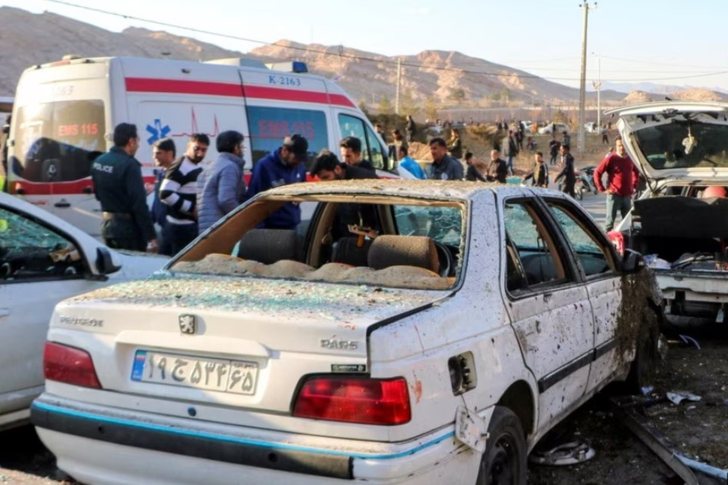
Iranian officials said two consecutive explosions within 1...
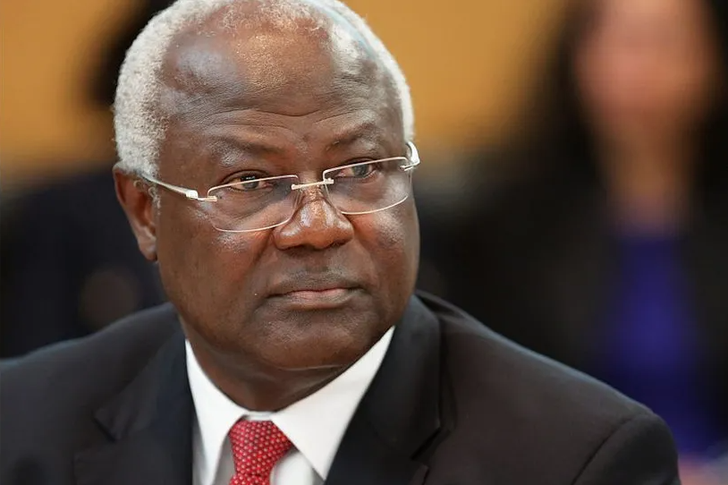
Sierra Leone's former president, Ernest Bai Koroma, ha...
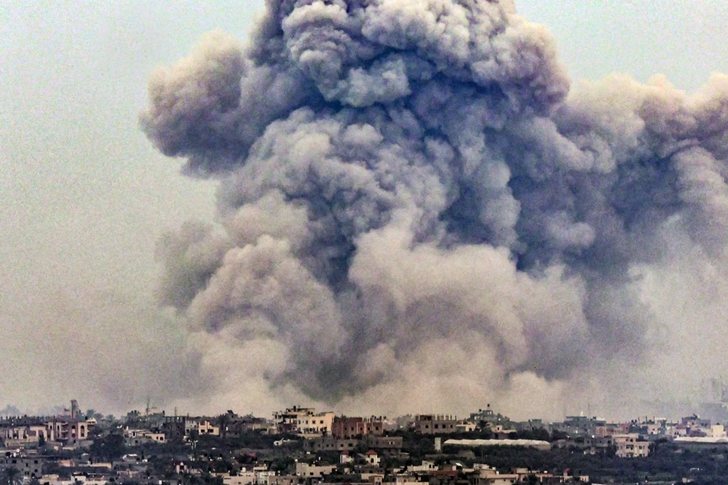
The international community must impose a solution to ...
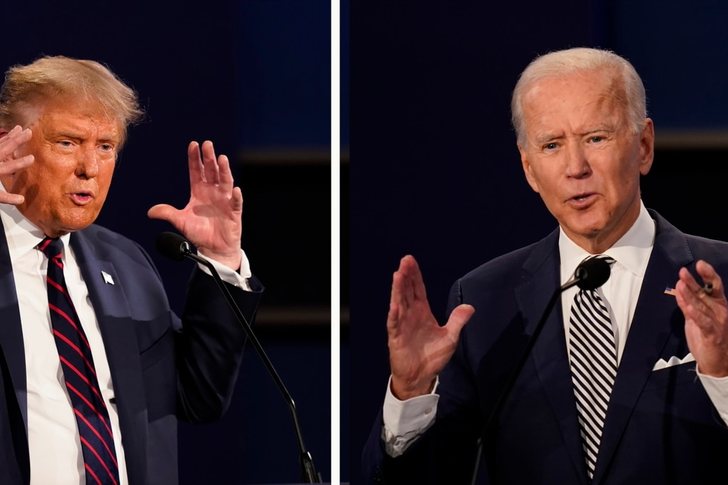
President Joe Biden will kick off the year by campaigning ...
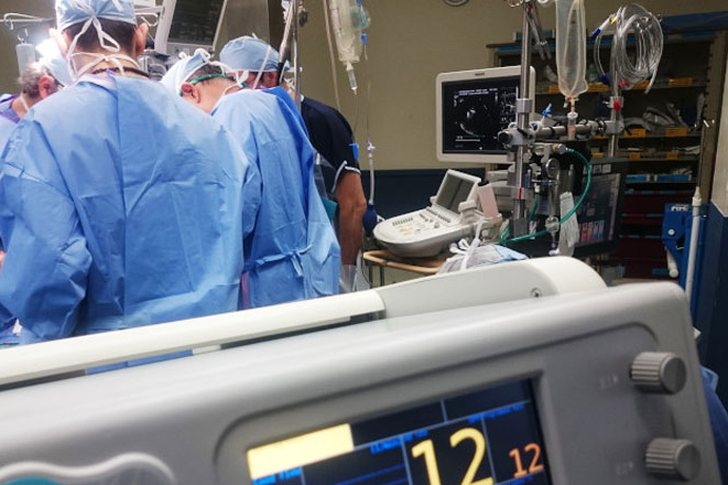
An example of a parent's unconditional love for his child ...
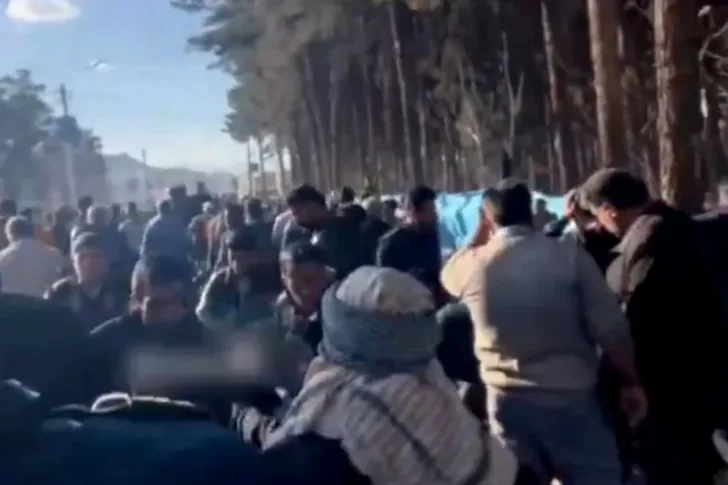
At least 73 people have been killed by two bomb blasts...

A court in Pakistan on Wednesday indicted jailed former pr...
A 39-year-old citizen has been arrested in Lezha, after se...

CNA has launched another investigation that could lead to ...

Irfan Hysenbelliu is a businessman that we call "Irfan the...

In March 2026, CNA launched another investigation centered...

The Special Board of Appeal (KPA) decided this Monday ...

The KPA vetting decided this Thursday to dismiss the p...

Suela Salavaçi, a prosecutor in the Prosecutor's Offic...

The Special Board of Appeal reinstated the prosecutor ...

Police Announcement: Following preliminary information...

New details from the operation being carried out in Fier t...

The 17-year-old, who was seriously injured yesterday after...

RENEA is headed towards Roskovec after the murder that occ...

By noon, cloudiness is expected to prevail in almost all o...

Children without parental care, for whom alternative famil...

On Thursday, our country will be under the influence of st...

A serious accident that occurred this Wednesday with the c...
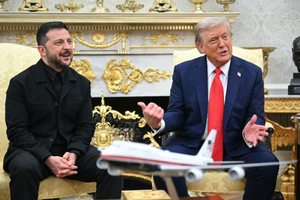
US President Donald Trump will host his Ukrainian counterp...
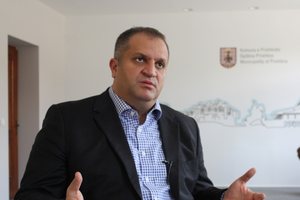
The Basic Court in Pristina found the former mayor of Pris...
The European Union Office in Kosovo has called on all poli...
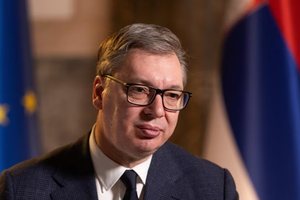
Serbian President Aleksandar Vučić, at a press conference ...

At a time when industrial products are increasingly taking...

Trust among people is not just a three-syllable word. It c...

Master of humor Todi Llupi has passed away at the age of 7...

The ninth edition of "MIK Festival" kicked off with one of...
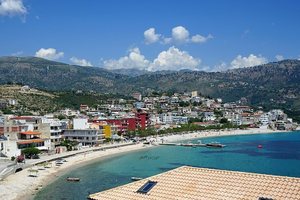
The number of active enterprises in Albania continued to g...
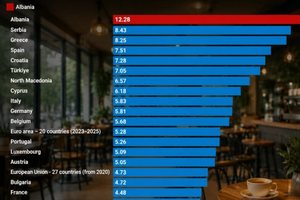
In Albania, the bar-cafe has long become an almost unique ...

This Friday, one US dollar is bought for 81.7 lek and sold...

The average sale price of apartments in Tirana reaches rec...