


Trump sues BBC for defamation, seeks $5 billion in damages
US President Donald Trump has filed a lawsuit against the ...


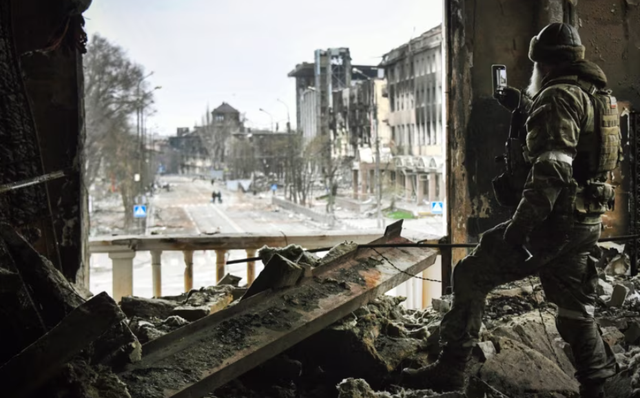
On December 16, Ukraine will move closer to securing compensation for damages caused by Russia since the launch of its full-scale invasion in February 2022.
Senior politicians, likely including Ukrainian President Volodymyr Zelensky and European Commission chief Ursula von der Leyen, will travel to The Hague to initiate a convention that would establish an International Commission for Compensation for Ukraine.
In a way, this is the second of three steps required for Kiev to receive compensation in the future. The first step was taken in 2023, when the Council of Europe decided to establish a Register of Damages for Ukraine.
This Register is already operational and has so far received over 60,000 requests from states, organizations and individuals. The third and final phase is the creation of a compensation fund, but this phase remains for the future and is currently seen as impossible, given that Moscow has shown very little willingness to do so.
European officials with whom Radio Free Europe/Radio Liberty spoke, however, expressed their conviction that work on the creation of the Registry and now the Compensation Commission should continue from now on, as this will play a role, in one form or another, as reparations, which will likely be part of any peace agreement between Russia and Ukraine.
So what will the Compensation Commission actually do? While the Registry has so far collected and documented claims for compensation and preserved evidence supporting these claims, the Commission will now continue this work by reviewing these claims and determining what kind of compensation, if any, will be awarded.
This Commission will examine events from the start of the full-scale occupation of Ukraine on 24 February 2022 onwards. Its mandate covers the entire territory of Ukraine within its internationally recognised borders, including the lands currently under Russian control and those it has held since the annexation of Crimea in 2014 and the subsequent fighting in the Ukrainian regions of Donetsk and Luhansk. It also includes Ukrainian airspace, inland waterways and maritime territories, as well as aircraft and vessels under Kiev’s jurisdiction.
The Convention will enter into force after being ratified by 25 participating states. This is expected to happen relatively quickly, given that the Register was supported by 41 states, including all EU member states except Hungary. According to diplomats contacted by REL, a similar number is expected to be reached now.
The next step now is for the secretariat of the Register to become the secretariat of the Compensation Commission. While this has not yet been decided, it is likely that the Commission will be based in The Hague, as the Register was when it was established. The Netherlands is perhaps the country that has been leading the way on this issue and has been a key player in drafting the convention and securing its approval by several Council of Europe bodies over the past year.
Once operational, three panels will be established to assess all claims. Members of these panels will be called “commissioners” and can apply directly for the position, although states party to the convention will likely nominate their national experts in areas such as international law, dispute resolution, insurance and damage assessment.
Although the Register and the Commission have a strong European orientation and are located within the institutional framework of the Council of Europe, they are open to states from all over the world. In fact, it was a resolution addressing future compensation for Ukraine, adopted by the United Nations General Assembly in 2022, that initiated this whole process.
Russia could also join as a full member or as an “observer”, although this is now seen as “unlikely to happen” by European officials REL spoke to. If Moscow were to become a member in the future, it would have to cover the costs of the entire Commission, which are now expected to be covered through contributions from participating states. /REL

US President Donald Trump has filed a lawsuit against the ...
The head of the British Armed Forces, Admiral Sir Richard ...
Presidenti i SHBA-së, Donald Trump deklaroi se një marrëve...
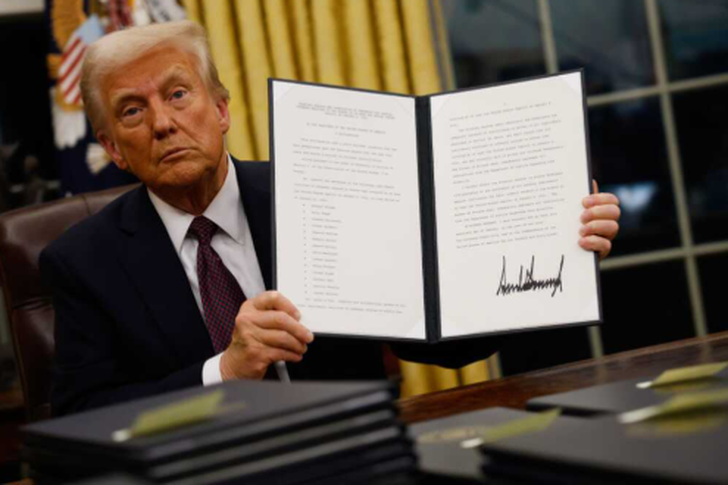
US President Donald Trump signed an executive order on Mon...

Jared Kushner, son-in-law of US President Donald Trump, ha...
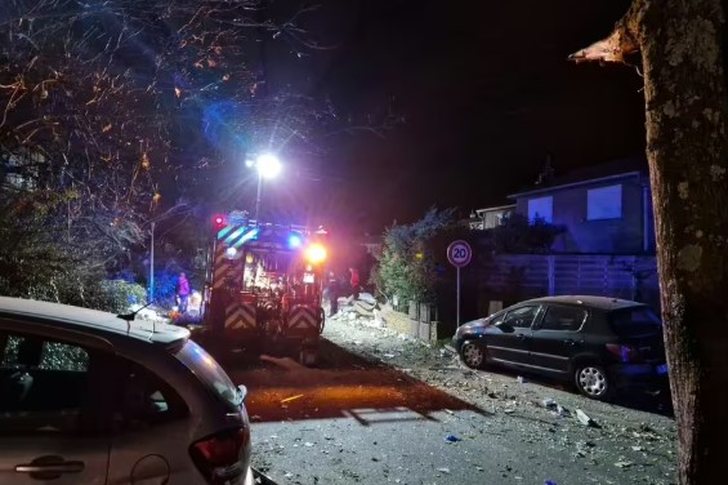
At least six people have died in an explosion inside a bui...
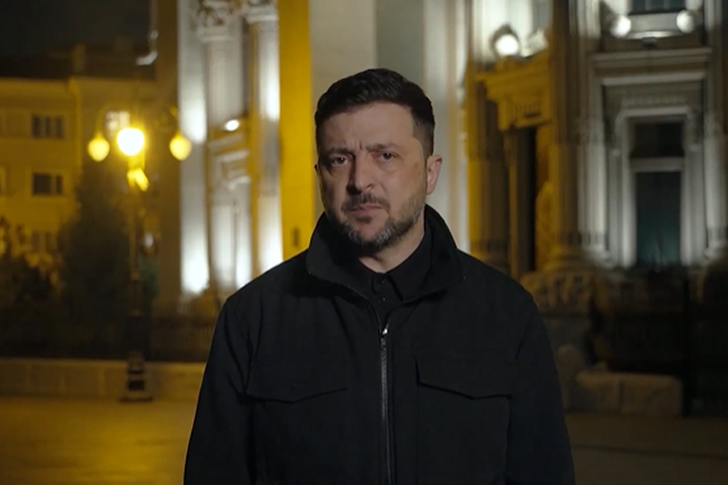
Ukrainian President Volodymyr Zelenskyy said Monday that p...
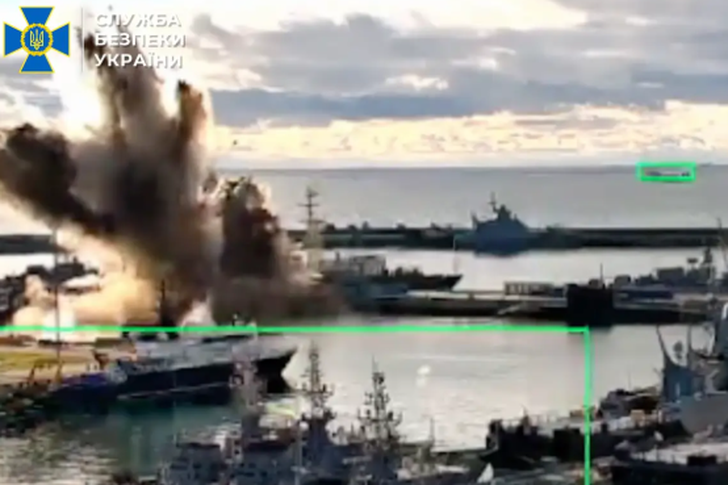
Ukraine hit a Russian submarine with drones in Novorossiys...
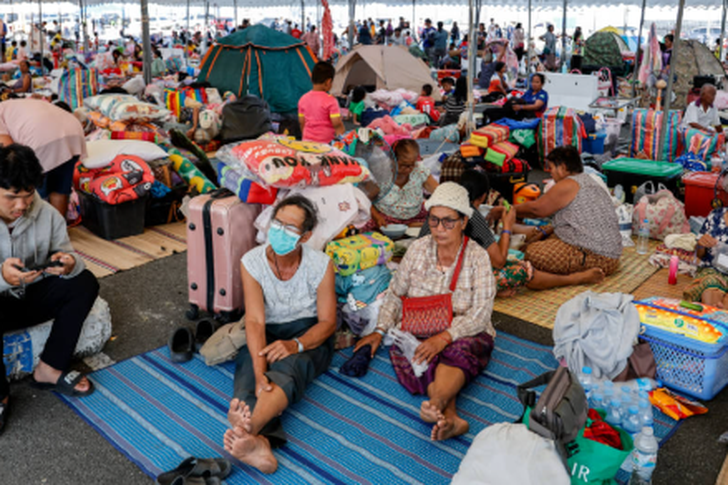
Numri i kamboxhianëve të evakuuar nga luftimet e vazhduesh...
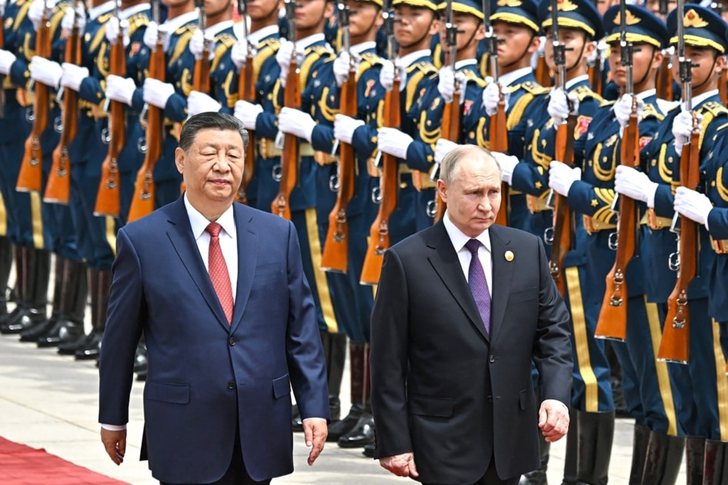
The European Union will hold high-level talks to discuss B...
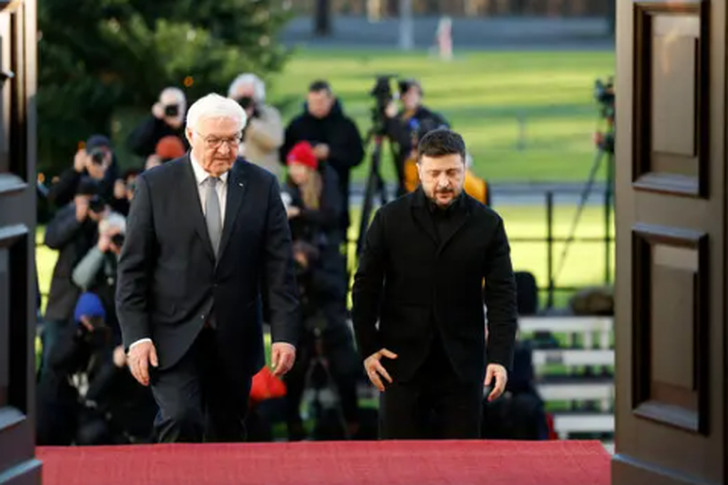
Ukrainian President Volodymyr Zelensky met with senior Ame...
Downing Street says Jewish people in the UK are living in ...
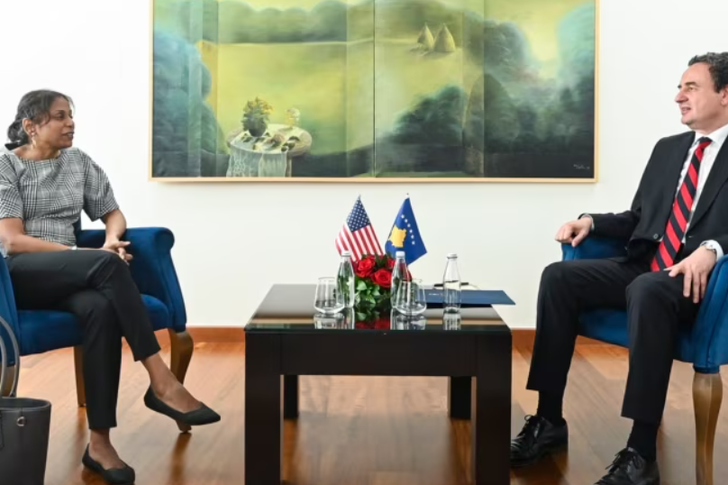
The perceived deterioration of relations between Kosovo an...
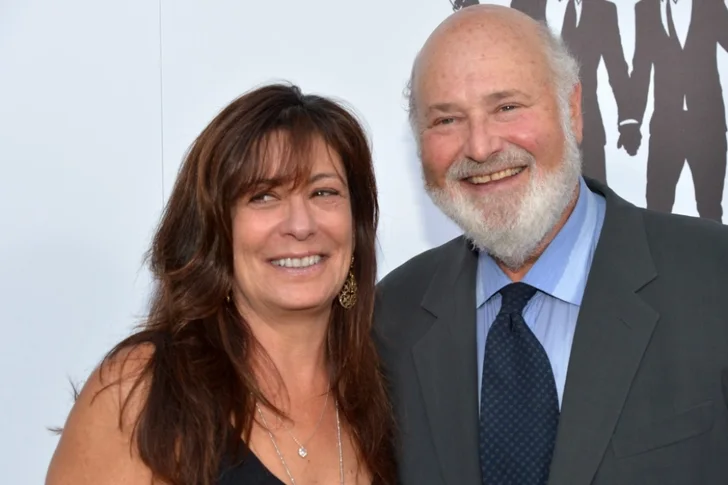
Regjisori dhe aktori legjendar i Hollivudit, Rob Reiner dh...
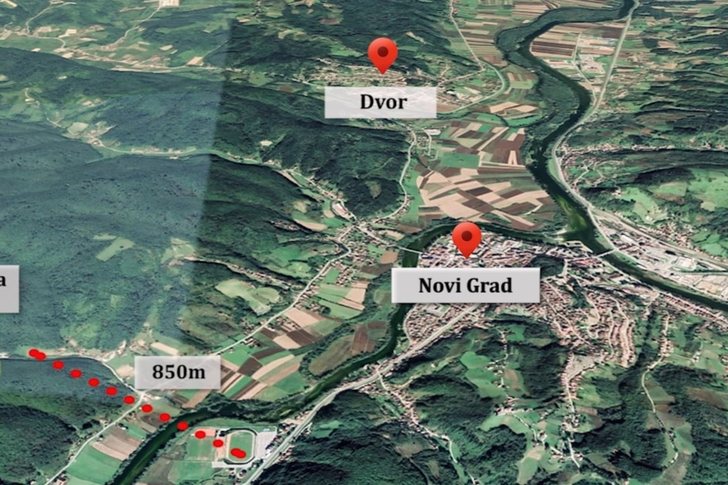
Parlamenti i Kroacisë, në seancën e 15 dhjetorit, miratoi ...

Ukrainian President Volodymyr Zelensky and US envoys held ...
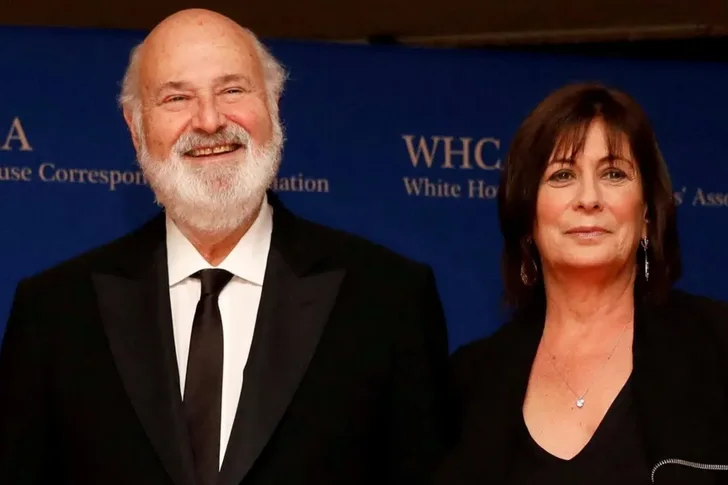
Legendary Hollywood director and actor Rob Reiner and his ...
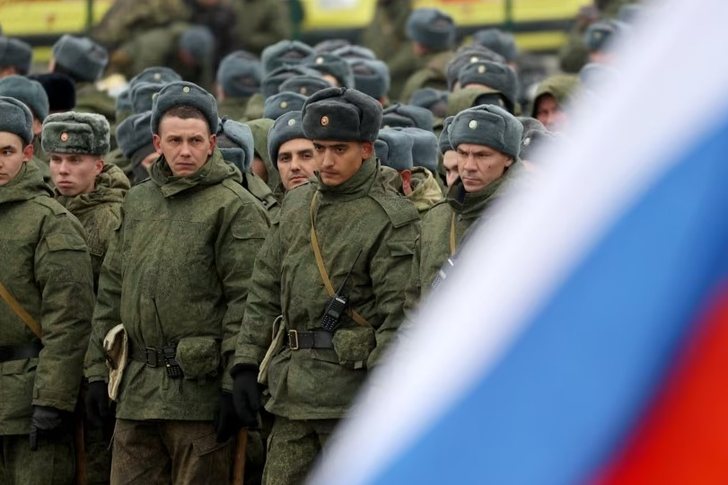
Russian President Vladimir Putin issued a little-publicize...
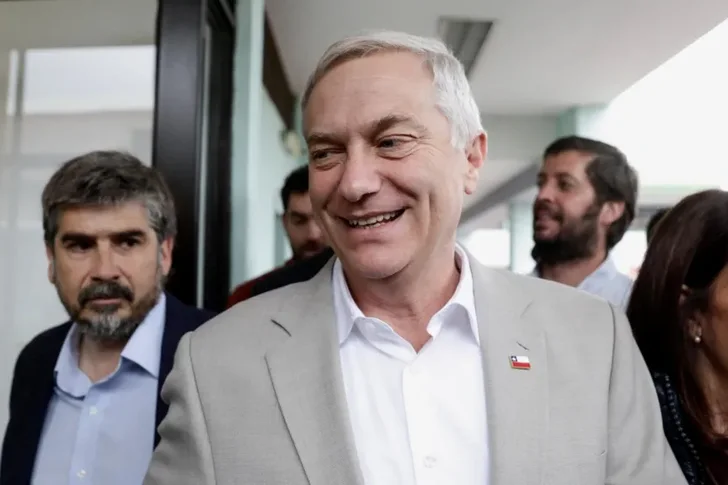
Kili ka zgjedhur Jose Antonio Kast, të krahut të djathtë e...
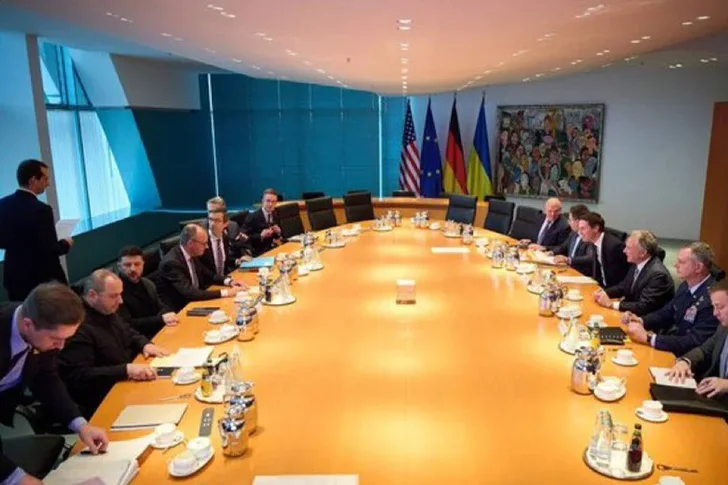
US President Donald Trump's special envoy, Steve Witkoff, ...

CNA has launched another investigation that could lead to ...

Irfan Hysenbelliu is a businessman that we call "Irfan the...

In March 2026, CNA launched another investigation centered...
The arrested mayor of Tirana, Erion Veliaj, with 13 charge...

The Special Board of Appeal (KPA) decided this Monday ...

The KPA vetting decided this Thursday to dismiss the p...

Suela Salavaçi, a prosecutor in the Prosecutor's Offic...

The Special Board of Appeal reinstated the prosecutor ...

A road accident occurred this evening on Nikolla Zoraqi St...

Three people were shot and wounded in Elbasan last night b...

A serious incident occurred this Tuesday in the Yrshek are...

An accident occurred this Tuesday on "Dituria" street in K...

All of Southern Europe will face changing weather conditio...
Albania was hit by temperatures significantly higher than ...

For the first time, Pogradec welcomed the Inter-Lake Chess...

Albania has achieved a record for the employment of foreig...

US Secretary of State Marco Rubio arrived in Manila on Jul...
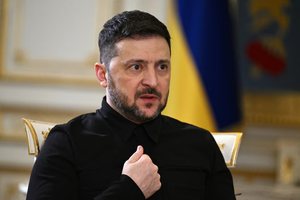
In the space of a few days, Ukrainian President Volodymyr ...
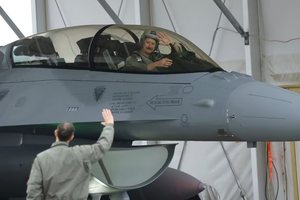
The spokesman for the Iranian Foreign Ministry warned Bulg...

Autoritetet italiane sekuestruan pako me afër 800 kilogram...

At a time when industrial products are increasingly taking...

Trust among people is not just a three-syllable word. It c...

Master of humor Todi Llupi has passed away at the age of 7...

The ninth edition of "MIK Festival" kicked off with one of...

Construction company licenses will have a validity period ...
The Centralized Purchasing Operator recently opened a tend...
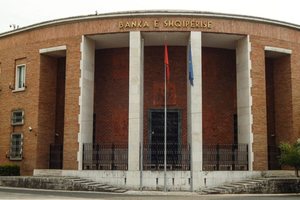
The new draft law "On the Bank of Albania" provides that t...
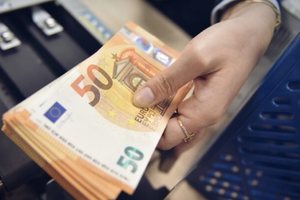
This Tuesday, one US dollar is bought for 81.2 lek and sol...