

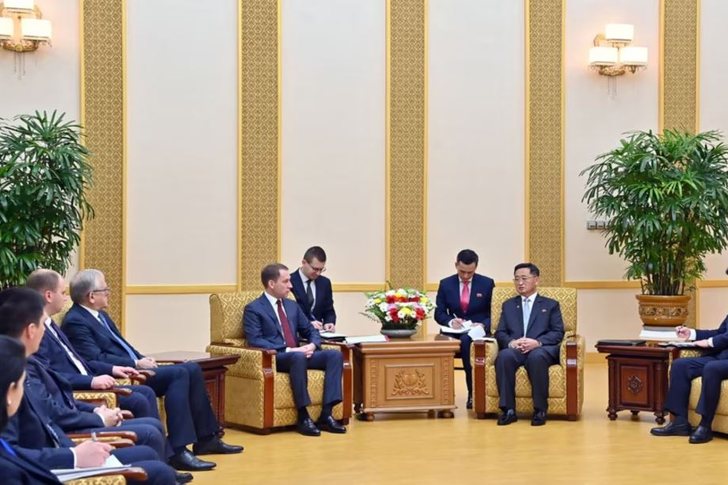
North Korea and Russia agree on deepening economic cooperation
North Korea and Russia have reached a new agreement to exp...


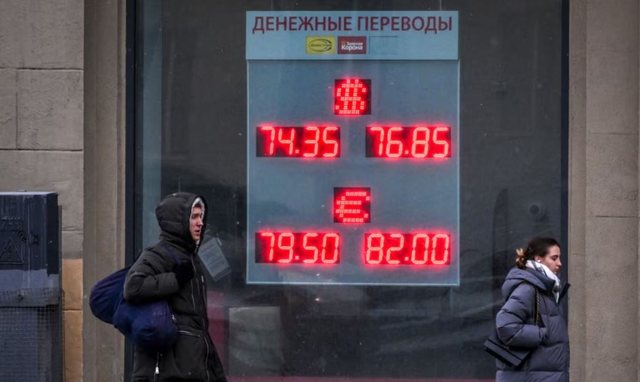
The prices of milk, potatoes, butter are increasing in Russia. Retailers are increasing security to prevent theft. Mortgage rates have risen, while new home sales are falling.
More than 1,000 days since Moscow launched a full-scale invasion of neighboring Ukraine, Russia has transformed its economy, reorganizing it to bolster the war effort and cope with Western sanctions.
Government spending on things like the production of tanks, missiles and military uniforms has fueled growth across the country. Extremely high salaries for volunteer soldiers – and bonuses and cash benefits for widows – have sent huge cash flows to poorer regions.
On the other hand, inflation is increasing. Russia's central bank has struggled to tame inflation, raising its key interest rate to 21 percent in October - the highest level in more than 20 years.
According to experts, the alarm bell has gone off. There are fears of a growing wave of corporate bankruptcies as companies raise wages, struggling to attract workers from a shrinking workforce. Meanwhile, mortgage rates, boosted by the Central Bank, are scaring citizens from buying property in many Russian regions.
"The market is dead," a real estate agent, who asked to remain anonymous for fear of retaliation from the authorities, told Current Time. "The market is currently frozen, nothing is happening."
Economic growth "is definitely slowing down," said Laura Solanko, senior adviser at the Bank of Finland's Institute for Economies in Transition.
"The economy is overheated, and the growth rate needs to slow down," she said. "But very slow growth - or no growth at all - does not indicate that the economy is on the verge of collapse. It means slower investments and reduction of some public expenses in the coming months".
Government spending due to the war led to an increase in Gross Domestic Product last year by 3.6 percent, despite Western sanctions and efforts to cut off trade with Russia. This year, forecasts are for the economy to grow by 3.9 percent.
Meanwhile, unemployment fell to 2.4 percent in September, with labor shortages helping to boost wages.
High interest rates have not only affected the real estate market. Rising corporate debt has made it significantly more expensive for companies to take out loans in order to expand their operations — or to raise wages to compete with workers who choose to sign up to fight in Ukraine. In some regions, men can receive the equivalent of a year's pay just by enlisting to fight.
The dissatisfaction of business leaders and corporate leaders towards the Central Bank has already come to the fore.
Sergei Chemezov, the head of state industrial conglomerate Rostec and an ally of Russian President Vladimir Putin, complained before the latest hike that high interest rates were "a serious obstacle to further industrial growth".
"Conservative financial policy can lead to stagflation," said Chemezov.
"At the current rate, it is more profitable for companies to stop development and even reduce the scale of business and put their funds in deposits than to conduct business and face the associated risks," said in October Aleksei Mordashov, a Kremlin-linked oligarch who runs Russia's largest steel company.
Chemezov and other business leaders have also warned of an increase in corporate bankruptcies.
The Russian Central Bank predicts an economic slowdown due to rising interest rates. In 2025, growth is expected to decrease between 0.5-1.5 percent.
Experts said there is a risk that the Russian Central Bank's policy could push the economy into stagflation – a combination of slowing economic growth and high inflation. A government-affiliated institute warned of this in a report published on November 13.
"The current high level of the key interest rate and indications of further increases have created a risk of a downturn in the economy and a collapse of investment in the near future," the report said.
The head of the Central Bank of Russia, Elvira Nabiullina, appeared to defend some of the fiscal policies of the institution she leads and tried to calm critical voices. She also dismissed the risk of stagflation.
"The Russian economy is at a turning point and a slowdown in inflation can be expected in the coming months," she said.
Moscow will not be "impressed by a few bankruptcies", said Janis Kluge, an expert on the Russian economy at the German Institute for International Affairs and Security, because they are "necessary to bring inflation under control".
The bankruptcies "should also help recruit" men to fight in Ukraine, he said, as Russians "who can't pay off their debts are more likely to agree to" join the military.
"In general, the economic situation will become much more complicated for Russia," Kluge said. "For almost three years, it seemed that everyone was getting rich from this war. But now it is becoming clear that this will not happen and he must pay a price"./REL

North Korea and Russia have reached a new agreement to exp...
Secret documents revealed yesterday that Berlin has be...
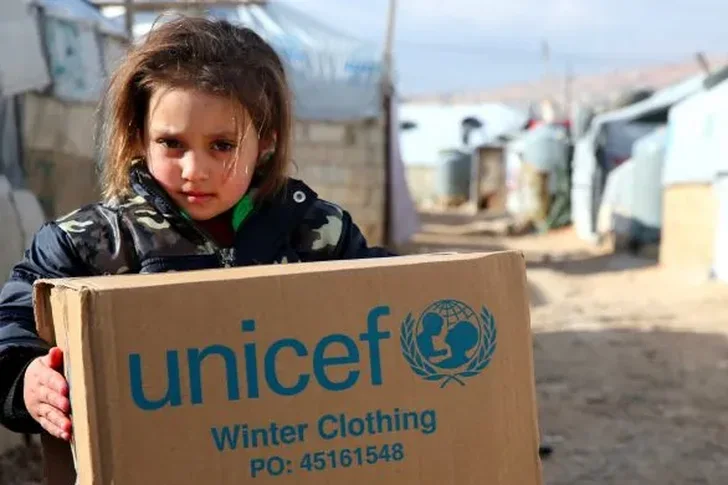
The State of Children 2024 and the Future of Childhood...
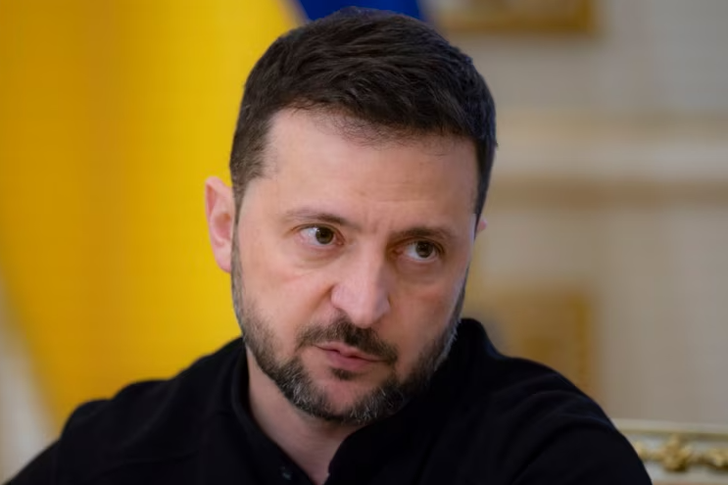
The President of Ukraine, Volodymyr Zelensky, has asse...
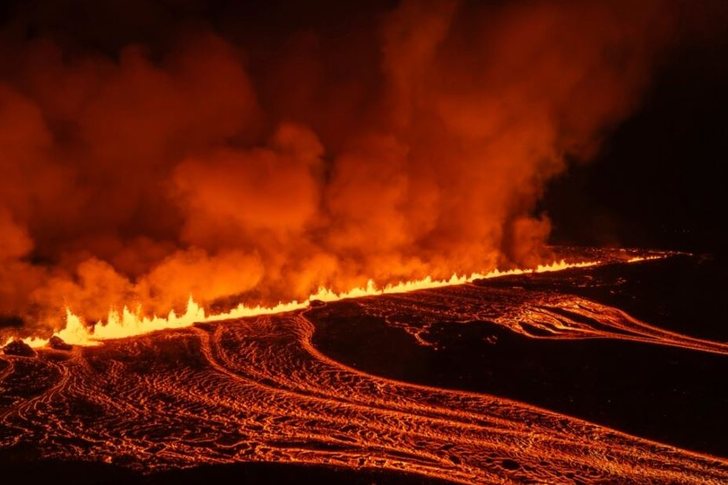
A volcano on the Reykjanes peninsula in southwest Iceland ...

Australia has proposed banning social networks for childre...
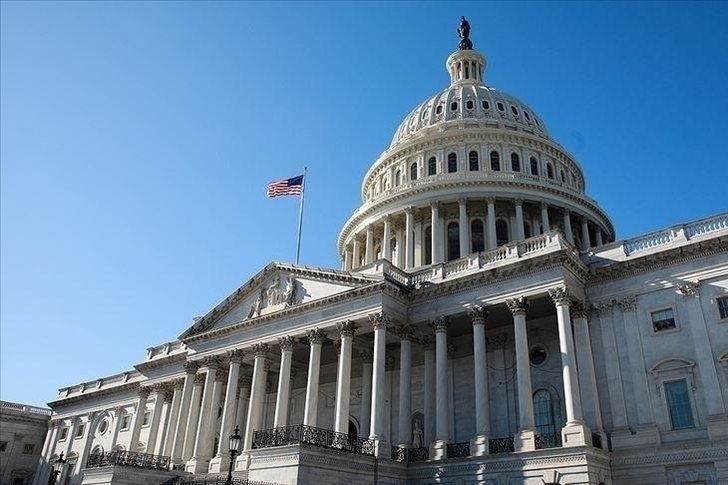
Democratic-dominated states are expected to lose 12 se...

In just a few days, the administration of US President Joe...
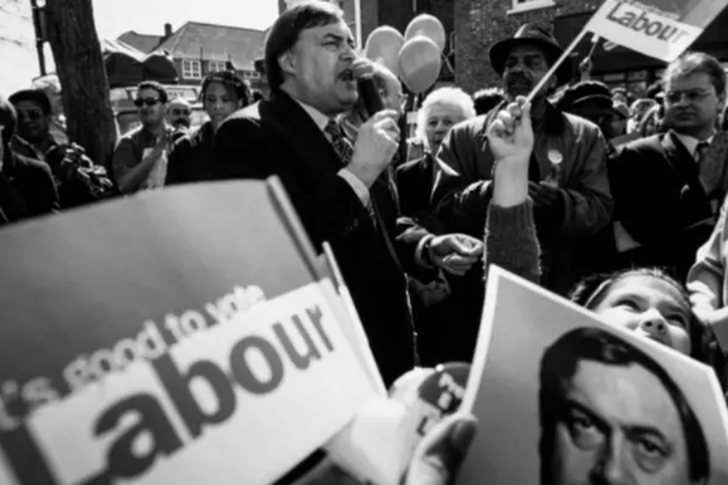
Former Labor Deputy Prime Minister John Prescott has died ...
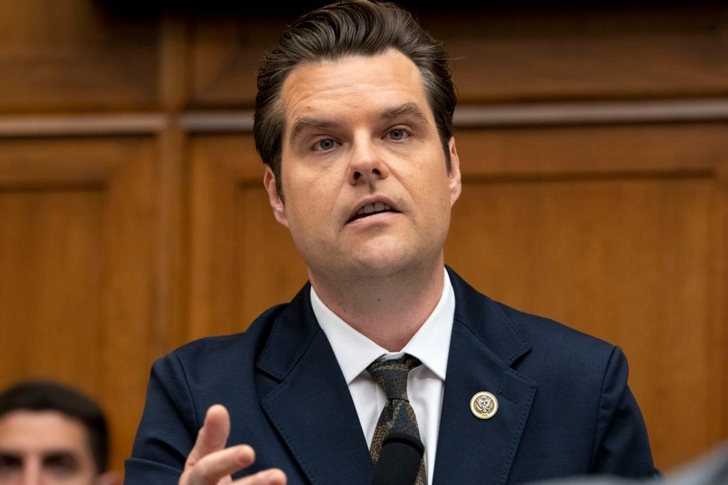
The House Ethics Committee is meeting Wednesday to decide ...
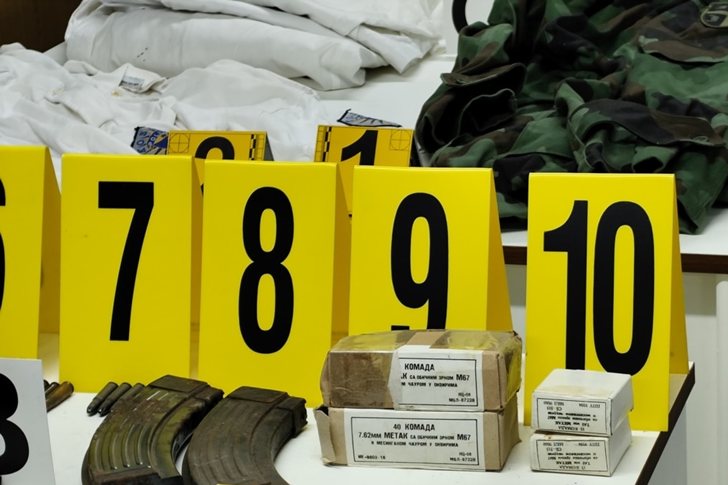
Kosovo police said they found weapons, uniforms and other ...
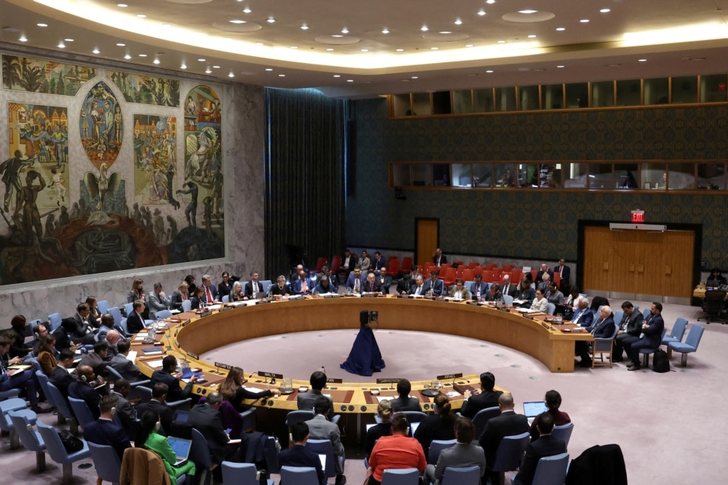
The United States on November 20 vetoed a United Nations r...
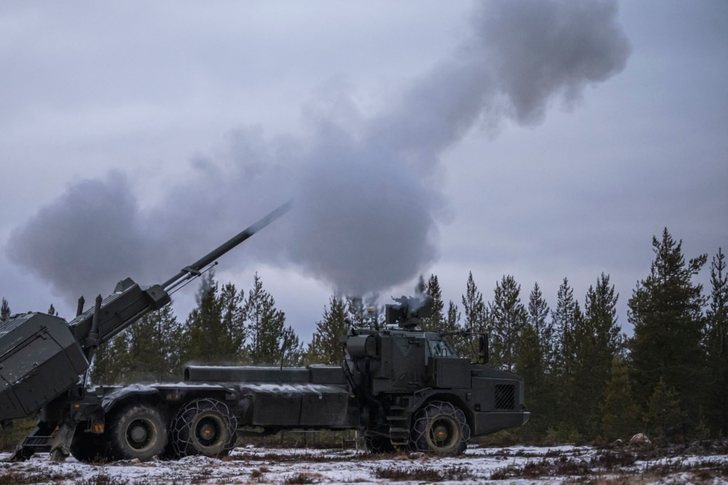
Thousands of NATO soldiers are taking part in artillery ex...
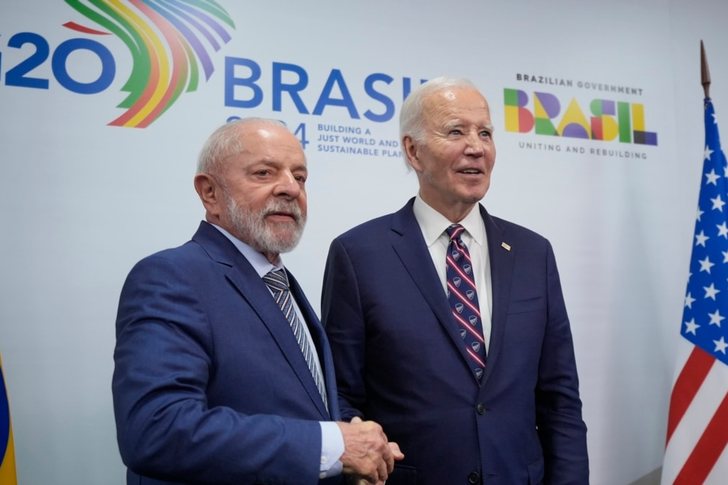
The leaders of the world's 20 largest economies, the G20, ...
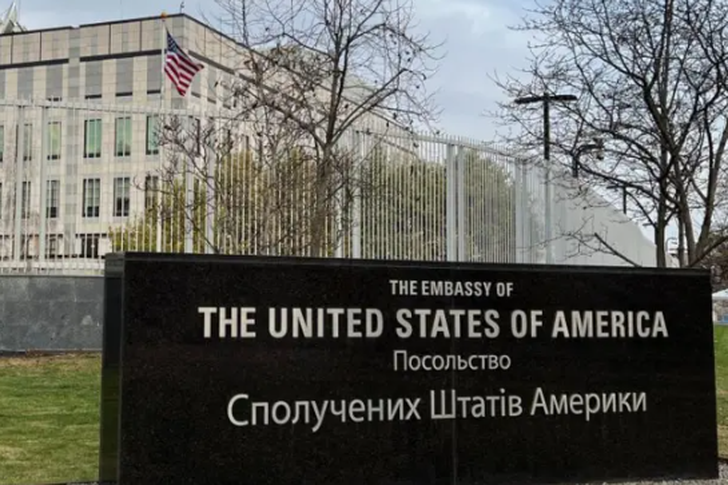
The US Embassy in Kiev has been temporarily closed after r...
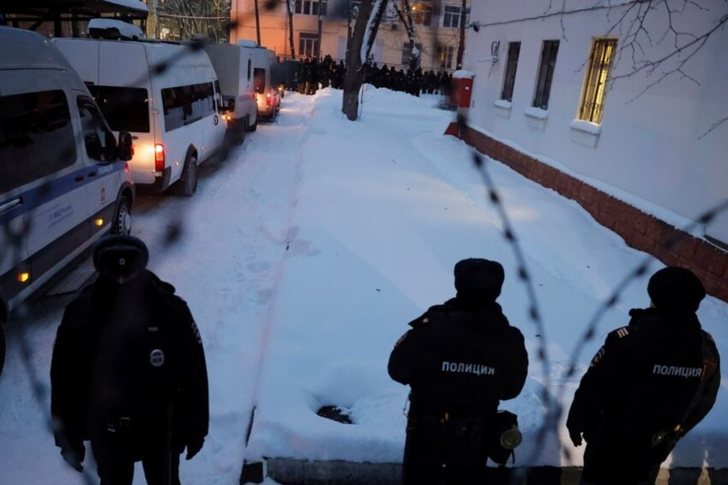
Russia's Federal Security Service (FSB) said on Wednesday ...
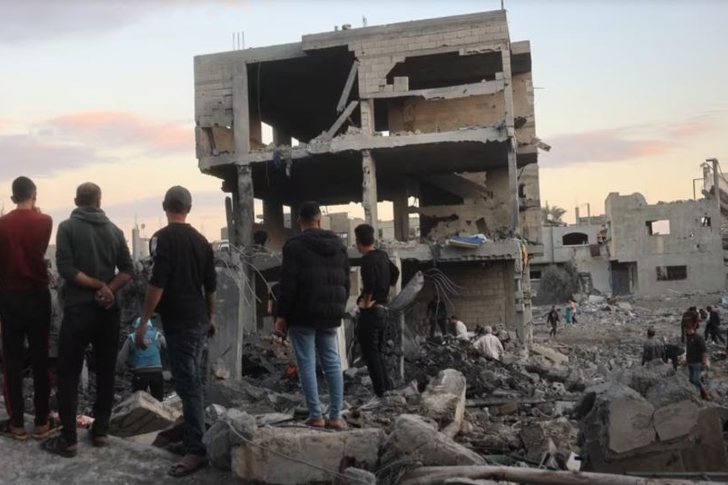
Israeli forces killed at least 15 Palestinians in the Gaza...
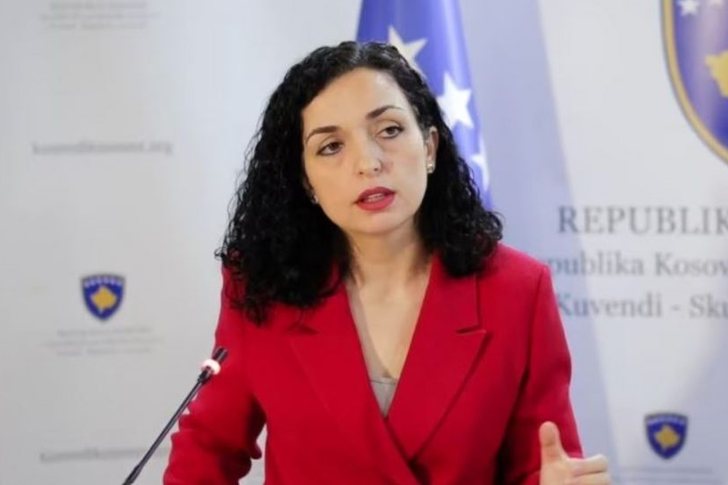
US President Joe Biden has approved the supply of anti...
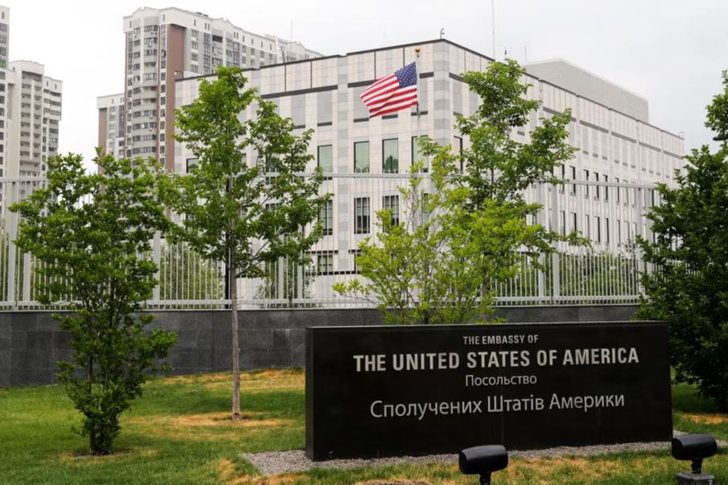
The United States Embassy in Kiev has received informa...
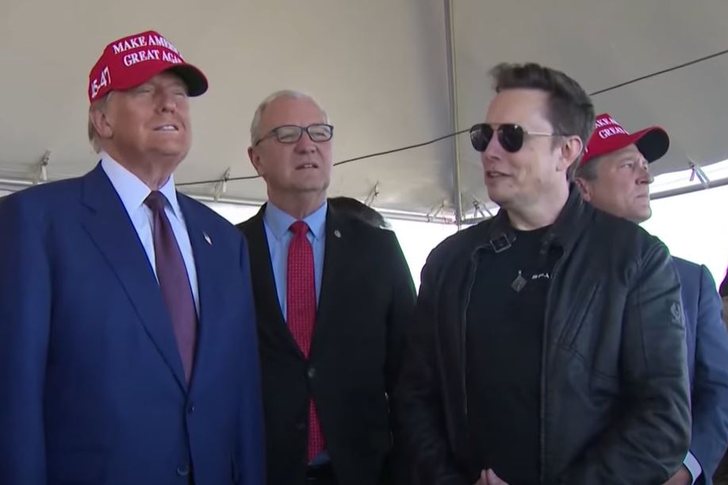
US President-elect Donald Trump joined Elon Musk in Browns...

CNA has launched another investigation that could lead to ...

Irfan Hysenbelliu is a businessman that we call "Irfan the...

In March 2026, CNA launched another investigation centered...
The arrested mayor of Tirana, Erion Veliaj, with 13 charge...

The Special Board of Appeal (KPA) decided this Monday ...

The KPA vetting decided this Thursday to dismiss the p...

Suela Salavaçi, a prosecutor in the Prosecutor's Offic...

The Special Board of Appeal reinstated the prosecutor ...

A road accident occurred this evening on Nikolla Zoraqi St...

Three people were shot and wounded in Elbasan last night b...

A serious incident occurred this Tuesday in the Yrshek are...

An accident occurred this Tuesday on "Dituria" street in K...
All of Southern Europe will face changing weather conditio...
Albania was hit by temperatures significantly higher than ...

For the first time, Pogradec welcomed the Inter-Lake Chess...

Albania has achieved a record for the employment of foreig...

US Secretary of State Marco Rubio arrived in Manila on Jul...
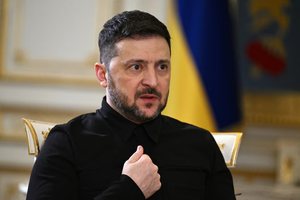
In the space of a few days, Ukrainian President Volodymyr ...

The spokesman for the Iranian Foreign Ministry warned Bulg...

Autoritetet italiane sekuestruan pako me afër 800 kilogram...

At a time when industrial products are increasingly taking...

Trust among people is not just a three-syllable word. It c...

Master of humor Todi Llupi has passed away at the age of 7...

The ninth edition of "MIK Festival" kicked off with one of...

Construction company licenses will have a validity period ...
The Centralized Purchasing Operator recently opened a tend...
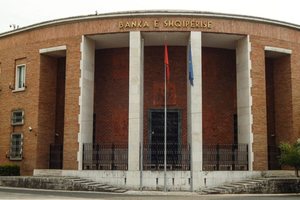
The new draft law "On the Bank of Albania" provides that t...
This Tuesday, one US dollar is bought for 81.2 lek and sol...