

NATO confirms invitation to Ukraine at June summit
The Defense Ministers of the Contact Group for Ukraine are...


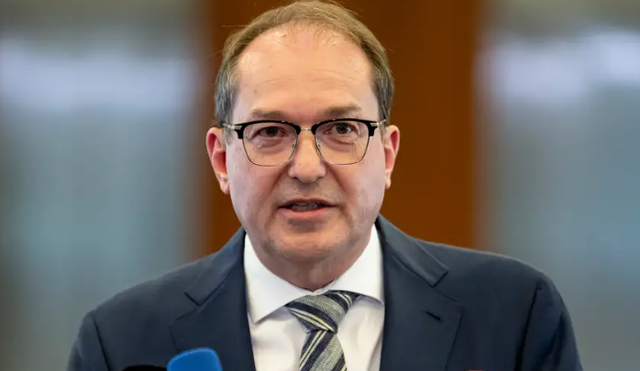
Germany's Interior Minister Alexander Dobrindt plans to declare safe countries of origin by decree. This would bypass the Federal Council. But is it that easy?
The German government could approve a further tightening of immigration law this week, when the Federal Interior Ministry's draft law is ready for approval. This is a long-awaited project: expanding the list of safe countries of origin.
What the new Interior Minister, Alexander Dobrindt (CSU), is planning is no surprise. For years, several governments have sought to speed up asylum procedures by designating more safe countries of origin.
When a country is deemed safe, "it is presumed that an alien from that country is not persecuted," according to Article 16a (3) of the Basic Law. This saves the authorities a full analysis and allows them to more easily and quickly reject asylum applications on the grounds that they consider them to be clearly unfounded.
This also affects the potential cases before the courts. Appeals for clearly unfounded applications take on average only 30 to 40 days, instead of almost 21 months. The proposal will be complemented by the measure that refugees in detention and in detention pending deportation will no longer have to have a lawyer. This would speed up deportations, at least according to the plan.
Changes without the Bundestag and the Federal Council
In the coalition agreement, the CDU, CSU and SPD promise to expand the list of safe countries of origin. They mention, for example, Algeria, India, Morocco and Tunisia. The aim is to achieve this "through a federal government regulation". Unlike a formal law, these regulations do not necessarily have to be debated and approved in the Bundestag or Bundesrat.
This is an executive power expressly provided for in Article 80 of the Constitution. However, this requires a formal law authorizing the federal government to issue the regulation. Dobrindt now plans to create such a law.
In this way, the Interior Minister could prevent the Federal Council from blocking the plans, as happened previously with his party colleague. In 2018, CSU politician Horst Seehofer sought to expand the list of safe countries of origin to include Tunisia, Algeria, Morocco and Georgia, but failed in the Federal Council.
Even now there are signals, especially from the Greens and the Left Party in the federal states, that they oppose the plans. The decree route bypasses this.
Clear regulation in the Constitution
Article 16a of the Constitution on asylum stipulates that safe countries of origin can only be determined "by a law requiring the approval of the Federal Council." However, the Constitution is not the determining factor in Dobrindt's plans. According to ministerial sources, he wants to follow the EU path.
"European law is, in any case, the determining criterion in asylum matters," immigration expert Daniel Thym explains to "tagesschau.de." "In reality, the Constitution only plays a secondary role."
In fact, in 2024, only 0.7% of asylum seekers received protection under Article 16a of the German Constitution. The majority receive protection as refugees through EU law. The procedure under the German Constitution only applies if the refugee does not enter via a safe third country, as defined in Article 16a of the German Constitution. Since Germany is located in the center of the EU, this rarely happens.
The possibilities of European law
However, the EU's Common Asylum Procedure Regulation (CEAS) is due to enter into force in mid-2026, introducing significant changes to immigration legislation. But Dobrindt does not seem willing to wait until then. Under the 2013 EU Directive "On Common Procedures for Granting and Withdrawing International Protection", member states have the right to determine for themselves, through legal or regulatory provisions, which countries are considered safe.
The criteria set out in the directive are crucial. According to them, a country is considered safe if, for example, the situation there does not constitute inhuman treatment of refugees.
The majority of asylum seekers in Germany in the first months of 2025 came mainly from Syria and Afghanistan - from countries that, even according to this directive, can hardly be considered "safe". It remains to be seen for whom this plan will actually be implemented./ DW

The Defense Ministers of the Contact Group for Ukraine are...

Zvonko Veselinovic, a controversial businessman from Kosov...
The Director of the Office for Kosovo in the Government of...
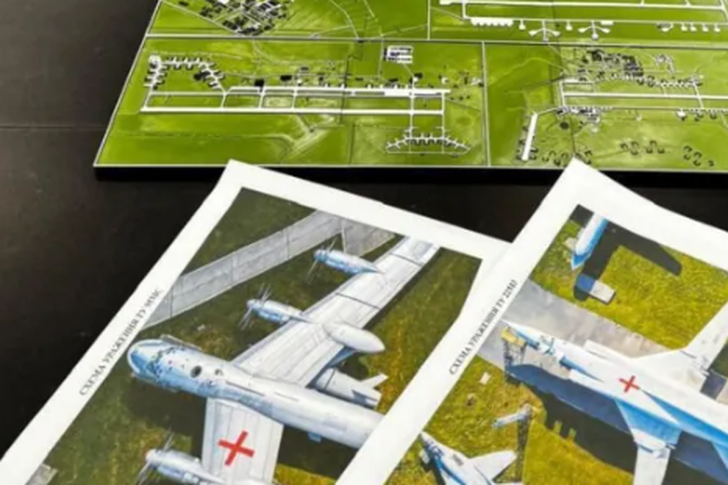
Ukraine shot down 41 Russian military aircraft during Oper...
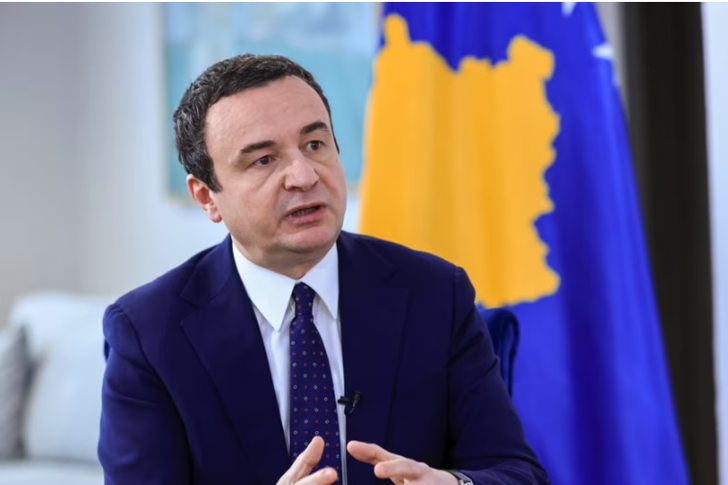
The acting Prime Minister, Albin Kurti, has spoken about t...
An earthquake struck shortly after 2:00 PM in the maritime...
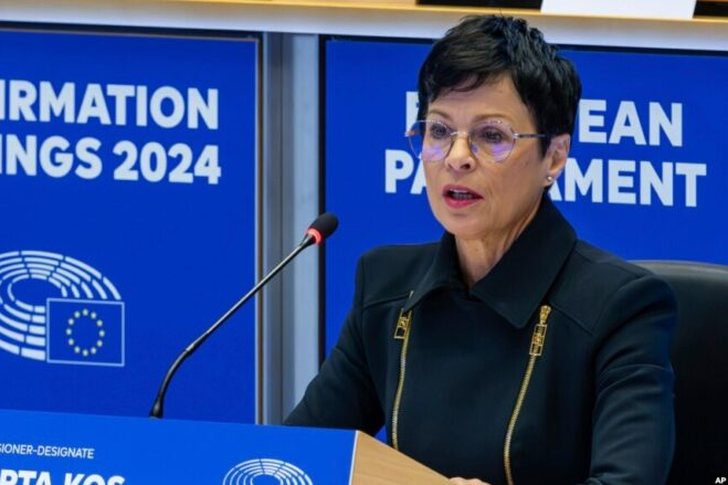
European Union Commissioner for Enlargement, Marta Kos, st...
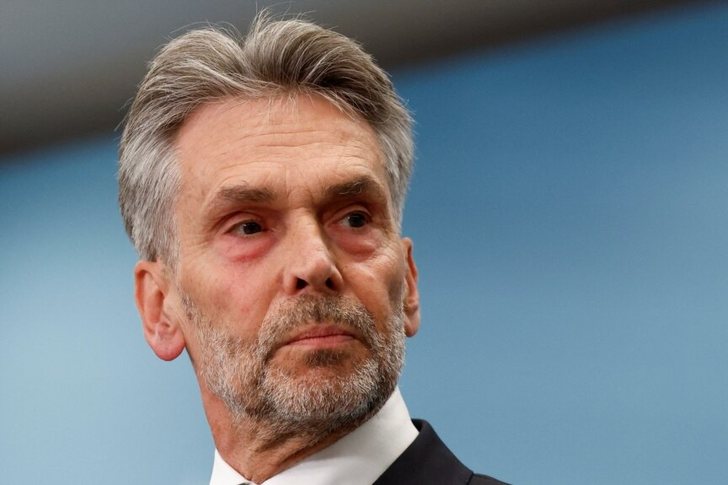
Dutch Prime Minister Dick Schoof has said he will resign o...
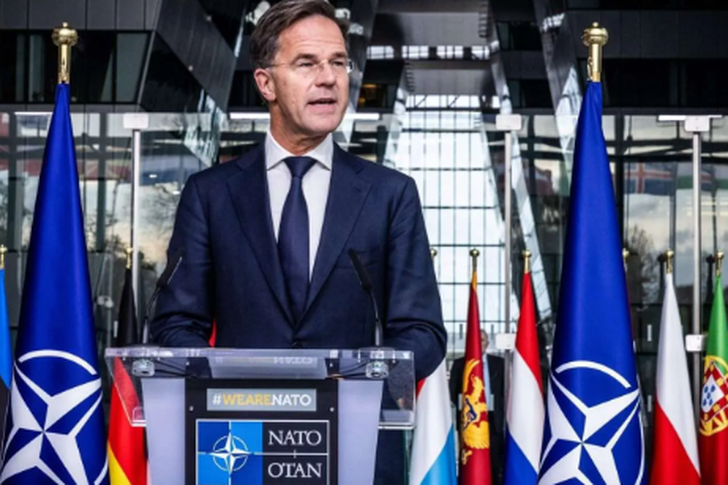
NATO is calling on European member states to fivefold thei...
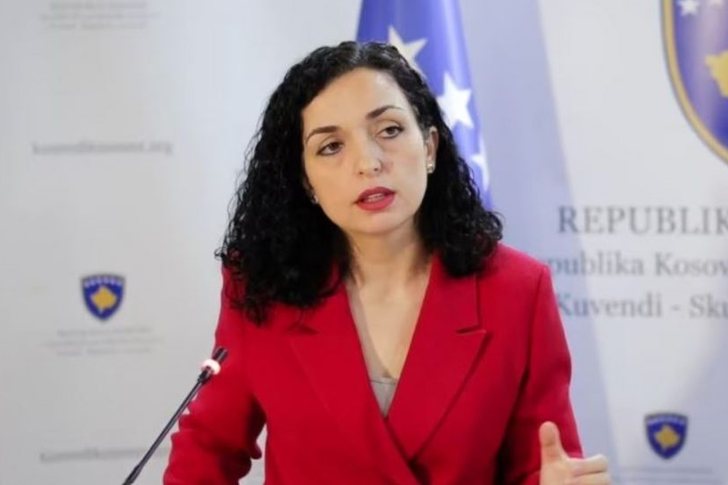
The President of Kosovo, Vjosa Osmani, has invited politic...
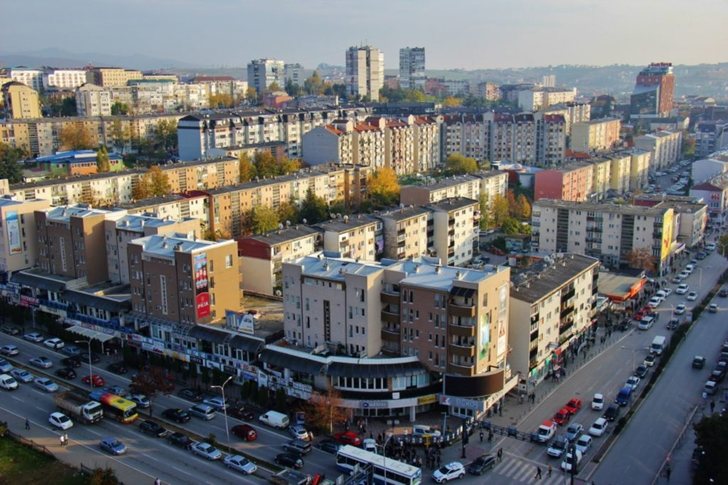
In 2024, average gross salaries in Kosovo were 639 euros, ...

The European Police Agency [EUROPOL] announced that after ...

Kosovo President Vjosa Osmani is honored with the Medal fo...

Health officials in the United States have changed their a...
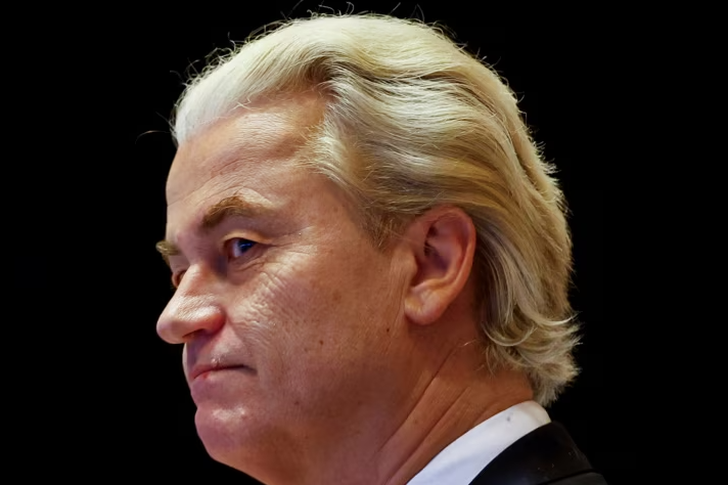
The ruling coalition in the Netherlands collapsed on Tuesd...

Long lines of tourists can be seen snaking down the mounta...
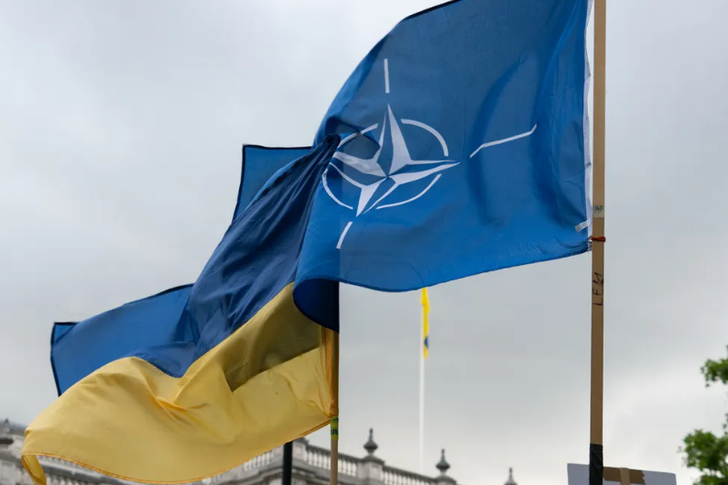
Ukraine has been invited to the next NATO summit in The Ha...

A 5.8 magnitude earthquake has struck Turkey and Rhodes. T...
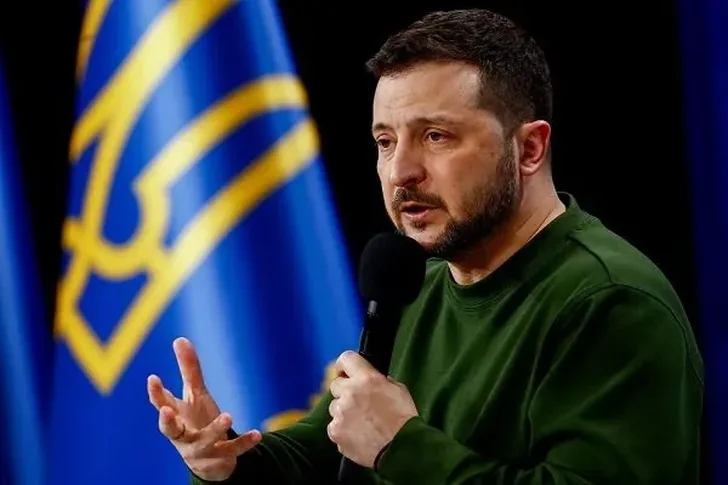
Turkish President Recep Tayyip Erdogan said Turkey plans t...

With a new defense strategy, the United Kingdom aims to st...

CNA has launched another investigation that could lead to ...

Irfan Hysenbelliu is a businessman that we call "Irfan the...

In March 2026, CNA launched another investigation centered...
The arrested mayor of Tirana, Erion Veliaj, with 13 charge...

The Special Board of Appeal (KPA) decided this Monday ...

The KPA vetting decided this Thursday to dismiss the p...

Suela Salavaçi, a prosecutor in the Prosecutor's Offic...

The Special Board of Appeal reinstated the prosecutor ...

A road accident occurred this evening on Nikolla Zoraqi St...

Three people were shot and wounded in Elbasan last night b...

A serious incident occurred this Tuesday in the Yrshek are...

An accident occurred this Tuesday on "Dituria" street in K...

All of Southern Europe will face changing weather conditio...

Albania was hit by temperatures significantly higher than ...

For the first time, Pogradec welcomed the Inter-Lake Chess...

Albania has achieved a record for the employment of foreig...

US Secretary of State Marco Rubio arrived in Manila on Jul...
In the space of a few days, Ukrainian President Volodymyr ...

The spokesman for the Iranian Foreign Ministry warned Bulg...

Autoritetet italiane sekuestruan pako me afër 800 kilogram...

At a time when industrial products are increasingly taking...

Trust among people is not just a three-syllable word. It c...

Master of humor Todi Llupi has passed away at the age of 7...

The ninth edition of "MIK Festival" kicked off with one of...

Construction company licenses will have a validity period ...

The Centralized Purchasing Operator recently opened a tend...
The new draft law "On the Bank of Albania" provides that t...

This Tuesday, one US dollar is bought for 81.2 lek and sol...