

Harris and Trump, different approaches on arms sales
The shooting at a high school in the state of Georgia on W...


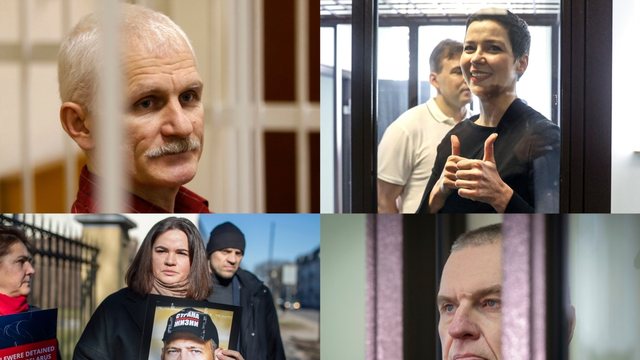
Belarusian President Alexander Lukashenko announced on Wednesday that he will pardon another 30 political prisoners, the third release of political prisoners in the last three months.
The names of those who will be released have not been made public, but the most famous political prisoner, the opposition figure Maria Kalesnikava, is not expected to be among them. She along with two other women, Sviatlana Tsikhanouskaya and Veronika Tsepkalo, led a joint campaign for change against Mr Lukashenko in the 2020 presidential election.
Nevertheless, Ms. Kalesnikava's sister, Tanya Khomich, hopes that these pardons are a message to the world that Mr. Lukashenko may be willing to agree to the release of other political prisoners in exchange for some concessions.
Ms. Khomich also hopes that Mr. Lukashenko, who has been in power in Belarus for 30 years, may be thinking about his personal future and may be open to calls from Western countries to release prisoners.
"Lukashenko does not want to be forgotten after peace has returned to Ukraine," Mrs. Komich told VOA. "Also, he does not want Belarusian territories to be touched by Russia."
Ms. Kalesnikava's case has an added urgency because she and Belarus's top political prisoners have not been allowed to communicate for more than 600 days. People close to them say that there is a total and terrifying darkness over their condition.
Ms Kalesnikava, Sviatlana Tsikhanouskaya's husband Siarhei Tsikhanouski and Nobel Peace Prize winner Ales Bialiatski have been denied the right to receive or send letters, meet with lawyers and make phone calls, according to supporters and relatives. theirs.
But the words under his breath manage to overcome the prison walls. Ms Khomich says she has been told Ms Kalesnikava, 1.7 meters tall, now weighs less than 45 kilograms and is not sure she will make it out of the cell alive.
"Guess what," said Mrs. Khomich. "It's the 21st century, we're in the center of Europe and someone is starving. Maria is not allowed to have communication. Please don't let him starve."
Ms. Kalesnikava, who fell seriously ill in prison from an ulcer, needs a special diet which is not being provided to her, according to her sister.
Franak Viacorka, adviser to exiled opposition leader Sviatlana Tsikhanouskaya, also expressed the urgent need for the release of political prisoners.
He said the 30 names on the list to be released had served little time in prison and had been convicted of minor offenses, such as commenting on or liking posts on social media against the regime. While he says he is happy for anyone who is released, he suggested that the pardons are not an indication that Mr Lukashenko is softening his stance, but that he is simply trying to clean up his image.
"State propaganda advertises it as a great humanitarian gesture by the regime," said Mr. Viacorka. "It is Lukashenko's act before next year's so-called elections to show how humane he is and that he cares about people, because even his supporters are not happy about the cruel repressions that are happening."
Mr. Viacorka also states that international diplomatic pressure had an impact on President Lukashenko's decision to pardon the 30 political prisoners, but that local public opinion also played a role. He noted that the pardoned prisoners will not be completely "free" but will be released from prison and monitored by the secret services, and some may not be allowed to leave the country.
"Most of them were forced to write a letter apologizing to Lukashenko, as well as confessing crimes they never committed," he said. "This is also a form of humiliation for the people, but it also shows a lot of good that's how Lukashenko is. He wants people to know his power. He wants to humiliate them and for them to accept his power."
Despite the pardon of the prisoners, Mr. Viacorka says the human rights situation in Belarus has worsened recently. Prison sentences from several years have been increased to 10 or 15 years. Political prisoners are forced to wear yellow badges so that other prisoners know who they are and do not speak to them in the event of a chance encounter.
"They want to hit emotionally ," says Tanya Khomich, noting that her imprisoned sister is sent from an "isolation cell" to a "punishment cell," which she says are small, musty-smelling rooms. heavy. One big difference, Ms. Khomich says, is that in the isolation cell, Maria Kalesnikavas is allowed a toothbrush and soap, while in the punishment cell she is not allowed any personal items.
In the face of strong repression and powerful surveillance by the Belarusian KGB of electronic communications, opposition activity is taking place far from the Internet "off line", says Mr. Viacorka.
"People meet in private apartments and distribute 'samizdat' secretly printed material. There are also many people who help with cyber campaigns. Belarus has good hackers."
According to Mr. Viacorka, many of these "cyber volunteers" are state employees who covertly help the opposition, which provides Western countries with information about what and who in Belarus to impose sanctions on. There are also groups trying to help Ukrainians and keep Belarus officially out of Russia's war against Ukraine.
However, Mr Viacorka says the fact that the opposition is in exile is discouraging people inside Belarus from engaging in any overt political activity at this moment of chaos, as the war in Ukraine continues.
"We shouldn't sacrifice people while we don't have clarity," he says. "Lukashenko makes mistakes. We want to be ready when the moment is right. Right now, we are at the peak of terror."
Despite the fact that the Lukashenko regime has silenced Maria Kalesnikava and other opposition activists by imprisoning them, the Belarusian people have not forgotten these prisoners, says Mr. Viacorka.
Noting the prominent role played by women in the opposition, he added: " I understand what women's strength means. The toxic masculine side of Lukashenko against the feminine sensitivity of our leaders, this is what makes our movement so stable"./ VOA

The shooting at a high school in the state of Georgia on W...
Could supersonic passenger travel become an everyday reali...
Two German warships will pass through the Taiwan Strai...
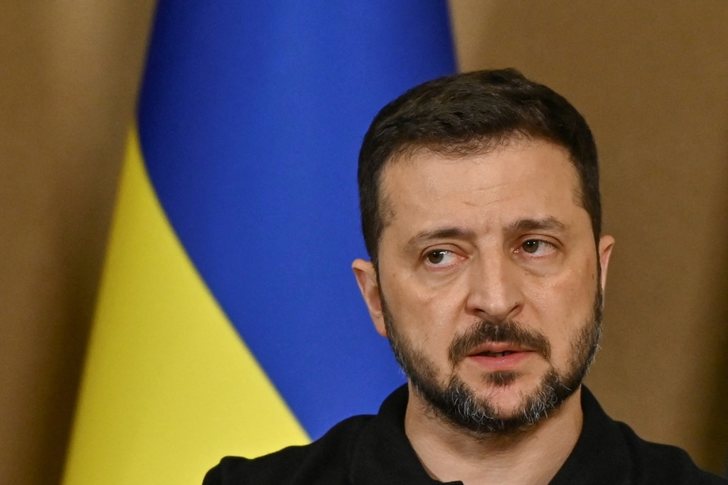
Ukraine now has a new foreign minister, one of the lat...
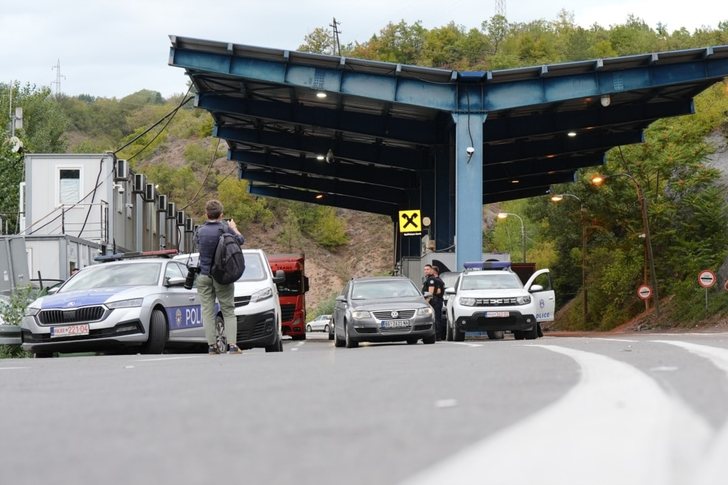
All border crossings between Kosovo and Serbia have been o...
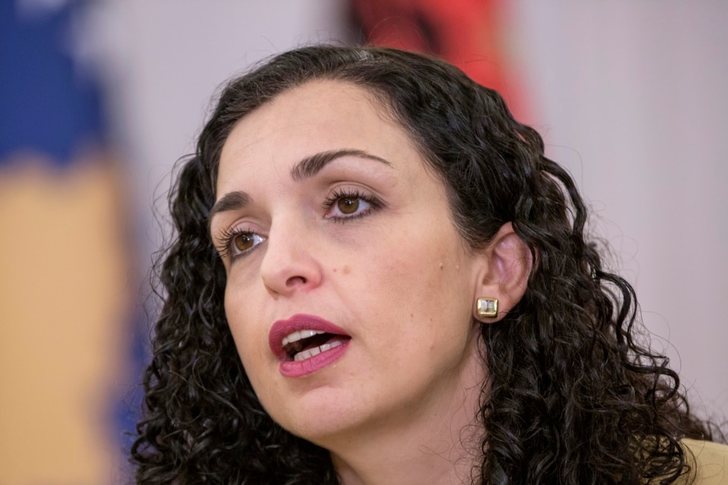
The President of Kosovo, Vjosa Osmani, has accused Ser...
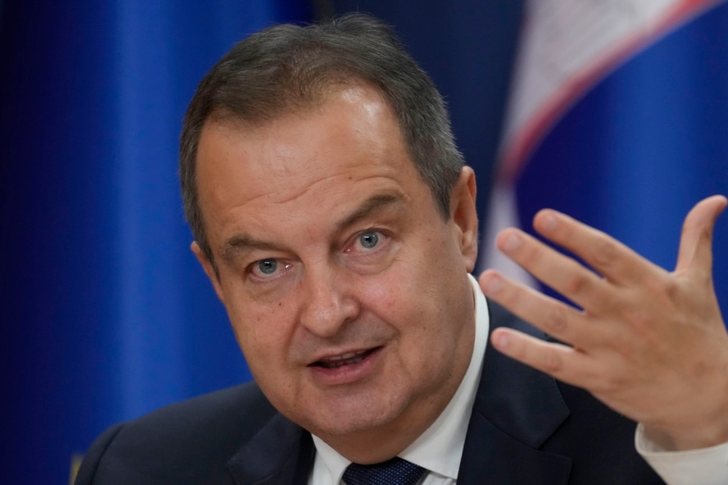
The Minister of Internal Affairs of Serbia, Ivica Dacic, l...
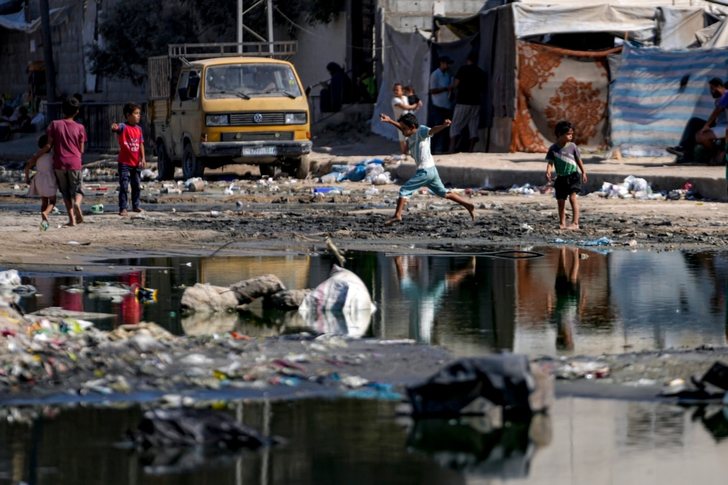
Israeli airstrikes in the Gaza Strip have killed at least ...
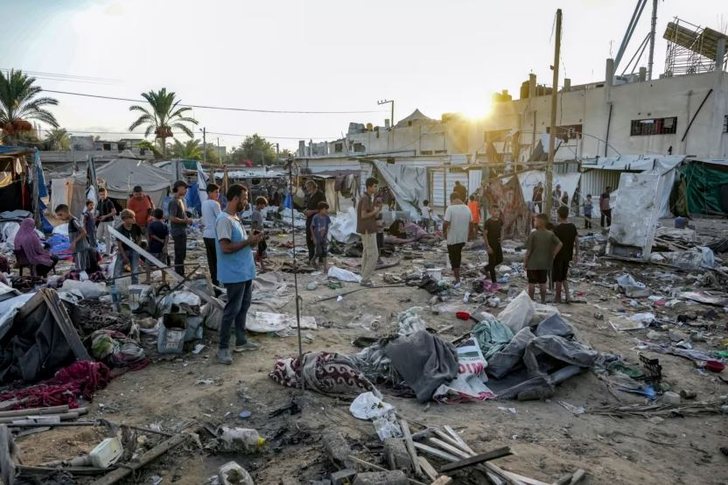
Israeli airstrikes in the Gaza Strip killed more than a do...
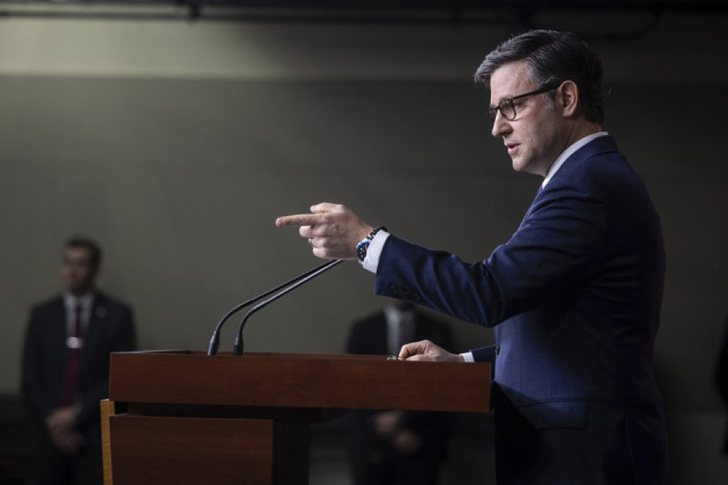
House Speaker Mike Johnson told fellow Republicans on Frid...
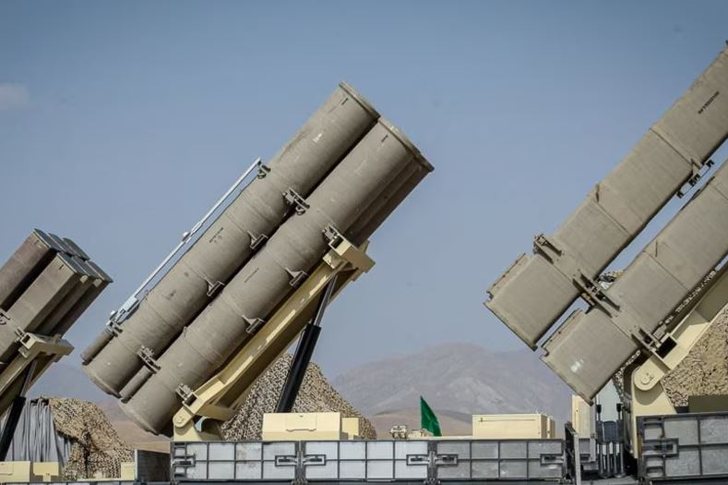
Supplying Russia with Iranian ballistic missiles would cau...
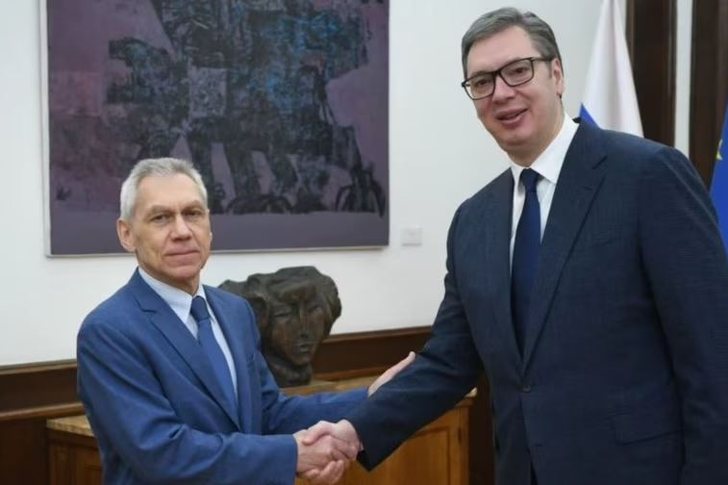
The President of Serbia, Aleksandar Vučić, received in...
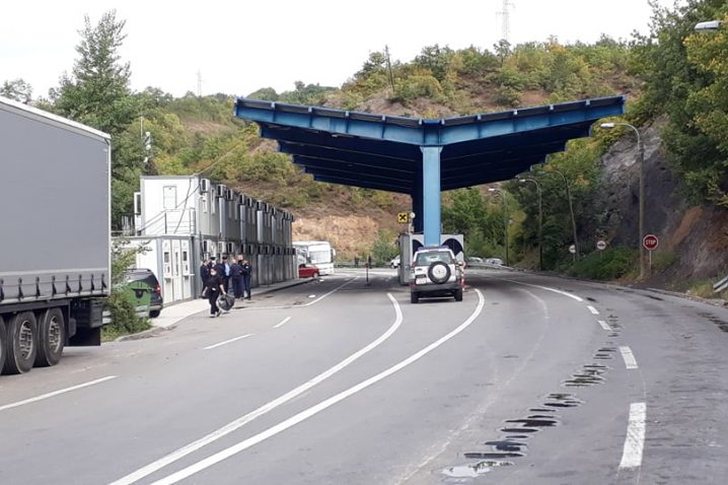
The border points in Merdarë and Bërnjak have been cl...

The Danish government is considering removing a rule t...

Some do it for money, others for the country. While so...
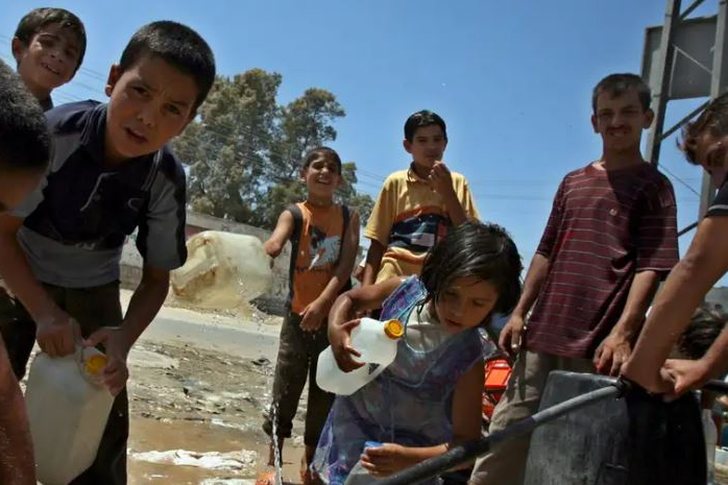
The humanitarian situation in the Gaza Strip, accordin...
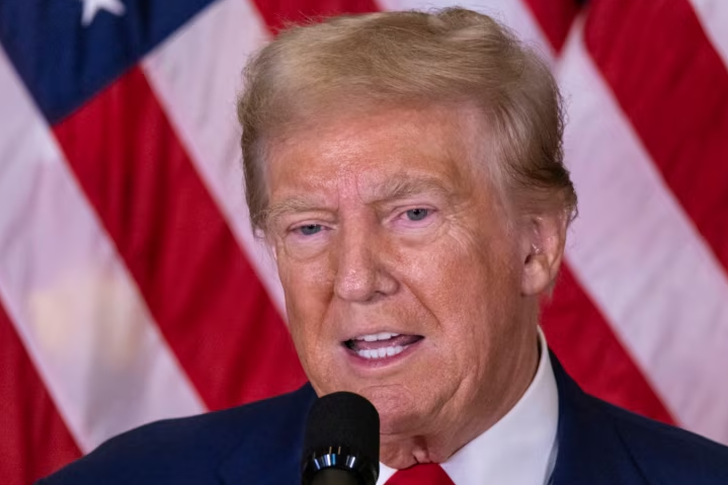
The announcement of the verdict against the former America...

With two months left before Election Day in the United Sta...
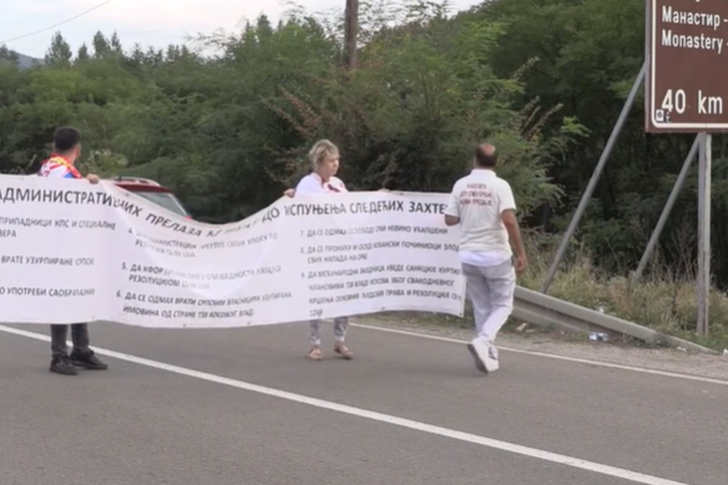
The road near the border crossing point between Serbia and...
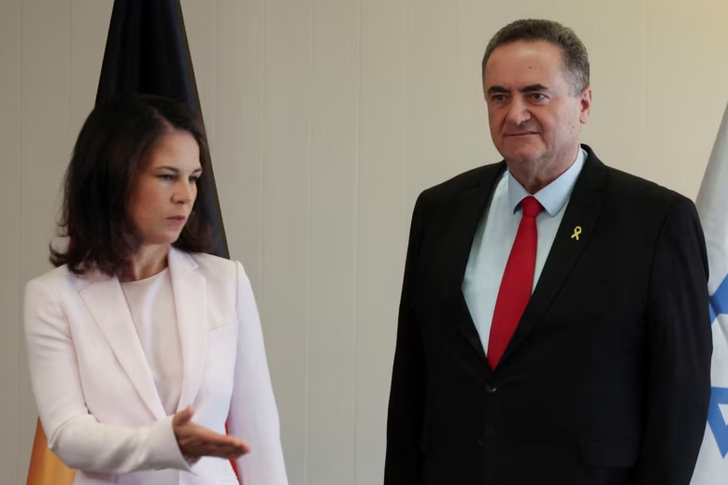
German Foreign Minister Annalena Baerbock called on Israel...

CNA has launched another investigation that could lead to ...

Irfan Hysenbelliu is a businessman that we call "Irfan the...

In March 2026, CNA launched another investigation centered...
The arrested mayor of Tirana, Erion Veliaj, with 13 charge...

The Special Board of Appeal (KPA) decided this Monday ...

The KPA vetting decided this Thursday to dismiss the p...

Suela Salavaçi, a prosecutor in the Prosecutor's Offic...

The Special Board of Appeal reinstated the prosecutor ...
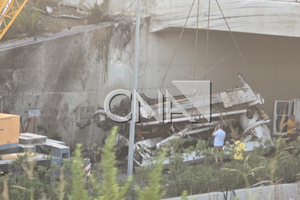
This Wednesday, around 4:00 PM, a serious accident occurre...
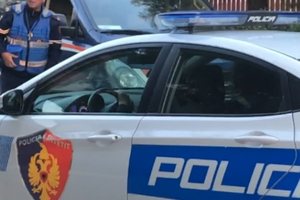
Tirana Police have shared details regarding the accident t...
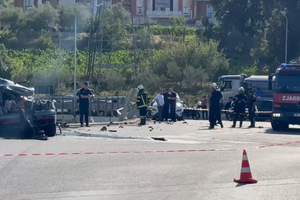
New details have emerged regarding the accident that occur...

New details have emerged from the serious accident that oc...
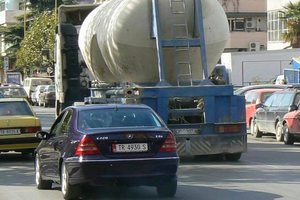
A serious accident that occurred this Wednesday with the c...

The Institute of Geosciences has shared a forecast for wea...
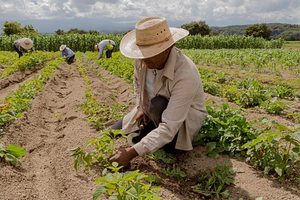
Rising energy and fertilizer prices are expected to contin...

Over 18,000 foreign citizens from 140 countries have appli...
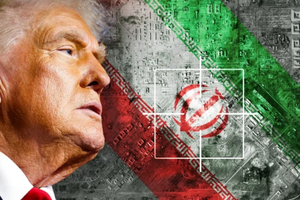
US President Donald Trump has issued another warning to Ir...

Prime Minister Andy Burnham has announced that most bus fa...

France's parliament has passed a law to ban social media f...

US Secretary of State Marco Rubio arrived in Manila on Jul...

At a time when industrial products are increasingly taking...

Trust among people is not just a three-syllable word. It c...

Master of humor Todi Llupi has passed away at the age of 7...

The ninth edition of "MIK Festival" kicked off with one of...
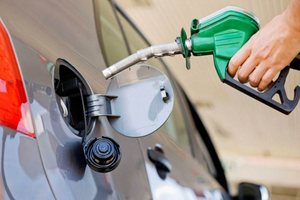
The price of diesel reached 206 lek per liter from 198 lek...

Businesses will no longer be required to simply register t...

Despite economic growth and income in recent years, Albani...

This Wednesday, one US dollar is bought for 81.4 lek and s...