

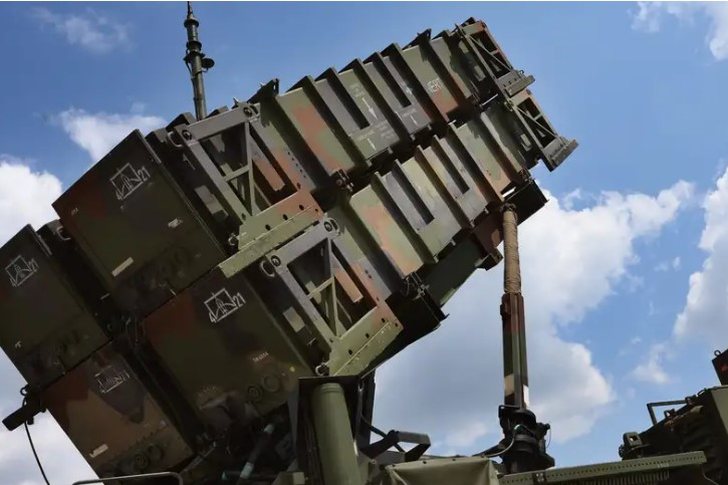
Western troops in Ukraine?/ Breaking taboos?
It seems as if the taboos are falling one after the other:...


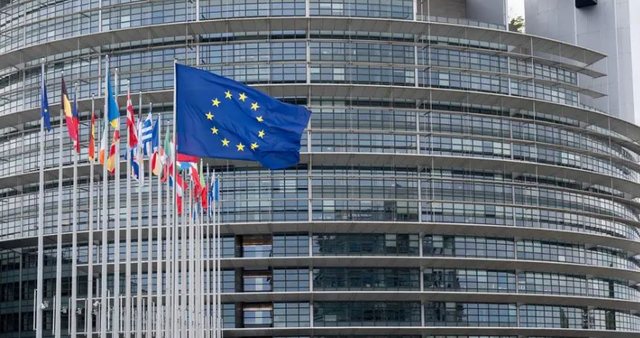
The "Green New Deal" pact, the aim that by 2050 all 27 member countries of the European Union will become harmless for the climate, is the biggest project of the current European Commission, which is headed by Ursula von der Leyen. To realize this goal, investments of up to one billion euros are needed every year. Even in quiet times this is a huge task. But the present times are not calm. The Russian attack against Ukraine has shown the Europeans that they need to spend more on security. In addition, great difficulties are created by the energy sector, inflation, the lack of specialized labor and the weak economy.
How can all this be financed, when the coffers are empty and some countries have entered into huge debts?
For the 20 member countries of the euro area, which have the euro as their common currency, the situation is even more complicated. Because in this area the rules are clear: Debts must reach a maximum of 60 percent of the country's economic power (gross domestic product) per year, and the maximum limit for the deficit in the government budget is 3 percent.
Stability rules – were repealed but are back in force
During the Corona Pandemic the maximum values ??were abolished, but in the meantime they have been put back into use. Countries that do not respect them risk being punished.
This has not changed even during the reform of the rules in February 2024. But since this period, the new thing is that the mechanisms create opportunities for more flexibility. Each country can decide by itself, talking with the EU, when and how the finances will come.
After several months of negotiations, the reform of the stability rules reached a typical European compromise, but it was a good compromise, says the Greek Minister of Economy and Finance, Kostis Hatzidakis, giving a warning at the same time.
"It is financial markets that force countries to be fiscally reasonable. Anyone who ignores this should learn a good lesson as the Greeks learned in the last decade," Hatzidakis said at the Brussels Economic Forum, which was held in the month of May.
After 2010, Greece was so deeply in debt that it was no longer able to borrow money from the financial markets. The consequences were the aid package and tough austerity rules as well as the loss of sovereignty.
Climate protection against boxing regulations
But not everyone agrees that fiscal prudence should play an important role at present. Tea Jarc from the League of European Trade Unions argues that spending to combat climate change is not irresponsible consumer spending, but vital investment.
"Nëse ne nuk jemi të gatshëm të bëjmë investimet e nevojshme, por vendosim rregulla kursimi, atëherë kjo do të thotë se pakti për klimën, Green New Deal, nuk ka prioritet ", thotë Jarc në Bruksel.
Debate të ngjashme zhvillohen në çdo vend anëtar të BE-së edhe për tema të tjera, duke filluar që me shpenzimet e nevojshme ushtarake, vazhduar me ristrukturimin e sistemit të shëndetësisë dhe pensioneve e deri tek digjitalizimi i ekonomisë. Çfarë duhet bërë atëherë?
Treg jo unik kapitalesh në BE
Një nga mundësitë për të lehtësuar sektorin publik, janë investimet më të mëdha në sektorin privat. Por edhe këtu europianët shohin se e kanë humbur lidhjen. Kur flitet për sasinë e popullsisë (450 milionë banorë) dhe prodhimin ekonomik (17 bilionë euro në vit) atëherë mund të thuash se BE është një gjigand. Por kur flitet për mobilizimin e kapitaleve private, atëherë është xhuxhmaxhuxh.
"Është vërtet turp, që ne në Europë nuk kemi ende një treg të përbashkët kapitali të zhvilluar plotësisht," ankohet ekonomistja polake dhe deputete e Parlamentit Europian, Danuta Hübner. "Tregu amerikan i kapitalit është dy herë më i madh se sa ai europian. Tregu ynë është i copëzuar dhe mungon likuiditeti." Arsyeja kryesore pse ndodh kjo është se çdo vend i BE-së i vendos vetë rregullat ekonomike që nga kursimet e deri tek taksimi.
"Në tavolinat e diskutimeve publike nuk gjendet asnjë politikan europian, që të jetë kundër tregut të përbashkët europian të kapitalit,” thotë nga përvoja e vetë Komisari i BE-së për çështjet ekonomike, Paolo Gentiloni.
"Por kur bëhen bashkë ministrat e financave të vendeve anëtare, atëherë edhe hedhja e hapave më të vogla në këtë drejtim është jashtëzakonisht e vështirë, Sepse çdo vend kërkon të ruajë traditat dhe rregullat e veta, kontrollin e vet të tregut të kapitalit dhe instrumentet e veta të kursimeve.”
Borxhe të përbashkëta?
Një burim tjetër parash do të ishte që vendet e BE-së të hynin në borxh bashkarisht. Gjatë Pandemisë së Coronës u vu në provë financimi i një pakete të madhe koniunkturore.
Tani është duke u kërkuar gjithnjë e më shumë, madje edhe nga vetë Komisari i Ekonomisë që hyrja në borxhe të bëhet nga vetë BE. Vetëm se emri ka ndryshuar, nuk quhet më eurobond, por „instrumenta të përbashkët për synimet e përbashkëta".
"Deri pesë vjet më parë ne nuk do të guxonim të diskutonim për këtë gjë, sepse shihej nga BE si ide e krisur", thotë Gentiloni. "Tani mund të flasim dhe është e domosdoshme që të përdorim instrumenta të përbashkët për synimet e përbashkëta në investime."
Por kërkesa të tilla përballen me kundërshtime të mëdha në disa vende të BE-së, mes të cilave Gjermania, Holanda ose Finlanda.
Taksimi i pasurisë në nivel BE-je
Prandaj Julia Cagé, profesore ekonomie në Shkollën e Lartë me emër të Parisit, Science Po, këshillon që gjatë kërkimit të burimeve financiare të mos harrohen ata që kanë shumë para: të pasurit dhe super të pasurit e Evropës.
The proposal she makes is the imposition of taxes on large assets, which would be done directly by the EU. This would make it harder for the rich to avoid paying taxes. "We have to do this at the European level, because there will not be many rich people who would leave the EU for this reason," says Cagé in conversation with Deutsche Wellen.
"It is clear that many rich people would not want to pay this tax. But if this would cause them to lose their EU passport, then the work would be different," the economist continues. Sanctions, controls and effective financial administration are therefore needed. "We have to be really serious about this."
Progressive tax on CO2
The rich must participate more actively than before in the costs of fighting climate change. "Many studies, including those conducted by the World Inequality Lab, have shown that the rich harm the climate more than the poor," says Cagé. Cars and houses in greater quantity and volume, yachts and planes, produce a lot of carbon dioxide that is emitted into the atmosphere.
But the imposition of an environmental tax, which would increase as the amount of CO2 emitted increases, would make the wealthy contribute more reasonably to the financing of the energy turnaround, analogous to a progressive income tax, where the tax amount increases as income increases, says Cagé.
This would be a step towards more fairness in the distribution of the costs of climate change. And it would be a signal to those who are less privileged, showing them that the fight against climate change is not a project of urban elites, says the professor. Because it is often perceived as such, she says. As a result, populism increases, often right-wing populism./ DW

It seems as if the taboos are falling one after the other:...
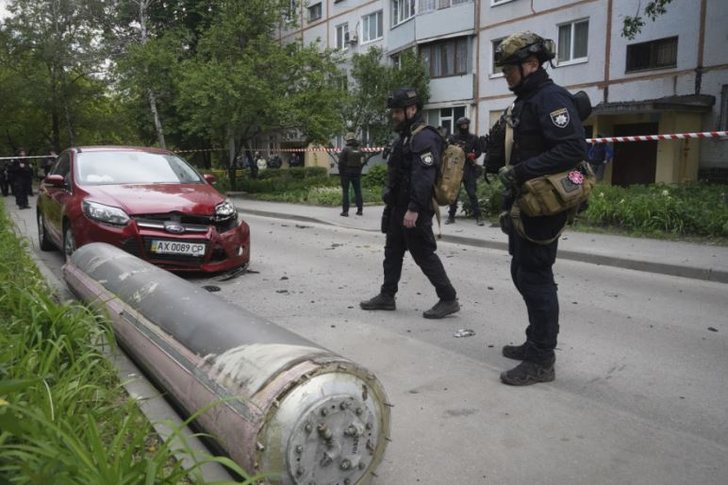
US President Joe Biden has given Ukraine permission to...
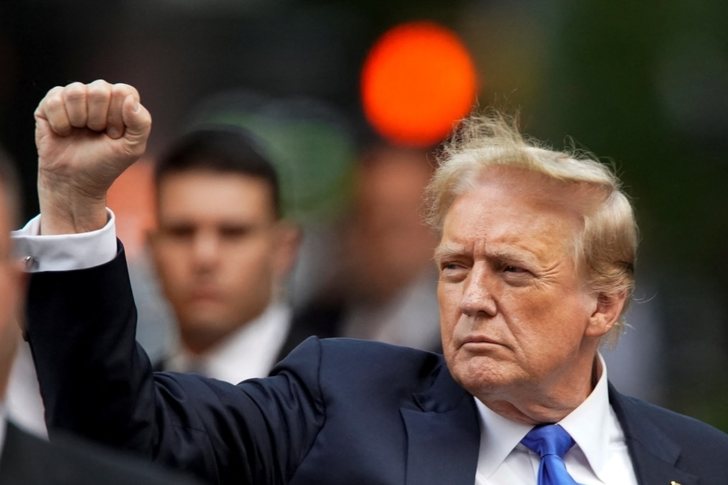
Donald Trump's guilty verdict for 34 criminal offenses mar...
China has confirmed it will not attend a conference on pea...
Donald Trump became the first former president to be c...
US Deputy Secretary of State, Kurt Campbell, will host Chi...
"The government of Slovenia adopted on Thursday a decision...
The new government of North Macedonia must work on the imp...
"A number of homeless people have been moved from Edinburg...
The new government of North Macedonia must work on the imp...
Residents in Rafah, south of Gaza, reported intensifying a...
A total of 200,100 people obtained German citizenship in 2...
Fourteen pro-democracy activists in Hong Kong were fou...
The number of drug-related deaths in Germany has reached a...
Israel's military said it has seized control of a strategi...
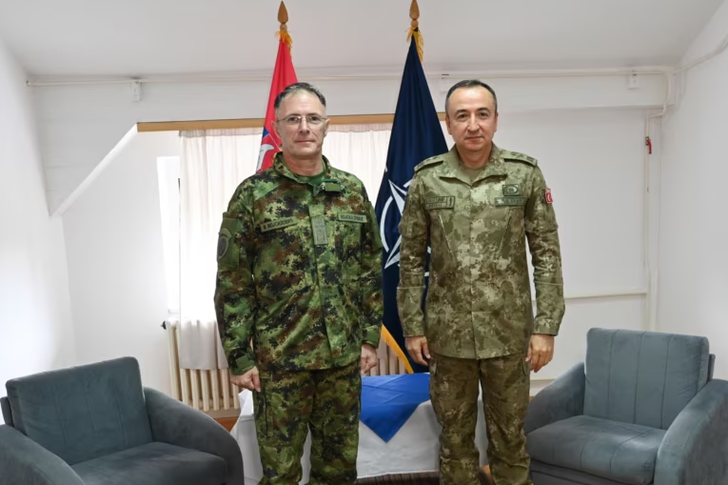
The commander of the NATO mission in Kosovo, KFOR, Ozkan U...
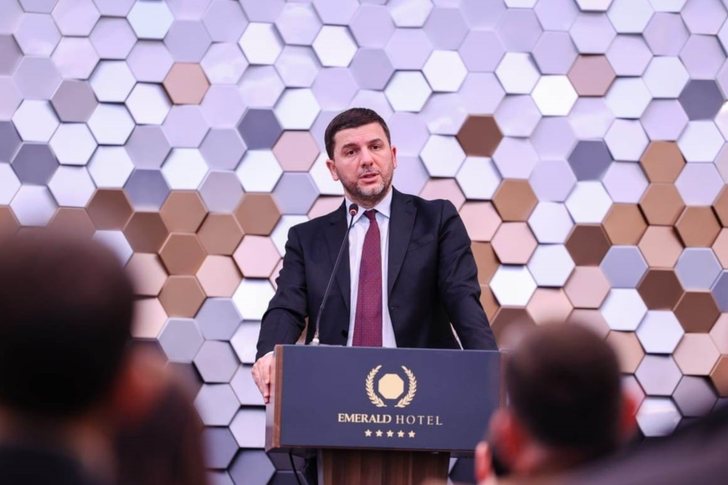
The Chairman of the Democratic Party of Kosovo (PDK), ...
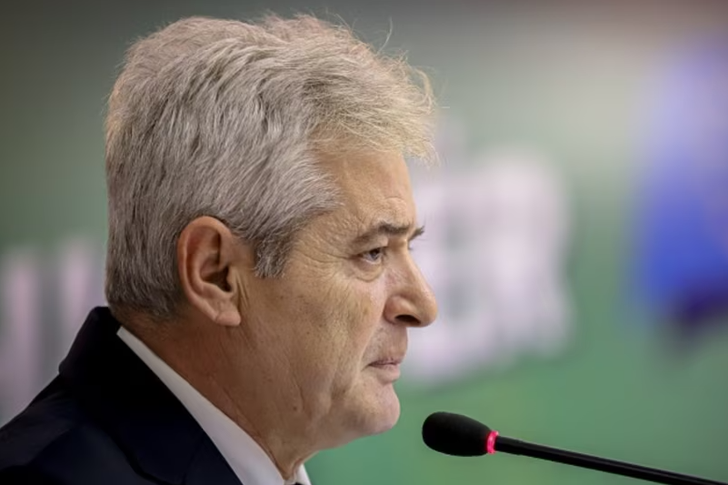
The chairman of the Democratic Union for Integration (...
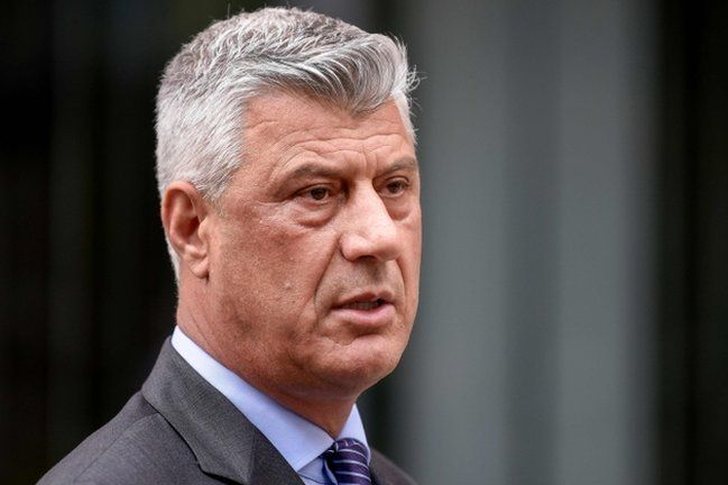
The Specialized Chambers of Kosovo (DhSK) in The Hague...
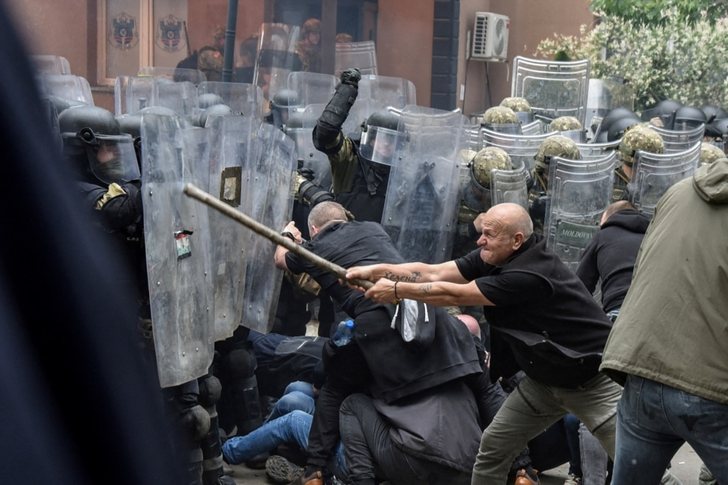
The peacekeeping mission of NATO in Kosovo, KFOR, called o...

CNA has launched another investigation that could lead to ...

Irfan Hysenbelliu is a businessman that we call "Irfan the...

In March 2026, CNA launched another investigation centered...
The arrested mayor of Tirana, Erion Veliaj, with 13 charge...

The Special Board of Appeal (KPA) decided this Monday ...

The KPA vetting decided this Thursday to dismiss the p...

Suela Salavaçi, a prosecutor in the Prosecutor's Offic...

The Special Board of Appeal reinstated the prosecutor ...
A road accident occurred this evening on Nikolla Zoraqi St...
Three people were shot and wounded in Elbasan last night b...
A serious incident occurred this Tuesday in the Yrshek are...
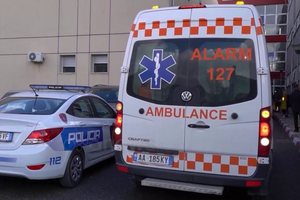
An accident occurred this Tuesday on "Dituria" street in K...
All of Southern Europe will face changing weather conditio...
Albania was hit by temperatures significantly higher than ...
For the first time, Pogradec welcomed the Inter-Lake Chess...
Albania has achieved a record for the employment of foreig...
US Secretary of State Marco Rubio arrived in Manila on Jul...
In the space of a few days, Ukrainian President Volodymyr ...
The spokesman for the Iranian Foreign Ministry warned Bulg...
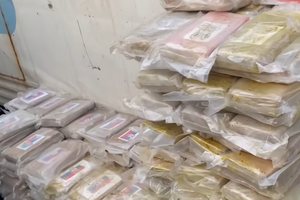
Autoritetet italiane sekuestruan pako me afër 800 kilogram...

At a time when industrial products are increasingly taking...

Trust among people is not just a three-syllable word. It c...

Master of humor Todi Llupi has passed away at the age of 7...

The ninth edition of "MIK Festival" kicked off with one of...
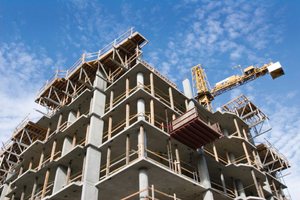
Construction company licenses will have a validity period ...
The Centralized Purchasing Operator recently opened a tend...
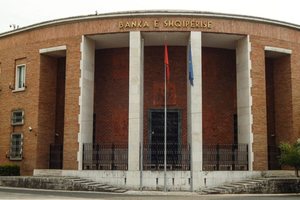
The new draft law "On the Bank of Albania" provides that t...
This Tuesday, one US dollar is bought for 81.2 lek and sol...