


Abuse of IPARD funds in North Macedonia/ 5 people arrested for bribery
North Macedonian police have arrested the director of the ...


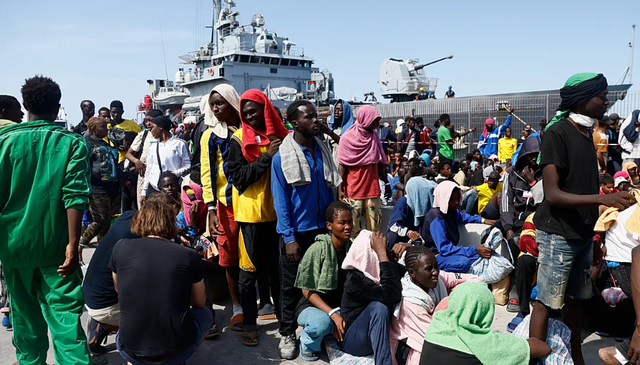
Spain, Italy, Greece and Cyprus are considered "under migratory pressure" by the European Commission, which paves the way for the relocation of asylum seekers to other EU member states. But Poland, Hungary and Slovakia refuse to contribute.
These countries were concerned last year about a "disproportionate level" of migrant arrivals, including those rescued at sea.
Spain, Italy, Greece and Cyprus will benefit in 2026 from the solidarity of other EU member states, which can be expressed by relocating asylum seekers to their territory or by financial contribution.
Along with this assessment, the Commission proposed to the 27 EU member states the Annual Solidarity Fund, a mechanism to determine the total number of asylum seekers to be relocated and the amount that each country should share, or compensate by paying.
The group's proposal is not public. It will be discussed by EU member states, which will decide on the size and share of solidarity for each country by the end of the year.
Each member state except those under migratory pressure must contribute in proportion to its population and total GDP, and can choose between three options to meet the needs defined in the solidarity fund: relocating a certain number of asylum seekers to their territory, paying €20,000 per person they do not relocate, or financing operational support in member states under migratory pressure.
The final decision will be taken by EU countries by qualified majority, with the minimum size for the solidarity fund set by law at 30,000 relocations and 600 million euros in financial contributions.
The Commission report also identifies 12 countries "at risk of migratory pressure": Belgium, Bulgaria, Germany, Estonia, Ireland, France, Croatia, Latvia, Lithuania, the Netherlands, Poland and Finland.
These countries should offer solidarity to those under migratory pressure, but their situation will be reassessed to avoid disproportionate burdens next year.
A third group of countries is classified as "facing a significant migratory situation": Bulgaria, Czech Republic, Estonia, Croatia, Austria, Poland. They still have to provide solidarity, but can request an exemption from their quotas, which must be certified by the Commission and approved by the other member states.
The report and the solidarity fund are the basis for developing the "compulsory solidarity" system envisaged in the Pact on Migration and Asylum, the main reform of migration policy adopted in 2024.
Some EU countries still oppose the system envisaged by the Pact on Migration and Asylum.
Hungarian Prime Minister Viktor Orbán, Polish Prime Minister Donald Tusk and Slovak Prime Minister Robert Fico have already declared that they will not implement EU rules, as they do not want to contribute either financially or by accepting immigrants from other countries.
"Poland will not accept migrants under the Migration Pact. Nor will we pay for it," Tusk wrote on Twitter immediately after the report was presented.
Budapest and Warsaw have not even submitted their implementation plan for the Pact to the Commission, EU Commissioner for Home Affairs Magnus Brunner admitted during a press conference.
Not contributing to the solidarity mechanism would be "a breach of obligations under EU law", a senior EU official told Euronews.
This could lead to an infringement procedure against countries that are not willing to contribute when the regulation enters into force in June 2026. The first evaluation of the new EU migration rules will take place next July, according to EU sources.
The only legal option to avoid the solidarity part is to apply for an exemption, which can only be done by countries considered to be "facing a significant migratory situation": Bulgaria, the Czech Republic, Estonia, Croatia, Austria and Poland.
If the exemption is accepted by the Commission and the other Member States, the country that requested it is no longer obliged to accept asylum seekers, nor to compensate it with financial contributions. That country's share will not be redistributed among the other Member States.
According to the Commission's report, the overall migratory situation in the EU has improved, with illegal border crossings reduced by 35% during the reporting period (July 2024 - June 2025).
At the same time, the Commission considers irregular arrivals, unauthorised movements of migrants within the EU and the use of migration as a weapon by Russia and Belarus among the challenges that the EU still needs to face.

North Macedonian police have arrested the director of the ...

Istanbul's prosecutor has charged the city's prominent may...

The case of Milan Vukašinović from Leposavic, whom Kosovo ...

A serious air accident occurred today in Georgia, wher...

The investigation by the National Anti-Corruption Bureau o...
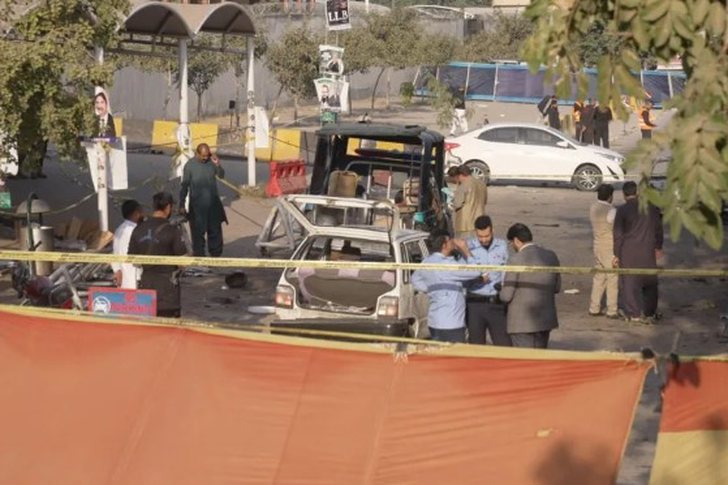
A suicide attack outside a court in the Pakistani capital,...

The World Health Organization (WHO) Regional Office for Euro...

Italy is one step closer to being approved to become an In...
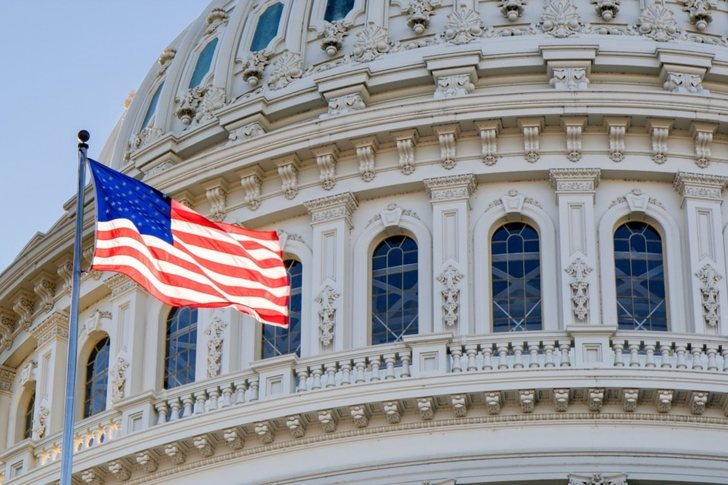
The US Senate has approved a key bill that could end the l...
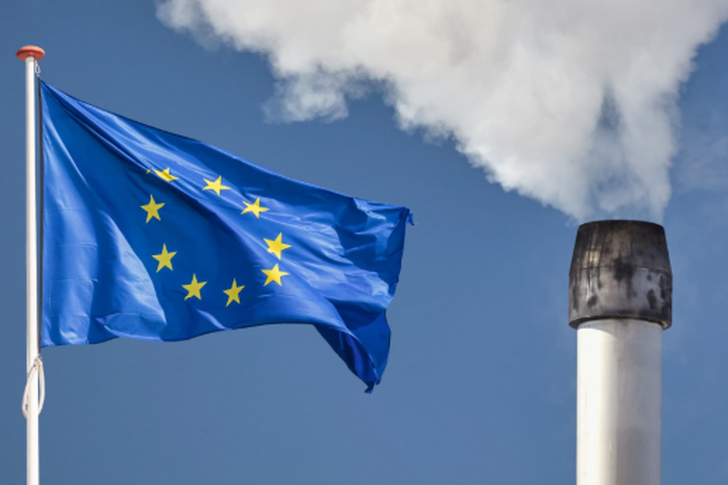
Ligjvënësit europianë në komitetin e mjedisit të Parlament...
Agjencia antikorrupsion e Ukrainës ka deklaruar sot se ka ...
Italian Prime Minister Giorgia Meloni has attended a campa...
The Serbian government on Monday appointed Sreqko Spas...
In Prizren, a city with around 190,000 eligible voters, ar...

According to official data published for the tourism secto...

Former French President Nicolas Sarkozy has made his first...
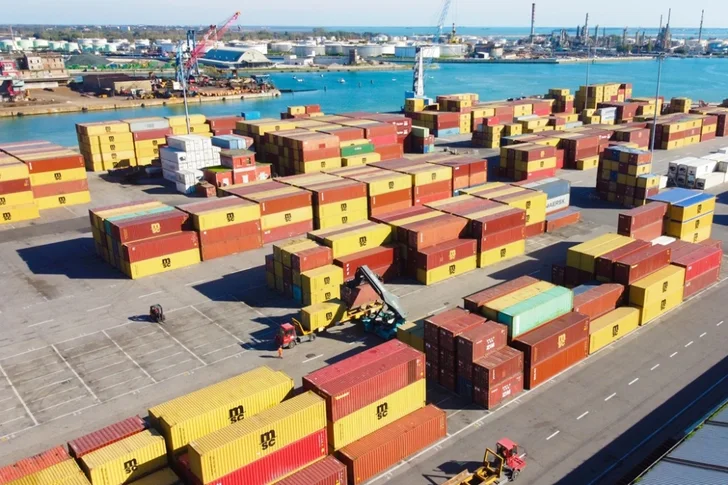
China announced on Monday that it is suspending port fees ...
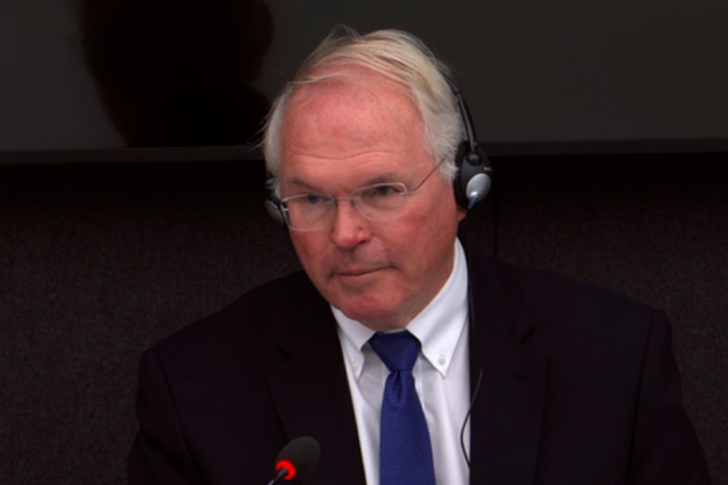
Former US special envoy during the Kosovo war, Christopher...
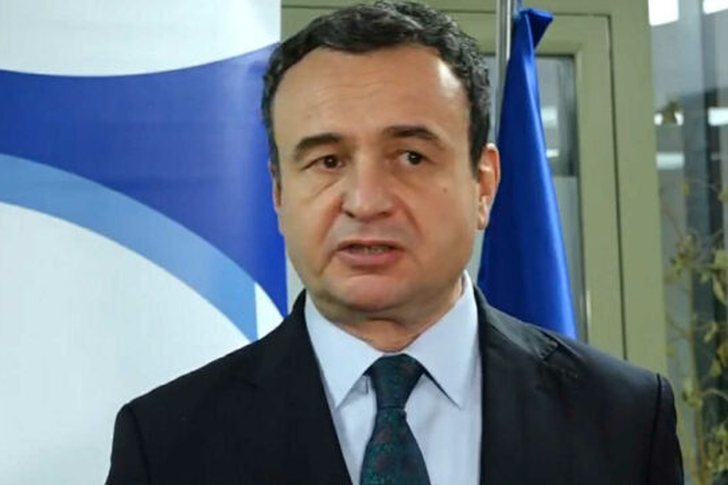
Acting Prime Minister of Kosovo, Albin Kurti, spoke today ...

A serious crisis of credibility has rocked the BBC, follow...

CNA has launched another investigation that could lead to ...

Irfan Hysenbelliu is a businessman that we call "Irfan the...

In March 2026, CNA launched another investigation centered...
The arrested mayor of Tirana, Erion Veliaj, with 13 charge...

The Special Board of Appeal (KPA) decided this Monday ...

The KPA vetting decided this Thursday to dismiss the p...

Suela Salavaçi, a prosecutor in the Prosecutor's Offic...

The Special Board of Appeal reinstated the prosecutor ...

Footage emerges from the serious accident that occurred th...

A Shkodra traffic police officer was hit with hard objects...
This Wednesday, around 4:00 PM, a serious accident occurre...

Tirana Police have shared details regarding the accident t...

On Thursday, our country will be under the influence of st...
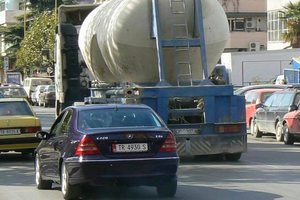
A serious accident that occurred this Wednesday with the c...

The Institute of Geosciences has shared a forecast for wea...
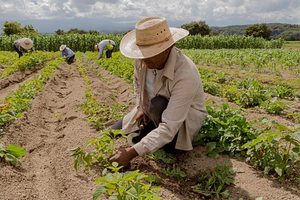
Rising energy and fertilizer prices are expected to contin...

Artificial intelligence (AI) models from the American comp...
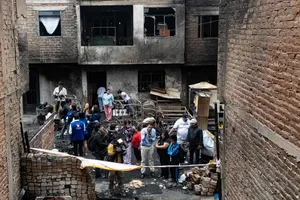
At least 10 people have died after a fire broke out in a h...

Yemen's Houthis have claimed to have attacked two Saudi oi...
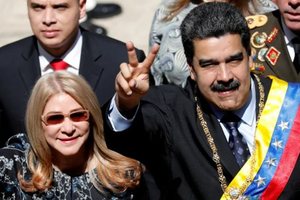
The trial of ousted Venezuelan President Nicolas Maduro on...

At a time when industrial products are increasingly taking...

Trust among people is not just a three-syllable word. It c...

Master of humor Todi Llupi has passed away at the age of 7...

The ninth edition of "MIK Festival" kicked off with one of...
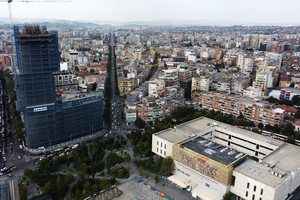
The average sale price of apartments in Tirana reaches rec...

This Thursday, one US dollar is bought for 81.5 lek and so...
The price of diesel reached 206 lek per liter from 198 lek...

Businesses will no longer be required to simply register t...