

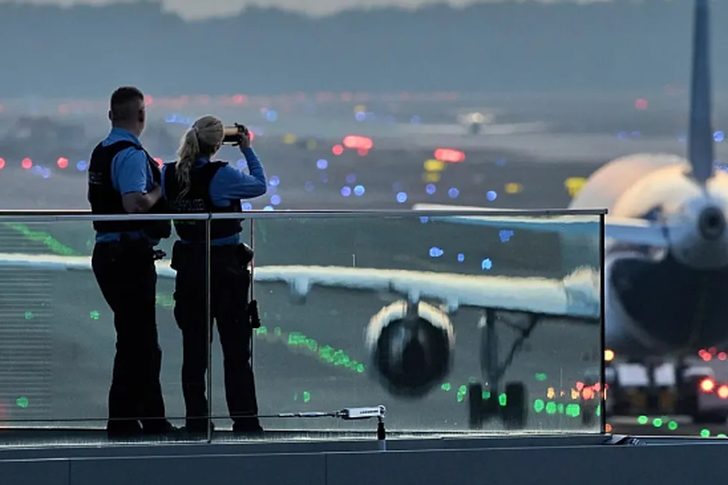
Germany is drawing up plans to prepare its airspace in case it needs to be defended.
Germany has one of the busiest airspaces in the world and ...


Escalating tension between Thailand and Cambodia is at its peak along their shared border, breaking a fragile ceasefire that was supported by US President Donald Trump last October.
At least five Thai soldiers and seven Cambodian civilians have been killed since Monday, with both countries exchanging accusations over who is responsible for starting the violence.
The clashes, which have prompted Thailand to launch air strikes along the border, are the most serious since a ceasefire was reached in July.
How the border dispute began
This is not a recent dispute. The dispute between Thailand and Cambodia began more than a century ago, when the borders of the two countries were drawn after the French occupation of Cambodia.
Hostilities escalated in 2008 when Cambodia attempted to list an 11th-century temple located in the disputed area as a UNESCO World Heritage Site, a move that was met with strong protests from Thailand.
Over the years, there have been sporadic clashes. Soldiers and civilians have been killed in battles on both sides.
The latest tensions escalated in May after the death of a Cambodian soldier in a clash, an incident that plunged relations between the countries into their worst crisis in more than a decade.
Before the first phase of fighting in July, the two countries had imposed border restrictions. Cambodia banned imports from Thailand of, among other things, fruit and vegetables, electricity and internet services.
Both countries had also increased their troop presence along the border in recent weeks.
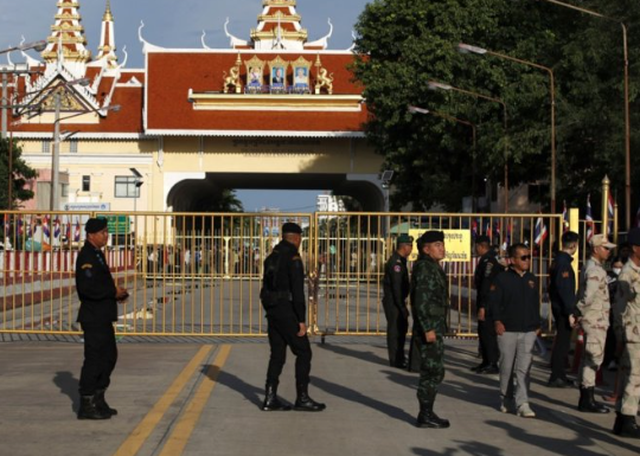
What caused tensions in December?
Both sides have given different versions of what happened.
On Monday, December 8, the Thai military announced that its troops had returned fire from Cambodia in Thailand's Ubon Ratchathani province. It said one Thai soldier was killed.
The Thai military also announced that it had launched airstrikes on military targets along the disputed border.
However, Cambodia's Ministry of Defense announced that Thai forces attacked first, in Phrae Vihear province. Cambodia insisted that it did not retaliate.
The next day, the Thai military accused Cambodia of launching missiles and using drones to drop bombs on its troops. Some of the missiles reportedly hit civilian areas.
Cambodia, for its part, accused Thailand of opening fire indiscriminately on civilian areas in Pursat province on the border.
What happened during the clashes in July
Both sides exchanged fire, with one claiming that the other had caused the conflict.
The conflict quickly escalated. Thailand accused Cambodia of launching the missiles, and Bangkok launched airstrikes against Cambodian military targets.
At least 48 people were killed and thousands more displaced during the five-day fighting.
Then, Trump intervened and, with the help of Malaysia, ceasefire negotiations began.
In October, the US president oversaw the signing of the "Kuala Lumpur Peace Agreement". Thailand called it the "Joint Declaration of the Prime Ministers of Thailand and Cambodia on the Outcome of Their Meeting in Kuala Lumpur".
Both sides agreed to withdraw their heavy weapons from the disputed area and establish a temporary group of observers to monitor it.
The next step was supposed to involve the release of 18 Cambodian soldiers held in Thailand.
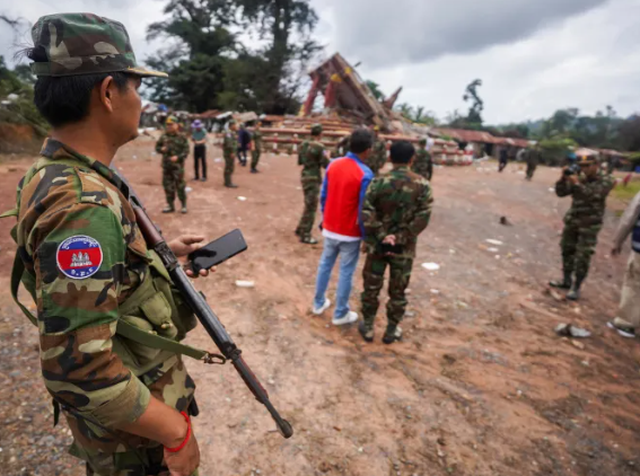
What happened to Trump's "peace deal"?
Thailand suspended the agreement in November. Thai Prime Minister Anutin Charnvirakul said the security threat "has not actually diminished."
Cambodia announced that it remained committed to the terms of the agreement.
After fighting broke out in December, Thailand's Foreign Minister, Sihasak Phuangketkeow, said the ceasefire was "not working" and that "the ball is in Cambodia's court."
Former Cambodian Prime Minister Hun Sen said Cambodia returned fire late Monday to "ensure respect for the ceasefire."
Meanwhile, Trump called on both sides to respect the agreement, Reuters news agency reported.
Where will the crisis lead?
There have been serious exchanges of fire in the past, but these have subsided relatively quickly. The current leaders in both countries lack the strength and confidence to withdraw from the confrontation.

Germany has one of the busiest airspaces in the world and ...
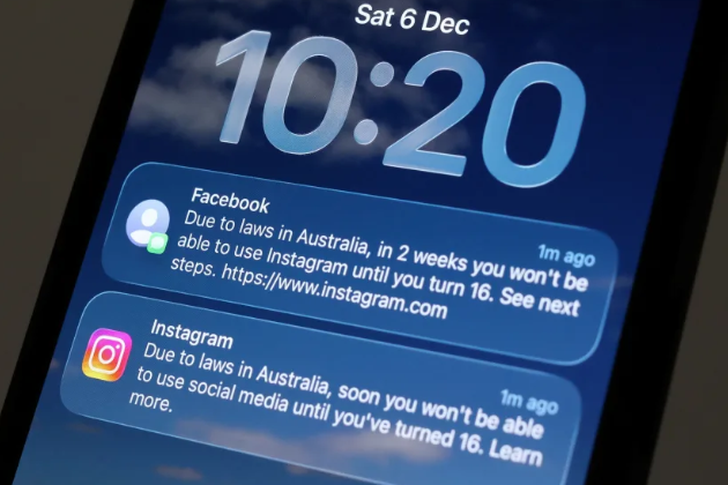
Children across Australia woke up on Wednesday without acc...
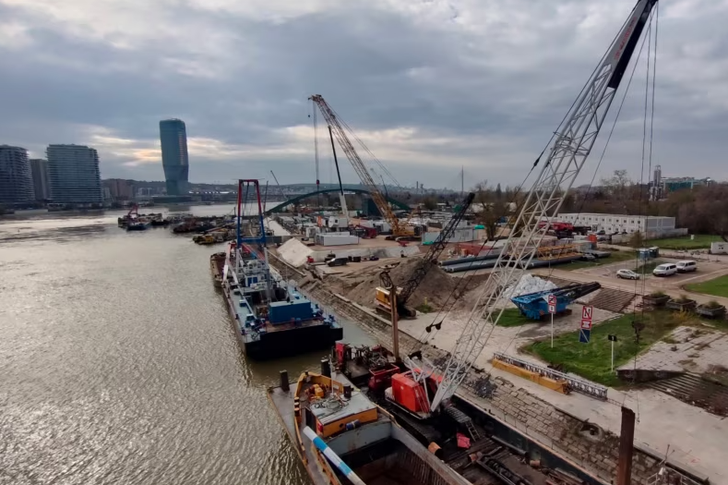
Work to replace the Sava Bridge in Serbia has already begu...
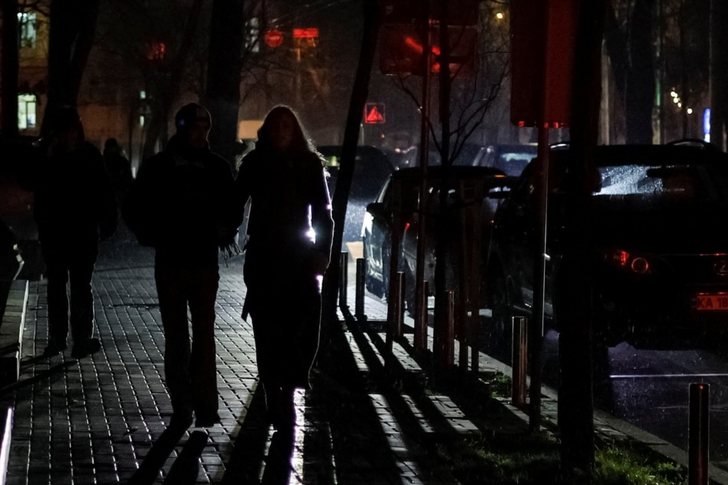
Ukraine will impose new restrictions on electricity use an...
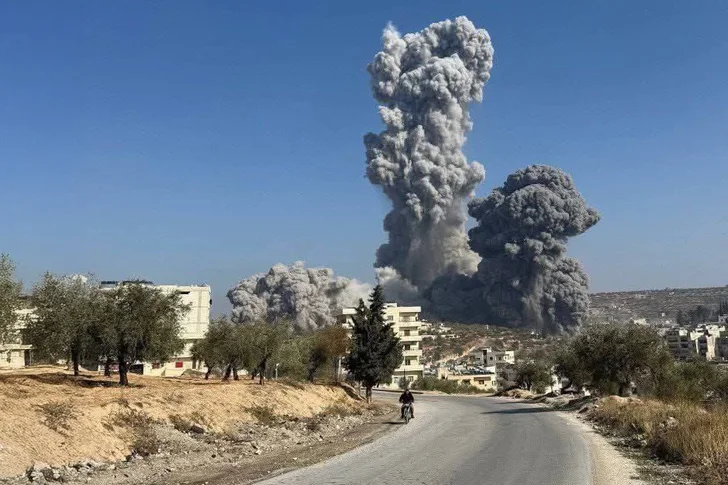
Shells of unknown origin reportedly fell near the Meza mil...
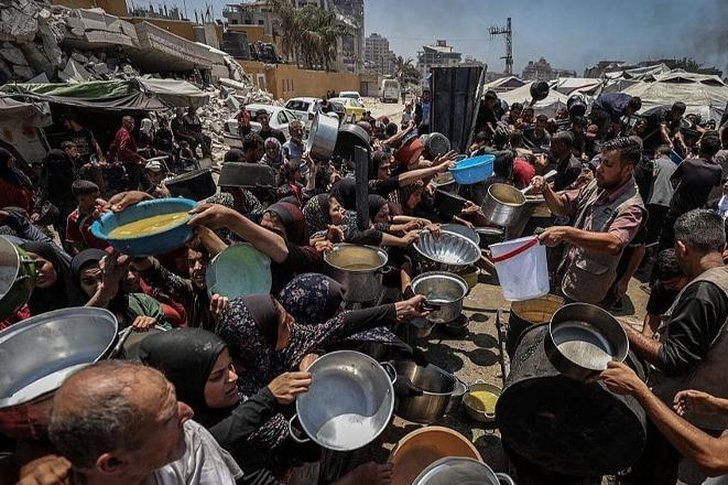
Malnutrition continues to affect young people in Gaza, des...
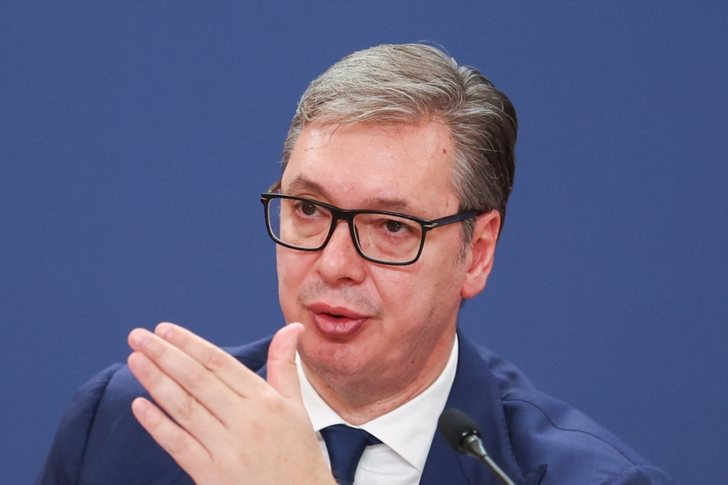
President Aleksandar Vučić said on Tuesday that there are ...
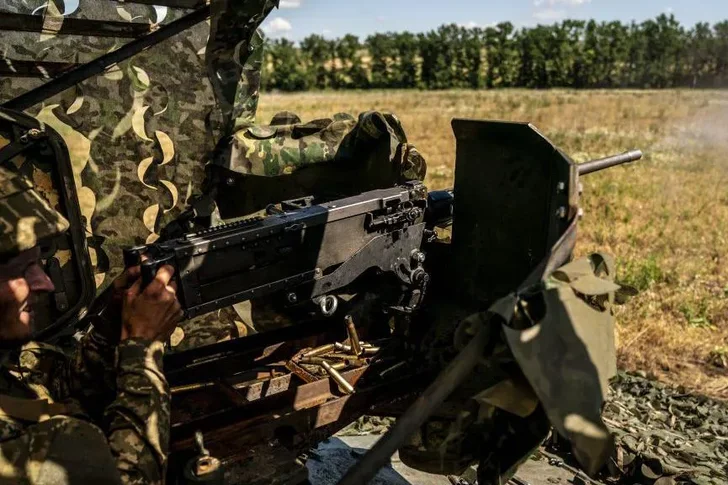
A member of the British Armed Forces has died in an accide...
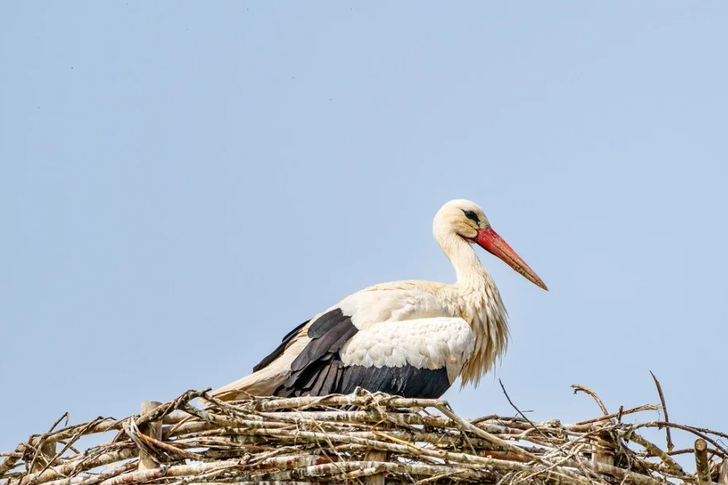
A bird flu alert has been raised in Spain. Around 400 stor...

Serbian President Aleksandar Vučić has started the war aga...
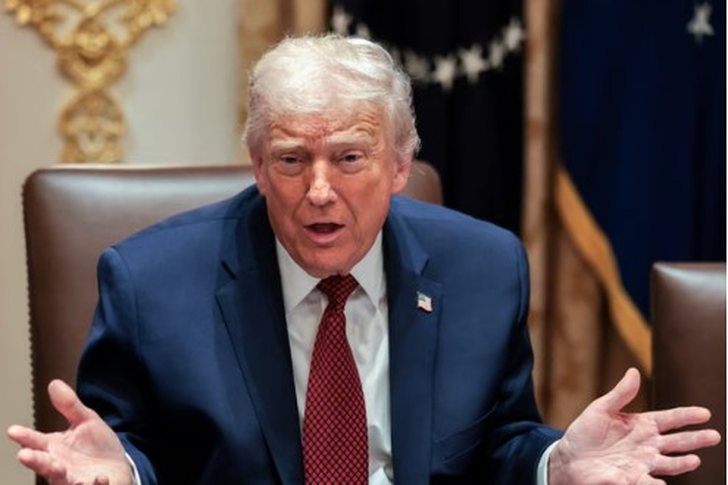
Donald Trump has hinted that he may withdraw support for U...
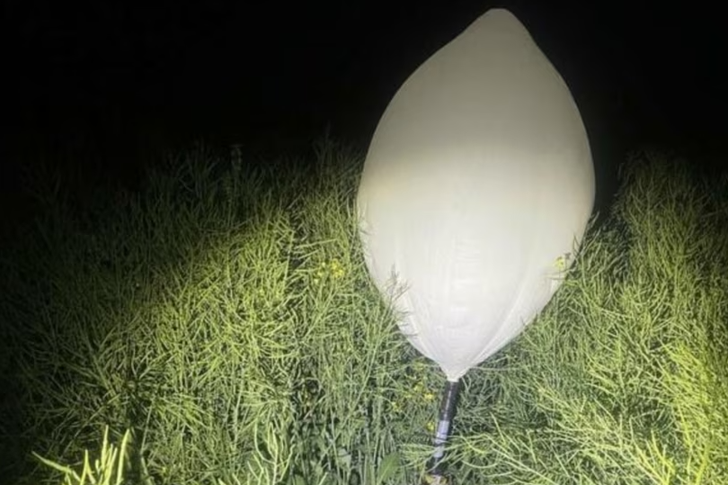
Lithuania declared a "state of emergency" on December 9 du...
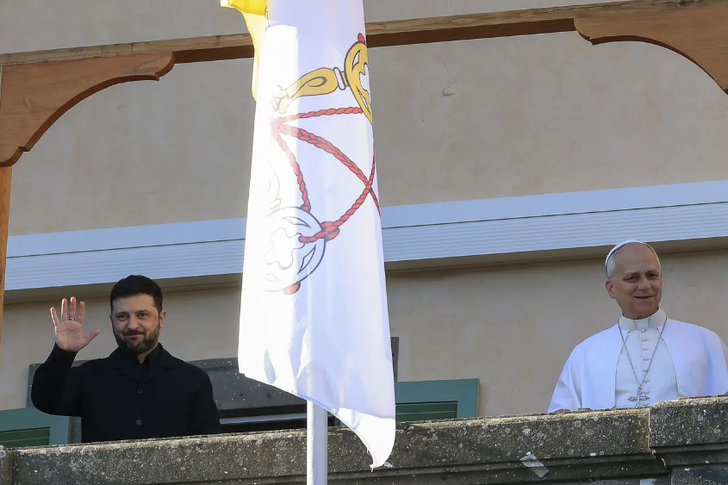
Ukrainian President Volodymyr Zelensky met this Tuesday wi...
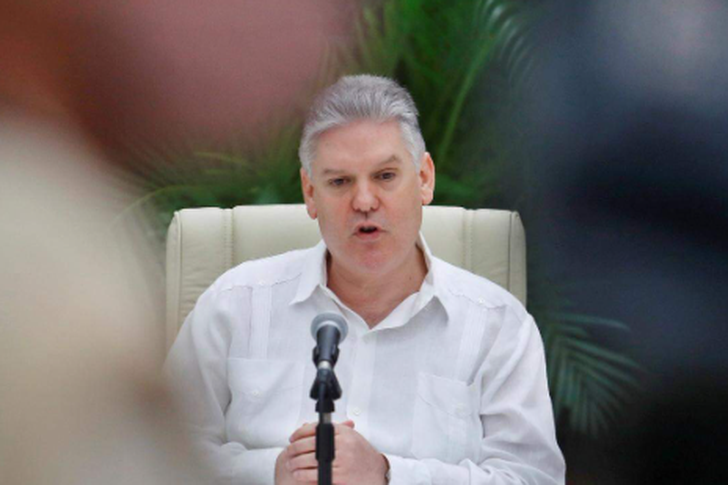
Cuba's Supreme Court has sentenced former Economy Minister...
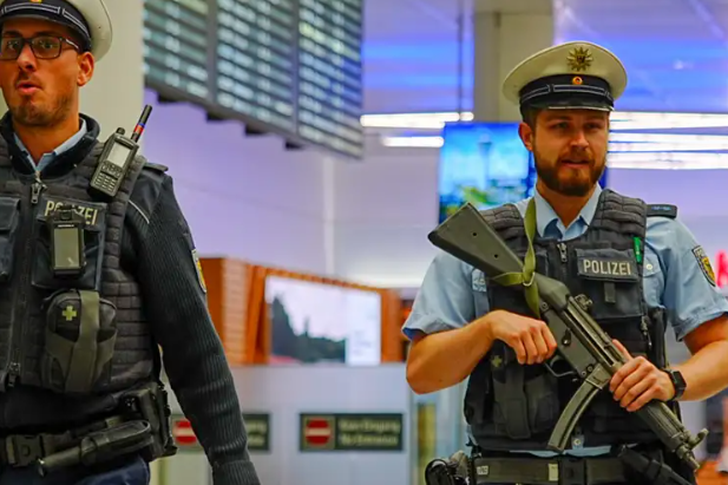
Drones flying near major airports or aircraft are creating...
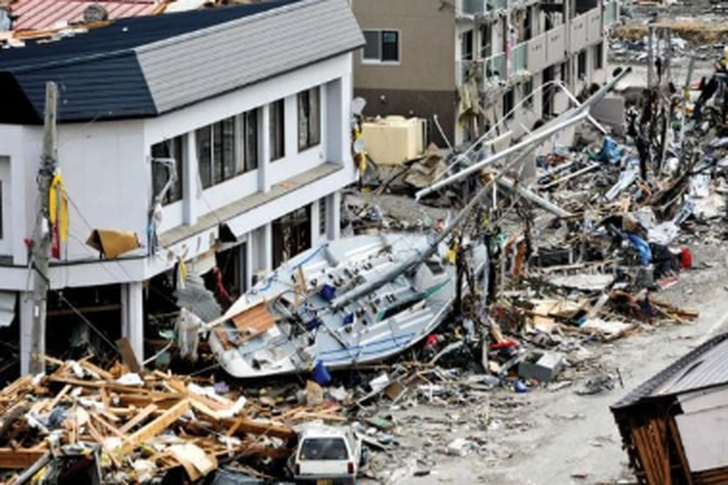
Japan's Meteorological Agency has issued its highest-level...
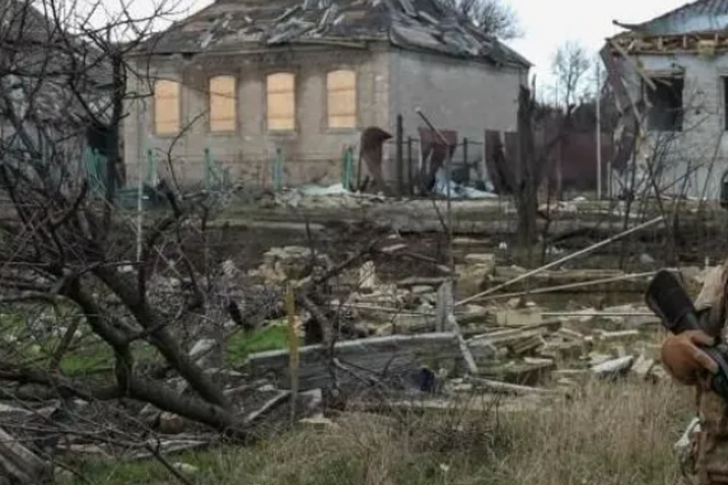
Ukraine is finalizing a revised peace plan that is expecte...
The first American ambassador to Albania, Christopher Hill...
Former Greek Prime Minister Costas Karamanlis and former D...
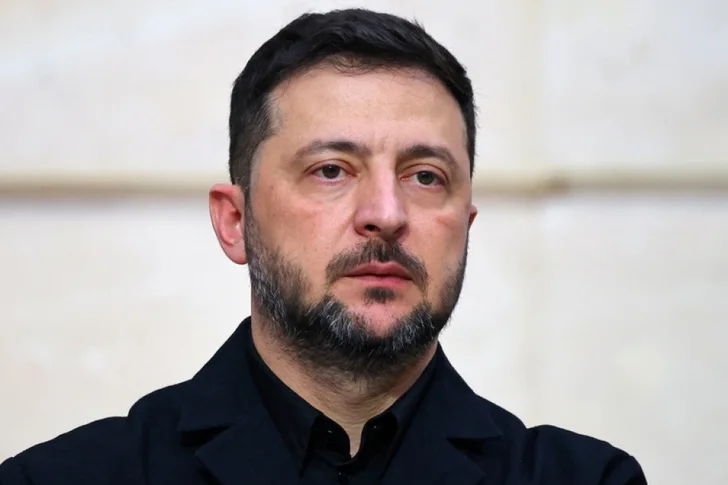
Ukrainian President Volodymyr Zelenskyy has reacted to the...

CNA has launched another investigation that could lead to ...

Irfan Hysenbelliu is a businessman that we call "Irfan the...

In March 2026, CNA launched another investigation centered...
The arrested mayor of Tirana, Erion Veliaj, with 13 charge...

The Special Board of Appeal (KPA) decided this Monday ...

The KPA vetting decided this Thursday to dismiss the p...

Suela Salavaçi, a prosecutor in the Prosecutor's Offic...

The Special Board of Appeal reinstated the prosecutor ...

A road accident occurred this evening on Nikolla Zoraqi St...
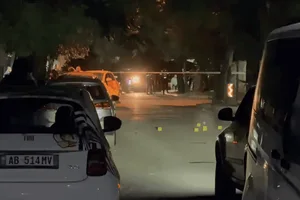
Three people were shot and wounded in Elbasan last night b...

A serious incident occurred this Tuesday in the Yrshek are...

An accident occurred this Tuesday on "Dituria" street in K...

This Wednesday, our country will be under the influence of...
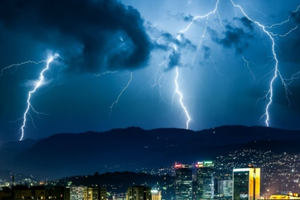
All of Southern Europe will face changing weather conditio...
Albania was hit by temperatures significantly higher than ...

For the first time, Pogradec welcomed the Inter-Lake Chess...
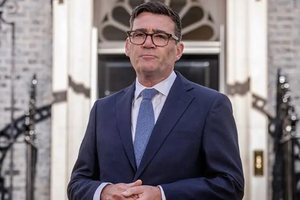
Prime Minister Andy Burnham has announced that most bus fa...

France's parliament has passed a law to ban social media f...

US Secretary of State Marco Rubio arrived in Manila on Jul...
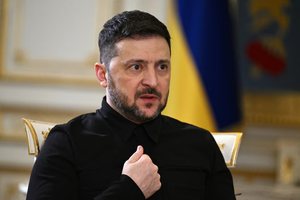
In the space of a few days, Ukrainian President Volodymyr ...

At a time when industrial products are increasingly taking...

Trust among people is not just a three-syllable word. It c...

Master of humor Todi Llupi has passed away at the age of 7...

The ninth edition of "MIK Festival" kicked off with one of...

Businesses will no longer be required to simply register t...

Despite economic growth and income in recent years, Albani...

This Wednesday, one US dollar is bought for 81.4 lek and s...

Construction company licenses will have a validity period ...