


How Berisha fails before SPAK
Former Prime Minister Sali Berisha appeared before SPAK to...


Modern banks, which began at least with the Medici family in Florence and the Genoese and Venetian banks, since the 14th and 15th centuries, have been symbolized by the most modern buildings and that adorned the cities, wherever they were located. Even today, the buildings, where the large banks are located and carry out their activities, continue to be the architectural symbols of European and world cities. Technological developments began to help banks, to perfect their business models, to increase their operational efficiency, by offering better and cheaper services to customers, while increasing their profits.
If we delve a little into the technological evolution of the banking system, electronic systems for processing banking transactions and customer service began in the late 1960s with the invention of Automated Teller Machines (ATMs), which enabled customers to perform banking services, such as withdrawing cash and checking account balances, without having to go to a bank branch. By the late 1980s, telephone banking services enabled customers to also perform transfers and check account balances over the phone (telephone banking).
But, with the beginning of the 1990s, a new era in the use of technology in the banking system began, the era of digital banking, which began with the birth of the internet. Online banking emerged as an alternative to the provision of traditional banking services through bank branches. As internet systems became more powerful and expanded, so did online banking in the provision of services.
The real revolution in the banking industry began in the 2000s. The 21st century is witnessing an unprecedented wave of innovations in mobile banking. If previously performing banking services required a computer connected to the Internet, now through a smart mobile phone, and the installation of an application, it is possible not only to make payments and check accounts, but also to provide assistance services for better management of personal finances: reminders for paying due obligations, real-time online control of expenses, etc. With the advancement of technology, banks have also added online platforms for applying for loans, for tracking investments, and bill payment services. Today in Europe, 78% of transactions are carried out online; in the US, 85% and in Asia-Pacific, 92%. If you visit a bank in developed countries, you cannot contact a personal banker - as was the case with traditional banking - but the services are performed through screens, which are installed everywhere in cities. Online banking has become the standard form of service for more than a decade now.
Futja e teknologjive të blockchain dhe kriptomonedhave, i ka dhënë bankingut digjital një tjetër dimension. Monedhat digjitale janë shfaqur si monedhë alternative ndaj monedhave zyrtare dhe bashkë me sistemin e decentralizuar të llogarive (databaza digjitale që ndahet mes shumë kompjuterash të vendosur në rrjet), ato mundësojnë transaksionet midis personave drejtpërdrejt, pa qenë nevoja e përdorimit të ndërmjetësve.
Integrimi i inteligjencës artificiale (AI) në bankingun digjital, mundëson ofrim të shërbimeve të personalizuara, dedektimin e mashtrimeve dhe sinjalizimin e klientit të bankës për raste të tilla, ndërsa bankat kanë mundësi të rrisin eficiencën e tyre në ofrimin e shërbimeve, të reduktojnë kostot dhe rrisin fitimet. Teknikat e reja të menaxhimit të rriskut janë përmirësuar në saj të përdorimit të algoritmeve që mbështeten në machine learning dhe bazë të dhënash me profilet e rriskut të huamarrësve.
Me pak fjalë, inovacioni teknologjik sot ka transformuar në mënyrë rrënjësore biznesin e industrisë bankare, duke e bërë bankën pothuaj krejtësisht virtuale për klientin. Në raportin e stabilitetit financiar të Bankës Qendrore Europiane të botuar në maj 2025, shënohet se deri në fund të vitit 2024, 60 banka në eurozonë tashmë janë tërësisht digjitale, ku vetëm 7 prej tyre janë degë të bankave tradicionale, ndërsa të tjerat janë banka krejtësisht të reja. (Garcia et al, 2025). Pesha e tregut të tyre akoma mbetet e ulët, 3,9% në vitin 2024, por ritmi i rritjes është impresionues. Banka më e hershme tërësisht digitale gjermane, për shembull, u themelua në vitin 2013 nga dy sipërmarrës, ndërsa sot është shndërruar në një nga bankat më të mëdha të fintech.
A ka rreziqe ky lloji i ri i bankimi që po lind dhe po përhapet me shpejtësi në gjithë botën? Çdo revolucion në një industri kudoqoftë, padyshim që sjell sfida, pasi e trondit sistemin ekzistues. Bankat tradicionale duhet të investojnë shumë që të transformohen për t’ju përshtatur realitetit të ri. Kjo ka ndodhur më së pari në industritë e telekomunikacioneve dhe duhet të shërbejë si model sjelljeje për bankat. Nëse kompanitë e dikurshme të telefonisë fikse (si Albetelkom) nuk do të kishin investuar në ofrimin e shërbimeve me vlerë të lartë të shtuar (si shërbimi internetit, telefoni mobile), sot nuk do të ekzistonin.
Për momentin, klientela bazë e këtyre bankave janë të rinjtë dhe të pasionuarit pas teknologjive të reja. Studimet tregojnë se baza kryesore e depozitave janë depozituesit me pakicë. Por historia e suksesit të pazakontë të M-PESA që nisi në Kenya në vitin 2007dhe u përhap me shpejtësi në shumë shtete të Afrikës, dëshmon se individët mund të adoptohen shpejt me përdorimin e teknologjive të reja. Për më tepër, aplikacionet e tanishme ndërtohen të thjeshta në përdorim (user friendly) duke lehtësuar përdorimin për të gjitha grupmoshat.
Another issue is the security of digital systems. The integration of advanced technologies, such as biometric authentication (with fingerprints or faces) and two-step authentication, the continuous improvement of security protocols, are a challenge that actually affects traditional banks as well. Cyberattacks have been a constant not only for banks but also for other digital systems. Increasing security systems is a perpetual battle and with the sophistication of future technologies, it is likely that they will become increasingly secure. Privacy and the storage of personal data also pose challenges. The regulatory framework of central banks must ensure compliance with European standards in this area. In fact, the serious challenge of this revolutionary type of banking is the reform of the regulatory and supervisory system, but this is an issue that central banks have started to work on. Albania, which is in the process of approximating legislation in the field of banking services, must adopt European directives in this area, to guarantee the security and stability of the financial system, while promoting innovation in the country's financial market.
The entry of Jet Bank in Albania, the first bank to be 100% digital, I think marks a very interesting moment for the country's financial sector. It will be a challenge both for the bank itself in creating a new financial culture for society, and for the positive pressure it will exert in promoting innovation throughout the industry as a whole. It seems that together with the country's membership in SEPA, this is the next interesting financial news of 2025!
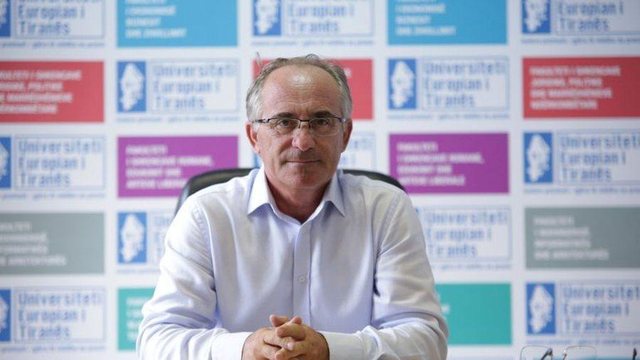
*Economic expert, president of the European University of Tirana

Former Prime Minister Sali Berisha appeared before SPAK to...
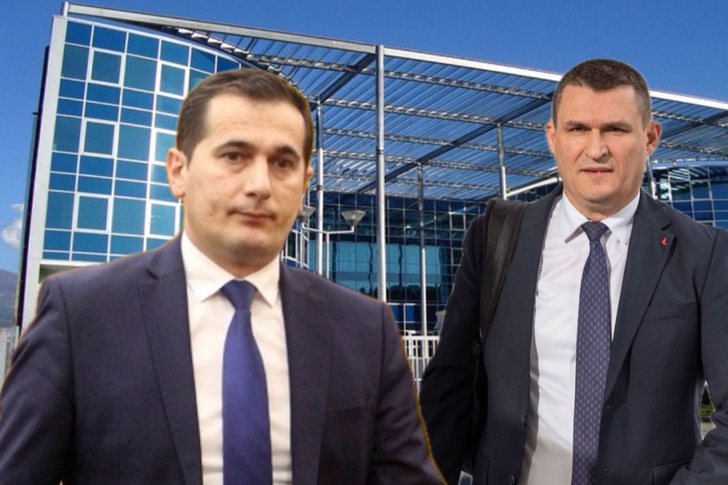
Klodjan Braho mori zyrtarisht detyrën e kreut të SPAK-ut, ...
The new US National Security Strategy has received greater...
"The Boys of Mul" and "The Boys of Grida" are not fighting...
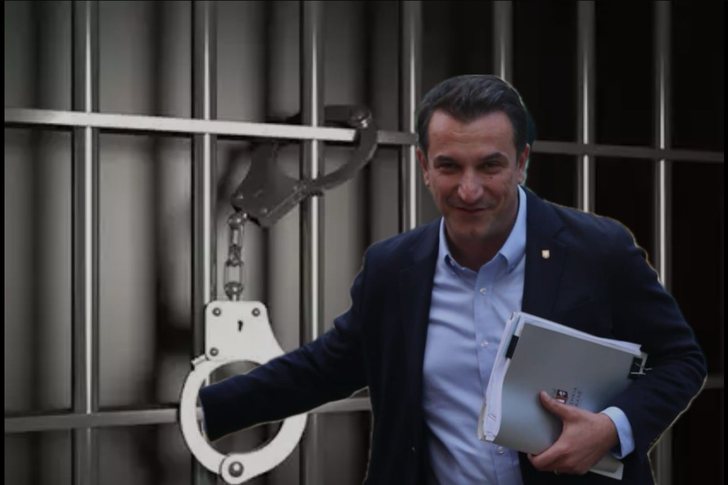
A group of businessmen, citizens GS, FB, MP, Sh.F, SK,...

For nine months in Durrës prison, arrested by a court ...
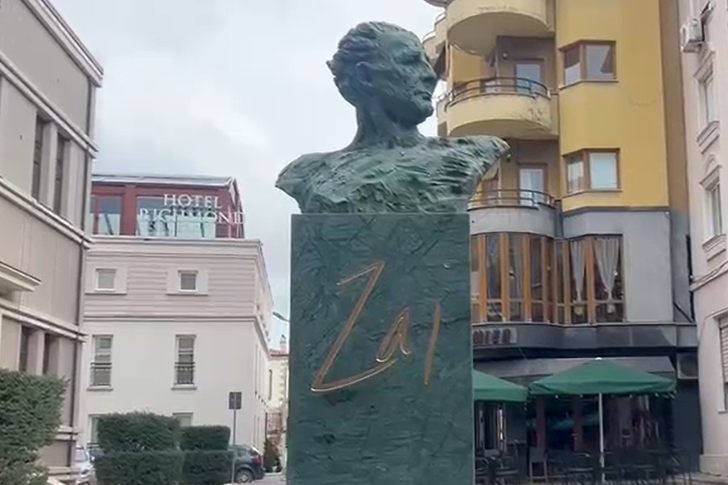
A bust of Llazar Fundo was placed in Korça, on a pedes...
No form of violence has shown as much resilience and abili...
The countries that were really moving fast and hard toward...
The investigation against Deputy Prime Minister Belind...
The Special Court suspended Belinda Balluku from her posit...
Sot mediat raportuan se GJKKO kishte dhënë masë sigurie nd...
The online portal "Tema", owned by the Veliaj family journ...
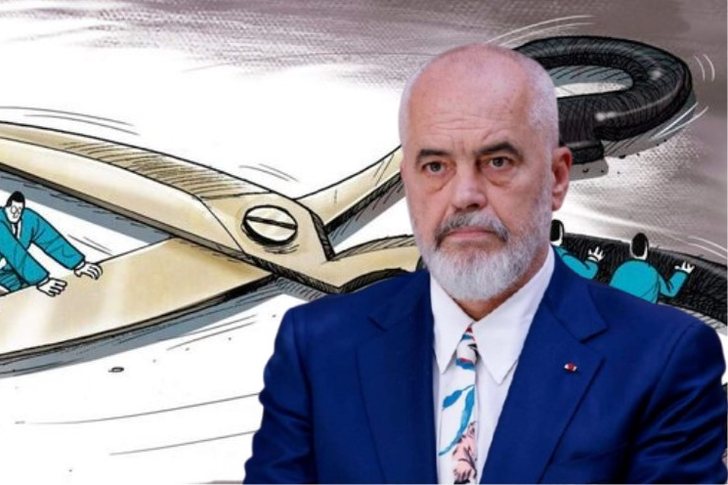
The articles below are 2 of the articles of the Law on Tax...
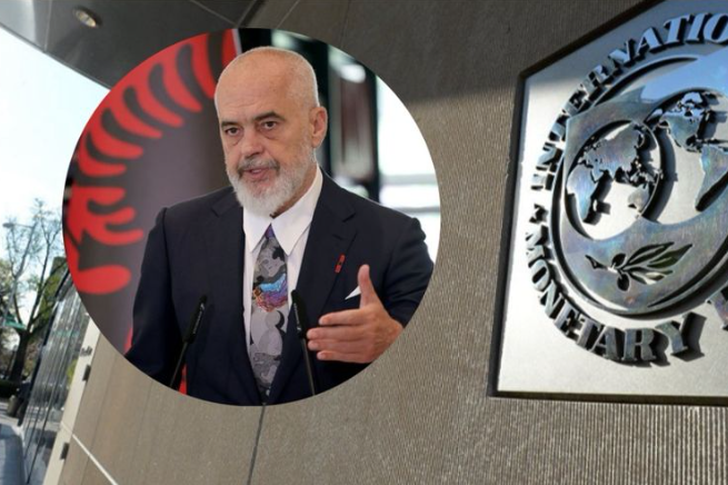
Prime Minister Rama has been heavily advertising what he c...

In SPAK there are many prosecutors with integrity, honest ...
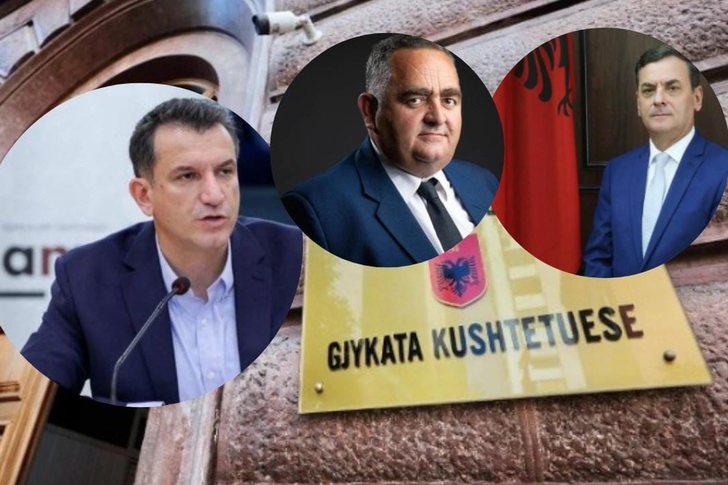
The Constitutional Court of Sadushi, (i.e. 5 of the member...
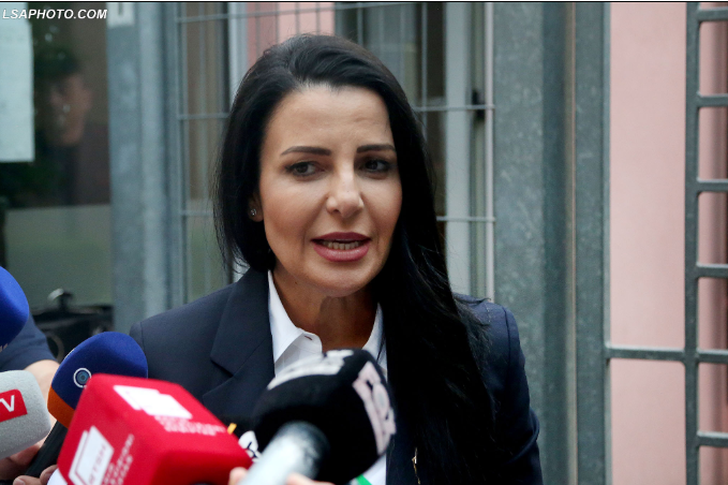
In recent days, the media was overwhelmed by the news of D...
Prime Minister Rama's full speech at the Paris Peace Forum...

BY ELVI FUNDO Former mayor Erion Veliaj, through his ...

CNA has launched another investigation that could lead to ...

Irfan Hysenbelliu is a businessman that we call "Irfan the...

In March 2026, CNA launched another investigation centered...
The arrested mayor of Tirana, Erion Veliaj, with 13 charge...

The Special Board of Appeal (KPA) decided this Monday ...

The KPA vetting decided this Thursday to dismiss the p...

Suela Salavaçi, a prosecutor in the Prosecutor's Offic...

The Special Board of Appeal reinstated the prosecutor ...

A road accident occurred this evening on Nikolla Zoraqi St...

Three people were shot and wounded in Elbasan last night b...

A serious incident occurred this Tuesday in the Yrshek are...

An accident occurred this Tuesday on "Dituria" street in K...

All of Southern Europe will face changing weather conditio...

Albania was hit by temperatures significantly higher than ...

For the first time, Pogradec welcomed the Inter-Lake Chess...

Albania has achieved a record for the employment of foreig...

US Secretary of State Marco Rubio arrived in Manila on Jul...

In the space of a few days, Ukrainian President Volodymyr ...

The spokesman for the Iranian Foreign Ministry warned Bulg...

Autoritetet italiane sekuestruan pako me afër 800 kilogram...

At a time when industrial products are increasingly taking...

Trust among people is not just a three-syllable word. It c...

Master of humor Todi Llupi has passed away at the age of 7...

The ninth edition of "MIK Festival" kicked off with one of...

Construction company licenses will have a validity period ...

The Centralized Purchasing Operator recently opened a tend...
The new draft law "On the Bank of Albania" provides that t...
This Tuesday, one US dollar is bought for 81.2 lek and sol...