


Businessman Artur Shehu breaks his silence: I am a long-time land owner in Zvërnec, I don't know the investors at all
Albanian businessman Artur Shehu spoke on the Opinion show...

Albanian businessman Artur Shehu spoke on the Opinion show...

Recent decisions by the Public Procurement Commission have raised serious concerns about the way the public procurement law is implemented and about the impartiality of the institution that, in theory, should guarantee equality and fair competition.
At the center of these concerns, the same name repeatedly appears: BionicTech.
From the analysis of two different decisions of the PPC, taken in separate procedures, a clear and repeated pattern of favoritism results, built on three problematic pillars: relativization of technical specifications, unequal treatment of economic operators and flagrant non-implementation of the rules on abnormally low bids.
Non-conforming products, but complaints accepted
In the procurement procedure for "Purchase of laboratory vessels", the PPC has accepted BionicTech's complaint on every point, despite the fact that the administrative decision itself lists numerous discrepancies between the contracting authority's requirements and the products offered by this operator.
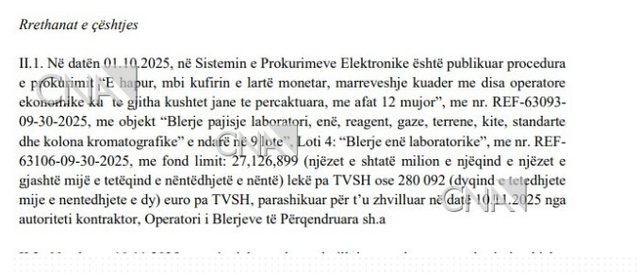
Official documents show that BionicTech's offer contained:
• technical dimensions smaller than the required minimums;
• lack of essential parameters (thickness, pores, detection limit);
• items without a catalog or without a manufacturer's technical sheet;
• products that do not actually exist in the manufacturers' official documentation.
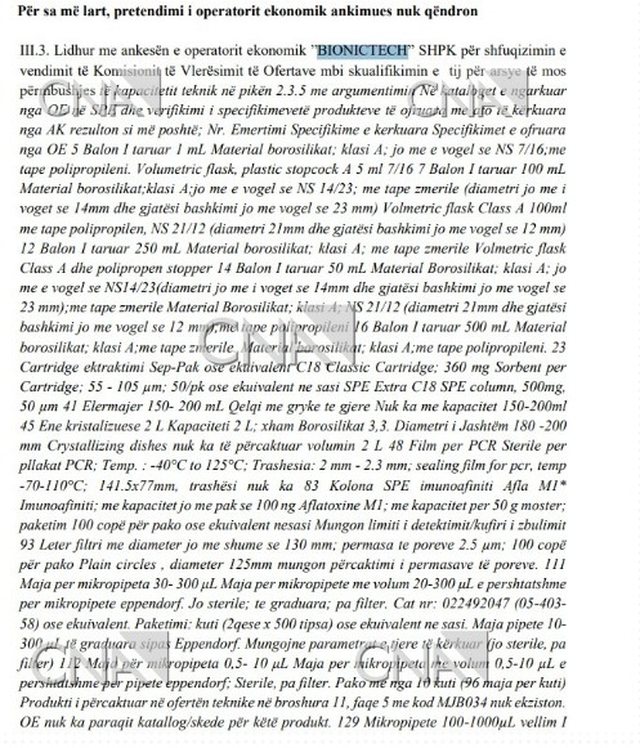
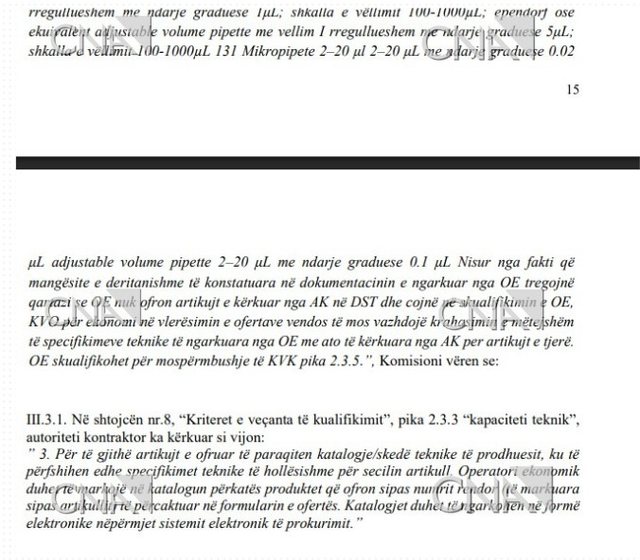
According to the Public Procurement Law, a bid is valid only if it fully complies with the Standard Tender Documents. However, the PPC has chosen to relativize these discrepancies, describing them as “differences that do not affect functionality.”
This justification is not found anywhere in the law. Technical specifications are not suggestions, but mandatory requirements. Any deviation from them renders the bid invalid.
Double standards and preferential treatment
While other economic operators have been disqualified for formal or documentary deficiencies, BionicTech has benefited from an unusual tolerance, even when the discrepancies are factual and documented.
This double standard violates:
• the principle of equal treatment;
• fair competition;
• the trust of economic operators in the public procurement system.
When the same institution applies different rules to different entities, a reasonable suspicion arises that the law is being applied selectively.
Abnormally low bid: the violation that the law does not allow
The favoritism of BionicTech becomes even more apparent in another procedure, developed by the National Food Authority, where the main issue is related to the abnormally low bid.
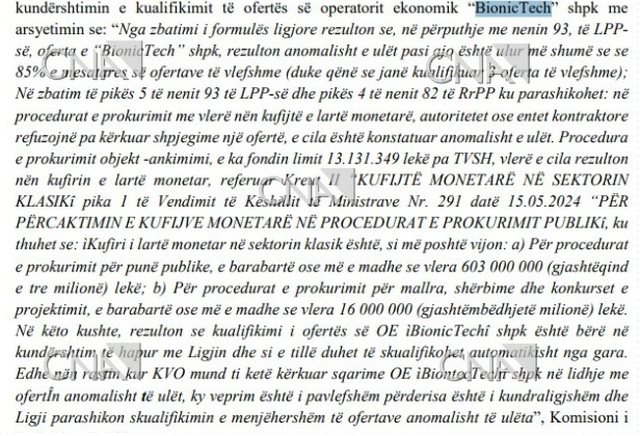
Sipas rregullave zyrtare të prokurimit publik, përllogaritja e ofertës anomalisht të ulët bëhet mbi shumatoren e çmimeve për njësi:
• Kur janë tri ose më shumë oferta të vlefshme, oferta konsiderohet anomalisht e ulët nëse është më e vogël se 85% e mesatares së ofertave të vlefshme.
• Në procedurat nën kufirin e lartë monetar, një ofertë e tillë refuzohet automatikisht, pa kërkuar sqarime nga operatori ekonomik.
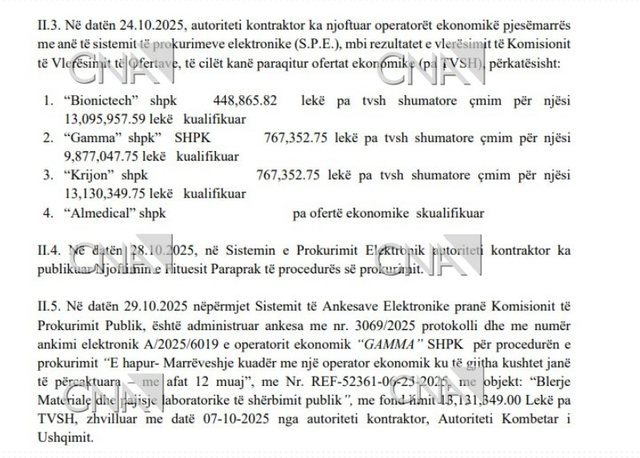
Në këtë procedurë, tre ofertat e vlefshme kishin shumatore çmimesh për njësi si më poshtë:
• BionicTech: 448,865.82 lekë
• Gamma: 767,352.75 lekë
• Krijon: 767,352.75 lekë
Mesatarja e ofertave rezulton rreth 661,190 lekë.
85% e kësaj mesatareje është rreth 562,000 lekë.
Oferta e BionicTech bie dukshëm nën këtë prag dhe, sipas ligjit, duhej të ishte skualifikuar automatikisht.
Procedura kishte një fond limit nën kufirin e lartë monetar, çka do të thotë se:
• autoriteti kontraktor nuk kishte të drejtë të kërkonte sqarime;
• KPP nuk kishte bazë ligjore për të justifikuar kualifikimin;
• skualifikimi ishte detyrim, jo zgjedhje.
Megjithatë, kjo nuk ndodhi.
Heshtje institucionale përballë shkeljes
Në vend që të korrigjonte shkeljen, KPP e ka legjitimuar kualifikimin e ofertës anomalisht të ulët të BionicTech, duke vepruar në kundërshtim të drejtpërdrejtë me ligjin dhe me rregullat që vetë institucioni ka miratuar.
Ky veprim nuk mund të justifikohet si gabim teknik. Kur një formulë matematikore e qartë nuk zbatohet dhe përfituesi është gjithmonë i njëjti operator ekonomik, kemi të bëjmë me një model vendimmarrjeje, jo me rastësi.
KPP jashtë rolit të saj ligjor
Në të dyja rastet, KPP nuk është kufizuar në kontrollin e ligjshmërisë së vendimeve të autoriteteve kontraktore, por ka hyrë në:
• rivlerësim teknik të produkteve;
• interpretim subjektiv të ekuivalencës;
• zëvendësim të kërkesave të autoritetit kontraktor me gjykimin e vet.
Kjo përbën tejkalim të kompetencave ligjore dhe e kthen KPP-në nga organ mbikëqyrës në një lloj “Komisioni Vlerësimi Ofertash”, rol që ligji nuk ia njeh.
Një precedent i rrezikshëm për sistemin
Rasti i BionicTech nuk është thjesht një konflikt mes operatorësh ekonomikë. Ai përfaqëson një precedent të rrezikshëm për sistemin e prokurimit publik, ku:
• specifikimet teknike relativizohen;
• ofertat anomalisht të ulëta tolerohen;
• ligji zbatohet në mënyrë selektive;
• besimi publik në institucionet mbikëqyrëse dëmtohet.
Nëse kjo praktikë vazhdon, prokurimet publike rrezikojnë të shndërrohen në procese formale, ku rregullat vlejnë për disa, ndërsa për të tjerët interpretohen sipas nevojës.
Pyetje që kërkojnë përgjigje publike
Why was a bid that the law considers abnormally low not disqualified?
Why were the technical specifications treated as indicative and not binding?
And why in both cases is the beneficiary the same economic operator?
The documents are public. The figures are clear.
What is missing is accountability./CNA

An article published on the "Jerusalem Post" portal to...
CNA denounced a few weeks ago an agreement signed between ...
An agreement between the National Business Center (NBC) an...

CNA ishte media e parë që publikoi përgjimet nga burgu i D...

In November 2025, CNA denounced another scandal where the ...
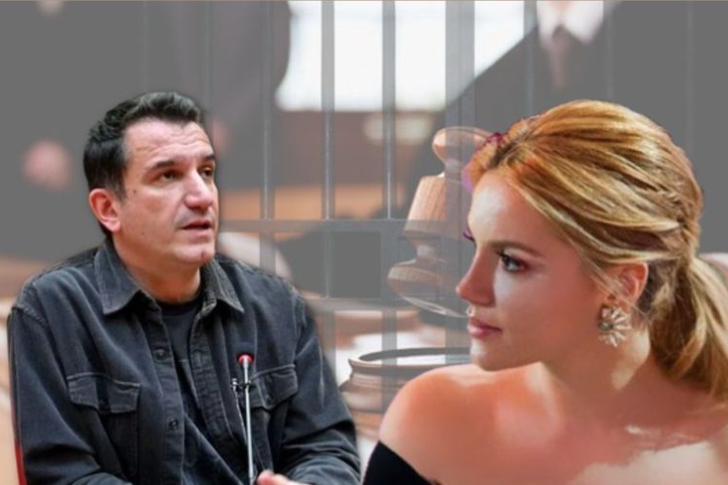
Following the arrest of Erion Veliaj, who is in Durrës pri...
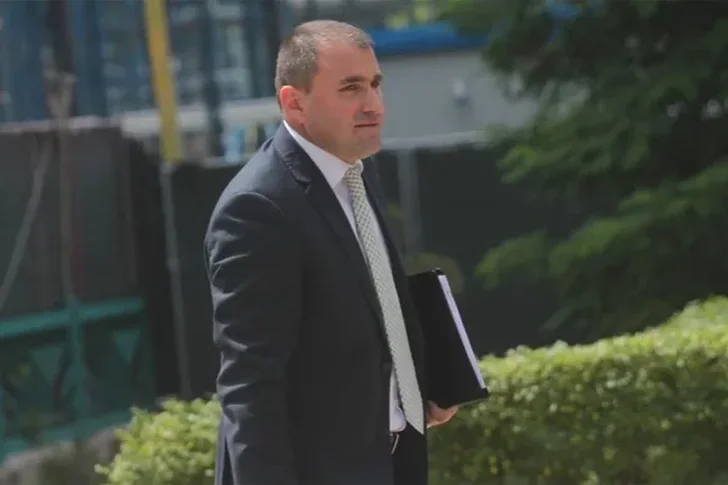
For years, CNA has been one of the media outlets that has de...

Through denunciations and investigations, CNA has brought ...
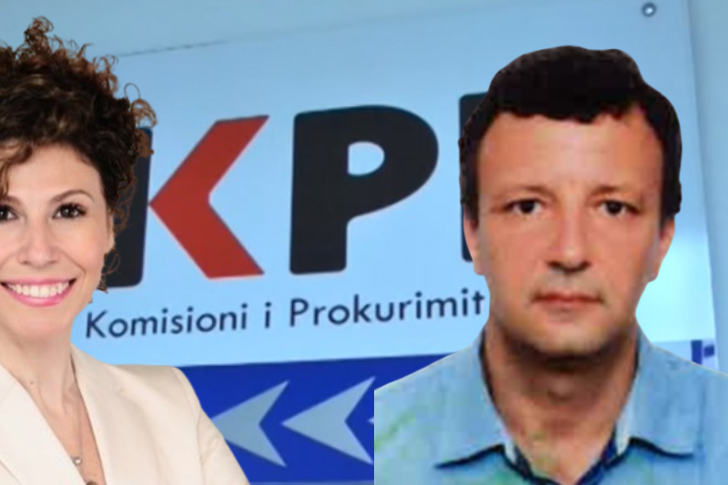
During 2025, CNA, through an investigation, discovered how...

One of the issues on which CNA shed light throughout 2025 ...
The lack of lighting in the streets and neighborhoods of P...
The damage caused to the state is not only the public prop...
Tonight, the show "Plug" with Flavio Qarri on Syri TV publ...
The show "Plug" by journalist Flavio Qarri on Syri TV repo...
Tonight on the show "Plug" with Flavio Qarri on Syri TV, i...

Tonight, the show "Plug" with Flavio Qarri on Syri TV has ...
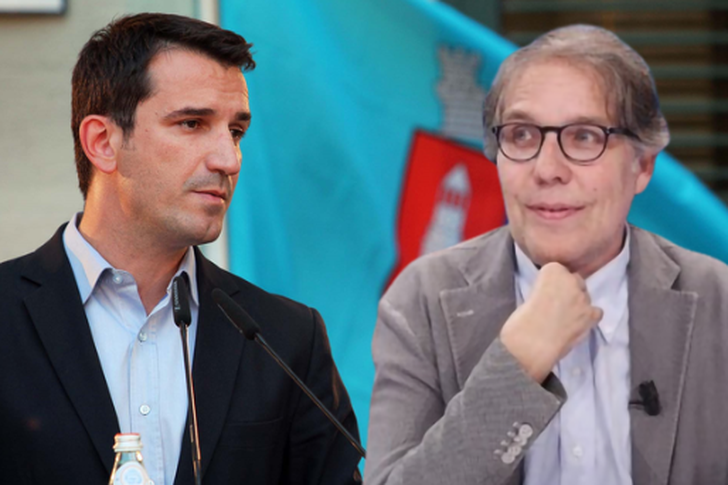
Since 2013, Carlo Bollino's name has been constantly invol...

CNA a day ago published exclusive material from the "Ballu...
CNA is exclusively bringing a portion of the messages ...
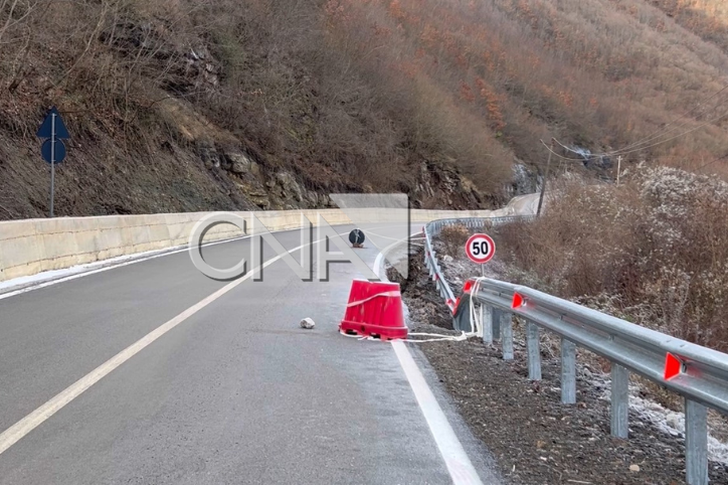
The Maliq–Lozhan i Ri–Strelcë road, completed only a short...
The next case broadcast on the show "Stop", this Thursday,...
The case published this Thursday, June 4, on the show "Sto...

The protests of recent days related to the situation in Zv...
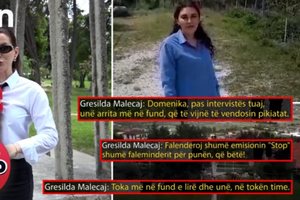
The case addressed this Wednesday, June 3, on the show "St...

The Special Board of Appeal (KPA) decided this Monday ...

The KPA vetting decided this Thursday to dismiss the p...

Suela Salavaçi, a prosecutor in the Prosecutor's Offic...

The Special Board of Appeal reinstated the prosecutor ...
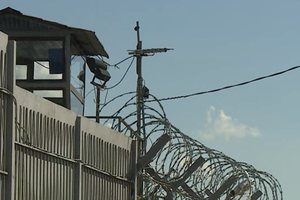
A convict was found dead today in the premises of the Pris...
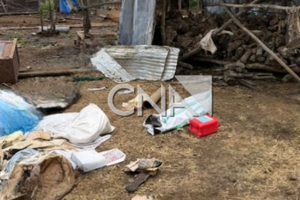
Several images provided by CNA show the area where this mo...

A quantity of explosive material exploded this morning at ...

The Head of the State Police, Skënder Hita, expressed his ...

For many children and teenagers, the long summer holidays ...
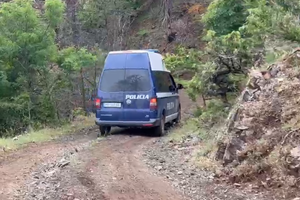
Witnesses in Lozhan, Maliqi, have shared details from the ...

Albania is facing an unprecedented demographic transition,...

On Thursday, our country will be affected by unstable weat...

Russian President Vladimir Putin said the war in Ukraine c...
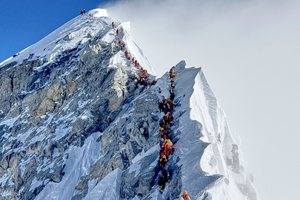
An extraordinary story of survival has been recorded in Ne...
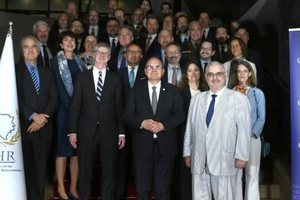
The Peace Implementation Council in Bosnia and Herzegovina...
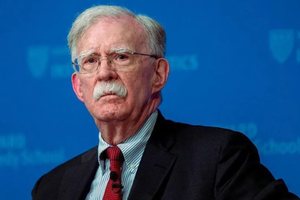
John Bolton, the former national security adviser to US Pr...

Korça is ready to open the summer season with one of the c...
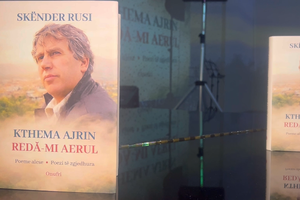
Two years after his passing, the renowned Korçë poet Skënd...
The Ethnographic Museum of Berat has opened its doors to v...
The story of Harilla Bakalli is one of the most chilling t...
The government aims to transform the country's industrial ...
Kursi i këmbimit të euros me lekun ka rënë më tej këtë jav...

Profit margins in the construction sector have increased s...

The Transparency Board, at its meeting today, decided to i...