

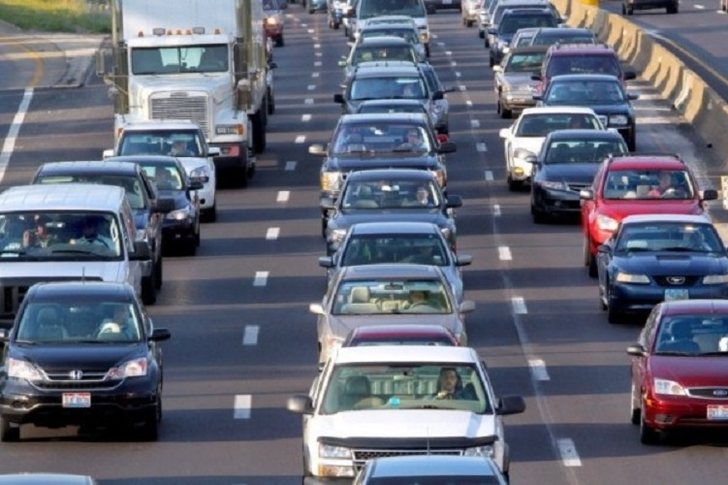
Car registrations fall again in May/ War curbs imports from South Korea and China
First-time vehicle registrations fell again in May, accele...


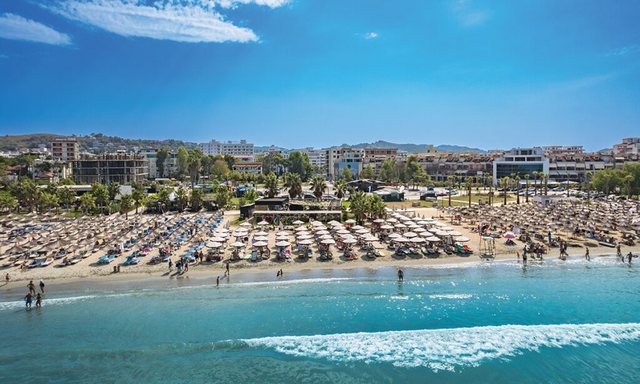
In the economic history of post-socialist Albania, few sectors have experienced such rapid and transformative growth as tourism in the last decade.
From a virtually unknown and “secret” Mediterranean destination in 2015, the country has transformed into a global phenomenon dominating international headlines. But while the year-end 2025 figures speak of a statistical triumph, behind them lies a complex reality that requires cold analysis: Is this growth model sustainable for the future, or are we heading towards a saturation that endangers our very assets?
The paradox of numbers: Quantitative growth vs. long-term value
Albania’s growth trajectory between 2015 and 2025 can be described as “explosive.” In 2015, Albania welcomed around 4 million international visitors, and by 2025, this figure will surpass a record 12.44 million tourists. This influx has made tourism a key driver of GDP growth and a magnet for foreign investment. However, this growth has not come without a cost.
Critical analysis of the sources shows that the Albanian model still suffers from seasonality, where flows are concentrated in a relatively narrow time window, creating an unbearable pressure on infrastructure and natural resources. Above all, the average expenditure per tourist remains relatively low, which suggests that we are importing volumes of people, but not maximizing the added value that remains in the local economy.
“Growth without governance” and the trap of declarative discourse
One of the sharpest criticisms emanating from the specialized literature is that of “growth without governance”. This term describes a situation where the expansion of the sector has occurred at a speed that has outpaced the regulatory mechanisms and management capacities of the state. Although Albania has formally embraced the UN Sustainable Development Goals (SDGs), their implementation on the ground seems to remain at a “declarative” level.
In strategic documents, sustainability is often mentioned as a priority, but when it comes to decision-making, absolute priority is given to quantitative indicators: the number of beds, building permits granted for accommodation structures and the number of border entries. This approach creates a “managerial ecology” where environmental protection and the well-being of the local community are seen as secondary to immediate economic growth. Critics and experts in the field argue that this neoliberal logic, which sees endless growth as compatible with sustainability, is a paradox that in the long run can damage the attractiveness of the destination.
Territorial Divergence: Mass Model vs. Local Authenticity
Nëse analizojmë territorin, Shqipëria po zhvillohet me dy shpejtësi. Nga njëra anë kemi Rivierën Durrësindhe Shëngjinin, të cilët janë kthyer në laboratorë të turizmit masiv. Këtu, urbanizimi i shpejtë, shpesh i pakoordinuar, ka krijuar presione të forta mbi ekosistemet bregdetare dhe menaxhimin e mbetjeve.
Pjesëmarrja e komunitetit në këto zona është shpesh minimale, duke çuar në një shpërndarje asimetrike të përfitimeve ekonomike.
Nga ana tjetër, zonat e brendshme si Berati, Gjirokastra dhe Korça po dëshmojnë lindjen e një modeli më premtues: agro-turizmin dhe turizmin kulturor. Këto iniciativa, edhe pse aktualisht mbeten “margjinale” në krahasim me volumin e bregdetit, tregojnë një rrugë tjetër drejt qëndrueshmërisë.
Ato fokusohen te ruajtja e trashëgimisë, punësimi lokal dhe përdorimi i produkteve të zonës, duke krijuar një lidhje më organike midis vizitorit dhe territorit. Sfida e madhe e viteve të ardhshme është se si këto modele suksesi të integrohen në politikat kombëtare për të transformuar modelin dominues të masës.
Gjithpërfshirja e aktorëve
Për të siguruar një zhvillim të balancuar, studiuesit dhe institucionet akademike duhet të ndërmarrin analiza të thelluara që e trajtojne destinacionin Shqipëri si një sistem kompleks, duke u fokusuar në treguesit e mirëqenies njerëzore dhe jo vetëm në performancën e shifrave.
Është e rëndësishme që kërkimi shkencor të ofrojë zgjidhje për kapërcimin e konfuzionit midis suksesit të sektorit si aktivitet ekonomik dhe integritetit mjedisor të territorit. Universitetet dhe institucionet e prodhimit të dijes dhe kërkimit duhet të shërbejnë si ura lidhëse për të shndërruar parimet e përgjithshme ndërkombëtare në udhëzues praktikë dhe të zbatueshëm, duke krijuar një bazë njohurish që ndihmon në menaxhimin e rreziqeve që vijnë nga flukset e pakontrolluara.
Në anën tjetër, sipërmarrja private duhet të diversifikojë portofolin e saj duke investuar në modele që vlerësojnë autenticitetin dhe trashëgiminë, duke u larguar nga përqendrimi vetëm në zonat bregdetare të mbingarkuara.
Ky ndryshim kërkon që biznesi të adoptojë kritere strikte të mbrojtjes së burimeve, duke u siguruar që zgjerimi i tyre të mos vijë në dëm të pasurive natyrore që i bëjnë ato tërheqëse në radhë të parë. Njëkohësisht, popullsia lokale duhet të jetë protagoniste në hartimin e planeve të zhvillimit, duke garantuar një gjithëpërfshirje sociale që siguron shpërndarjen e drejtë të fitimeve dhe mbron jetesën e përditshme nga efektet anësore të zgjerimit të shpejtë të industrisë
Civil society, through local associations and organizations, plays a critical role as a bridge to address low levels of community participation, challenging the “growth without governance” model that currently characterizes coastal areas. It is the main driver of “bottom-up” initiatives, such as agritourism, which demonstrate a higher compatibility with the protection of heritage and natural resources than national strategies oriented towards quantitative growth.
Furthermore, civil society must act as a critical observer to ensure that the integration of international frameworks, such as the SDGs, does not remain merely at a “declarative” level, but serves as a means to guarantee the well-being of local populations and the fair distribution of economic benefits.
Towards 2030: From volume to value
For entrepreneurs and investors in Albania, the period 2015–2025 has served as a test of strength. It is now clear that Albania has a “name” on the world map. However, relying only on quantitative growth is a risky strategy. To maintain success, the sector must move towards measurable quality indicators.
Sustainability should no longer be just a word in brochures, but an operational criterion: how to reduce environmental pressure, how to extend the season beyond the summer months, and how to ensure that tourism truly improves the lives of Albanian citizens. The future of the tourism business in Albania lies in the ability to protect those natural and cultural assets that made this country desirable in the first place. If we continue with the model of “growth at all costs”, we risk turning the “boom” of this decade into a distant memory of a lost opportunity./ Monitor.al

First-time vehicle registrations fell again in May, accele...
Journalist Bledi Kasmi has cast doubt on the direction and...
Deputeti i Partisë Mundësia, Erald Kapri ka folur mbrëmjen...
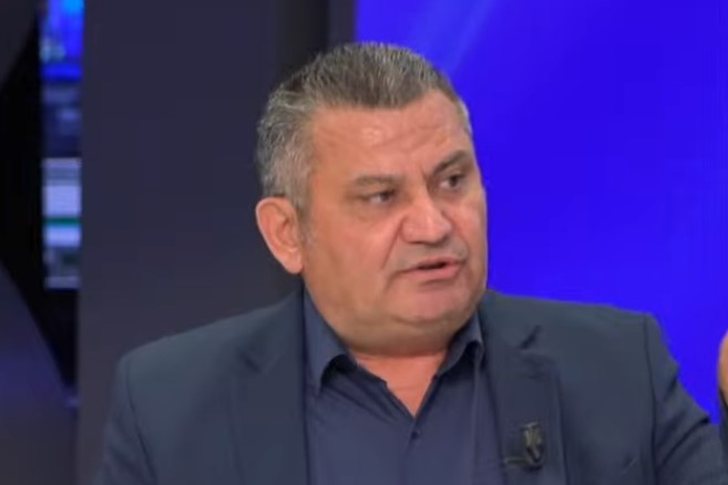
Journalist Mentor Kikia spoke this evening about the prote...

After about three hours of rallying in front of the Prime ...
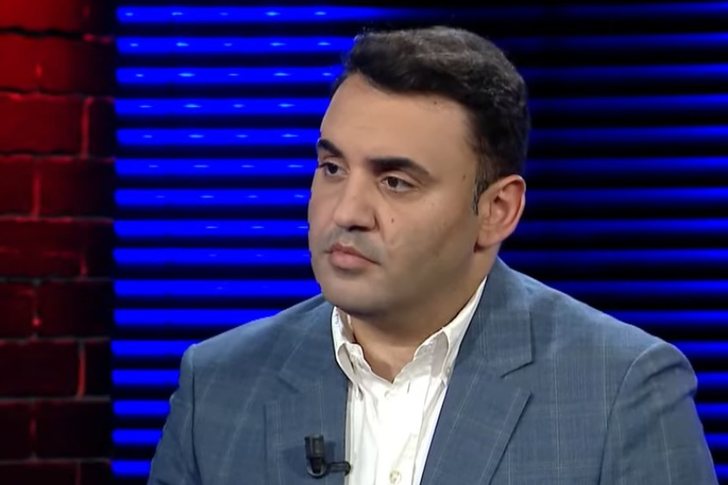
DP MP Belind Këllicci spoke this evening regarding the eve...

A protest has been going on in front of the Prime Minister...
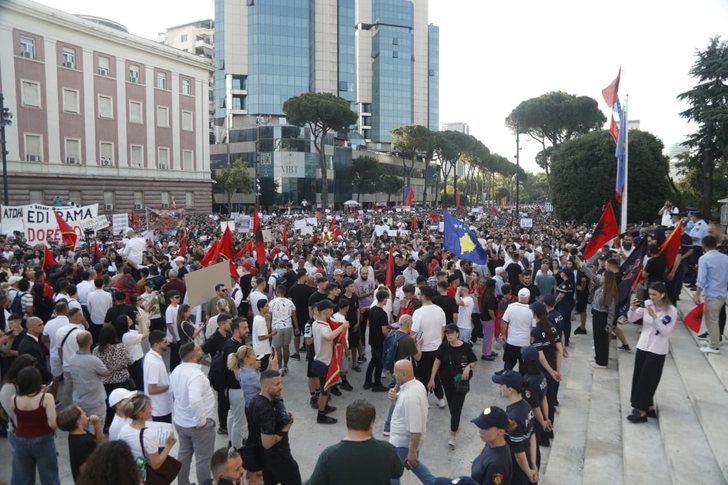
A protest in front of the Prime Minister's Office against ...
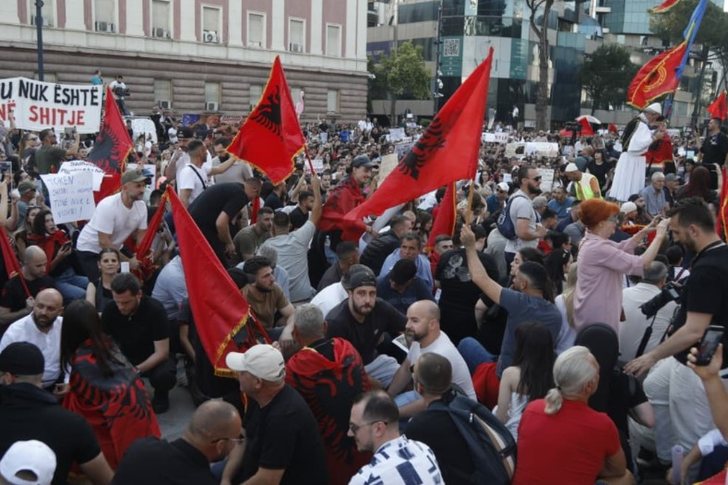
Prime Minister Edi Rama, through a status on the X platfor...
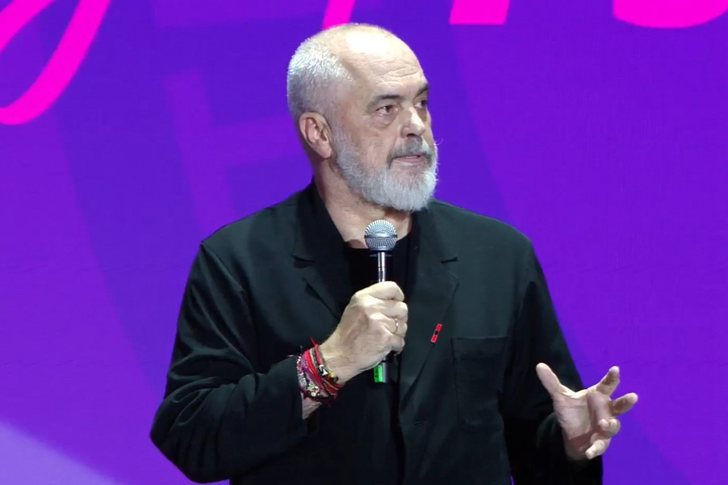
Kryeministri Edi Rama gjatë fjalës së tij në aktivitetin e...
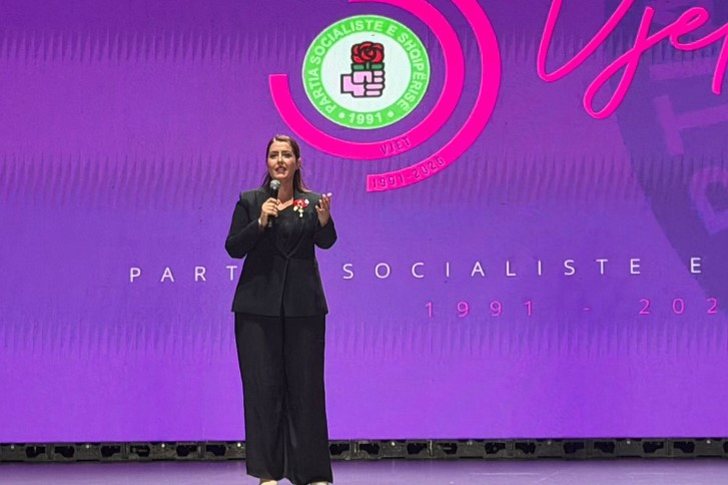
The Socialist Party celebrated the 35th anniversary of its...
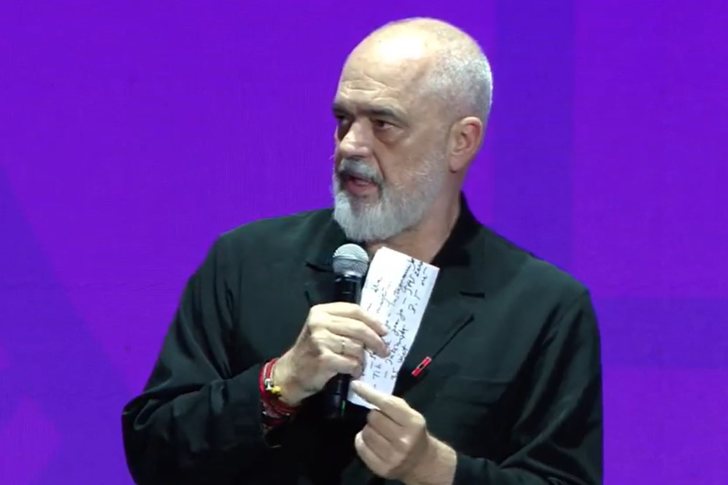
At the event for the 35th anniversary of the Socialist Par...

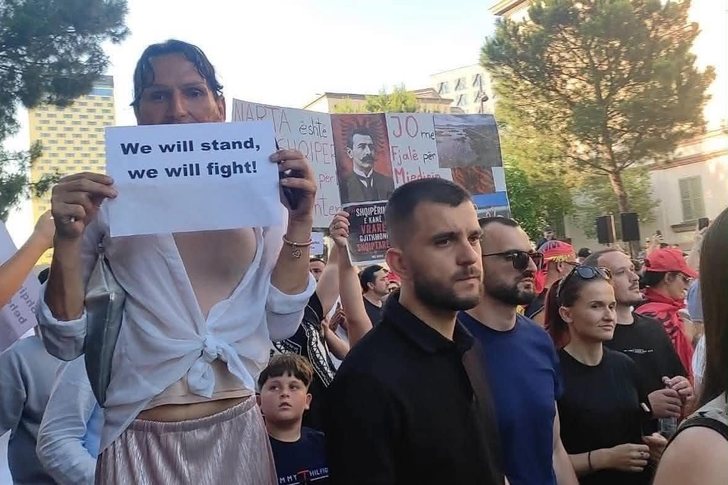
Today, the third consecutive protest against construction ...
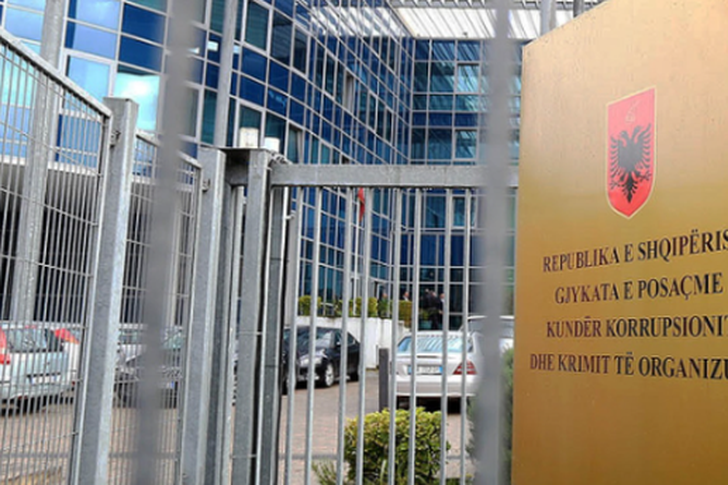
The Special Court against Corruption and Organized Crime h...
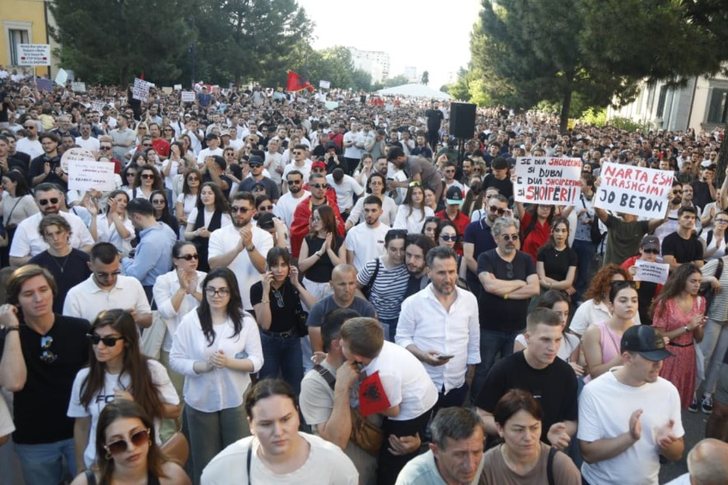
Clashes have begun over who is behind the organization of ...
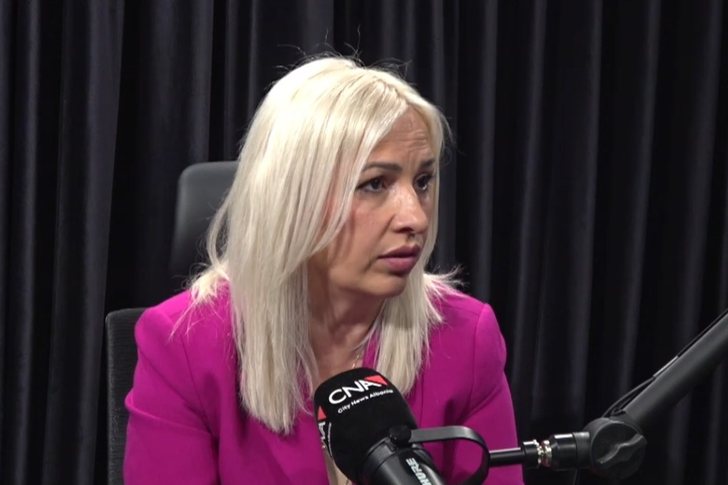
In today's episode of the podcast "Different, but together...
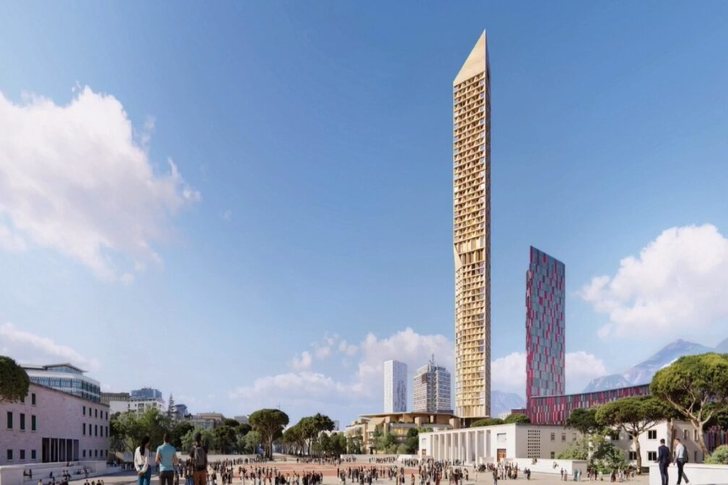
The winner of the international competition for the redeve...

Analyst Genta Kapllani spoke on the podcast "Differently, ...
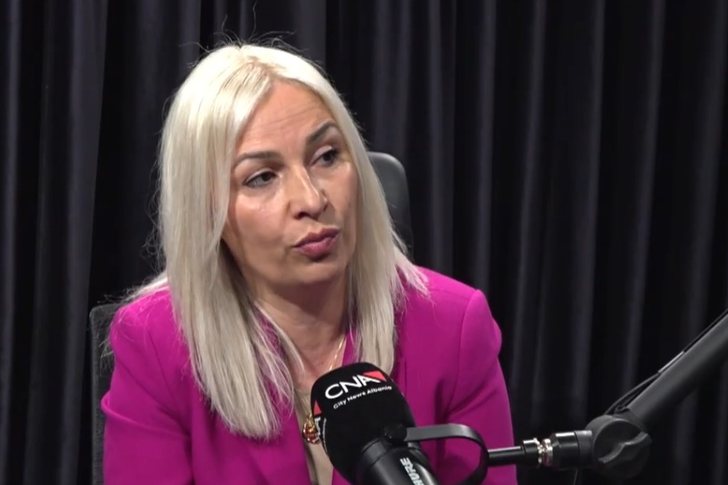
Behavior analyst Genta Kapllani spoke in today's episode o...

The next episode of the podcast "Different, but together" ...

CNA has launched another investigation that could lead to ...

Irfan Hysenbelliu is a businessman that we call "Irfan the...

In March 2026, CNA launched another investigation centered...
The arrested mayor of Tirana, Erion Veliaj, with 13 charge...

The Special Board of Appeal (KPA) decided this Monday ...

The KPA vetting decided this Thursday to dismiss the p...

Suela Salavaçi, a prosecutor in the Prosecutor's Offic...

The Special Board of Appeal reinstated the prosecutor ...

Footage emerges from the serious accident that occurred th...

A Shkodra traffic police officer was hit with hard objects...
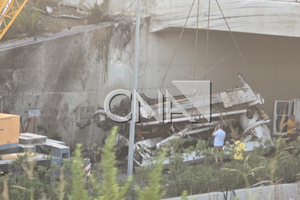
This Wednesday, around 4:00 PM, a serious accident occurre...

Tirana Police have shared details regarding the accident t...
On Thursday, our country will be under the influence of st...
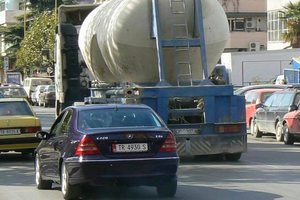
A serious accident that occurred this Wednesday with the c...

The Institute of Geosciences has shared a forecast for wea...
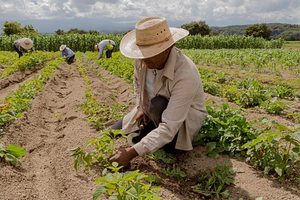
Rising energy and fertilizer prices are expected to contin...

Artificial intelligence (AI) models from the American comp...
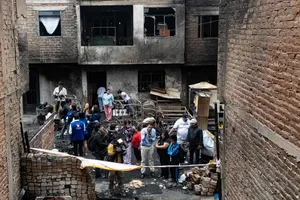
At least 10 people have died after a fire broke out in a h...
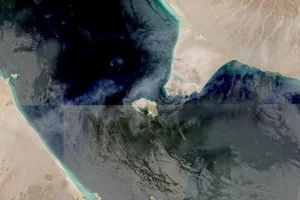
Yemen's Houthis have claimed to have attacked two Saudi oi...
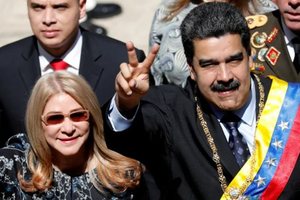
The trial of ousted Venezuelan President Nicolas Maduro on...

At a time when industrial products are increasingly taking...

Trust among people is not just a three-syllable word. It c...

Master of humor Todi Llupi has passed away at the age of 7...

The ninth edition of "MIK Festival" kicked off with one of...
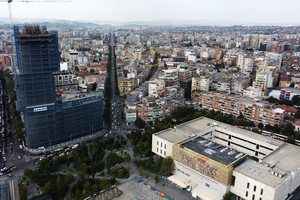
The average sale price of apartments in Tirana reaches rec...
This Thursday, one US dollar is bought for 81.5 lek and so...
The price of diesel reached 206 lek per liter from 198 lek...

Businesses will no longer be required to simply register t...