


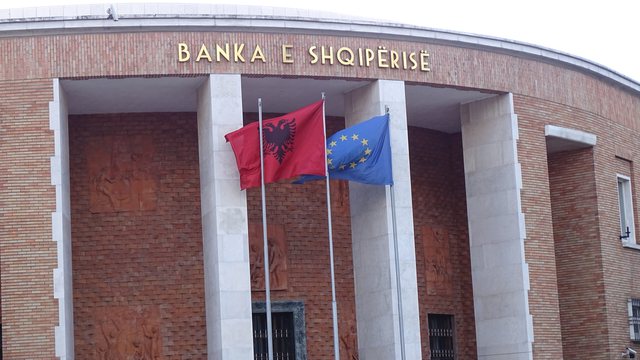
The Bank of Albania has reacted after the letter of President Bajram Begaj addressed to the Parliament, about the scandal with microloans.
The Bank of Albania informs that the measures taken by this institution were to protect the consumer.
Among the decisions of the Supervisory Council are mentioned the limitation of the amount of penalties forced to be paid by borrowers in arrears to no more than 30% of the total amount of the loan obligation, the establishment of a limit of the maximum interest rate, the removal of the payment of a penalty in case of early repayment of some of the loan categories.
"We take the opportunity to reiterate that credit contracts and relationships or disputes between creditors and customers are exclusive subjects of the Civil Code and the Code of Civil Procedure that prevail over any law or regulation of the Bank of Albania and as such are the exclusive subject of the judicial bodies . Also, the activity of the private enforcement service is not licensed or supervised by the Bank of Albania", says the reaction of this institution.
Full statement:
With the utmost appreciation for the concern of the President of the Republic and with the responsibility to inform the public accurately and correctly, the Bank of Albania finds it appropriate to reiterate that:
The Bank of Albania has always fulfilled its constitutional mission: maintaining price and financial stability in the country. This achievement has been systematically evaluated by the highest local authorities, as well as materialized both in the Annual Resolutions of the Assembly of Albania, as well as in the public positions of our international partners, such as the International Monetary Fund, the World Bank, the European Commission, etc.
With our measures and actions over the years, we have contributed to Albania successfully coping with the consequences of a series of financial crises, we have enabled the non-performing loan to decrease 5 times within the last decade, settling at the lowest historical levels, we have radically improved the regulatory framework in the function of consumer protection, making loan interest rates decrease by 3 times within the last 3 years, but above all, we have guaranteed the financial health of the country, keeping the savings of millions of citizens safe.
The legal mandate of the Bank of Albania is to maintain price and financial stability of the country. In this function, the Bank of Albania's decision-making to manage the risk of non-performing loans in the banking system, has been and remains vital to maintain the stability of the system and above all to protect depositors from the risk of losing deposited amounts in the event of a shock of the banking and financial system, from the risk of non-return of loans received from consumers or commercial companies.
For this purpose, in September 2015, the "National Plan for the reduction of problem loans" was approved, which was signed by the Prime Minister of Albania and the Governor of the Bank of Albania and defined a series of tasks for government institutions and the Bank of Albania . One of the tasks of the Bank of Albania was the licensing of companies that would be engaged in the purchase and administration of problem loans, a solution which found full support in the provisions of the Civil Code.
This activity was already carried out by some entities licensed by the Bank of Albania, which, in addition to lending, could buy portfolios of problem loans, since the license they enjoyed did not prevent this transaction. According to the regulatory provisions, the lending activity has at any moment also included the purchase of problem loans, so at any time, any subject licensed by the Bank of Albania for lending could also buy portfolios of problem loans from banks or non-banks.
The regulation made by the Bank of Albania in 2016 did not affect the licensing aspect of entities already equipped with a lending license, but made it possible for the activity of purchases of only problem loans to be framed within the regulatory requirements of the Bank of Albania (reporting, supervision etc.).
In terms of licensing, this regulation brought change only for new institutions that could enter the market, whose portfolio would consist 100% of non-performing loans only.
These changes, in addition to the fact that they were a task left by the "National Plan for the reduction of problem loans" of 2015, came as a necessity also for the reasons that:
- the loan is a financial product and the transfer of this product must be made to entities licensed by the Bank of Albania;
- it is mandatory to fulfill the regulatory requirements for reporting data in the Credit Registry in order not to penalize citizens to meet their credit needs;
- risk management through on-site inspections and external analyses, as well as periodic reports to the Bank of Albania are of high importance;
The Bank of Albania pays maximum attention to the consumer in terms of transparency, protection from abusive activities and mediation in the handling of borrower complaints.
So, the Bank of Albania, in no case, has neither allowed nor created illegality, but has only further improved the supervisory regulatory framework for the purchase of problem loans. On the other hand, this was a format proposed and strongly supported by international partner institutions to address this phenomenon, IMF and WB. This fact was reconfirmed by the International Monetary Fund itself, in their most recent official statement, when asked directly about this issue, we quote: "...It is a publicly known issue that the analyzes within the program supported by the IMF in 2015 and 2016 identified high levels of non-performing loans as an element of vulnerability for the banking sector. In this context, the IMF approved the Albanian authorities' 2015 action plan to reduce non-performing loans. This plan, among other things, gave the Bank of Albania the mandate of licensing and supervision of problem loan management companies, taking into account their connection with the banking system. ...".
The Bank of Albania, in compliance with all regulatory criteria and full compliance with legal requirements, based on in-depth risk analysis, as well as with the assistance of international partners and the cooperation of institutions in the country, licensed the entities that fully complied regulatory criteria.
In the following, during the entire period of activity of these companies, the Bank of Albania has exercised its supervisory function with full professionalism, in compliance with legal and regulatory obligations. From the moment of licensing, all these entities have been subject to periodic inspections by the Bank of Albania, and specifically, continuous external inspections, full and partial examinations, as well as 3-month monitoring of reported statements and financial indicators. from them.
Throughout this process, the Bank of Albania has taken appropriate supervisory measures whenever necessary, which, in the most recent cases, have escalated to the complete revocation of the license of entities that, during the exercise of the activity, had violated the defined regulatory obligations from the Bank of Albania.
On the other hand, materialized in the decision-making of the Supervisory Council of the Bank of Albania, a series of institutional initiatives have been undertaken, which have directly affected consumer protection, such as:
- limiting the amount of penalties forced to be paid by defaulting borrowers to no more than 30% of the total amount of the remaining loan obligation;
- establishing a maximum interest rate limit;
removing the payment of a penalty in case of early repayment of some of the loan categories;
- removal of the fee for obtaining the borrower's report from the Credit Register administered by the Bank of Albania for borrowers; etc.
Meanwhile, with the assistance of the World Bank, work is being done on the review of the supervisory regulatory framework, with a particular focus on consumer protection in the activity of non-bank financial entities.
At the same time, the Bank of Albania has continued to seriously examine and assist any complaint against the entities supervised by it. What has dominated during this process is the fact that the largest number of complaints received by the Bank of Albania from the clients of these companies is related to the mandatory execution process. This fact is confirmed even today, when a dedicated working group within the Bank of Albania is handling the complaints of borrowers of financial institutions whose license has already been revoked.
In this context, the Bank of Albania has no competence to order the prohibition/suspension of the processes of execution of obligations, as this is a competence that is recognized by law only to the competent court. The legal authority of the Bank of Albania ends the moment a court decision is made and an execution order is issued to recover the unpaid loan. Any process beyond this moment (auctions, imposition of seizures or any other procedural action undertaken by the enforcement company) is outside the legal powers of the Bank of Albania and cannot be followed or regulated by it. We take the opportunity to reiterate that credit contracts and relationships or disputes between creditors and customers are the exclusive subject of the Civil Code and the Code of Civil Procedure that prevail over any law or regulation of the Bank of Albania and as such are the exclusive subject of the judicial bodies.
Likewise, the activity of the enforcement service, whether organized as a state or private service, is not licensed or supervised by the Bank of Albania. As a result, the activity of the enforcement service is not subject to the control of the Bank of Albania and the Bank of Albania has no authority to intervene.
Having said the above, we wish to assure the public and declare with full responsibility that the Bank of Albania, in fulfillment of its legal duties, has continuously exercised, with precision, professionalism, integrity and focus on consumer protection, all its supervisory functions and regulatory, within all the spaces attributed to it by the laws in force. The function of the Bank of Albania is to supervise and regulate that part of the financial market within the limits recognized by law, as well as to address unwanted phenomena with comprehensive solutions at the systemic level, finding the best possible balance between maintaining financial stability and consumer protection.
However, the Bank of Albania has been attentive to the problems that accompanied this part of the process, despite being beyond its jurisdiction. In order to solve them, the Bank of Albania continues to cooperate with the Ministry of Justice and has continuously addressed these issues in all communications with the National Chamber of Bailiffs, as well as with the Albanian Association of Banks.
Specifically, we had written communications and continuous meetings. We requested the establishment of joint working groups. We requested the exchange of information whenever findings of different natures were found by an institution that affected this process. Furthermore, we have continuously requested official confirmation from the legislative bodies on possible investigations/proceedings of these entities or their shareholders/administrators.
In addition to the above, the Bank of Albania has continuously suggested coordinated actions for an inherent improvement of this entire process. By their very nature, these actions require the involvement of other parties.
Specifically, we have judged and judge that it is necessary to make changes in:
- The Code of Civil Procedure for the regulation of all procedural actions of bailiffs during the execution of executive titles;
- Drafting, in cooperation with the World Bank, of a special law for consumer protection in the activity of non-bank financial entities;
- The translation into laws of the regulatory changes undertaken by the Bank of Albania, on the setting of ceilings for penalties and interest rates;
- The transformation of all non-bank financial entities into joint-stock companies, in order to increase internal control and organize 2-level management;
- Accounting registration of only the principal and interest in the case of the purchase of portfolios, at least until the determination of legal ceilings for interest rates;
Based on the decision of the Constitutional Court, the drafting of a special law on legal interest for consumer and mortgage loans.
For all of the above, the Bank of Albania has continuously exercised its obligation to be accountable to the Parliament of Albania, through: detailed explanations given during the hearings called specifically for this issue by the Economy and Finance Commission, periodic reporting of the annual activity of the Bank of Albania before this Commission but also in the Plenary Sessions, the publication of the Annual Supervision Report, the provision of complete information to all institutions, as well as the response to media interest whenever requested and deemed necessary.
Today, millions of Albanians have entrusted the banking and financial system with about 16 billion euros, a system over which the Bank of Albania constantly monitors, so any misinformation about the role and functions of the Bank of Albania risks damaging the reputation of this institution, which has always received maximum evaluations from partners and prestigious international institutions. But above all, referring again to the latest official statement from the International Monetary Fund, we quote: "...Also, we want to add that maintaining the independence of the Bank of Albania is a key factor for maintaining price and financial stability..." damage to the reputation constitutes a very serious risk on financial stability and stability in the country!
In any case, the Bank of Albania has cooperated and will continue to cooperate closely with all justice bodies, to clarify and clarify every aspect of its role. At the same time, we remain open to provide all necessary input, information, and clarifications, considering full transparency and accountability to all parties, especially the public, a key element of its credibility and very important in fulfilling one from its legal mandates, that of the country's financial stability.

Germany is constantly looking for qualified foreign pr...
Former Minister for Europe and Foreign Affairs, Ditmir...
Albania has won another case in international ICSID arbitr...
The Association of Journalists of Albania raised the a...

The Institute of Political Studies (ISP) has made a report...

Evi Kokalari, who is also known by the names Evis Koka...

The Tirana Football Club and its President, Refik Hali...
Waste management in Albania shows the rotten and corru...
After the denunciation made by the member of the leadershi...
From August 1, the centers for the reception of immigrants...
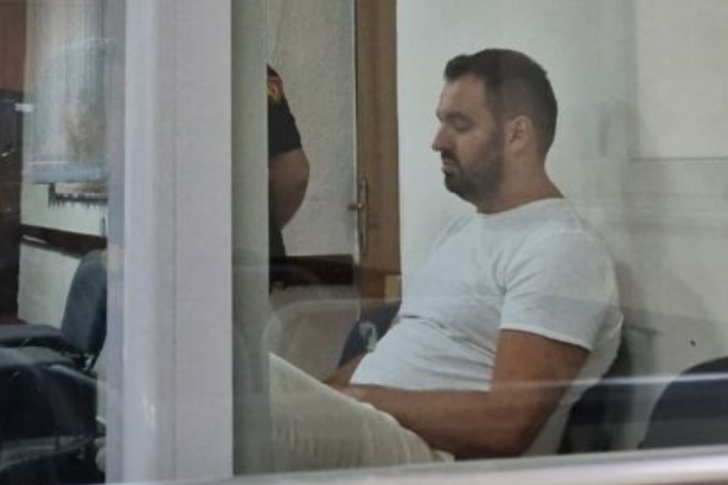
Here is another blatant case. The stalker of women Ald...
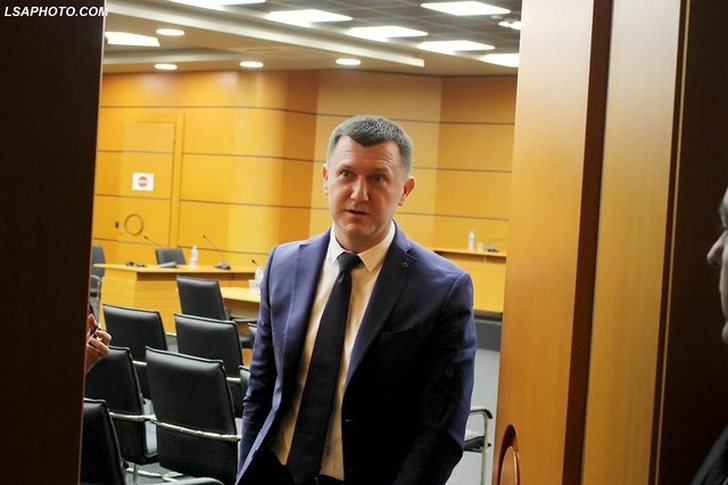
Is he incompetent, is he corrupt, has assets unjustly ...
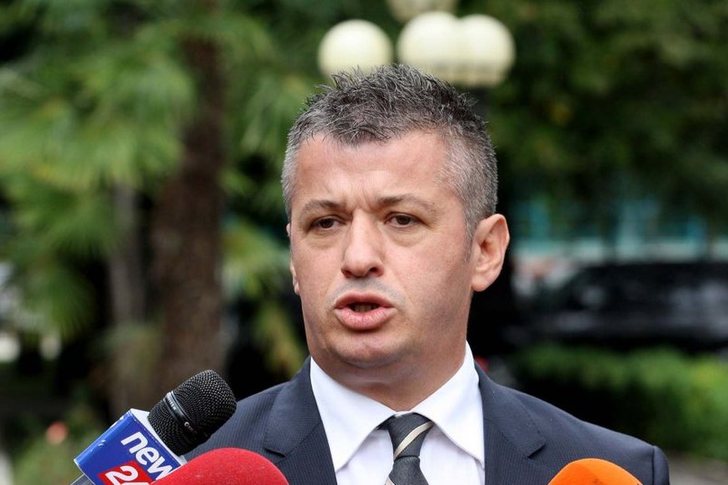
The Association of Journalists of Albania has come out...

On Thursday, by order of SPAK, an action is taking pla...
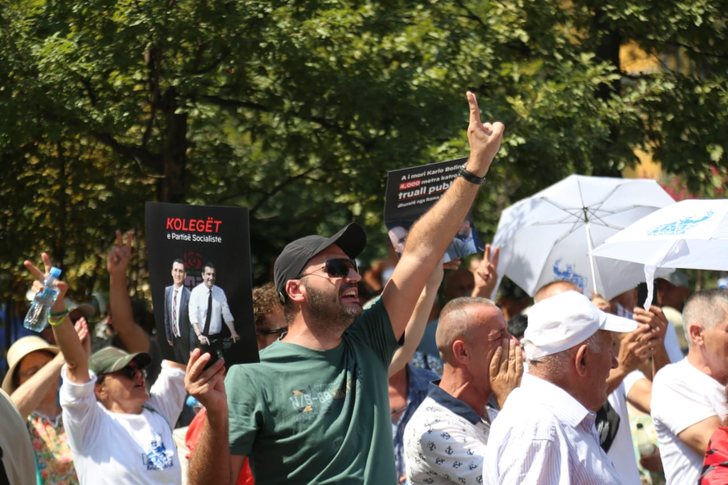
Today's protest in front of Tirana City Hall, the 19th...
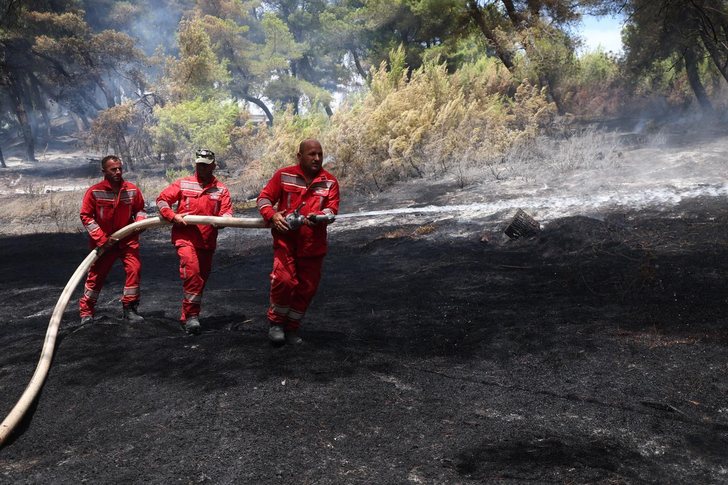
The Ministry of Defense announces that 33 fires have b...

A few minutes ago, protests started in front of the Mu...

The 19th protest starts in front of the Tirana municipalit...
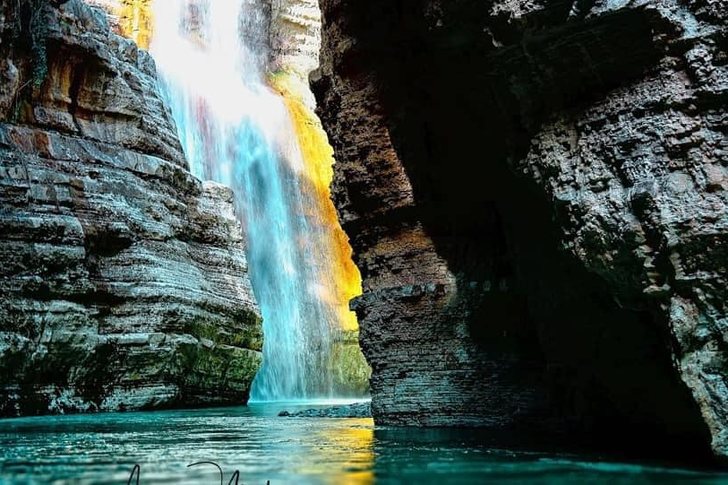
Osum's canyons are a gem of nature and a tourist destinati...
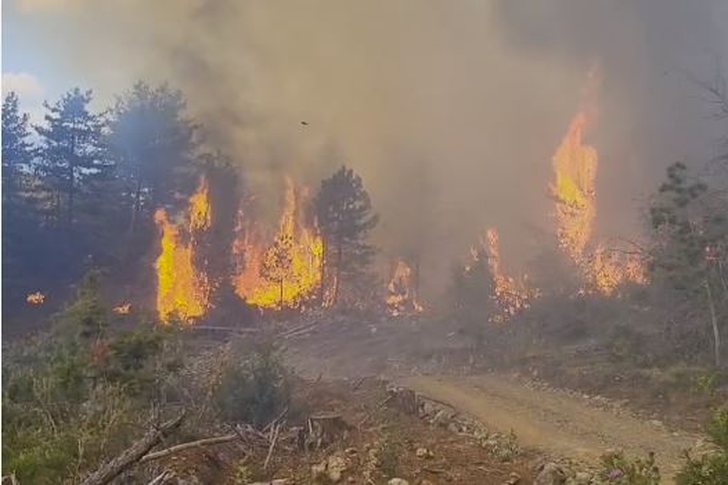
The fire is still active in the Bode-Gorë forest area. 27...

CNA has launched another investigation that could lead to ...

Irfan Hysenbelliu is a businessman that we call "Irfan the...

In March 2026, CNA launched another investigation centered...
The arrested mayor of Tirana, Erion Veliaj, with 13 charge...

The Special Board of Appeal (KPA) decided this Monday ...

The KPA vetting decided this Thursday to dismiss the p...

Suela Salavaçi, a prosecutor in the Prosecutor's Offic...

The Special Board of Appeal reinstated the prosecutor ...

A road accident occurred this evening on Nikolla Zoraqi St...

Three people were shot and wounded in Elbasan last night b...

A serious incident occurred this Tuesday in the Yrshek are...

An accident occurred this Tuesday on "Dituria" street in K...
All of Southern Europe will face changing weather conditio...

Albania was hit by temperatures significantly higher than ...

For the first time, Pogradec welcomed the Inter-Lake Chess...

Albania has achieved a record for the employment of foreig...

US Secretary of State Marco Rubio arrived in Manila on Jul...

In the space of a few days, Ukrainian President Volodymyr ...

The spokesman for the Iranian Foreign Ministry warned Bulg...

Autoritetet italiane sekuestruan pako me afër 800 kilogram...

At a time when industrial products are increasingly taking...

Trust among people is not just a three-syllable word. It c...

Master of humor Todi Llupi has passed away at the age of 7...
The ninth edition of "MIK Festival" kicked off with one of...

Construction company licenses will have a validity period ...
The Centralized Purchasing Operator recently opened a tend...
The new draft law "On the Bank of Albania" provides that t...

This Tuesday, one US dollar is bought for 81.2 lek and sol...