


Businessman Artur Shehu breaks his silence: I am a long-time land owner in Zvërnec, I don't know the investors at all
Albanian businessman Artur Shehu spoke on the Opinion show...

Albanian businessman Artur Shehu spoke on the Opinion show...

November 22, the Day of the Alphabet of the Albanian Language, is an official holiday.
"November 22 represents the greatest unifying moment of the Albanians who are scattered in almost all the countries of the Balkans, are represented in all the monotheistic religions, but what has united them and continues to unite them is the language and the fact that in the Congress of the Monastery chose to write and identify themselves in this beautiful and holy language with the Latin alphabet", said the Minister for Europe and Foreign Affairs at the beginning of 2024, when it was proposed that this date to become an official holiday.
116 years after the Alphabet Congress, which was an academic conference in the city of Monastir, which today is known as the "Congress of Monastir", Albania is taking steps behind, risking the increase of illiteracy in the country.
Data from the World Bank show that not only is the number of people enrolled in primary schools falling significantly, but it is also among the lowest in Europe.
In 2023, the Gross Primary School Enrollment Rate in Albania dropped to 93.7%, from 105.4% in 2017, marking a sharp decline following the pandemic.
This means that those enrolled in primary school (regardless of age) were almost 94% of the 6-12 year old population. This is the lowest level on record since 1976, when the World Bank reports the data. According to the World Bank definition, “The gross enrollment ratio is the ratio of all those registered, regardless of age, to the population of the age group that officially corresponds to the indicated level of education.
Primary education provides children with the basic skills of reading, writing and mathematics together with a basic understanding of subjects such as history, geography, natural sciences, social sciences, art and music".
The indicator has not only fallen relative to itself, but it is already the fifth lowest in Europe. Romania has the lowest level of gross enrollment in primary education in Europe (84.9), followed by Bosnia-Herzegovina (87.2), Ukraine (92.8), Malta (93.5).
Education is the basis of development of any nation. The more educated, the more chances a country's economy has to grow, advance in terms of technology and innovations, improving the well-being of its citizens and guaranteeing sustainable development for generations.
The deterioration of this indicator, according to experts, is related to several statistical and behavioral factors. First, the emigration of families that have children in compulsory education as well as those of secondary education age, while they continue to appear in civil status registers. Meanwhile, a greater deterioration of schooling indicators is observed, not only in secondary education, but also in compulsory education, for girls.
The data show that there is a risk of increasing the number of young people who have not even completed compulsory education, which will lower the average level of education in the country. This could lead to an increase in the number of illiterates in the country, especially the low-income and poor, as well as widening the education gap between urban and non-urban areas.
Not only enrollment in primary schools that provide basic training has fallen, but also the quality of teaching has fallen, as shown by the latest results of the international Pisa test, where Albania had the highest decline in the world./ Monitor Magazine


Today, what is known as the first level of control of judg...
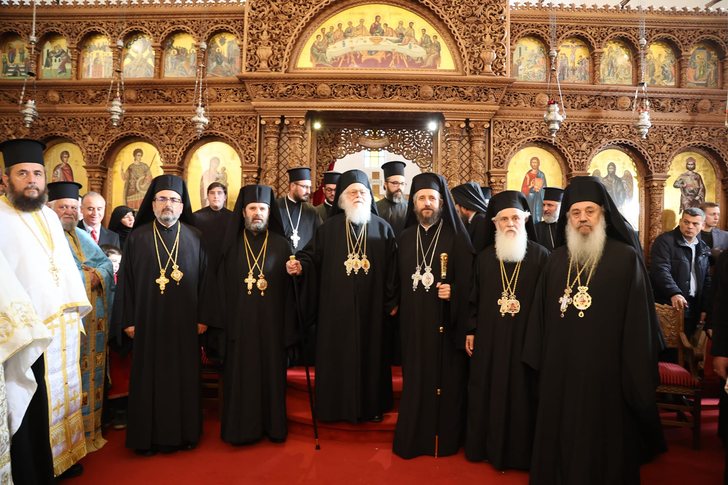
His Grace Asti was enthroned this Thursday as the Metropol...
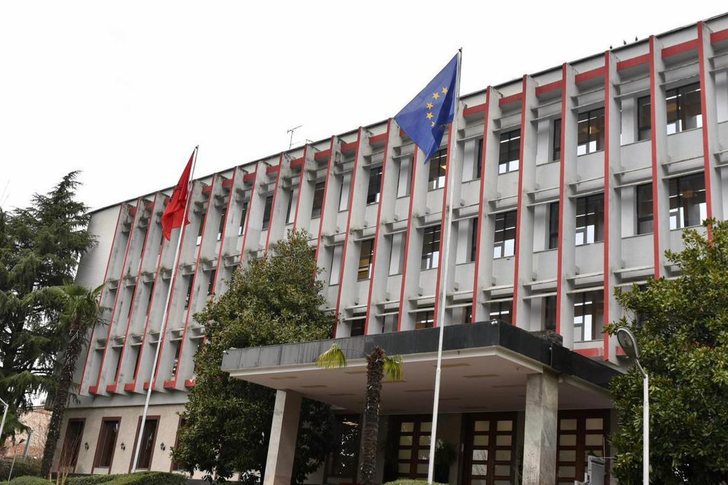
The Foreign Ministry of Albania has come out with a st...
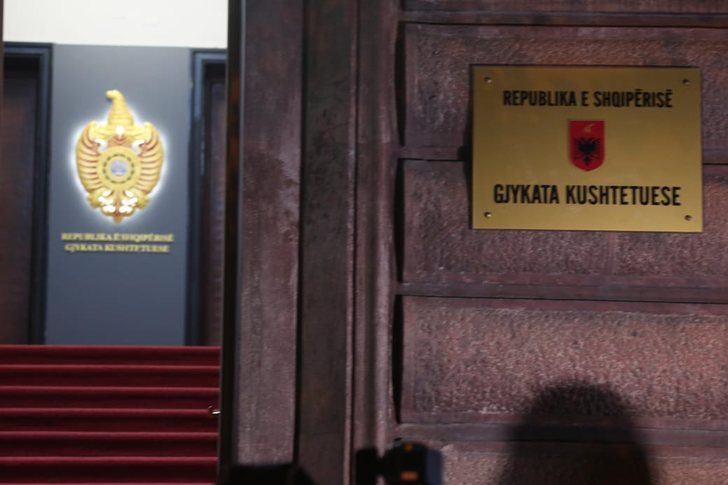
The Constitutional Court has announced the decision on...

Albania has become part of the unique European payment...
After a few months of slowdown, asylum applications have s...
In the district of Korça, the situation remains alarmi...
The head of SPAK, Altin Dumani, will be invited to a telev...
Prime Minister Edi Rama was present at the National Assemb...
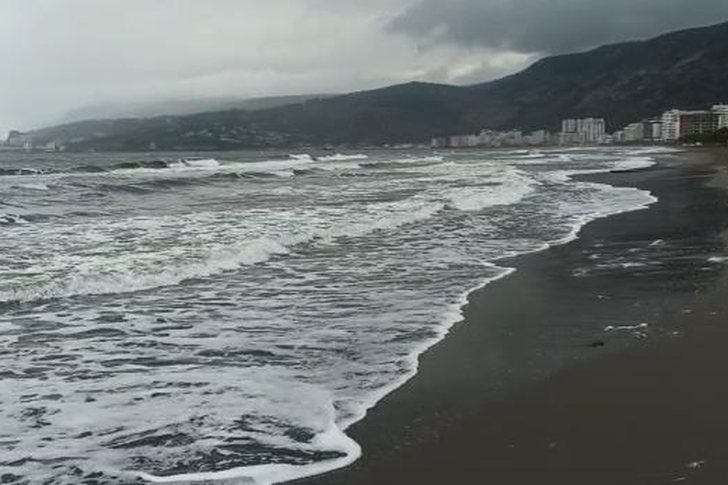
As a result of the bad weather that has affected the whole...
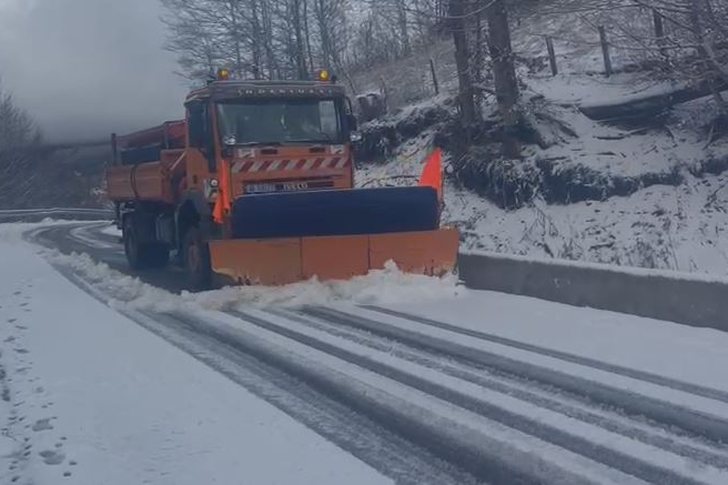
The country has been affected by bad weather, which has br...
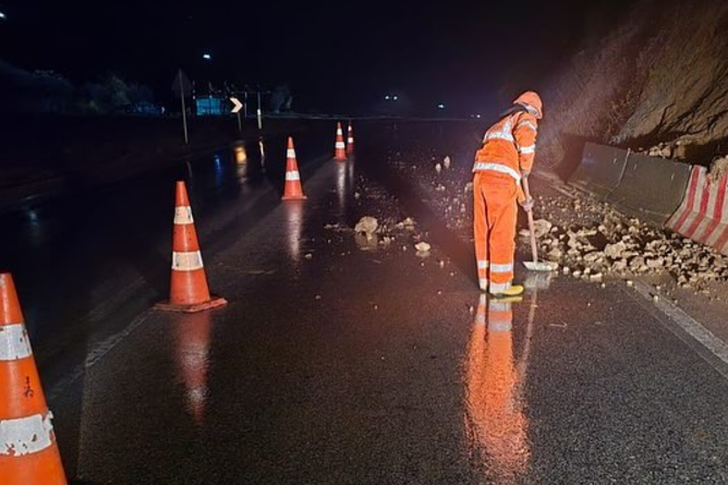
Bad weather has engulfed the entire country. During the ni...
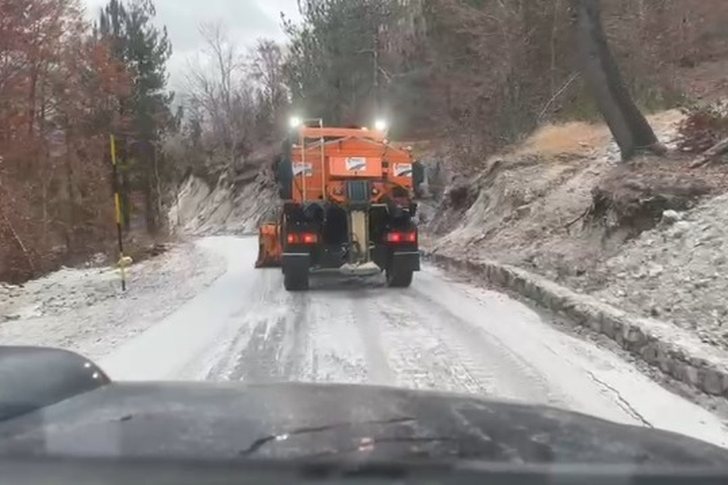
Heavy rains and strong winds at night have caused prob...

Today we are introducing you to some of the main press hea...
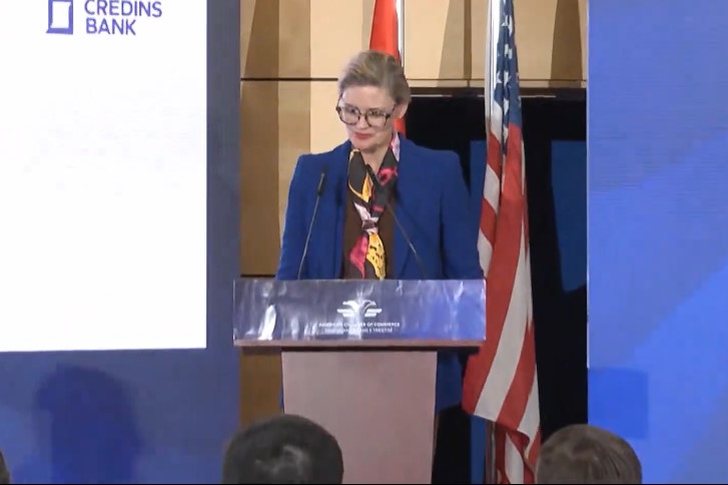
Chargé d'affaires of the US Embassy in Tirana, Nancy V...

This Wednesday, Insidor Rexhepi was appointed director...
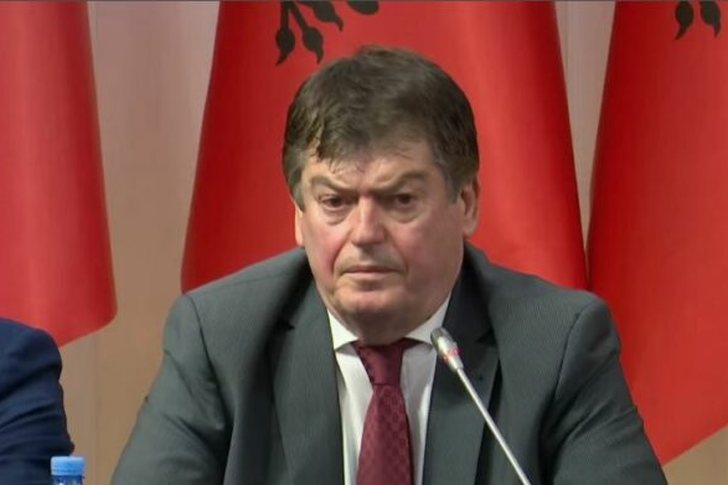
Former president Bamir Topi reacted this Wednesday reg...
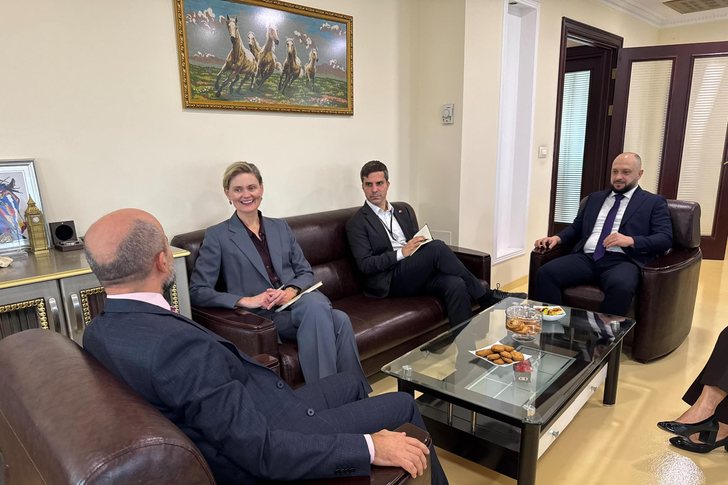
At the American Hospital 3, Mrs. Nancy VanHorn Chargé d'Af...
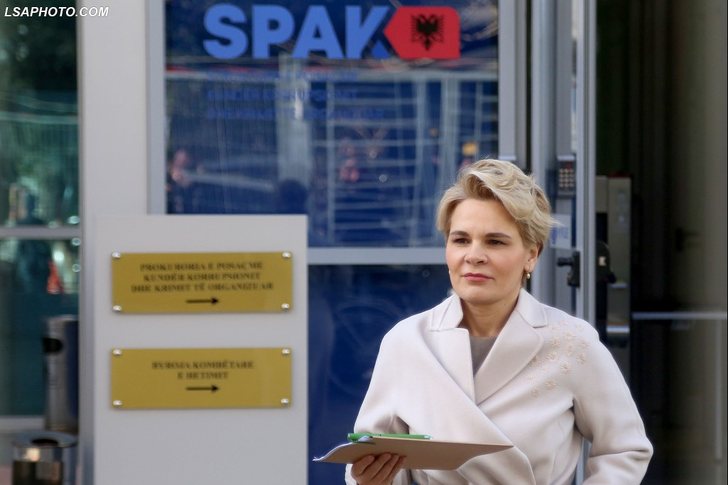
At the request of the SPAK, the Special Court has impo...
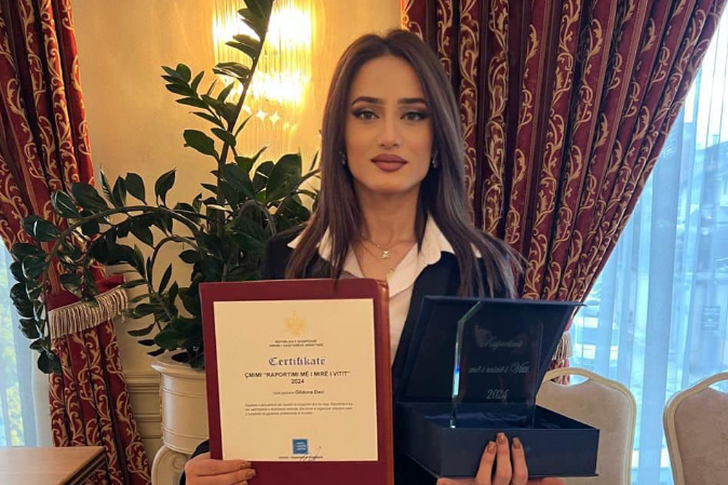
Journalist Glidona Daci has been honored with the "Bes...
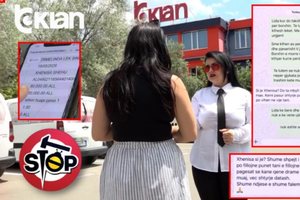
The next case broadcast on the show "Stop", this Thursday,...
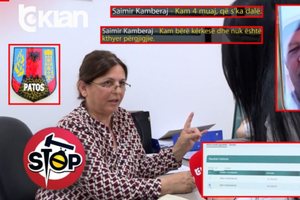
The case published this Thursday, June 4, on the show "Sto...

The protests of recent days related to the situation in Zv...
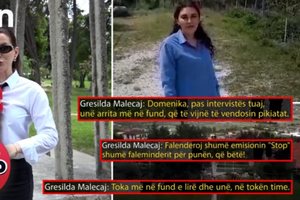
The case addressed this Wednesday, June 3, on the show "St...

The Special Board of Appeal (KPA) decided this Monday ...

The KPA vetting decided this Thursday to dismiss the p...

Suela Salavaçi, a prosecutor in the Prosecutor's Offic...

The Special Board of Appeal reinstated the prosecutor ...
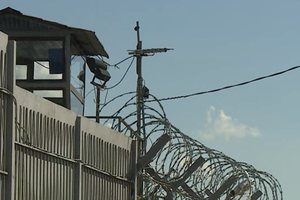
A convict was found dead today in the premises of the Pris...
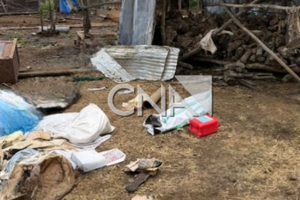
Several images provided by CNA show the area where this mo...
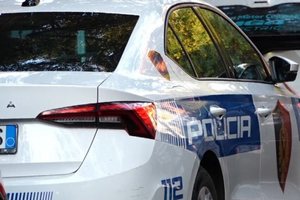
A quantity of explosive material exploded this morning at ...
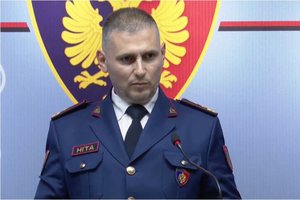
The Head of the State Police, Skënder Hita, expressed his ...

For many children and teenagers, the long summer holidays ...
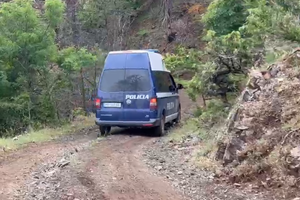
Witnesses in Lozhan, Maliqi, have shared details from the ...
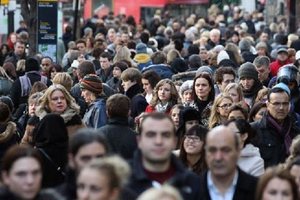
Albania is facing an unprecedented demographic transition,...
On Thursday, our country will be affected by unstable weat...

Russian President Vladimir Putin said the war in Ukraine c...
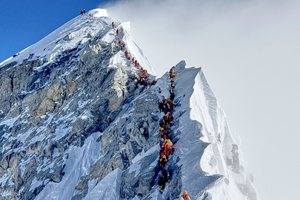
An extraordinary story of survival has been recorded in Ne...
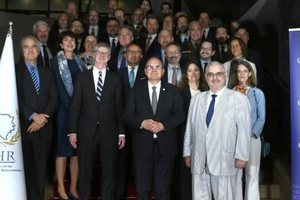
The Peace Implementation Council in Bosnia and Herzegovina...
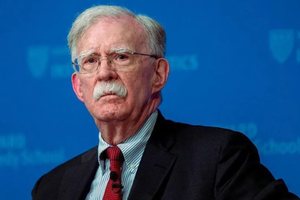
John Bolton, the former national security adviser to US Pr...
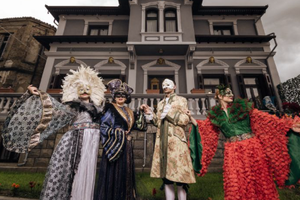
Korça is ready to open the summer season with one of the c...
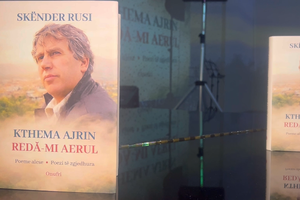
Two years after his passing, the renowned Korçë poet Skënd...
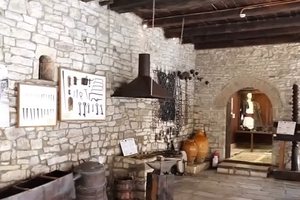
The Ethnographic Museum of Berat has opened its doors to v...
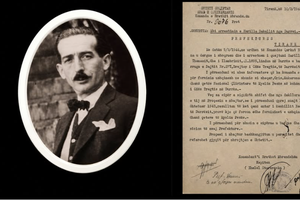
The story of Harilla Bakalli is one of the most chilling t...
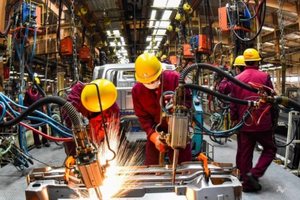
The government aims to transform the country's industrial ...
Kursi i këmbimit të euros me lekun ka rënë më tej këtë jav...

Profit margins in the construction sector have increased s...
The Transparency Board, at its meeting today, decided to i...