

The situation in Zvërnec / SPAK launches investigations mainly
It is reported that the Special Prosecution Office has lau...


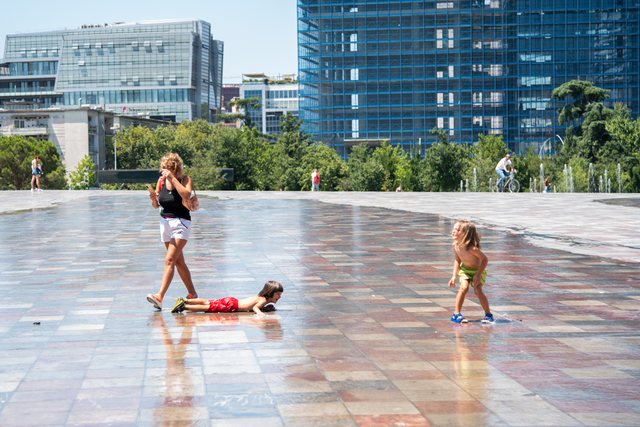
From the center of Tirana to the once cool suburbs, temperatures are gradually rising in a new urban trajectory that researchers link to concreting, densification of buildings, and reduction of green spaces.
The latest study authored by three researchers from Polis University concludes that Tirana is developing new overheating cores outside the traditional city center, while the current urbanization model is directly affecting the microclimate, energy consumption, and quality of urban life.
Measurements conducted during the summer of 2025 by researchers Besnik Aliaj, Klodjan Xhexhi and Blerim Nika show that areas that until a few years ago were considered peripheral and relatively cooler, such as Paskuqani or Student City, are acquiring thermal characteristics similar to the center of Tirana.
In a city that has been growing rapidly vertically and horizontally for years, researchers argue that urban transformation is not only changing the landscape, but also the way it breathes and that hot zones have increased, which in scientific language are known as the 'Urban Heat Islands' phenomenon.
The results of the study show that the urban center of Tirana is hotter, drier, and more polluted than the suburbs, while areas with high building density and paved surfaces create conditions that favor the accumulation and distribution of heat throughout the day.
In "Skënderbej" Square and the Student City area, the average temperatures recorded during monitoring reached over 32 degrees Celsius, while in more peripheral areas such as Sauk and Shkoza they resulted in around 30-31 degrees.
"The correspondence with the thermal map of Tirana confirms this pattern: areas with high building density and concrete or asphalt surfaces appear in red and orange colors, indicating higher temperatures, while greener suburbs and areas near lakes appear in shades of green, indicating lower temperatures," the study says.
Also, field measurements showed temperature differences of around 2°C between urban and suburban areas, as well as the development of new heat islands in Paskuqan and Student City, in addition to those considered as 'heat islands' already consolidated in the city center.
Warnings about Tirana's urban overheating are not new.
Two previous studies referenced by the authors of the latest study show that urban areas of Tirana have a difference of up to 5 degrees Celsius than surrounding rural areas.
Historical analysis of temperatures shows that Tirana has gone from an average annual temperature of around 14.46 degrees Celsius in 1990 to around 15.4-15.5 degrees in recent years.
For researchers, this increase cannot be explained solely by global climate change.
The rapid and extensive urbanization of Tirana is turning the city into a vast concrete expanse, contributing as one of the main causes of rising climate temperatures, an increase that has direct consequences on health and quality of life.
Klodjan Xhexhi, one of the authors of the study, says that Tirana is undergoing a clear microclimatic transformation that is not only related to global climate change, but also to the way the city has developed, and that the consequences of this transformation are not only related to rising temperatures, but also to public health, energy consumption and quality of life.
“Our study clearly shows that Tirana is already developing a noticeable thermal gradient, with the center and areas with high urbanization intensity appearing hotter than the outskirts,” Xhexhi told BIRN, adding that “these areas are exhibiting microclimatic characteristics increasingly similar to the city center, as a result of the densification of construction, increased traffic and the reduction of green areas.”
Xhexhi estimates that Tirana has completely exceeded its climate capacity.
“I would rather say that the city is approaching a critical threshold, where if urban development is not accompanied by climate measures and more careful planning, the effect of urban heat will intensify significantly in the coming years, with consequences for public health, energy consumption and quality of life,” he says.
Parallel studies conducted in 2019 by the World Bank and two professors from Epoka University showed an average difference of 4.5 degrees Celsius to 5 degrees from the center to the periphery.
New measurements show that this difference has narrowed to 2 degrees, suggesting that the suburbs are gradually acquiring thermal characteristics similar to the urban center.
This comes as surfaces that function as heat "magnets" are being added, such as asphalt, concrete, natural stones and dark-colored facades, which absorb solar energy during the day and release it slowly during the evening hours, keeping city temperatures higher for longer periods.
The center of Tirana, especially the Skanderbeg Square area, is considered one of the most sensitive areas to the effects of urban overheating.
“The use of materials such as natural stones and marble favors the absorption of a significant amount of solar radiation and its gradual redistribution during the late hours,” explains Xhexhi.
According to him, the lack of natural shading and the dominance of hard mineral surfaces make this area more exposed to extreme temperatures.
The creation of these hot zones is influenced by high-rise buildings and the rapid pace of urban development, which reduces natural ventilation and replaces open spaces with impermeable surfaces and the use of building materials that absorb heat.
"In this context, urban policies and building permits have an important role, as the way urban densification is permitted, the preservation of green spaces, the building-to-public space ratio, and the criteria for climate performance directly affect the city's microclimate," Xhexhi assesses.
The Ministry of Tourism and Environment did not respond to BIRN's questions about concrete policies or measures that have been taken to reduce the effects of "Urban Heat Islands" in Tirana, while the government's strategic documents acknowledge that urbanization and traffic are increasing climate pressure on cities.
Greening can save the city
Tirana risks gradually becoming an increasingly hotter, less ventilated and more difficult city to live in during the summer, if the pace of construction continues without criteria and without implementing urban policies that will minimize climate effects.
For Klodjan Xhexhi, Tirana's climate trajectory can be corrected, but this requires early intervention and urban policies clearly oriented towards climate resilience and sustainable development.
In this context, he suggests the need to increase green spaces, not only through parks and tree planting, but also through the creation of green corridors that help the city's natural ventilation, and through vertical greening of facades.
"Equally important is the addition of water surfaces or water basins within the city, which contribute to reducing local temperatures through the cooling effect of evaporation and improving the urban microclimate," adds Xhexhi.
Changing building standards is another measure that could correct the situation, and in this context, Xhexhi suggests using materials with higher albedo, which reflect more solar radiation and reduce heat accumulation in the city, integrating water facades, and creating residential blocks with internal courtyards.
Likewise, reducing traffic and gradually reducing the use of internal combustion engine vehicles remains a key measure.
"Since they not only affect air pollution, but also contribute to the generation of additional urban heat," he concludes./ Reporter

It is reported that the Special Prosecution Office has lau...
The Vlora Court has ordered "Arrest in Prison" for GB, acc...
The Center for the Study of Democracy and Governance, with...

Leader of the Democratic Party Sali Berisha has once again...
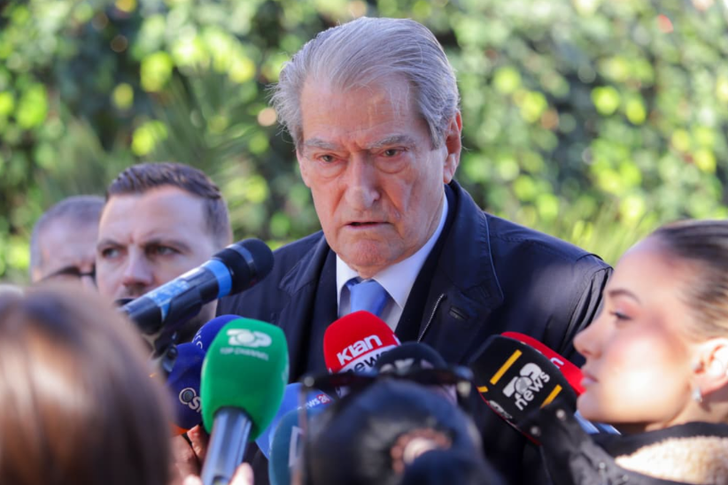
Democratic Party leader Sali Berisha returned this Monday ...

Renowned physician Erion Dasho emphasized that the hormona...

Pastori Akil Pano ka folur mbrëmjen e sotme për udhëzimin ...
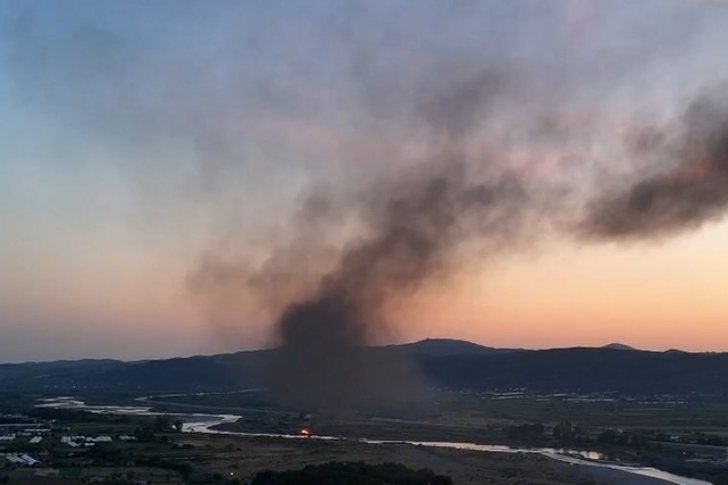
Një re e dendur tymi të zi ka mbuluar zonën e ish-Metalurg...

The Ministry of Foreign Affairs has issued a reaction rega...

Komiteti për Marrëdhënie me Jashtë i Senatit amerikan do t...

The Greek Foreign Ministry has issued an official statemen...
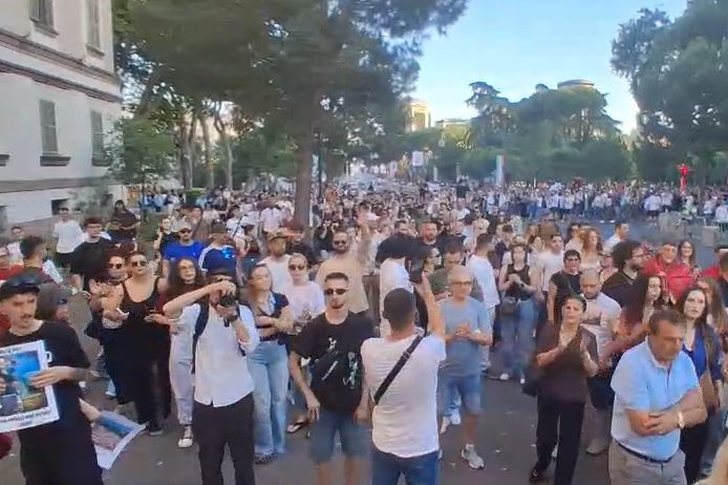
Një protestë po zhvillohet ditën e sotme para Ministrisë s...
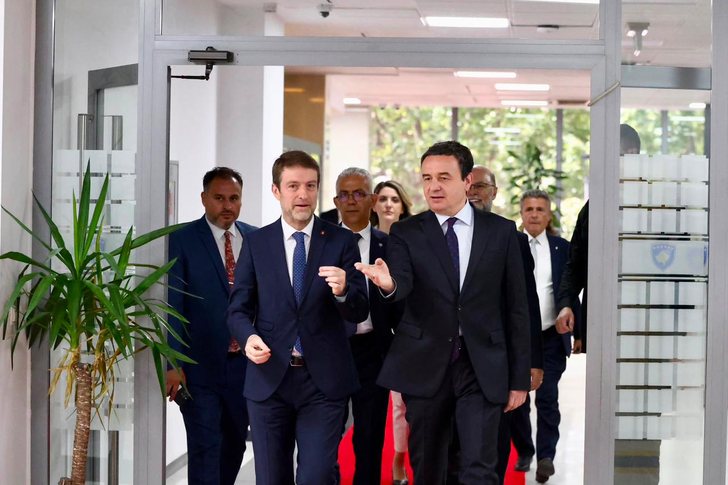
Foreign Minister Ferit Hoxha held a meeting with the actin...
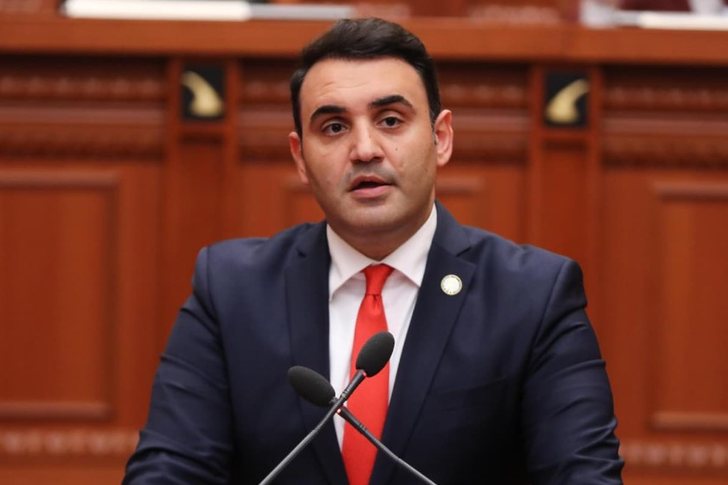
Democratic Party MP Belind Këlliçi has reacted on social m...

CNA, a media window that reflects the work of a team of pr...

The Special Prosecution has requested a total of 56 years ...
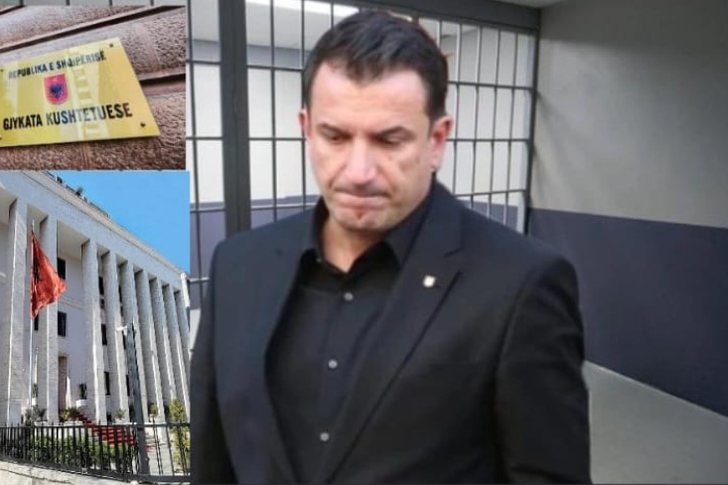
The Constitutional Court's decision to return the Supreme ...

No longer as Ervin Salianji or "Babalja", he will now be k...
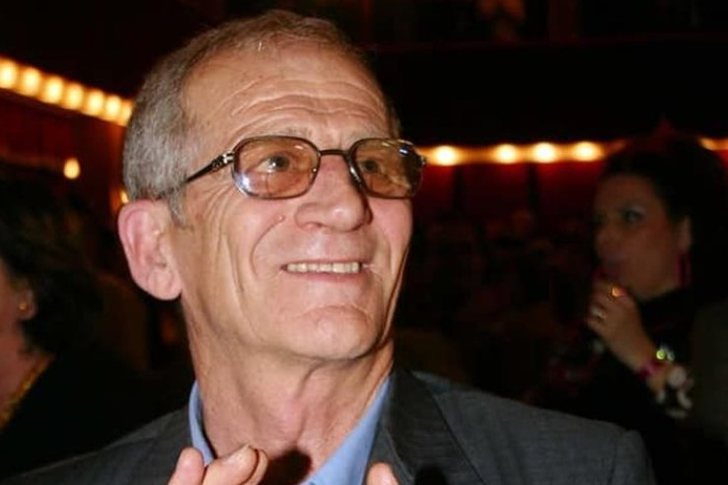
Kreshnik Tartari, one of the most prominent figures in Alb...
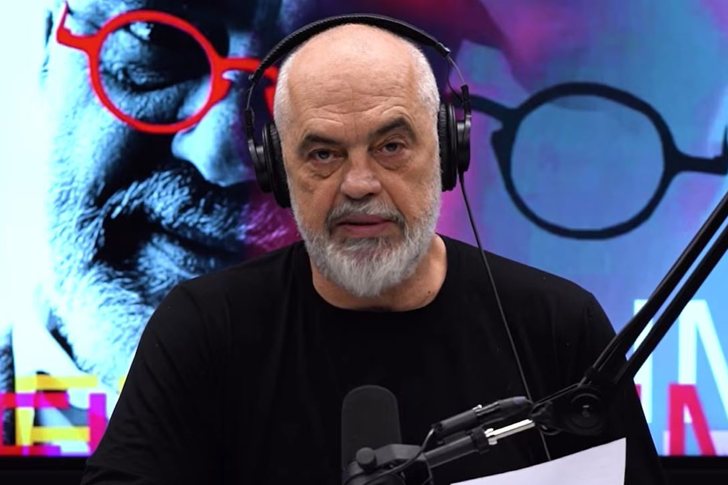
Prime Minister Edi Rama spoke on the Flasim podcast about ...

CNA has launched another investigation that could lead to ...

Irfan Hysenbelliu is a businessman that we call "Irfan the...

In March 2026, CNA launched another investigation centered...
The arrested mayor of Tirana, Erion Veliaj, with 13 charge...

The Special Board of Appeal (KPA) decided this Monday ...

The KPA vetting decided this Thursday to dismiss the p...

Suela Salavaçi, a prosecutor in the Prosecutor's Offic...

The Special Board of Appeal reinstated the prosecutor ...

A road accident occurred this evening on Nikolla Zoraqi St...

Three people were shot and wounded in Elbasan last night b...
A serious incident occurred this Tuesday in the Yrshek are...

An accident occurred this Tuesday on "Dituria" street in K...
All of Southern Europe will face changing weather conditio...
Albania was hit by temperatures significantly higher than ...

For the first time, Pogradec welcomed the Inter-Lake Chess...
Albania has achieved a record for the employment of foreig...

US Secretary of State Marco Rubio arrived in Manila on Jul...

In the space of a few days, Ukrainian President Volodymyr ...

The spokesman for the Iranian Foreign Ministry warned Bulg...

Autoritetet italiane sekuestruan pako me afër 800 kilogram...

At a time when industrial products are increasingly taking...

Trust among people is not just a three-syllable word. It c...

Master of humor Todi Llupi has passed away at the age of 7...

The ninth edition of "MIK Festival" kicked off with one of...

Construction company licenses will have a validity period ...
The Centralized Purchasing Operator recently opened a tend...
The new draft law "On the Bank of Albania" provides that t...

This Tuesday, one US dollar is bought for 81.2 lek and sol...