Erion Veliaj's shadows in protest
Veliaj through Arta Dade rejects Edi Rama'...

Veliaj through Arta Dade rejects Edi Rama'...

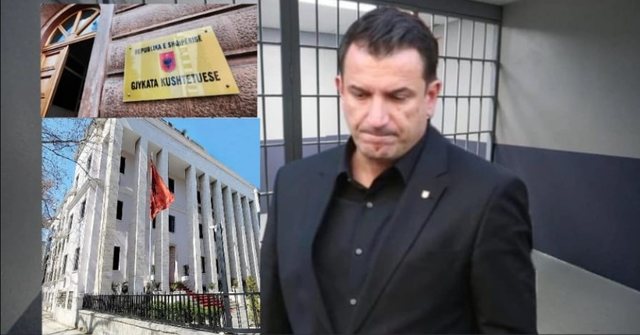
The Constitutional Court's decision to return the Supreme Court's decision for retrial does not constitute a finding that the measure of detention in prison against Erion Veliaj is unconstitutional or illegal.
The essence of the Constitutional Court's intervention is related to the High Court's obligation to justify a specific claim raised by the defendant.

Erion Veliaj claims that since he is elected by the citizens, his stay in prison affects the exercise of the mandate received by the people of Tirana.
The first alternative is for the Supreme Court to reason that a local elected official cannot have privileged treatment in the face of criminal law solely because of his political mandate.
In this case, the court would rely on the fundamental principle of equality before the law.
The Constitution does not recognize any kind of criminal immunity for the mayor. The mandate obtained by popular vote cannot neutralize the need to guarantee a criminal investigation, especially when the courts have assessed the existence of a concrete risk of evidence being destroyed.
In this logic, public office cannot be transformed into a shield against security measures, because otherwise a category of citizens "above the law" would be created, which contradicts the constitutional order itself.
The second alternative is for the Supreme Court to reason that keeping an elected mayor in prison is disproportionate due to his political mandate and obligations to citizens.
If the court were to accept that the status of a local elected official makes the measure of arrest and imprisonment disproportionate, then in practice it would recognize not only Erion Veliaj, but all mayors in the country, a type of functional immunity that Albanian law does not recognize.
Such reasoning would set an extremely dangerous precedent. Whenever an elected official were investigated for corruption or other serious offenses, he would claim that his isolation violates the will of the voters and therefore the measure of imprisonment is disproportionate.
This would lead to a profound deformation of the criminal justice system, because the weight of the political mandate would be placed over the interest of justice and the need to guarantee unhindered investigations.
In the case of Erion Veliaj, the issue becomes even more sensitive due to the reason on which the security measure was based. The courts have not based the arrest solely on the importance of the crimes or the risk of flight, but on the existence of a concrete risk of evidence destruction and the defendant's behavior.
So, according to the judicial assessment, we are dealing with a person who, due to the institutional power and influence he has, has specifically interfered with the investigative process together with his collaborators and may interfere in the judicial process in the future. This is precisely one of the classic reasons why the law provides for the measure of detention in prison.
The fact that Erion Veliaj is charged with 13 serious criminal charges further strengthens the logic of the proportionality of the measure. In criminal jurisprudence, proportionality cannot be measured by the public status of the person, but by the gravity of the charges, the procedural risk of evidence poisoning, and the public interest in the normal development of the investigation and trial.
If the court were to rule that a mayor should be released solely because he was elected by the people, then it would implicitly accept that political power produces a more favorable procedural standard.
In fact, the Supreme Court itself, when it previously upheld the security measure, was fully aware of the fact that Erion Veliaj is the mayor elected by the citizens of Tirana. This is not a new element that was discovered later.
The court took this status into consideration and nevertheless concluded that the need to guarantee the investigation and avoid the destruction of evidence prevails over the exercise of the political mandate.
For this very reason, the Constitutional Court's return of the case cannot change the essence of the legal debate. It simply asks the Supreme Court to express itself more clearly on the relationship between the mandate of the locally elected official and the security measure.

Either reaffirm the principle that no one has criminal privilege because of the popular vote, or open the door to a de facto immunity of elected officials.
This is actually the most delicate moment of this issue. Because what is being discussed here is not only the procedural fate of Erion Veliaj, but the standard that will be set for the future of the rule of law in Albania.
If political power is considered a reason to avoid security measures even when there is a clear risk of evidence being tampered with, then the justification that the more powerful an official is, the less vulnerable he or she becomes to justice is legitimate.
Whereas if the principle of equality before the law prevails, then the institutional message is the opposite: political mandate is not a shield against criminal law and the need for effective and swift investigation and trial./ CNA

No longer as Ervin Salianji or "Babalja", he will now be k...
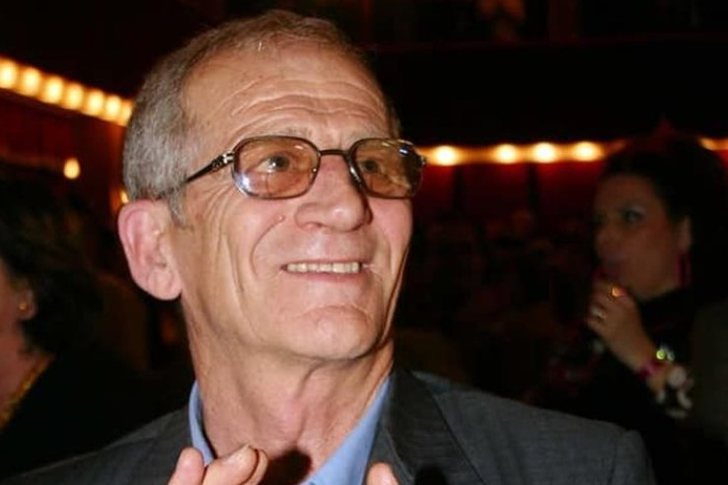
Kreshnik Tartari, one of the most prominent figures in Alb...
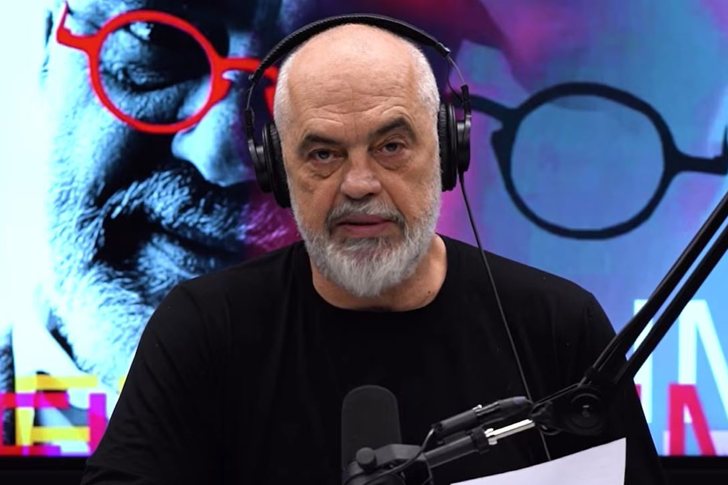
Prime Minister Edi Rama spoke on the Flasim podcast about ...
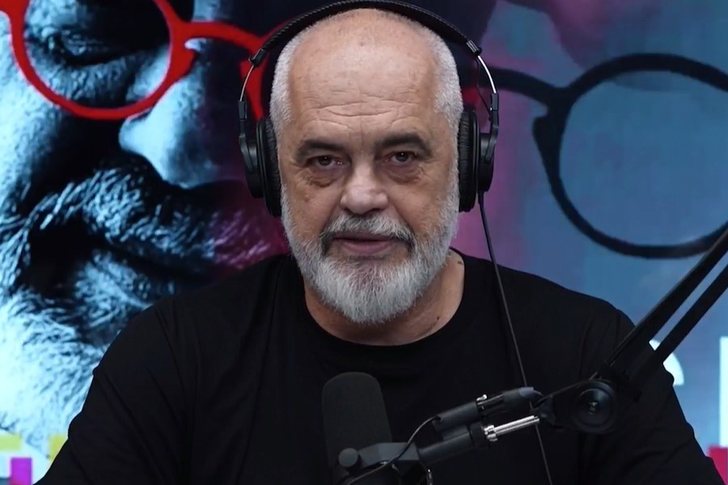
A few minutes after the launch of the podcast Flasim, host...
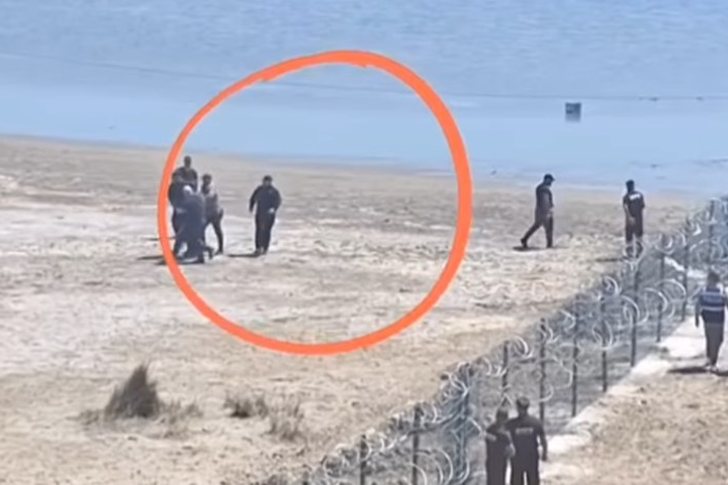
The employee of the private construction site security com...
Prime Minister Edi Rama shared this Sunday morning's view ...
The General Director of the State Police has decided to im...
Residents of Zvërnec held a protest today against construc...
The Supreme Court has rejected the appeal filed by Mar...

In an investigation, Top Channel, on the show Inside Story...
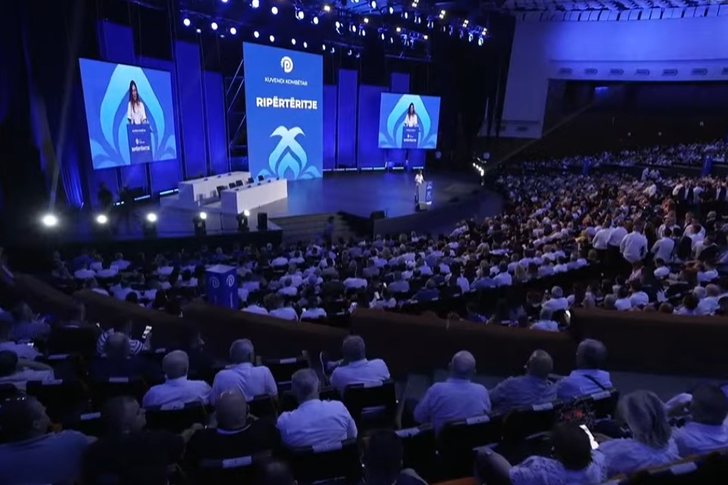
The official lists of candidates for the National Council ...
The Democratic Party of Albania's National Assembly has be...
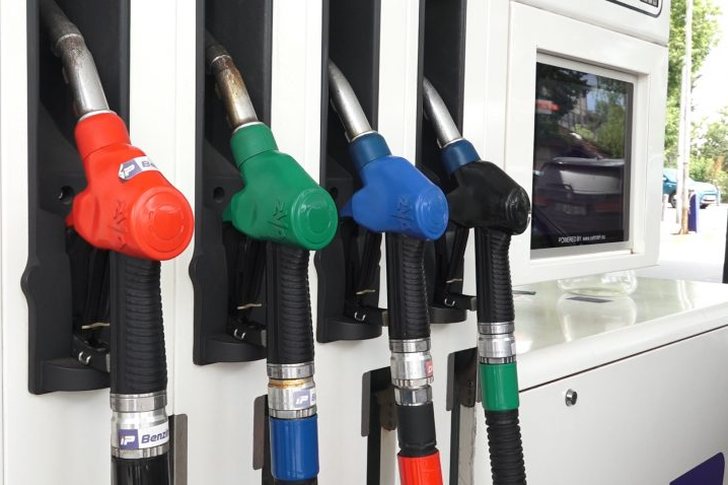
The Transparency Board has published the new prices for oi...
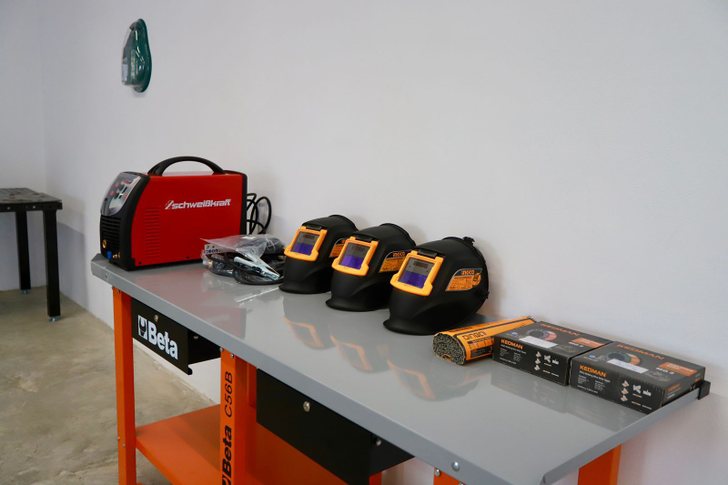
The Minister of Interior, Besfort Lamallari, participated ...
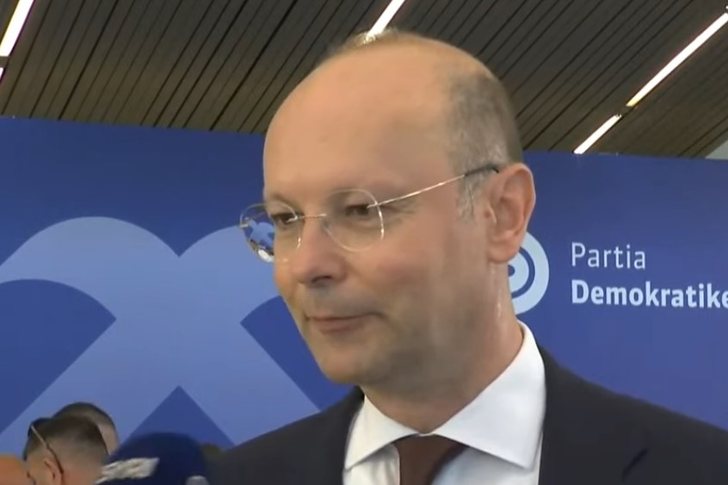
Shortly before the start of the National Assembly's procee...
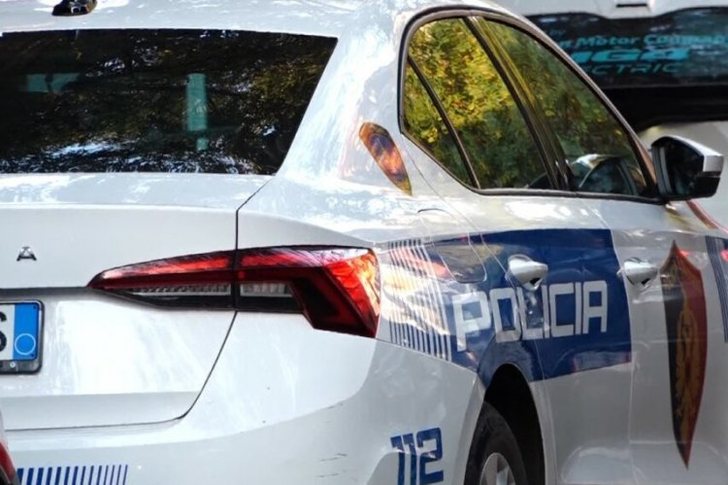
A bomb alert near the US embassy in Tirana has turned out ...
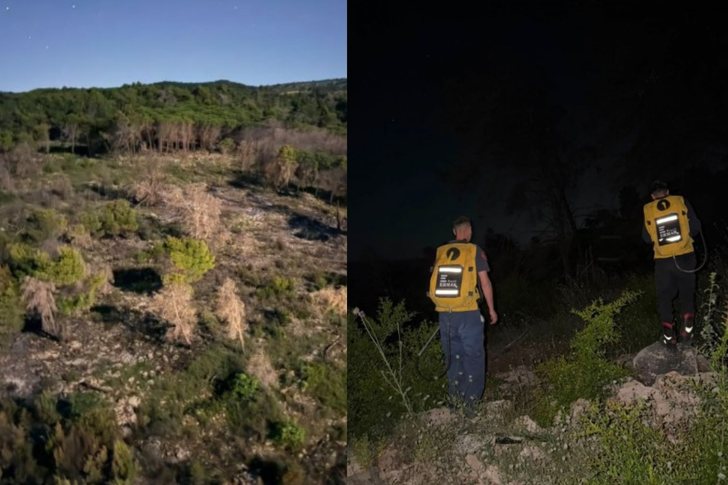
The fire that engulfed the pine forest in the Rana e Hedhu...
The Democratic Party will convene its National Assembly to...

The Interreligious Council of Albania reacted a few minute...
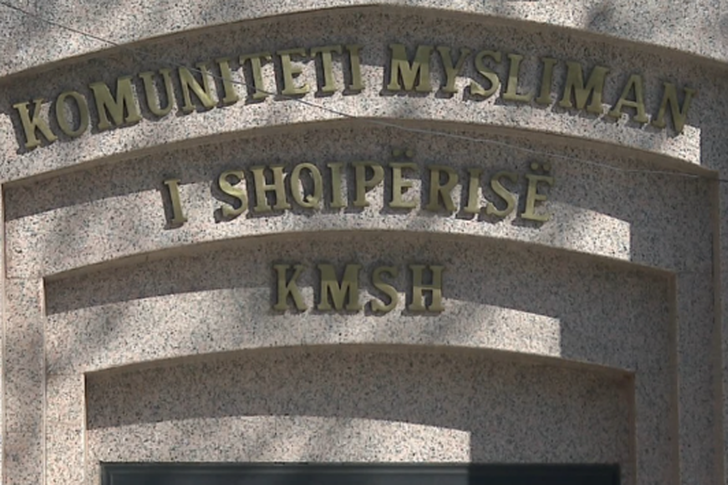
The Muslim Community of Albania has reacted today regardin...
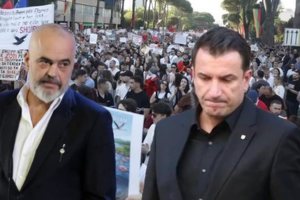
There have been 12 days of protests in the capital, which ...
Dritan Prençi is the SPAK prosecutor who is sleeping on th...
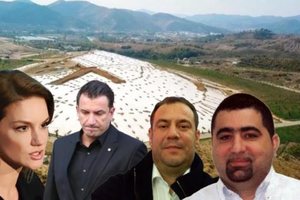
The in-depth investigations that SPAK conducted into Ajola...
SPAK's standards, the way it investigates, how it secures ...

The Special Board of Appeal (KPA) decided this Monday ...

The KPA vetting decided this Thursday to dismiss the p...

Suela Salavaçi, a prosecutor in the Prosecutor's Offic...

The Special Board of Appeal reinstated the prosecutor ...
Policia e Vlorës ka finalizuar operacionin e koduar “Sigur...

New details have emerged regarding the serious accident th...
An Albanian businessman was arrested this afternoon in Gre...
A serious accident has occurred on the Korça-Ersekë axis, ...

Today our country will be affected by stable weather condi...
A tragic accident occurred this Friday afternoon in Kameni...

Today our country will be affected by unstable weather con...

On Thursday, our country will be affected by relatively un...
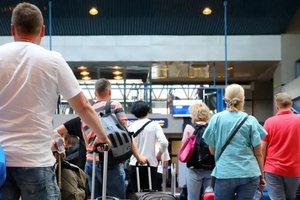
Good news for those who fly: After years of negotiations, ...
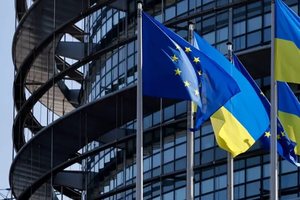
It took more than two years, but now the EU can begin acce...
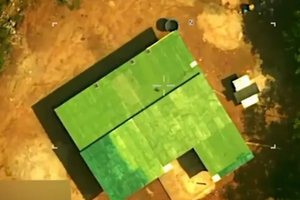
US President Donald Trump announced that the US military h...
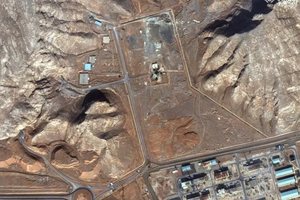
Iran has taken new measures to strengthen the protection o...
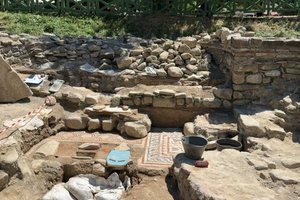
Several archaeological excavations conducted during this s...

At the Museum of Fine Arts in Chambéry, France, an exhibit...

Korça has transformed this weekend into the capital of cel...
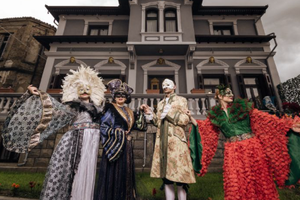
Korça is ready to open the summer season with one of the c...

This Saturday, one US dollar is bought for 81.5 lek and so...
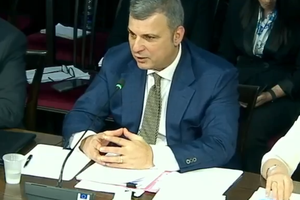
The Governor of the Bank of Albania, Gent Sejko, shared to...

Business lending has increased in the first half of this y...

The labor market has shown worrying trends in early 2026. ...