


"It will be more intense in all forms"/ Këlliçi gives details about the February 20 protest
Democratic Party MP Belind Këlliçi spoke this evening rega...


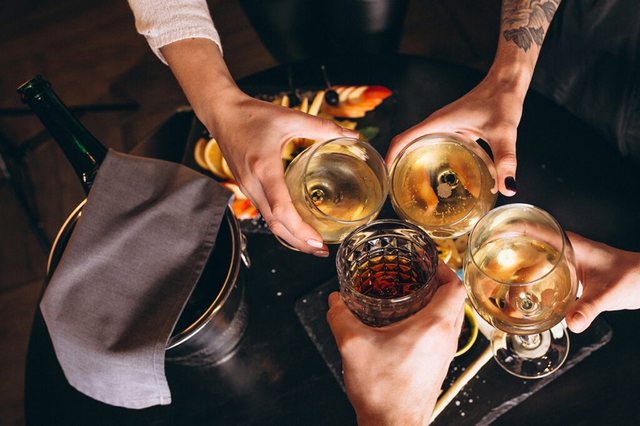
Tourists are no longer looking only for the sea, the sun or cultural guides. The suitcase of Albanian experience is increasingly including local flavors, from a glass of traditional raki, to local cognac or white wines that are becoming part of the gastronomic identity of the destination.
At a time when tourism is reformatting domestic consumption and production, the alcoholic beverage industry is directly feeling the effect of this change, becoming one of the sectors that is benefiting from the increased influx of foreign visitors.
Against this backdrop, data shows a recovery in production during 2025, driven mainly by growing demand for indigenous Albanian beverages.
In 2024, domestic companies produced 268.3 thousand liters of alcohol, according to Customs data. Compared to the previous period, the production of alcoholic beverages fell by 28%.
During 2025, the amount of alcoholic beverages produced increased significantly. According to data, for the months of January-November 2025, an amount of 315.8 thousand liters of alcoholic beverages was produced.
Compared to the same period of the previous year, production increased by 27%.
Compared to the period before the Covid-19 pandemic, production has decreased by 48.4%.
Local producers claim that the upward trend in production during 2025 was influenced by increased tourist demand, especially for indigenous local beverages, such as cognac, brandy or white wine.
Denis Zhilla, general director of the "Gjergj Kastrioti Skënderbeu" alcoholic beverage winery, says that about 50% of the total consumption of alcoholic beverages for 2025 was supported by tourists.
According to him, the most favorite drinks are cognac and rakia - traditional local products, while wine, mainly white, is more popular among young people.
Mr. Zhilla says that, influenced by the increased demand from tourists for strong alcoholic beverages, this year, the winery plans to increase the range of alcoholic beverage production, such as whiskey, gin or vodka.
Tourism boosts imports for whiskey, gin, tequila
For 2024, imports of alcoholic beverages – whiskey, gin, vodka, ouzo, tequila, cognac – increased by about 3% compared to the previous year. The data shows that since 2019, imports of alcoholic beverages have reached their highest level in 2024.
The increase in imports continued during 2025. For the period January-November, imports increased by 5% compared to the same period in 2024. Compared to the period before the Covid-19 pandemic, imports have increased by about 87%.
Representatives of importing companies claim that the expansion of demand is influenced by tourism, as alcoholic beverages are consumed more in bars and restaurants. They emphasize that alcoholic beverages are consumed more at cheap prices, affecting the companies' profit margins.
Në konsum, tregu dominohet nga pijet alkoolike të huaja
Konsumi i pijeve alkoolike në Shqipëri mbështetet kryesisht në produktet e importuara, ndërkohë që prodhimi vendas po zvogëlohet si pjesë e tregut total. Kjo tregon rritje të varësisë nga importet në sektorin e pijeve alkoolike gjatë këtyre viteve.
Sipas të dhënave të Doganave, në periudhën janar-nëntor 2019, prodhimi vendas përbënte rreth 37% të konsumit total të pijeve alkoolike, ndërsa importi ishte 63%.
Gjatë viteve, prodhimi vendas ka rënë në mënyrë të ndjeshme, duke arritur në 14% në periudhën janar-nëntor 2025. Ndërsa importi është rritur gjatë këtyre viteve, duke përbërë rreth 86% të konsumit për muajt janar-nëntor 2025.
Sasia e prodhimit vendas ka pasur luhatje, duke rënë ndjeshëm në vitet 2023 dhe 2024, por ka pasur rritje prej 25% në muajt janar-nëntor 2025 në raport me të njëjtën periudhë të 2024-s.
Ndërsa importi i pijeve alkoolike në vlerë absolute është rritur vazhdimisht që nga 2019, duke arritur në një sasi mbi 1,9 milionë litra për janar-nëntor 2025, sasia më e lartë e importuar që prej 2019-s.
Prodhuesit vendas pohojnë se një nga arsyet kryesore të humbjes së konkurrueshmërisë është kostoja e lartë e prodhimit, veçanërisht nga akciza e lartë dhe çmimet e shtrenjta të materialeve ambalazhuese. Sipas tyre, rritja e akcizës për pijet alkoolike nga 1 janari 2023 vazhdon të ndikojë negativisht prodhimin. Akciza zë 40% të vlerës për një shishe 700 ml.
“Problem për industrinë vijon të jetë kostoja e lartë e prodhimit për shkak të rritjes së detyrimit për akcizën. Konkretisht, nëse një shishe konjak të sasisë 700 ml shitet me çmim 5.6 euro, rreth 2.4 euro është pagesa për akcizën. Nga taksat e larta, kostoja prodhuese vazhdon të jetë e lartë”, nënvizon z. Zhilla.
Me hyrjen në fuqi të ndryshimeve në ligjin “Për akcizat” nga 1 janari 2023 u unifikua edhe akciza e pijeve të forta alkoolike me nivel tarife 84,500 lekë për HL alkool. Para ndryshimeve, akciza ishte 65,000 lekë për Hl për prodhuesit vendas dhe të huaj deri në 20,000 hl/vit. Për fashën prodhuese mbi 20,000 hl/vit, akciza ishte 84,500 lekë për Hl.
Në janar 2023, për shkak të ndryshimit të akcizës, prodhuesit vendas shtrenjtuan çmimet e pijeve alkoolike deri në 20%. Shtrenjtimi i çmimeve solli rënie konsumi, duke detyruar prodhuesit të pakësojnë prodhimin.
Për shkak të rënies së kërkesës, sipas Denis Zhillës, drejtues i kantinës së pijeve alkoolike vendase “Gjergj Kastrioti Skënderbeu”, çmimet e shitjes së pijeve alkoolike kanë mbetur të pandryshuara prej vitit 2023.
Z. Zhilla thotë se nuk parashikojnë t’i rrisin çmimet e shitjes edhe gjatë 2026-s, pasi rritja e tyre do të ndikonte negativisht te konsumi.
Pse po bie konsumi i pijeve alkoolike në botë
Konsumi i pijeve alkoolike në botë po pëson rënie të ndjeshme dhe kjo ndikohet nga parimet që po ndjekin breza të ndryshëm mbi mënyrën e jetesës. Në korrik 2025, revista “Wine Business” publikoi gjetjet e një ankete të saj që tregonin se konsumatorët e moshës mes 20-40 vjeç po pinin më pak verë se më parë.
Anketa tregoi se rënia e konsumit ndikohej sidomos nga ideja e kursimit të këtij grupi, që e konsideronin vlerën e asaj që merrnin më të ulët se çmimi që po paguanin.
Në shtator të vitit të shkuar, edhe “The Guardian”, publikoi një artikull ku shkruhej se ka ndryshuar qasja e brezave ndaj alkoolit, përfshirë verën, ku Gen Z dhe Millennials rendisnin si faktor koston dhe rreziqet e shëndetit dhe prirjen për t’i zëvendësuar këto me kokteje dhe marijuanë.
Revista “Fortune” shkruante pak ditë më parë se Gjenerata Z po pi 20% më pak se Millennials. Teksa këto janë tendencat globale, Shqipëria nuk bën përjashtim në këtë trend.
The Economist në shkrimin me titull “Verë dhe peizazh” ngre problematikën e zhdukjes së vreshtave në zonat jugore të Francës, për shkak të ndryshimeve klimaterike, veçanërisht thatësirës dhe rënies së konsumit te të rinjtë.
Brezi Z, sipas një studimi francez, mendon se vera është “e ndërlikuar” dhe kryesisht për “njerëz të moshuar”. Përveç verës së ftohtë rose gjatë verës, të rinjtë preferojnë pijet e forta, birrën ose pije pa alkool.
Gati një e katërta e të rriturve francezë nën moshën 25 vjeç nuk konsumojnë alkool fare. Pjesa e francezëve të të gjitha moshave që pinë një gotë verë çdo ditë ka rënë nga 51% në vitin 1980 në 11% sot. Në mënyrë paradoksale, verërat e lira kanë vuajtur më shumë. “Njerëzit parapëlqejnë të blejnë një shishe të mirë vere sesa të pinë sasi”, thotë një prodhues vere pranë Baixas.
Sipas “The Economist”, industria po përpiqet të përshtatet me këtë ndryshim konsumi. Prodhuesit e verës po lëvizin drejt segmentit më të shtrenjtë, ose drejt verërave të modës së re “natyrale”, të prodhuara në mënyrë organike dhe natyrale. Disa ish-kultivues të rrushit po orientohen drejt ullinjve, shegëve, fistikëve, piperit dhe kulturave të tjera që i rezistojnë thatësirës.
Për vizitorët, ndryshimi i peizazhit është një humbje. Ndër ata që punojnë tokën, duket se mbizotëron më shumë dorëheqja sesa pendesa. “Pak nga pak, vreshtat do të shkulen, në një mënyrë apo në një tjetër.
Me kalimin e kohës do të mbeten vetëm disa kultivues vere”.
“The Economist” në artikullin mbi industrinë e alkoolit thotë se, edhe pse të rinjtë po pinë më pak dhe ka rritje të ndërgjegjësimit për shëndetin, industria globale e alkoolit vazhdon të zgjerohet. Konsumatorët ndryshojnë mënyrën e pirjes — po pinë më pak sasi, por me cilësi më të lartë, duke përfshirë birra artizanale, verë natyrale, pije të gatshme dhe versione pa alkool.
Tregjet perëndimore po shohin rënie të konsumit, por tregjet në zhvillim, si India, Brazili dhe Afrika e Jugut, po kompensojnë këtë rënie, duke bërë që industria të mbetet e fortë globalisht.
In another article about the alcohol industry titled "Half Empty or Half Full," "The Economist" emphasizes that, even though young people are drinking less, the global alcohol industry continues to be strong and expanding.
The article notes that younger generations are changing their drinking habits, but they are not giving up alcohol. "A few years ago people would only take a 'holiday' in January, but now they do it all year round," says Nate Roberts, manager at the Lucky Saint pub in London, where about 15% of sales are made with non-alcoholic beer.
The Economist notes that various factors have made the market more challenging in the West. Policymakers are stressing that there is no safe level of alcohol consumption, while the World Health Organization has included alcohol in the same category as tobacco and ultra-processed foods as a leading cause of non-communicable diseases. The article cites that in the US only 54% of respondents said they drank alcohol, the lowest level in almost 90 years.
However, the industry is not shrinking. The article notes that “spending on alcoholic beverages has continued to rise, and people are shifting towards more expensive drinks,” indicating a transformation in consumption patterns.
Emerging markets, including India, Brazil and South Africa, are keeping the industry growing, and according to Deutsche Bank, “emerging markets contributed over 65% of the operating profits of major beer companies.”
"The Economist" also mentions changes in consumption habits: people are drinking less but with more quality, for example craft beer, natural wine and ready-made drinks.
Non-alcoholic versions are also growing, as seen in sales of Heineken 0.0 and Guinness 0.0, and global non-alcoholic beer sales are forecast to reach $28.6 billion, up over 11% from last year. /Monitor

Democratic Party MP Belind Këlliçi spoke this evening rega...
The Institute of Geosciences, in a forecast of the meteoro...
Snowfall has returned to Qafë Thore and continues at high ...
The Ministry of Foreign Affairs has issued an official res...

In the latest episode of Public Square, Ditmir Bushati...
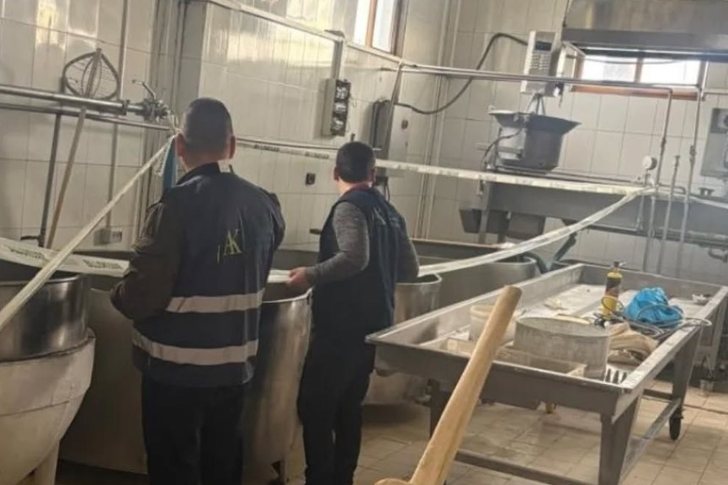
Autoriteti Kombëtar i Ushqimit ka ushtruar disa kontrolle ...

Një aksident rrugor ka ndodhur pasditen e sotme në aksin n...
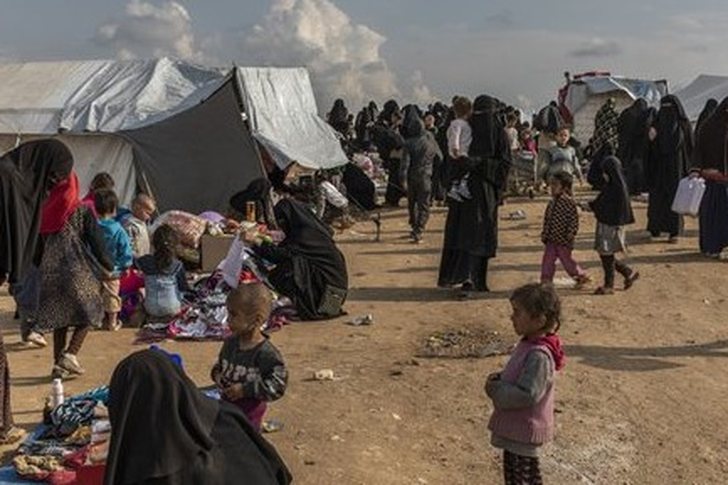
Eva Dumani has arrived in Albania after 12 years, reun...
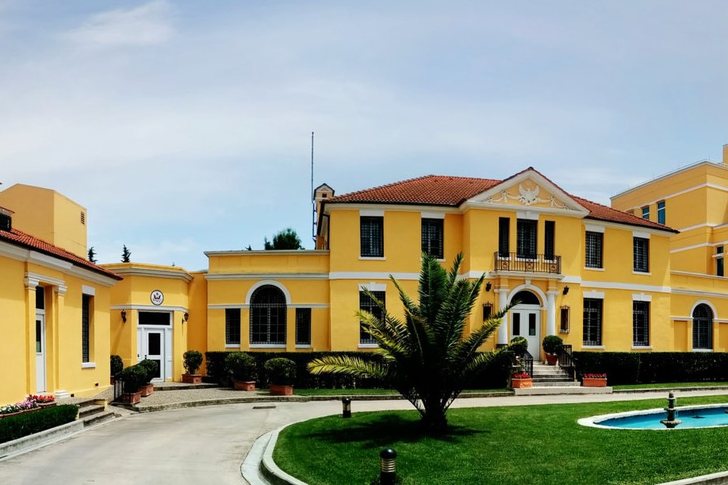
The US Embassy in Tirana has shared a message from US Secr...

Foreign Minister Elisa Spiropali, during her stay in Munic...

The Chairman of the Socialist Party Parliamentary Group, T...

MP Erald Kapri has praised the figure of the prominent int...
Democratic Party MP Igli Cara has stated from Durrës that ...

The Chairman of the Parliamentary Group of the Socialist P...

Prime Minister Edi Rama's meeting with Durrës residents pr...
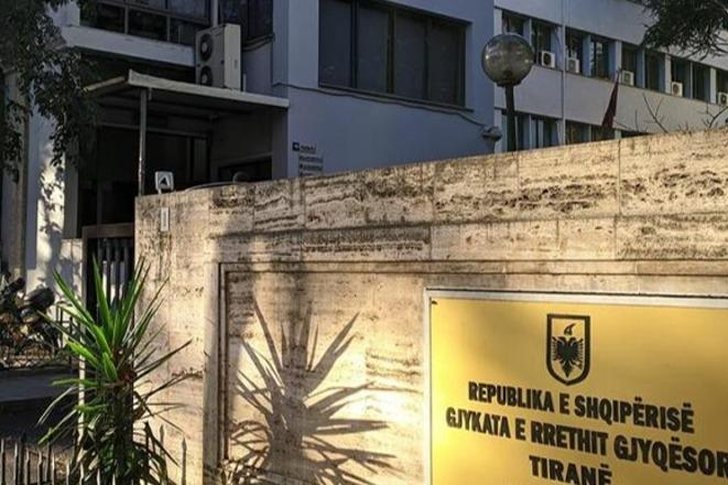
The Tirana court has ordered the 14 protesters arrested af...

Prime Minister Edi Rama is today at the Municipality of Du...

The State Police arrested two days ago, on February 12, at...

On Valentine's Day, Italy holds its breath. In the 25th we...

CNA reported that Prime Minister Edi Rama has prepared a "...

The murder of officer Enea Mekolli in the line of duty has...

The next case broadcast on the show "Stop", this Thursday,...

The case published this Thursday, June 4, on the show "Sto...

The protests of recent days related to the situation in Zv...

The Special Board of Appeal (KPA) decided this Monday ...

The KPA vetting decided this Thursday to dismiss the p...

Suela Salavaçi, a prosecutor in the Prosecutor's Offic...

The Special Board of Appeal reinstated the prosecutor ...

A money changer in Durrës lost 60 thousand euros after bei...
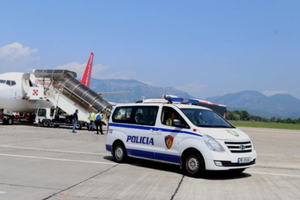
The 6 citizens captured in Dubai, members of criminal grou...

A serious accident occurred on the Kardhiq-Delvinë axis, i...

Authorities have conducted a large-scale anti-drug operati...

Today our country will be affected by stable weather condi...

For many children and teenagers, the long summer holidays ...

Albania is facing an unprecedented demographic transition,...

On Thursday, our country will be affected by unstable weat...

Russian President Vladimir Putin said the war in Ukraine c...

An extraordinary story of survival has been recorded in Ne...

The Peace Implementation Council in Bosnia and Herzegovina...

John Bolton, the former national security adviser to US Pr...

Korça is ready to open the summer season with one of the c...

Two years after his passing, the renowned Korçë poet Skënd...
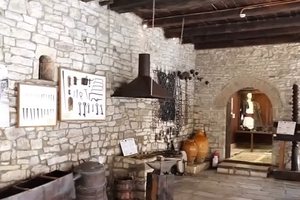
The Ethnographic Museum of Berat has opened its doors to v...
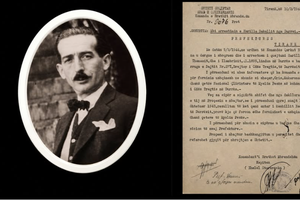
The story of Harilla Bakalli is one of the most chilling t...

Despite years of efforts at regional cooperation and free ...

Albania is the country with the highest level of severe ma...

This Friday, one US dollar is bought for 81.3 lek and sold...
The government aims to transform the country's industrial ...