


"Note to those who think there is still environmentalism in the protest"/ Rama responds to commentators
Prime Minister Edi Rama has responded to commentators thro...

Prime Minister Edi Rama has responded to commentators thro...

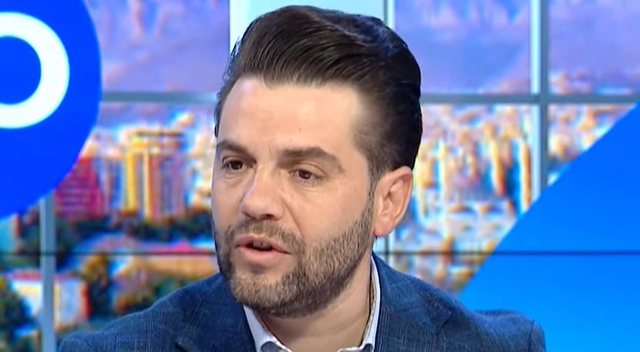
Member of the Presidency of the Democratic Party, Grigels Muçollari, has criticized the manner of economic development in the country, saying that investments in ports and the current orientation of the economy are not bringing broad benefits to citizens.
In a television interview, he stated that the growth of tourism is not being reflected in the local economy, as according to him, there is a lack of a production chain that would keep the value of tourists' spending in the country.
Muçollari emphasized that many of the products consumed in the tourism sector are imported, adding that this situation affects the increase in prices and the weakening of sectors such as agriculture and livestock.
He raised concerns that the trade deficit is deepening and that the country is importing more and more, while domestic production, according to him, is declining.
According to Muçollari, investments in ports and concessions are not oriented towards broad economic development, but are focused on a limited number of actors.
He also criticized the government for a lack of intervention in the cost of living, citing taxes and fuel prices as factors that burden citizens.
Muçollari's statement
We give ports as a result of a certain strategy, you build more ports, as a result of a strategy to develop tourism. This is the concept that every country, that is, makes certain investments, by giving the concession, by building it itself, but the main reason is to develop tourism. Now, in recent years we have had a significant number of tourists, which means, the number of tourists in Albania is almost increasing every year. What happens?
The money of tourists who come to spend in Albania does not stay in Albania. Precisely because there is no chain to distribute this money of the tourist who comes. Which means, that tourist who comes, except for the hotel that pays for all the rest of the food he consumes, the drink he drinks, everything, are imported products. Which means that a normal government, in a normal country, with some economists who think about the development of the country, should think that let's develop the tourism chain, which means the money of the tourists who come is distributed in all sectors, what do they do? One of the reasons for the increase in prices, especially in very tourist areas, is precisely the number of tourists. But if this, this expenditure of money by tourists were translated into a chain that would benefit the entire society, including the farmer, the livestock farmer, and the one who offers, who offers a certain service, it means that the standard of living for all citizens would also increase.
Që do të thotë do të kishim më shumë fuqi blerëse dhe do ta përballonin më kollaj rritjen e çmimeve. Tani këtu po ndodh e kundërta, që do të thotë vjen një numër i madh turistësh, shkakton një rritje çmimi të caktuar, e për arsye sepse këto para që shpenzohen nuk përkthehen në zinxhirin e të gjithë ekonomisë, atëherë vuajnë të gjithë sektorët e tjerë. Dhe siç e kanë treguar dhe të dhënat, është sektori i bujqësisë po pëson një rënie drastike. Raporti i eksport-importit, deficiti tregtar çdo tremujor po thellohet. Që do të thotë, gjithmonë e më shumë ne importojmë dhe prodhojmë më pak. Atëherë, për çfarë na duhet neve të ndërtojmë në këto momente, nëse kemi x para, pse duhet t'i kanalizojmë tek portet, apo te koncesionet e porteve, e cila do të thellojë këtë krizë.
Këtu e gjitha pastaj është modeli që ti ke menduar që mund të zhvillojë dhe jo të zhvillojë ekonominë, por të zhvillojë vetëm një grup të ngushtë, një grup të vogël njerëzish të cilët po investojnë kryesisht paratë që vijnë, paratë e dyshimta, ose paratë e pista që i quajmë rëndom. Këto para vijnë nga dy burime kryesore, është nga narkotrafiku dhe nga korrupsioni. Patjetër dhe nga lidhjet që kanë qeveritarët duke qenë shumë kompani offshore ortak. Kështu që e gjitha luhet në funksion të pushtetarëve dhe njerëzve të lidhur drejtpërdrejt me pushtetarët, ose më saktë njerëzve të lidhur drejtpërdrejt me kryeministrin. E gjitha kriza sot e çmimeve, problemet që kemi me me me me bujqësinë, mos-subvencionimi që ndodh në raste, le të themi përmbytjesh. Çfarë ka ndodhur, sot është një kile domate është 8000 lekë në treg. Brokolit nuk i afrohesh dot, duhet të bësh domethënë, një copë brokoli kushton 3000 lekë.
Ne tentojmë të fusim logjikën dhe të krijojmë një koncept që mirë, a nuk kanë shqetësim këta? Ne duhet ta kuptojmë, këta s'kanë shqetësim.
Sepse nuk e kanë perceptimin dhe vizionin e tyre që të mendojnë për këtë, për vendin. Sot qeveria ka degraduar në të gjitha nivelet në korrupsion dhe kush e kush të marrë më shumë pjesë të partisë, të bëjë më shumë para, të japë më shumë tenderime, kush e kush të jetë më afër kryeministrit në mënyrë që ai t'i japë koncesion më shumë dhe të bëhet i pasur. Ky është degradimi i qeverisjes. Domethënë, kështu ka rënë perandori, jo më qeveria. Domethënë perandori prej qindra dhe mijëra vjetësh ka rënë pikërisht prej degradimit, kur humb sensin, logjikën, kur humb atë ndjesinë mes qytetarit të thjeshtë dhe pushtet-ushtruesit.
And it is not for nothing that we are in this situation today. We are in a situation and there are many reasons and I will make an analysis that is also related today to the current state of the market, of high prices, of the inability to afford living. What is happening with prices today? Why are prices high? The first reason is, for more than a decade, the mentality of the government, the program of how the government thinks about economic development. Through the recycling of dirty money. This causes an increase in prices in the market. Which means we have a government that has chosen this mentality. One in hand. What else is happening? Why is it today, it is felt even more? Because the price of oil has increased.
Why does the price of oil continue to rise and the government has no reaction? Because because of the war, the price of oil has increased in all countries. But responsible governments intervene in the market for a certain period, removing a tax, making a subsidy so that the burden, because of a war, does not fall directly on its citizens. And if in other countries governments have reacted, here they have not reacted. Which means, the government twice again. What else is happening? The government with the way of taxation, why is it impossible for it to remove taxes? What is the essence that cannot reduce taxes?
What drives him not to lower taxes even when the price increases and he benefits from more taxes? Because first of all, the government treats the citizen as a business in the conditions of a monopoly that is selling him a service, that he has nowhere to go and he wants to earn as much as possible. And this money, they want to hold tenders. So that through tenders they can benefit more money for themselves. Which means that if they remove the tax, the benefit goes to every citizen who has a car, if we say they remove VAT on oil or excise. They don't want this. They want more money to administer. So nothing, nothing.
This is a corrupt mentality, but also very leftist. The first, the left comes from the concept that more money for the state than for the individual, more money for the state to administer than for business. The second goes to corruption, more money for the state in order to do corrupt affairs and everyone's share is bigger. And here is the problem of any kind, let's say the indicator that signals price increases. Starting from the increase in the number of tourists, which means that you have not followed a certain strategy that the population can afford./ CNA

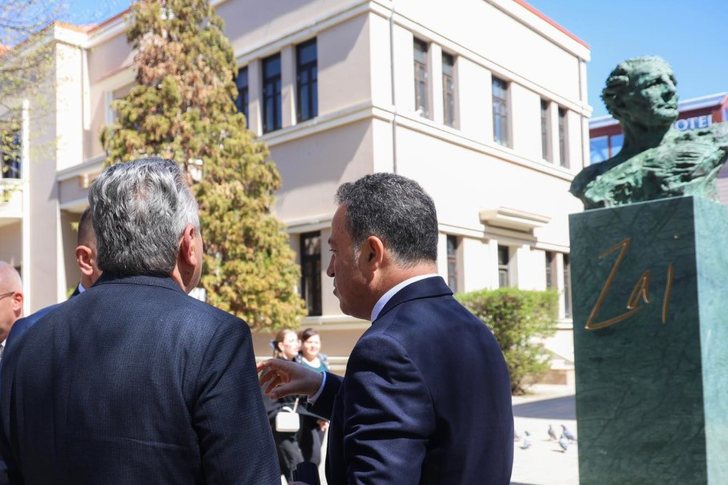
The Speaker of the Parliament, Niko Peleshi, welcomed toda...
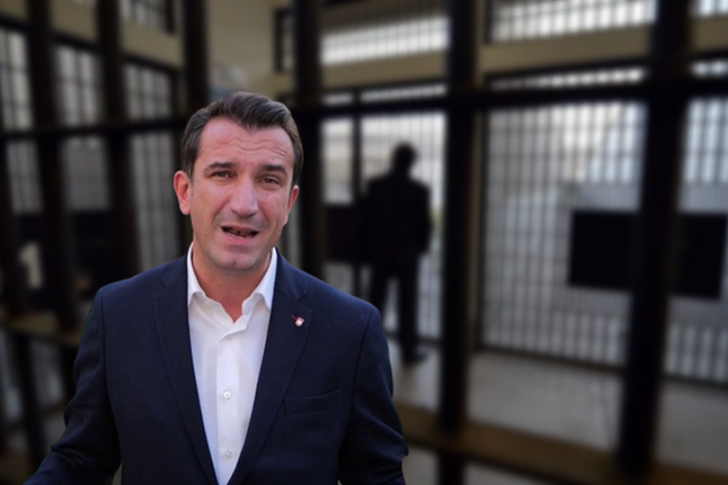
The arrested mayor of Tirana, Erion Veliaj, with 13 charge...
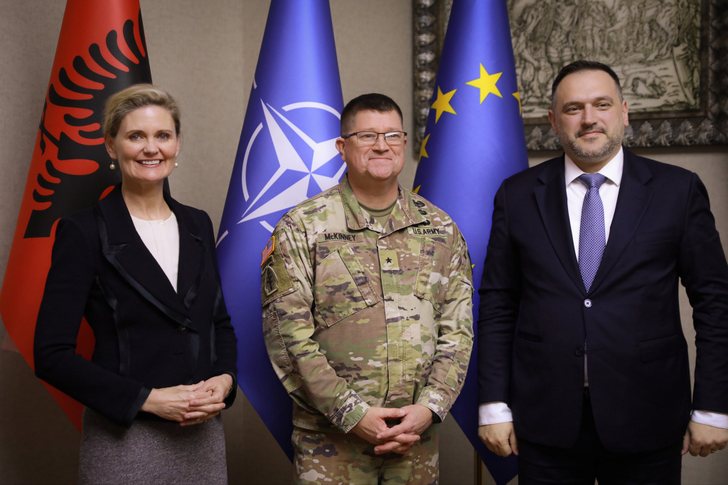
The US Embassy in Tirana has shared on social media detail...
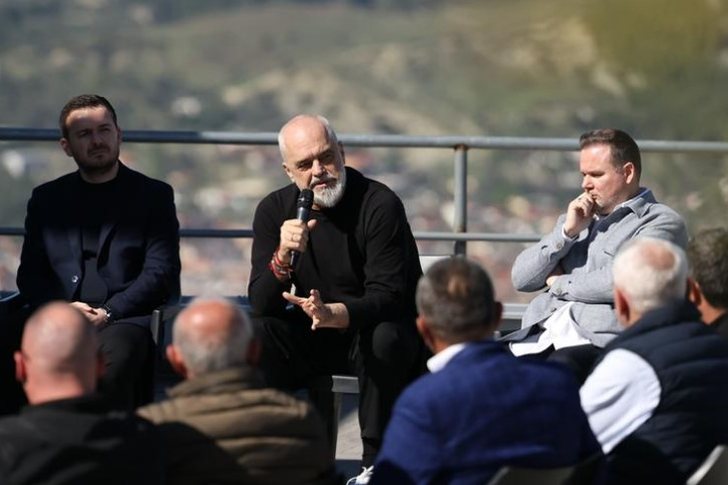
Prime Minister Edi Rama spoke at today's meeting with entr...
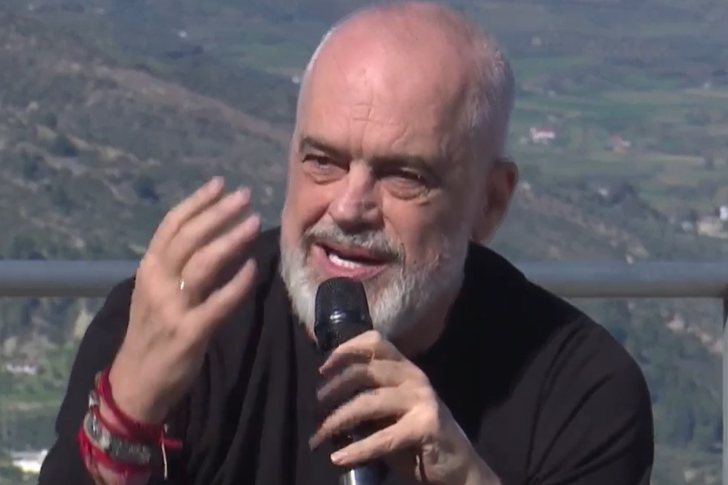
Prime Minister Edi Rama held a meeting with entrepreneurs ...
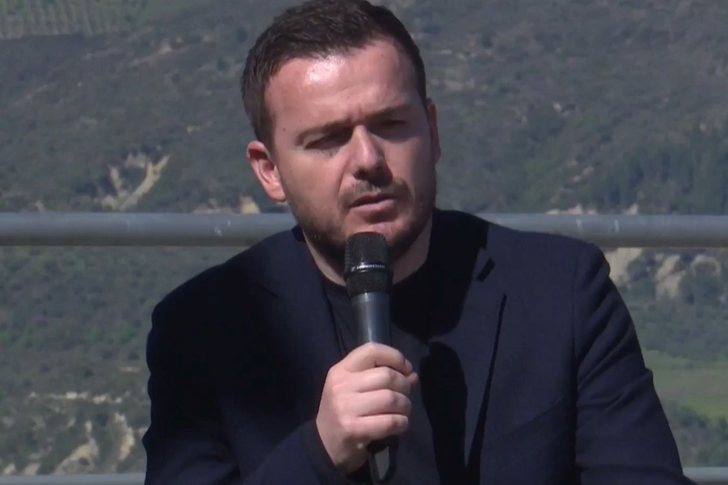
Kryeministri Edi Rama po zhvillon sot një takim në Berat p...

The Democratic Party Parliamentary Group has reacted to th...
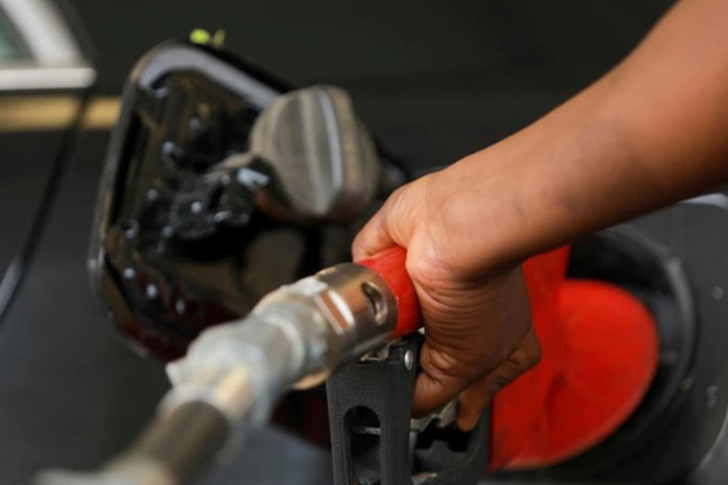
Bordi i Transparencës ka publikuar çmimet e reja për shitj...
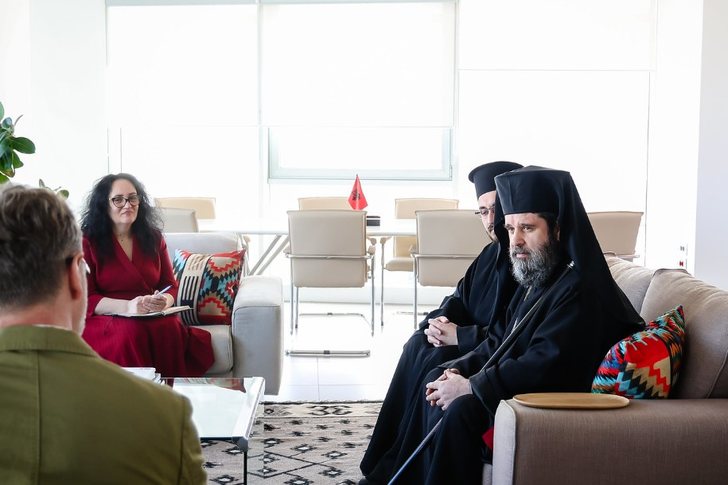
On the eve of Easter, the European Union Ambassador to Alb...
The DP parliamentary group has sent a report to diplomatic...
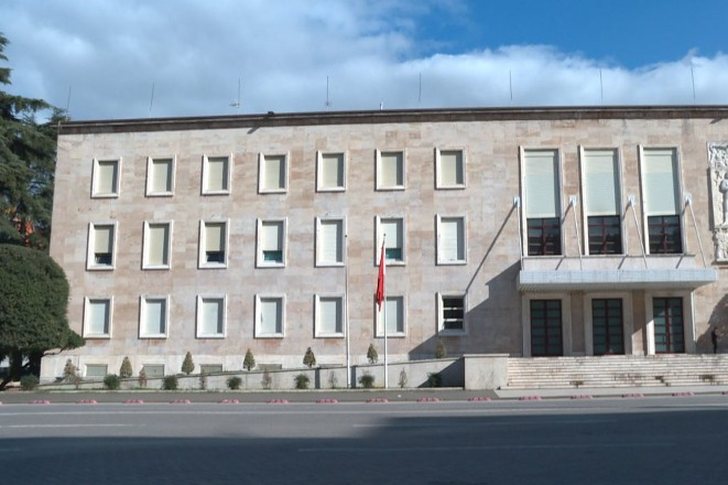
The Council of Ministers has approved the decision on the ...
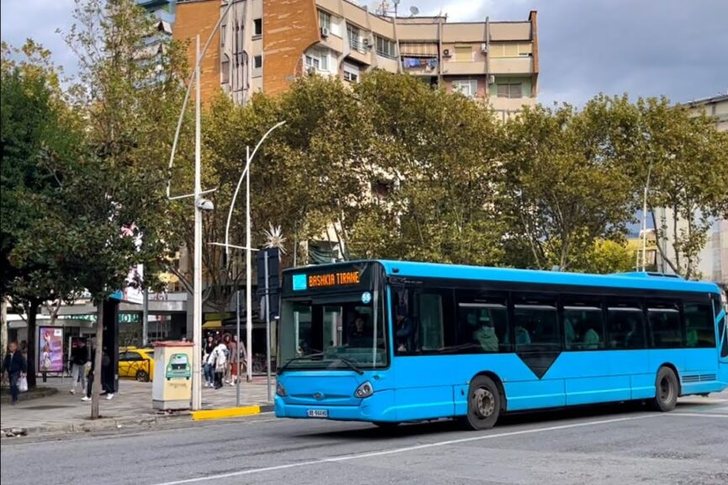
Public transport associations have warned of drastic measu...
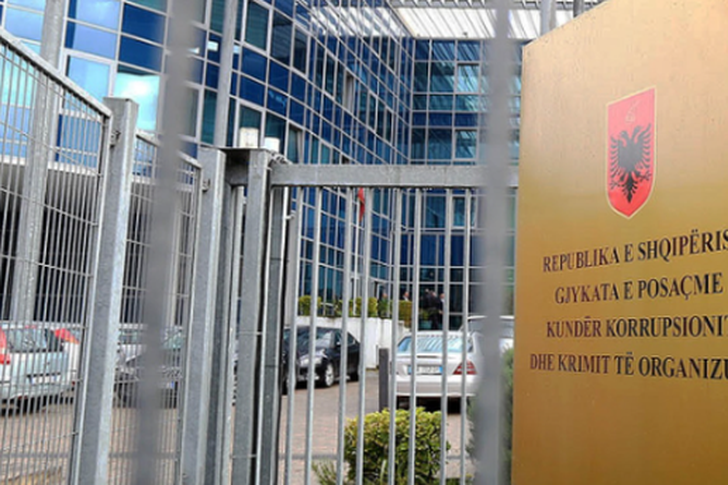
The Special Court against Organized Crime and Corruption d...
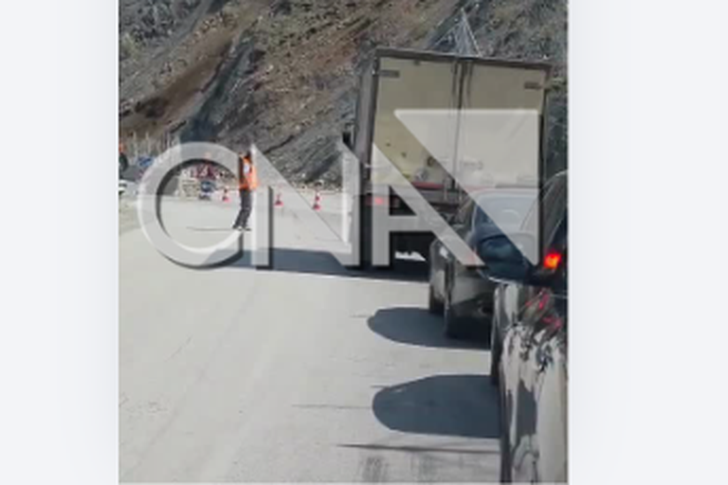
In the Elbasan-Bushtric Bridge road segment, works are con...
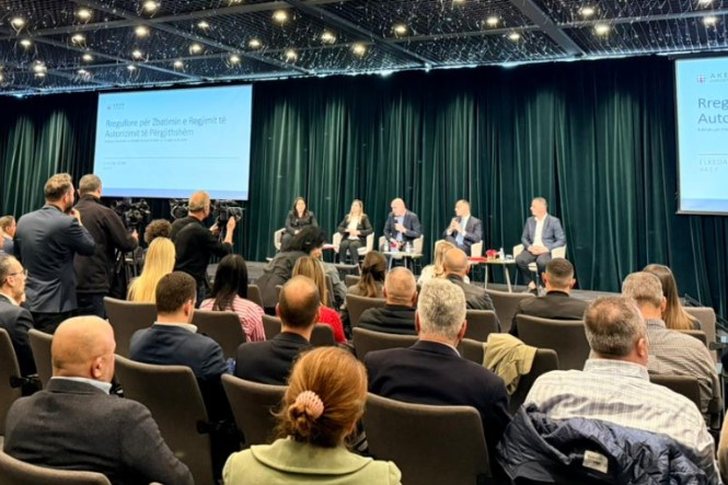
The Electronic and Postal Communications Authority (AKEP) ...
Businessman Lirim Fejzollari appeared this Friday at the S...
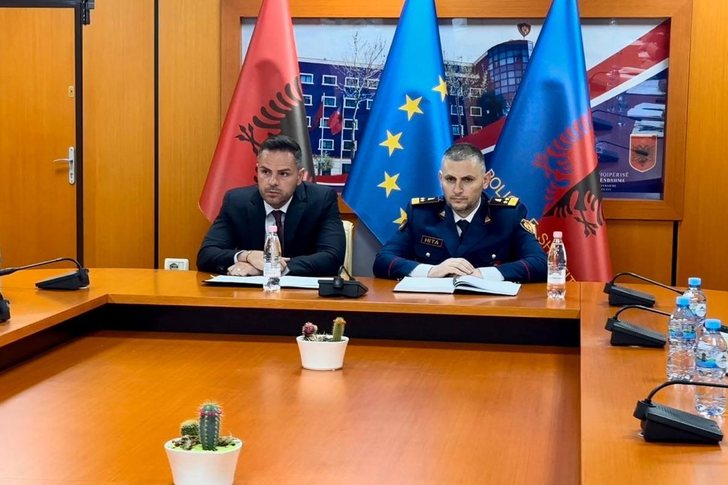
The Head of the State Police, Skënder Hita, held a meeting...
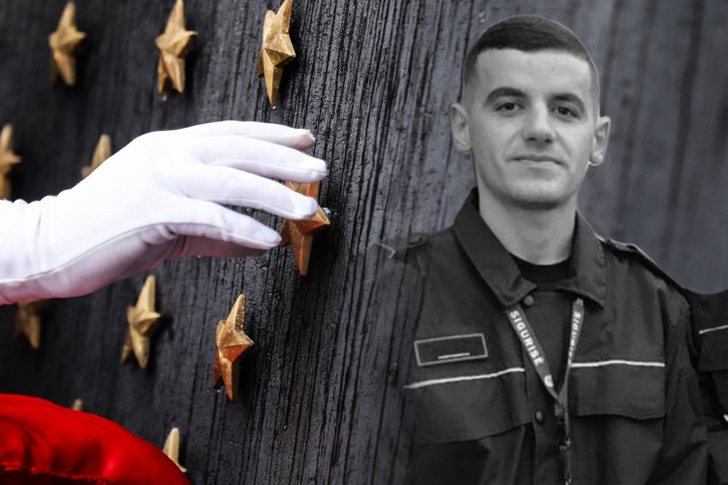
The Minister of Interior, Besfort Lamallari, has reacted t...
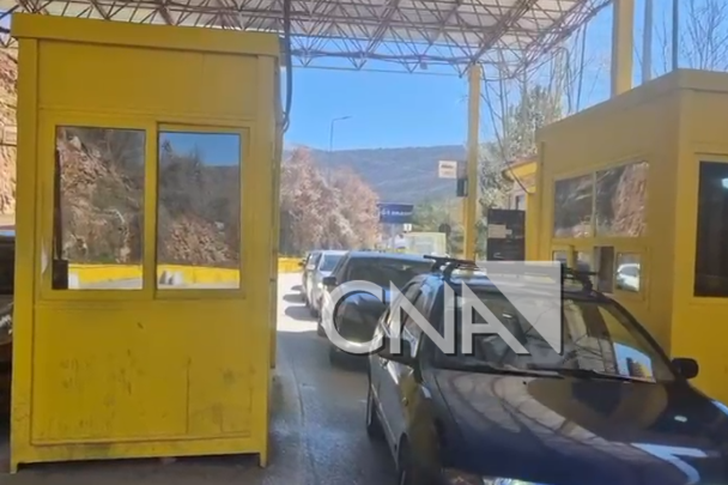
The high flow of movements at the Kapshtica border crossin...
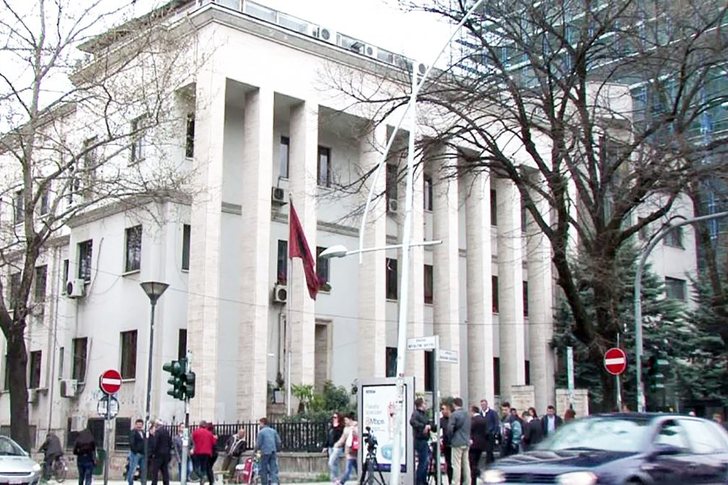
The former mayor of Durrës, Vangjush Dako, has appealed to...
SPAK's standards, the way it investigates, how it secures ...
Irfan Hysenbelliu claims to be a big businessman, an hones...
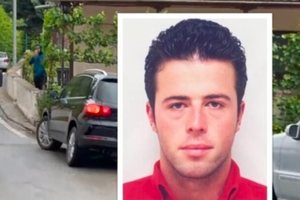
The murder of officer Enea Mekolli in the line of duty has...
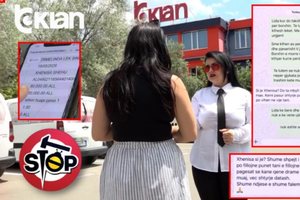
The next case broadcast on the show "Stop", this Thursday,...

The Special Board of Appeal (KPA) decided this Monday ...

The KPA vetting decided this Thursday to dismiss the p...

Suela Salavaçi, a prosecutor in the Prosecutor's Offic...

The Special Board of Appeal reinstated the prosecutor ...
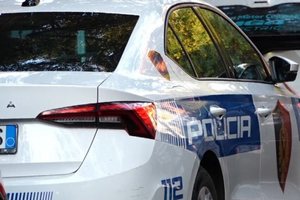
Another gunshot wound occurred at the scene. According to...
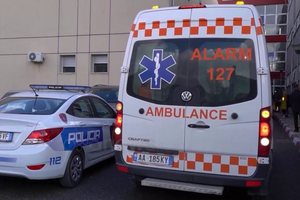
A gunshot wound occurred this afternoon in Shijak. Accordi...
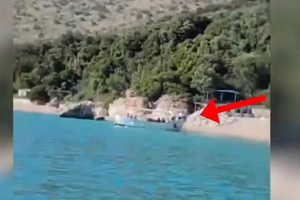
The Border Police blocked the vessel and fined the driver ...
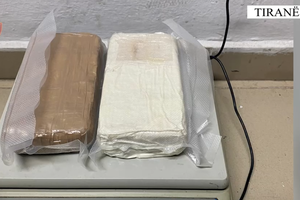
A police operation codenamed "Zonet" has ended with the se...
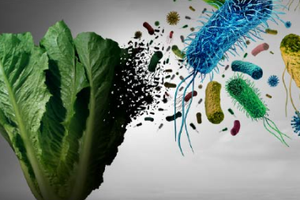
More than 860 million people fall ill and 1.5 million die ...
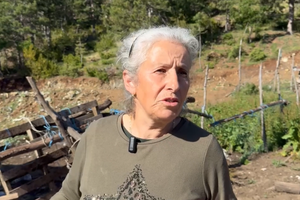
The mother of Violand Braçellari, the perpetrator of the s...
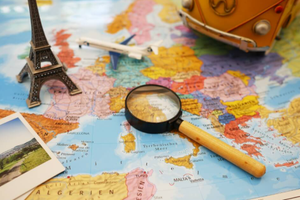
The modern European traveler seeks a meaningful connection...
This Sunday, weather conditions are forecast to be clear a...
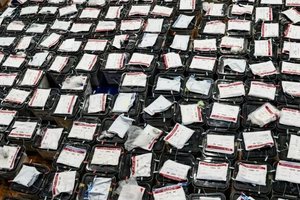
The counting of votes for political entities in Kosovo is ...
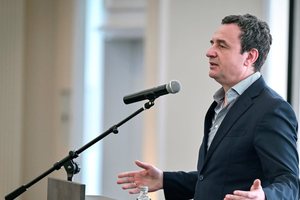
Kosovo's acting Prime Minister, Albin Kurti, has reacted a...
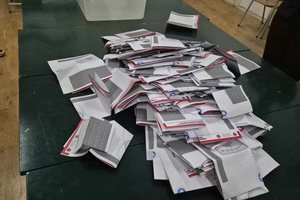
The counting of votes for political entities in Kosovo has...
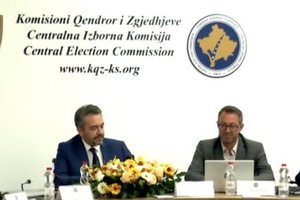
The Chairman of the Central Election Commission, Kreshnik ...
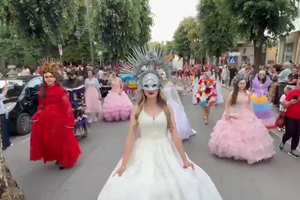
Korça has transformed this weekend into the capital of cel...
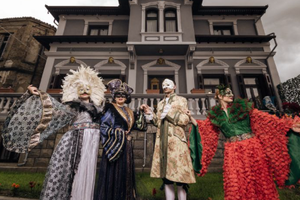
Korça is ready to open the summer season with one of the c...
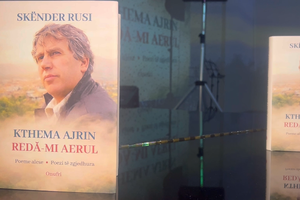
Two years after his passing, the renowned Korçë poet Skënd...
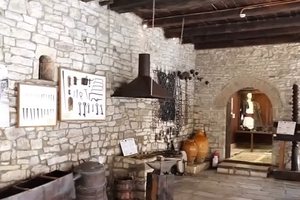
The Ethnographic Museum of Berat has opened its doors to v...
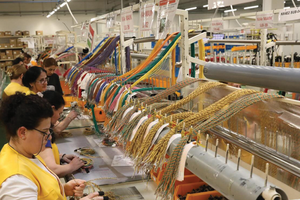
The automotive industry in Albania is currently at a turni...
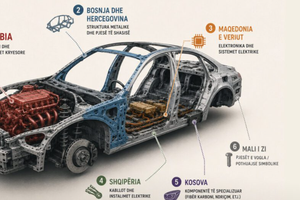
If you were to follow the industrial map of the Western Ba...
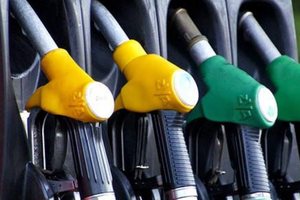
The Transparency Board, in today's meeting, decided to red...
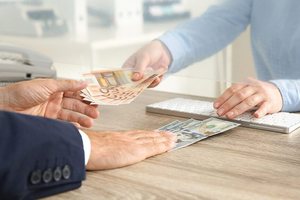
This Saturday, one US dollar is bought for 81.4 lek and so...