


Taxes penalize business in Durrës/ 20 thousand euros undeclared in 7 months
The Tax Administration, following the implementation of th...


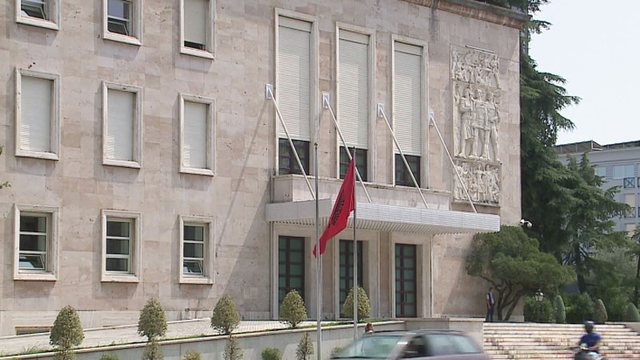
The government has proposed changes in the organization of public administration institutions, reducing the category of non-ministerial institutions from the current 3 to 2, with the aim of increasing functioning and accountability. For the creation of institutions dependent on ministries, it has been proposed to establish a minimum threshold of employees that will justify their creation.
The changes are proposed in the draft law "On some additions and amendments to Law No. 90/2012, "On the organization and functioning of the state administration" published in public consultations.
According to the draft law on amendments to Law No. 90/2012, which is part of the Public Administration Reform, the number of typologies of non-ministerial institutions will be reduced from 3 to 2, in order to clarify their roles and responsibilities. The draft proposes merging Dependent Institutions and Autonomous Agencies into a single category, while Regulatory Authorities will be reconceptualized as a separate type with guaranteed functional autonomy according to European standards.
“The legislation in force provides for three types of non-ministerial bodies: Dependent Institutions (IV), Autonomous Agencies (AA), both subordinate to ministries and performing the same policy implementation functions, but with different legal regimes of organization and functioning, and Regulatory Authorities or Entities (RAr) that are established by separate laws, and that report to the Assembly and also perform policy implementation functions, but specifically of a regulatory nature (markets and industries).
The current distinction between subordinate institutions and autonomous agencies is not based on criteria of functional distinction. Also, keeping regulatory authorities outside the supervision of the government brings problems in the implementation of the principle of separation of powers, fragmentation of the ability/responsibility of the government for the design and implementation of state policies and a vacuum in the system of government responsibility and accountability”, the report quotes.
The draft law proposes the existence of only two types of non-ministerial/executive bodies, namely the maintenance of classical institutions of dependence (IV) where, according to this proposal, the current autonomous agencies will also be included, and the complete re-conceptualization of Autonomous Agencies to accommodate the current typology of Regulatory Authorities, by regulating their legal regime of organization and functioning capable of guaranteeing full functional autonomy in the performance of regulatory functions, as required by European legislation for each of the regulators," the report quotes.
The draft law also draws attention to the problematic situation with small institutions subordinate to ministries, underlining the need to regulate their functioning.
"From an analysis of the situation, it results that due to the shortcomings in Law 90, there is a tendency for the internal administrative units of ministries (directorates/general directorates) to be separated from the ministerial apparatus, being created as independent subordinate institutions. This lack has led in some cases to the creation of very small subordinate bodies/institutions, which do not really have the capacity to function separately outside the parent ministry. The draft law proposes the establishment of a minimum threshold of employees that justify the creation of a subordinate institution, and the recognition of a new type of directorate with a special status within the ministerial apparatus, without legal personality but with increased autonomy based on the delegation of the minister."
Likewise, the system of supervision or accountability of institutions for non-ministerial bodies is not uniform. The draft law also proposes the creation of a mandatory, uniformed system of supervision/accountability of non-ministerial bodies based on the results of the institution.
While for institutions subordinate to the Prime Minister, the current legislation has no provisions or restrictions for them, treating them the same as institutions subordinate to ministries. The report emphasizes that over the years this has created an overload in the normal functioning of the center of government as a result of a considerable number of institutions subordinate to the Prime Minister.
The draft law proposes adding several provisions for the creation of institutions subordinate to the Prime Minister. The provisions foresee positive and negative criteria.
The draft law also proposes two specific interventions according to which: i) the “Directorate” becomes the essential level of exclusive decision-making in a ministry and the head of the directorate (director) is exclusively responsible for all decision-making within the scope of competence of the respective directorate, with the exception, of course, of that decision-making that is explicitly assigned by legislation to other higher managers (civil servants of the senior management category) or the minister himself, and ii) a set of simple rules are defined that allow delegation within the scope of a typology of decision-making or a specific decision-making.
Among other things, the draft proposes new rules for stronger control of institutional changes, requiring detailed analyses from ministries before the creation of new institutions and entrusting the Department of Public Administration with the leading role in this process./ Monitor

The Tax Administration, following the implementation of th...

The General Directorate of Road Transport Services has not...
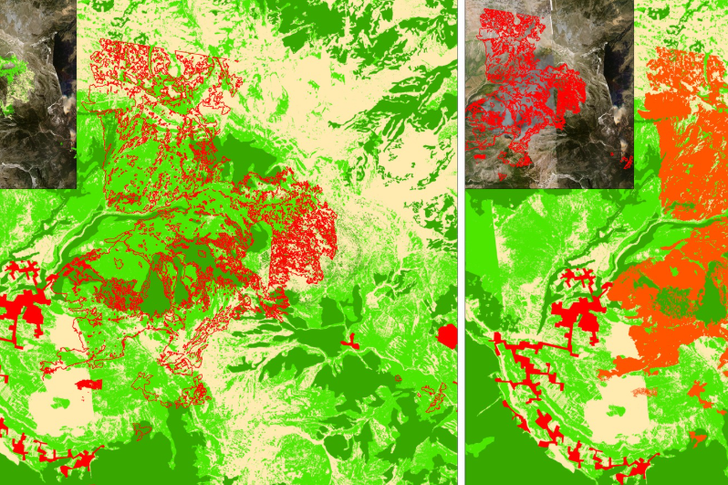
ASIG experts at the Directorate of Remote Sensing Data Pro...
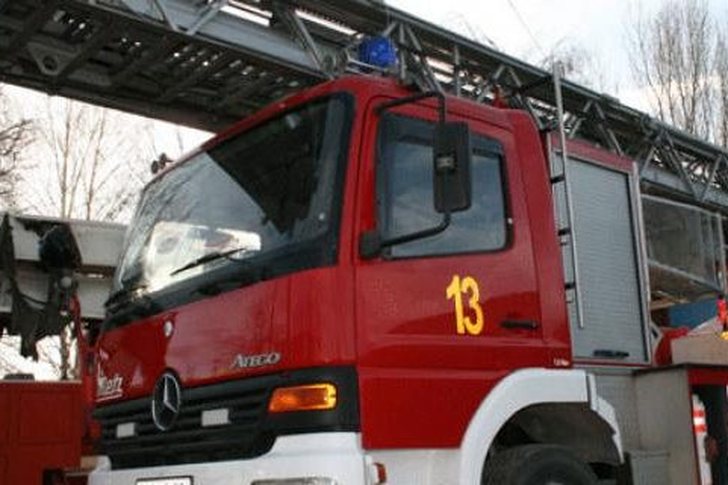
Two fires started this afternoon near the village of Boriz...
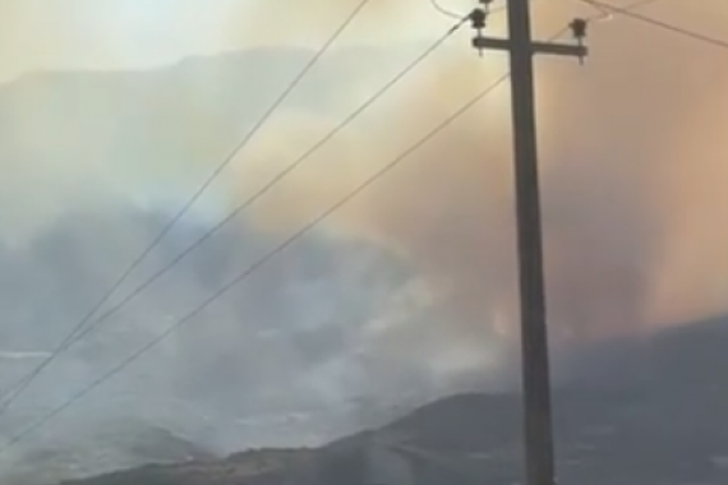
Një vatër zjarri është përhapur në kodrat e fshatit Lapard...
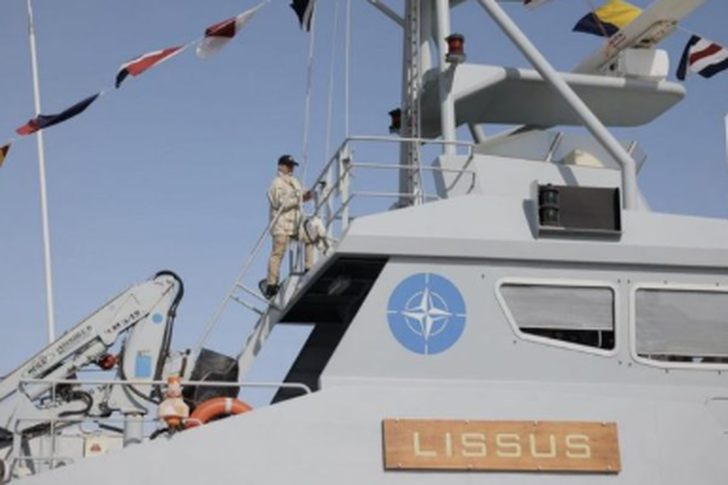
The Albanian Naval Force ship "Lissus" and the 22 sailors ...
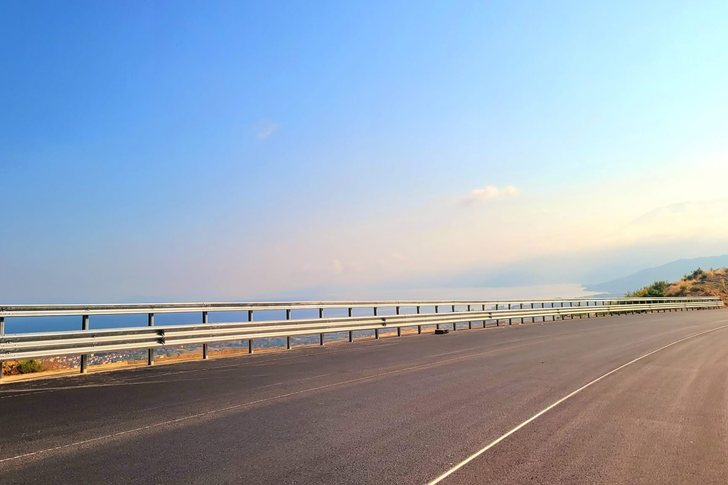
Prime Minister Edi Rama has published some images of the Q...
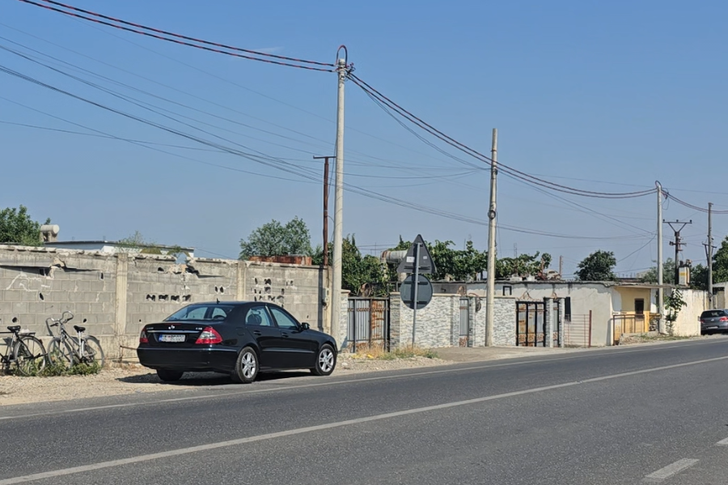
The National Inspectorate of Territorial Protection has di...
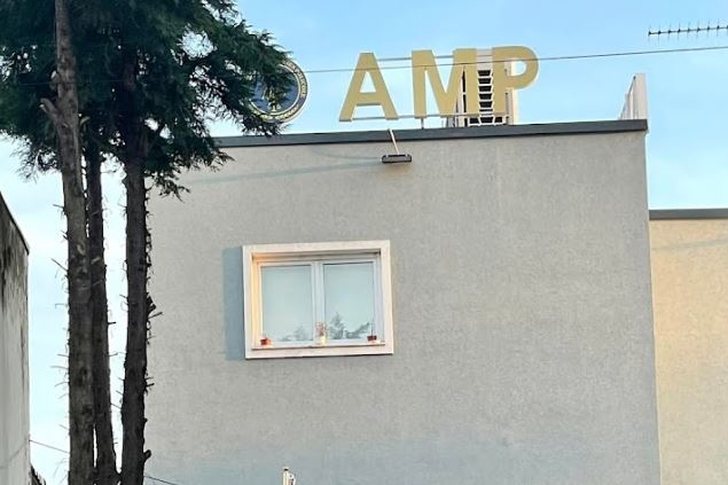
The Police Supervision Agency (Durres - Kavaja Region) has...

Champions will never be lacking, with Tring coming closer ...
The students of the “Kolë Idromeno” school in Shkodër will...
The National Civil Emergency Operations Center (QKOEC) at ...
The Berat Local Police Directorate has presented the plan ...
Erion Veliaj, the mayor of Tirana, who is in the cells...
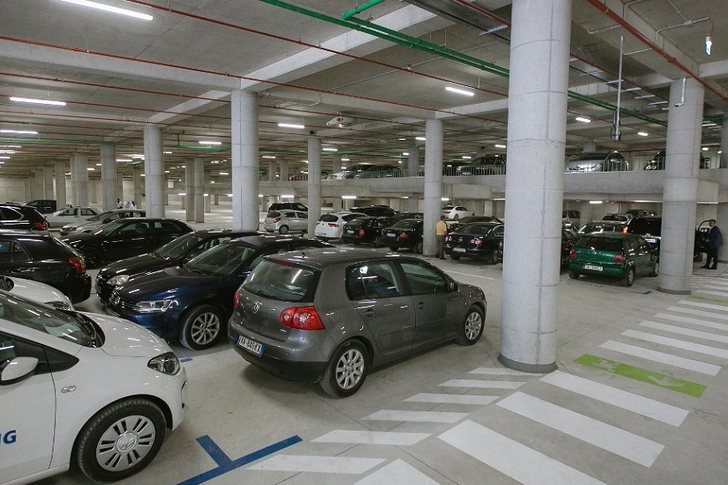
The increase in reference prices in the districts, in addi...

The well-known Shkodran artist Frederik Ndoci shared this ...
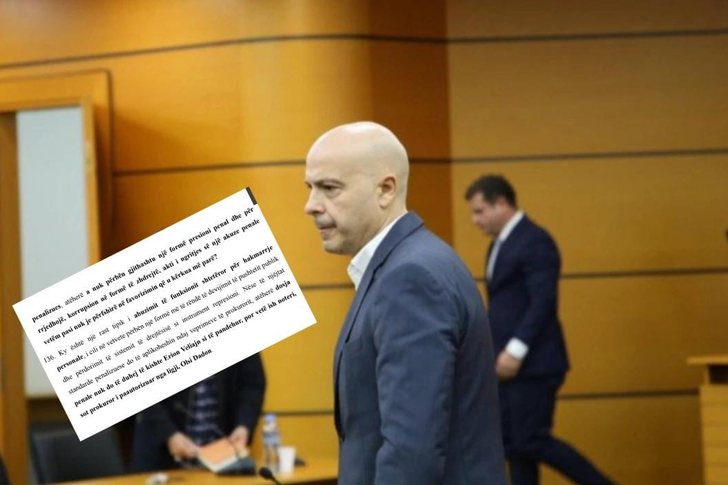
The Mayor of Tirana, Erion Veliaj, has filed a request wit...
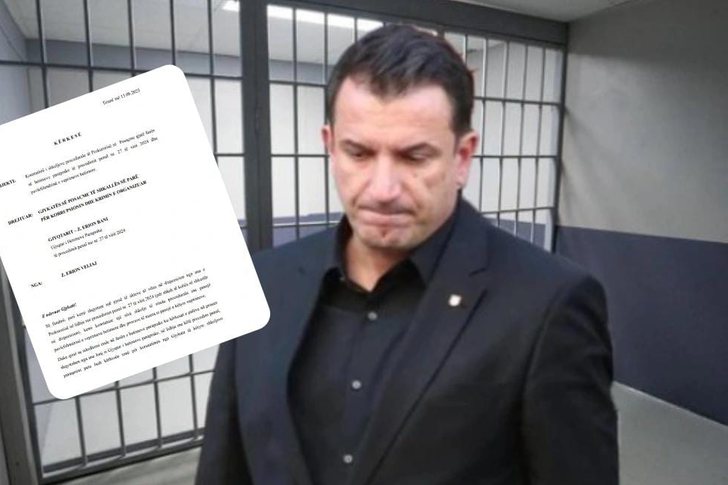
Erion Veliaj's media, which are all on the payroll of his ...
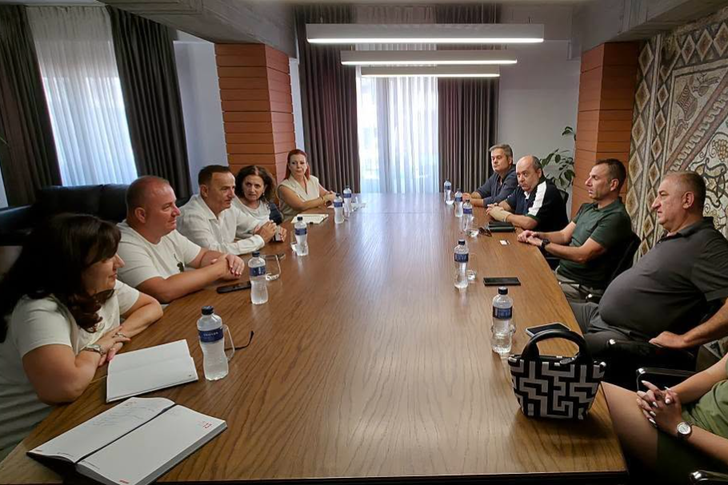
The Mayor of Pogradec, Ilir Xhakoli, hosted today in a mee...
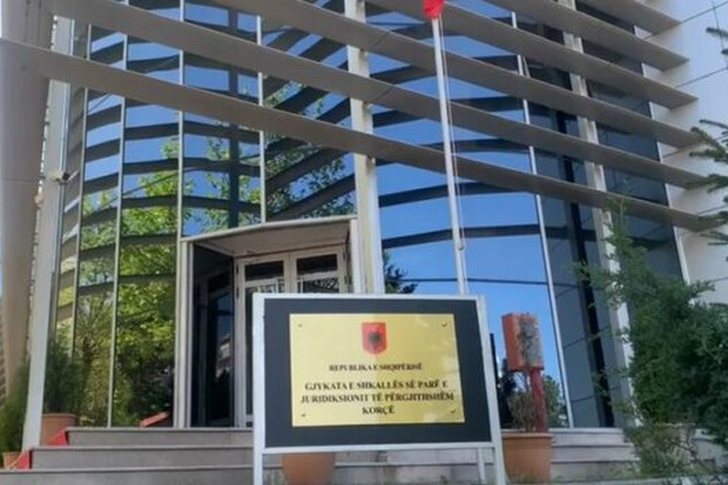
The hearing on the security measure announced at the hospi...
Irfan Hysenbelliu claims to be a big businessman, an hones...

The murder of officer Enea Mekolli in the line of duty has...

The next case broadcast on the show "Stop", this Thursday,...
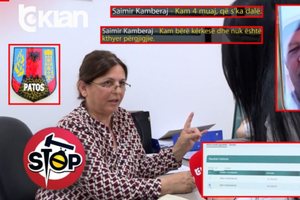
The case published this Thursday, June 4, on the show "Sto...

The Special Board of Appeal (KPA) decided this Monday ...

The KPA vetting decided this Thursday to dismiss the p...

Suela Salavaçi, a prosecutor in the Prosecutor's Offic...

The Special Board of Appeal reinstated the prosecutor ...

A 38-year-old man was arrested today near the Kamza turnof...

A money changer in Durrës lost 60 thousand euros after bei...
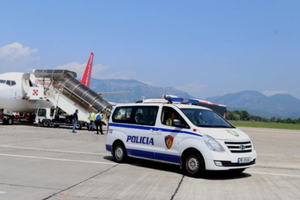
The 6 citizens captured in Dubai, members of criminal grou...
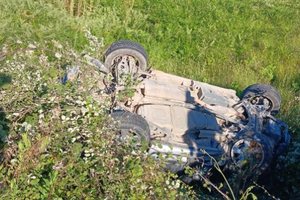
A serious accident occurred on the Kardhiq-Delvinë axis, i...
Today our country will be affected by stable weather condi...

For many children and teenagers, the long summer holidays ...

Albania is facing an unprecedented demographic transition,...
On Thursday, our country will be affected by unstable weat...
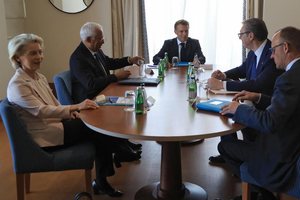
Leaders of the European Union and Western Balkan countries...
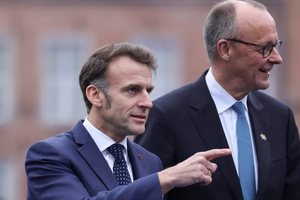
On the eve of the EU-Western Balkans summit, Germany and F...
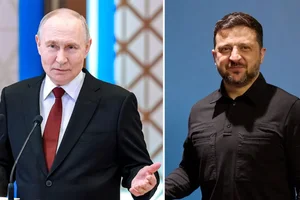
Russian President Vladimir Putin said the war in Ukraine c...
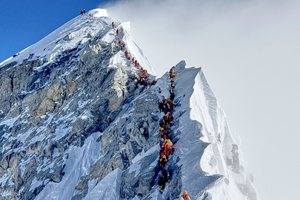
An extraordinary story of survival has been recorded in Ne...
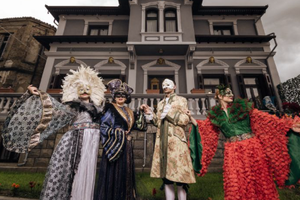
Korça is ready to open the summer season with one of the c...
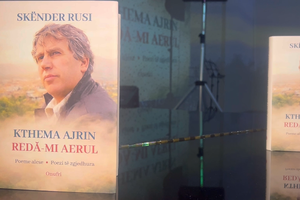
Two years after his passing, the renowned Korçë poet Skënd...
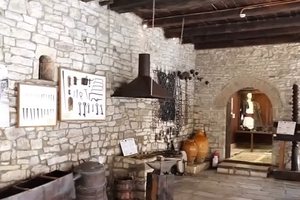
The Ethnographic Museum of Berat has opened its doors to v...
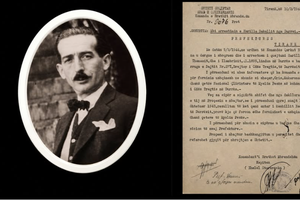
The story of Harilla Bakalli is one of the most chilling t...

Despite years of efforts at regional cooperation and free ...

Albania is the country with the highest level of severe ma...

This Friday, one US dollar is bought for 81.3 lek and sold...
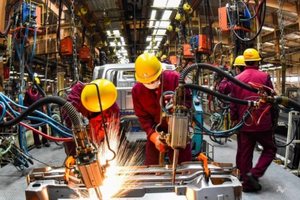
The government aims to transform the country's industrial ...